America has a long and fascinating relationship with the movies, and some of the places where that relationship began are still open for business today. Long before multiplexes took over shopping malls and streaming services moved into living rooms, small-town and big-city theaters were the only show in town, and audiences packed them week after week.
A few of those original theaters have somehow survived fires, economic downturns, changing technology, and more than a century of shifting tastes to keep their projectors running. This list covers 15 of the oldest movie theaters in the United States that are still actively showing films, ranging from a record-holding Iowa cinema that first screened a film in 1897 to a Los Angeles landmark now owned by one of Hollywood’s most famous directors.
Each one has a story worth knowing before you buy your ticket.
1. State Theatre, Washington, Iowa
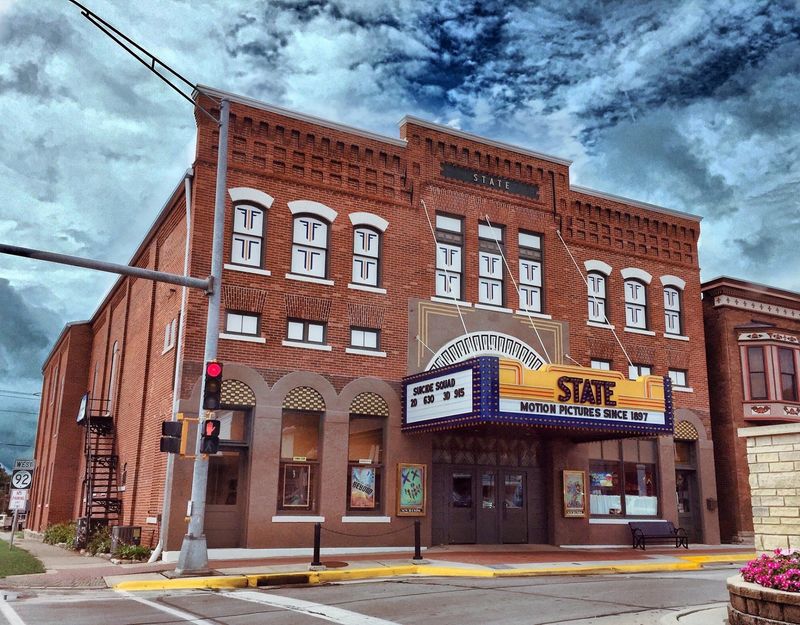
Guinness World Records does not hand out titles lightly, so when they recognized this Iowa theater as the world’s oldest continuously operating cinema, it was a genuine milestone worth celebrating.
The building started life as the Graham Opera House in 1893, and on May 14, 1897, a cinematograph imported from Paris projected the first moving images onto its screen. That makes this theater older than most people’s great-grandparents.
A projection-room fire in November 2010 threatened to end that unbroken run, but repairs were completed and the theater reopened in April 2011. Renamed the State Theatre in 1931, it continues showing first-run movies to Washington, Iowa residents today, offering the rare combination of a Guinness record and a perfectly ordinary Friday-night movie experience.
2. Newtown Theatre, Newtown, Pennsylvania
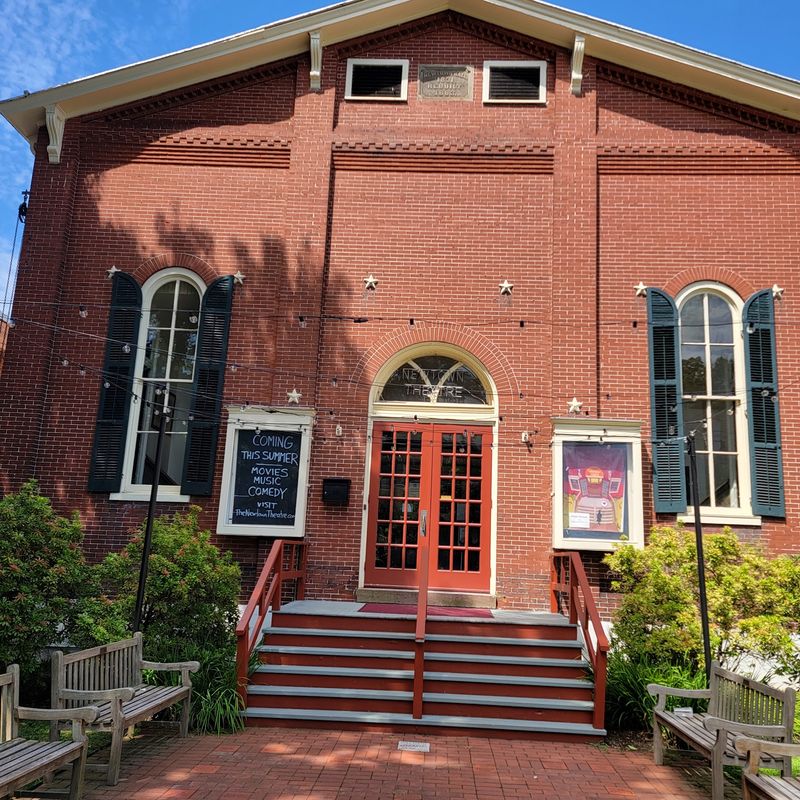
Before it ever showed a film, the Newtown Theatre had already been standing for 75 years, originally serving as a hall for town meetings and community gatherings since 1831.
Its cinematic history began in 1906 with a screening of silent footage documenting the San Francisco earthquake, which makes it one of the earliest surviving American venues where audiences watched moving pictures. That is a remarkable one-two punch of historical significance for a single building.
The nonprofit theater now balances its film programming with concerts, comedy nights, and live performances, keeping the calendar full year-round. Its 2026 schedule features classics, family movies, cult favorites, film-club screenings, and live jazz and stage shows.
Audiences sit in a room that has hosted community life for nearly two centuries, which adds a layer of context that no modern multiplex can replicate.
3. Fountain Theatre, Mesilla, New Mexico
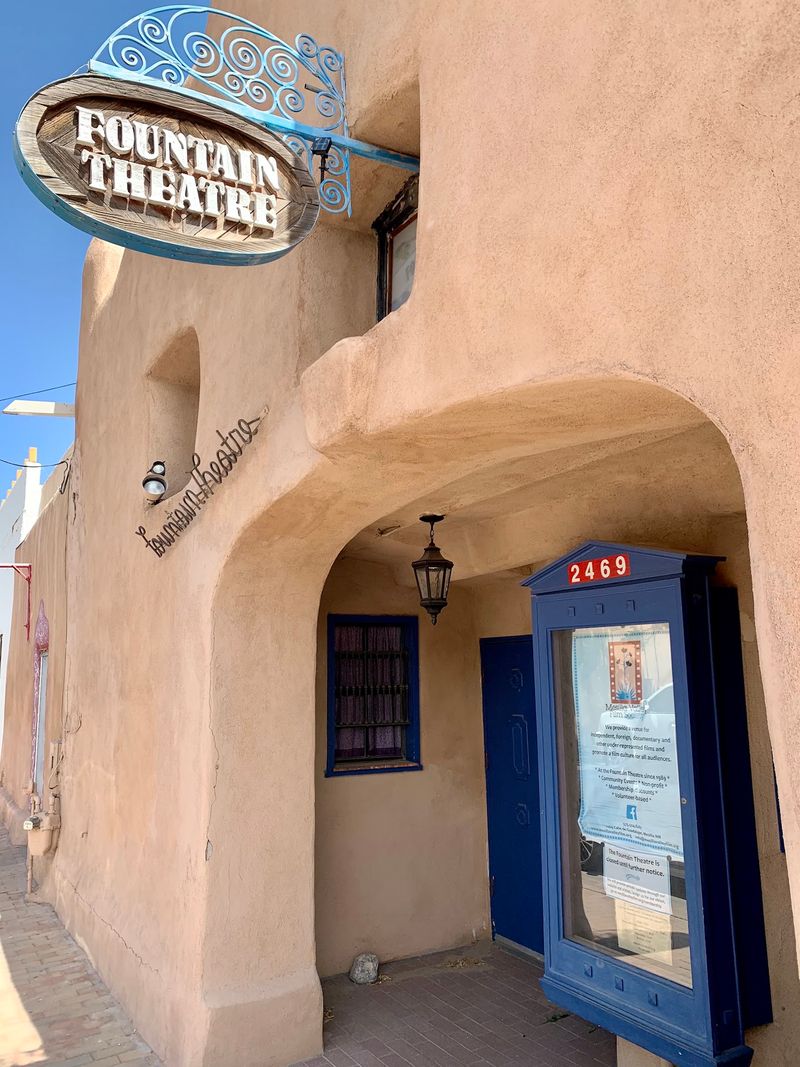
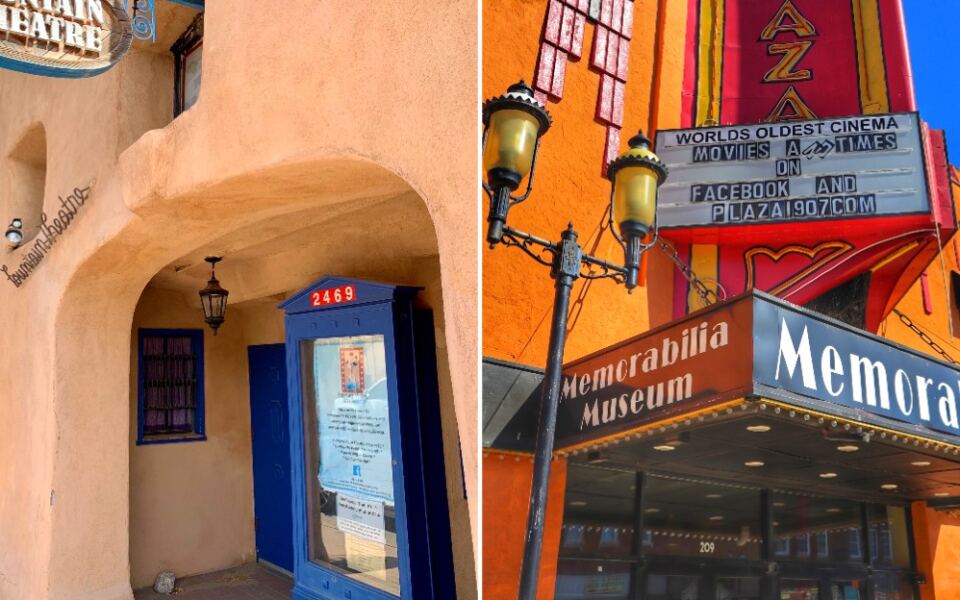
Albert Fountain Jr. had a vision in 1905: bring quality entertainment to the small community of Mesilla, New Mexico. He built a theater for plays, vaudeville, lantern presentations, and early films, and the result is the oldest documented theater in New Mexico still in operation.
The National Park Service backs that claim, though historians still debate exactly when regular motion-picture screenings became the main event.
Today the Mesilla Valley Film Society runs the intimate adobe theater, programming independent, foreign, documentary, and alternative cinema seven days a week, with weekend matinees added to the schedule. Its location just off historic Mesilla Plaza means that a trip to the movies here doubles as a trip through centuries of New Mexico history.
The September 2026 schedule included titles like “Reading Lolita in Tehran” and “Riki-oh: The Story of Ricky.”
4. Avalon Theatre, Portland, Oregon
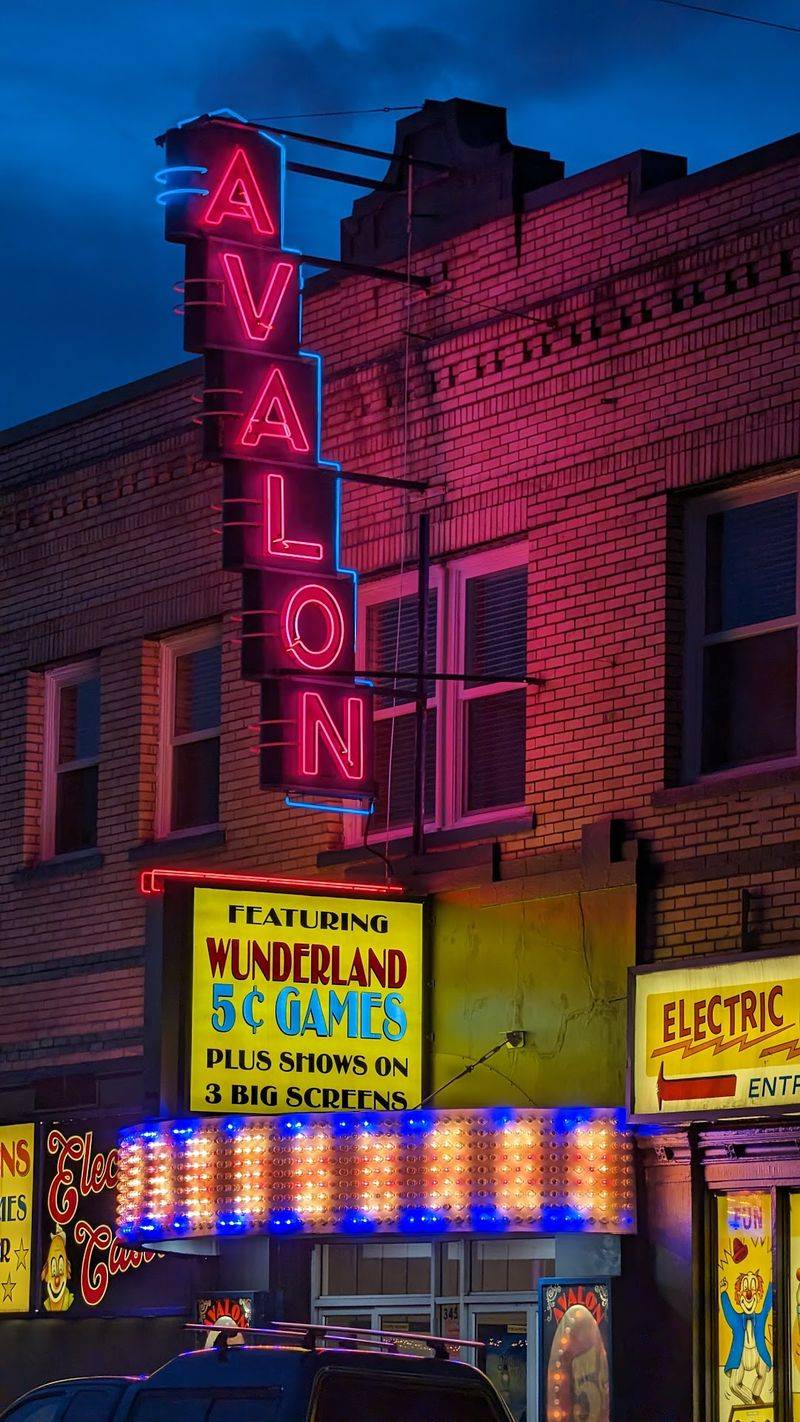
Portland has no shortage of independent theaters, but the Avalon holds a specific distinction that none of its local competitors can claim: it is the oldest operating movie theater in the city, with roots going back to 1912 when it opened as the Sunnyside Theatre.
The venue was rebranded as the Avalon in 1935, and the classic nickel arcade installed in 1925 is still part of the experience today. That combination of a century-old theater and a vintage arcade gives the Avalon a personality that feels more like a neighborhood hangout than a cinema.
McKee Enterprises currently operates the theater, which focuses on second-run films at affordable prices. For families and movie fans who want their ticket money to go further, the Avalon delivers a practical and historically interesting option in a city that genuinely values its independent venues.
5. Plaza 1907, Ottawa, Kansas
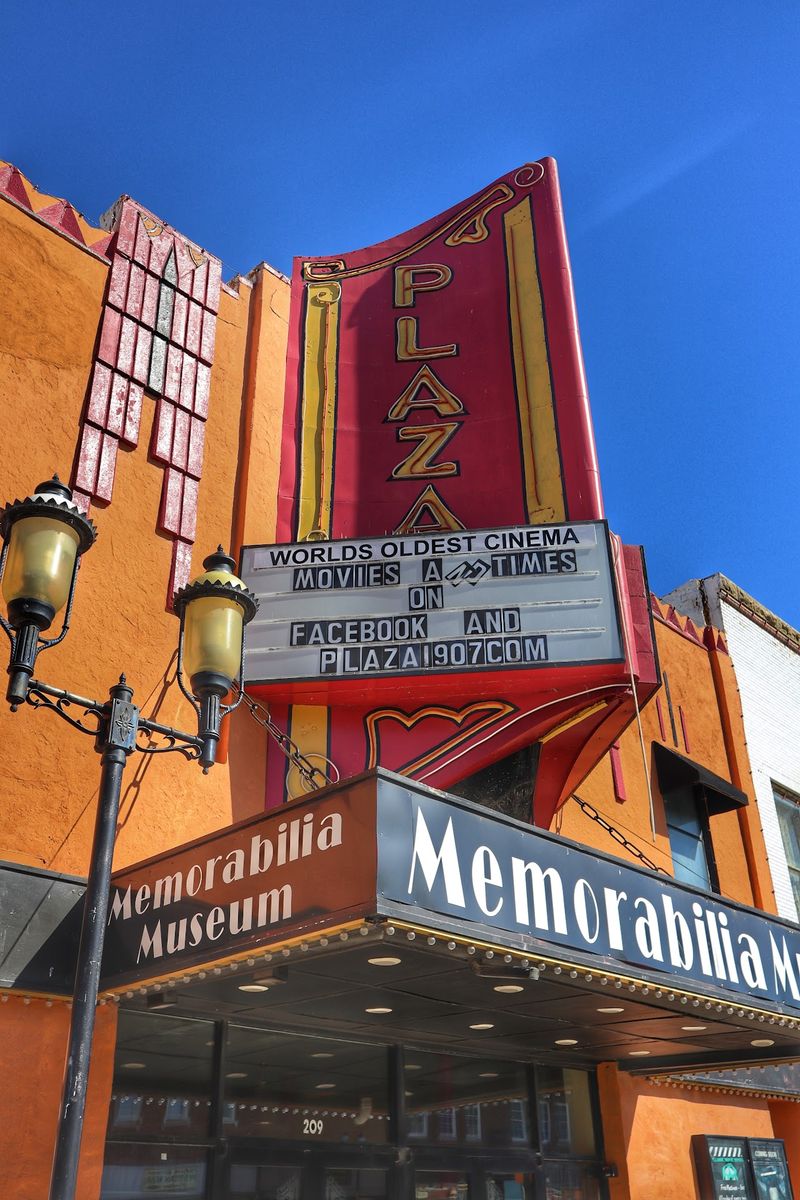
Guinness World Records gave this downtown Kansas cinema a very specific honor in 2018: the title of the world’s oldest operating purpose-built cinema, meaning it was constructed specifically to show movies rather than converted from another use.
Originally named the Bijou, it opened on May 22, 1907, and has never relocated from its original spot. That kind of unbroken commitment to a single address over more than 115 years is genuinely rare in American commercial history.
The Plaza 1907 now operates as a two-screen theater showing current releases alongside a Movie Memorabilia Tour and Exhibit that gives visitors a deeper look at film history. It is one of the few places in America where you can watch a brand-new blockbuster inside a building that was purpose-built for cinema before most people alive today were even born.
6. St. Johns Twin Cinemas, Portland, Oregon
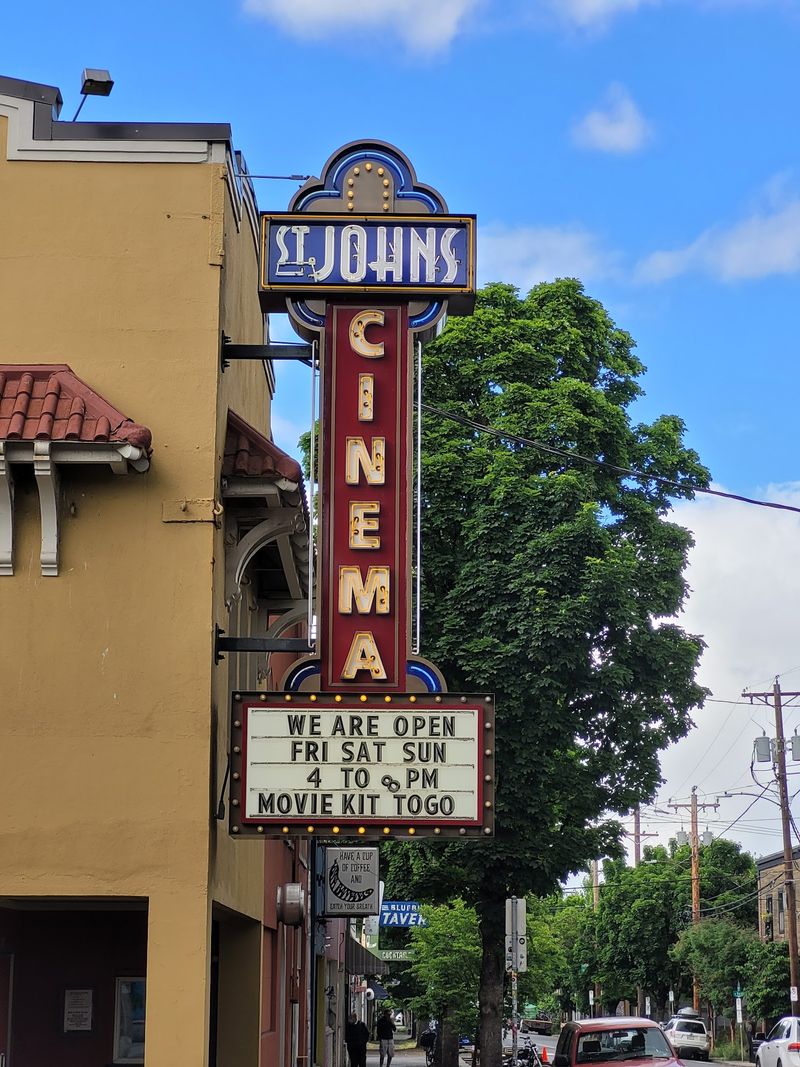
North Portland’s St. Johns neighborhood has had a movie theater anchoring it since 1913, when the People’s Amusement Company opened a single-auditorium house with roughly 650 seats for the local community.
Renovations over the decades converted the historic building into a twin-screen operation while keeping its identity as a true neighborhood cinema intact. That transition from single screen to twin screen is a practical piece of American theater history in itself.
Today the St. Johns Twin Cinemas is an independent first-run theater that combines current movie releases with pizza, and family-friendly concessions, making it a practical choice for a night out. Its September 2026 schedule featured titles including “Practical Magic 2” and “Coyote vs. Acme,” alongside a monthly Secret Screening that keeps regulars guessing.
Over a century in, this theater is still doing exactly what it was built to do.
7. Clinton Street Theater, Portland, Oregon
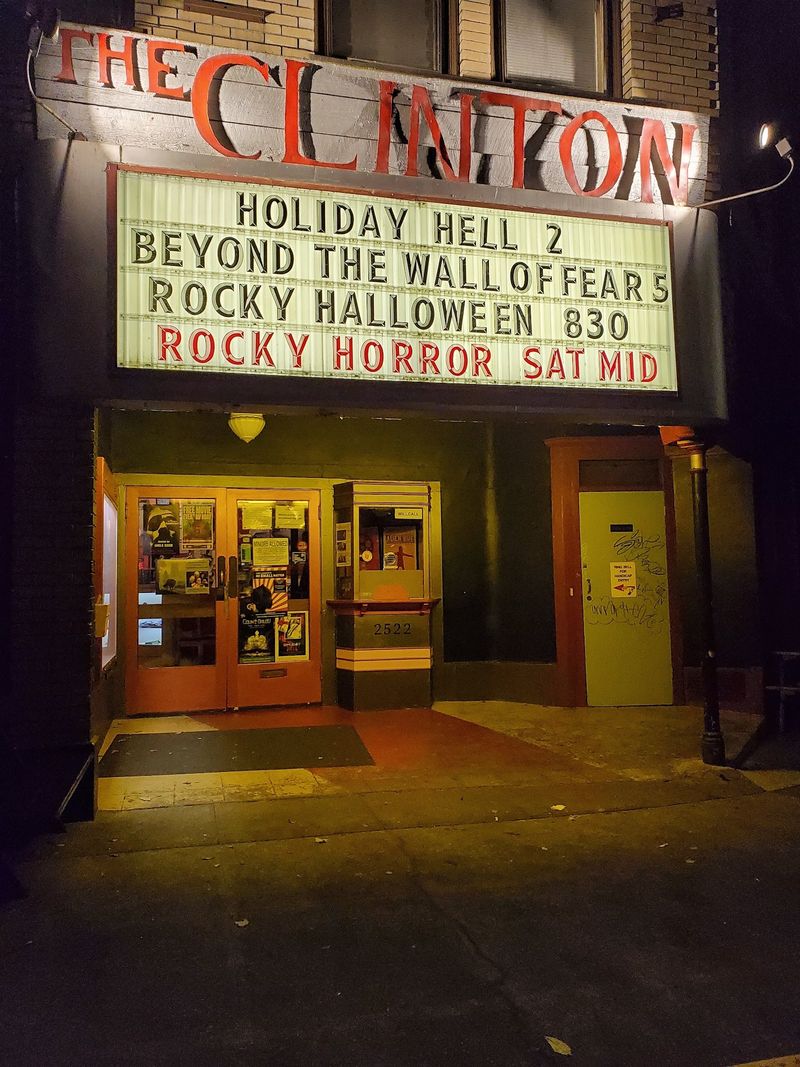
Some theaters survive by adapting. The Clinton Street Theater, opened in 1915 as simply “The Clinton,” has survived more than a century of film-culture shifts by leaning hard into the weird, the independent, and the beloved.
Its programming calendar covers repertory classics, cult films, documentaries, and various film festivals, making it one of the most eclectic single-screen venues still operating in the United States.
The theater’s most famous tradition is its weekly screening of “The Rocky Horror Picture Show,” a run that began in 1978 and continues today, with multiple showings scheduled well into 2026. That single programming decision has given the Clinton Street Theater a national reputation that extends far beyond Portland.
For a 110-year-old single-screen cinema, it has managed to stay remarkably relevant without abandoning the independent spirit that defines it.
8. The Athena Cinema, Athens, Ohio
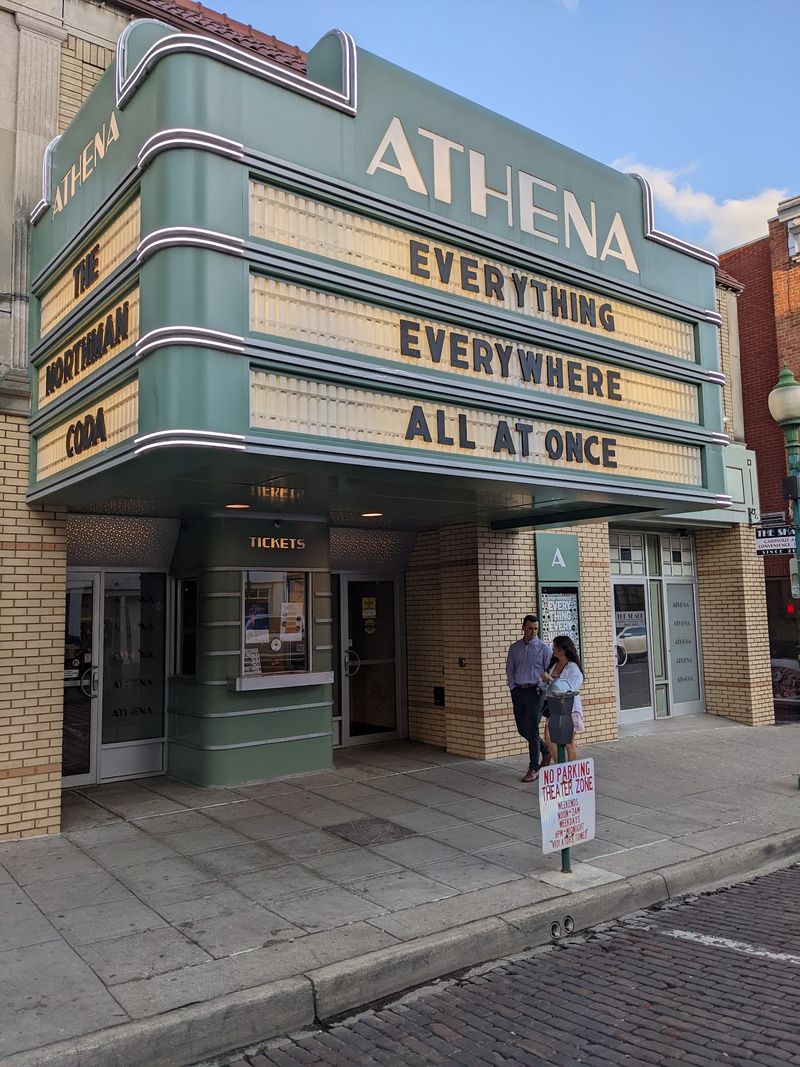
Mary Pickford’s “Cinderella” was among the films that welcomed audiences when this theater opened on June 3, 1915, under the name Majestic. That opening-day lineup gives a vivid snapshot of where American cinema was at the time.
Ohio University’s College of Fine Arts now operates the three-screen Athena, and the programming reflects that academic connection in the best possible way. Independent, international, documentary, classic, and selected first-run films fill the calendar, along with specialized series like a Hispanic Film Series and a Sustainability Film Series.
The result is a cinema that feels actively engaged with the world rather than simply preserving its own history. University-town energy keeps the audience young and curious, while the building’s 110-year history keeps the experience grounded in something larger.
The Athena is proof that old theaters and ambitious programming are a combination that works.
9. Strand Theatre of Tiptonville, TN, Tiptonville, Tennessee
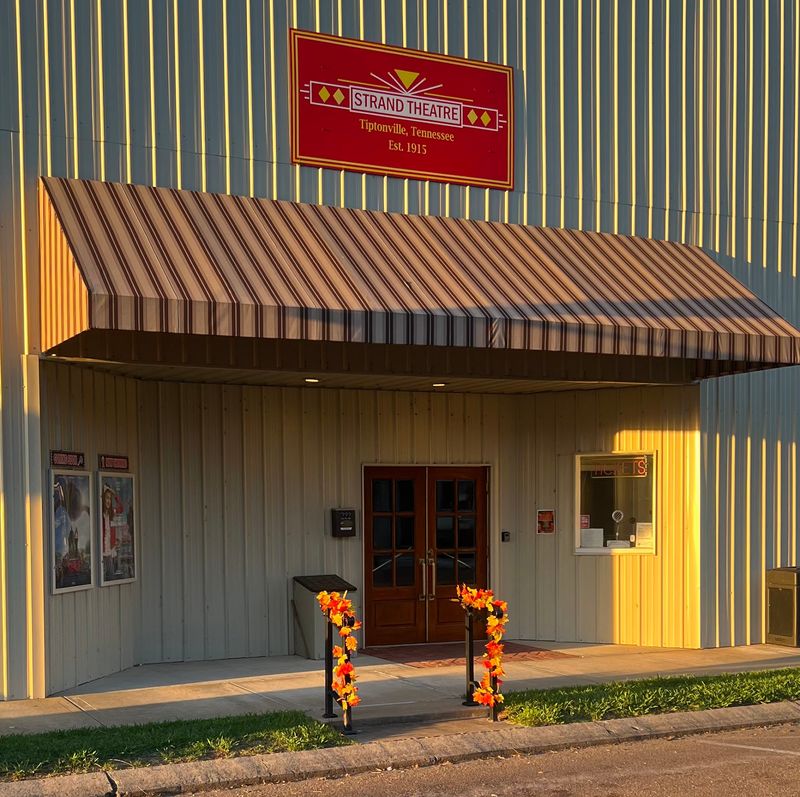
Not every theater on this list has operated without interruption, and the Strand in Tiptonville is the most dramatic example of a cinema that had to be brought back from the edge.
Originally a local movie house from 1915 to 1965, the building spent decades serving other purposes before a major restoration project gave it a second life. The theater reopened in May 2024 as a first-run cinema equipped with digital cinema projection and a Dolby Digital Cinema Surround Sound System.
Current blockbusters now appear on its schedule, typically on Friday evenings and Saturday afternoons and evenings. The contrast between the theater’s Art Deco appearance and its modern projection technology is part of what makes a visit here interesting.
Tiptonville now has something that many towns its size lost decades ago, and residents are clearly glad to have it back.
10. Strand Theatre, Britton, South Dakota
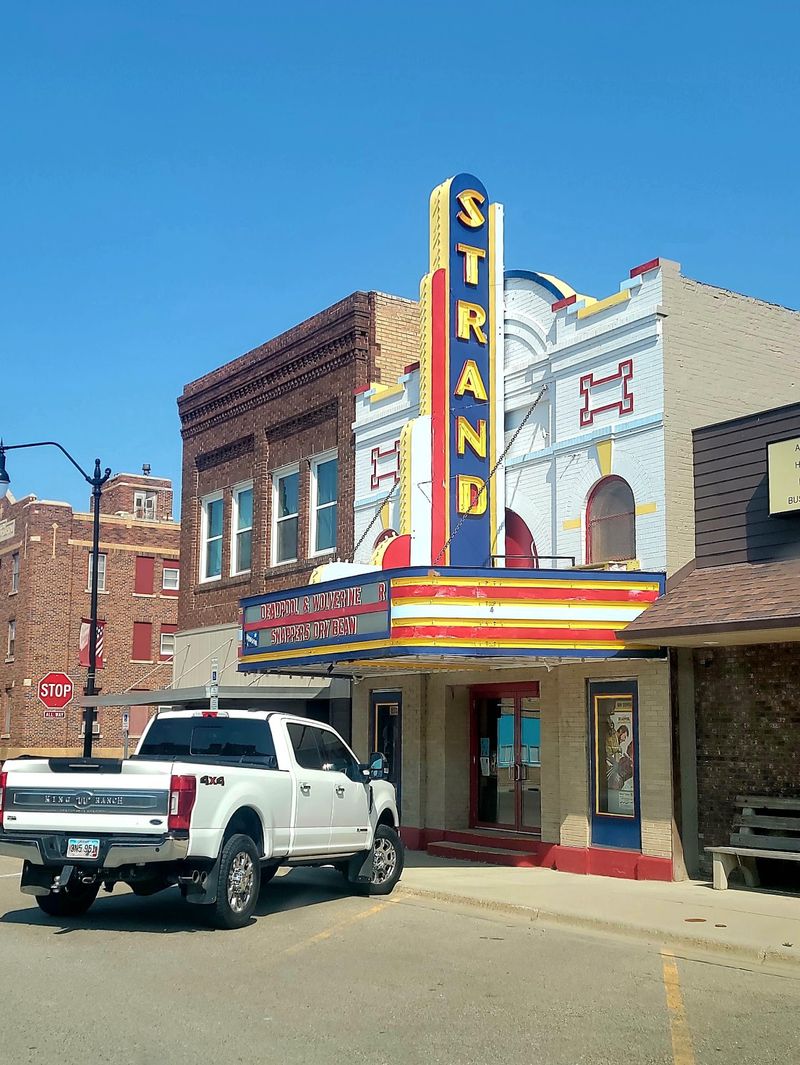
Britton’s Strand Theatre opened on September 27, 1915, as a dual-purpose venue for motion pictures and vaudeville, which was a standard combination for small-town entertainment at the time.
What sets this particular Strand apart from hundreds of other theaters with the same name is projectionist Ivan Besse, who began filming daily life around Britton in 1919 on 16mm film. Those Depression-era films were shown at the Strand itself, giving local residents the unusual experience of watching their own lives projected on the big screen.
The theater went digital in 2012 following renovations in 1988 and 2006, and it remains an active small-town cinema focused on family-friendly programming with popcorn and concessions. It is a community institution in the most literal sense, a place that has documented and entertained Britton for over a century.
11. Strand Theatre, Delaware, Ohio
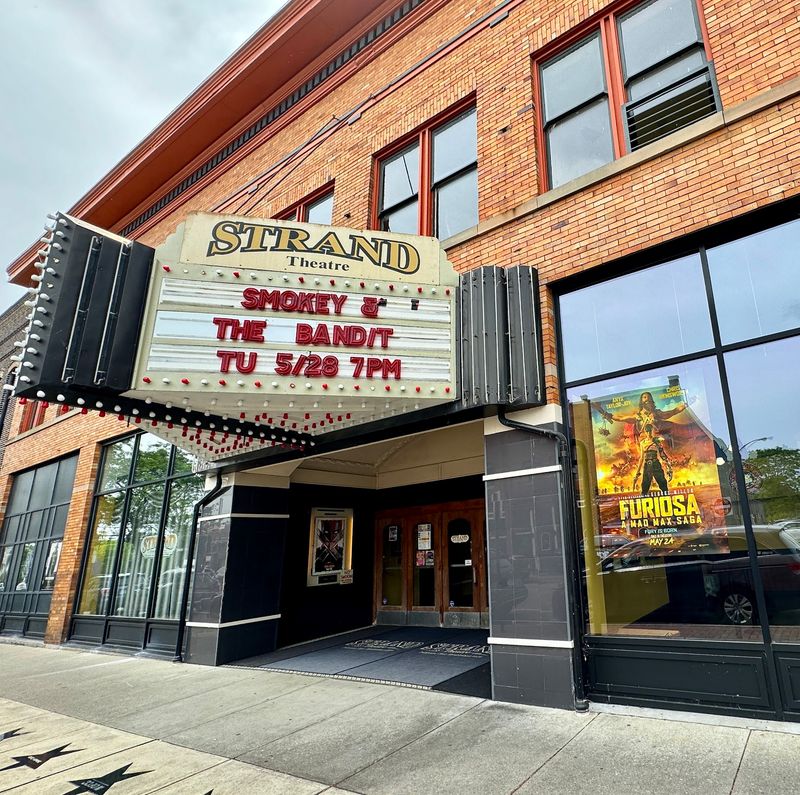
April 10, 1916 is a specific enough opening date that the Strand Theatre in Delaware, Ohio, has been able to calculate exactly how long it has been in business, and the answer as of 2026 is 110 years without interruption.
That continuous run earns it a place among what the theater itself describes as the ten oldest continuously operating movie theaters in America. The original 800-seat single-screen configuration has grown into a three-screen operation through additions made in 1982 and 1986, and all films have been shown digitally since 2012.
First-run movies, classics, and special events share the calendar, keeping the Strand active as a working community cinema rather than a historic curiosity. Downtown Delaware has changed enormously since 1916, but this theater has remained a constant fixture on the main street through all of it.
12. Liberty Theatre, Carnegie, Oklahoma
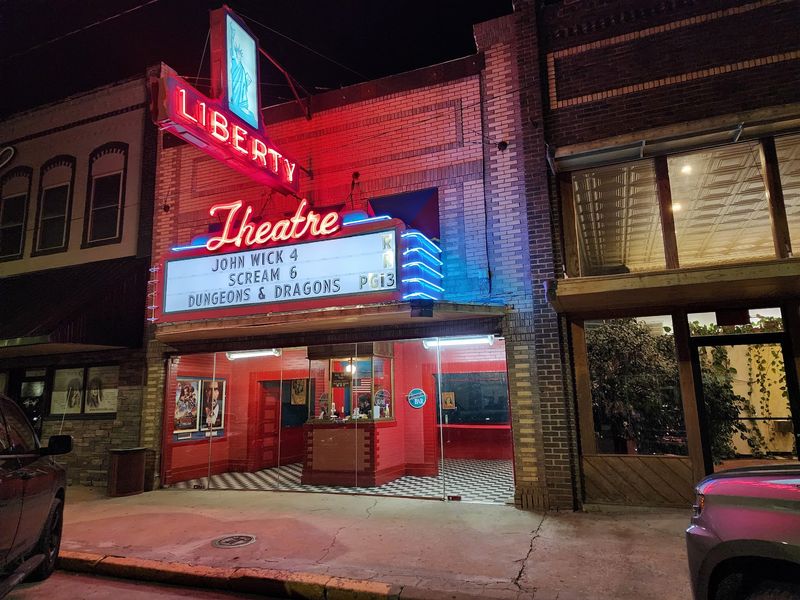
Carnegie, Oklahoma has had the same movie theater on its Main Street since 1917, and the Liberty Theatre’s claim to be Oklahoma’s oldest continually operated cinema is backed by more than a century of box-office receipts.
What started as a venue for live performances and silent films has grown into a three-screen operation that now runs current releases. The technology upgrade completed in 2025 brought 4K laser projection and Dolby Digital 7.1 surround sound to all three screens, giving the historic building a genuinely modern viewing experience.
The Liberty did close briefly in 2020 before reopening in November 2021, and its September 2026 schedule featured titles including “Practical Magic 2” and “Coyote vs. Acme.” A theater that can offer cutting-edge projection inside a 108-year-old building is doing something right, and Carnegie’s audiences clearly agree.
13. Rivoli Theatre and Pizzeria, La Crosse, Wisconsin
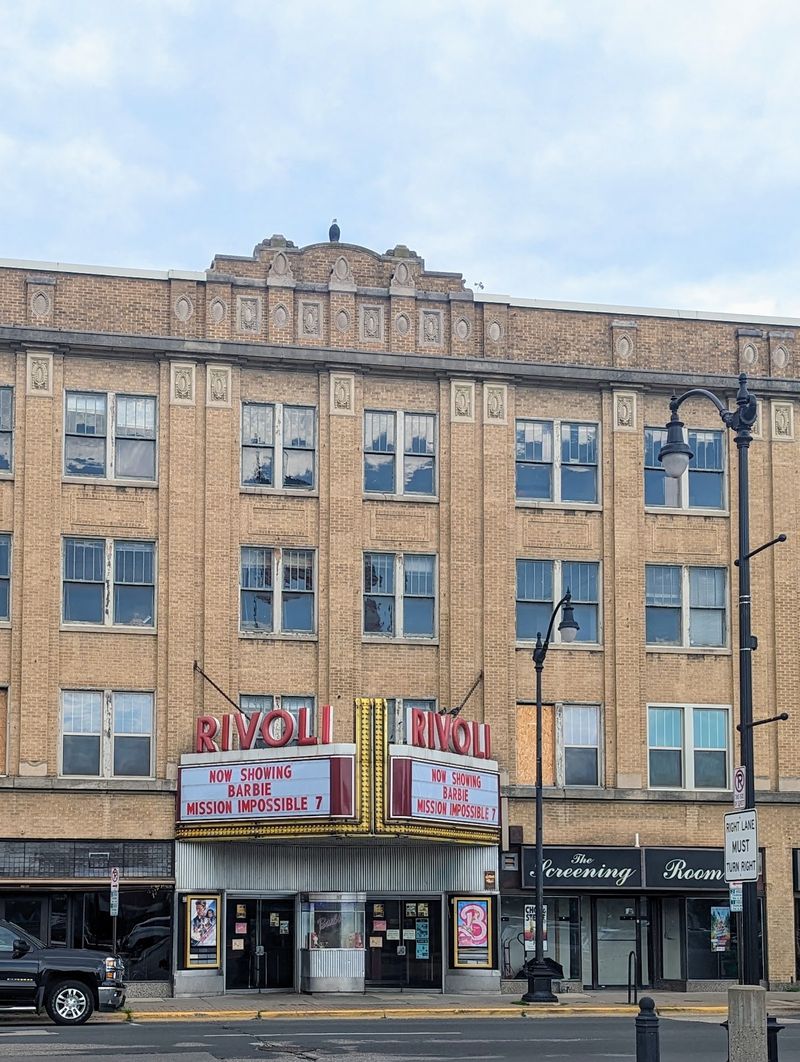
When the Rivoli opened in September 1920, its Spanish Renaissance styling made a trip to the movies feel like a grander occasion than simply watching a film, and that architectural ambition is still visible today.
The theater closed in 1986 and did not reopen until 1994, so a claim of continuous operation since 1920 would not hold up, but its return to active cinema status is what matters for this list. Since reopening, the Rivoli has operated as a two-screen movie theater combined with a pizzeria, creating a practical and enjoyable combination that has kept audiences coming back.
Its September 2026 schedule included “The Dark Knight,” “Brazil,” and “Coyote vs ACME,” a lineup that mixes classics with newer releases. La Crosse has held onto a theater from the dawn of the Roaring Twenties, and that is worth noting.
14. The Historic Artcraft Theatre, Franklin, Indiana
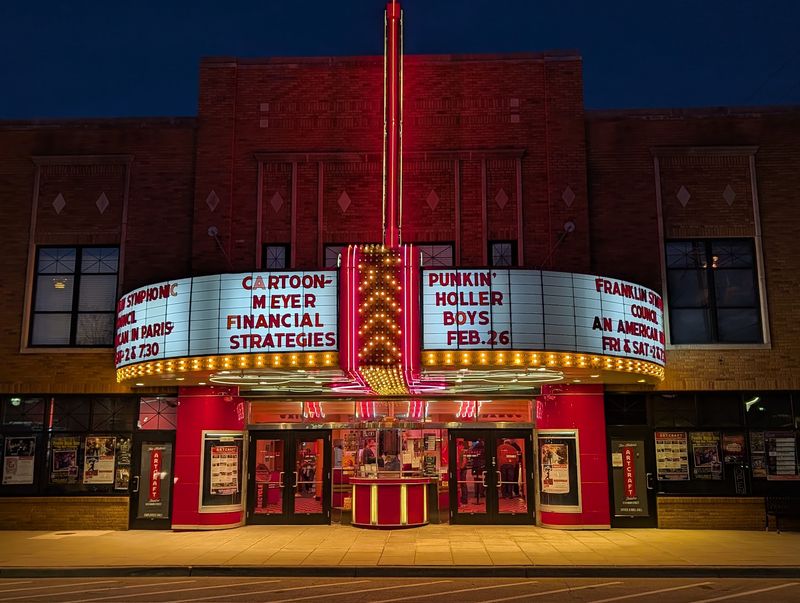
A glowing marquee in downtown Franklin, Indiana has been drawing attention since 1922, when the Artcraft opened as a silent movie theater and vaudeville house. Later renovations added the streamlined Art Deco details that give the building its current distinctive appearance.
The nonprofit theater has built its identity around classic movie experiences, and 35mm film remains the preferred projection format. Regular screenings often begin with classic cartoons and a national anthem reel before the feature, a deliberate callback to moviegoing traditions that most audiences under 50 have never experienced firsthand.
Beyond films, the Artcraft hosts a Midweek Music Series and other events that keep the calendar active throughout the year. Concessions are available, and a bar serves evening shows.
For a theater that has been part of Franklin’s downtown for over a century, it remains surprisingly busy and genuinely committed to its original mission.
15. Vista Theatre, Los Angeles, California
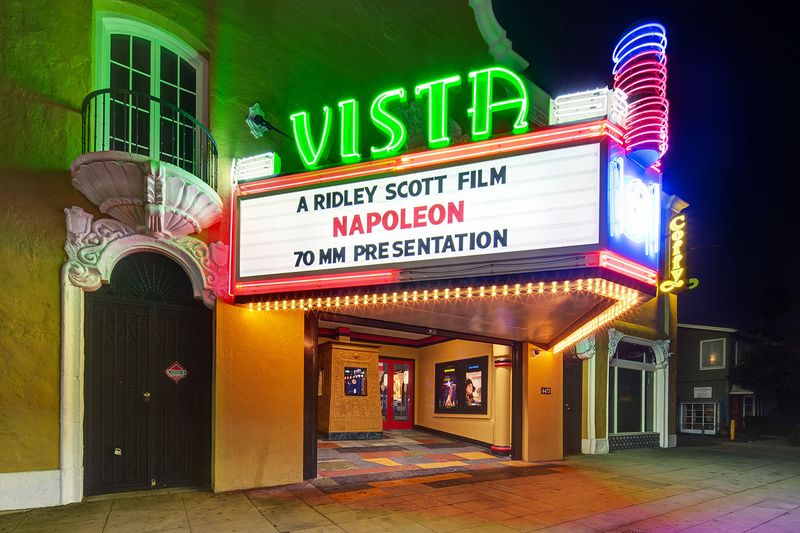
Quentin Tarantino is not the kind of filmmaker who buys a historic theater and lets it sit quietly. When he purchased the Vista in 2021 and reopened it on November 17, 2023, he made his intentions clear: this would be a cinema dedicated exclusively to physical film formats.
Originally known as Bard’s Hollywood or the Lou Bard Playhouse when it opened in October 1923, the Vista is now one of the few theaters in Los Angeles actively programming 35mm and 70mm screenings on a regular basis.
The September 2026 schedule featured “One Battle After Another” in 8-perf VistaVision, a format almost no other theater in the country can screen. A 35mm run of “Nouvelle Vague” was planned for November.
More than 100 years after its first audience walked in, the Vista is showing films in formats that connect directly to cinema’s physical history.
Share this story