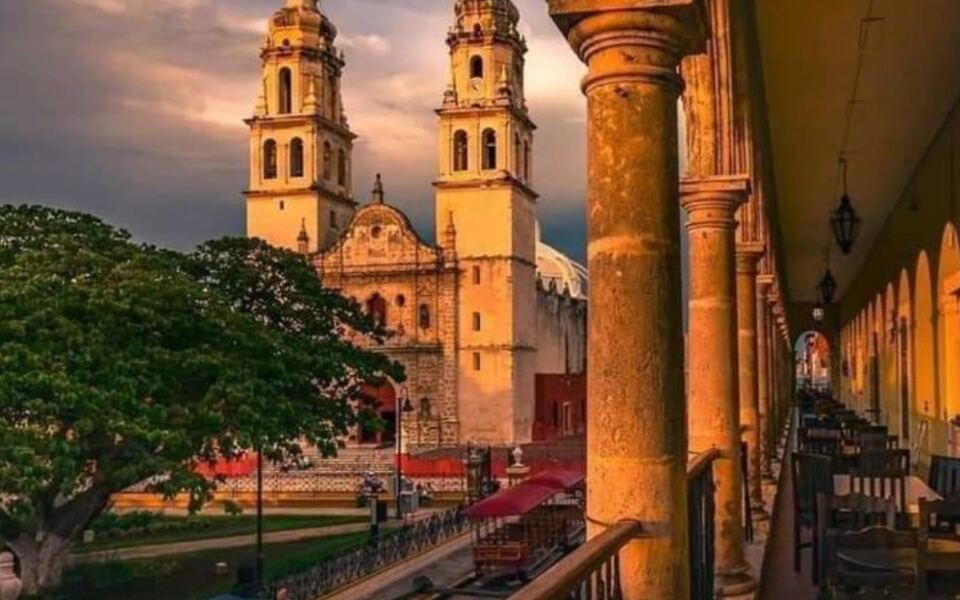
Latin America is packed with places that never make it onto the average tourist’s radar, yet they hold some of the region’s most jaw-dropping landscapes, history, and culture. Beyond the famous spots lie river towns frozen in colonial time, wetlands crawling with wildlife, and crater lakes shimmering at high altitude.
These hidden corners reward curious travelers with experiences that feel genuinely local and refreshingly uncrowded. If you are ready to see a side of Latin America that most people simply skip, this list is your starting point.
Chachapoyas and the Utcubamba Valley, Peru
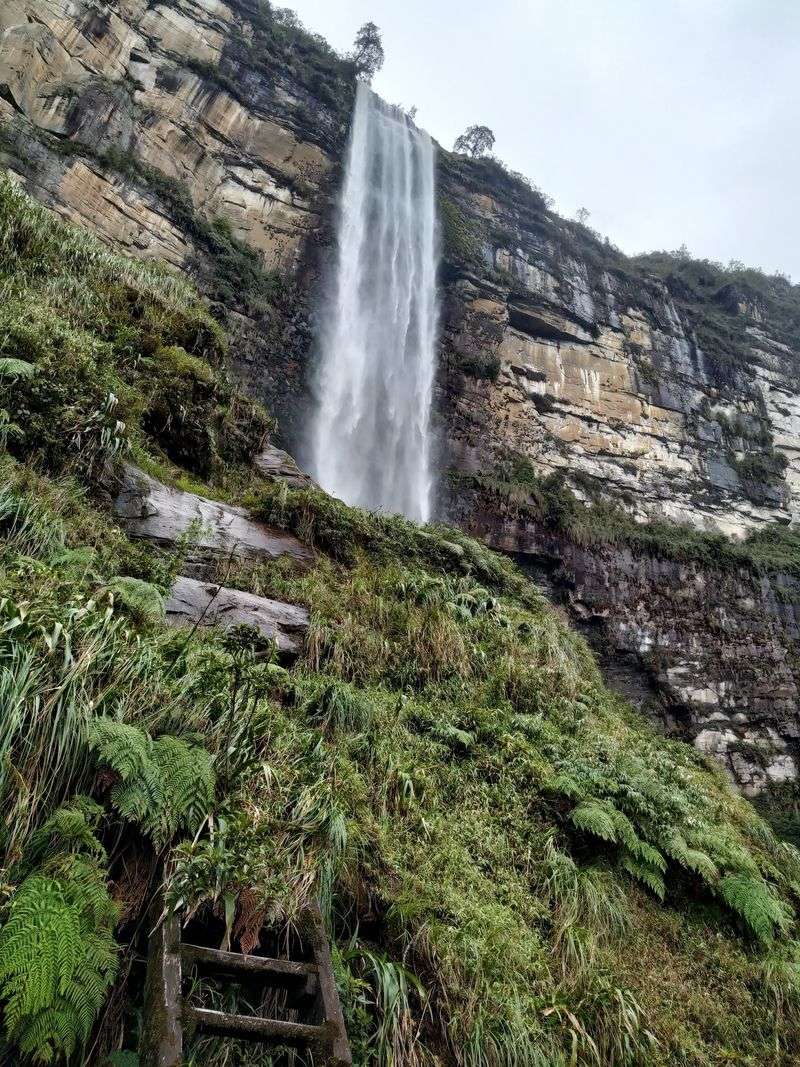
Forget everything you think you know about Peruvian archaeology, because northern Peru plays by completely different rules. The Utcubamba Valley around Chachapoyas holds the ruins of the Chachapoya culture, including Kuelap, Revash, Karajia, and Laguna de los Condores.
These sites stretch across roughly 300 kilometers of eastern Andean slopes, sitting between 2,000 and 3,000 meters above sea level.
Cloud forest clings to cliffsides, highland grasslands roll across the horizon, and deep valleys carve through the terrain in ways that make the scenery as memorable as any ruin. Kuelap alone features a massive stone enclosure that predates many Inca constructions.
Spending several days here reveals a pre-Columbian world that most Peru itineraries completely ignore.
Getting to Chachapoyas takes effort, but a cable car now makes accessing Kuelap significantly easier than before. Small guesthouses and local guides make the experience feel personal rather than packaged.
Northern Peru rewards patience with some of the continent’s most underappreciated archaeology.
Santa Cruz de Mompox, Colombia
A town that time forgot sounds like a cliche until you actually walk through Mompox. Once a critical stop on river routes connecting Colombia’s interior with Cartagena, this riverside city slowly faded from commercial importance after the Magdalena River shifted course.
That geographical bad luck turned out to be cultural gold.
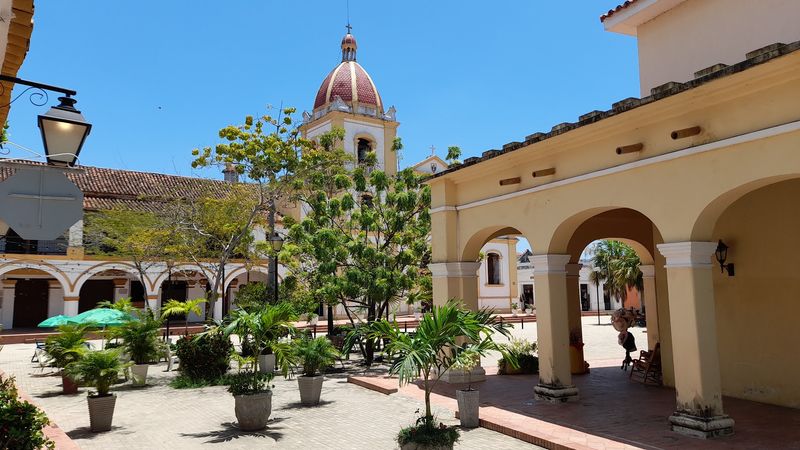
The isolation preserved riverside mansions, Andalusian-style churches, and cobblestone streets that have been UNESCO-listed since 1995. Wandering here feels nothing like visiting Cartagena’s tourist-polished center.
Instead, you get shaded courtyards, crumbling grandeur, and the quiet rhythm of a town that never needed to reinvent itself for visitors.
Mompox is also famously associated with the fictional atmosphere of Gabriel Garcia Marquez’s writing, and standing beside the river at dusk, that comparison suddenly makes complete sense. The town offers simple but charming guesthouses, local food, and a pace of life that actively discourages rushing.
Plan at least two nights to properly absorb it.
San Agustín, Colombia
Southern Colombia keeps one of the continent’s most mysterious archaeological secrets, and most travelers fly right past it on their way to Cartagena or Medellin. San Agustin’s UNESCO-listed landscape is filled with monumental figures carved from volcanic stone, burial mounds, tombs, and ceremonial structures built by a culture that left behind almost no written record.
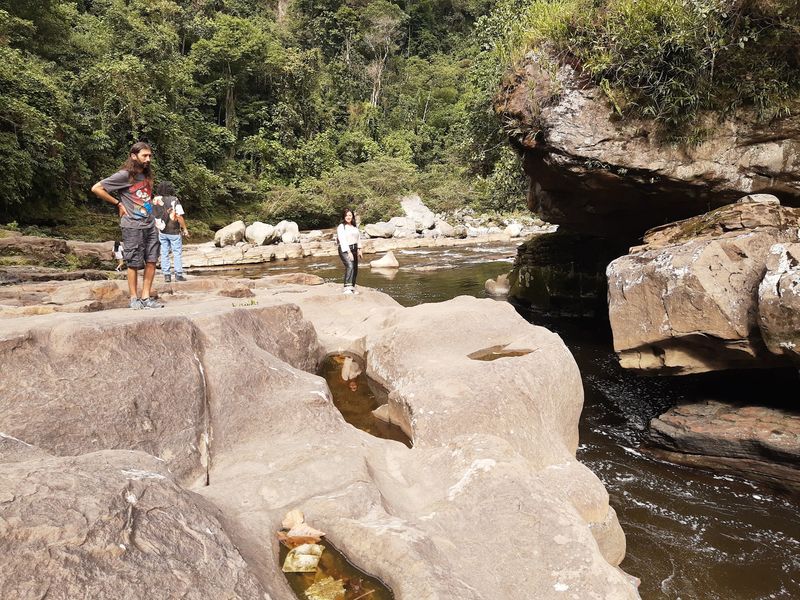
The figures range from fierce jaguar-human hybrids to serene burial guardians, each one carved with surprising detail given the tools available at the time. Lush vegetation surrounds every site, and the nearby Magdalena River narrows to less than three meters at a dramatic gorge called the Estrecho.
The combination of art, landscape, and mystery is genuinely hard to match anywhere on the continent.
Nearby Isnos, El Tablon, and La Chaquira add more sites to explore beyond the main archaeological park. Local guides bring context that site signage alone cannot provide.
San Agustin suits travelers who want Colombia to surprise them in ways that go well beyond coffee farms and colonial plazas.
Elqui Valley, Chile
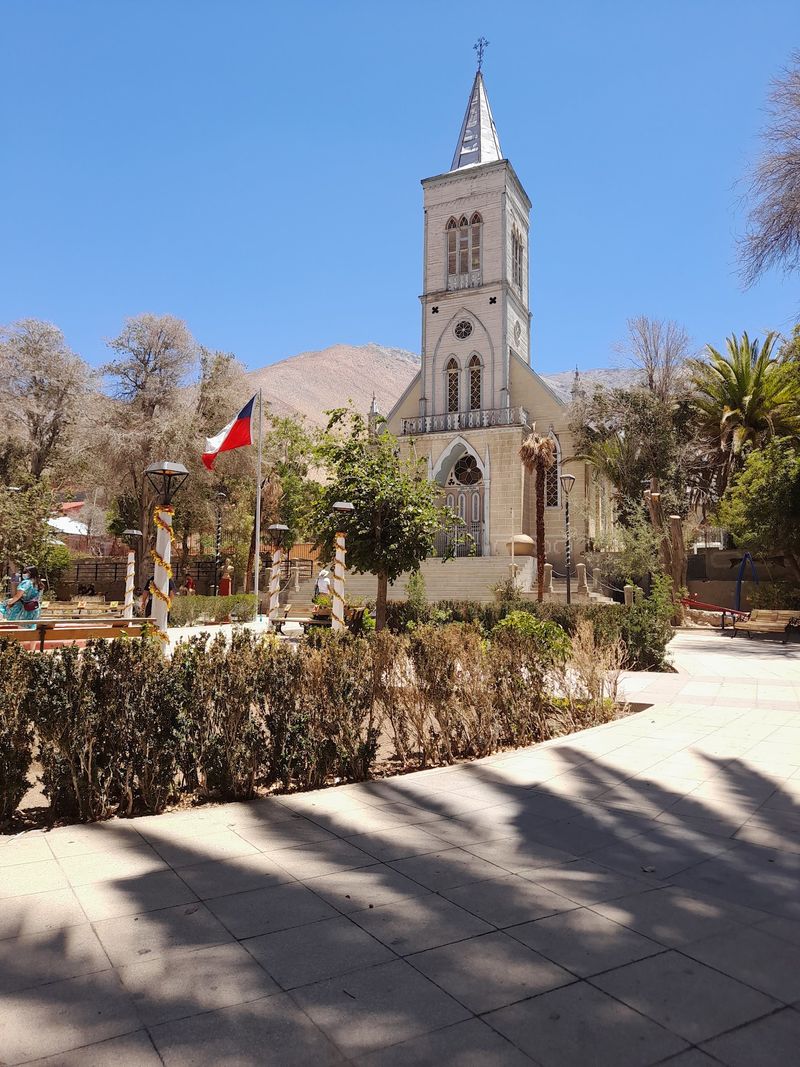
More than 300 clear nights per year is not a boast the Elqui Valley makes quietly. This narrow valley in northern Chile has become a serious destination for stargazers, with professional observatories and visitor-friendly astronomy tours clustered around towns like Vicuna and Pisco Elqui.
The dry mountain air and minimal light pollution create conditions that make professional astronomers genuinely jealous.
Daytime brings an entirely different kind of pleasure. The valley produces pisco and wine, and small distilleries welcome visitors for tastings and tours along routes shaded by mountains on both sides.
Trekking, cycling, and horseback riding fill out the hours between sunset and stargazing.
Temperatures drop sharply after dark despite the desert surroundings, so packing a warm layer is non-negotiable. Travelers who focus all their northern Chile energy on San Pedro de Atacama often miss this valley entirely, which is a genuine shame.
The Elqui Valley is compact, affordable, and quietly spectacular in a way that feels earned rather than packaged.
Esteros del Ibera, Argentina
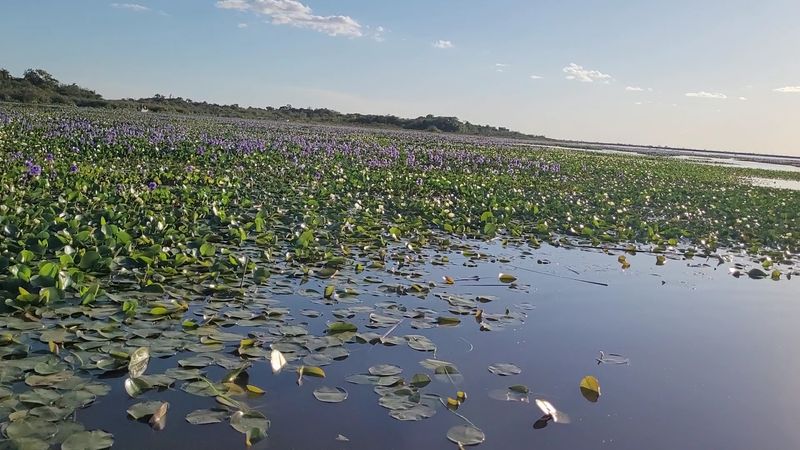
Argentina has a wildlife secret the size of a small country, and most international visitors never hear about it. The Ibera Natural Reserve covers roughly 1.3 million hectares of subtropical wetlands in the country’s northeast, supporting 85 mammal species, 35 reptile species, and 45 amphibian species.
Capybaras, caimans, marsh deer, howler monkeys, and giant anteaters are all regular sightings.
Boat trips through the lagoons at dawn are the most popular way to spot wildlife, but horseback rides, guided hikes, and photographic safaris extend the options considerably. Colonia Carlos Pellegrini serves as the most practical base, offering lodges that range from budget-friendly to genuinely luxurious.
The birdlife alone justifies the journey for serious birders.
This is Argentina operating at its subtropical extreme, a world of floating vegetation, open water, and grassland rather than glaciers or Malbec vineyards. Rewilding programs have recently reintroduced jaguars to the reserve, adding a genuinely thrilling layer to any visit.
The Ibera wetlands deserve a spot on every nature-focused Latin America itinerary.
Cabo Polonio, Uruguay
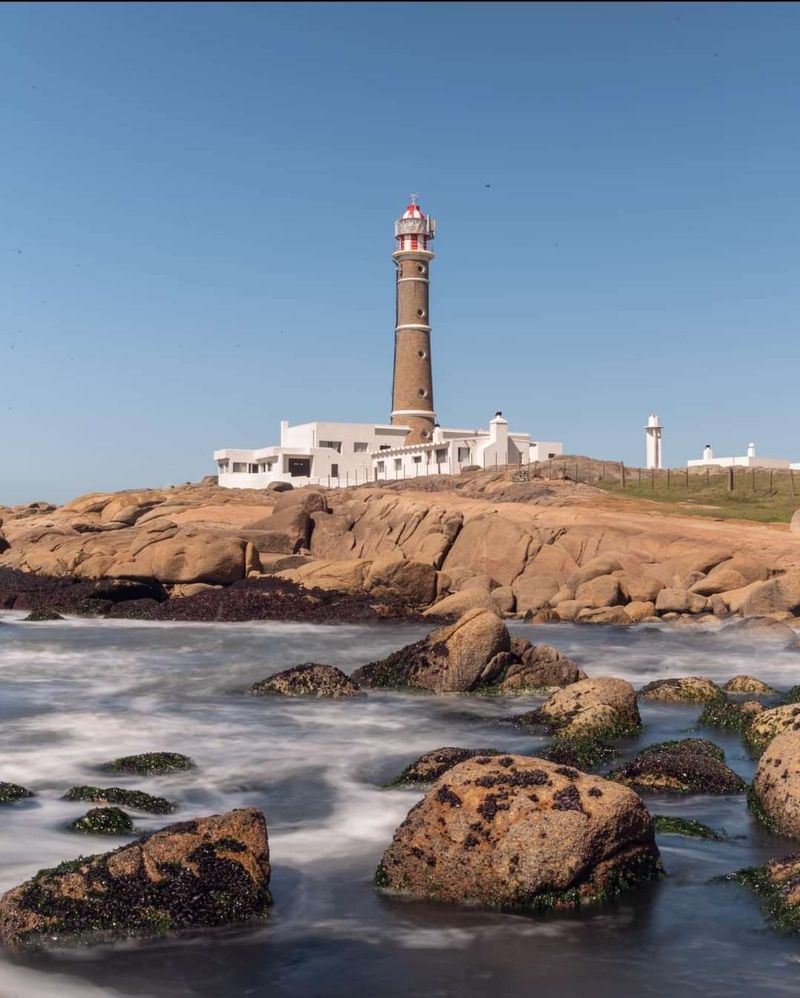
Getting to Cabo Polonio requires riding an all-terrain vehicle across seven kilometers of sand, which is exactly the kind of entrance a place this unusual deserves. The settlement has roughly 70 permanent residents, no paved roads, and no conventional urban development.
Mobile coastal dunes rise more than 20 meters in some spots, creating a shifting landscape unlike anything else on Uruguay’s coast.
Offshore islands support large populations of sea lions and fur seals, and an 1881 lighthouse overlooks the cape with the quiet authority of something that has seen a lot of Atlantic weather. Swimming, walking the dunes, and watching wildlife from the shore fill most days naturally.
Nights are genuinely dark, which makes the sky above Cabo Polonio unexpectedly impressive.
The contrast with polished Punta del Este could not be sharper. There are no resort towers, no beach clubs, and no cocktail menus printed on laminated cards.
What you get instead is wild coastline, simple food, and the rare feeling of having found somewhere that resists being turned into a product. That resistance is exactly the point.
Campeche, Mexico
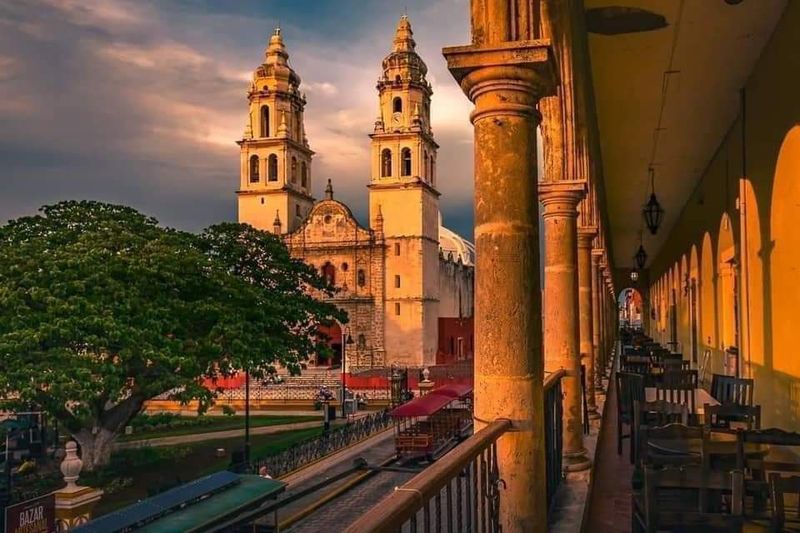
Pirates shaped Campeche more than most cities would care to admit. The Gulf-side city built its iconic defensive walls, bastions, and forts specifically because buccaneers kept attacking it during the colonial period.
Those fortifications are now UNESCO-listed and serve as the most photogenic feature of a city center packed with pastel colonial facades.
San Miguel and San Jose forts guard the approaches to the bay, while the city museum inside San Carlos Bastion fills in the historical gaps with impressive exhibits. The waterfront Malecon offers a breezy evening walk that feels nothing like the crowded promenades of Mexico’s Caribbean resorts.
Campeche moves at its own Gulf-coast pace, unhurried and genuinely local.
The city also works as a practical base for reaching the Maya city of Calakmul, buried deep in forest and considered one of the most powerful ancient Maya capitals. Edzna is closer and easier to visit on a half-day trip.
For travelers who find the Cancun corridor overwhelming, Campeche offers a quieter, historically richer, and equally fascinating side of the Yucatan Peninsula.
Bacalar, Mexico
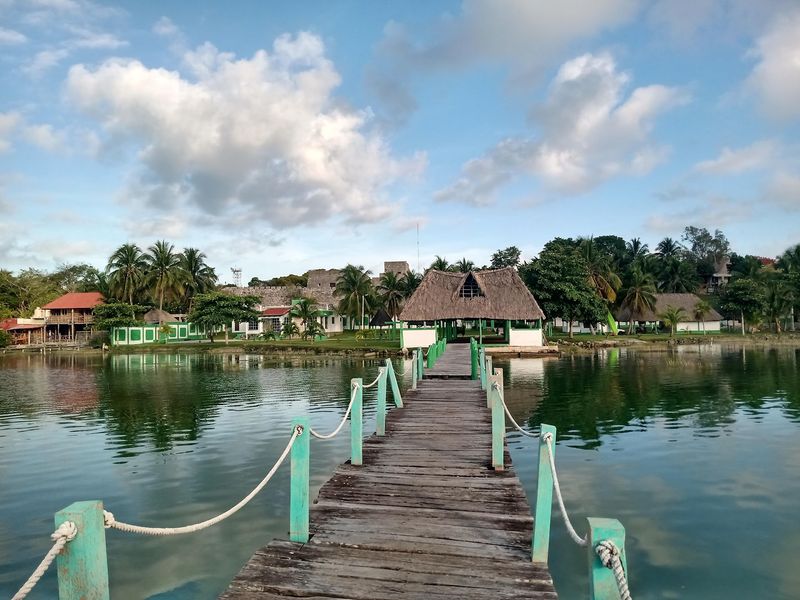
Seven shades of blue in a single lake sounds like something a travel brochure invented, but Bacalar’s famous lagoon genuinely earns the nickname. Variations in depth and light create a spectrum of colors ranging from deep navy to almost electric turquoise, and the water is oligotrophic, meaning it contains very few nutrients and stays exceptionally clear.
Kayaking through those color bands on a calm morning is quietly unforgettable.
The 18th-century Fort San Felipe sits at the town’s edge, recalling the conflicts with pirates and British interests from neighboring Belize that once made this freshwater lake strategically important. Today the fort is more photogenic than threatening.
Small restaurants, hammock-equipped docks, and laid-back guesthouses line the lakeshore.
Bacalar has grown more popular in recent years, but it still operates at a pace far slower than the Cancun-Playa del Carmen corridor a few hours north. Paddleboarding, boat tours, and swimming in natural sinkholes called cenotes keep most visitors happily occupied.
The town proves that southeastern Mexico has a lot more to offer than all-inclusive resorts and crowded beach clubs.
Suchitoto, El Salvador
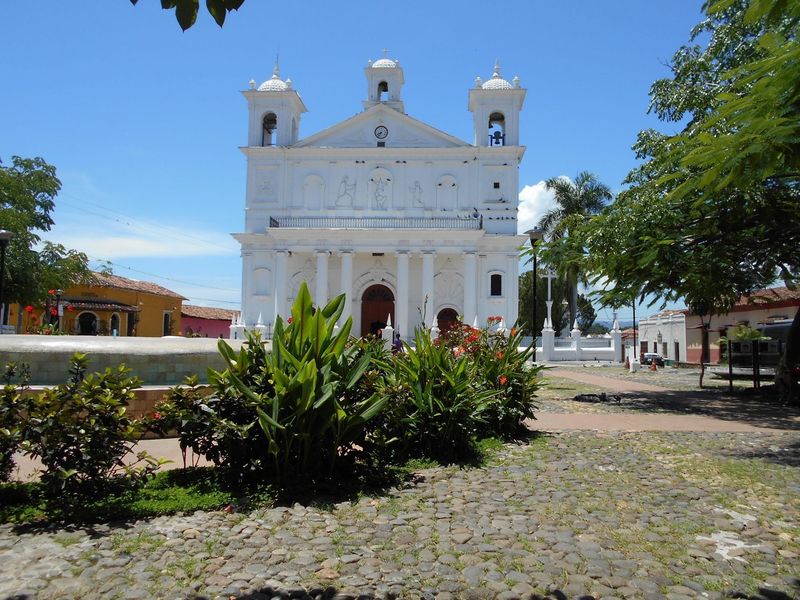
El Salvador’s reputation for surf breaks and Pacific beaches is well-deserved, but Suchitoto quietly offers something completely different. Cobblestone streets, preserved colonial-style buildings, and a hilltop setting overlooking Lake Suchitlan give this small town a character that feels layered and lived-in rather than polished for tourism.
An early settlement of San Salvador was reportedly established nearby in 1528, which means this area has been important for a very long time.
Post-civil-war recovery transformed Suchitoto into a cultural hub, attracting artists, gallery owners, and cafe operators who found affordable space in a historically significant setting. Small hotels occupy renovated colonial houses, and the main plaza buzzes with local life on weekends.
Viewpoints toward the lake reward short walks from the center.
Nearby sites preserve traces of colonial agriculture and more recent civil-war history, giving the town a dual identity that serious travelers find genuinely compelling. Suchitoto is also small enough to explore entirely on foot in a day, but interesting enough to justify staying longer.
For anyone who wants El Salvador to tell a different kind of story, this is the place to start.
Las Verapaces and Semuc Champey, Guatemala
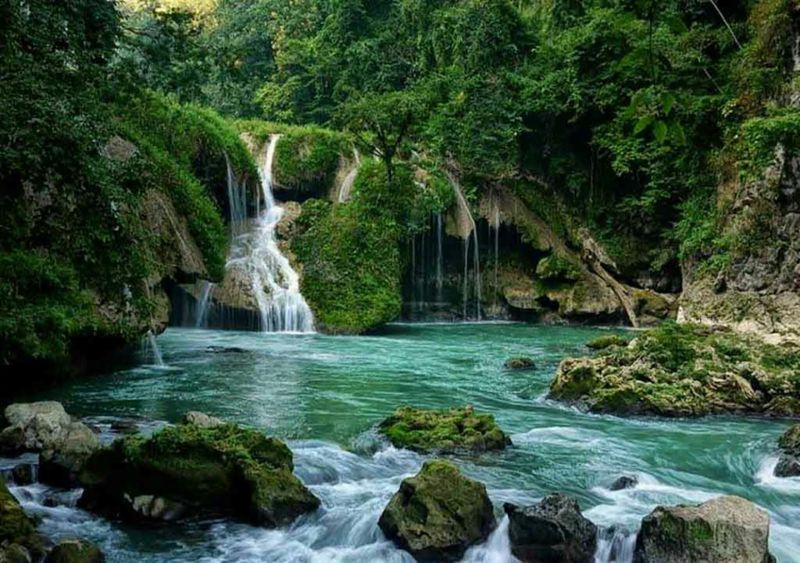
Beneath a natural limestone bridge in the Guatemalan jungle, a river disappears underground and a series of turquoise pools forms on top. That is Semuc Champey, and no photograph quite captures how surreal it looks in person.
The Cahabon River rushes beneath while swimmers float above in pools that shift between jade and aquamarine depending on the light and the season.
The surrounding Alta and Baja Verapaz region extends the experience well beyond one swimming spot. Cloud forests, tropical rainforest, cave systems at Lanquin and Candelaria, and rivers suitable for rafting and canoeing create an outdoor playground that most Guatemala itineraries miss entirely.
The journey to reach the area is long and bumpy, which has helped preserve its remote character.
Communities in the Verapaces maintain strong Indigenous traditions and agricultural practices rooted in Q’eqchi’ Maya culture. Local guides based in Lanquin and Coban know the terrain far better than any guidebook.
Travelers who commit to the journey arrive in a humid, forested Guatemala that feels genuinely wild compared to the volcanic highlands most visitors encounter first.
Leon, Nicaragua
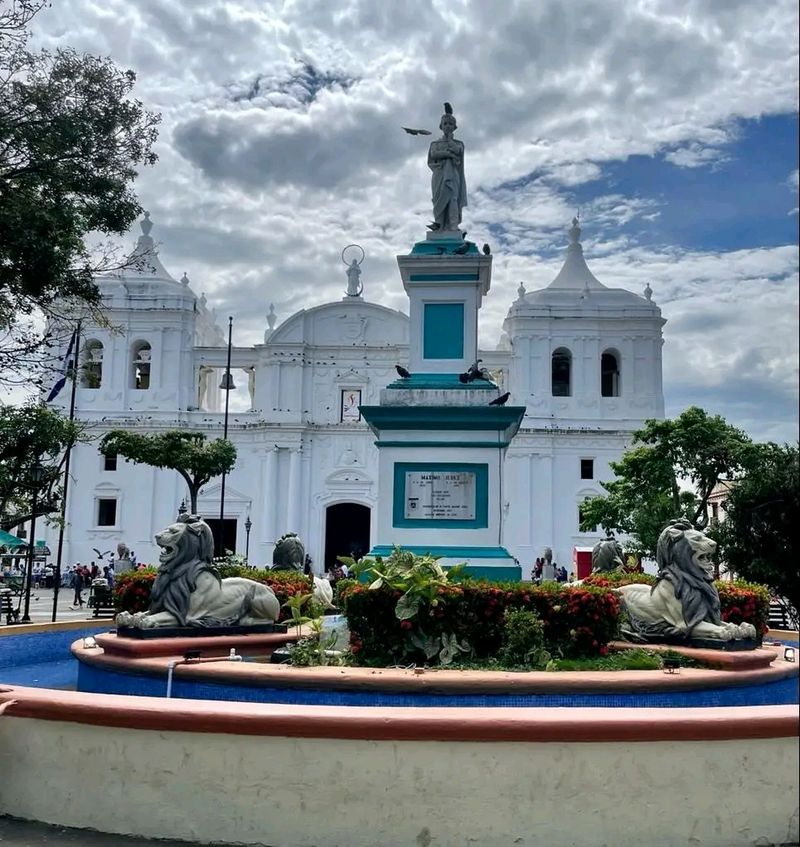
Leon’s cathedral is the largest in Central America, and yet somehow the city that houses it barely registers on most international travel itineraries. Founded in 1524 and relocated in 1610 after volcanic activity and earthquakes made the original site untenable, Leon has been rebuilding and reinventing itself for five centuries.
That history shows in every block of the current center, where Spanish colonial architecture lines wide streets and revolutionary murals cover walls with equal confidence.
The cathedral received UNESCO World Heritage status, and climbing to its rooftop offers sweeping views across terracotta rooftops toward the Pacific coast and the volcanic chain beyond. The city’s active university population gives the historic core a lively, youthful energy that purely preserved colonial towns sometimes lack.
Bookshops, cafes, and cultural centers mix comfortably with churches and plazas.
Outside the city, volcanoes create dramatic opportunities for hiking and, famously, volcano boarding down the ashy slopes of Cerro Negro. Leon therefore delivers architecture, political history, university culture, and volcanic adventure without requiring travelers to split their time across multiple destinations.
Granada gets more attention, but Leon makes a stronger argument.
Portobelo, Panama
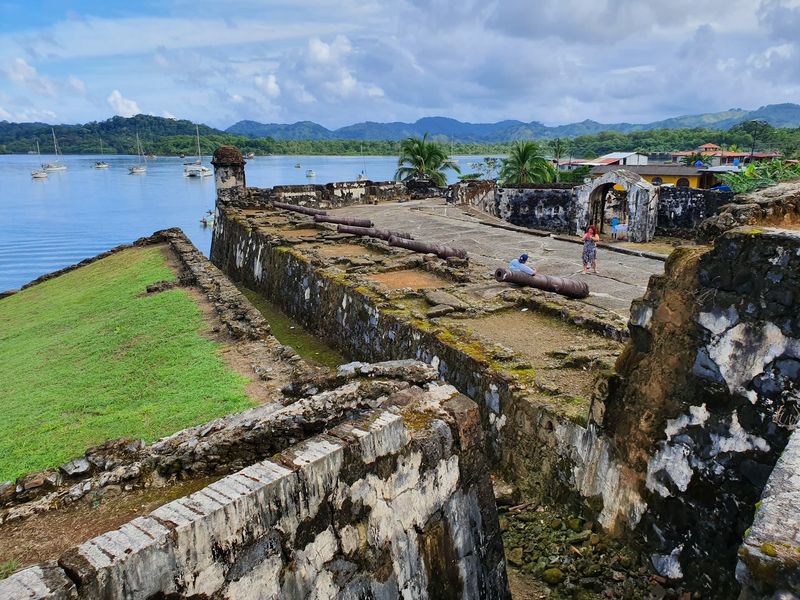
Before the Panama Canal existed, Portobelo was already one of the most strategically important harbors in the Western Hemisphere. During the Spanish colonial period, ships loaded with South American wealth passed through this Caribbean bay on their way to Europe, making the town rich, famous, and a constant target for pirates.
Sir Francis Drake died near here in 1596, and his lead coffin reportedly still rests somewhere on the seafloor.
The fortifications built to protect all that wealth are now UNESCO-listed, and their ruins sit right beside tropical water and Afro-Caribbean communities that have maintained distinct cultural traditions for centuries. The combination of military history, colonial ruins, and living Caribbean culture in one small town is genuinely unusual.
Boat trips to nearby islands and snorkeling extend the visit beyond the historical sites.
Portobelo sits roughly an hour from Panama City, yet its pace and atmosphere feel completely disconnected from the capital’s glass towers and financial district energy. The town is small and not heavily developed for tourism, which keeps the experience authentic and the prices reasonable.
For travelers who think Panama begins and ends with the canal, Portobelo is a well-timed reality check.
Orosi and Turrialba, Costa Rica
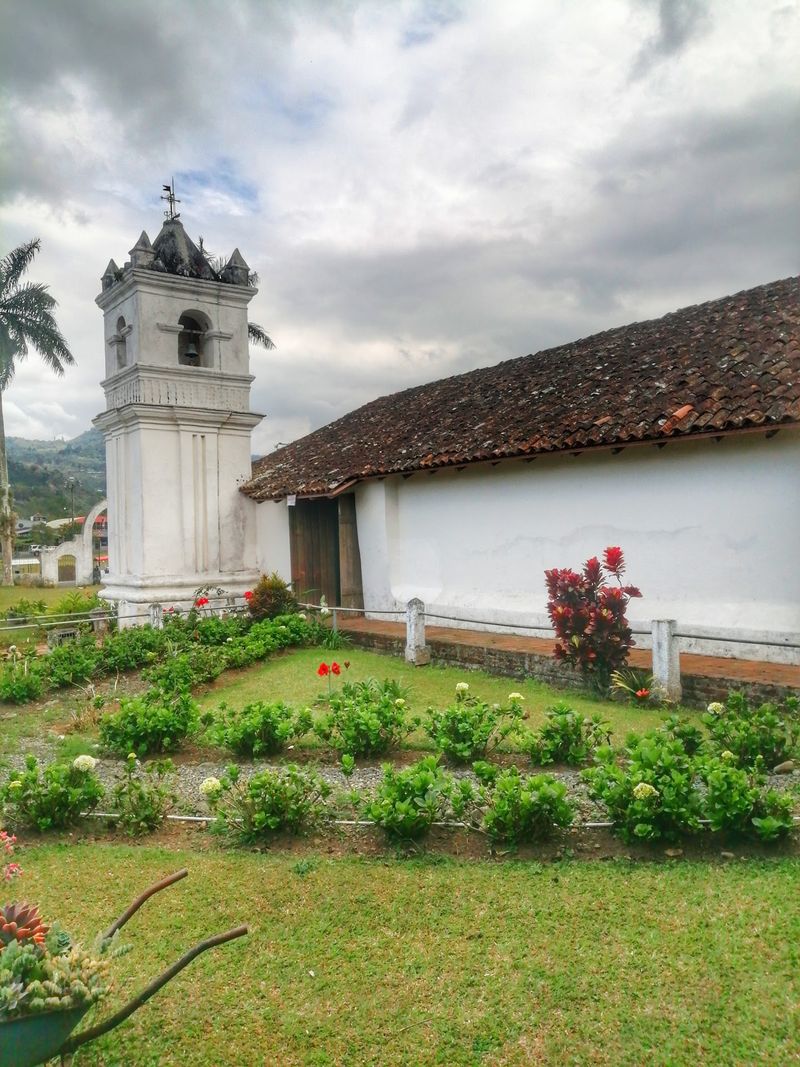
Costa Rica’s most visited destinations get loud praise, but the interior east of San Jose quietly holds some of the country’s most satisfying landscapes. The Orosi Valley contains some of the earliest Spanish colonial settlement in Costa Rica, including a small church from the 1700s that is one of the oldest still-standing colonial structures in the country.
The surrounding valley is green in a way that feels almost unreasonably lush.
Turrialba developed along transportation routes connecting the Central Valley with the Caribbean coast, and today it is better known as a base for whitewater rafting on the Reventazon and Pacuare rivers. The Pacuare in particular is considered one of the top rafting rivers in the entire world, with rapids cutting through dense jungle canyon.
Turrialba cheese, produced by local farming communities, is another regional point of pride worth seeking out.
Coffee plantations, archaeological sites, rural villages, and mountain viewpoints round out a region that rewards slow travel over rushed day trips. Visitors who spend two or three nights here discover a Costa Rica that feels agricultural, historic, and genuinely calm.
The crowds that define Manuel Antonio and Arenal simply do not follow you this far east.
Quilotoa Loop, Ecuador
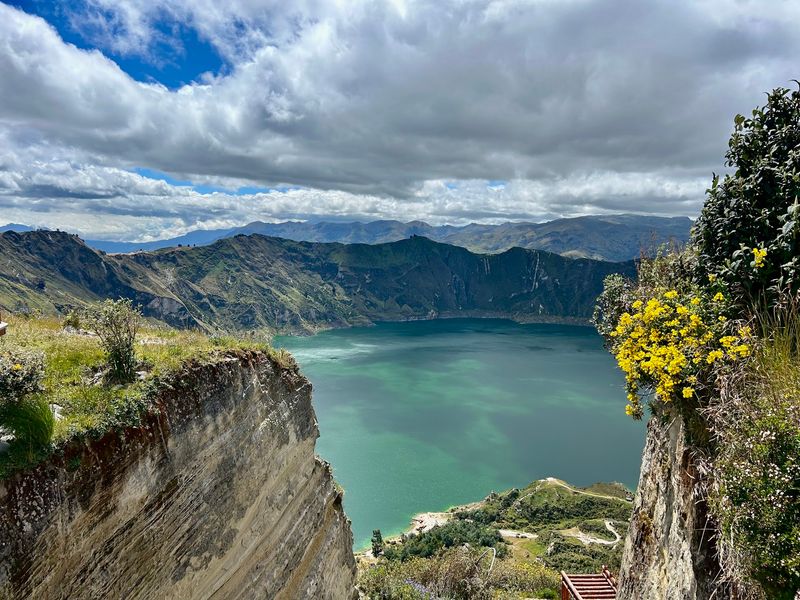
A volcanic crater filled with turquoise water sitting at over 3,800 meters above sea level is already a compelling destination. The Quilotoa Loop wraps that crater in a multi-day hiking route connecting Indigenous villages, mountain markets, and high-altitude farmland across the central Andes of Ecuador.
Ecuador’s tourism authority highlights the area as one of the country’s premier adventure landscapes, and the landscape justifies that confidence completely.
The lake itself shifts color depending on the weather and the time of day, moving between deep green and vivid turquoise in ways that make repeat visits to the rim worthwhile. Most hikers spend three to four days completing the full loop, stopping in villages like Chugchilan and Sigchos where family-run guesthouses serve hearty local food after long days on the trail.
Markets along the route bring together Indigenous traders selling textiles, produce, and crafts in settings that feel entirely functional rather than staged for tourists. The loop introduces a rural Ecuador where high-altitude life and Kichwa culture shape daily rhythms in ways that city visits simply cannot replicate.
For travelers who want dramatic Andean scenery without technical mountaineering, this is the most accessible multi-day experience in the country.
Cuenca, Ecuador
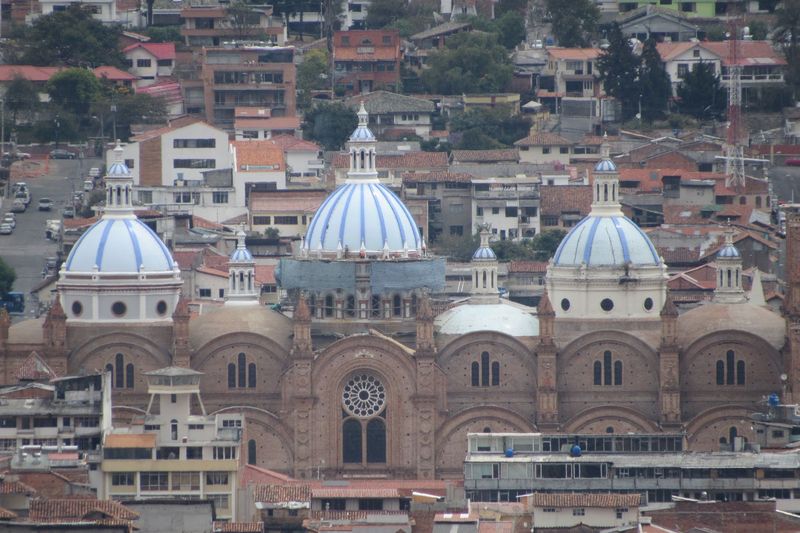
Cuenca is the kind of city that makes you wonder why it took so long to show up on your radar. Its historic center has been UNESCO-listed since 1999, recognizing a remarkably intact urban landscape shaped by Spanish colonial planning while retaining traces of the earlier Canari and Inca settlements beneath it.
Churches with blue domes, flower-filled plazas, and the Tomebamba River running along the southern edge of the center make it exceptionally walkable.
The city functions as a real, working Ecuadorian city rather than a preserved museum piece, which gives everyday visits a grounded, lived-in quality. Markets sell everything from fresh produce to Panama hats, which are actually made in Ecuador and not Panama.
Contemporary cafes, bookshops, and art galleries occupy colonial buildings without erasing their original character.
Cuenca also works as a practical base for exploring artisan communities in the surrounding southern Andes. Chordeleg specializes in jewelry, Gualaceo in traditional textiles, and San Bartolome in hand-crafted guitars.
Day trips from Cuenca consistently deliver experiences that feel culturally rich without requiring elaborate logistics. The city rewards travelers who prefer depth over speed, and it is genuinely hard to leave once you have settled in.
Share this story