Electricity is something many people rarely think about until it suddenly disappears. Yet around 655 million people worldwide still live without it, most of them in rural or underserved regions of Sub-Saharan Africa and beyond.
For these communities, a simple light bulb or phone charger remains a distant luxury. From dense rainforests to vast desert plains, the reasons are as varied as the places themselves.
Rural Ethiopia
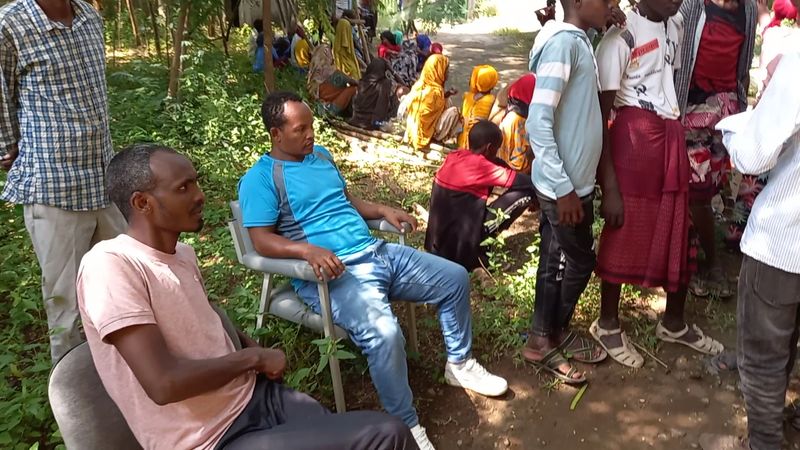
Picture waking up before sunrise with no alarm clock, no electric kettle, and no light switch to flip. That is daily life for millions of Ethiopians living in remote rural areas far from the national power grid.
Ethiopia has made real progress in urban electrification, but the countryside tells a very different story.
Many rural families rely on kerosene lamps and candles to get through the night. Children often do homework by flickering lamplight, which strains their eyes and limits study time.
Smoke from kerosene also causes serious respiratory health problems over time.
Off-grid solar systems have become a game-changer in recent years. Small solar home kits can power a few LED bulbs, a phone charger, and even a small radio.
Organizations and government programs are working hard to bring these affordable systems to more households. Still, the sheer size of Ethiopia’s rural population means millions remain in the dark.
Expanding access to clean, reliable energy is one of the country’s most urgent development priorities right now.
Northern Nigeria
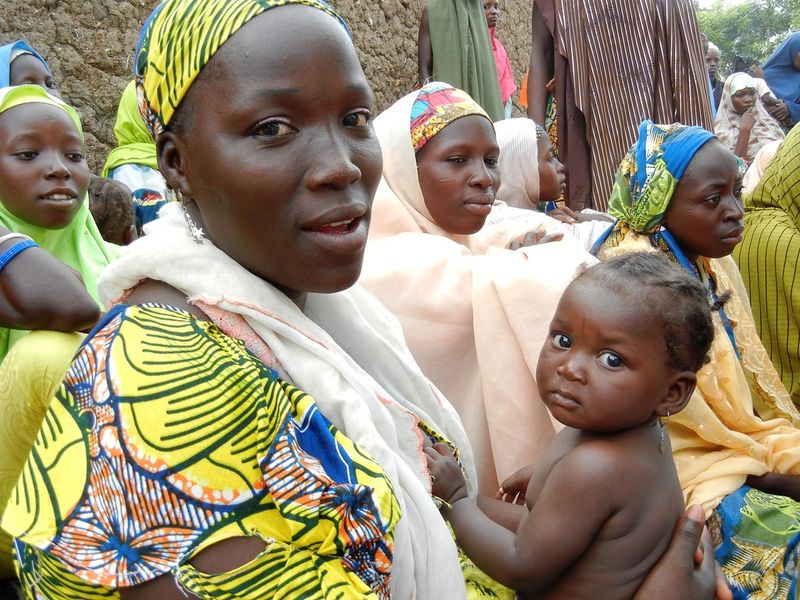
Nigeria is Africa’s most populous country, home to over 200 million people, yet a shocking number of them live without reliable electricity. The northern states are hit hardest, where rural communities can go weeks without seeing a working power line.
Even in towns that are technically connected to the grid, outages lasting many hours per day are completely normal.
Generators roar constantly in Nigerian cities as businesses and wealthier households try to fill the gap. But for rural families who cannot afford fuel costs, that option simply does not exist.
Many rely on small solar lanterns or battery-powered flashlights instead.
The consequences stretch far beyond inconvenience. Clinics struggle to refrigerate vaccines.
Schools cannot use computers. Small businesses lose income every single day.
Nigeria actually has enormous energy resources, including oil, gas, and strong solar potential, making the electricity gap even more frustrating for its citizens. Significant investment in transmission infrastructure and renewable energy mini-grids is underway, but progress has been uneven.
Bridging this gap could transform livelihoods for tens of millions of people across the country’s northern regions.
Democratic Republic of the Congo
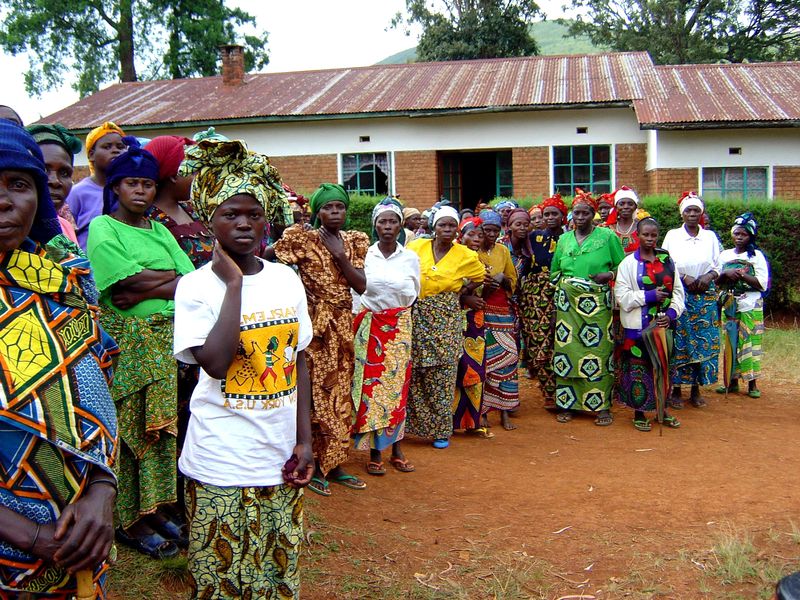
Sitting on top of one of the world’s greatest untapped energy resources sounds like winning the lottery. The Democratic Republic of the Congo holds the potential to power much of Africa through its massive Congo River hydroelectric capacity, yet over 80 percent of its population still lives without electricity.
The irony is almost painful.
Decades of conflict, political instability, and crumbling infrastructure have prevented that potential from becoming reality for ordinary Congolese families. Outside the capital Kinshasa, many communities have never had a working power connection at all.
Cooking fires and oil lamps remain the primary light sources for millions.
The DRC’s vast size adds another layer of difficulty. The country is nearly as large as Western Europe, making grid expansion enormously expensive and logistically challenging.
Many rural villages are accessible only by river or dirt track. Solar mini-grids and small hydro projects offer realistic short-term solutions for isolated communities.
International development organizations are funding several promising pilot programs. But until governance improves and investment scales up dramatically, most Congolese families will continue waiting for electricity that has long been within reach but just out of grasp.
Rural Tanzania
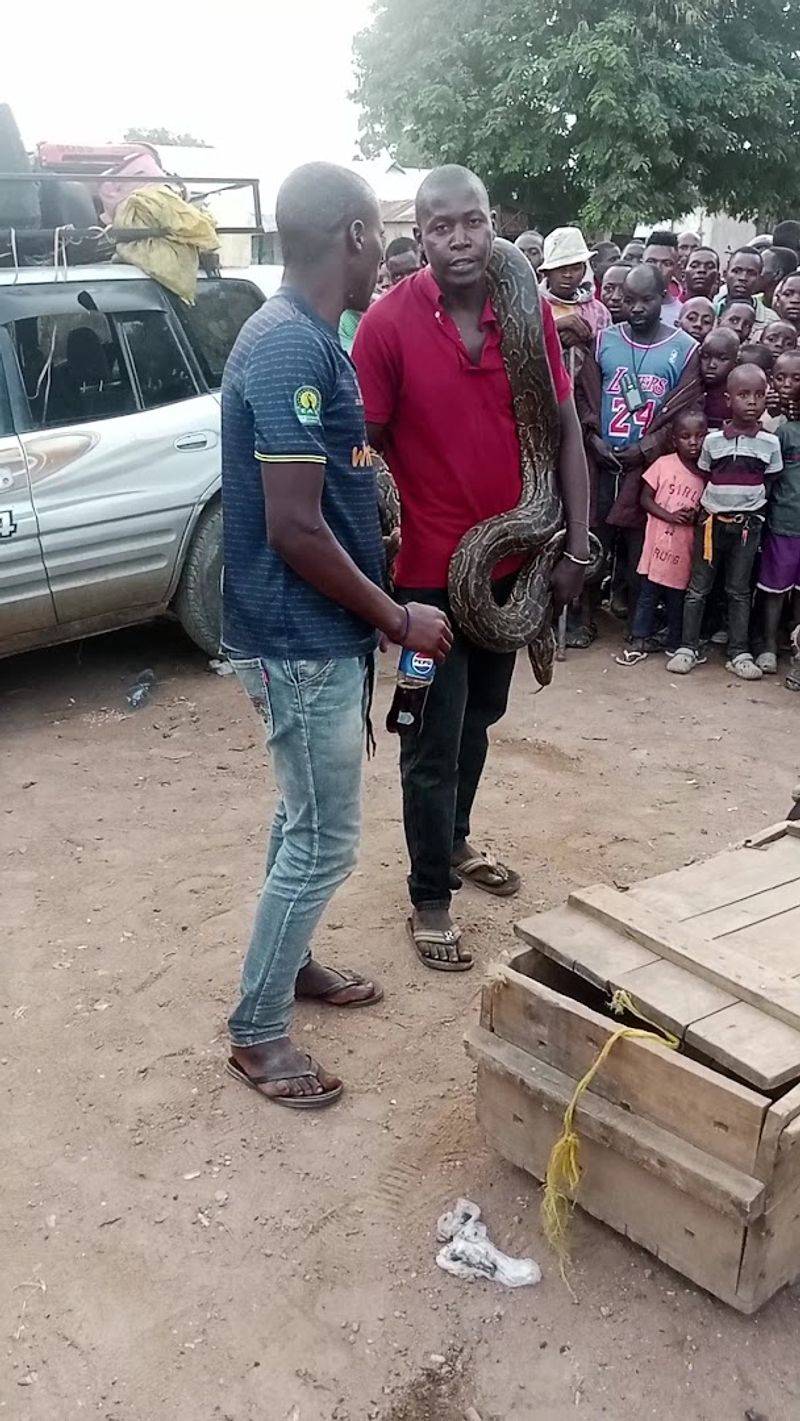
Tanzania is a country of breathtaking landscapes, wildlife, and warm-hearted people, but step outside its major cities and electricity quickly becomes a luxury rather than a given. Roughly half of Tanzania’s population still lacks access to power, with rural communities bearing the heaviest burden.
The national grid simply has not reached many of the country’s more remote villages yet.
For families without electricity, evenings shrink dramatically. Cooking, socializing, and studying all happen before darkness makes things too difficult.
Charcoal and firewood remain the dominant cooking fuels, contributing to deforestation and indoor air pollution.
Solar mini-grids have shown real promise across Tanzania’s rural landscape. Some villages now run small shared solar systems that power homes, schools, and health clinics simultaneously.
The government has set ambitious electrification targets, and international partners have helped fund numerous rural energy projects. Mobile phone usage has actually outpaced electricity access in many areas, showing that demand for modern technology is strong.
Connecting that demand to reliable power could unlock enormous economic potential. Tanzania’s rural communities are not waiting passively, though.
Many families have already invested in basic solar home systems to power lights and charge their phones independently.
South Sudan
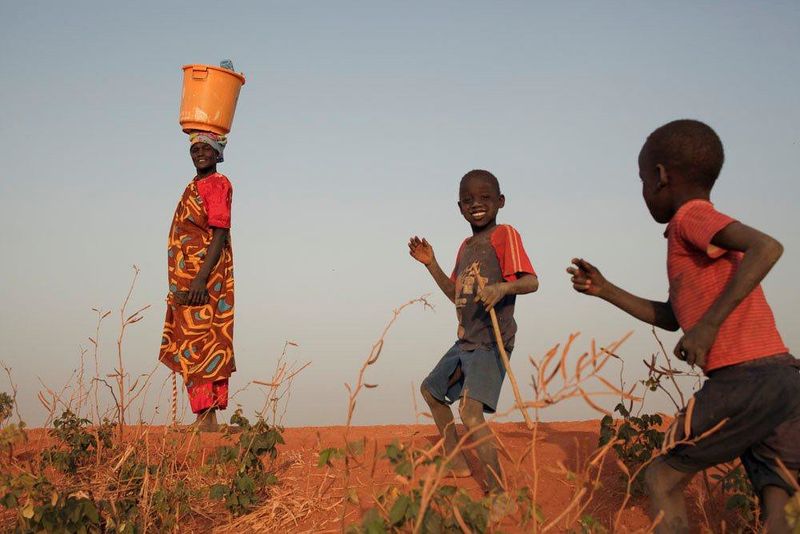
South Sudan became the world’s newest country in 2011, but independence brought little relief to communities still struggling with extreme energy poverty. Years of devastating civil conflict have shattered what little infrastructure existed, and today South Sudan has one of the lowest electricity access rates on the entire planet.
Fewer than one in ten people have reliable access to power.
Most households depend on candles, kerosene, or small dry-cell batteries to get through the night. Generators provide power for some businesses and government buildings, but fuel is expensive and supply is unreliable.
Health facilities face enormous challenges operating without consistent electricity for medical equipment and refrigeration.
The humanitarian situation remains complex, with displacement, food insecurity, and poverty all competing for urgent attention. Energy access often gets pushed down the priority list despite being fundamental to improving health, education, and economic recovery.
Some international NGOs have installed solar systems in clinics and schools, providing small but meaningful improvements. Decentralized solar solutions are widely seen as the most practical path forward given the country’s fragile grid infrastructure.
South Sudan has real potential for solar energy given its strong sunlight year-round. Harnessing that resource could be one of the most powerful tools for rebuilding communities across the country.
Chad
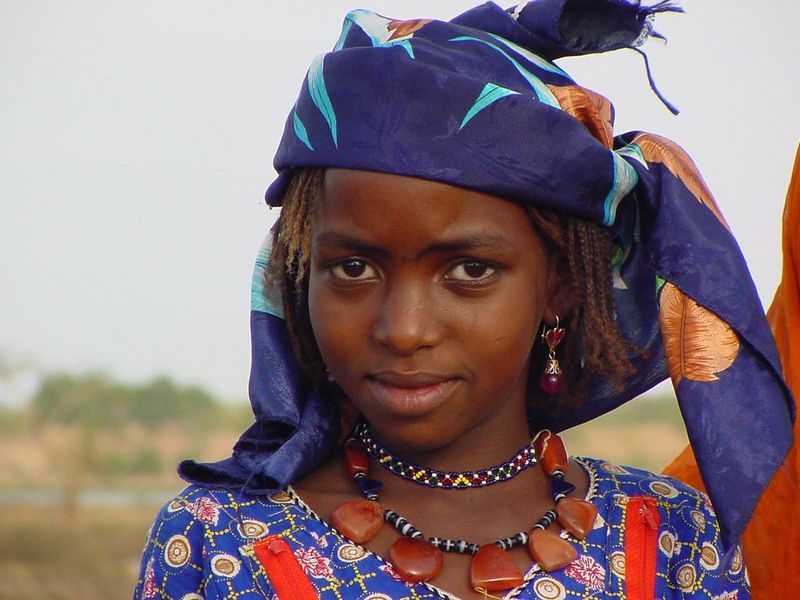
Chad sits near the very bottom of nearly every global development index, and electricity access is no exception. Fewer than 10 percent of Chad’s population has reliable power, making it one of the most energy-deprived countries in the world.
For most Chadians, that statistic is not a number, it is simply everyday life.
The country’s geography does not help matters. Chad stretches across an enormous area of central Africa, from the Sahara Desert in the north to wetter savanna regions in the south.
Connecting scattered rural communities across such distances with conventional power lines would cost billions and take decades.
Most rural families cook over open fires and use small kerosene lamps after dark. Children studying at night face real health and safety risks from smoke and flame.
Livestock herders and farmers who make up the majority of Chad’s population have little access to refrigeration, which affects food storage and income significantly. Solar lanterns and small home solar kits are slowly making their way into Chadian communities through NGO distribution programs.
These modest devices make a surprisingly large difference to daily quality of life. Scaling up renewable energy access in Chad remains one of the most underfunded energy challenges in the entire world.
Niger
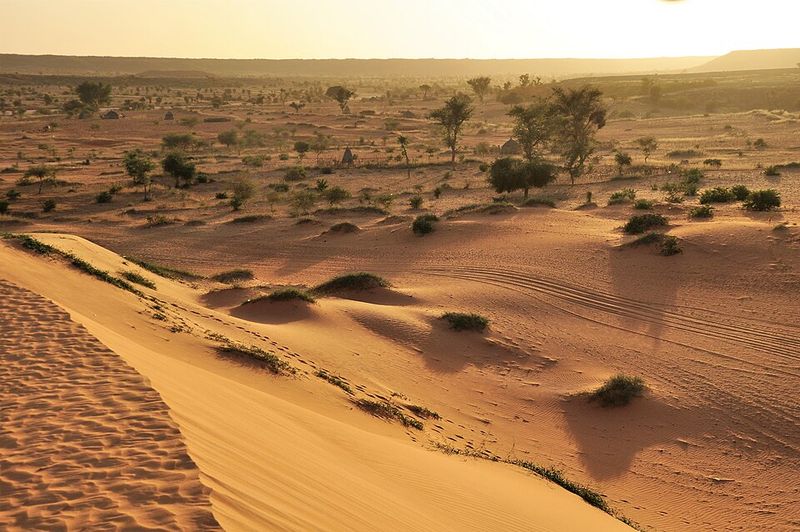
Niger holds the unfortunate distinction of ranking last or near-last on the United Nations Human Development Index almost every year. Electricity access follows that same grim pattern, with the vast majority of Niger’s rural population living completely off-grid.
The country is one of the largest in Africa by land area, with much of it covered by the Sahara Desert.
Spreading electrical infrastructure across such terrain is staggeringly expensive. Many villages are separated by hundreds of miles of sand and rock, making conventional grid extension practically impossible in the near term.
Families in these communities have never experienced electric light inside their homes.
Niger also has one of the world’s fastest-growing populations, which means demand for electricity is rising rapidly even as supply struggles to keep pace. Schools and clinics in rural areas operate under difficult conditions without power for basic equipment.
Interestingly, Niger has exceptional solar radiation levels, making it a prime candidate for solar energy development. Several pilot mini-grid projects have demonstrated strong results.
If investment and political will align, solar power could realistically transform energy access across Niger’s rural communities within a generation. The potential is enormous.
The challenge is turning that potential into practical, affordable solutions for the people who need it most.
Madagascar
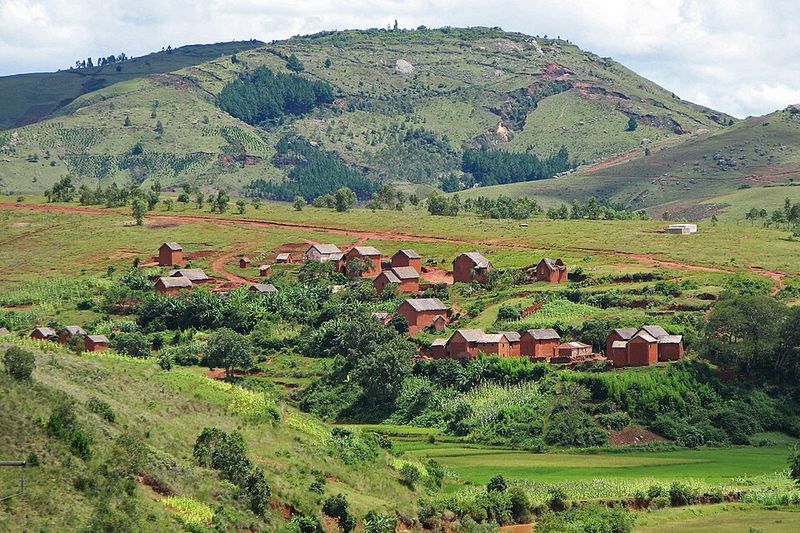
Madagascar is one of the most biologically unique places on Earth, home to wildlife found nowhere else on the planet. But behind the stunning lemurs and baobab trees lies a sobering reality: roughly 70 percent of the island’s population still lives without electricity.
Rural communities across this vast island nation rely on candles, kerosene, and wood fires as their primary sources of light and heat.
The island’s terrain creates real challenges for grid expansion. Mountains, rivers, and poor road networks make reaching remote communities both difficult and costly.
Many villages in the highlands and along the eastern rainforest coast have never been connected to the national grid.
Deforestation is a serious side effect of energy poverty here. As families cut trees for charcoal and firewood, Madagascar’s already threatened forests shrink further.
This creates a damaging cycle where environmental destruction worsens poverty and climate resilience weakens. Solar home systems are increasingly available through microfinance programs that allow families to pay in small installments over time.
This model has helped thousands of households make the switch away from kerosene. Gradual electrification is happening, but the pace needs to accelerate significantly to meet the needs of Madagascar’s rapidly growing rural population.
Mozambique
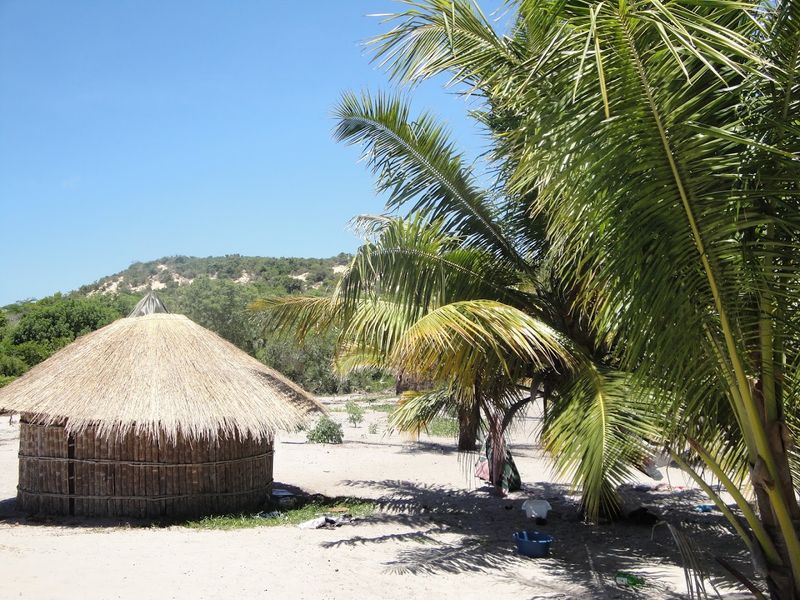
Mozambique experienced a devastating civil war that ended in 1992, and the country has been rebuilding ever since. Progress has been real but uneven, particularly when it comes to electricity.
While urban centers like Maputo have reasonable power infrastructure, rural communities, especially in the country’s north and center, remain largely in the dark.
Ironically, Mozambique is actually a significant electricity exporter, sending power to neighboring South Africa through its large Cahora Bassa hydroelectric dam. Yet most of the rural Mozambicans living near that very dam have never flipped an electric light switch in their own homes.
That contradiction frustrates development advocates enormously.
Cyclones Idai and Kenneth in 2019 caused catastrophic damage to infrastructure across central and northern Mozambique, setting back electrification efforts significantly. Rebuilding has been slow, and many communities are still recovering.
Off-grid solar solutions have been prioritized in reconstruction efforts because they are faster and cheaper to deploy than grid extensions. Small solar panels are now visible on rooftops in many villages.
Mobile money platforms powered by solar-charged phones are also helping rural families access financial services for the first time. Energy access and economic inclusion are advancing together, though the road ahead remains long and challenging for millions of Mozambicans.
Malawi
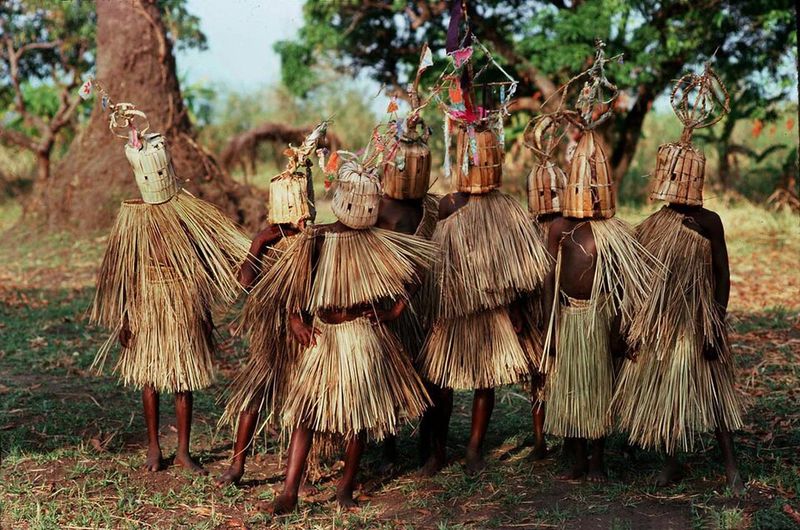
Malawi is one of the smallest and most densely populated countries in Africa, and its electricity sector has struggled for decades to keep up with demand. Only about 15 percent of Malawians have access to electricity, with the majority of those connections concentrated in urban areas.
For the roughly 85 percent living without power, daily life revolves around natural light and open fire.
Farming dominates Malawi’s economy, and most smallholder farmers live in rural villages far from power lines. Without refrigeration, food spoilage is a constant problem.
Without electric-powered irrigation, agriculture remains dependent on unpredictable rainfall patterns, making food security vulnerable every year.
Malawi’s main power source, the Shire River hydroelectric system, has been severely affected by droughts linked to climate change, causing frequent nationwide blackouts even in electrified areas. This makes diversifying energy sources an urgent priority.
Solar energy is gaining traction fast. Numerous NGOs and private companies are distributing pay-as-you-go solar home systems that require no upfront cost.
Schools and health clinics are also receiving solar installations through government and donor programs. These small steps are making measurable differences in communities across the country, giving families safer light, longer study hours, and better health outcomes than before.
Burkina Faso
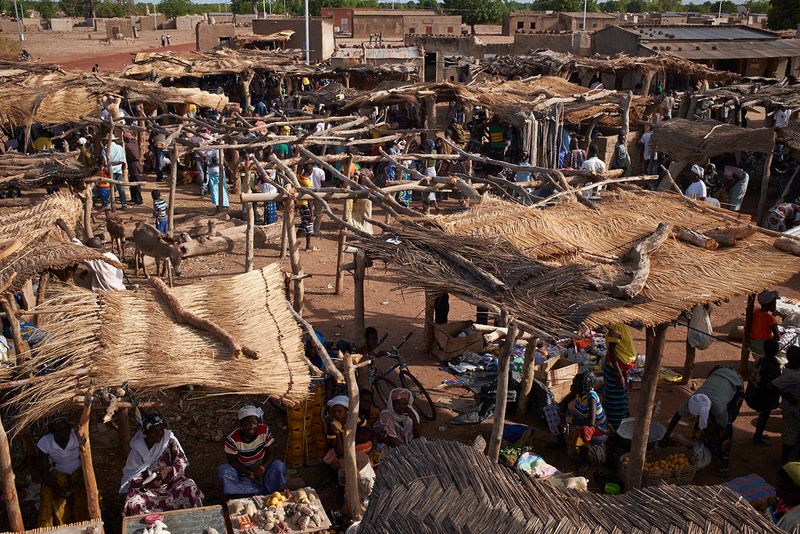
Burkina Faso translates roughly to “Land of Upright People,” a name its citizens carry with quiet dignity even amid significant hardship. Electricity access outside the capital Ouagadougou remains limited, with large swaths of rural Burkina Faso operating entirely without grid power.
Ongoing security challenges in recent years have made expanding infrastructure even harder.
Rural families depend heavily on wood and charcoal for cooking and kerosene for lighting. Women and girls bear much of the burden, spending hours each day collecting firewood in areas where trees are increasingly scarce.
This time cost directly reduces opportunities for education and income generation.
Burkina Faso actually has excellent solar resources, receiving strong sunshine throughout most of the year. Several solar mini-grid projects have been installed in rural towns, providing power for businesses, clinics, and homes.
The results have been encouraging, with local markets staying open later and health workers able to use refrigeration for medicines. Mobile solar lanterns have also spread widely through community distribution programs.
The challenge now is scaling these solutions fast enough to reach the millions still without power. With the right investment and political stability, Burkina Faso has a real opportunity to leapfrog traditional grid infrastructure entirely through renewable energy solutions.
Central African Republic
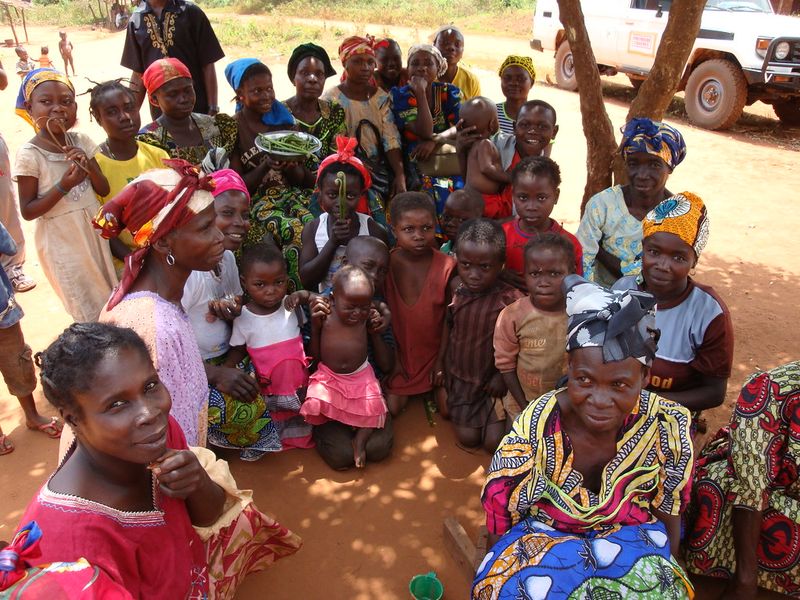
Fewer than 15 percent of people in the Central African Republic have access to electricity, making it one of the most energy-deprived nations on Earth. Outside the capital Bangui, the situation is even starker.
Many communities have simply never been connected to any power supply at all, not even briefly.
Decades of political instability, armed conflict, and extreme poverty have combined to prevent meaningful infrastructure development across much of the country. Roads are poor, institutions are fragile, and investment has been scarce.
For most rural families, the idea of reliable electricity feels impossibly distant.
The Central African Republic sits within the Congo Basin rainforest, one of the world’s most carbon-rich ecosystems. Yet local communities cut trees for charcoal at an alarming rate simply because they have no other option for cooking fuel.
Solving the energy crisis here would directly benefit both people and the environment. Small-scale solar installations supported by international humanitarian organizations have reached some communities, providing light for schools and basic medical facilities.
These projects show what is possible with targeted investment. But the scale of need far outpaces current efforts.
Sustained international commitment and improved security conditions are both essential for meaningful progress in the Central African Republic’s energy future.
Sierra Leone
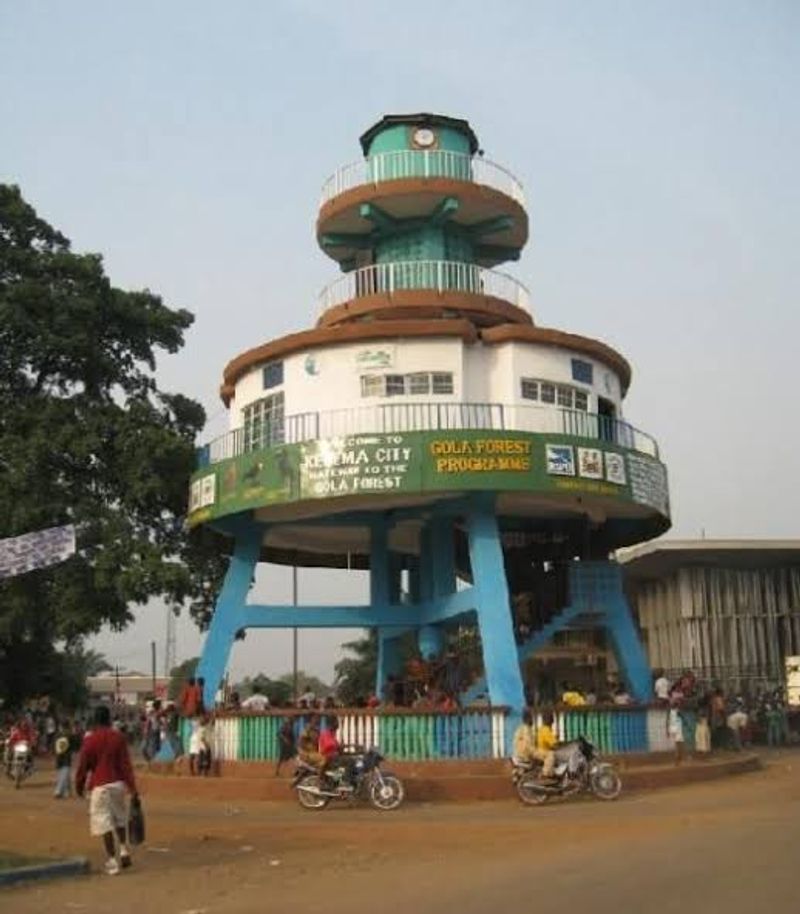
Sierra Leone spent over a decade recovering from a brutal civil war that ended in 2002, and the scars on its infrastructure are still visible today. Electricity access has improved in the capital Freetown, but rural communities across the country continue to live largely without power.
Estimates suggest fewer than 25 percent of Sierra Leoneans have reliable electricity access overall.
Life without electricity shapes everything from school performance to healthcare outcomes. Students in rural areas lose valuable study hours after dark.
Health clinics struggle to store blood supplies and vaccines safely without refrigeration. Midwives deliver babies by flashlight or candlelight, which creates real safety risks during complicated deliveries.
Sierra Leone has significant renewable energy potential. Its rivers offer hydropower opportunities, and its sunny climate makes solar energy highly viable.
Some promising mini-grid and solar home system projects are already operating in rural areas, helping communities leapfrog the need for expensive grid infrastructure. The government has partnered with international development banks to fund electrification programs targeting schools, clinics, and households simultaneously.
Community buy-in has been strong wherever projects have launched. Locals often describe the arrival of reliable electricity as transformative, not just practically but psychologically, giving communities a renewed sense of possibility and momentum toward a better future.
Liberia
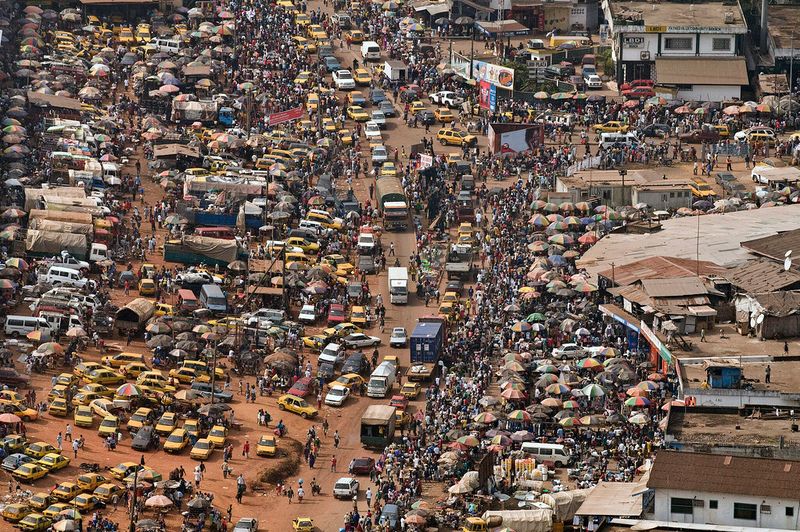
Ask someone in Monrovia about electricity and they might mention the patchy grid that serves parts of the capital. Ask someone in rural Lofa County or Grand Gedeh and the answer is usually much simpler: there is none.
Liberia has one of the lowest electricity access rates in West Africa, with rural communities almost entirely excluded from the national grid.
Two devastating civil wars between 1989 and 2003 destroyed much of Liberia’s infrastructure, including its power systems. Rebuilding has been painfully slow.
The Ebola outbreak of 2014 to 2016 then set back development efforts further, straining both government resources and international attention.
Liberia’s rural economy is primarily agricultural, and lack of electricity limits productivity at every stage, from storage to processing to market access. Women-led businesses, which are common in Liberian market culture, are particularly affected by the inability to operate after dark or refrigerate goods.
Solar energy is now widely recognized as Liberia’s most realistic path to rapid rural electrification. Several NGOs and private companies are actively deploying pay-as-you-go solar systems in rural communities.
Early results show meaningful improvements in household income, school attendance, and health outcomes. Liberia’s energy story is still being written, and solar power looks set to be its most important chapter yet.
Remote Amazon Communities in Peru, Brazil, and Colombia
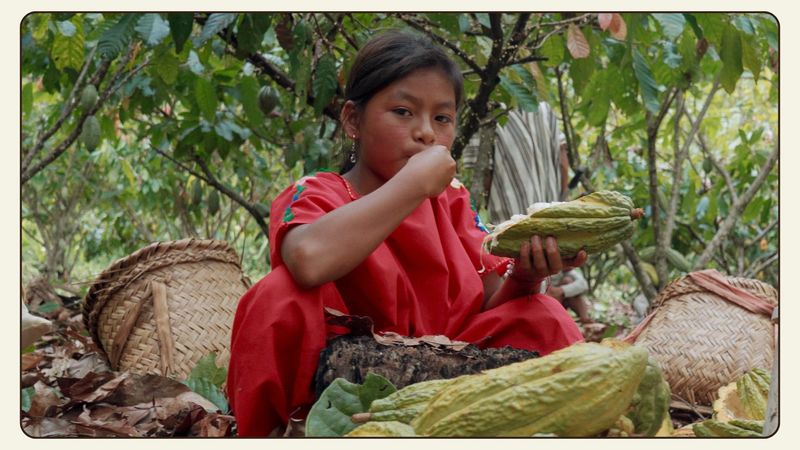
Somewhere deep in the Amazon, a river village wakes up to the sound of birds and rushing water, completely untouched by the electrical grid that powers cities just a few hundred miles away. Across the Amazon Basin, tens of thousands of Indigenous people in Peru, Brazil, and Colombia live in communities that conventional power lines may never reach.
The jungle simply makes it too difficult and too expensive.
Getting materials to these villages requires long river journeys or small aircraft. There are no roads.
Stringing power lines through dense rainforest while navigating rivers, floods, and wildlife is not just costly, it is often practically impossible. For generations, these communities have lived entirely by natural light and fire.
Solar energy has emerged as the most promising solution for Amazonian communities. Lightweight panels can be transported by boat and installed without heavy equipment.
Some villages now have small solar systems powering lights, radios, and phone chargers, connecting them to the outside world in ways that were unimaginable just a decade ago. Brazil and Peru have both launched government programs targeting Indigenous electrification specifically.
These efforts respect community autonomy while offering practical energy access. For many Amazon villages, solar power is not just convenient, it is the first real link to the modern world on their own terms.
Share this story