Some stories stay with you long after the last page. You remember the cramped attic, the farmhouse with green trim, or the courtroom balcony where kids watched a trial unfold.
Here is the good news for every bookworm with a travel itch: many of those places are real, and you can buy a ticket to walk through them. Authors often borrowed from their own homes, towns, and neighbors, so the furniture, roads, and rooms in a beloved novel sometimes still exist.
Below you will find houses, museums, and whole towns across North America and Europe where famous books were written or set. Each stop includes a bit of history, what you can actually see there, and a few tips to help you plan a visit.
Grab your library card and your walking shoes, because this trip starts with a writing desk so small it might surprise you.
1. Louisa May Alcott’s Orchard House, Concord, Massachusetts
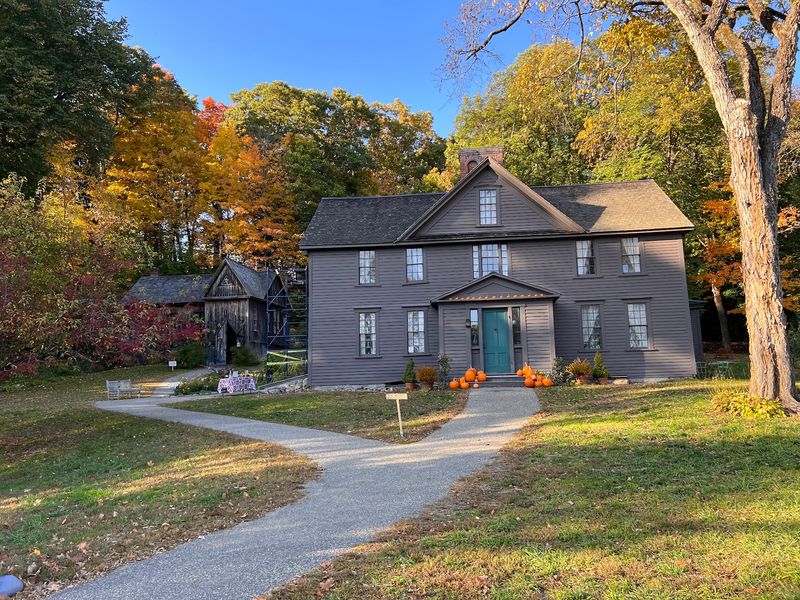
A half-moon shelf desk built by her father is where Louisa May Alcott wrote Little Women in 1868. It still sits between the windows of her bedroom.
The Alcott family lived here from 1858 to 1877. Louisa based the March sisters on her own sisters, so the rooms connect closely to the story.
About 80 percent of the furnishings belonged to the Alcotts. You can spot May Alcott’s drawings sketched right onto the walls and woodwork.
Fans of Amy March will love that detail, since May inspired the artistic youngest sister.
Visits happen through guided tours that last around 45 minutes. Booking ahead is smart in summer and around holidays.
Concord also holds other literary stops nearby. Many visitors pair the trip with a walk to Walden Pond, so plan for a full day of book-loving wandering.
2. Old Courthouse Museum, Monroeville, Alabama
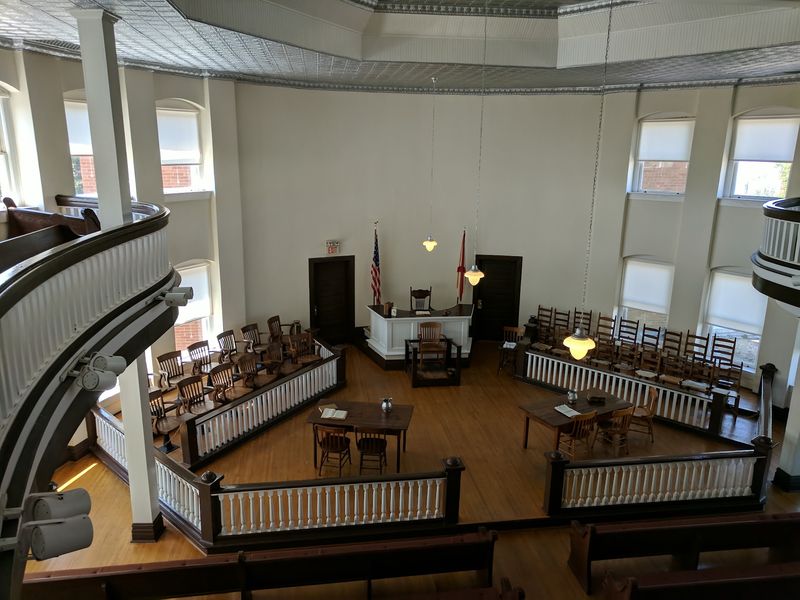
Scout Finch watched her father from a courtroom balcony, and you can sit in that same kind of seat. Harper Lee grew up in Monroeville, and this old courthouse shaped To Kill a Mockingbird.
The restored 1930s courtroom served as the model for the fictional one. The film’s set designer even studied it before building a copy in Hollywood.
Visitors can climb into the balcony and look down at the judge’s bench and witness chair. Lee watched her father, a lawyer, work cases in this room as a child.
The museum also includes exhibits about Lee and her childhood friend Truman Capote. Both writers grew up as neighbors in this small town.
Each spring, local actors stage a play version of the novel. The second act moves inside the actual courtroom, so grab tickets early because seats go fast.
3. Brontë Parsonage Museum, Haworth, West Yorkshire, England
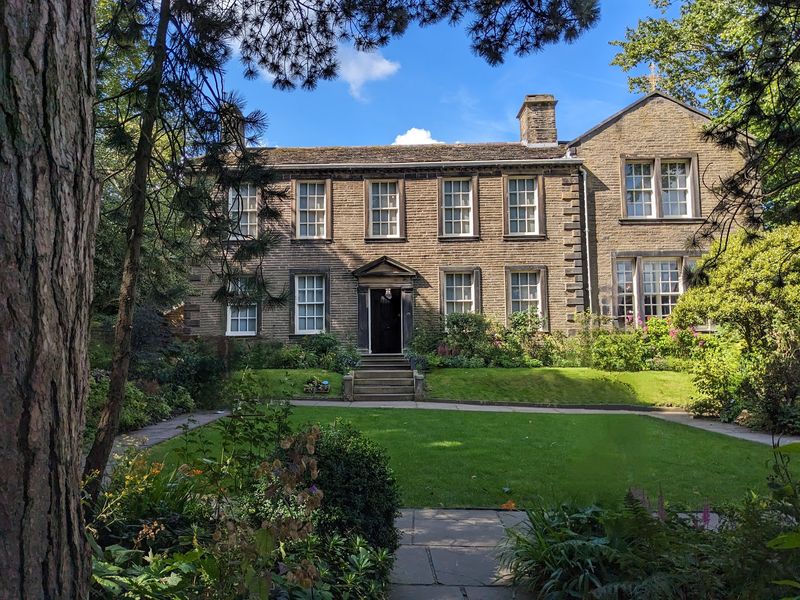
Three sisters, one house, and three classic novels make for an impressive family record. Charlotte, Emily, and Anne Bronte lived in this Haworth parsonage with their father.
Jane Eyre, Wuthering Heights, and The Tenant of Wildfell Hall were all written here. The dining room table is where the sisters walked in circles while reading their work aloud to each other.
Exhibits include tiny handmade books the siblings created as children. Some are smaller than a matchbox, with writing so small you might want a magnifying glass.
You will also see clothing, letters, and drawings from the family. Rooms are furnished to show how they lived in the 1800s.
After your visit, take a hike onto the moors behind the village. A trail leads to Top Withens, a ruined farmhouse often linked to Wuthering Heights.
4. National Trust – Hill Top, Near Sawrey, Cumbria, England
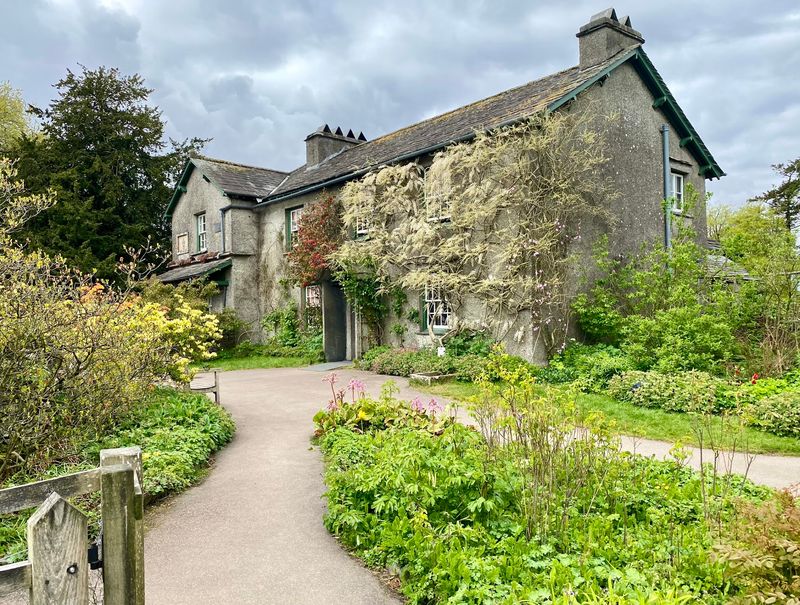
Peter Rabbit fans, keep an eye on the garden gate. Beatrix Potter bought this stone farmhouse in 1905 with money from her early book sales.
The house, garden, and nearby village later appeared again and again in her drawings. Visitors can match real spots to pages in The Tale of Tom Kitten and The Tale of Samuel Whiskers.
Potter’s dolls’ house is also on display. Its tiny food and furniture helped inspire The Tale of Two Bad Mice.
The home is small, so the National Trust uses timed tickets. Arriving early helps you avoid the crowds that build up by midday.
Potter later became a farmer and protected huge areas of Lake District land. She left 4,000 acres to the National Trust, which is why this lovely countryside still looks much like her pictures.
5. The Mark Twain Boyhood Home & Museum, Hannibal, Missouri
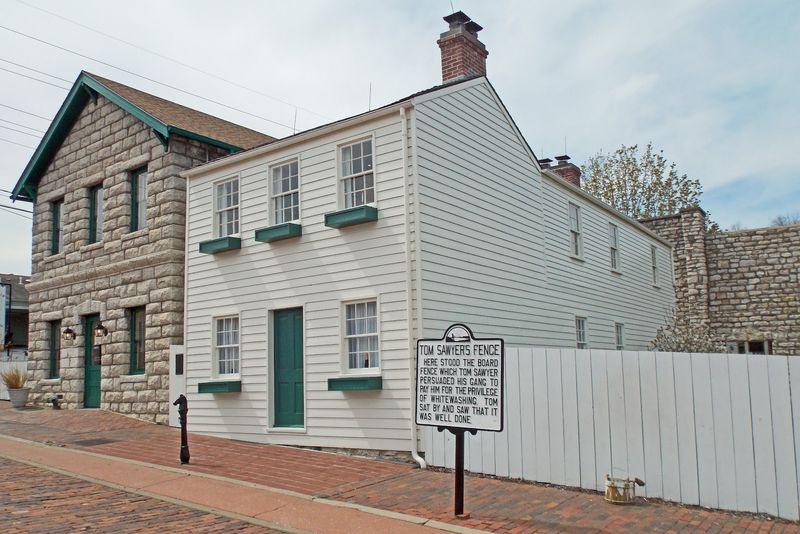
Bring a paintbrush if you want, though the famous fence is already freshly whitewashed. Mark Twain grew up in Hannibal, a town on the Mississippi River.
Pieces of this place ended up in The Adventures of Tom Sawyer and Adventures of Huckleberry Finn. His boyhood home has welcomed visitors for more than a century.
The museum campus includes several buildings. You can see the home of Laura Hawkins, who inspired Becky Thatcher, plus the law office of Twain’s father.
A separate museum gallery holds Norman Rockwell paintings made for editions of Twain’s novels. There is also one of Twain’s white jackets.
Hannibal stretches the fun beyond one house. Riverboat rides, a cave tour, and a yearly Tom Sawyer Days festival with fence painting contests turn the whole town into a storybook.
6. The House of the Seven Gables, Salem, Massachusetts
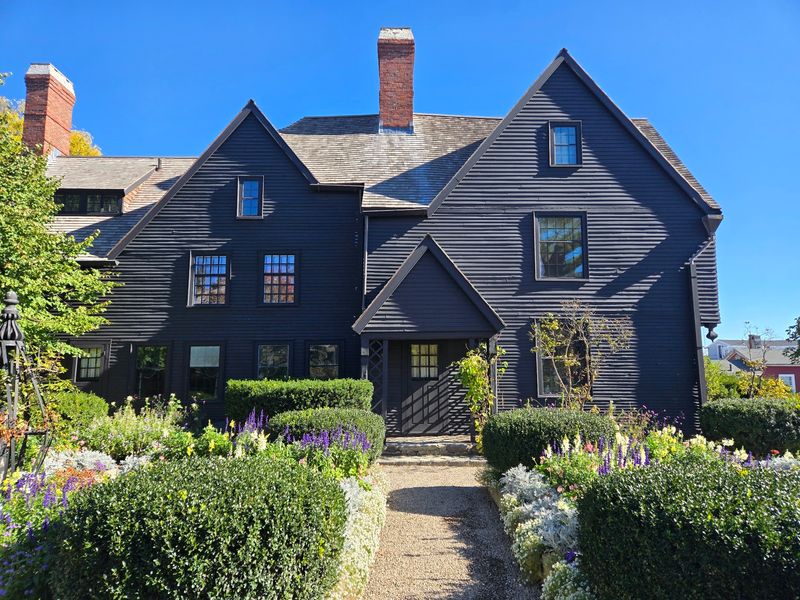
Count the rooftop points before heading inside. This colonial mansion was built in 1668 for Captain John Turner, a wealthy sea captain.
Nathaniel Hawthorne often visited his cousin Susanna Ingersoll, who owned the house. Those visits inspired his 1851 novel The House of the Seven Gables.
A highlight of the tour is a hidden staircase tucked behind a fireplace. Guests climb it to reach upper rooms, which is a fun surprise for kids.
In 1908, Caroline Emmerton bought and restored the mansion. She opened it as a museum in 1910 to pay for programs helping immigrant families.
Hawthorne’s own birthplace was moved to the property in 1958. It is one of seven buildings on the historic campus, and seaside gardens connect them all.
7. Laura Ingalls Wilder Museum & Tourist Center, Walnut Grove, Minnesota
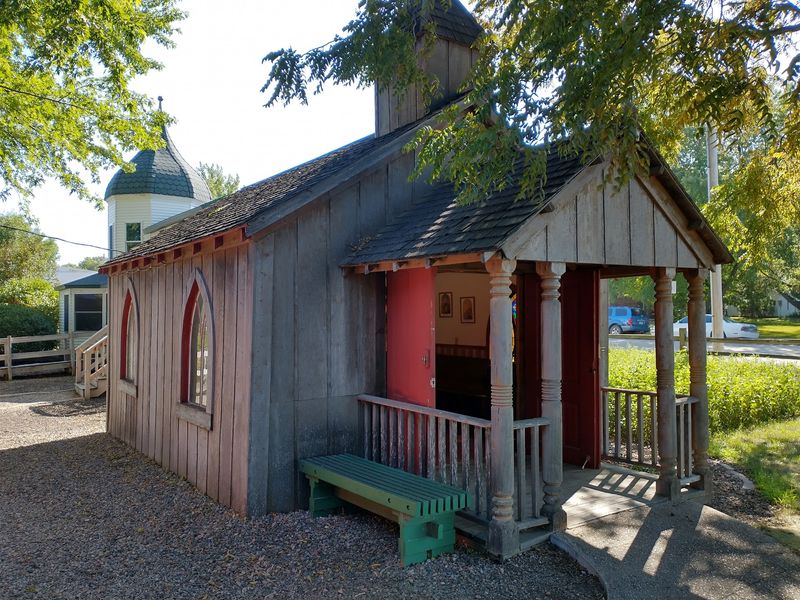
Laura Ingalls lived in a house dug into a creek bank here, and the book version sounds even cozier than it was. Walnut Grove is the setting of On the Banks of Plum Creek.
The museum gathers several old buildings, including a train depot, a chapel, and an early settler home. Inside are family items, photos, and documents linked to the Ingalls years in town.
A display shows what their dugout home looked like. The real dugout site sits a short drive north of town on private land, open to visitors for a small fee.
Fans of the television show will find exhibits on that too. Many cast items are part of the collection.
Each July, the town puts on an outdoor pageant called Fragments of a Dream. Locals perform scenes from Laura’s life on the open prairie.
8. Anne Frank House, Amsterdam, Netherlands
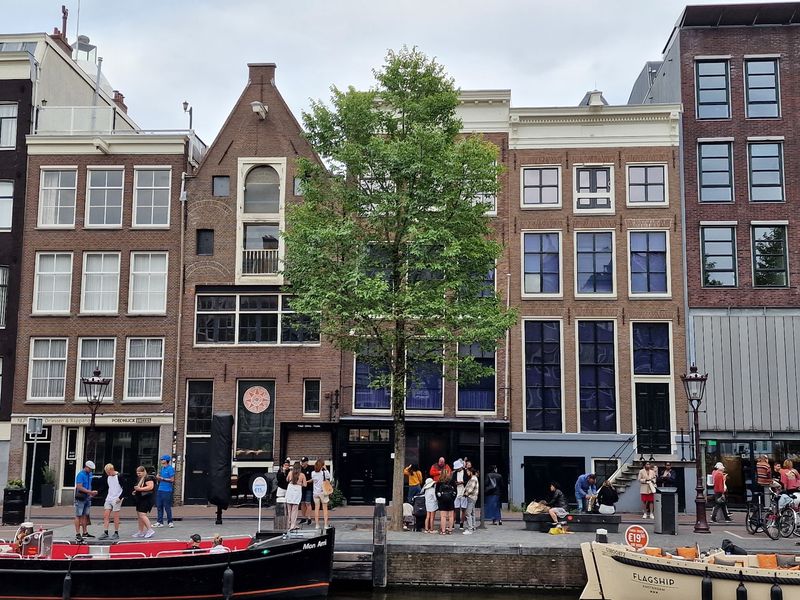
Unlike most stops on this list, nothing here was invented. Anne Frank wrote her famous diary while hiding with her family and others in the secret annex at Prinsengracht 263.
Visitors first walk through the original offices and warehouse. Then they pass behind the movable bookcase that hid the annex entrance.
The rooms are mostly empty, by choice. Her father, Otto Frank, wanted the space left bare to show what was taken away.
On display are Anne’s words, photographs, documents, and her original red-checked diary. Pictures of film stars she glued to her bedroom wall are still there.
Visitors stay quiet and respectful without being asked. Tickets are sold only online, often weeks ahead, so plan early.
Reading the diary before you go makes every room more meaningful.
9. Green Gables Heritage Place, Cavendish, Prince Edward Island, Canada
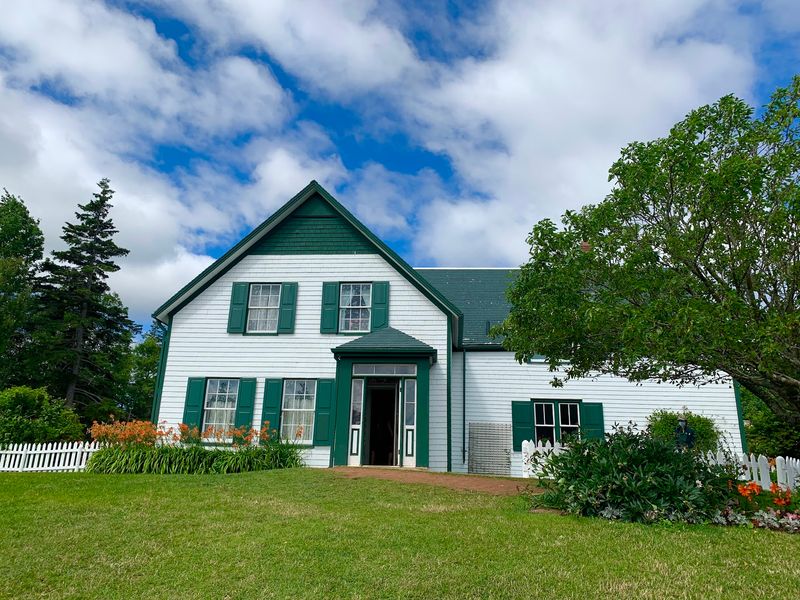
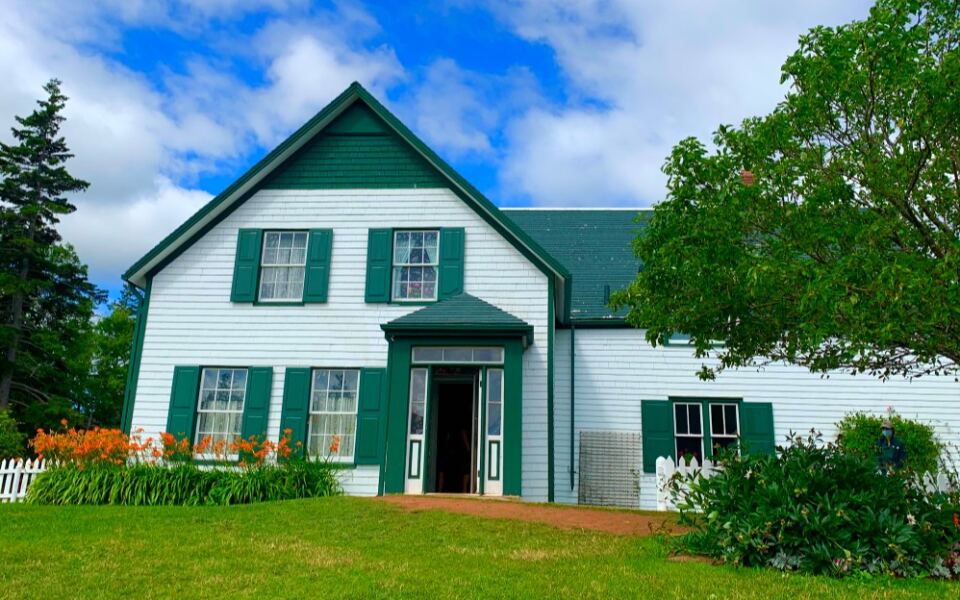
Red-haired orphans are not required for entry, though braids are certainly welcome. This white farmhouse with green trim helped inspire L.M.
Montgomery’s Anne of Green Gables.
Montgomery grew up nearby and knew the Macneill farm well. She turned the local fields and woods into Anne Shirley’s beloved Avonlea.
Inside, rooms are arranged to match scenes from the novel, including Anne’s bedroom with her famous puffed-sleeve dress. Costumed guides sometimes do farm chores in the yard or act out moments from the book.
Outside, walking trails lead to Lover’s Lane and the Haunted Wood. The site also has gardens, a farmyard, and a visitor center.
Here is a money tip worth noting. Admission is free from June 19 to September 7, 2026, under the Canada Strong Pass program, so summer is a great time to go.
10. Museo Casa Natal de Cervantes, Alcalá de Henares, Community of Madrid, Spain
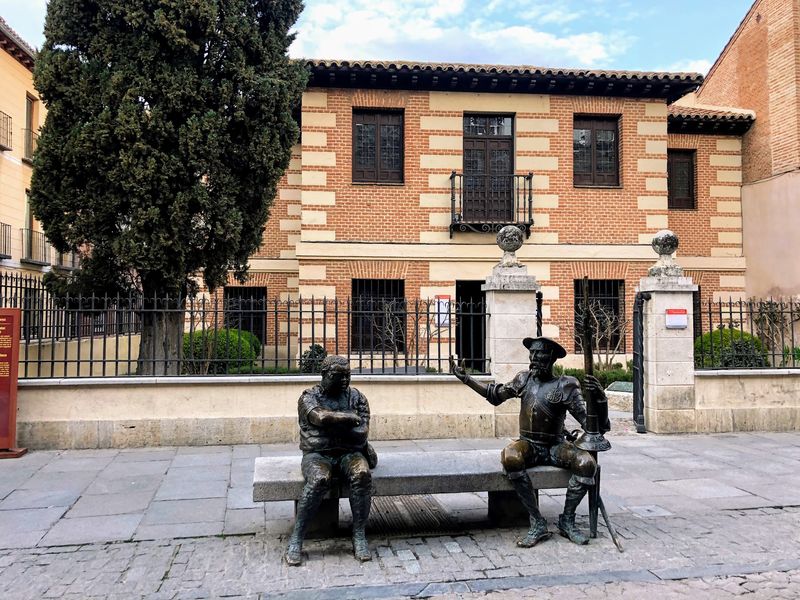
Two bronze figures sit on a bench by the front door, and almost every visitor squeezes in for a photo. Those statues are Don Quixote and his loyal helper Sancho Panza.
The museum stands on the site linked to Miguel de Cervantes’s family home. He was born here in 1547.
Rooms circle a columned courtyard, a common layout in old Spanish houses. Each space shows home life in the 16th and 17th centuries, including a kitchen, bedrooms, and a doctor’s room for his father, who worked as a barber-surgeon.
Upstairs, a collection of Don Quixote editions appears in many languages. Some have colorful illustrations of the knight battling windmills.
Entry is free. Alcala de Henares is also a short train ride from Madrid, so it makes an easy day trip.
11. Christ Church, Oxford, England
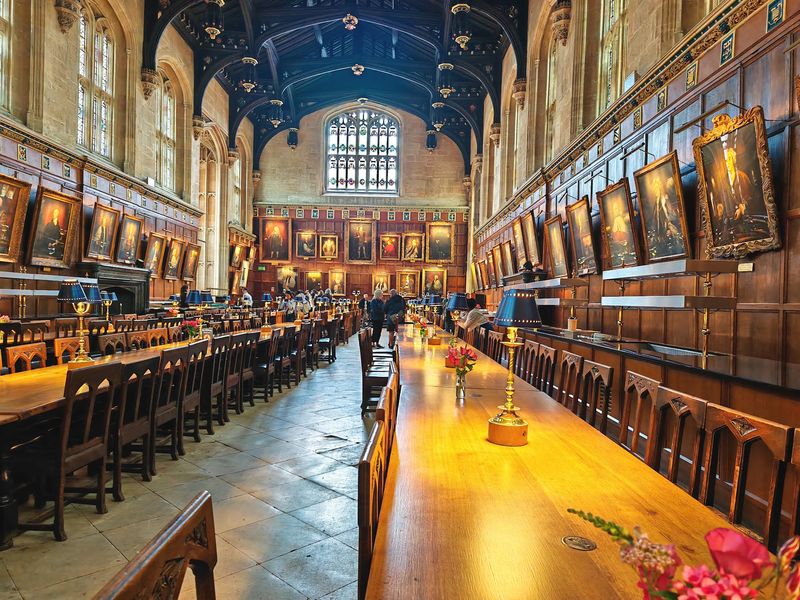
Lewis Carroll was actually a math teacher with a very good imagination. Under his real name, Charles Lutwidge Dodgson, he lived and taught at Christ Church.
Here he met Alice Liddell, daughter of the college dean. Stories he told her on a boat trip grew into Alice’s Adventures in Wonderland.
Look closely in the Great Hall at the brass fire dogs in the fireplace. Their long necks may have inspired Alice stretching out after eating cake.
A stained glass window in the hall shows Alice and other Wonderland characters. Harry Potter fans may also recognize the staircase from the films.
The college keeps letters, manuscripts, photographs, and early editions by Carroll. Across the street, a small shop called Alice’s Shop sells Wonderland gifts.
12. Sherlock Holmes Museum, London, England
A constable in Victorian uniform greets you at the door, which is elementary for a detective’s home. Arthur Conan Doyle gave Holmes the address 221B Baker Street.
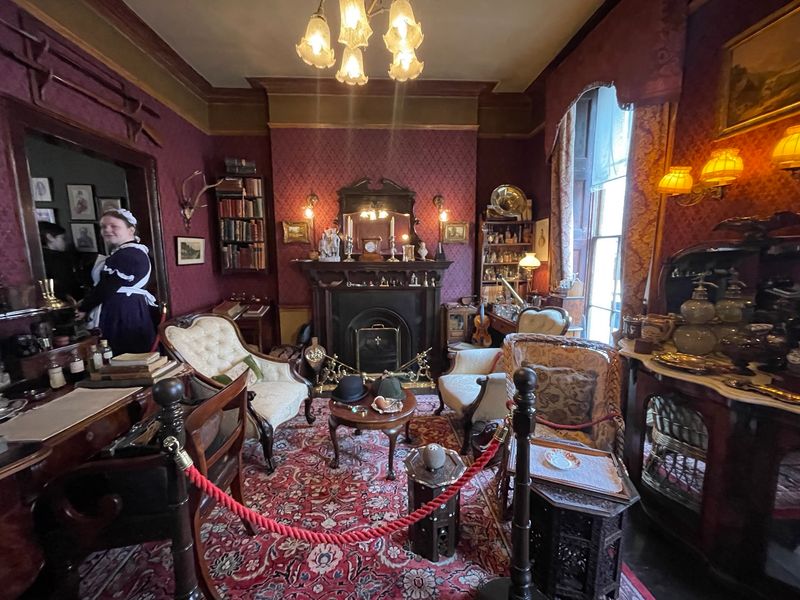
Today, a museum fills an early 19th-century Georgian townhouse at that very address. Rooms are arranged to look like the home of Holmes and Dr. Watson.
Up the stairs sits Holmes’s study. Look for his violin, deerstalker hat, chemistry set, and the Persian slipper where he stored tobacco in the stories.
The next floor holds Watson’s bedroom and Mrs. Hudson’s room. Both are packed with mementos tied to famous cases.
Wax figures of villains and characters fill the top floor. Lines can get long, so arrive early, and visit the gift shop for magnifying glasses.
13. National Steinbeck Center, Salinas, California
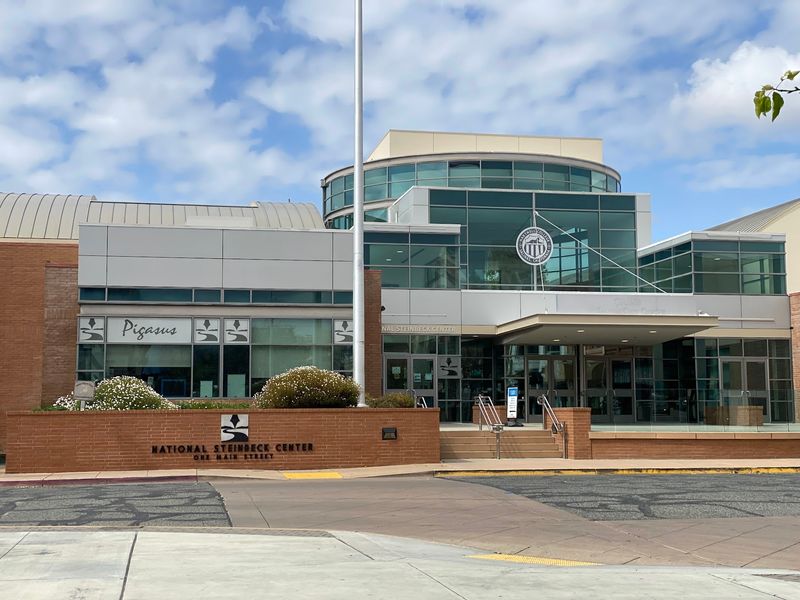
Lettuce fields stretch for miles around Salinas, and John Steinbeck wrote about many of them. He was born here in 1902.
The Salinas Valley became the setting for East of Eden and other books. Steinbeck called it the Salad Bowl of the World long before that became a slogan.
The National Steinbeck Center explores his life, writing, and ties to the region. Exhibits are grouped by novel, so you can follow his stories one by one.
A highlight is Rocinante, the camper truck he drove across America. That trip became his book Travels with Charley, named after his poodle.
Steinbeck’s childhood home is a few blocks away and runs as a restaurant. Afterward, a drive into the valley or to Cannery Row in Monterey brings his settings to life.
14. The Jane Austen Centre, Bath, England
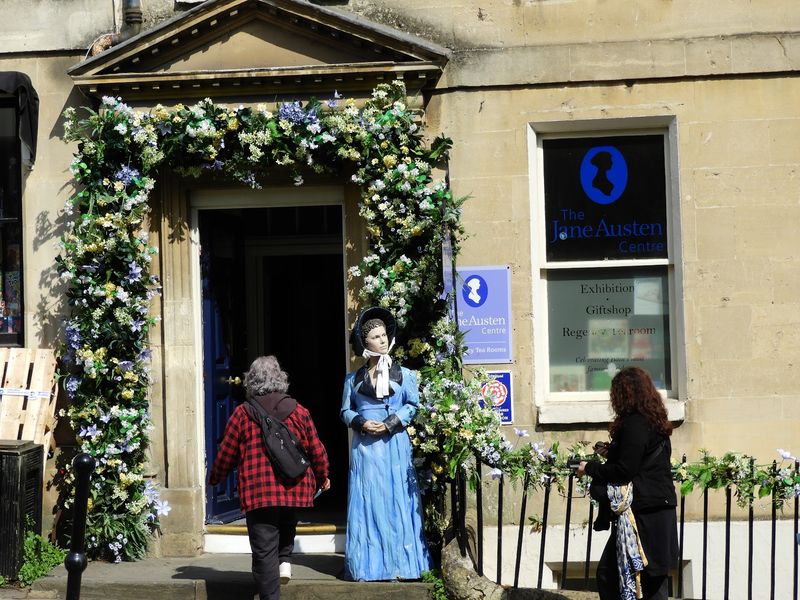
Feather quills, bonnets, and fancy gloves are all part of the fun. Jane Austen lived in Bath from 1801 to 1806.
The city plays a big role in Persuasion and Northanger Abbey. Its terraces, dances, and social rules shaped both stories.
Located in a Georgian townhouse, the centre shares Austen’s life through exhibits and guides in period costume. A life-size wax figure shows what experts think she looked like.
Visitors can try on Regency clothing and write with a quill pen. Upstairs, the Regency Tea Room serves treats made from period recipes.
Each September, the Jane Austen Festival fills the streets with a costumed parade. After your visit, stroll the Royal Crescent and the Assembly Rooms, where her characters danced.
15. Charles Dickens Museum, London, England
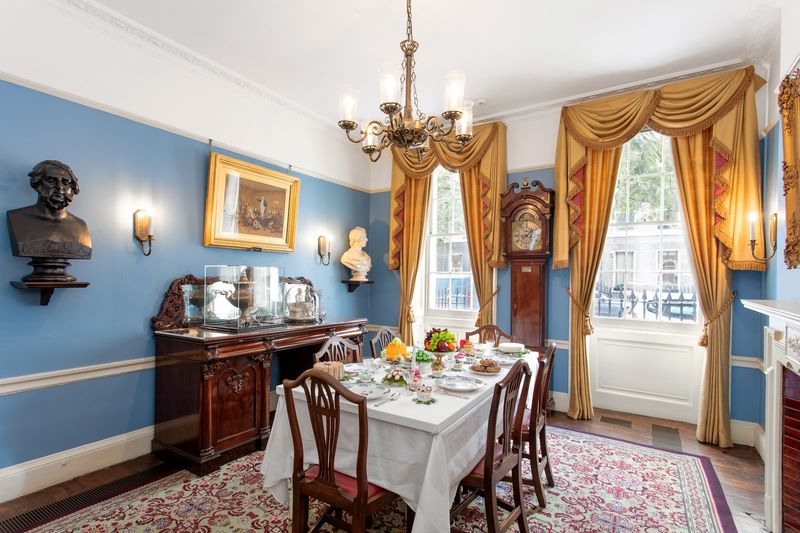
Some people move house and lose their socks, but Dickens moved in and wrote a pile of classics. He lived at 48 Doughty Street from March 1837 to December 1839.
During that time, he finished The Pickwick Papers, wrote Oliver Twist and Nicholas Nickleby, and started Barnaby Rudge. This Georgian house is his only surviving London home.
Visitors explore his study, family bedrooms, and the servants’ quarters below. The rooms show how a middle-class Victorian family lived.
Treasures include his writing desk, handwritten drafts, and his wife’s engagement ring. Keep an eye out for a portrait he once posed for that was lost for years.
A small cafe and garden sit behind the house. It is a nice stop before walking the nearby streets that filled his novels.
Share this story