Breathing is something most of us take for granted, but for millions of people around the world, every breath comes with a serious health risk. Air pollution kills more than 7 million people each year, making it one of the deadliest environmental threats on the planet.
Tiny particles called PM2.5 are among the worst culprits, small enough to slip past your body’s defenses and enter your bloodstream. From bustling Asian megacities to desert capitals in Africa, these 15 places are dealing with some of the most dangerous air quality on Earth.
Loni, Uttar Pradesh, India
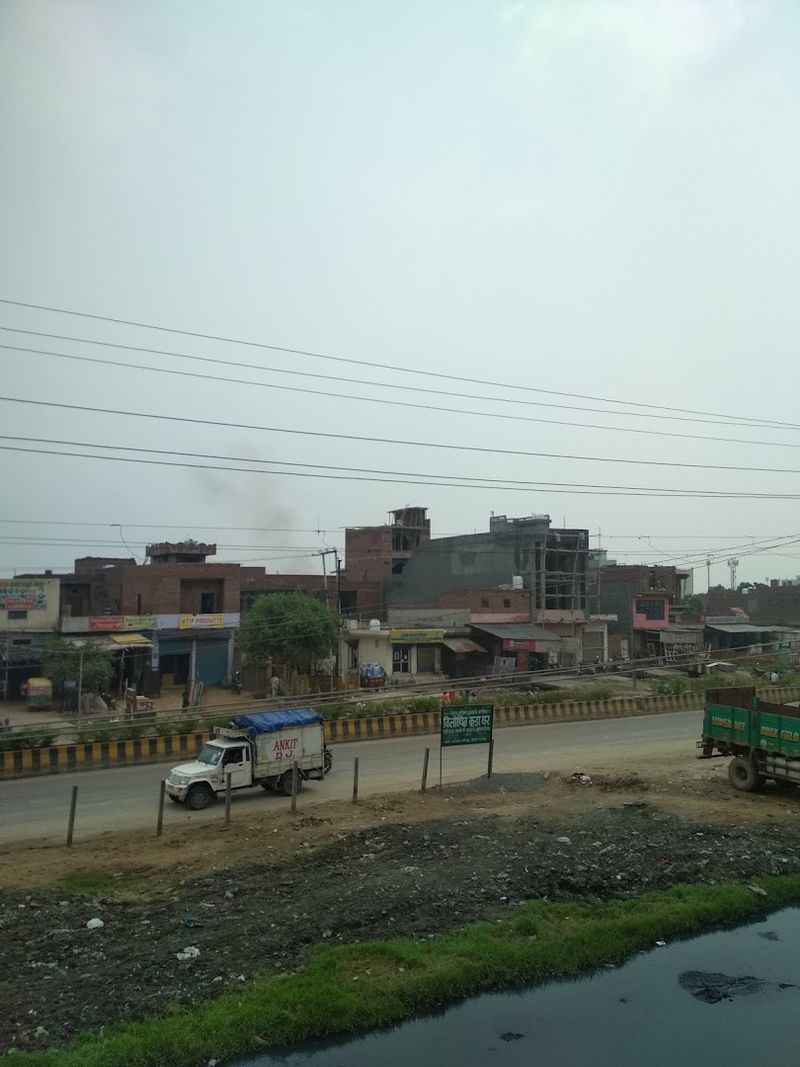
Welcome to the most polluted city on the planet, at least according to IQAir’s 2025 World Air Quality Report. Loni, a crowded industrial satellite city just north of Delhi, recorded a staggering annual average PM2.5 concentration of 112.5 micrograms per cubic meter.
That is more than 22 times the level the World Health Organization considers safe to breathe.
Loni’s pollution problem is a cocktail of chaos. Vehicle exhaust, open waste burning, brick kilns, and industrial emissions all pile on top of each other with very little green space to absorb any of it.
The city’s rapid and largely unplanned growth has made regulating pollution sources extremely difficult for local authorities.
Residents here often experience burning eyes, persistent coughs, and respiratory issues as part of daily life. Children and the elderly face the highest health risks.
Experts say long-term exposure at these levels dramatically increases the risk of lung disease, heart attacks, and stroke. Loni is a sobering example of what happens when urban growth outpaces environmental planning.
Hotan, Xinjiang, China
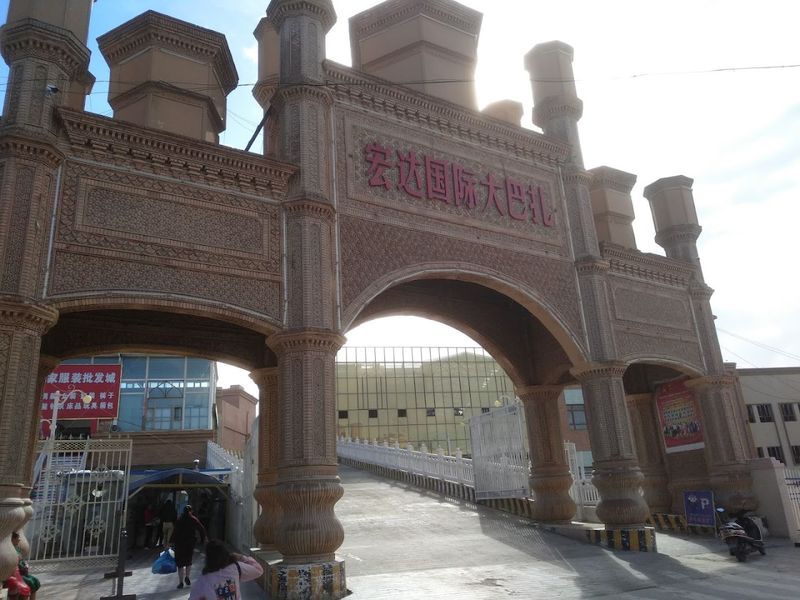
Hotan sits at the edge of the Taklamakan Desert, one of the largest and most unforgiving sand deserts in the world. That geography alone is enough to create serious air quality problems, but Hotan’s pollution story does not stop at natural dust.
Urban emissions, coal burning, and industrial activity add layer after layer of harmful particles to the already grit-filled air.
The city has appeared on global worst-polluted lists for multiple consecutive years, a pattern that speaks to how deeply rooted the problem is. When desert sandstorms roll through, PM2.5 and PM10 levels can spike to genuinely alarming heights within hours.
Residents often have little warning and even less protection.
Visibility in Hotan can drop dramatically during bad pollution events, turning the sky a murky yellow-brown. Respiratory diseases are widespread among the local population.
Scientists studying the region note that separating natural dust contributions from human-made emissions is tricky, which complicates efforts to design effective solutions. What is clear is that the air in Hotan poses a significant and ongoing health threat to everyone who lives there.
Byrnihat, India
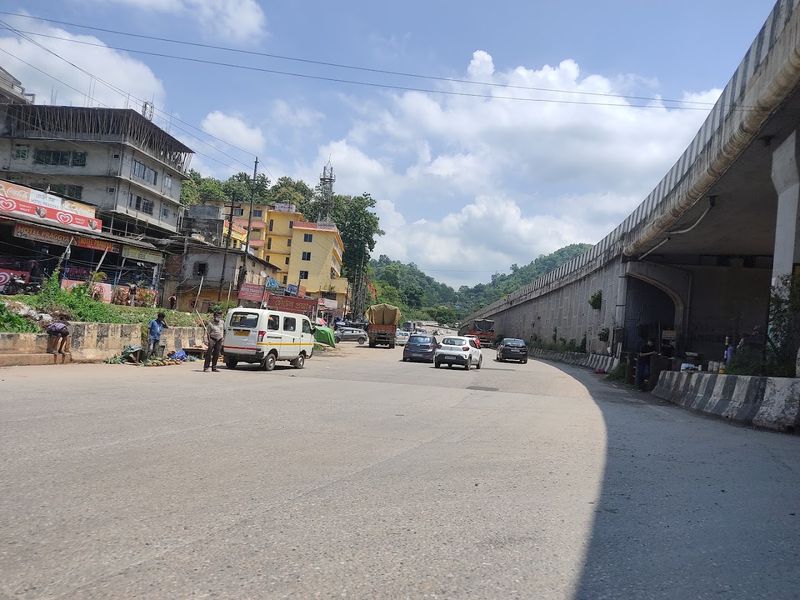
Tucked along the border between Assam and Meghalaya, Byrnihat might not be a name most people recognize, but its air quality numbers are impossible to ignore. This small but heavily industrialized town recorded PM2.5 levels exceeding 100 micrograms per cubic meter, landing it firmly among the most polluted locations anywhere on Earth.
Byrnihat is home to cement plants, chemical factories, and other heavy industries that pump pollutants into the air around the clock. The surrounding hills, which might otherwise be a scenic backdrop, actually trap emissions in the valley below.
That natural geography turns the town into something of a pollution bowl, especially during calm weather when there is little wind to disperse the smog.
Local residents have repeatedly raised concerns about health impacts, including respiratory illnesses and skin problems they link to factory emissions. Environmental groups have pushed for stricter monitoring and enforcement of emission standards.
Byrnihat is a sharp reminder that pollution does not only happen in big cities. Small industrial towns can carry enormous environmental burdens, often with far fewer resources and far less media attention to push for change.
Delhi, India
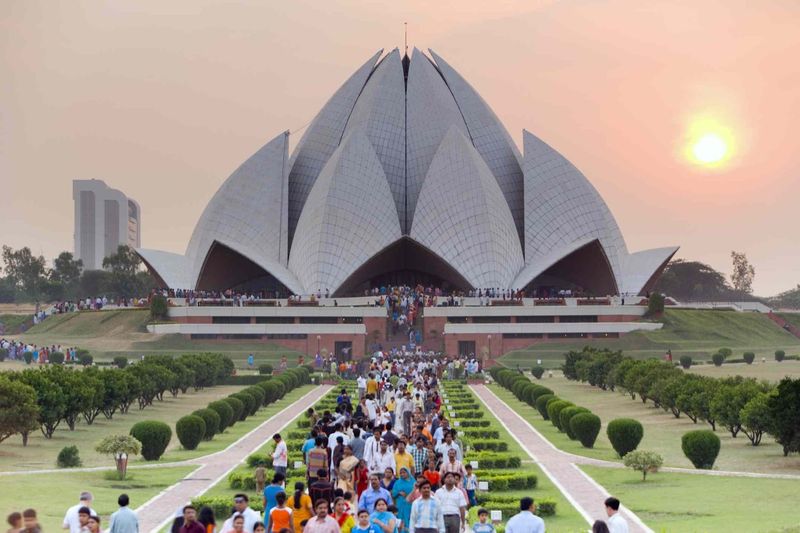
Every winter, Delhi transforms into something out of a dystopian film, with a thick, eye-stinging smog blanket settling over one of the world’s most populated cities. India’s capital battles a perfect storm of pollution sources: millions of vehicles, massive construction projects, crop-burning fires from neighboring states, and heavy industry all collide at once.
Temperature inversions during the cooler months make everything worse by trapping pollutants close to the ground instead of allowing them to rise and disperse. On the worst days, Delhi’s Air Quality Index shoots into the severe category, prompting school closures, flight disruptions, and health advisories urging people to stay indoors.
Even on relatively calm days, the air rarely qualifies as truly clean.
The Indian government has introduced policies like the Graded Response Action Plan to manage pollution during peak seasons, including bans on certain vehicles and construction activities. Progress has been slow and uneven.
Delhi’s story is ultimately about the enormous challenge of balancing rapid economic growth with environmental protection in one of the world’s fastest-growing urban regions. It is a challenge the city has yet to fully solve.
Lahore, Pakistan
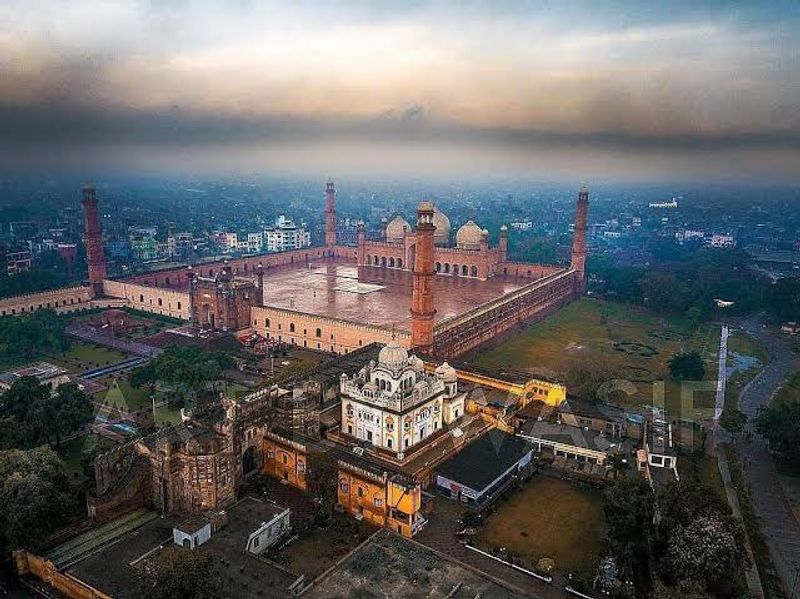
Autumn in Lahore used to mean cooler breezes and the start of festive season. These days, it means something far less pleasant: a choking seasonal smog that rolls in like clockwork and refuses to leave for months.
Lahore frequently records some of the highest PM2.5 readings in all of South Asia during October through January.
The causes are depressingly familiar. Crop residue burning in Punjab’s vast agricultural fields sends enormous plumes of smoke drifting toward the city.
Add in diesel vehicles, brick kilns, industrial zones, and construction sites, and Lahore’s air quality becomes genuinely hazardous. On the worst days, the city has ranked as the most polluted major city in the entire world according to real-time monitoring platforms.
Pakistani authorities have attempted crackdowns on stubble burning and older vehicles, but enforcement remains a challenge. Hospitals fill up with respiratory patients during peak smog season.
Children walking to school and workers commuting outdoors bear the heaviest burden. Lahore is a city of extraordinary history and culture, home to Mughal-era architecture and vibrant street life.
The tragedy is that its people are forced to experience all of that beauty through a haze of toxic air.
Dhaka, Bangladesh
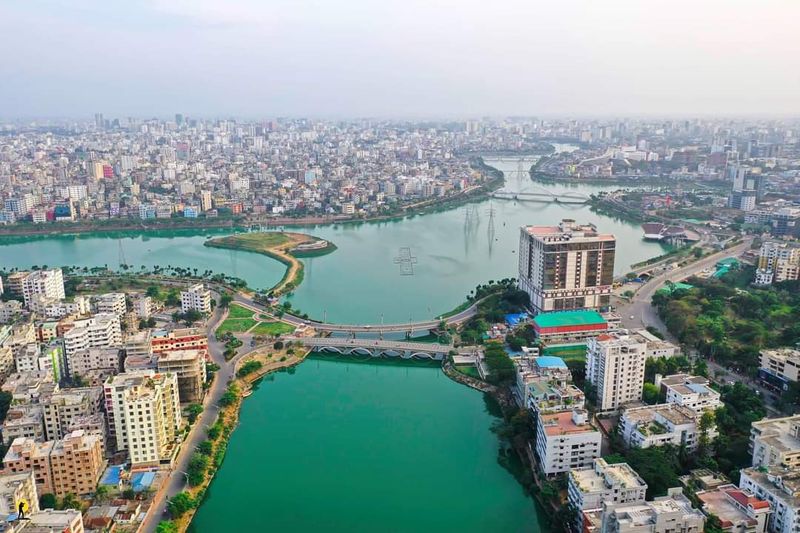
Dhaka is one of the most densely populated cities anywhere in the world, and that density comes with an air quality price tag that residents pay every single day. Bangladesh’s capital struggles with a relentless mix of vehicle exhaust, construction dust, factory emissions, and smoke from the thousands of brick kilns that ring the city.
Brick kilns are a particularly stubborn problem. Many still use outdated technology that burns coal or biomass inefficiently, releasing enormous quantities of black carbon and fine particulate matter.
Despite government efforts to phase in cleaner kiln designs, progress has been slow. Meanwhile, the city’s vehicle fleet continues to grow faster than infrastructure can handle, adding more exhaust to already overloaded air.
Dhaka’s air quality is poor throughout most of the year, but conditions typically worsen significantly during the dry winter months when there is less rainfall to wash particles out of the atmosphere. Studies have linked Dhaka’s pollution to increased rates of asthma, chronic bronchitis, and cardiovascular disease among residents.
For a city already dealing with flooding, overcrowding, and poverty, persistent air pollution adds yet another heavy burden to the lives of millions of ordinary people.
Karachi, Pakistan
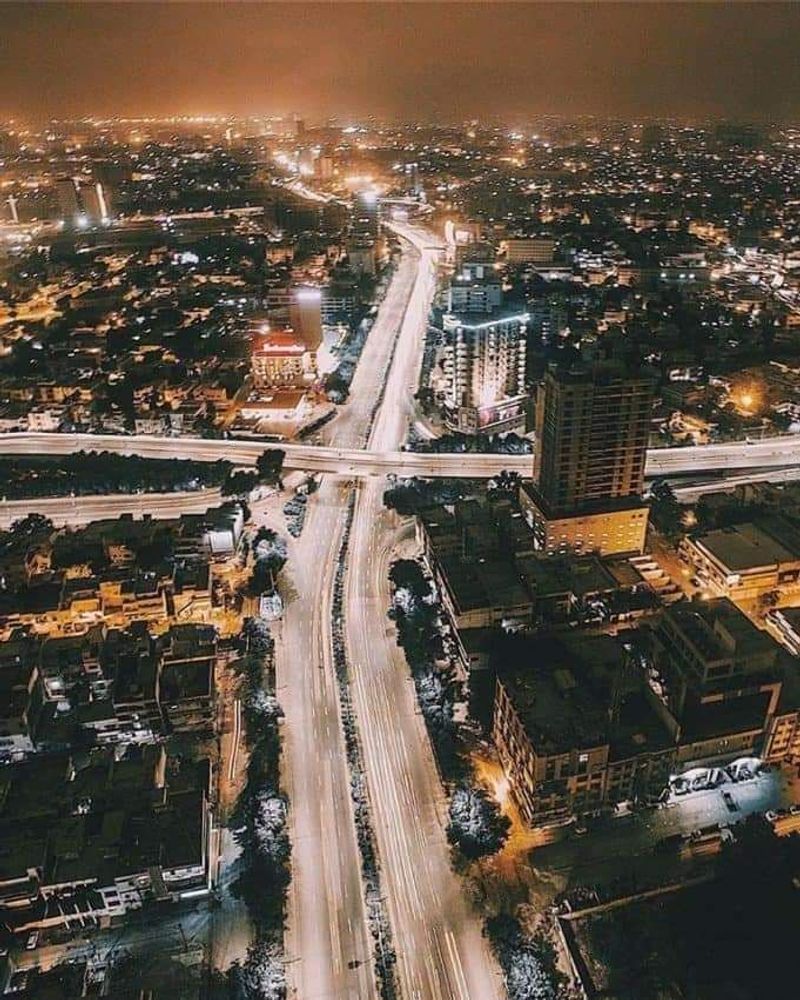
Pakistan’s largest city and economic engine, Karachi is home to more than 14 million people who share their air with a relentless stream of trucks, buses, motorcycles, and industrial facilities. The city’s port, one of the busiest in South Asia, adds diesel exhaust from heavy machinery and cargo ships to the already burdened atmosphere.
Unlike Lahore, Karachi does not get a monsoon-season reprieve in the same way. The city’s coastal location can help disperse some pollution, but during certain wind conditions, emissions simply accumulate.
Industrial zones scattered across the city release pollutants with limited oversight, and many vehicles on the road are old enough to have long since failed any reasonable emissions standard.
Karachi also faces the challenge of managing its own waste, with open dumping and burning of garbage adding toxic smoke to the air. Air quality monitoring infrastructure has historically been limited, meaning the true scale of the problem is likely underreported.
Public health researchers have found elevated rates of lung and cardiovascular disease in heavily polluted neighborhoods. Karachi’s pollution crisis is inseparable from its broader challenges of rapid, under-resourced urbanization in one of the world’s most complex and energetic cities.
N’Djamena, Chad
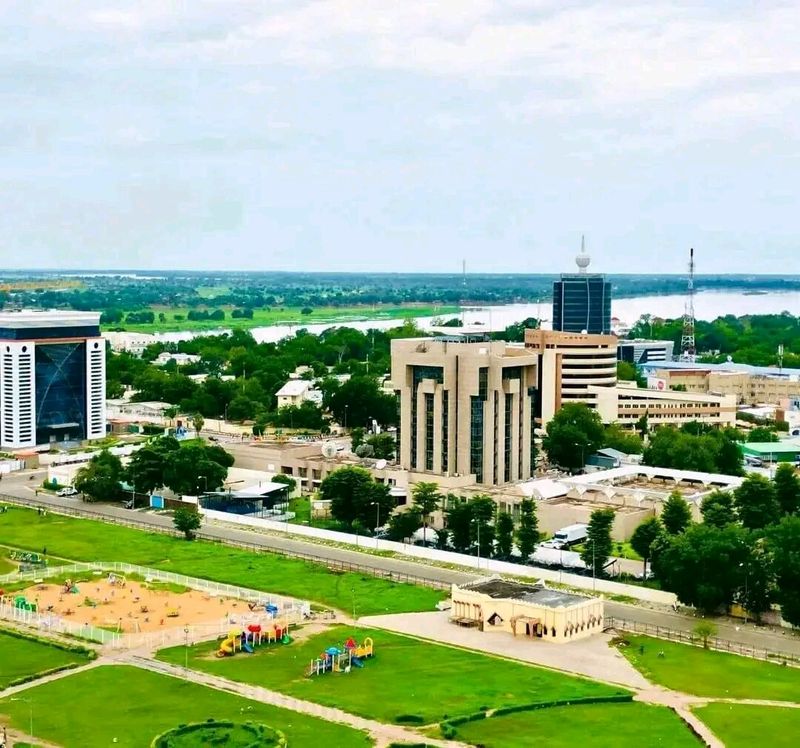
Chad consistently ranks as one of the most polluted countries on the planet, and its capital N’Djamena carries a heavy share of that burden. Surrounded by the Sahel and Sahara regions, the city faces constant waves of desert dust that push particulate matter levels to dangerous heights even before human activity adds its share.
Open burning is one of the biggest contributors to N’Djamena’s air pollution. Households burn waste, agricultural residues, and biomass for cooking fuel, releasing clouds of smoke into neighborhoods with very little ventilation.
There are almost no industrial-scale emissions controls in place, and vehicle fleets tend to be old and poorly maintained. The combination creates persistently poor air quality throughout the year.
Chad is one of the world’s least developed countries, which means resources for environmental monitoring, healthcare, and pollution control are extremely limited. Many residents have no idea how dangerous the air they breathe actually is, simply because the data is not widely available or communicated.
The health toll is invisible but enormous, with respiratory illness, eye infections, and cardiovascular strain all linked to chronic exposure. N’Djamena is proof that air pollution is not just an industrial problem.
Poverty and geography play a powerful role too.
Kathmandu, Nepal
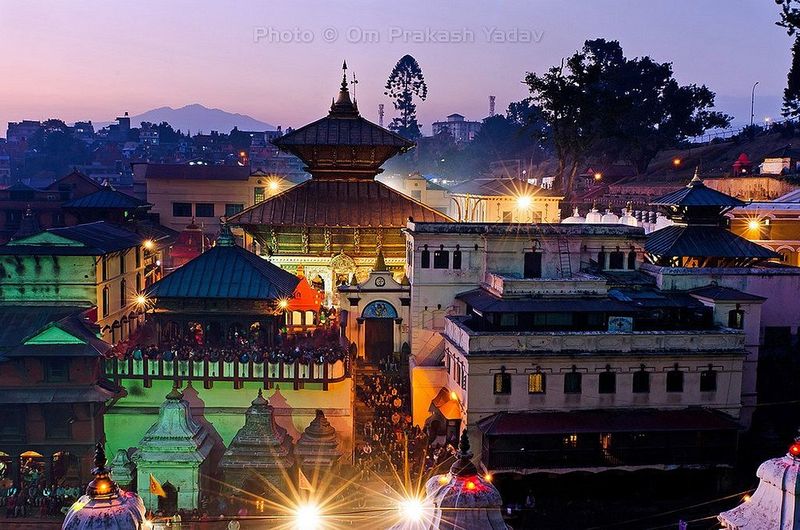
Kathmandu sits in a bowl-shaped valley surrounded by the dramatic peaks of the Himalayas, a setting that makes for stunning postcards but terrible air circulation. The mountains that draw millions of tourists every year also trap vehicle emissions, construction dust, and burning waste, creating a pollution lid over the entire city that can last for days.
The city has seen explosive growth in vehicle numbers over the past two decades without a matching expansion in public transportation or emissions regulations. Older diesel vehicles are particularly problematic, belching black exhaust through narrow streets that were never designed for modern traffic volumes.
Brick kilns on the valley’s edge and open burning of garbage add further layers to the problem.
Seasonal patterns make things worse in the dry months before the monsoon arrives, when there is no rain to clear the air and winds are weak. Residents and tourists alike often report scratchy throats, headaches, and irritated eyes during bad pollution periods.
Nepal’s government has announced plans to electrify public transport, and there has been some progress, but meaningful improvement in Kathmandu’s air quality remains a work in progress. The valley’s geography means even modest emission reductions will take time to show results.
Peshawar, Pakistan
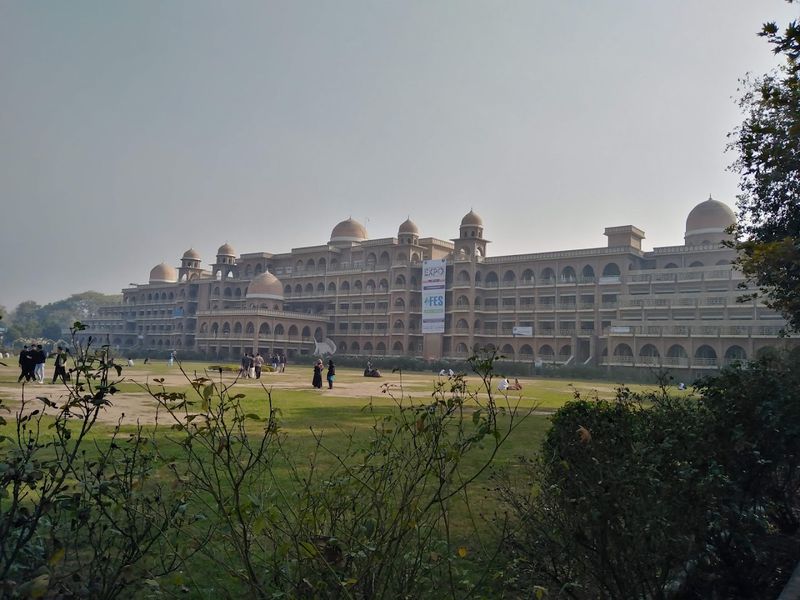
Peshawar, one of the oldest continuously inhabited cities in the world, is also one of Pakistan’s most polluted. Its ancient bazaars and historic Khyber Pass gateway now operate under a near-permanent cloud of haze, particularly during the cooler months when temperature inversions lock emissions close to the ground.
Industrial activity, a large volume of poorly maintained vehicles, and widespread use of wood and coal for heating all combine to push Peshawar’s PM2.5 readings well above safe levels for months at a time. The city also sits in a geographic depression that limits natural air circulation, making it harder for pollution to clear even on windy days.
Cross-border dust and smoke from agricultural burning in neighboring Afghanistan sometimes adds to Peshawar’s already strained air quality. Healthcare workers in the city report that respiratory conditions are among the most common reasons for hospital visits, especially in winter.
Children living near busy roads or industrial areas are at particularly high risk of developing long-term lung problems. Peshawar carries an extraordinary weight of history and culture, but its residents deserve cleaner air to breathe while they live it.
Stronger emissions monitoring and enforcement would be a meaningful first step.
Cairo, Egypt
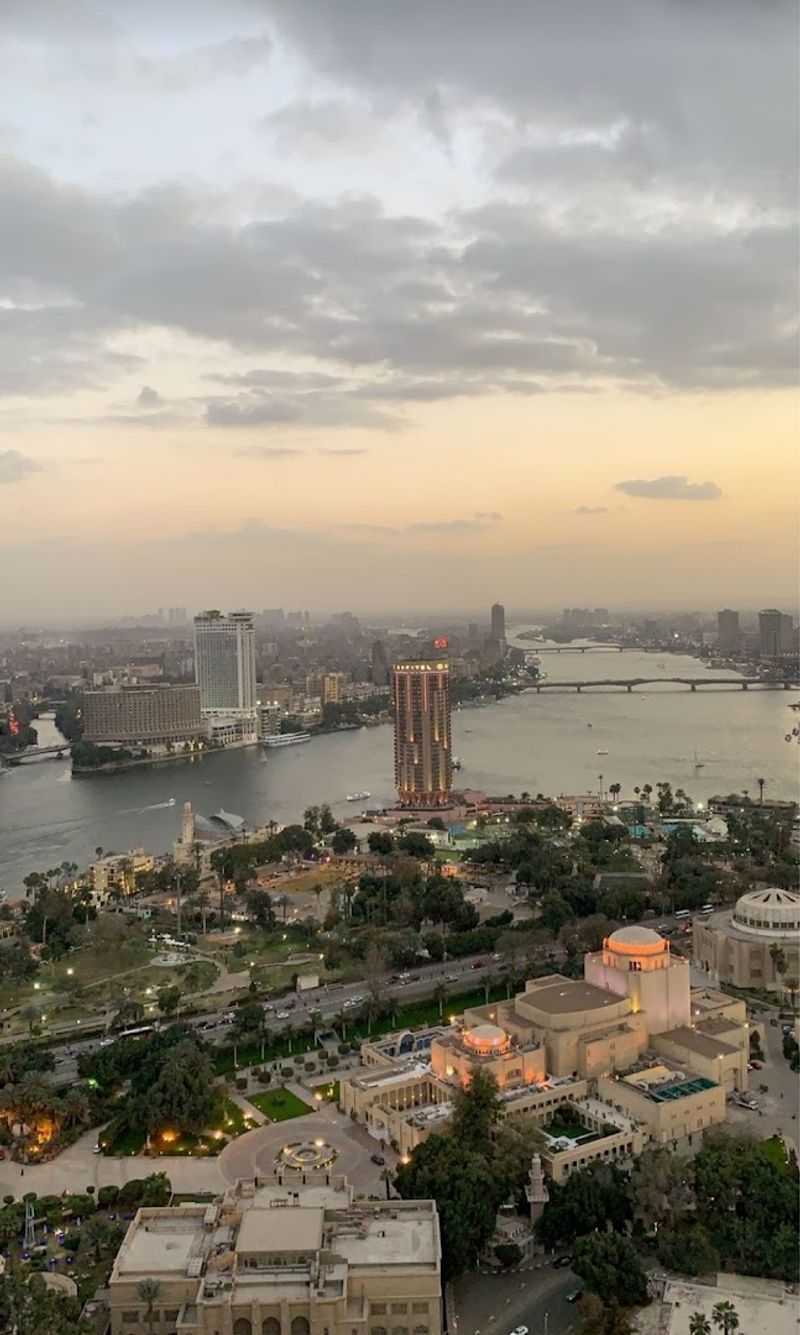
Cairo wears its pollution like a permanent overcoat, a brownish haze that sits stubbornly over the Egyptian capital almost every day of the year. The city is home to more than 20 million people, and the sheer density of traffic, industry, and human activity generates pollution on a massive scale.
Dust storms blowing in from the surrounding Sahara add a natural layer of particulate matter that compounds the problem significantly.
Vehicle emissions are the dominant human-made source, with millions of cars, minibuses, and motorcycles filling Cairo’s legendary traffic jams. Many of these vehicles are old and emit far more pollutants than modern standards would allow.
Informal industrial activity, including small workshops and recycling operations, also releases pollutants without meaningful oversight.
Cairo experiences what locals call the Black Cloud, a seasonal phenomenon where smoke from burning rice straw in the Nile Delta drifts over the city in autumn. Combined with existing pollution, it creates particularly hazardous air quality episodes that affect millions.
Egypt has been working to expand its natural gas vehicle program and upgrade public transit, but progress is gradual. Cairo’s pollution challenge is a reminder that environmental problems in densely populated developing cities require both political will and sustained investment to address.
Ulaanbaatar, Mongolia
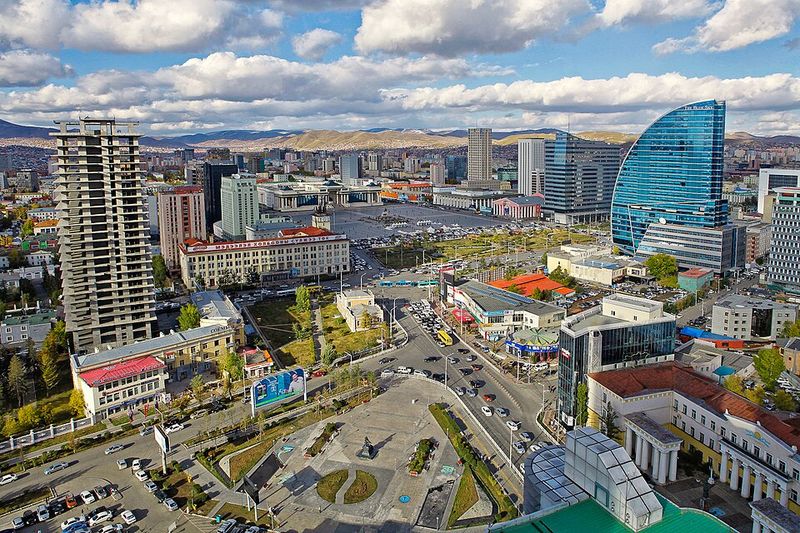
Few cities in the world experience winter air pollution quite as dramatic as Ulaanbaatar. Mongolia’s capital endures some of the world’s coldest urban winters, and the city’s large population of ger district residents, who live in traditional felt tents, burn coal, wood, and even plastic to stay warm.
The result is a suffocating winter smog that regularly exceeds WHO guidelines by ten times or more.
Temperature inversions are severe and frequent in Ulaanbaatar’s valley setting. Cold, heavy air pools in the basin while warmer air sits above it, creating a lid that traps all the smoke and exhaust right where people live and breathe.
On the worst winter nights, the air smells of burning coal and visibility can drop to just a few hundred meters.
The Mongolian government has introduced subsidized cleaner fuel programs and electric heating initiatives in recent years, and some progress has been measured. However, the ger districts continue to grow as rural families migrate to the capital, and many cannot afford cleaner heating alternatives.
Childhood respiratory disease rates in Ulaanbaatar are alarmingly high. The city’s pollution crisis is deeply tied to poverty, rapid urbanization, and the brutal realities of surviving a Mongolian winter without reliable central heating.
Sarajevo, Bosnia and Herzegovina
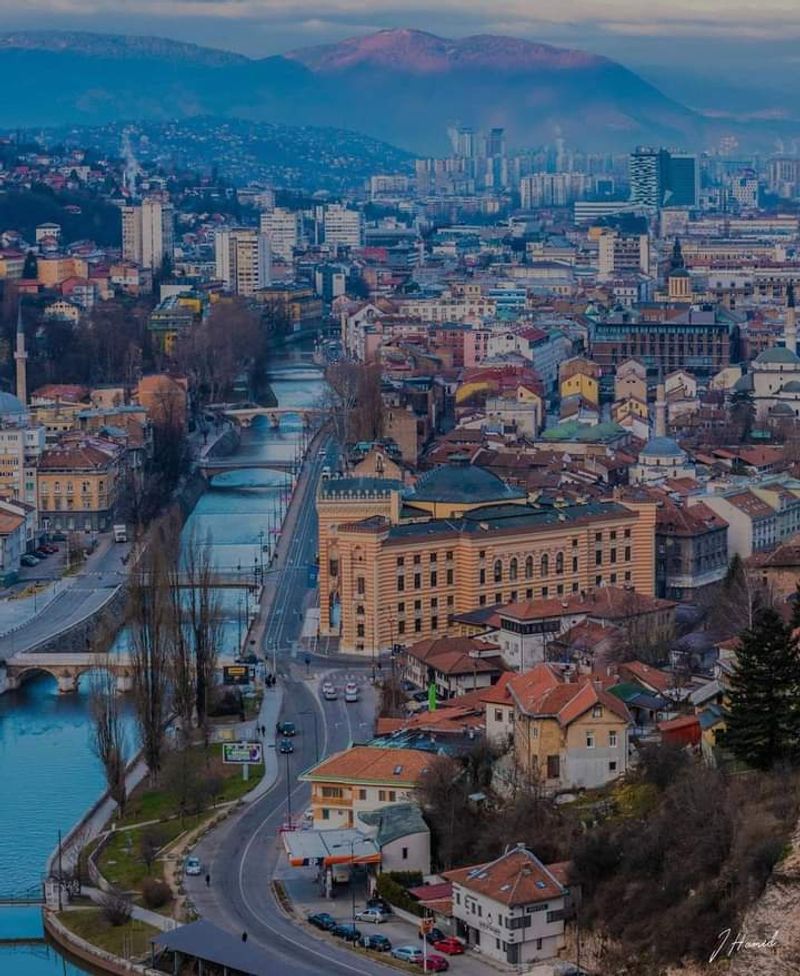
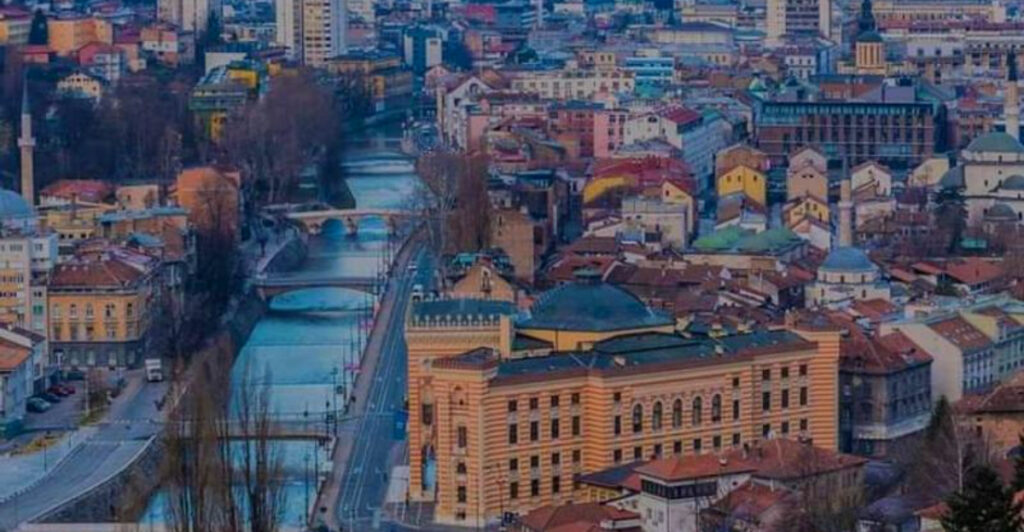
Sarajevo has a well-earned reputation as one of Europe’s most polluted cities during winter, which might surprise visitors who arrive expecting to find a charming Balkan city of minarets and cobblestones. The city sits in a narrow valley flanked by steep mountains, and in winter that geography becomes a trap.
Cold air settles in the valley and stays there, holding pollution from heating systems and traffic close to ground level.
Home heating is the primary culprit. Many Sarajevo residents burn wood or coal in old, inefficient stoves because natural gas connections are unavailable or too expensive.
Each chimney adds to a collective smog that can make the city almost unrecognizable from the surrounding hillsides. During the worst episodes, authorities have advised residents to stay indoors and restricted vehicle use.
Bosnia and Herzegovina has limited environmental enforcement capacity, and upgrading the city’s heating infrastructure is an expensive long-term project. European Union pressure has helped push some policy discussions forward, but concrete action has been slow.
Sarajevo survived a brutal siege in the 1990s and has rebuilt itself with remarkable resilience. Its residents now face a quieter but persistent threat, one measured not in artillery shells but in micrograms per cubic meter of air they breathe every single day.
Beijing, China
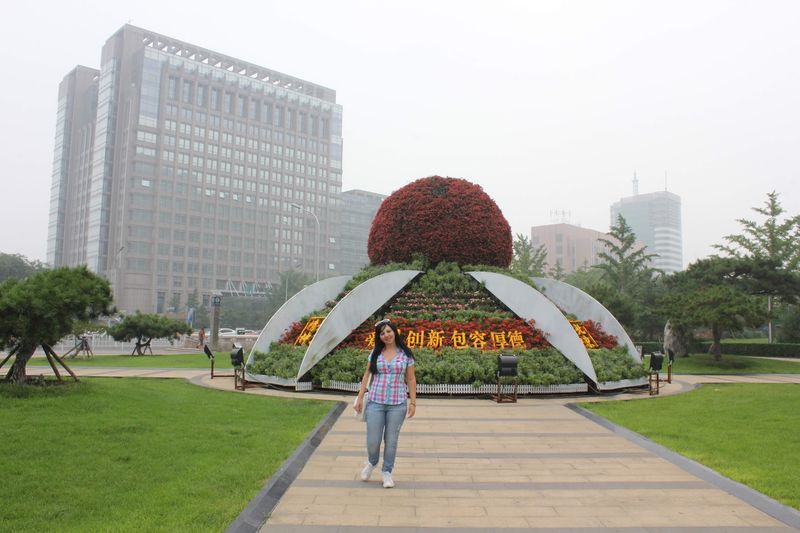
Beijing’s pollution story has two chapters, and the second one is actually worth celebrating a little. A decade ago, the Chinese capital was synonymous with apocalyptic smog, the kind that turned the sky a uniform gray and made the sun look like a pale ghost.
Since then, China’s aggressive war on pollution has produced measurable results, with PM2.5 levels dropping by more than 50% in Beijing since 2013.
That said, Beijing still has work to do. The city continues to experience unhealthy air quality episodes, particularly in winter when coal burning for heating ramps up and weather conditions are unfavorable.
Industrial activity in the surrounding Hebei province can also push pollution into the capital when winds blow in the wrong direction.
Beijing’s experience is actually one of the most instructive in the world for pollution policy. China demonstrated that determined government action, including shutting down coal plants, relocating factories, restricting older vehicles, and transitioning to natural gas heating, can produce real improvements in a relatively short time.
It is not a perfect story, and millions of people still breathe air that falls short of WHO guidelines. But compared to where it was, Beijing offers a cautious, qualified reason for optimism in the global fight against air pollution.
Dubai, United Arab Emirates
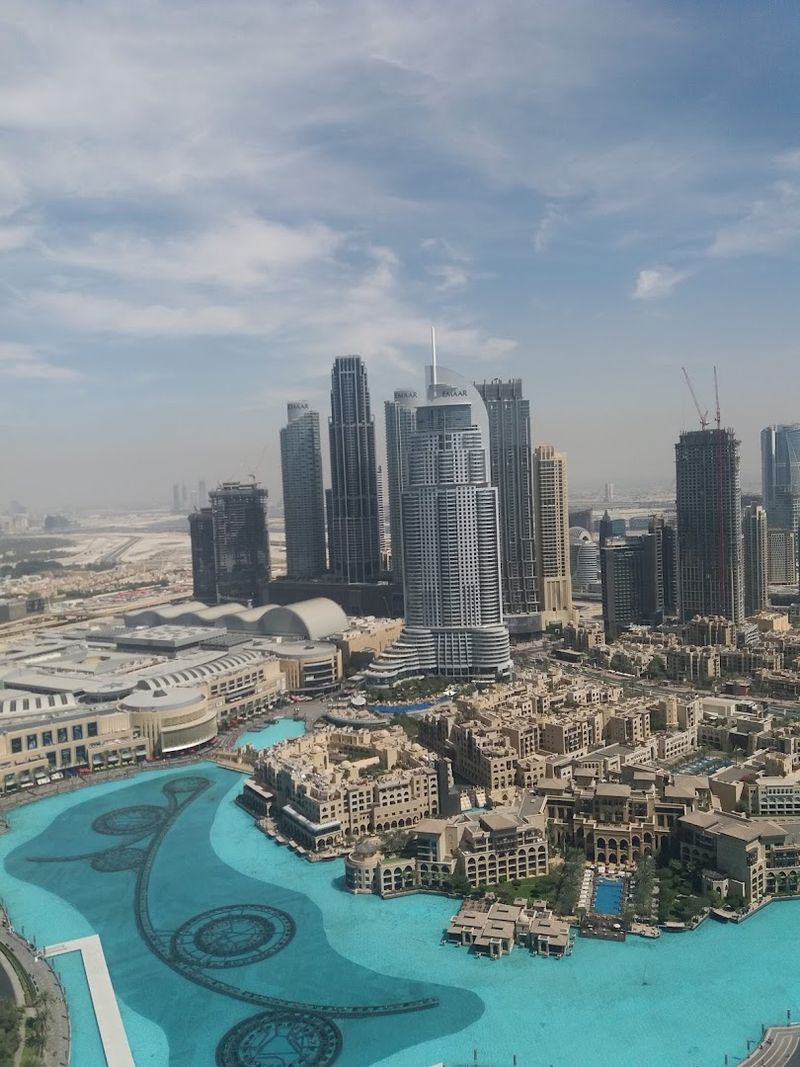
Dubai might not be the first city that comes to mind when you think of dangerous air pollution, but its gleaming skyscrapers and luxury image do not tell the full story. The city’s PM2.5 levels consistently exceed WHO annual guidelines, driven by a combination of heavy traffic, construction activity, industrial emissions, and something Dubai cannot simply regulate away: desert dust.
The Arabian Peninsula is one of the dustiest regions on Earth, and natural dust storms can push particulate concentrations to hazardous levels with very little notice. During shamal winds, fine sand from surrounding deserts blankets the city, reducing visibility and sending air quality indices soaring.
These natural events account for a significant portion of Dubai’s annual pollution burden.
Human-made contributions are not small either. Dubai’s car-dependent urban design means vehicle emissions are substantial, and the city’s booming construction sector generates enormous amounts of dust.
The UAE government has invested in air quality monitoring and has introduced some vehicle emission standards, but the fundamental challenge of desert geography is not going away. Dubai is a fascinating case study in how even wealthy, well-managed cities can struggle with air pollution when nature and rapid development work together against clean air.
Share this story