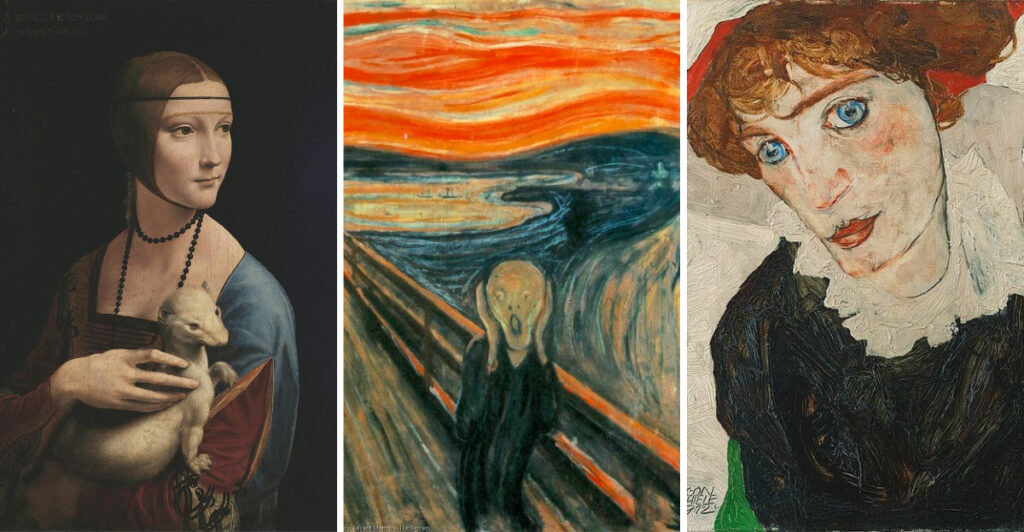
World War II was one of the most destructive events in human history, and its damage went far beyond lives and cities. The Nazis and other forces looted thousands of priceless artworks from museums, private collections, and Jewish families across Europe.
Some of these treasures were eventually recovered, but many remain missing to this day. These lost masterpieces represent not just incredible artistic achievement, but also the personal histories and cultural identities of entire nations.
1. The Ghent Altarpiece (Adoration of the Mystic Lamb) by Jan van Eyck
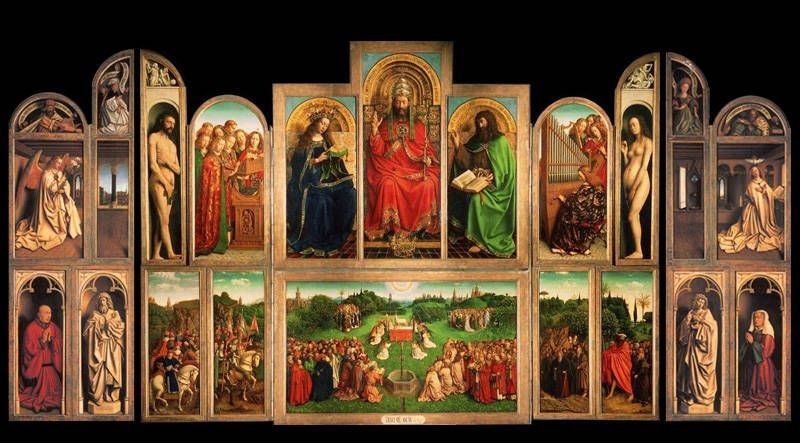
Few artworks have been stolen as many times as the Ghent Altarpiece, making it arguably the most targeted painting in history. Created by Jan van Eyck and completed in 1432, this massive 12-panel masterpiece lives in Saint Bavo’s Cathedral in Ghent, Belgium.
Its dazzling detail and spiritual depth made it one of the most celebrated works of the early Renaissance.
During World War II, the Nazis seized the altarpiece and transported it to Germany. By 1945, Allied forces discovered it hidden deep inside the Altaussee salt mines in Austria, where the Nazis had stashed enormous quantities of looted art.
The recovery was a major triumph for preservationists and historians.
One panel, known as “The Just Judges,” was stolen in 1934 and has never been found. Even after decades of searching, that single missing piece keeps the altarpiece’s story painfully incomplete.
2. Portrait of a Young Man by Raphael
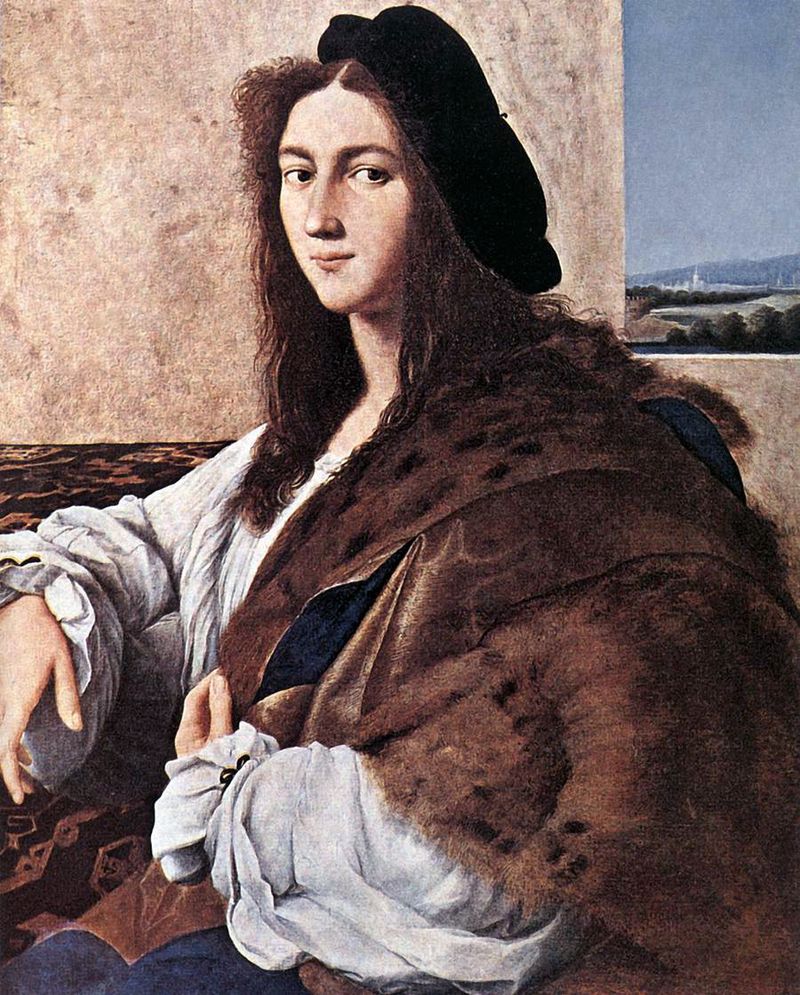
Considered one of the most valuable missing paintings in the world, Raphael’s “Portrait of a Young Man” has not been seen in public since World War II. Before the war, it was part of the Czartoryski Collection in Kraków, Poland, one of the country’s most prized cultural treasures.
The identity of the young man in the portrait remains unknown, adding another layer of mystery to an already haunting story.
When the Nazis invaded Poland in 1939, they systematically looted the country’s museums and private collections. This painting was taken and reportedly ended up in the hands of Hans Frank, the Nazi governor of occupied Poland, who hung it in his personal residence.
After the war, the painting vanished completely. Despite numerous investigations and international efforts, no confirmed trace of it has ever surfaced, making it one of the great unsolved mysteries of the art world.
3. The Amber Room
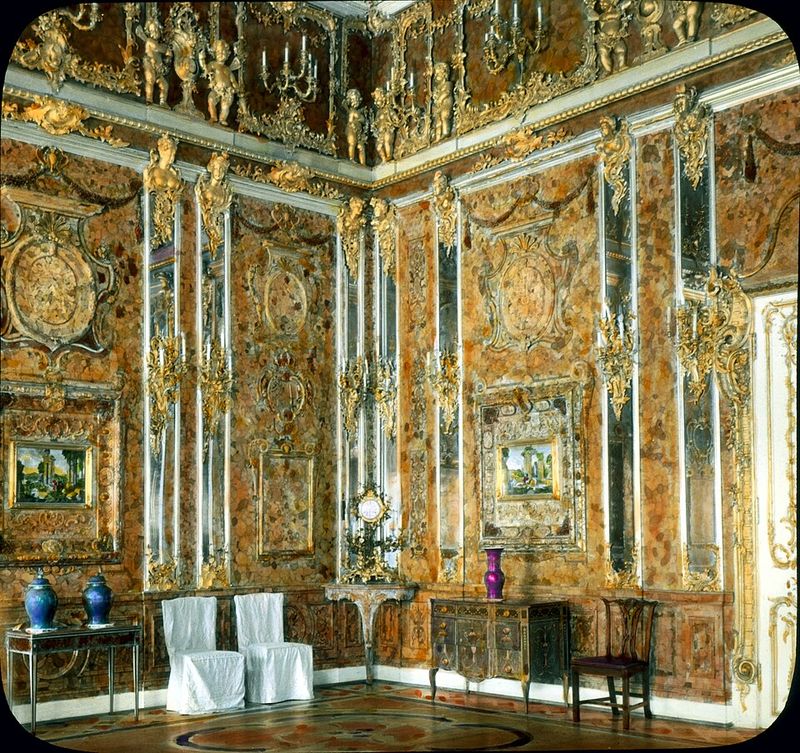
Imagine an entire room built from amber, gold leaf, and precious stones. That was the Amber Room, a Baroque masterpiece originally created in Prussia in the early 1700s and later gifted to Russian Tsar Peter the Great.
Installed in the Catherine Palace near St. Petersburg, it became known as the “Eighth Wonder of the World” and drew visitors from across the globe.
When Nazi Germany invaded the Soviet Union in 1941, German soldiers dismantled the Amber Room panel by panel and shipped it to Königsberg, Germany (now Kaliningrad, Russia). After 1945, all trace of the room disappeared.
Theories about its fate range from destruction in Allied bombing raids to secret burial locations across Eastern Europe.
Russia eventually built a full reconstruction, which opened in 2003. But the original Amber Room, worth an estimated half a billion dollars today, has never been found.
4. Madonna with Child by Lucas Cranach the Elder
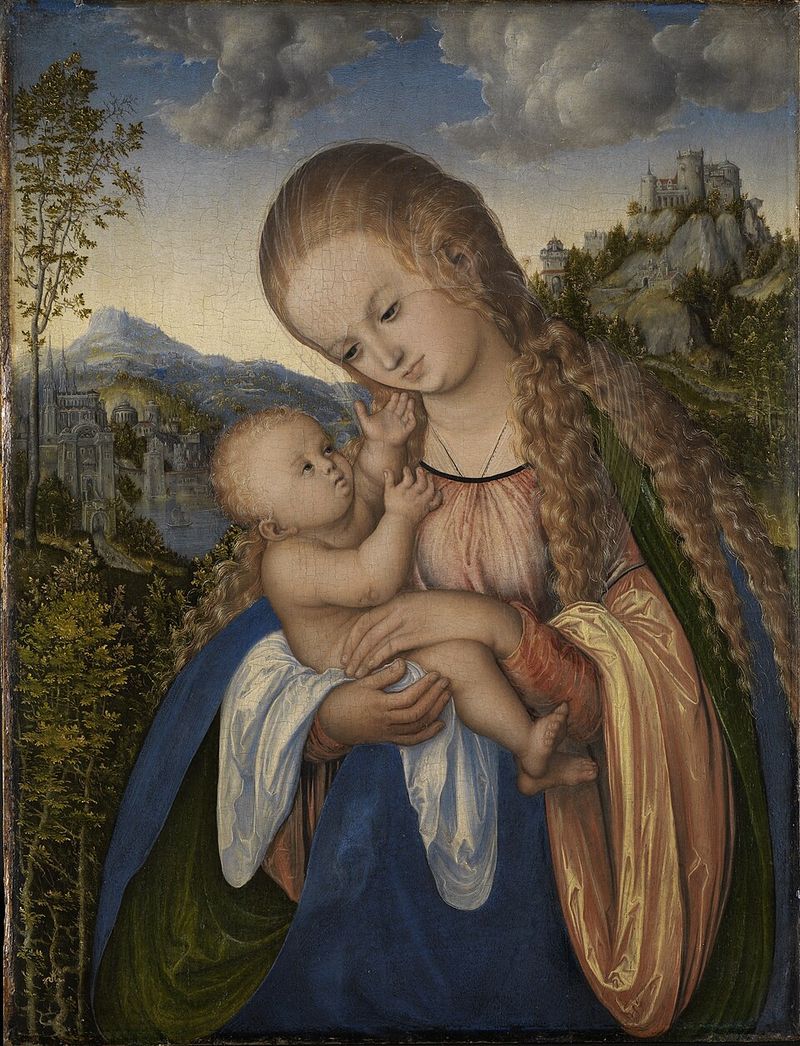
Lucas Cranach the Elder was one of Germany’s most celebrated Renaissance painters, known for his religious works and vivid portraits. His “Madonna with Child” was among the many artworks taken from Polish collections during the Nazi occupation.
Poland suffered some of the most severe cultural losses of any country during the war, with museums and private estates stripped of their contents.
This painting, like many others, was removed from its home and carried off to destinations that remain unclear. Despite postwar restitution efforts, it was never returned to Poland and its current whereabouts are unknown.
Art historians believe it may be hidden in a private collection somewhere in Europe.
The loss of works like this one represents more than missing art. Each painting carries the story of the people who created it, owned it, and loved it before the war tore everything apart.
5. Self-Portrait by Vincent van Gogh
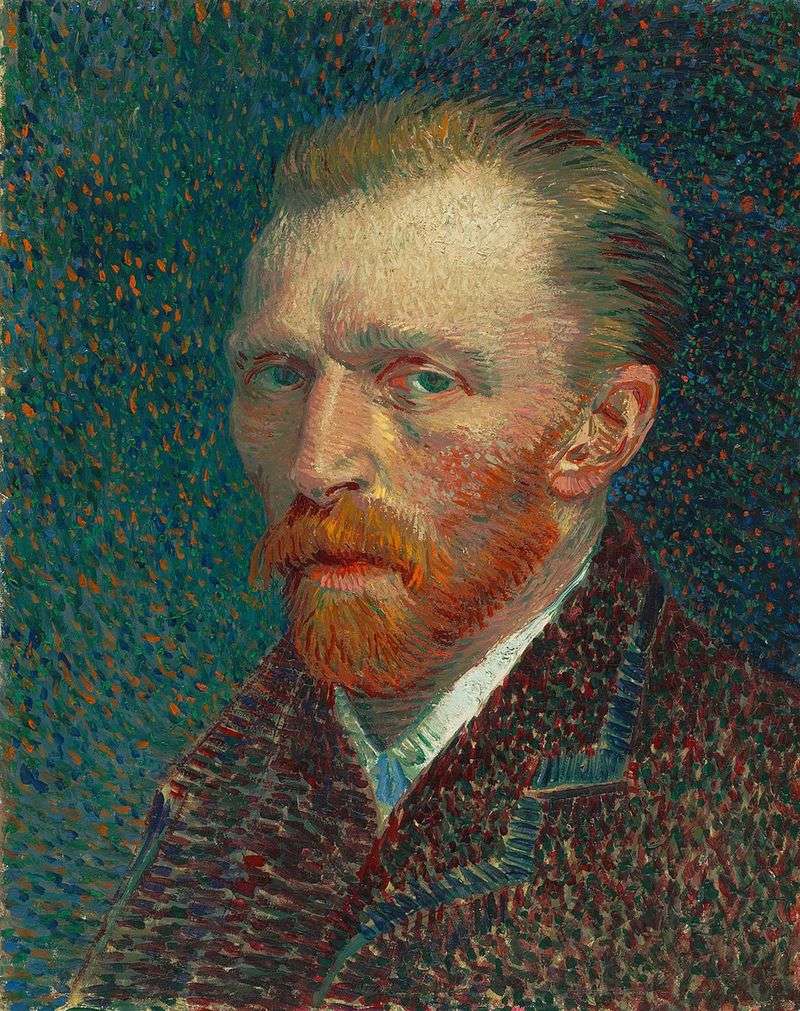
Vincent van Gogh painted dozens of self-portraits during his lifetime, using his own face as a subject when he could not afford to hire models. During World War II, several of his works were looted by the Nazis, who confiscated art from Jewish collectors and museums across Europe.
One van Gogh self-portrait was among the works taken during this period of widespread cultural theft.
Fortunately, unlike many lost masterpieces, this particular work was eventually recovered and returned to its rightful owners after the war. Allied forces and art recovery teams worked tirelessly to locate stolen works hidden in mines, castles, and private estates across Germany and Austria.
The recovery of van Gogh’s self-portrait was celebrated as a victory for cultural preservation. His paintings remain among the most recognized and valuable in the world, and every recovered work is a small triumph against the destruction the war caused.
6. Lady with an Ermine by Leonardo da Vinci
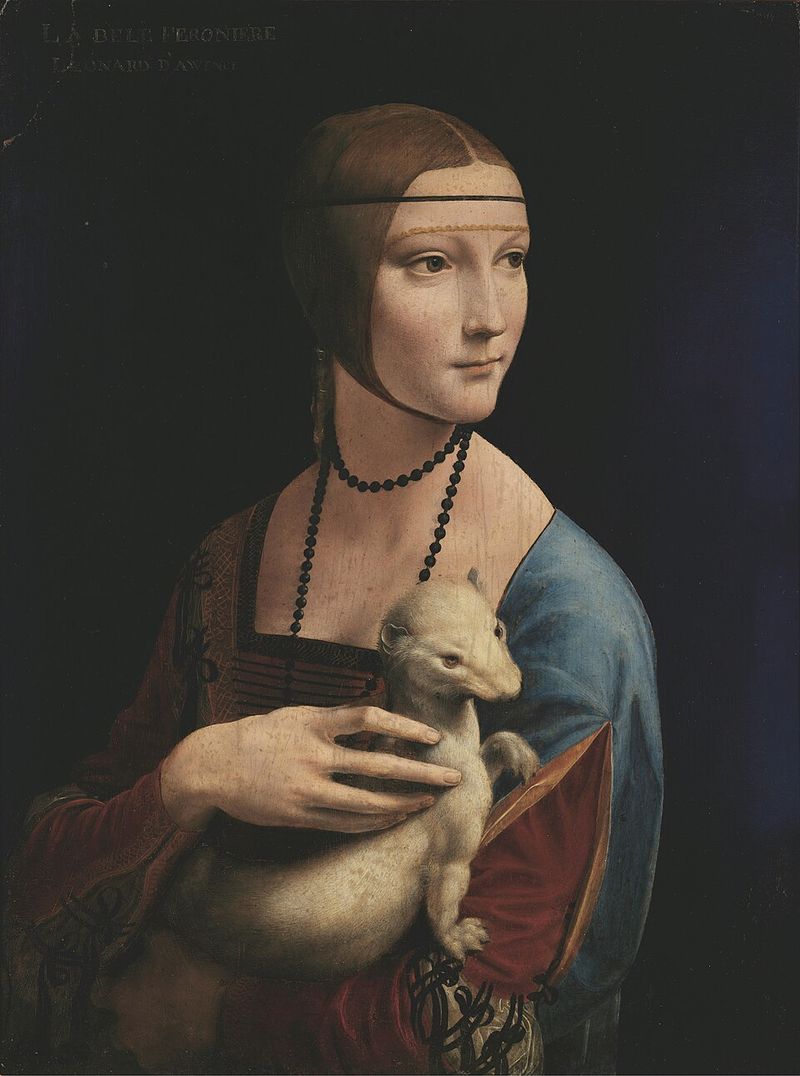
One of only four surviving portraits of women by Leonardo da Vinci, “Lady with an Ermine” is widely considered one of the greatest Renaissance paintings ever created. The subject is believed to be Cecilia Gallerani, a young mistress of Ludovico Sforza, the Duke of Milan.
Her calm, alert expression and the strange little ermine she holds have fascinated art lovers for centuries.
Before World War II, the painting belonged to the Czartoryski Collection in Kraków, Poland. When the Nazis invaded, they seized it along with many other treasures.
At one point, the Nazi governor Hans Frank displayed it in his residence. After the war, it was discovered and returned to Poland, where it is now housed in the Czartoryski Museum in Kraków.
Its recovery was a rare bright moment in an otherwise devastating chapter of art history, and the painting continues to draw visitors from around the world.
7. The Astronomer by Johannes Vermeer
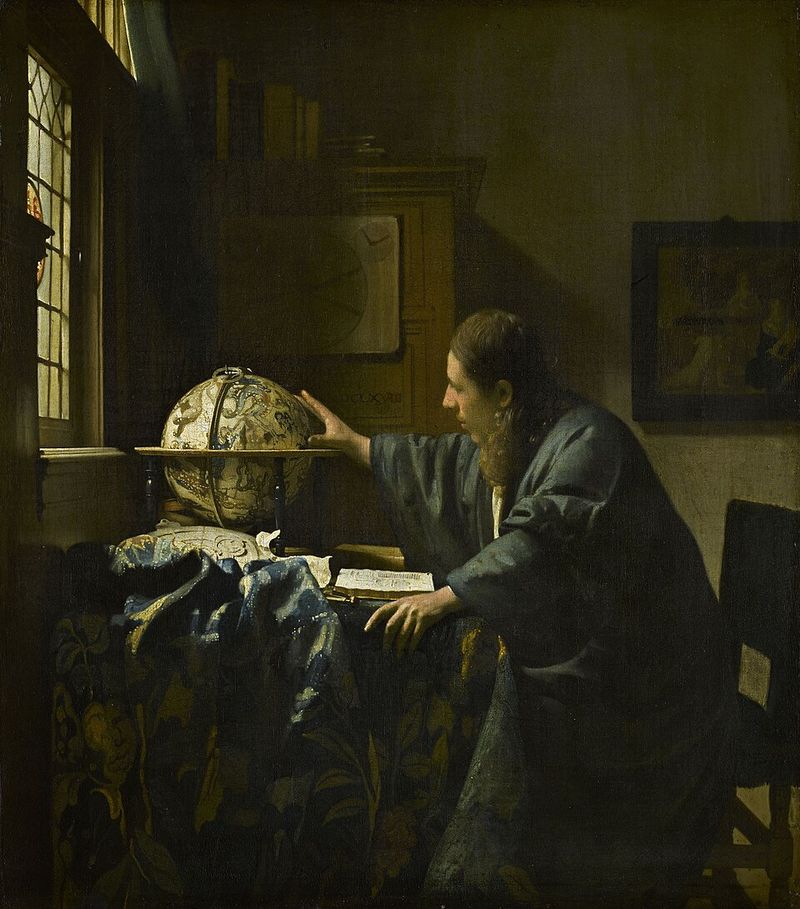
Johannes Vermeer painted “The Astronomer” around 1668, depicting a scholar studying a celestial globe in a warmly lit room. The painting is a masterpiece of Dutch Golden Age art, celebrated for its quiet intensity and incredible attention to detail.
Before the war, it was owned by the Rothschild family, one of Europe’s most prominent Jewish banking dynasties.
When the Nazis rose to power, they aggressively targeted Jewish-owned art collections. “The Astronomer” was confiscated from the Rothschilds and eventually claimed by Adolf Hitler himself for his planned Führermuseum in Linz, Austria. It was one of thousands of works earmarked for this never-completed museum.
After the war, Allied forces recovered the painting and it was restituted to the Rothschild family. It was later sold to the Louvre in Paris, where it remains today.
Seeing it in person is a reminder of the long, painful road it traveled to get there.
8. The Scream (Lithograph) by Edvard Munch
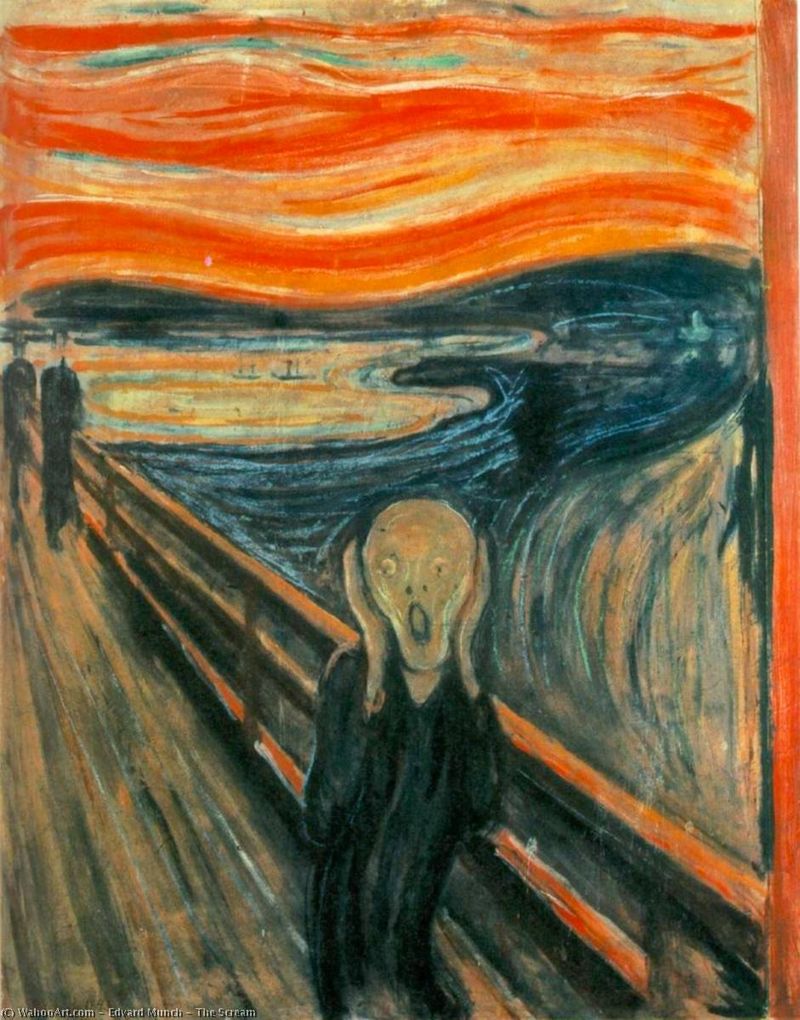
Edvard Munch’s “The Scream” is one of the most recognizable images in all of art history. While the famous painted versions are well known, Munch also created a lithograph version, which could be printed in multiple copies.
One of these prints belonged to Curt Glaser, a prominent Jewish art critic and museum director in Berlin.
When the Nazis came to power in 1933, Glaser was forced to flee Germany. His art collection, including the Munch lithograph, was sold under duress in a forced auction, a common tactic used by the Nazi regime to strip Jewish citizens of their property and wealth.
This type of coerced sale was later recognized as a form of theft under international law.
After decades of legal proceedings, the lithograph was eventually restituted to Glaser’s heirs. The case became an important landmark in the broader international conversation about Nazi-era art restitution and justice.
9. The Madonna of Bruges by Michelangelo
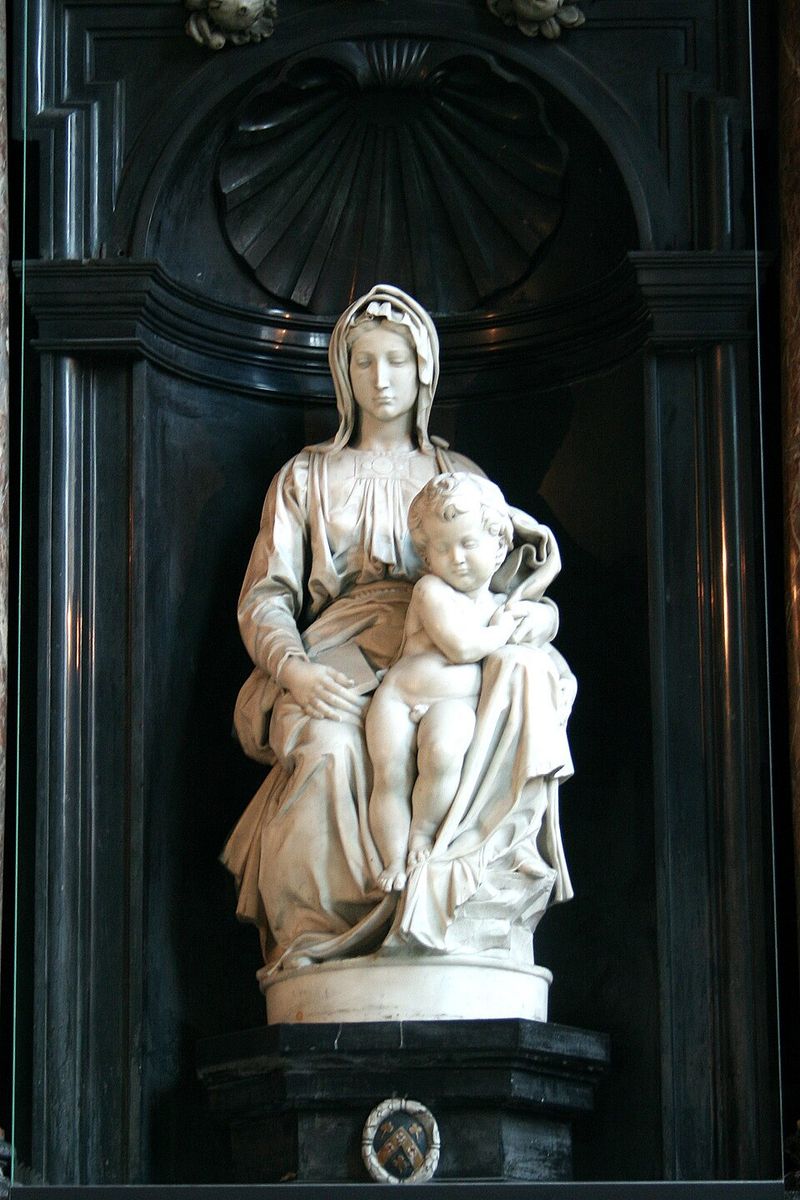
Michelangelo’s “Madonna of Bruges” is a stunning white marble sculpture that was created between 1501 and 1504. It was one of the first of Michelangelo’s works to leave Italy during his lifetime, purchased by a wealthy Flemish merchant and installed in the Church of Our Lady in Bruges, Belgium.
For centuries, it stood peacefully in that church, admired by generations of worshippers and visitors.
In September 1944, retreating German forces stole the sculpture and transported it out of Belgium. It was eventually hidden in the Altaussee salt mines in Austria, the same location where many other major looted artworks were stored.
In 1945, the Monuments Men, a group of Allied soldiers tasked with protecting cultural heritage, discovered and recovered it.
The Madonna of Bruges was returned to its home in the Church of Our Lady, where it remains today. Its story inspired part of the 2014 film about the Monuments Men.
10. Gustav Klimt University Paintings
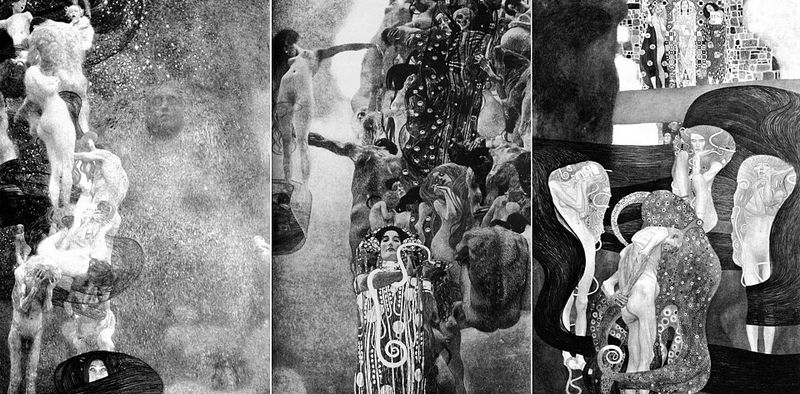
Gustav Klimt is best known for his golden, jewel-like paintings, but his University Paintings were something far more controversial. Commissioned in the late 1890s for the ceiling of the University of Vienna’s Great Hall, the three large works titled “Philosophy,” “Medicine,” and “Jurisprudence” shocked audiences with their dark, symbolic imagery.
They were considered scandalous and were never officially installed in the university.
During World War II, the paintings were stored at Immendorf Castle in Austria for safekeeping. In May 1945, as the war was ending, retreating SS troops set the castle on fire.
The flames destroyed all three paintings completely, along with other artworks stored there. It remains one of the most devastating acts of cultural destruction from the entire war.
Only black and white photographs and preparatory sketches survive. These records hint at the extraordinary vision Klimt had, making the loss feel even more profound and irreplaceable for art history.
11. Portrait of Wally by Egon Schiele
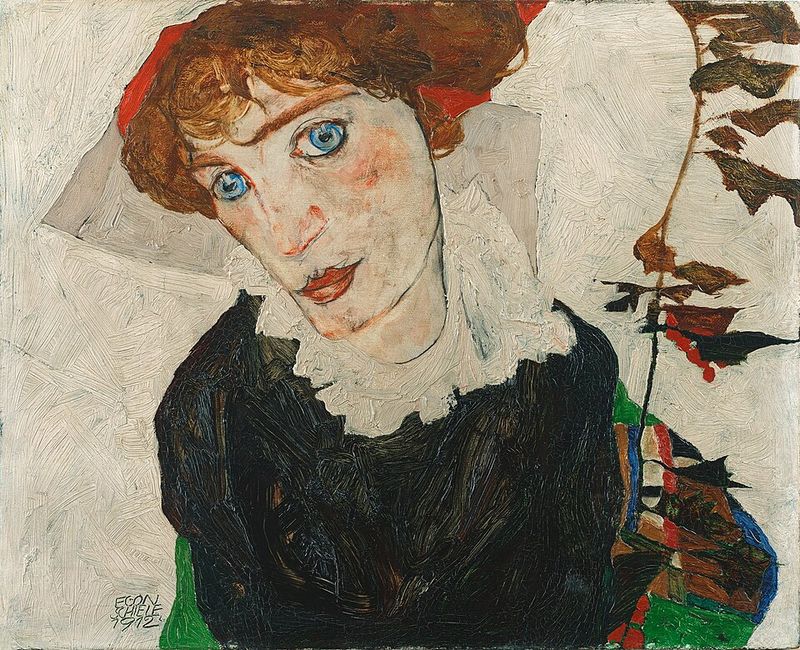
Egon Schiele painted “Portrait of Wally” in 1912, depicting his companion and model Walburga Neuzil with striking emotional intensity. The painting was later acquired by Jewish art dealer Lea Bondi Jaray, who treasured it as part of her personal collection.
When the Nazis annexed Austria in 1938, Bondi Jaray was forced to flee, and the painting was taken from her by a Nazi official.
After the war, the painting ended up in the Leopold Museum in Vienna. In 1997, when the museum loaned it to the Museum of Modern Art in New York, U.S. authorities seized it, sparking a lengthy legal battle over rightful ownership.
The case became a landmark moment in international art restitution law.
After years of negotiation, the painting was finally returned to Bondi Jaray’s heirs in 2010. It was then sold at auction, closing one of the most closely watched restitution cases in modern art history.
12. Thousands of Works from the Czartoryski Collection
The Czartoryski Collection was one of Poland’s most beloved cultural treasures, assembled by Princess Izabela Czartoryska in the late 18th century. It included paintings, sculptures, manuscripts, armor, and decorative arts, all gathered to preserve Polish national identity.
Among its most famous pieces were Leonardo da Vinci’s “Lady with an Ermine” and Raphael’s “Portrait of a Young Man.”
When the Nazis invaded Poland in 1939, they systematically looted the collection. Some items were recovered after the war, including the Leonardo.
However, hundreds of works remain missing, including the Raphael portrait and countless other pieces whose names and descriptions are only known through old inventories and photographs.
Poland continues to search for these missing items, working with international organizations and foreign governments. The ongoing effort is a testament to how important cultural heritage is to a nation’s identity and memory, and how long the wounds of wartime looting can truly last.
Share this story