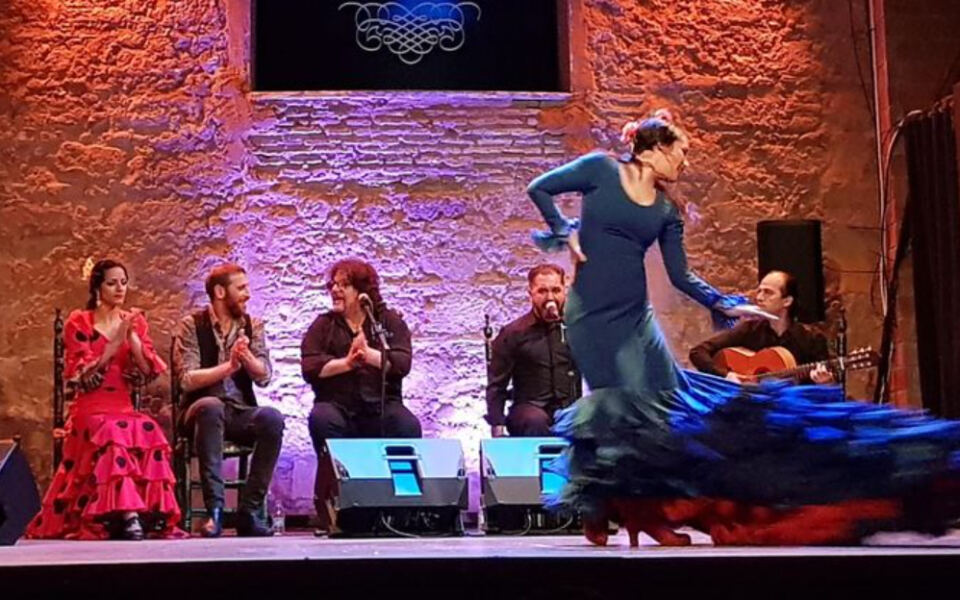
Spain is one of those countries that seems to have been designed specifically to make your jaw drop. From sun-baked coastlines and snow-capped mountains to medieval cities and hidden villages, every corner of this country holds something worth discovering.
Whether you are planning your first visit or your tenth, Spain always finds a way to surprise you. Get ready to explore 15 places that show exactly why Spain belongs at the top of every travel list.
Alhambra, Granada
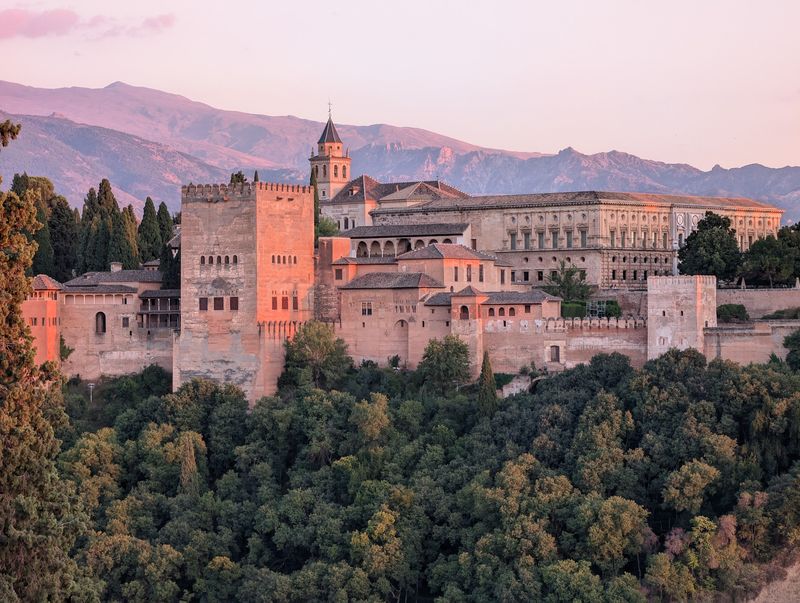
Perched on a hilltop above Granada, the Alhambra is arguably the most breathtaking palace complex on the entire planet. Its name comes from the Arabic word for “red fortress,” and once you see those terracotta walls glowing at sunset, you will understand why.
Built during the Nasrid dynasty in the 13th and 14th centuries, it represents the peak of Moorish art and architecture in Europe.
Walking through the Nasrid Palaces feels like stepping into an elaborate dream. Geometric tilework covers every surface, intricate stucco carvings climb the walls, and delicate arched windows frame views of the city below.
The Generalife gardens, filled with fountains and rose bushes, offer a peaceful escape just steps away from the main palace.
Book your tickets well in advance because they sell out weeks ahead, especially during summer. Early morning visits are quieter and cooler, making them ideal for photography.
The views from the towers looking over Granada’s white rooftops with the Sierra Nevada mountains behind them are absolutely unforgettable. This is one place where the reality honestly exceeds the hype.
Sagrada Familia, Barcelona
Antoni Gaudi began designing the Sagrada Familia in 1883, and the world has been obsessed with it ever since. This massive basilica in the heart of Barcelona looks like something a giant sculptor carved out of melting wax and wild imagination.
Every surface bursts with organic shapes, symbolic carvings, and colorful mosaic details that change meaning depending on where you stand.
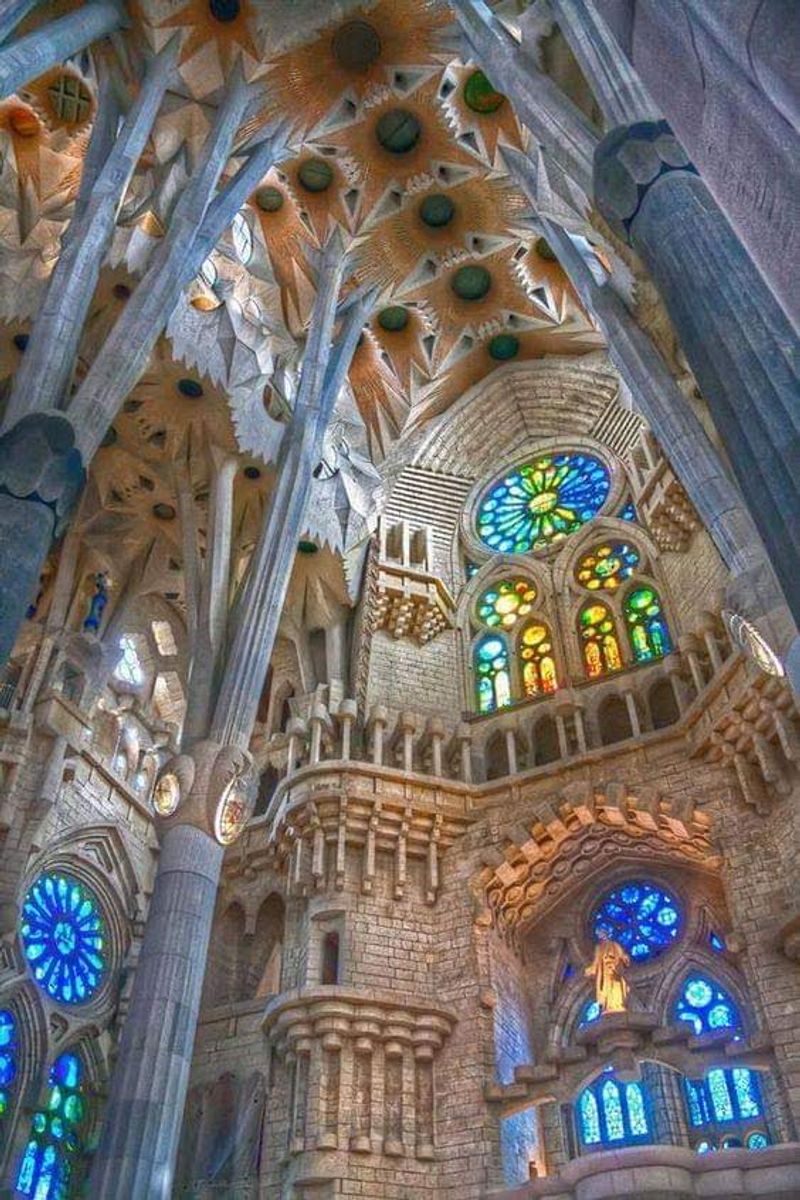
The interior is where things get truly spectacular. Columns branch upward like trees, and stained glass windows flood the nave with waves of amber, blue, and green light.
The effect is so otherworldly that first-time visitors often stop in complete silence, not quite sure what to say. Gaudi himself described the natural light inside as his greatest architectural achievement.
Construction is still ongoing, with a projected completion date around 2026, making this one of history’s longest-running building projects. Visitors can take an elevator up one of the towers for panoramic views over Barcelona’s rooftops stretching toward the sea.
Buy tickets online ahead of time and consider an audio guide to fully appreciate the layers of religious and artistic symbolism packed into every stone.
Picos de Europa, Cantabria
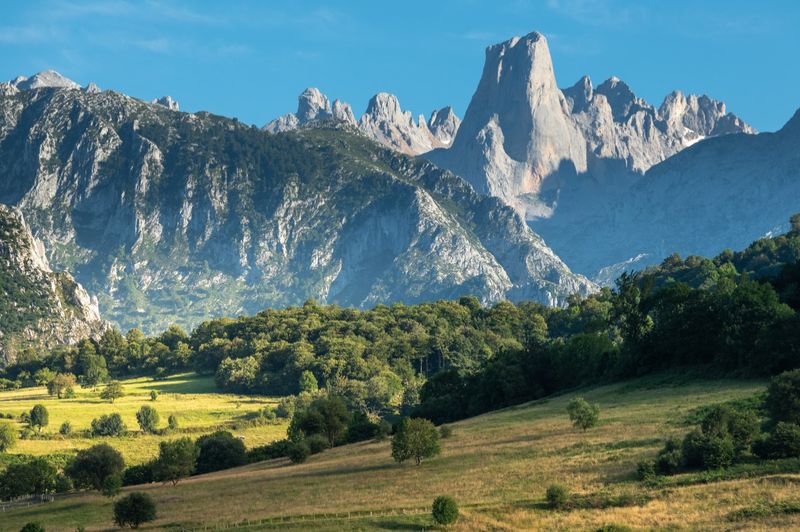
Most people picture Spain as a land of sun and beaches, so the Picos de Europa comes as a genuine shock. These jagged limestone mountains rise sharply from the green coastline of northern Spain, creating one of the most dramatic landscapes in all of Europe.
The range sits across three regions: Cantabria, Asturias, and Castile and Leon, and every part of it is worth exploring.
Hikers come from all over the world for the Cares Gorge trail, a spectacular 12-kilometer route carved into the cliff face above a roaring river. The path is well-marked and accessible to most fitness levels, though the sheer drops on either side definitely keep your attention.
Wildlife spotters might catch glimpses of chamois, wolves, or even golden eagles circling overhead.
The town of Potes makes an excellent base for exploring the area, with cozy restaurants serving hearty mountain food like cocido montanes stew and locally made cheeses. Autumn is a particularly magical time to visit when the valley forests turn brilliant shades of red and gold.
The Picos de Europa prove that Spain’s natural beauty goes far beyond any beach.
Toledo
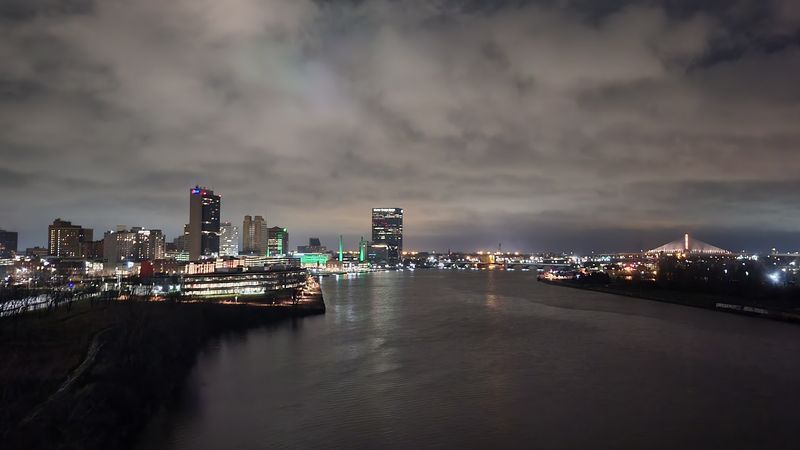
Toledo sits on a rocky outcrop surrounded on three sides by the Tagus River, and the view from across the water looks like a painting that has somehow come to life. Known as the “City of Three Cultures” because Christians, Muslims, and Jews once lived and worked side by side here, Toledo carries centuries of layered history in every stone street and ancient gate.
The cathedral alone could justify an entire trip. Built over 250 years starting in 1227, it houses masterpieces by El Greco, Velazquez, and Goya inside its Gothic walls.
El Greco actually lived and worked in Toledo for most of his life, and several of his most famous paintings are displayed in the city’s museums and churches exactly where they were meant to be seen.
Toledo is only 70 kilometers from Madrid, making it a very popular day trip, but staying overnight is a completely different experience. Once the day-trippers leave, the narrow streets quiet down and the city takes on an almost mysterious atmosphere under the lamplight.
Wander without a map, get a little lost, and let Toledo reveal itself at its own pace.
Camino de Santiago, Galicia
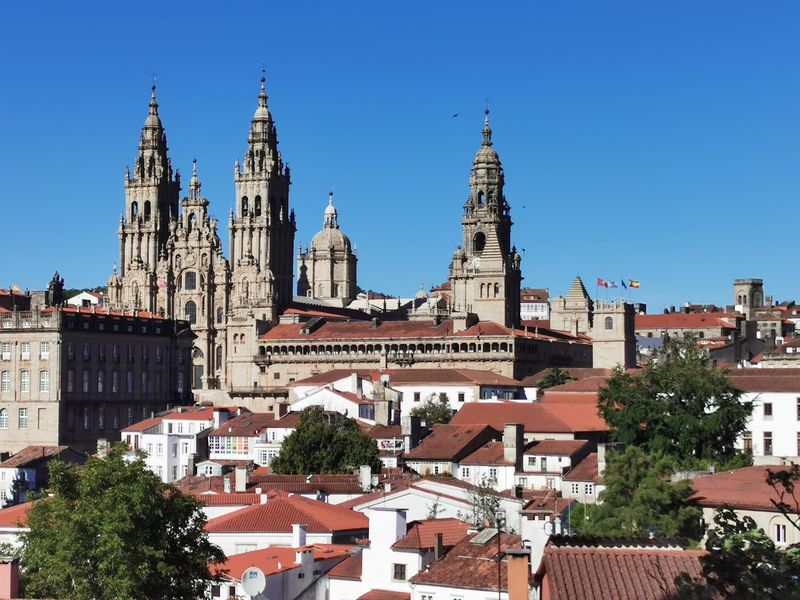
Every year, hundreds of thousands of people lace up their boots and walk across Spain on one of the world’s most famous pilgrimages. The Camino de Santiago is not just a hiking trail; it is a centuries-old spiritual journey that ends at the Cathedral of Santiago de Compostela in Galicia, where the remains of Saint James are said to rest.
People walk it for religious reasons, personal challenges, or simply the love of adventure.
The most popular route, the Camino Frances, begins in the French Pyrenees and covers roughly 800 kilometers over about 30 days. Shorter routes exist for those with less time, and all of them pass through stunning landscapes ranging from golden wheat fields to misty eucalyptus forests.
Pilgrims stamp their credentials at churches and hostels along the way, collecting proof of their journey.
The sense of community on the Camino is something travelers talk about for years afterward. Strangers quickly become friends over shared blisters and evening meals in tiny village bars.
Arriving at the cathedral plaza in Santiago and watching the botafumeiro, a giant incense burner, swing through the air during mass is an emotional moment that few pilgrims ever forget.
Seville
Seville is the kind of city that grabs you by the hand and refuses to let go. The capital of Andalusia buzzes with flamenco music, orange-blossom fragrance, and the infectious energy of a place that genuinely loves being alive.
On warm evenings, locals spill out onto terraces and plazas, and the whole city feels like one big outdoor party that you are very welcome to join.
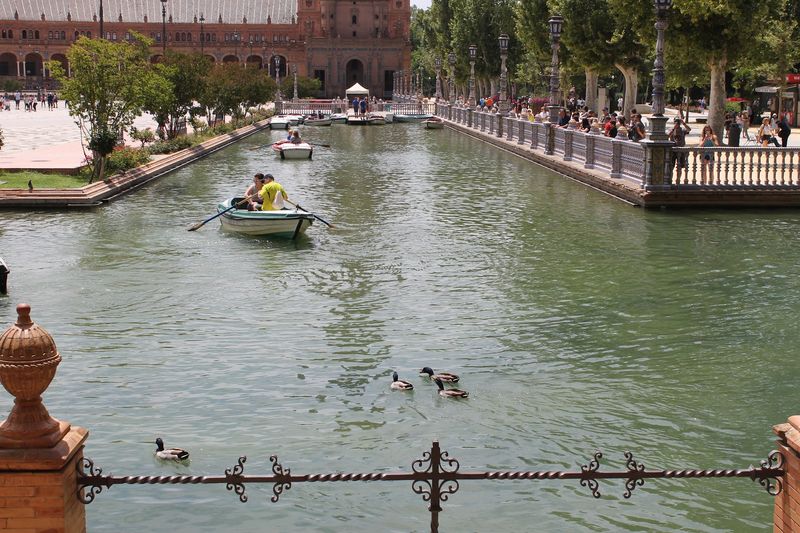
The Plaza de Espana, built for the 1929 World Exposition, is one of the most visually stunning public squares anywhere in Europe. Its curved baroque facade stretches in a grand semicircle, decorated with hand-painted ceramic tiles representing every province in Spain.
Rowboats drift along the canal that curves around it, and the reflection in the water doubles the beauty.
Seville also holds the largest Gothic cathedral in the world, where Christopher Columbus is buried, and the Alcazar royal palace, another masterpiece of Moorish and Renaissance architecture. Summer in Seville is brutally hot, so visiting in spring during the famous Feria de Abril festival or in autumn is far more comfortable.
The city rewards slow exploration, especially through the winding lanes of the Barrio Santa Cruz neighborhood.
Ronda
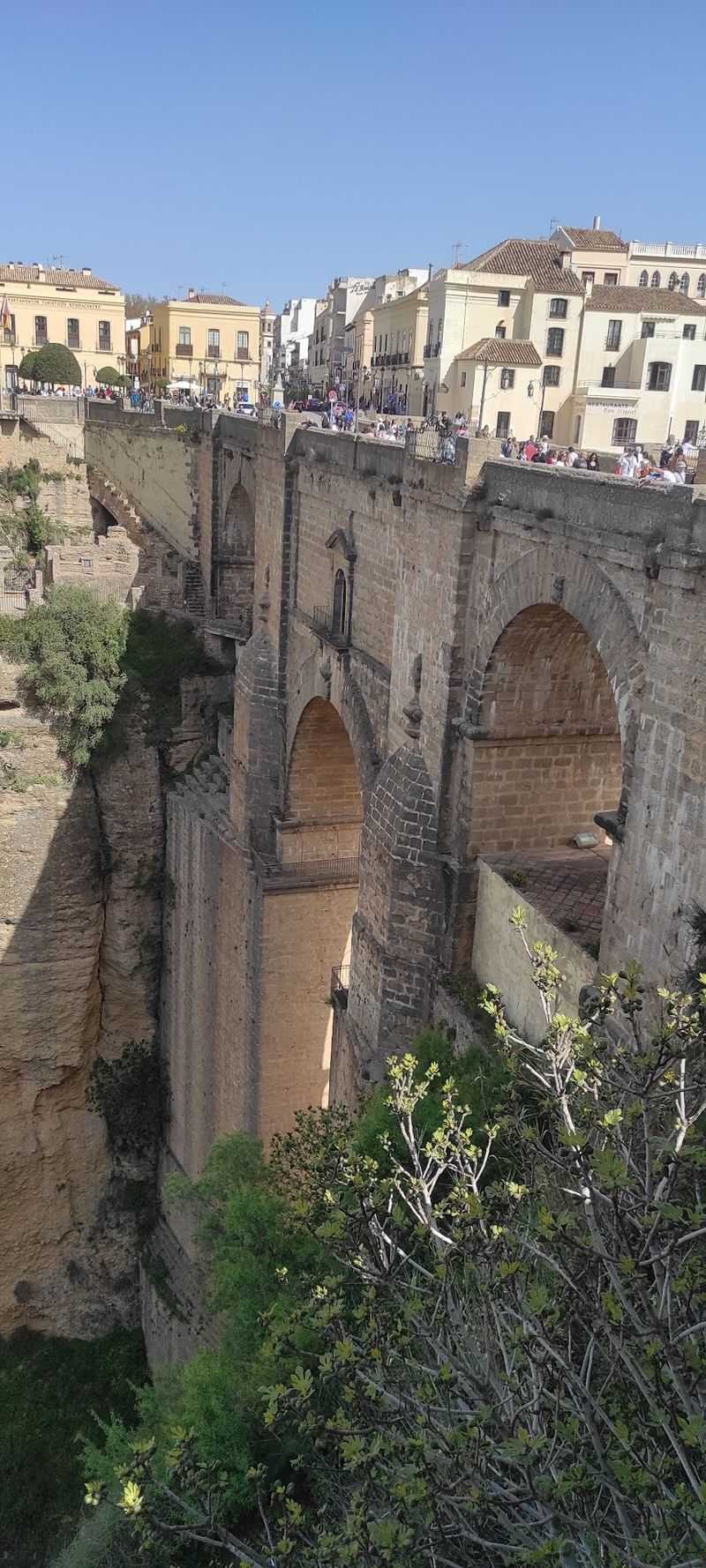
Ronda does not ease you into its drama. The moment you reach the edge of the cliff and look down into the El Tajo gorge, your stomach drops about 120 meters before the rest of you has time to react.
This spectacular white hilltop town in Malaga province sits divided by a sheer ravine, connected by the iconic Puente Nuevo bridge, which took 42 years to build and is still standing strong since 1793.
Beyond the jaw-dropping geography, Ronda has a rich cultural identity. It is considered the birthplace of modern bullfighting, and its 18th-century bullring is one of the oldest and most beautiful in Spain.
Ernest Hemingway and Orson Welles both loved this town deeply; Welles requested that his ashes be scattered on a farm nearby.
The old town, known as La Ciudad, is packed with narrow streets, Moorish baths, and palaces that feel frozen in time. Visitors can walk the path that descends into the gorge for a completely different perspective on the bridge towering above.
Ronda is only about an hour from Malaga, making it a very rewarding day trip, though spending a night here lets you enjoy the peaceful atmosphere after the crowds leave.
San Sebastian
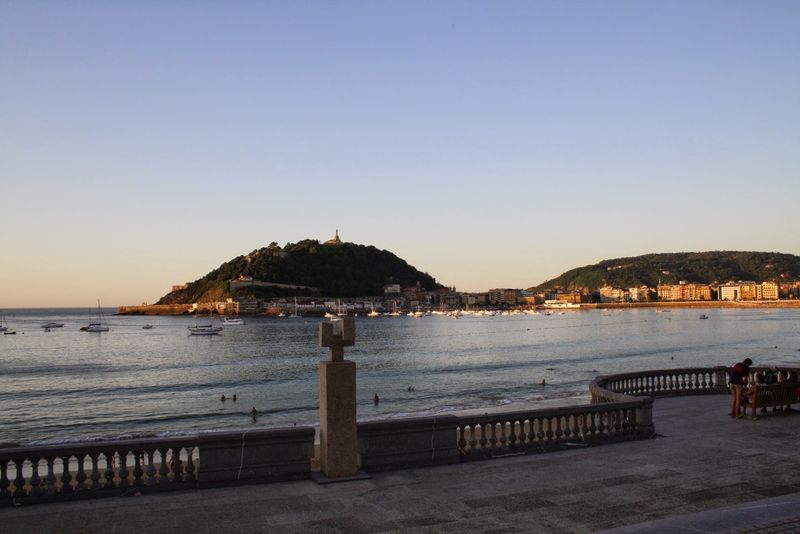
Food lovers have a saying: if you want to eat the best meal of your life, go to San Sebastian. This elegant Basque city in northern Spain has more Michelin stars per square kilometer than almost anywhere else on earth, and even its casual pintxos bars serve food that most restaurants could never dream of.
Walking the old town and grazing from bar to bar is genuinely one of life’s great pleasures.
Then there is La Concha beach, which is consistently ranked among the most beautiful urban beaches in Europe. The crescent-shaped bay curves gracefully around calm, clear water that is safe for swimming, and the promenade along the shore is perfect for an evening stroll.
The green Santa Clara island sits in the middle of the bay like a natural decoration placed there by someone with very good taste.
San Sebastian, also known by its Basque name Donostia, hosts an internationally famous film festival every September that draws stars and cinema fans from around the world. The city blends Belle Epoque architecture with modern energy in a way that feels completely effortless.
Whether you are there for the food, the beach, or the culture, San Sebastian delivers on every single promise it makes.
Teide National Park, Tenerife
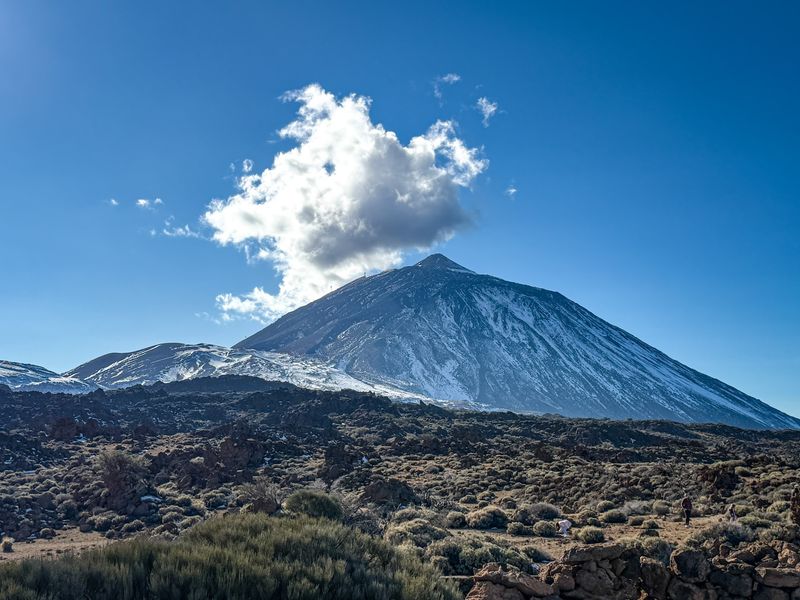
Standing on top of a volcano that rises above the clouds is not something most people expect from a trip to Spain, but Teide National Park on the island of Tenerife makes it entirely possible. Mount Teide is the highest peak in Spain at 3,718 meters, and it is also one of the largest volcanoes in the world measured from its oceanic base.
UNESCO recognized the park as a World Heritage Site in 2007.
The landscape around Teide looks genuinely alien. Vast fields of hardened lava stretch in shades of black, red, and ochre, dotted with bizarre rock formations that have been sculpted by centuries of volcanic activity and wind.
At night, the park becomes one of the best stargazing spots in the northern hemisphere because the altitude and dry air make the sky incredibly clear.
A cable car carries visitors most of the way up the volcano, with a short hike to the summit requiring a free permit that must be booked in advance. The views from the top, looking down over Tenerife and across to neighboring islands, are simply staggering.
Even on a cloudy day, being above the clouds themselves is a surreal and unforgettable experience.
Flamenco in Jerez de la Frontera
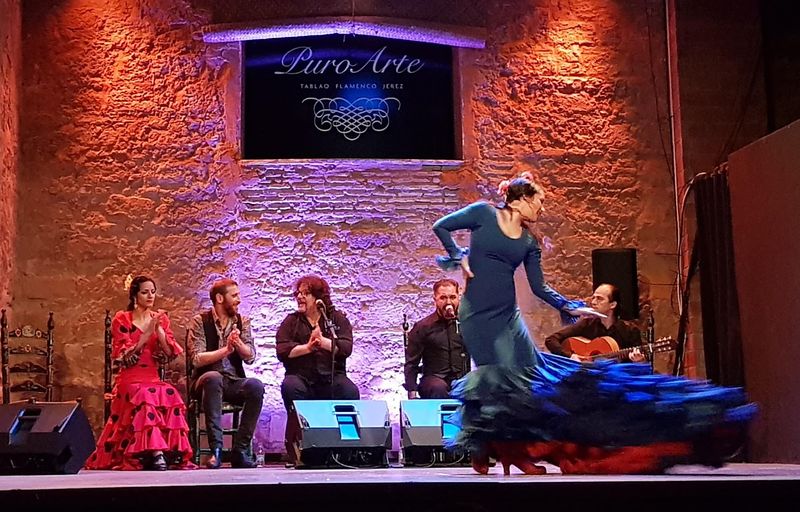
Flamenco was not invented in a theater. It grew out of the streets, kitchens, and courtyards of Andalusia, and nowhere does it feel more raw and real than in Jerez de la Frontera.
This small city in Cadiz province is considered the spiritual heartland of flamenco, and its annual Jerez Festival draws the world’s greatest performers every February for two weeks of extraordinary performances.
The barrios of Santiago and San Miguel in Jerez are where flamenco has lived for generations. Local penas, which are small private clubs dedicated to the art form, sometimes open their doors to visitors for intimate shows that feel nothing like a tourist performance.
Watching a true flamenco artist perform in a small room with 30 people is a completely different experience from a big stage show.
Jerez is also famous for sherry wine, which takes its name from the city itself. Visiting one of the historic bodegas for a tasting tour pairs beautifully with a flamenco evening, creating a sensory experience that is very specifically and wonderfully Spanish.
The city itself is often overlooked in favor of nearby Seville or Cadiz, which means visitors find a more authentic, unhurried atmosphere that is increasingly rare in popular Andalusian destinations.
Montserrat, Catalonia
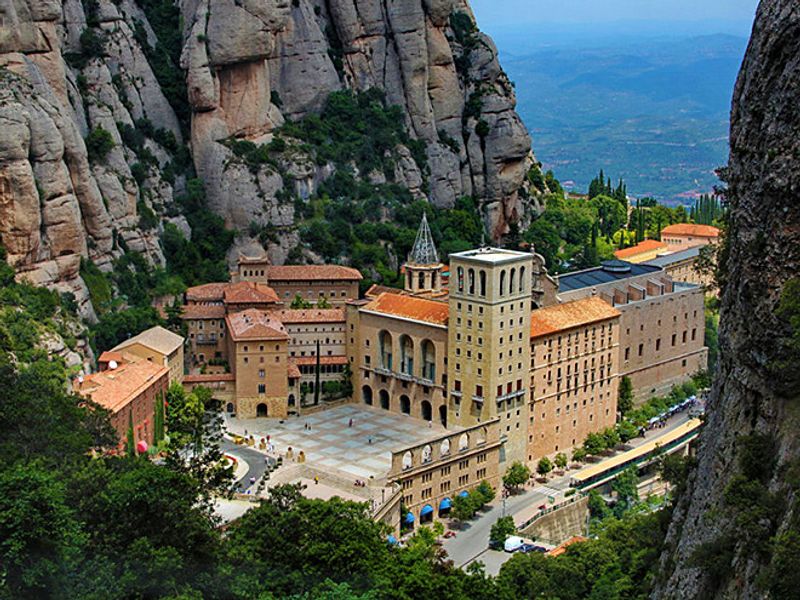
The name Montserrat means “serrated mountain” in Catalan, and one look at its extraordinary rocky silhouette tells you exactly why. These bizarre, rounded peaks jut up from the Catalan plains like a collection of giant stone fingers, creating one of the most unusual natural formations in all of Europe.
The mountain has been considered sacred for centuries, and the monastery built into its cliff face has been a place of pilgrimage since the 12th century.
Inside the Santa Maria de Montserrat monastery lives La Moreneta, a small wooden statue of the Black Madonna that is Catalonia’s patron saint. Pilgrims line up to touch her hand through a small opening in her glass case, and the moment carries genuine emotional weight for those who have traveled far to be there.
The monastery’s boys choir, La Escolania, is one of the oldest and most respected in Europe.
A rack railway or cable car carries visitors up from the valley below, and several hiking trails lead to viewpoints with staggering panoramas across Catalonia toward Barcelona and on clear days even toward the Pyrenees. The combination of natural wonder, spiritual history, and physical adventure makes Montserrat a destination that satisfies completely different types of travelers all at once.
Costa Brava, Catalonia
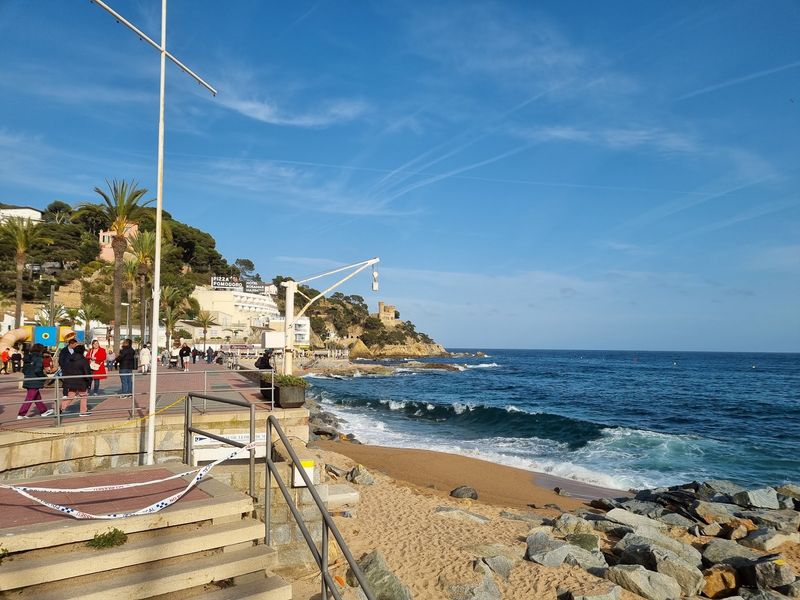
Forget everything you think you know about Spanish beach resorts. The Costa Brava, stretching along Catalonia’s northeastern coast, is a completely different story from the overcrowded strips farther south.
Here, rocky cliffs drop into water so clear and blue it almost looks digitally enhanced, and tiny coves hide beaches that require a short hike or a boat ride to reach, which helpfully keeps the crowds away.
The coastal path known as the Cami de Ronda winds along the entire Costa Brava, linking fishing villages, hidden beaches, and dramatic headlands in a walking trail that offers some of the most beautiful coastal scenery in the Mediterranean. Villages like Calella de Palafrugell, Begur, and Cadaques each have their own distinct character, from whitewashed houses tumbling down to the harbor to cap-and-cove landscapes that inspired Salvador Dali.
Dali was born in nearby Figueres and lived much of his life at Cap de Creus on the Costa Brava. His museum in Figueres and his house in Port Lligat, right on the water, are fascinating stops that add a surreal artistic layer to any coastal trip.
The best time to visit is May, June, or September when the weather is warm, the water is swimmable, and the tourist numbers are far more manageable.
Cordoba
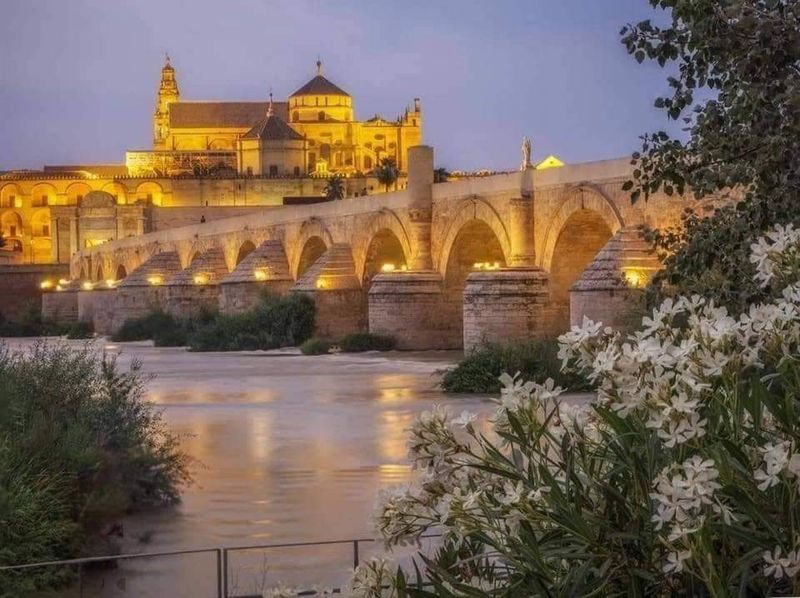
Few buildings on earth create the same feeling as stepping inside the Mezquita of Cordoba. Hundreds of columns made from jasper, marble, and granite rise from the floor and branch into a hypnotic forest of red and white striped arches that seem to go on forever.
Built as a mosque in the 8th century and later converted into a cathedral, the Mezquita holds both Islamic and Christian art in one extraordinary space.
Cordoba itself was once the most important city in western Europe, serving as the capital of the Caliphate of Cordoba in the 10th century with a population of around one million people. The old Jewish quarter, known as the Juderia, still preserves its medieval street layout with whitewashed houses decorated with flower pots overflowing with geraniums.
The patios of Cordoba are so beloved that the city’s tradition of decorating them has been recognized by UNESCO.
Every May, the city holds the Festival de los Patios, when private courtyards are opened to the public and compete for the title of most beautiful patio in the city. Wandering through these hidden gardens, hearing fountains and birdsong, and smelling jasmine in the warm air is one of those travel experiences that never quite leaves you.
Cordoba is best visited in spring or autumn to avoid the intense summer heat.
Doñana National Park, Andalusia
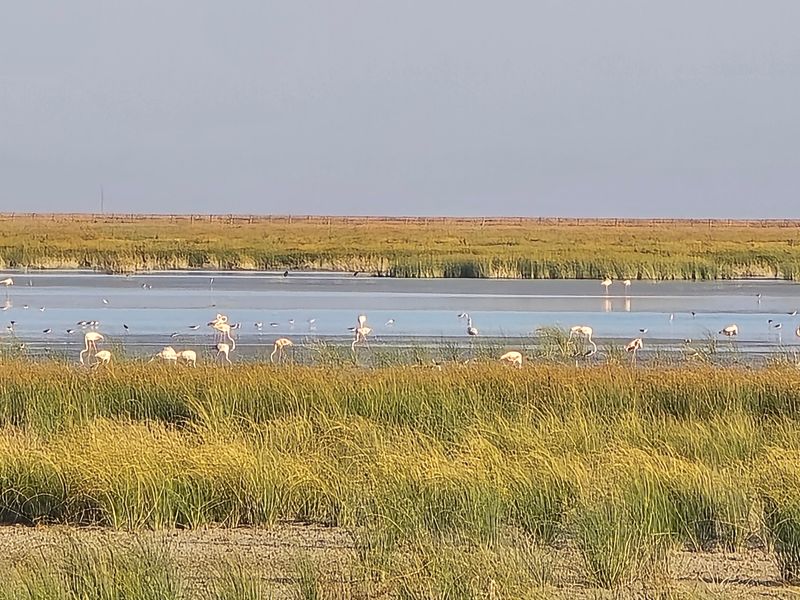
Spain is not just about human-made beauty. Doñana National Park in southwestern Andalusia protects one of Europe’s most important wildlife sanctuaries, a vast wetland where hundreds of thousands of migratory birds stop to rest on their journeys between Africa and northern Europe.
The park covers over 540 square kilometers of marshes, sand dunes, and pine forests along the Guadalquivir River delta near the Atlantic coast.
The birdwatching here is world-class. Flamingos, spoonbills, purple herons, and imperial eagles all call the park home at various times of year, and patient visitors with binoculars can spot species that are extremely rare anywhere else on the continent.
Doñana is also one of the last refuges of the critically endangered Iberian lynx, whose population has been slowly recovering thanks to intensive conservation efforts.
Access to the core protected zones is limited and requires joining a guided tour by jeep or on horseback, which actually makes the experience feel more special rather than less. The surrounding town of El Rocio, famous for its annual religious pilgrimage that brings over one million people to the area, adds a fascinating cultural dimension to any visit.
Doñana reminds you that Spain’s natural world is just as spectacular as its historic cities.
Mallorca
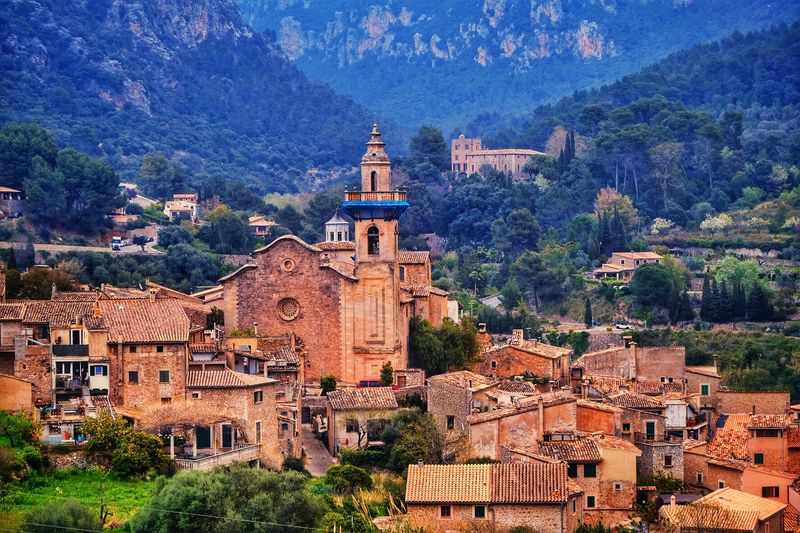
Mallorca has a reputation as a party island, which is fair for about five percent of it. The other ninety-five percent is something completely different: ancient olive groves, stone-walled mountain villages, sea caves, and a northwestern coastline so dramatic it was declared a UNESCO World Heritage landscape.
The Serra de Tramuntana mountains run along the northwest coast and offer hiking and cycling routes that rank among the best in the Mediterranean.
The town of Valldemossa, where composer Frederic Chopin spent a famously miserable but productive winter in 1838, is one of the most charming mountain villages in Spain. Its stone streets, flower-filled courtyards, and views across terraced hillsides have attracted artists and writers for almost two centuries.
The monastery where Chopin stayed is now a museum where you can see his piano and handwritten musical scores.
Palma de Mallorca, the island’s capital, surprises many visitors with its sophisticated food scene, contemporary art galleries, and a Gothic cathedral that rises dramatically above the harbor. Renting a car and exploring the island independently is the best approach because the most beautiful spots are rarely near a bus stop.
Visit in spring when the almond trees bloom and the island turns pink and white before the summer crowds arrive.
Share this story