Brazil covers about half of South America, and no two corners of it feel alike. You can wander through rainforest, climb white dunes, snorkel near volcanic islands, or stroll old cobbled streets.
This list goes beyond the famous beach cities and reaches from the northeast to the southern border and deep into the interior. Pack your curiosity, because every stop has a story.
Rio de Janeiro
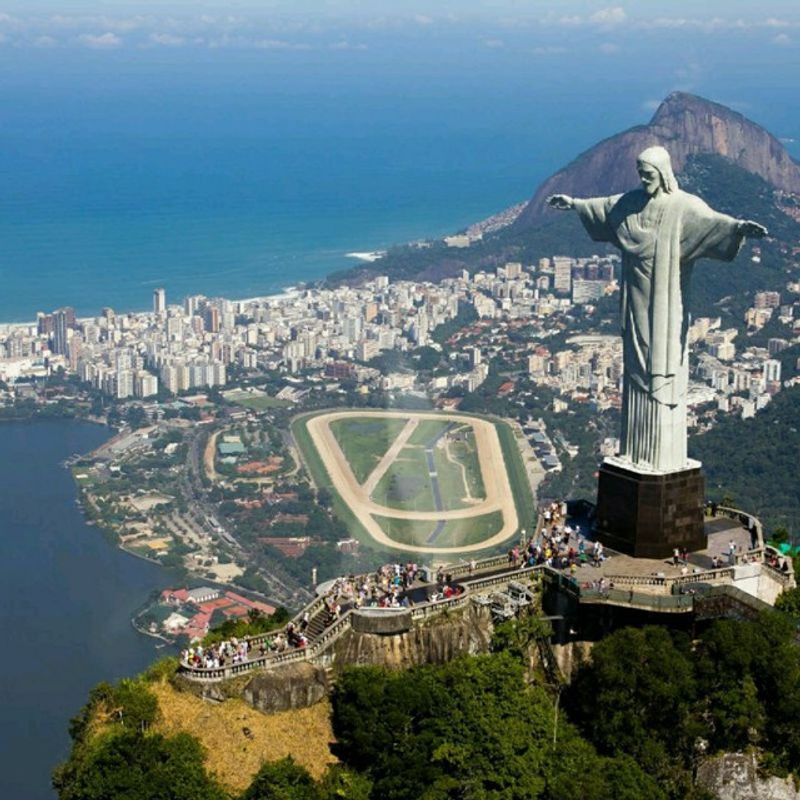
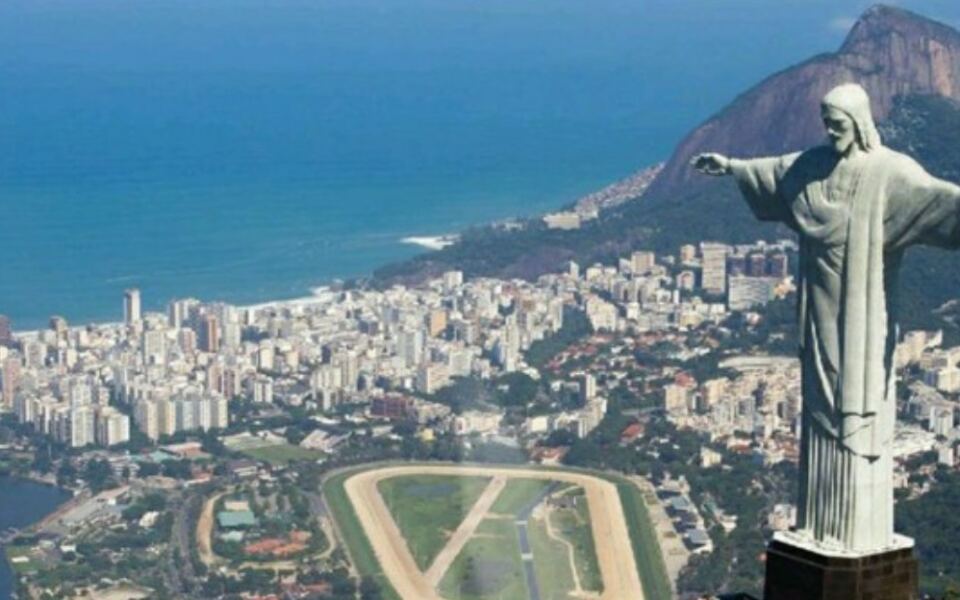
Granite peaks shoot straight out of the city here, and the beaches sit right at their feet. Rio de Janeiro squeezes mountains, ocean and bay into one busy place.
Corcovado, Sugarloaf, Copacabana and Ipanema all fit within a short ride of each other.
UNESCO recognized the Carioca Landscapes between the Mountain and the Sea in 2012. The protected area runs from Tijuca National Park down to the shoreline.
Tijuca is a restored Atlantic Forest growing right inside the city, so a shady hike is never far away.
The Botanical Garden opened in 1808 and is a calm place to cool off after a sunny morning. Its tall palms and quiet paths feel miles from the traffic.
Plan a clear day for the mountain viewpoints, since clouds love to hide the best views.
Beach days work best when you arrive early, before the sand fills with umbrellas and soccer games. Sip fresh coconut water from a kiosk and watch the city wake up.
Mix a forest trail, a viewpoint and a museum, and you will see why this city captures so many hearts on one trip.
Iguaçu National Park
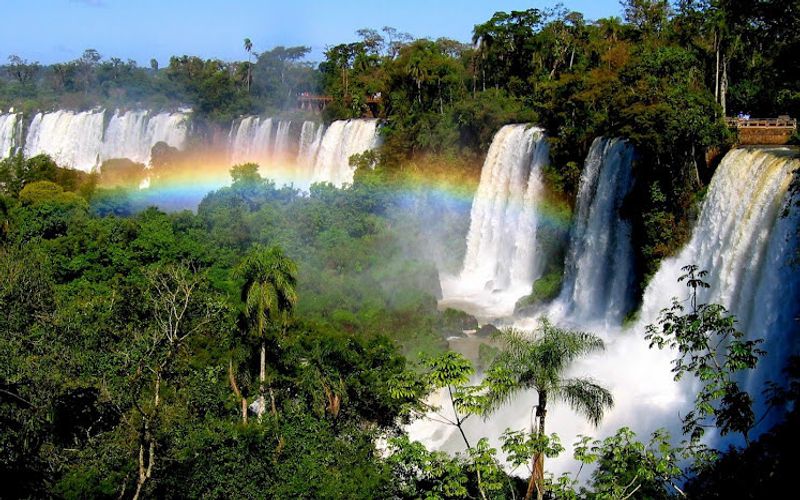
Thunder you can feel in your chest greets you long before the water comes into view. At Iguaçu, the river breaks into a huge chain of cascades stretching almost three kilometers.
Some drops reach about 80 meters.
The Brazilian side sits inside Iguaçu National Park, a UNESCO World Heritage Site covering roughly 169,696 hectares in Paraná. Walkways give wide views over the whole waterfall system.
The constant spray keeps the plants around the gorge lush and glowing green.
The park matters for more than its famous water. It protects a large area of interior Atlantic Forest, home to jaguars, giant anteaters, giant otters and tapirs.
Keep your eyes open for coatis, which are bold and love to beg for snacks.
Bring a rain jacket or accept that you will get wet. Go early in the day for fewer crowds and softer light.
Keep food zipped away, and let the sound of the falls do the talking.
Lençóis Maranhenses National Park
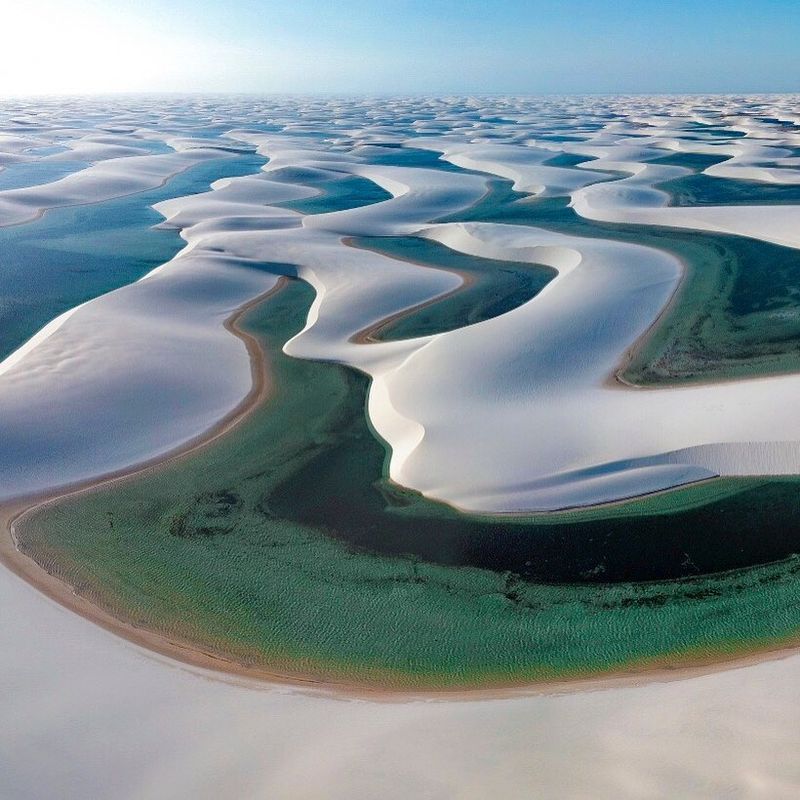
Picture a desert that fills up with swimming pools. That is the trick of Lençóis Maranhenses, where rain turns the gaps between white dunes into clear lagoons.
Many first-time visitors assume it is dry, but water is the main star.
The park sits on the Maranhão coast, where the wind keeps reshaping the sand. UNESCO added it to the World Heritage List in 2024.
The protected area covers 156,562 hectares, including about 90,000 hectares of dunes and lagoons.
Some dunes rise around 30 meters and slowly creep inland as the wind pushes sand from the shore. Climbing them is a good workout, so wear light clothes and bring plenty of water.
Sunrise and sunset paint the ridges in soft gold.
Lagoon levels change a lot through the year. Check current conditions before you book, especially if swimming in blue pools is your dream.
A local guide can help you find the best spots and keep you from getting lost among the ridges.
Pantanal
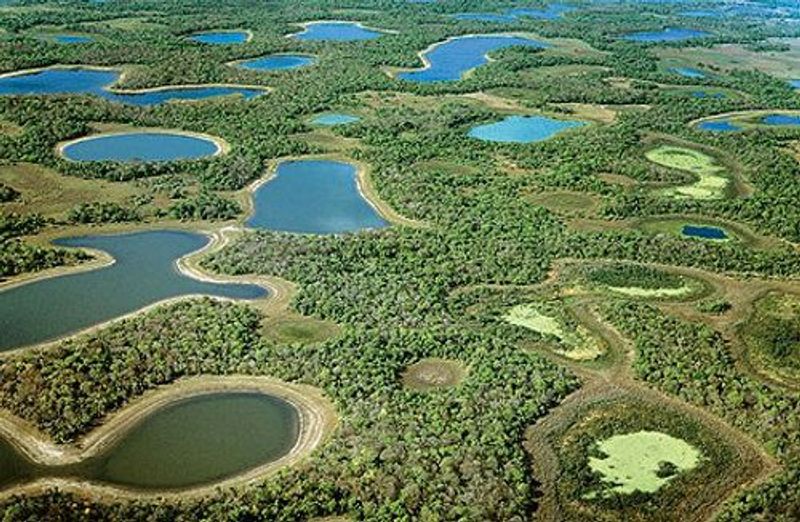
Capybaras lounge on the riverbank like they own the place, and honestly, they might. The Pantanal is a giant wetland where floods change the landscape every year.
Rivers, grasslands, lakes and forest islands all shift with the seasons.
UNESCO protects 187,818 hectares here, which is only a slice of the larger ecosystem. Still, it covers key habitats near the Cuiabá and Paraguay river systems.
It is one of the best places in South America to watch wildlife.
Visitors take boat trips and drives to spot caimans, giant otters and hyacinth macaws. With patience and some luck, a jaguar might step out of the shadows.
Early mornings and late afternoons tend to be the busiest times for animals.
Water levels swing from very wet to very dry. That changes how you travel and what you will see, so pick your month with care.
Bring binoculars, bug spray and a calm attitude, because good wildlife watching rewards people who wait quietly.
Fernando de Noronha
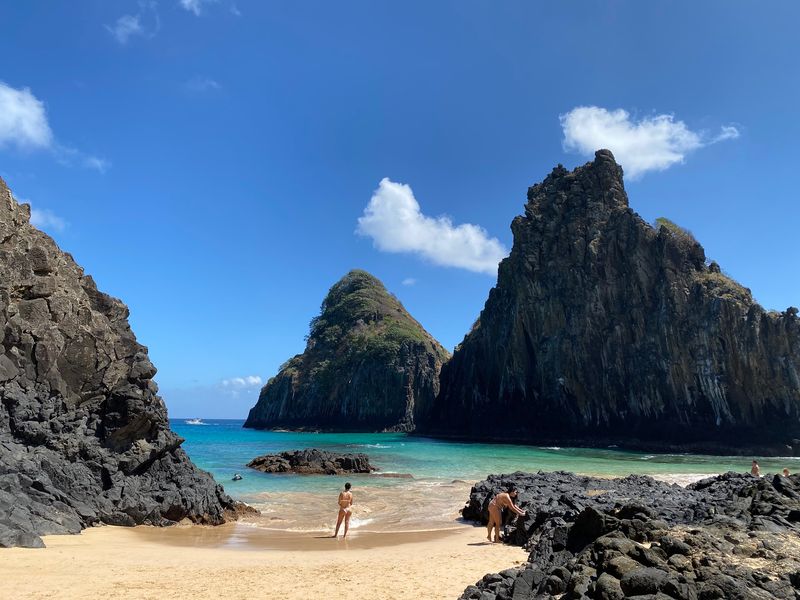
About 340 kilometers off the Brazilian mainland, volcanic peaks poke out of the Atlantic like green stepping stones. Fernando de Noronha is the top of a submerged mountain chain.
Most of the islands and nearby waters are protected inside a marine national park.
The archipelago is part of a UNESCO World Heritage property together with Rocas Atoll. Turtles, sharks, tuna and marine mammals feed and breed in these waters.
Tropical seabirds gather here in impressive numbers.
The water is so clear that snorkeling feels like peeking into an aquarium. Divers love the visibility and the busy marine life.
Baía do Sancho and Baía dos Golfinhos are favorite stops, and the twin rocks of Morro Dois Irmãos are the postcard shot.
Because the islands are protected, rules apply, including environmental fees and limits on some activities. Plan ahead and book lodging early.
Pack reef-safe sunscreen, a good mask and plenty of patience for lazy beach afternoons.
Salvador
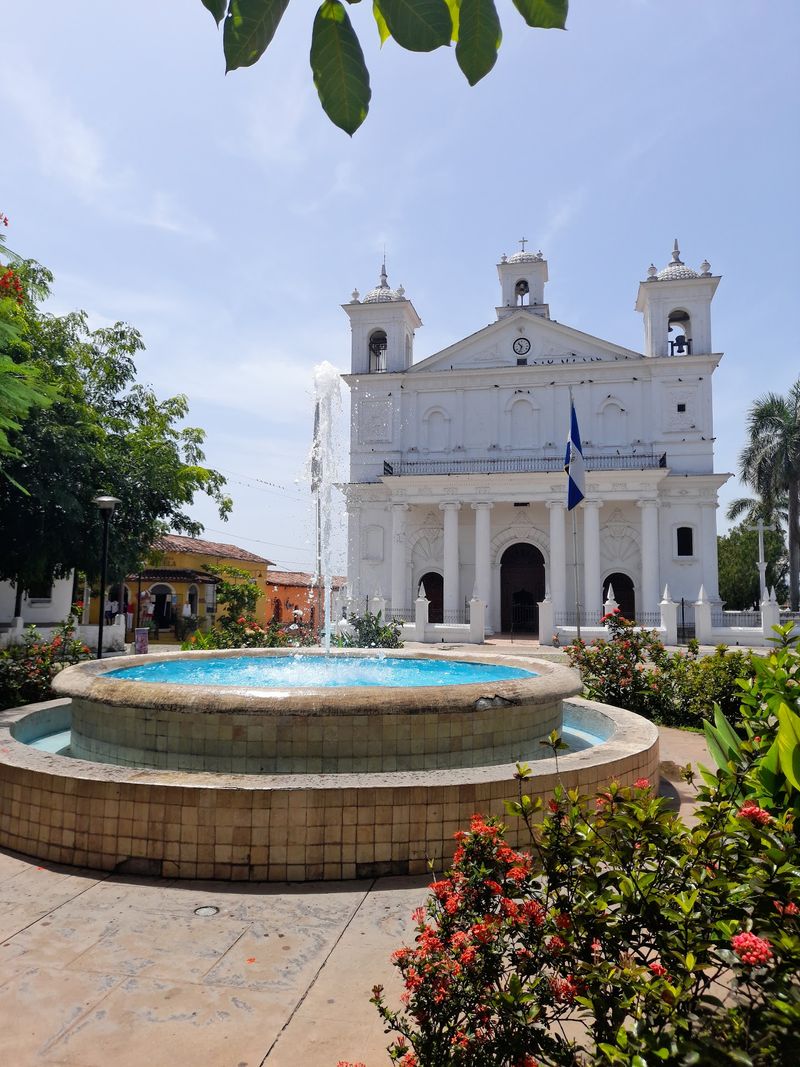
Drums echo down the cobbled slopes of Pelourinho, and you will likely follow the sound. Salvador was founded in 1549 and served as the capital of Portuguese America until 1763.
Its historic center sits high above Todos os Santos Bay.
Steep streets, open plazas and churches fill the old town. Colonial buildings glow in bright paint colors.
UNESCO honors the city for its mix of European, African and Indigenous influences, and it also reminds visitors of the city’s role in the Atlantic slave trade.
Culture here is something you can hear, taste and watch. Afro-Brazilian religion, music and capoeira shape daily life.
Look for street performances, but be respectful and ask before taking photos of people.
Bahian food leans on dendê palm oil and fresh seafood, giving dishes a rich orange glow and bold flavor. Try a moqueca or an acarajé from a street vendor.
Wear comfortable shoes, since the hills are steep and the stones are uneven.
Ouro Preto
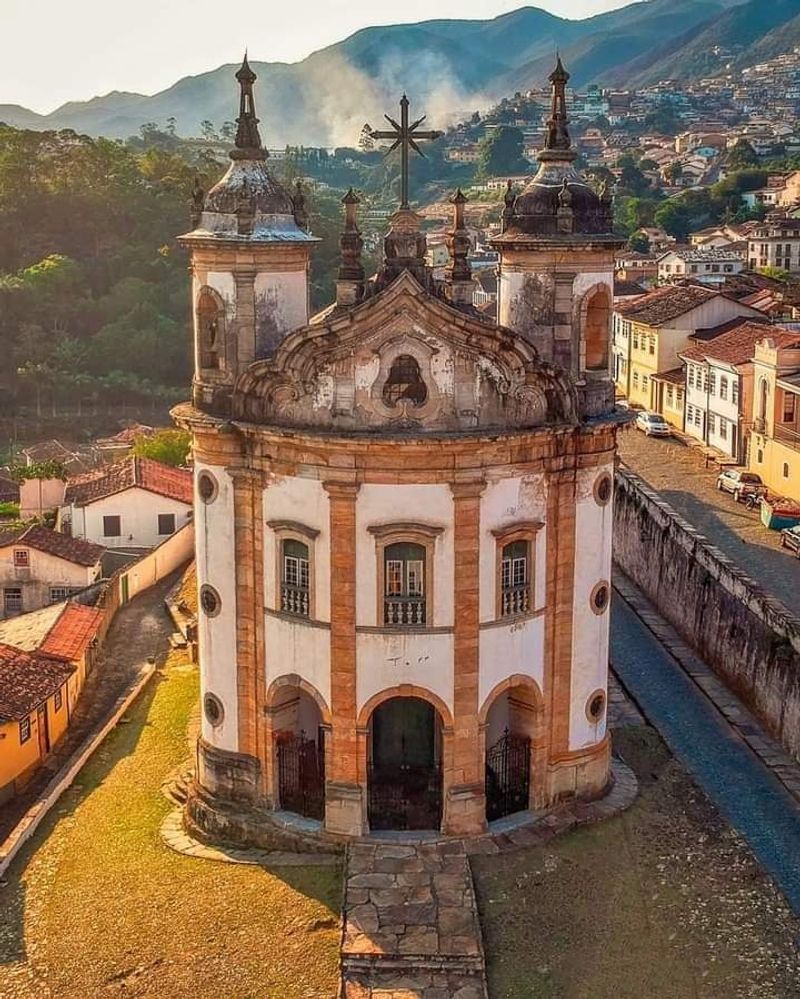
Gold built this town, and the churches still show off the proof. Ouro Preto boomed in the 18th century, when mineral wealth paid for fancy churches, fountains and bridges.
All of it spreads across the steep hills of Minas Gerais.
The former Vila Rica later became linked to the Inconfidência Mineira of 1789, an independence movement. In 1980, UNESCO named Ouro Preto Brazil’s first cultural World Heritage property.
That makes it a true pioneer on the list.
Many of its best churches hold work tied to Antônio Francisco Lisboa, known as Aleijadinho. He was one of colonial Brazil’s greatest sculptors and architects.
His carved details reward anyone who slows down to look closely.
Walking here is a workout. The cobbled slopes are steep, so bring sturdy shoes and take breaks at viewpoints.
You will notice how the streets bend along the mountain instead of fighting it. A coffee stop in a tiny cafe makes a great reward.
Brasília
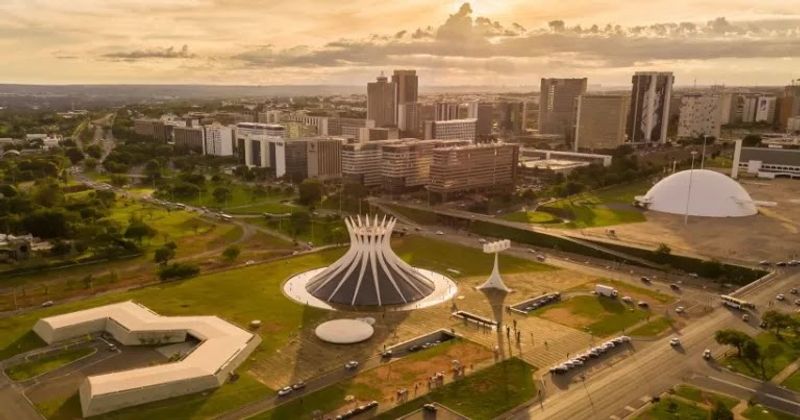
From above, the city is said to look like an airplane, and that was no accident. Brasília was built as the new capital between 1956 and 1960.
Urban planner Lúcio Costa drew the Plano Piloto, and Oscar Niemeyer designed the landmark buildings.
The Monumental Axis holds the National Congress, ministries, the cathedral and Praça dos Três Poderes. Big residential superblocks show how planners imagined modern city life.
Everything feels wide, open and carefully measured.
UNESCO listed Brasília in 1987 as a leading example of 20th-century modernist urban planning. Even if you never read about architecture, the curves and clean lines grab your attention.
The cathedral’s glass and concrete crown is especially striking.
The city is built for cars, so distances can be long on foot. Use rideshares or a guided tour to cover more ground.
Visit near sunset, when the light turns the white buildings warm and gold and the huge sky does the rest.
Paraty and Ilha Grande
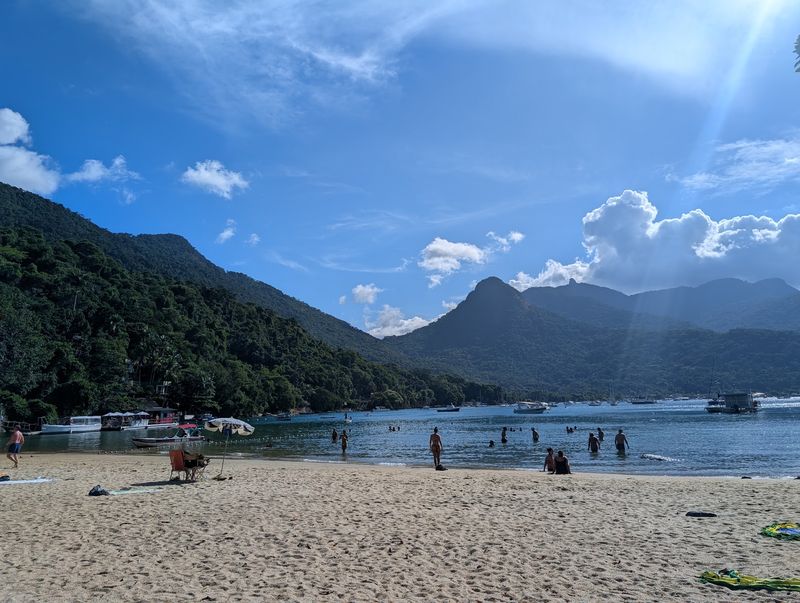
Here, the tide can flood the streets, and locals take it in stride. Paraty sits at the end of the Caminho do Ouro, the old route that carried gold from the interior toward Europe.
Its historic center still keeps much of its 18th-century layout and colonial buildings.
Beyond town, rainforest rolls down mountains to meet coves, islands and beaches. Ilha Grande adds hiking trails and quiet sand.
Boat trips let you hop between swimming spots in a single day.
UNESCO named Paraty and Ilha Grande a mixed cultural and natural World Heritage property in 2019. The listing honors both history and wildlife.
Threatened species like jaguars, white-lipped peccaries and southern muriquis live in these forests.
Wear shoes with grip for the old stone streets. Book ferries and boats ahead in busy months.
Spend one morning in town and the next on the island, and you will get both sides of the story.
Chapada dos Veadeiros National Park
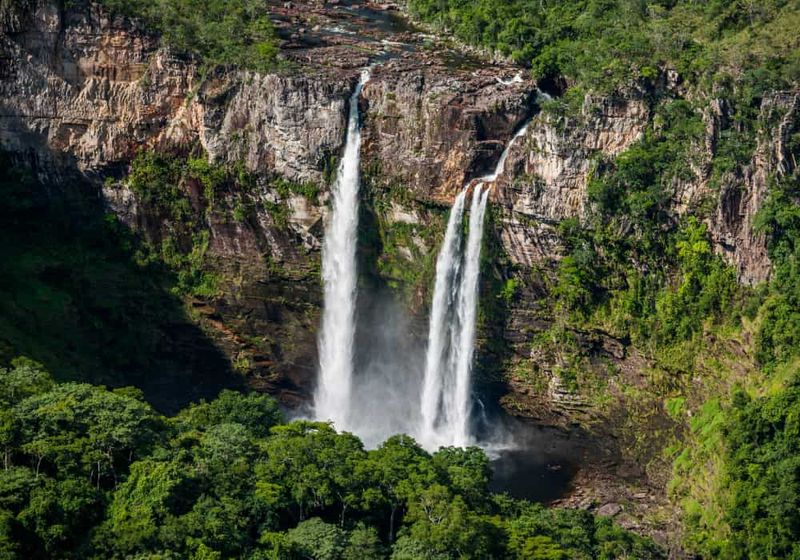
Cold, clear waterfalls tumble through golden grasslands on Brazil’s Central Plateau. Chapada dos Veadeiros protects rocky plateaus, river valleys and Cerrado habitat.
Together with Emas National Park, it forms a UNESCO World Heritage property.
The goal is to conserve one of the oldest and most biodiverse tropical ecosystems on the planet. After a big expansion, the park covers roughly 250,000 hectares.
That is plenty of room for long hikes and quiet swimming holes.
Trails lead to waterfalls, natural pools and wide overlooks. The Cerrado itself is the hidden hero.
Its plants and animals have adapted to dry seasons, fire and poor soils.
Conditions change a lot between rainy and dry months. Trails can close or become slippery, so check access before you go.
Bring a swimsuit, sturdy shoes and a hat. A local guide can help you find the best waterfalls and explain the odd twisted trees.
Bonito
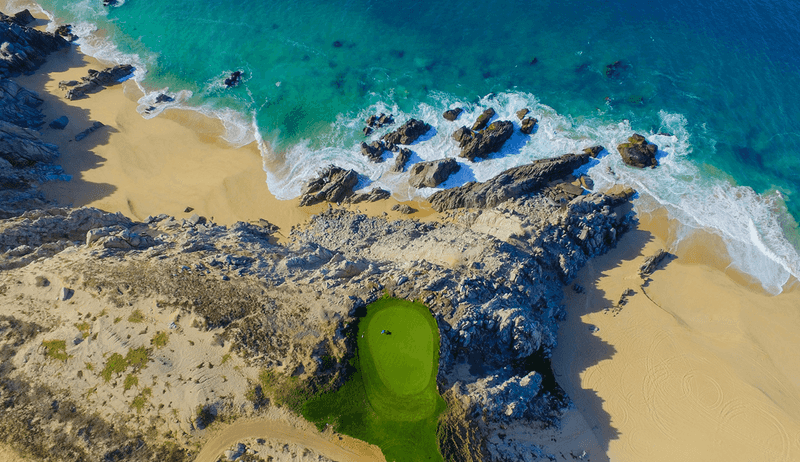
Floating down a river so clear that it feels like drifting through air is Bonito’s signature trick. The town built its tourism fame on springs, caves and waterfalls.
Limestone in the ground helps keep the water see-through.
Snorkelers float over schools of fish with amazing visibility. Popular trips include spring-fed rivers, cave systems and forested waterfalls.
Most are done through regulated tours instead of open access.
The local tourism authority highlights the crystalline water, native plants and waterfall scenery. Travelers usually book excursions through registered local operators.
Reserve early in busy seasons, since spots can fill up.
Bonito pairs nicely with a Pantanal trip. One shows off wildlife on land, while the other reveals life underwater and underground.
Bring a quick-dry towel, and skip heavy sunscreen if the operator asks, since it protects the clean water.
Jericoacoara National Park
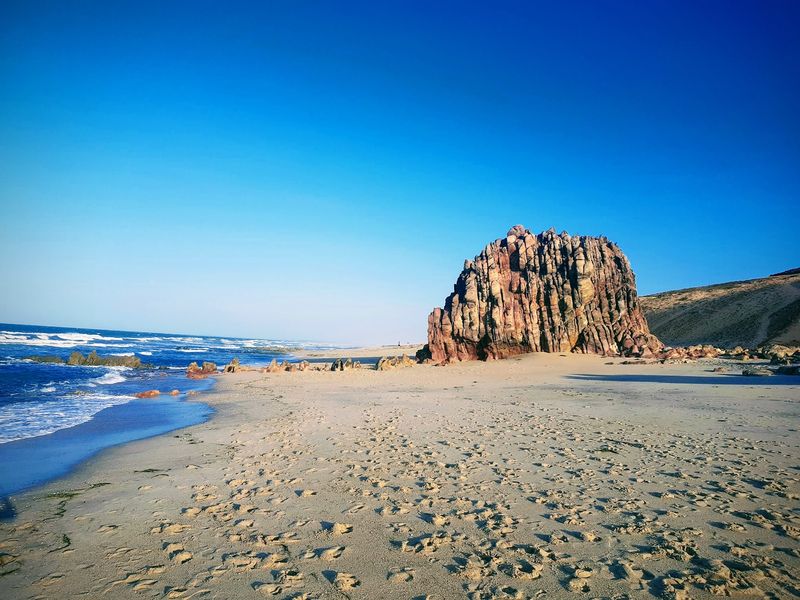
Sand, wind and sky do most of the decorating in Jericoacoara. The area mixes moving dunes, beaches, lagoons and mangroves.
The national park was created in 2002 and protects about 8,863 hectares of the Ceará coast.
Pedra Furada, a natural rock arch, is the best-known landmark. The Serrote climbs to the park’s high point near the lighthouse, about 95 meters up.
Many visitors gather there to watch the sunset.
Temporary lagoons appear after seasonal rains, especially from around February through May. Kitesurfing and windsurfing are big here because of the steady breeze.
Dune walks and beach trips fill the quieter hours.
Canoe outings through the mangroves can give you a chance to spot seahorses. Bring a hat, plenty of water and shoes you do not mind getting sandy.
Streets in town are sand too, so pack light and enjoy the slow pace.
Olinda
Rebuilt after a fire, Olinda wears its comeback proudly. Just outside Recife, the town spreads over green hills above the Atlantic.
It was founded in 1535 and grew rich from Pernambuco’s sugar economy.
The Dutch looted and burned it during their occupation, and the town was later rebuilt. Much of what you see today dates from the 18th century.
Narrow streets follow the hills instead of a strict grid.
UNESCO points to about 20 Baroque churches and convents, plus colorful houses and gardens. The Catedral da Sé, Nossa Senhora da Graça and Misericórdia churches stand out.
Franciscan, Benedictine and Carmelite complexes add even more to explore.
Wear comfortable shoes, because the slopes are steep. Start at the top near the cathedral for views toward Recife and the sea.
Then wander downhill, peek into small galleries and let the bright doorways guide your camera.
Manaus and the Central Amazon
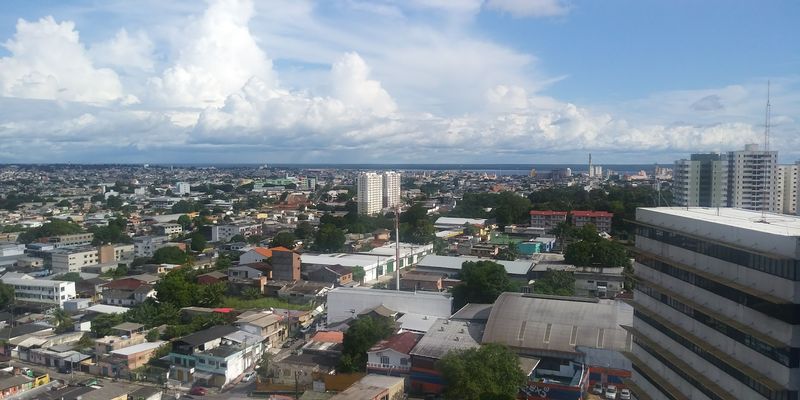
An opera house stands in the middle of the jungle, and it is real. Manaus keeps reminders of the late-19th-century rubber boom, like the ornate Teatro Amazonas and the Adolpho Lisboa Municipal Market.
It is also one of the easiest gateways into the Brazilian Amazon.
River trips lead from the city into flooded forest, winding channels and enormous waterways. The scenery changes fast once the buildings fade behind you.
Boats become your main road.
Farther out, UNESCO’s Central Amazon Conservation Complex covers more than five million hectares. It includes Jaú, Amanã, Mamirauá and Anavilhanas.
Várzea floodplains, igapó forests and lakes shelter remarkable biodiversity.
A smart trip mixes city sights with a few nights on the river. Bring light long sleeves, insect repellent and a rain poncho.
Choose a reputable local operator, and keep your camera ready for dawn, when birds and river dolphins are most active.
Serra da Capivara National Park
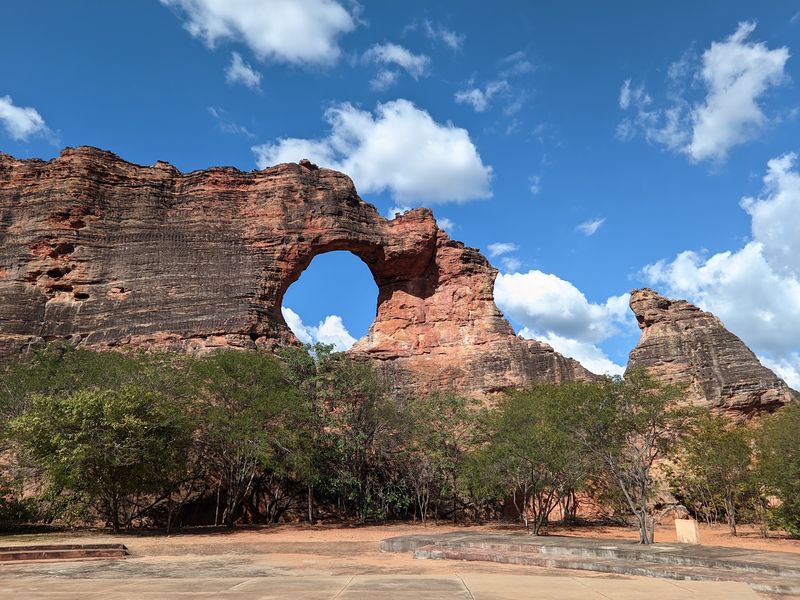
Hand prints and painted animals on stone walls whisper from tens of thousands of years ago. Serra da Capivara sits in the dry Caatinga of Piauí, far from Brazil’s beach postcards.
Its cliffs, canyons and rock shelters hold some of the Americas’ most important prehistoric sites.
UNESCO listed the park in 1991 for its rock shelters and paintings. Some are identified as more than 25,000 years old.
That is older than most people can easily imagine.
Park authorities report more than 1,000 registered archaeological sites. More than 200 are prepared for visitors.
Guides are required, which is good news, since they explain the art and the history behind it.
Plan for heat and bring water, a hat and sturdy shoes. Morning tours are the most comfortable.
Along with the rock art, you will see odd rock formations and tough desert plants that make this corner of Brazil unforgettable.
Share this story