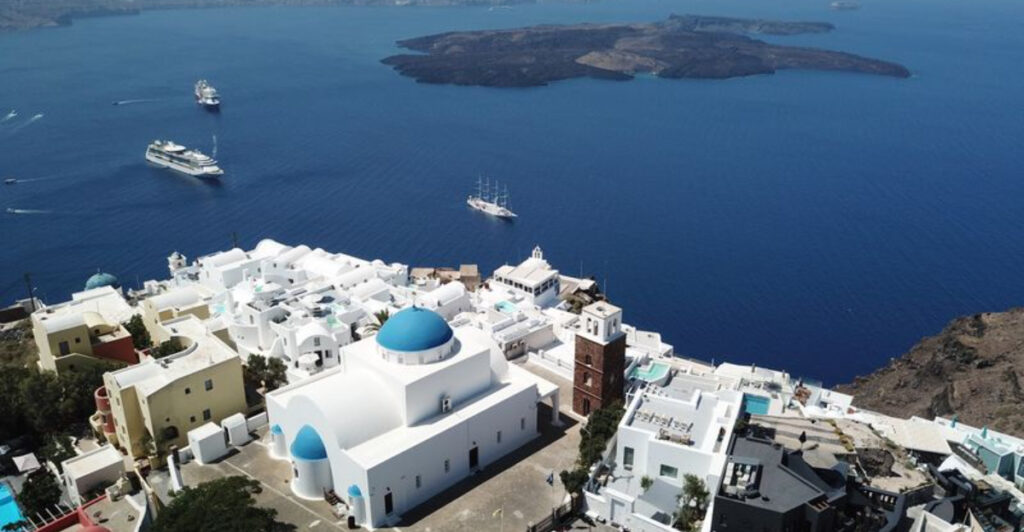
Few regions deliver summer quite like the Mediterranean. Whitewashed villages cling to volcanic cliffs, medieval cities rise directly above the sea, and hidden coves glow in shades of turquoise that barely seem real.
These 15 destinations were chosen for their mix of beaches, scenery, history, food, and unmistakable Mediterranean atmosphere. June and September are worth considering as quieter, cooler alternatives to the peak July and August crowds.
Amalfi Coast, Italy
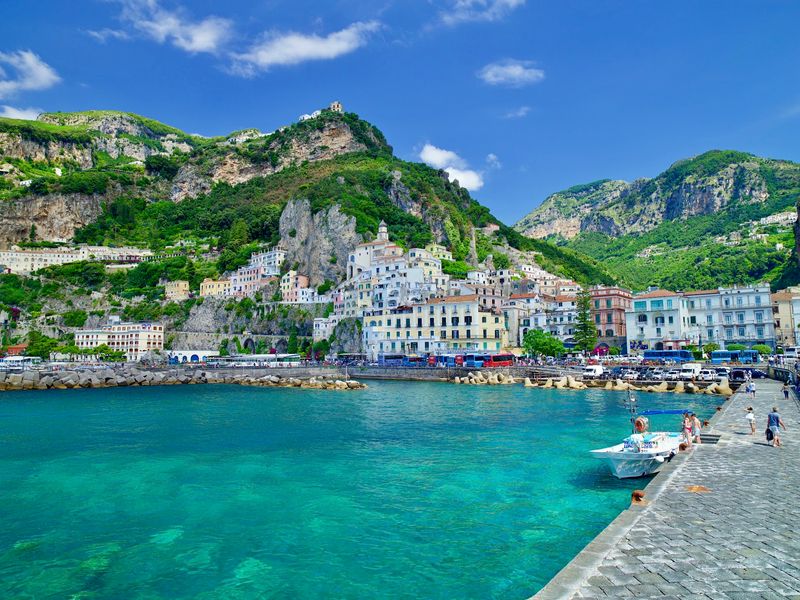
Driving the Amalfi Coast road is equal parts thrilling and terrifying, and most visitors would not trade it for anything. Mountains drop almost vertically into cobalt water while pastel villages appear to defy gravity, stacked in layers above tiny harbors.
Positano is the most photographed, but Ravello, sitting high above everything with its garden villas and music festival, has a quieter magic worth seeking out.
Lemon groves line the terraced hillsides, and the local limoncello made from these oversized Sfusato lemons is genuinely different from the grocery store version back home. Seafood restaurants carved into cliff faces serve fresh catches with views that make every meal feel cinematic.
The Grotta dello Smeraldo, an emerald sea cave accessible by boat near Amalfi town, is one of those places that stops conversation cold.
Hiking the Sentiero degli Dei, the Path of the Gods, rewards walkers with panoramic views stretching across the entire coastline. Ferries connect the main towns, making it easy to skip the narrow road entirely and arrive by sea like a proper Mediterranean traveler.
UNESCO recognized this coastline for good reason, and a few days here make that recognition feel completely reasonable.
Mallorca, Spain
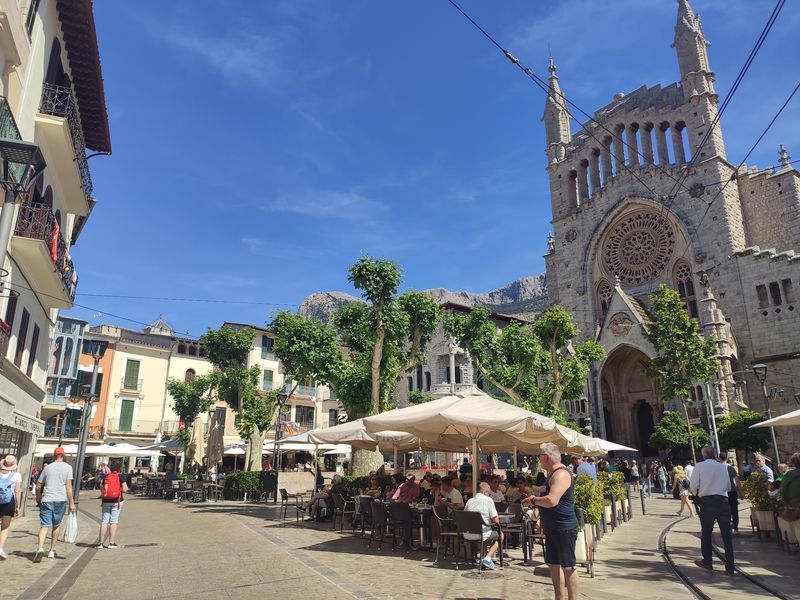
Mallorca has a reputation for packed beach resorts, but the island is quietly holding out on most visitors. Hidden behind that postcard image is a place of dramatic limestone mountains, terraced olive groves, medieval stone towns, and some of the clearest water in the western Mediterranean.
The Serra de Tramuntana range, a UNESCO World Heritage site, offers hiking trails with views that rival anything in the Alps.
Palma, the island’s capital, punches well above its weight. A Gothic cathedral rises directly above the seafront, its interior flooded with colored light designed partly by Antoni Gaudi.
The old quarter fills with tapas bars, independent boutiques, and shaded plazas where locals actually outnumber tourists. Renting a car and heading inland reveals towns like Valldemossa, Deia, and Soller, each with its own character and charm.
Cala Mondragó, Cala Varques, and Cala Llombards are among dozens of pine-fringed coves where the water shifts from turquoise to deep blue within a few strokes of swimming. Local wines from the Binissalem region pair perfectly with sobrasada, the island’s paprika-rich cured sausage.
Mallorca rewards slower travel, so resist the urge to rush and let the island reveal itself at its own pace.
Santorini, Greece
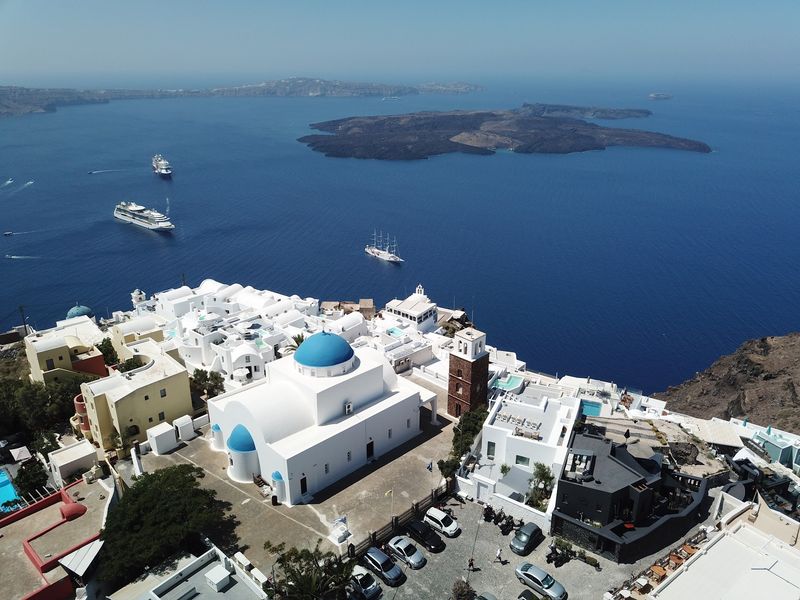
Perched on the rim of an ancient volcanic caldera, Santorini looks like someone sketched a dream and forgot to wake up. The villages of Oia and Fira tumble down cliffs in layers of white plaster and blue domes, staring across submerged volcanic craters toward small islands still bubbling with geothermal activity.
Sunsets here have their own fan clubs, and honestly, the hype is justified.
Beyond the famous views, the island rewards curious travelers with black-sand beaches at Perissa, red-sand beaches near Akrotiri, and ancient ruins buried by the same volcanic eruption that shaped the caldera. Wine enthusiasts will find local varieties like Assyrtiko grown in twisted, basket-shaped vines adapted to strong winds.
The volcanic soil produces crisp, mineral-driven white wines unlike anything from the mainland.
Boat trips to Nea Kameni let visitors walk across hardened lava and soak in natural hot springs. Akrotiri’s archaeological site, often called the Pompeii of the Aegean, preserves a Bronze Age city frozen in ash.
Book accommodations well ahead for summer, as cliffside hotels fill up months in advance. Arriving in late May or early October means fewer crowds and noticeably lower prices.
Dubrovnik, Croatia
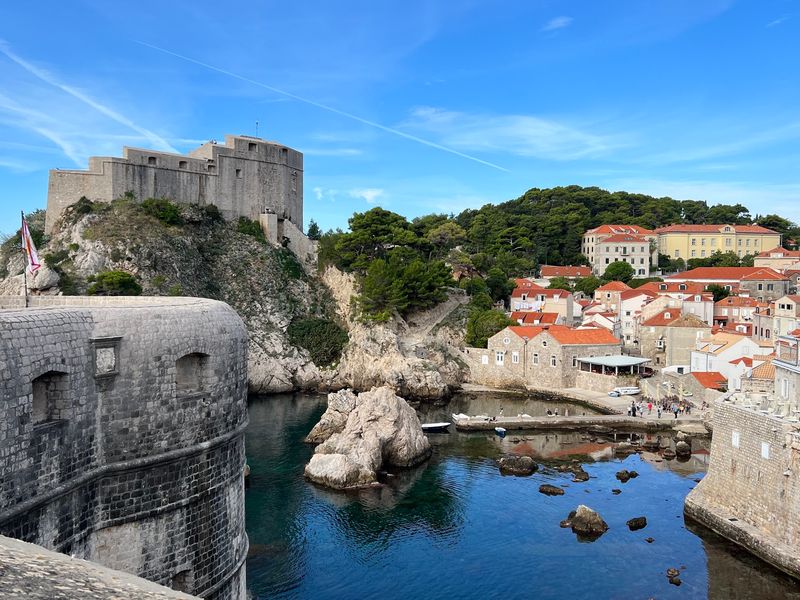
Walking Dubrovnik’s city walls is one of those experiences that earns its reputation without apology. The stone ramparts circle a perfectly preserved medieval city, offering views over terracotta rooftops on one side and the dazzling Adriatic on the other.
George Bernard Shaw once called Dubrovnik the pearl of the Adriatic, and even accounting for centuries of tourism hype, the description holds up surprisingly well.
Below the walls, limestone steps lead down to swimming platforms carved into the rocks, where locals and visitors share cold water and warm afternoons. Sea kayaking around the base of the fortifications gives a completely different perspective, revealing sea caves and quiet coves invisible from above.
The island of Lokrum, reachable by ferry in minutes, offers shaded walking trails, a botanical garden, and a saltwater lake perfect for a midday swim.
Mornings in the old town before 9 a.m. belong to the city in a way that midday never does. Street vendors set up fresh fruit stalls, cafes open shutters, and the famous Stradun is briefly, beautifully quiet.
Visiting in June or September cuts the crowds significantly without sacrificing good weather. Croatia’s tourism authority rightly describes Dubrovnik as one of Europe’s most remarkable medieval coastal cities.
Naxos, Greece
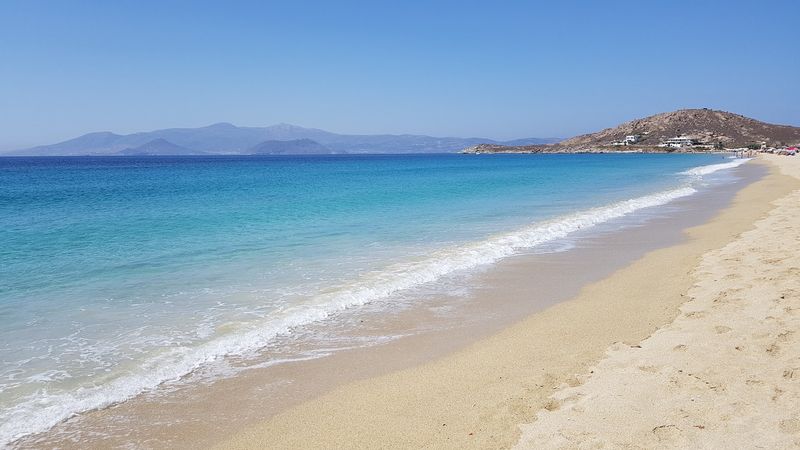
Naxos is what happens when a Greek island decides to be quietly brilliant instead of loudly famous. The beaches along the western coast stretch for kilometers without interruption, and the water stays shallow and warm well into the afternoon.
Agios Prokopios and Plaka Beach regularly rank among the best in the Cyclades, yet they somehow feel less frantic than their counterparts on Mykonos or Santorini.
The island’s interior is a genuine surprise. Marble villages like Apeiranthos sit high in the mountains, their narrow lanes paved with the same stone quarried here since antiquity.
Naxian marble was used to build ancient temples, and the massive stone doorway known as the Portara still stands at the harbor entrance, framing sunsets that need no filter. Mount Zas, the highest peak in the Cyclades, offers rewarding hikes through fragrant scrubland.
Food on Naxos has a reputation among Greek food lovers for good reason. Local potatoes, Graviera cheese, and slow-cooked pork dishes appear on taverna menus across the island, and the ingredients actually come from nearby farms and villages.
Naxos Town, called Chora, has a Venetian castle quarter with winding streets, small museums, and excellent bakeries that open before the sun fully rises. Ferries connect it easily to other Cycladic islands.
Costa Smeralda, Sardinia
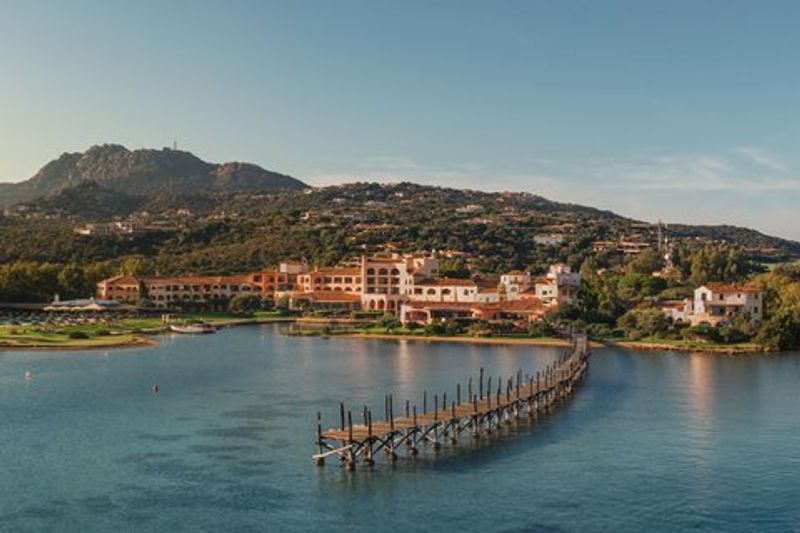
The water along Costa Smeralda does something that photographs struggle to capture honestly. It shifts from pale jade near the shore to a deep, almost electric turquoise further out, all against a backdrop of pink granite boulders smoothed by centuries of wind and salt.
Northeastern Sardinia earned its Emerald Coast name for exactly this reason, and the reality genuinely matches the branding.
Porto Cervo is the glamorous hub, filled with yachts, designer boutiques, and restaurants where the menu prices cause a quiet intake of breath. But the surrounding coastline offers far more democratic pleasures.
Beaches like Capriccioli, Liscia Ruja, and Rena Bianca are accessible to anyone willing to arrive early and claim a spot among the granite outcrops. Snorkeling in these waters reveals seagrass meadows and fish that seem unbothered by human company.
The Gallura region behind the coast adds another layer to the experience. Granite-studded hills are covered with cork oak forests, and small towns like Arzachena and Palau offer local pecorino cheese, roasted suckling pig, and Vermentino wine at prices far removed from the marina scene.
Sardinia as a whole rewards travelers who look beyond the famous coastline, and Costa Smeralda is a perfect starting point for that exploration.
Hvar, Croatia
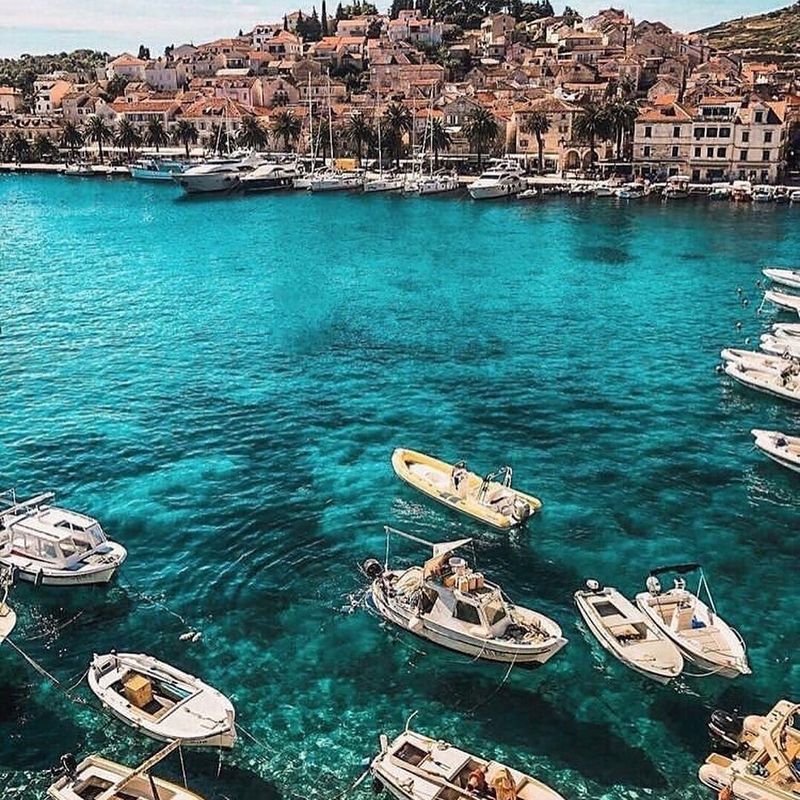
Hvar smells like lavender and sea salt, and that combination alone is worth the ferry ride from Split. The island has been producing lavender for centuries, and purple fields cover the hillsides of the interior each June in a display that feels almost theatrical.
Hvar Town itself is one of the best-preserved Renaissance towns in the Adriatic, centered on a main square lined with a cathedral, an old loggia, and cafes that fill up well before sunset.
The Pakleni Islands, a small archipelago just offshore, are reachable by water taxi in minutes. Their sheltered bays and rocky beaches offer some of the clearest swimming water on this stretch of coast, and several small restaurants serve fresh fish directly to guests arriving by boat.
The nightlife scene in Hvar Town is genuinely lively by Adriatic standards, but it coexists with the historic fabric rather than overwhelming it.
Inland villages like Vrbanj and Dol produce local wines, including the indigenous Plavac Mali grape grown on steep south-facing slopes above the sea. Stari Grad, the island’s oldest settlement, has a UNESCO-recognized ancient Greek field system still visible in the landscape.
Hvar manages the rare trick of being both a party destination and a genuinely cultured, historically rich place at the same time.
Menorca, Spain
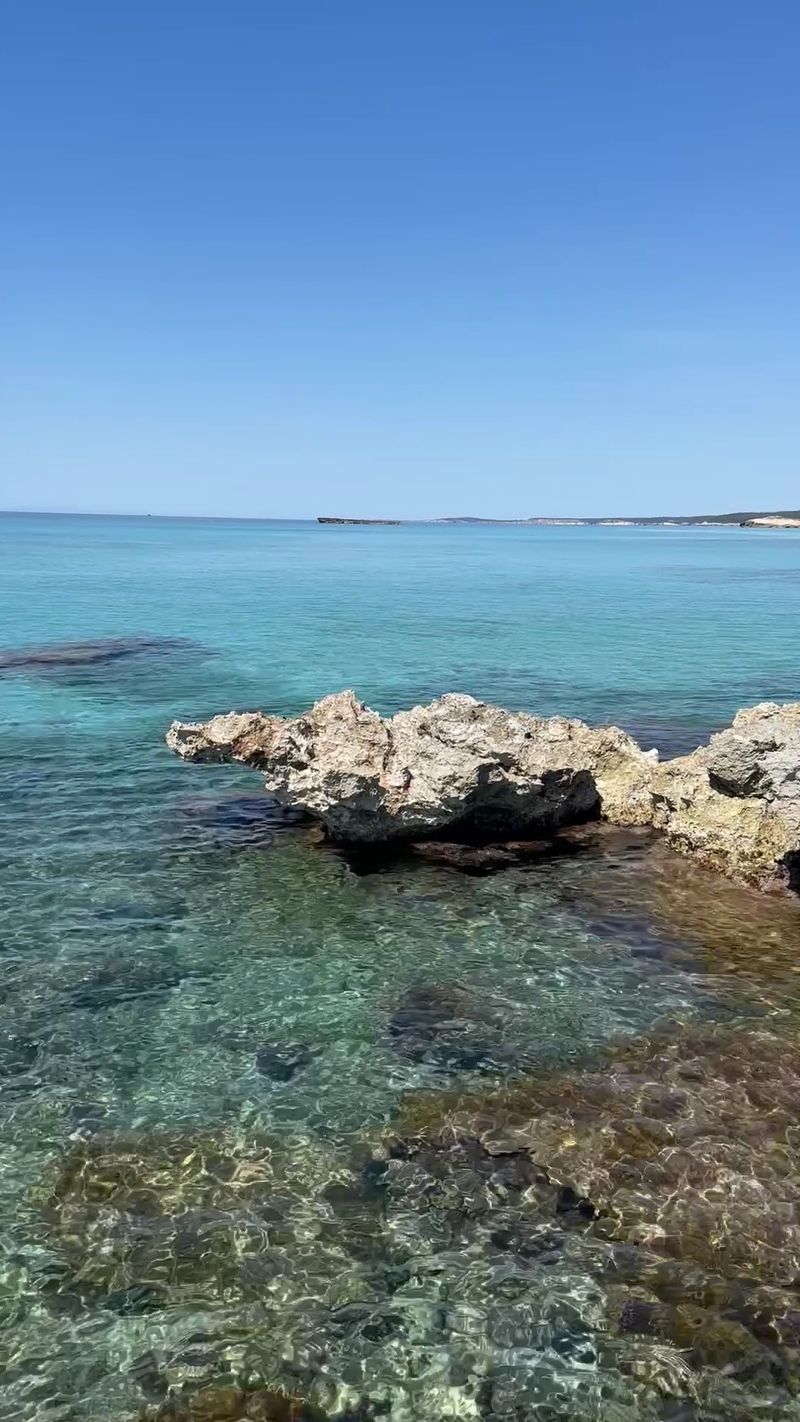
Menorca made a deliberate choice to stay quiet, and that decision turned out to be its greatest selling point. Designated a UNESCO Biosphere Reserve, the island protects its pine forests, wetlands, and limestone coastline from the kind of overdevelopment that transformed parts of its Balearic neighbors.
The result is a place where the beaches feel genuinely unspoiled and the pace of life is unapologetically slow.
Cala Macarella and Cala Turqueta are among the most beautiful coves in Spain, accessible only on foot or by boat, their turquoise water enclosed by white cliffs and dark pine trees. The north coast, shaped by the Tramuntana wind, is wilder and rockier, with dramatic scenery around Cap de Cavalleria and the lighthouse at the island’s northern tip.
Prehistoric talayots, stone towers built over 3,000 years ago, dot the interior and give Menorca an archaeological depth that most beach destinations lack.
Ciutadella, the former capital, has a compact old city of narrow lanes, Gothic palaces, and a harbor front lined with seafood restaurants. Mao, the current capital, sits above one of the deepest natural harbors in the Mediterranean.
Gin has been produced here since the British occupation in the 18th century, and local gin bars remain a quirky point of island pride.
Taormina, Sicily
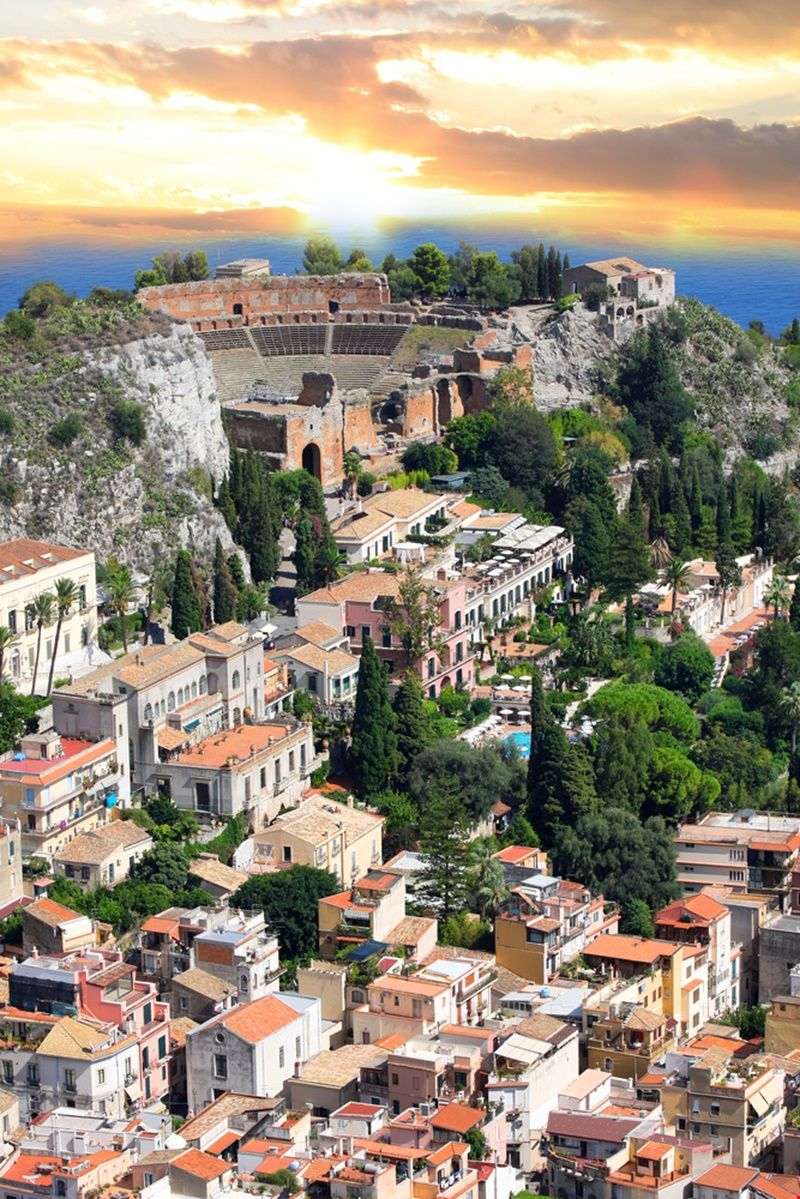
Taormina sits on a clifftop like it knows exactly how good it looks. The town’s ancient Greek theater, later rebuilt by the Romans, frames one of the most extraordinary views in the Mediterranean: rows of stone seating overlooking the Ionian Sea, with Mount Etna rising in the background and occasionally reminding everyone that it is still very much an active volcano.
Performances are still held here in summer, which makes the setting feel completely surreal.
The main street, Corso Umberto, is lined with baroque churches, flower-filled balconies, ceramic shops, and cafes serving granita with brioche, Sicily’s beloved breakfast combination. Side streets lead to viewpoints, gardens, and the Villa Comunale park, which hangs above the coast with benches positioned for maximum dramatic effect.
The town fills with visitors in July and August, but early mornings and evenings return it to something closer to its unhurried self.
Below the clifftop, the beach area around Isola Bella is a nature reserve built around a small island connected to the mainland by a narrow strip of pebbles. Giardini Naxos, just down the coast, offers a longer sandy beach and a more relaxed resort atmosphere.
Sicily’s tourism authority calls Taormina the Pearl of the Ionian, and for once, a tourism slogan feels completely earned.
Bay of Kotor, Montenegro
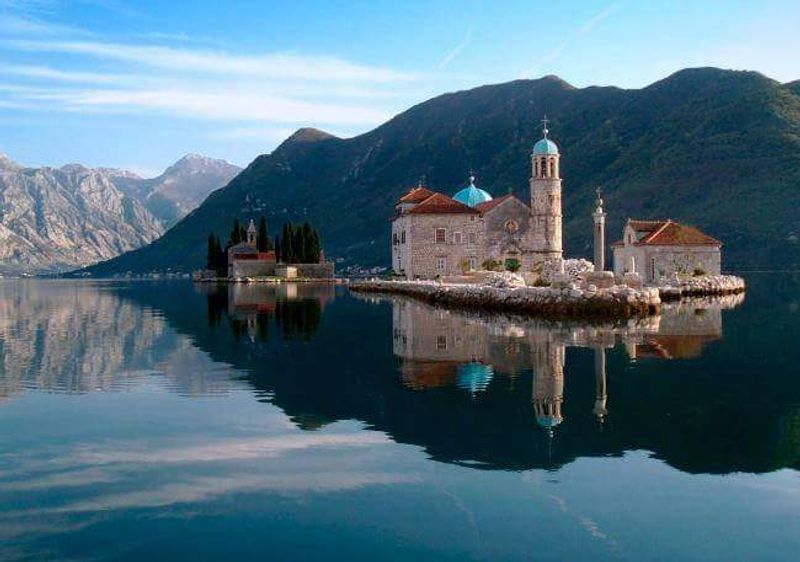
Someone transported a Norwegian fjord to the Adriatic and forgot to tell the travel guides. The Bay of Kotor cuts deep into the Montenegrin mountains, its calm water reflecting limestone peaks that drop almost vertically to the shoreline.
The effect is dramatic in a way that feels completely different from most Mediterranean destinations, and the light in late afternoon turns the whole scene into something resembling a painting done by someone showing off.
Kotor’s walled old city is a UNESCO World Heritage site packed into a small triangle of land between the water and the mountain. City walls climb the steep hillside above town all the way to a fortress at the top, and the hike up rewards visitors with views across the entire bay.
The climb takes about 45 minutes, involves roughly 1,350 steps, and is absolutely worth every one of them.
Perast, a few kilometers along the bay, is one of the most beautiful small towns in the Adriatic, its baroque palaces and bell towers reflected in still water. Boat trips from Perast reach Our Lady of the Rocks, a church built on an artificial island created by locals who dropped stones into the bay for generations.
The Blue Cave near the bay’s entrance adds a final dramatic touch to an already extraordinary destination.
Gozo, Malta
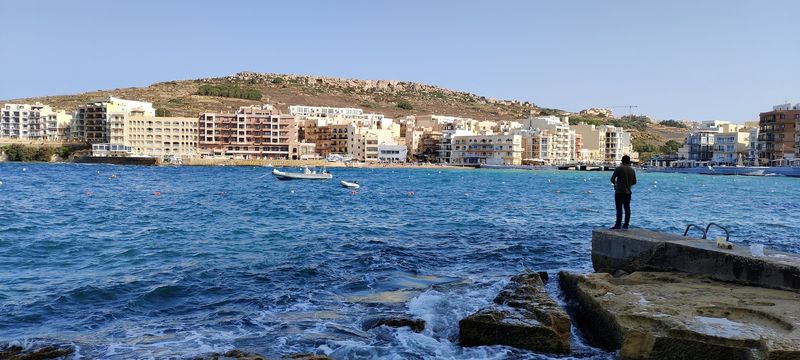
Gozo operates at a frequency slightly below the rest of the Mediterranean, and that is precisely its appeal. Malta’s smaller sister island has a population of around 37,000 people, a collection of honey-colored limestone villages, and a coastline that rewards anyone willing to scramble down a rocky path to find their own private swimming spot.
The pace here is not slow by accident. It is slow by choice, and it feels right.
The Azure Window, a famous rock arch, collapsed into the sea in 2017, but Gozo’s coastline remains spectacular. Dwejra Bay still draws divers and snorkelers to its clear water and underwater caves.
The Inland Sea, a small lagoon connected to the open water by a tunnel through the cliff, is one of those places that seems too cinematic to be real. Ramla Bay offers the island’s best sandy beach, its reddish sand contrasting with turquoise water.
The Ggantija temples, older than Stonehenge and older than the Egyptian pyramids, sit on a hilltop near Xaghra and represent some of the world’s oldest freestanding stone structures. Victoria, the island’s small capital, has a citadel with panoramic views and a daily market worth browsing slowly.
The ferry from Malta takes about 25 minutes, making Gozo an easy day trip or a worthwhile destination in its own right.
Corsica, France
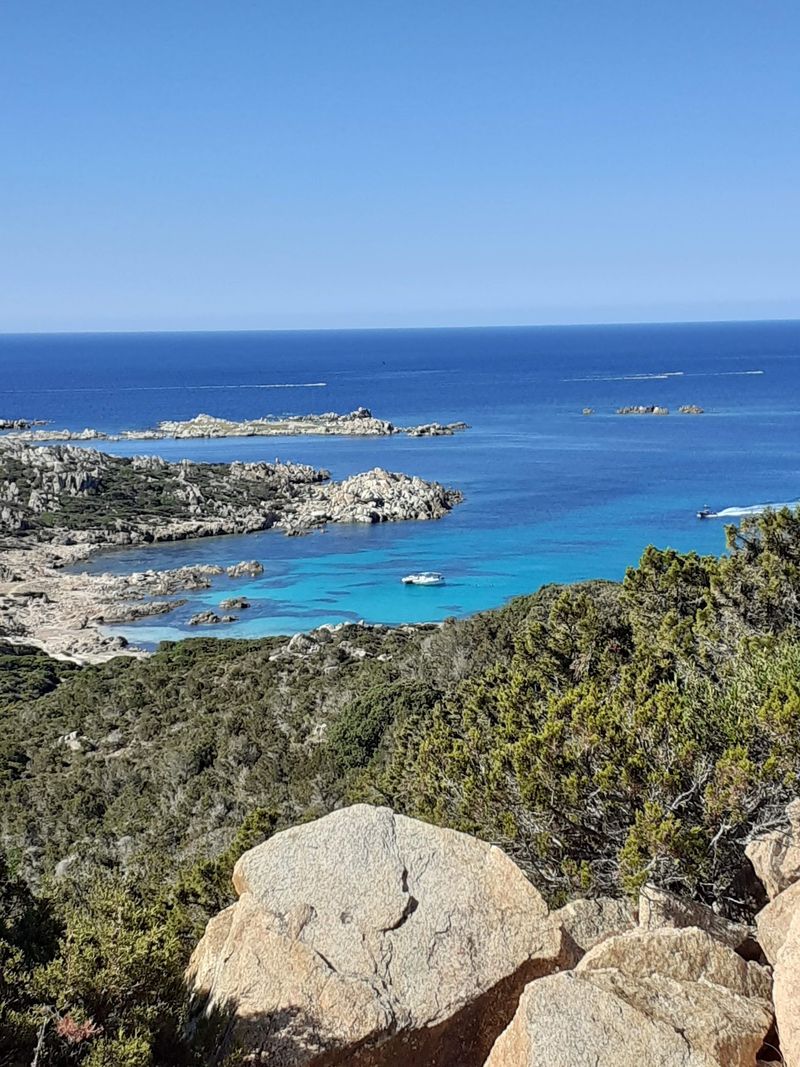
Corsica pulls off a trick that most Mediterranean islands cannot manage: it is simultaneously a beach destination and a mountain wilderness, and it does both without compromising either. Granite peaks rise above 2,700 meters in the island’s center, forests of chestnut and pine cover the interior, and rivers run cold and clear even in July.
Then, within an hour’s drive, you are back on a beach with water warm enough to swim in comfortably.
Bonifacio is the island’s most jaw-dropping town, its medieval fortress sitting atop white limestone cliffs that drop straight into the sea. Looking up from a boat below, the buildings appear to hang in midair, and the effect is genuinely startling the first time.
Nearby beaches like Rondinara and Petit Sperone have water so clear that the sandy bottom is visible from a considerable distance above.
The GR20, one of Europe’s most challenging long-distance hiking trails, crosses the island from north to south through landscapes that feel genuinely remote. Calanche de Piana, a UNESCO-listed stretch of red granite formations near Porto, looks like a sculptor spent centuries working on it.
Chestnut flour, local charcuterie, brocciu cheese, and Nielluccio wine give Corsican food a distinct identity that sets it apart from mainland French cuisine quite deliberately.
Paphos and the Akamas Peninsula, Cyprus
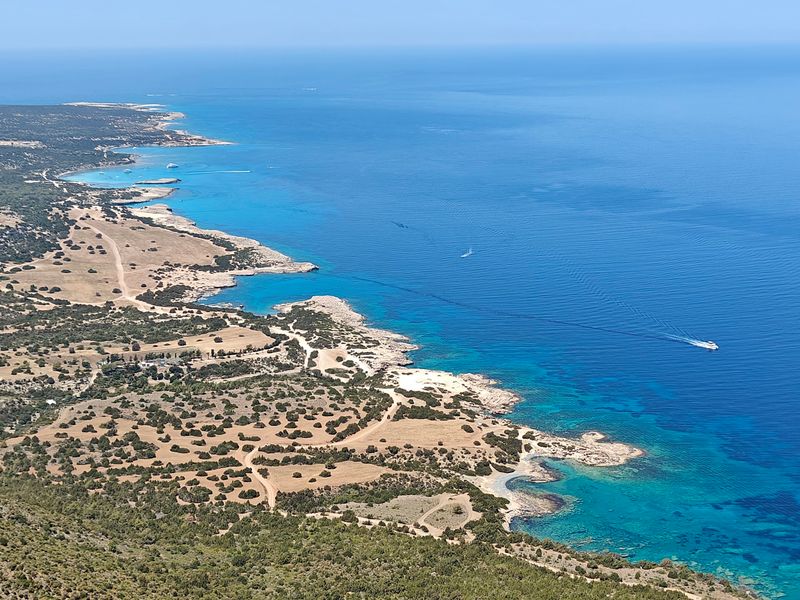
Cyprus has been inhabited for over 10,000 years, and Paphos wears that history with remarkable ease. The harbor area has a medieval castle, Byzantine mosaics hidden beneath an archaeological park just minutes from the seafront, and a general atmosphere that mixes resort life with genuine antiquity in a way that feels natural rather than forced.
The mosaics at the House of Dionysus alone are worth the trip, their colors still vivid after nearly 2,000 years underground.
North of Paphos, the Akamas Peninsula is one of Cyprus’s last wild coastal areas. Dirt roads wind through fragrant scrubland toward cliffs above impossibly blue water, and Lara Beach is one of the island’s most important nesting sites for loggerhead and green sea turtles.
The Baths of Aphrodite, a shaded grotto fed by a natural spring, sits at the northern end of the peninsula beside the fishing village of Latchi.
The Adonis Trail and other walking routes cross the peninsula through landscapes that feel completely removed from the resort towns to the south. Latchi’s small harbor has fish tavernas serving the catch of the day with local halloumi and fresh bread.
Cyprus’s tourism authority describes the wider Paphos region as combining UNESCO archaeology with some of the island’s most impressive natural scenery, and that description holds up on arrival.
Bodrum, Turkiye
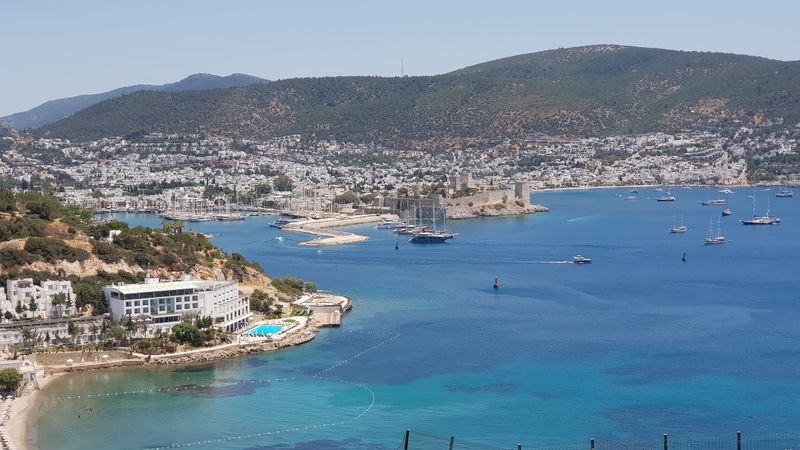
Bodrum has been attracting visitors since ancient times, which makes sense given that it sits on one of the most beautiful peninsulas in the eastern Mediterranean. The ancient city of Halicarnassus stood here, and the Mausoleum of Mausolus, one of the original Seven Wonders of the Ancient World, was built on this exact stretch of Aegean coastline.
Today, Bodrum Castle rises above the harbor with the same confidence, housing a museum of underwater archaeology that contains artifacts recovered from ancient shipwrecks.
The modern town is a mix of whitewashed cubic buildings, bougainvillea-draped walls, open-air restaurants, and a marina packed with traditional wooden gulets. These sailing vessels are the backbone of the Blue Voyage, a classic multi-day boat trip around the peninsula’s coves and bays that has been drawing travelers since the 1970s.
The water in sheltered bays like Bitez, Ortakent, and Camellia is calm, clear, and warm throughout summer.
Bodrum’s nightlife is famously energetic, centered around the marina and beach clubs that keep going well past midnight. But quieter villages on the peninsula, like Gumusluk with its submerged ancient ruins visible through the water, offer a completely different version of the same destination.
The local fish markets open early and supply restaurants that know exactly what to do with whatever came off the boats that morning.
Albanian Riviera
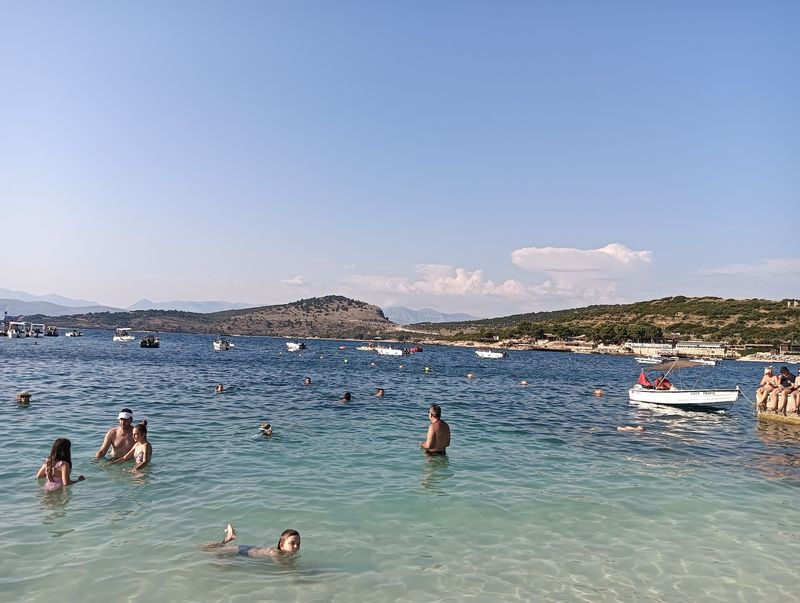
Albania’s southern coastline caught the attention of adventurous travelers about a decade ago, and the word has been spreading steadily ever since. The drive along the Llogara Pass is one of the great scenic roads in the Mediterranean, switchbacking through mountain forest before revealing the Ionian Sea far below in a shade of blue that stops most people mid-sentence.
The stretch between Vlore and the Greek border packs an astonishing variety of scenery into a relatively short distance.
Dhermi and Himara are the most established beach villages, with clear water, pebbly coves, and a growing number of guesthouses and restaurants that maintain a relaxed, independent character. Ksamil, near the ancient ruins of Butrint, has small sandy islands visible just offshore and water warm enough to swim in from May through October.
Butrint itself is a UNESCO World Heritage archaeological site with Greek, Roman, Byzantine, and Venetian layers all visible within a single forested peninsula.
Prices along the Albanian Riviera remain noticeably lower than equivalent destinations in Greece or Croatia, making it a genuinely good value option for travelers who want Mediterranean scenery without the peak-season price tag. Infrastructure is improving each year, and the combination of dramatic mountain backdrops, ancient history, and crystal-clear water makes southern Albania one of the region’s most compelling emerging destinations.
Share this story