Stretching across eight countries, the European Alps are home to some of the world’s most dramatic mountain scenery. Towering peaks, glacier-fed lakes, flower-filled meadows, storybook villages, and legendary hiking trails combine to create unforgettable landscapes in every season.
Whether you’re after panoramic viewpoints, iconic summits, or charming Alpine towns, these destinations showcase the Alps at their very finest.
Zermatt, Switzerland
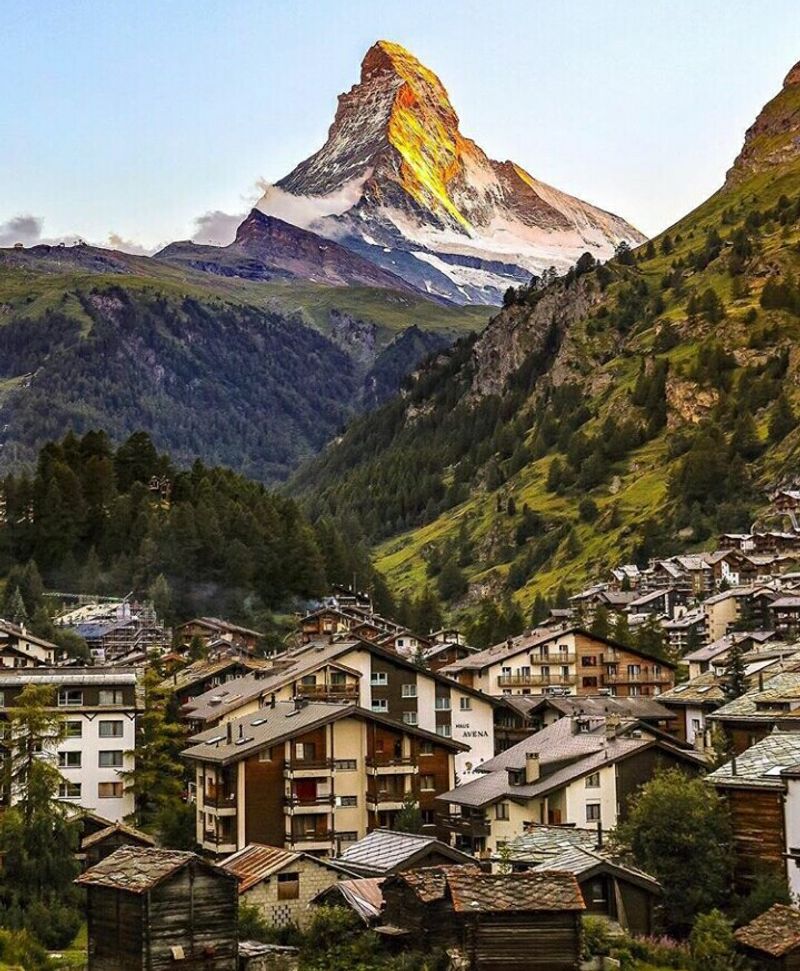
Few mountain towns on Earth can claim a backdrop quite like the Matterhorn, and Zermatt sits right at its feet. This car-free Swiss gem runs entirely on electric vehicles, keeping the air crisp and the streets blissfully quiet.
Even arriving here feels like an event, since you take a special cog train up from the valley below.
Summer brings wildflower hiking trails and glacier walks, while winter transforms Zermatt into one of Europe’s top ski resorts. The skiing season here stretches almost year-round thanks to the high-altitude glacier terrain.
Experienced skiers and first-timers alike find routes perfectly suited to their level.
Beyond the slopes, the village itself rewards wanderers. Boutique shops, cozy mountain restaurants, and rooftop terraces with Matterhorn views fill every corner.
Fondue dinners after a long hike are basically a local tradition here. Zermatt is one of those rare places that genuinely lives up to every photograph you have ever seen of it.
Mont Blanc Massif, France and Italy
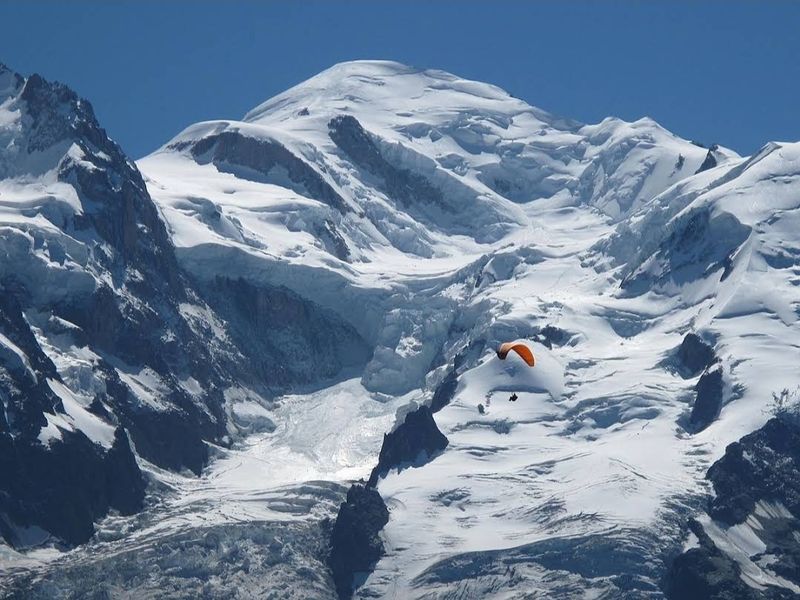
Standing at 4,808 meters, Mont Blanc is the undisputed heavyweight champion of Western Europe. The mountain straddles the French and Italian border, giving two countries bragging rights over one extraordinary summit.
Chamonix, the French town at its base, has been drawing adventurers since the very first recorded ascent back in 1786.
The Aiguille du Midi cable car whisks visitors from town to 3,842 meters in about twenty minutes, delivering jaw-dropping views of glaciers, ridgelines, and surrounding peaks. On clear days, you can spot the curvature of the Earth along distant horizons.
It is genuinely one of the most thrilling cable car rides anywhere in the Alps.
Hikers can tackle portions of the famous Tour du Mont Blanc, a classic multi-day trail circling the entire massif through France, Italy, and Switzerland. Alpine meadows carpeted in wildflowers line the lower trails in summer.
Whether you are a seasoned climber chasing the summit or a casual visitor soaking up the scenery, the Mont Blanc Massif delivers spectacle at every single turn.
Jungfrau Region, Switzerland
The Jungfrau region has a way of making your jaw drop before you even realize it is happening. Three legendary peaks, the Eiger, Monch, and Jungfrau, form a skyline so dramatic it almost looks digitally enhanced.
Villages like Grindelwald and Lauterbrunnen nestle below them like postcards waiting to be sent.
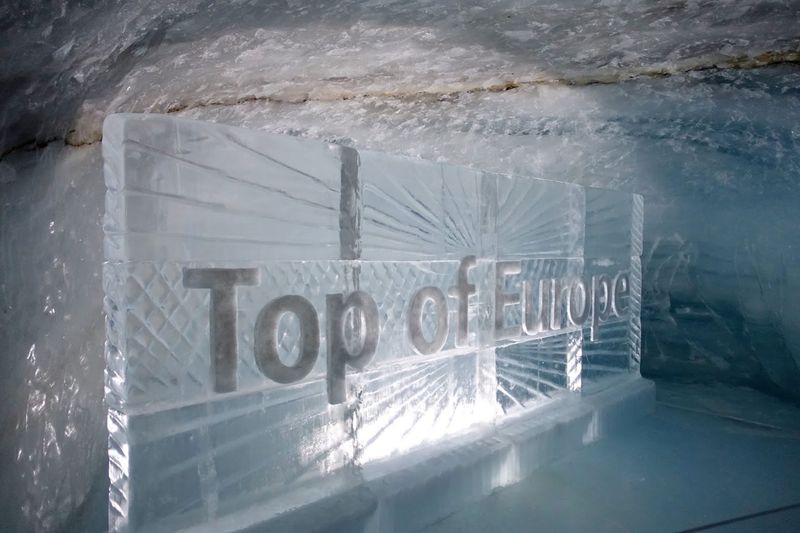
The Jungfraujoch railway station sits at 3,454 meters, earning its nickname “Top of Europe” fair and square. Getting there involves a cogwheel train journey through tunnels carved directly into the mountain, which is an adventure all by itself.
At the top, the Aletsch Glacier stretches out in a breathtaking frozen panorama.
Lauterbrunnen Valley below offers a completely different kind of wonder, with 72 waterfalls tumbling off sheer cliffs into the valley floor. Paragliders drift silently overhead most afternoons, and the meadows smell incredible in early summer.
Hikers, cyclists, and families all find something to love here. The Jungfrau region packs more Alpine highlights per square kilometer than almost anywhere else on the continent.
The Dolomites, Italy
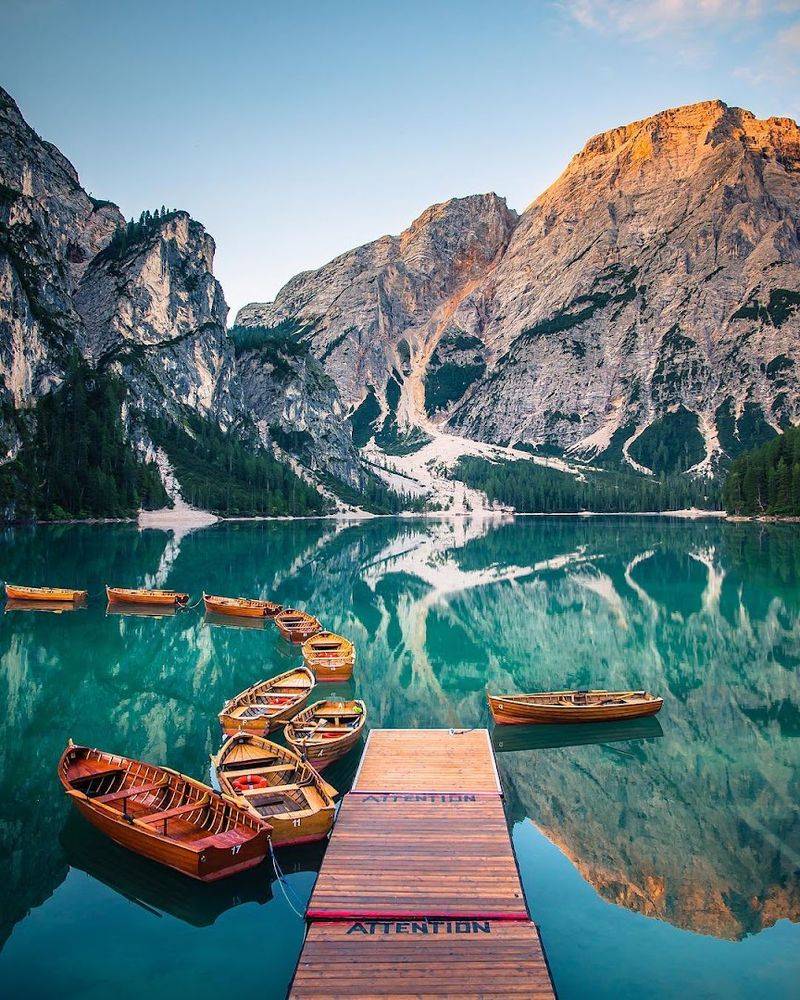
At sunset, the Dolomites turn shades of orange, pink, and red that seem almost too vivid to be real. Locals call it “enrosadira,” the Dolomite glow, and watching it happen from a mountain hut with a glass of local wine is one of life’s genuine pleasures.
These UNESCO-listed peaks in northeastern Italy are unlike anything else in the Alps.
The rock here is pale limestone, sculpted by millions of years of erosion into towers, spires, and sheer vertical walls. Famous routes like the Tre Cime di Lavaredo loop attract hikers from every corner of the globe each summer.
Scenic mountain passes such as the Passo Gardena and Passo Sella link valleys and offer spectacular driving routes.
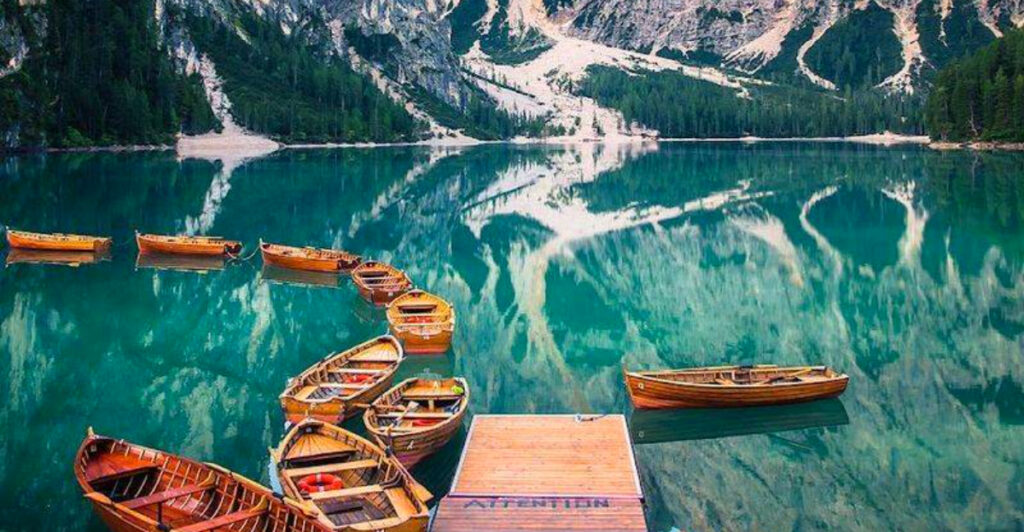
Emerald lakes like Lago di Braies and Lago di Carezza add vivid color to an already stunning landscape. The region blends Italian and Austrian culture in a fascinating mix, reflected in local food, language, and architecture.
Hearty South Tyrolean dumplings called canederli warm you up after a long day on the trails. The Dolomites are simply spectacular, full stop.
Hallstatt, Austria
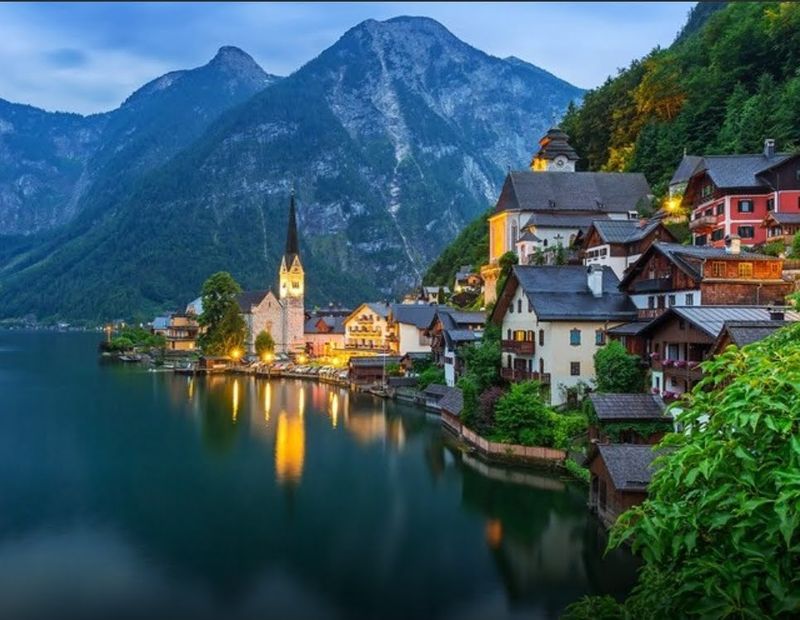
Hallstatt is the kind of place that makes people stop mid-sentence to stare. Clinging to a narrow strip of land between a glassy lake and sheer mountain walls, this tiny Austrian village looks like it was designed by someone who wanted to out-pretty every other town in Europe.
Incredibly, it actually inspired the fictional kingdom of Arendelle in the movie Frozen.
The village has been continuously inhabited for over 7,000 years, making it one of the oldest settlements in the Alps. Salt mining was the source of its ancient wealth, and the nearby salt mines are still open for fascinating underground tours.
History and scenery collide here in the most agreeable way possible.
A short funicular ride takes visitors up to the Skywalk viewpoint, where the entire lake and village spread out below in picture-perfect fashion. The village itself is best explored on foot, wandering narrow lanes past flower-draped balconies and centuries-old homes.
Early mornings before the tour groups arrive reward visitors with peaceful reflections on the lake and a genuine sense of Alpine tranquility.
Lauterbrunnen Valley, Switzerland
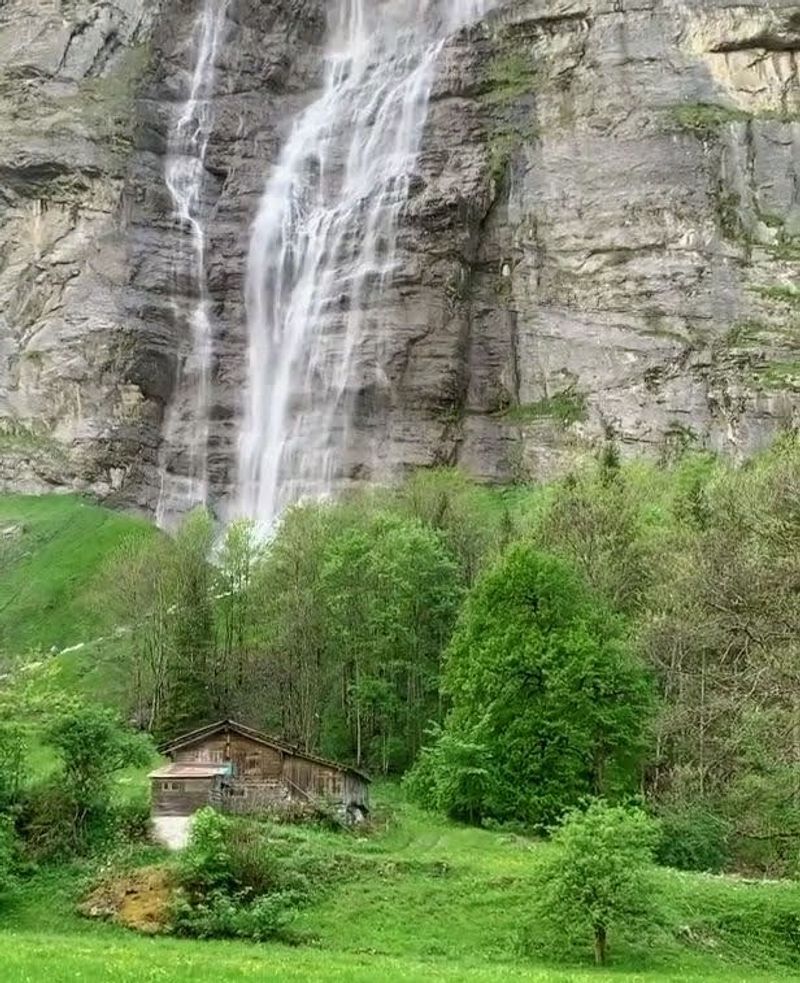
Seventy-two waterfalls. That number alone should tell you something extraordinary is going on in Lauterbrunnen Valley.
Sheer cliffs rise hundreds of meters on both sides of the valley floor, and water pours off them in white ribbons that catch the afternoon light in spectacular fashion. J.R.R.
Tolkien reportedly found inspiration for Rivendell here, and honestly, that tracks perfectly.
Staubbach Falls, one of Europe’s tallest free-falling waterfalls, plunges 297 meters directly behind the village. You can walk right up to its base and feel the cool mist on your face, which is both refreshing and slightly overwhelming.
The roar of the water echoes off the cliff walls in a way that feels genuinely theatrical.
The valley serves as a brilliant base for exploring the wider Jungfrau region. Trains from Lauterbrunnen connect to Wengen above and cable cars reach Murren, a car-free village perched impossibly on the opposite cliff.
Paragliding from Murren down into the valley is a bucket-list experience that even moderately brave visitors tend to attempt at least once. Lauterbrunnen earns every superlative thrown its way.
Cortina d’Ampezzo, Italy
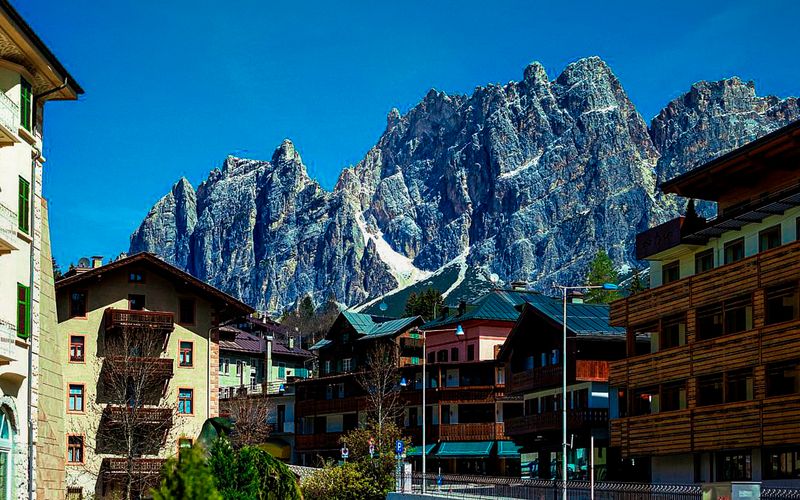
Cortina d’Ampezzo has been turning heads since it hosted the 1956 Winter Olympics, and it shows absolutely no signs of slowing down. Ringed by some of the Dolomites’ most dramatic peaks, including the Tofane, Cristallo, and Cinque Torri, this northern Italian resort town blends mountain ruggedness with unmistakable Italian style.
The main pedestrian street, Corso Italia, is lined with designer boutiques and excellent restaurants.
Hikers here are spoiled for choice, with trails ranging from easy valley walks to challenging via ferrata routes bolted directly into vertical rock faces. The Cinque Torri area, with its five distinctive rock towers, is a particular favorite for photographers and climbers alike.
World War One trenches and bunkers preserved in the surrounding peaks add a sobering historical layer to the landscape.
Winter brings some of Italy’s finest skiing, with over 140 kilometers of groomed runs across multiple interconnected ski areas. Cortina will host events in the 2026 Milano-Cortina Winter Olympics, putting it firmly back in the global spotlight.
Whether you visit for skiing, hiking, or simply eating extraordinary pasta with a mountain view, Cortina delivers on every promise.
Berchtesgaden National Park, Germany
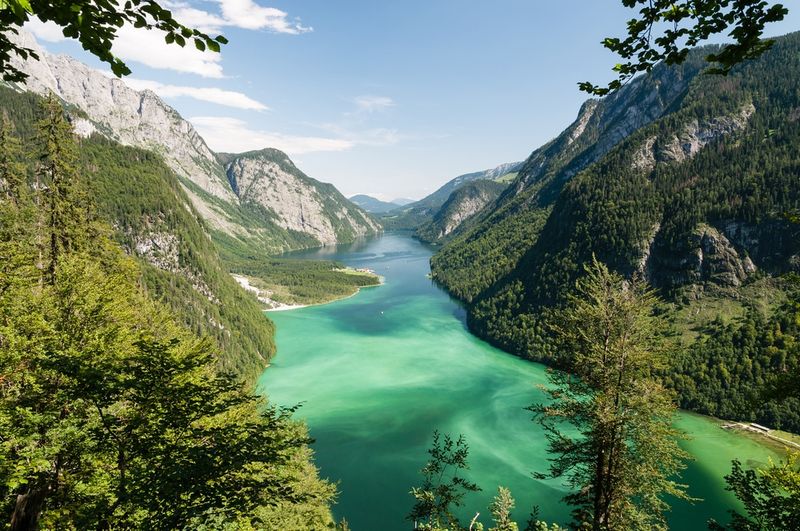
Germany might not be the first country that springs to mind when you think of the Alps, but Berchtesgaden National Park makes a very convincing argument for its place on the list. Tucked into the southeastern corner of Bavaria, this is Germany’s only Alpine national park, and it protects some seriously stunning scenery.
The Watzmann massif dominates the skyline with an almost theatrical intensity.
The crown jewel is Konigsee, a long, narrow lake of almost supernatural emerald color hemmed in by vertical mountain walls. Silent electric boats have been ferrying visitors across its waters since the 1900s, and the only sound you hear mid-lake is the echo test the boat captains perform using a trumpet.
It is one of the Alps’ most memorable little rituals.
Hiking trails fan out from the lake’s shores into pristine wilderness rarely visited by casual tourists. The Wimbachklamm gorge, with its rushing turquoise river, makes for an excellent half-day walk.
The historic Eagle’s Nest, a mountaintop building with sweeping panoramic views, draws history-minded visitors from across the world. Berchtesgaden is a reminder that Germany’s Alpine corner is every bit as magnificent as its neighbors.
Aletsch Glacier, Switzerland
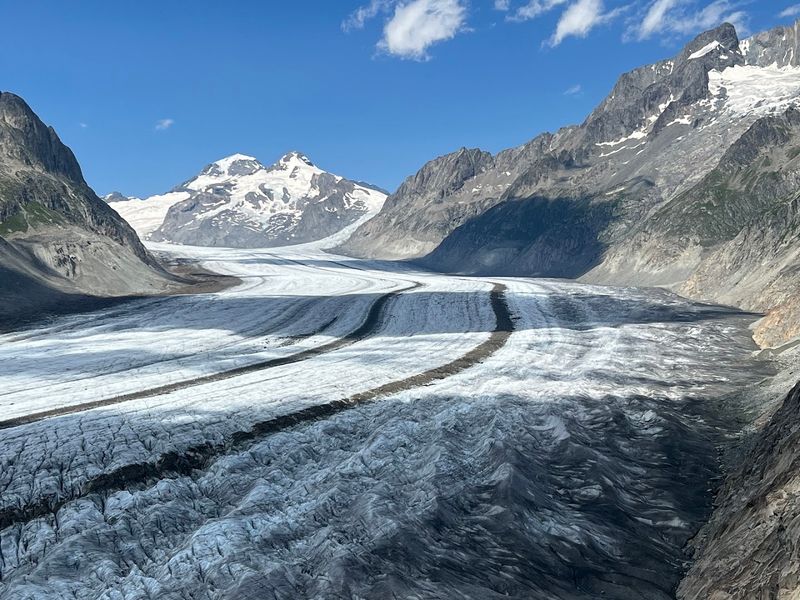
Stretching 23 kilometers from end to end, the Great Aletsch Glacier is the largest glacier in the entire Alps, and seeing it for the first time feels like discovering something the modern world somehow forgot to ruin. This colossal river of ice moves slowly downhill, carrying rocks, debris, and thousands of years of compressed snowfall toward the valleys below.
It is genuinely ancient and genuinely awe-inspiring.
The glacier sits at the heart of the Jungfrau-Aletsch UNESCO World Heritage Site, recognized for both its natural beauty and its scientific importance. Climate researchers monitor it closely as a key indicator of Alpine climate change, and unfortunately the glacier has retreated significantly over recent decades.
Visiting now feels both wonderful and a little urgent for that reason.
The best viewpoints are reached from Bettmerhorn or Eggishorn above the village of Riederalp. Cable cars lift you up to ridgelines where the full sweep of the glacier unfolds below in all its frozen glory.
Guided walks onto the ice itself are available for those who want a closer look. The Aletsch Glacier is a place that redefines your sense of scale and time in one unforgettable glance.
Lake Bled, Slovenia
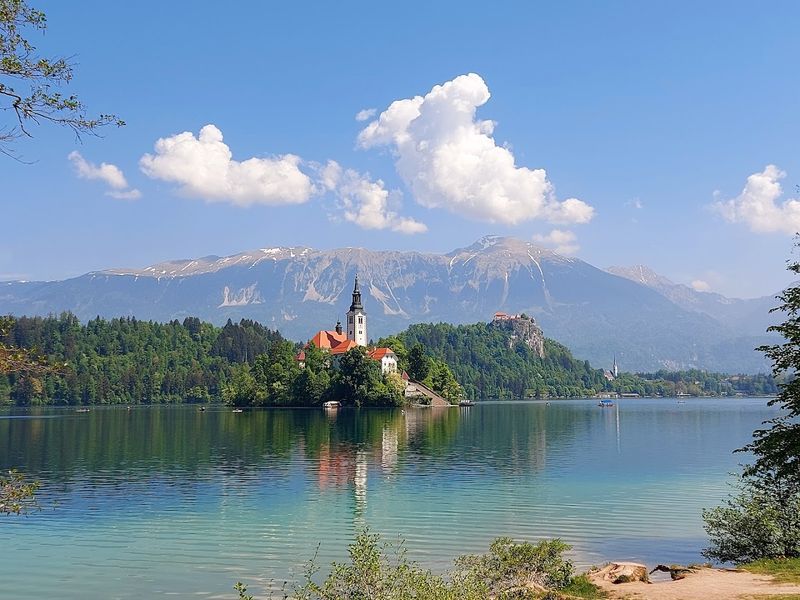
There is a tiny island in the middle of Lake Bled with a church on it, and a medieval castle perched on a cliff directly above the water, and Julian Alps mountains ringing the whole scene like a painted backdrop. Slovenia’s most famous postcard has no business being this beautiful, and yet here it is.
Lake Bled is the kind of place that makes travel photographers weep with gratitude.
Traditional wooden rowboats called pletnas ferry visitors across to the island church, where ringing the bell 33 times is said to grant a wish. The round trip rowing from shore is a popular and surprisingly satisfying way to reach the island independently.
Either way, the water is so clear you can watch fish moving far below the surface.
The surrounding trails reward exploration too. A short hike to Ojstrica viewpoint delivers arguably the most photographed view in Slovenia, best enjoyed at sunrise before the crowds arrive.
Bled’s famous cream cake, kremna rezina, is a non-negotiable dessert stop in town after any outdoor adventure. Slovenia sits on the southeastern edge of the Alpine arc, but Lake Bled proves it belongs firmly among Europe’s Alpine elite.
Stelvio Pass, Italy
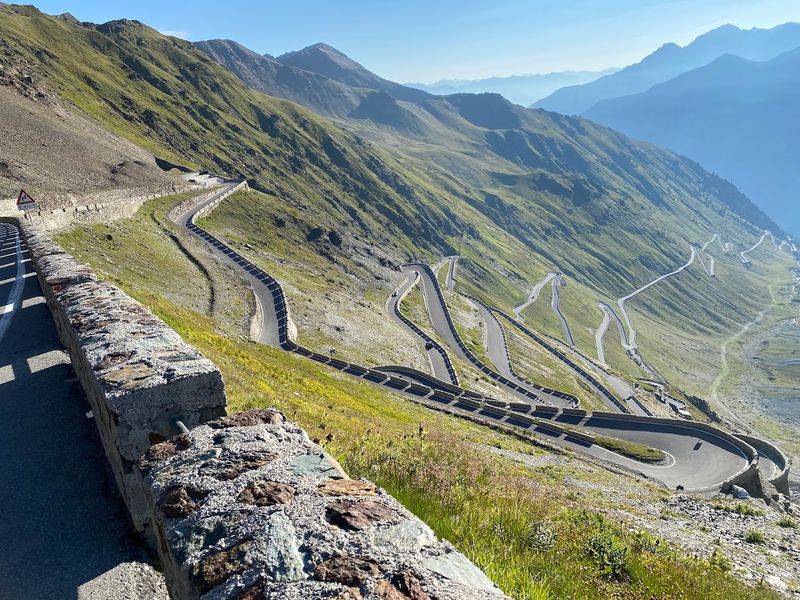
Forty-eight hairpin bends stacked on top of each other like a mountain road designed by someone with a very particular sense of humor, that is the Stelvio Pass in a single image. At 2,757 meters above sea level, it ranks as one of the highest paved mountain passes in the entire Alps.
Drivers, cyclists, and motorcyclists treat it as something close to a pilgrimage destination.
The road was built by the Austrian Empire between 1820 and 1825, which makes it even more impressive when you consider the engineering involved. Looking down from the top, you can count hairpin after hairpin zigzagging down the valley wall in an almost hypnotic pattern.
The BBC famously declared it one of the greatest driving roads in the world, and the queues of sports cars each summer suggest nobody disagrees.
Cyclists adore the Stelvio too, tackling its legendary gradients as part of the Giro d’Italia route that passes through here periodically. Surrounding peaks and glaciers of the Ortler Alps create a dramatic high-altitude backdrop.
The pass is only open during summer months, so timing your visit matters. When it is open, it rewards you with some of the most exhilarating mountain scenery in all of Italy.
Annecy, France
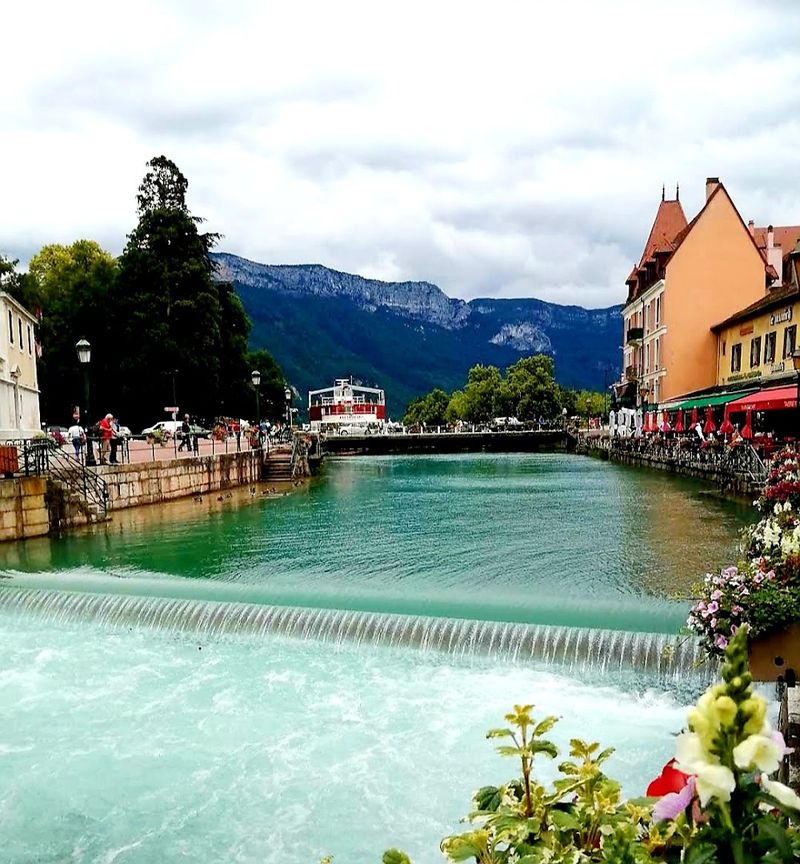
Canals running through a medieval old town, a turquoise lake so clean you could drink from it, and Alpine peaks framing the whole scene from every direction. Annecy earns its nickname as the Venice of the Alps, though locals might argue it has considerably better mountains and arguably better cheese.
The old town’s pastel-colored buildings hang over canal waterways in a way that stops pedestrians in their tracks.
Lake Annecy is consistently ranked among the cleanest lakes in Europe, with water clarity that lets you see the bottom even in relatively deep sections. Swimming, paddleboarding, kayaking, and cycling around the lake’s 40-kilometer perimeter are all hugely popular with visitors and locals alike.
The lakeside promenade fills with picnickers on warm summer evenings, creating a wonderfully relaxed atmosphere.
The 12th-century Palais de l’Isle sits on a tiny island in the middle of the main canal and is one of France’s most photographed historic buildings. Paragliding from the surrounding hills lands pilots directly on the lakeshore, making for quite an arrival.
Weekly markets overflow with local cheeses, charcuterie, and fresh produce that reflect the region’s rich culinary traditions. Annecy is a place where Alpine adventure and French joie de vivre meet perfectly.
Innsbruck, Austria
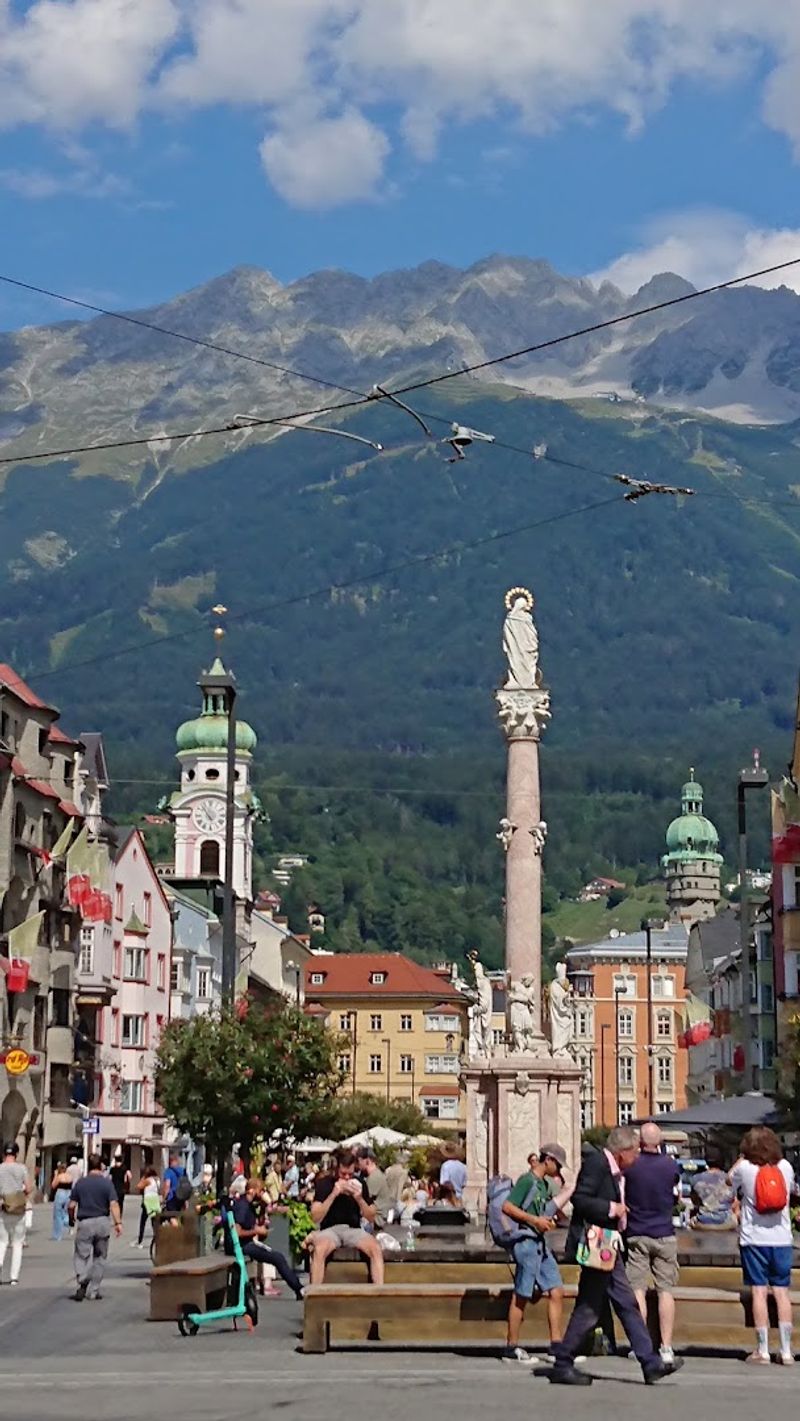
Innsbruck might be the only city in the world where you can ski on a glacier in the morning and browse a medieval imperial palace by afternoon. The Austrian Tyrolean capital sits in a valley so narrow that the Nordkette mountain range literally towers over the rooftops, creating one of the most dramatic urban backdrops imaginable.
It has hosted the Winter Olympics twice, in 1964 and 1976, and still carries that energy.
The historic Altstadt, or old town, is compact and walkable, centered on the famous Golden Roof, a late-Gothic balcony covered in 2,657 gilded copper tiles commissioned by Emperor Maximilian I. Wandering its arcaded streets past colorful facades gives a genuine sense of Habsburg-era grandeur.
The Imperial Palace nearby is equally impressive and remarkably well preserved.
Seven ski areas surround the city, all reachable by a free ski bus included with the Innsbruck Card. The Nordkette cable car departs practically from the city center and reaches 2,256 meters in under 25 minutes.
Summer hiking, mountain biking, and rock climbing keep the cable cars busy year-round. Innsbruck proves that a city can be both historically rich and wildly adventurous at exactly the same time.
Triglav National Park, Slovenia
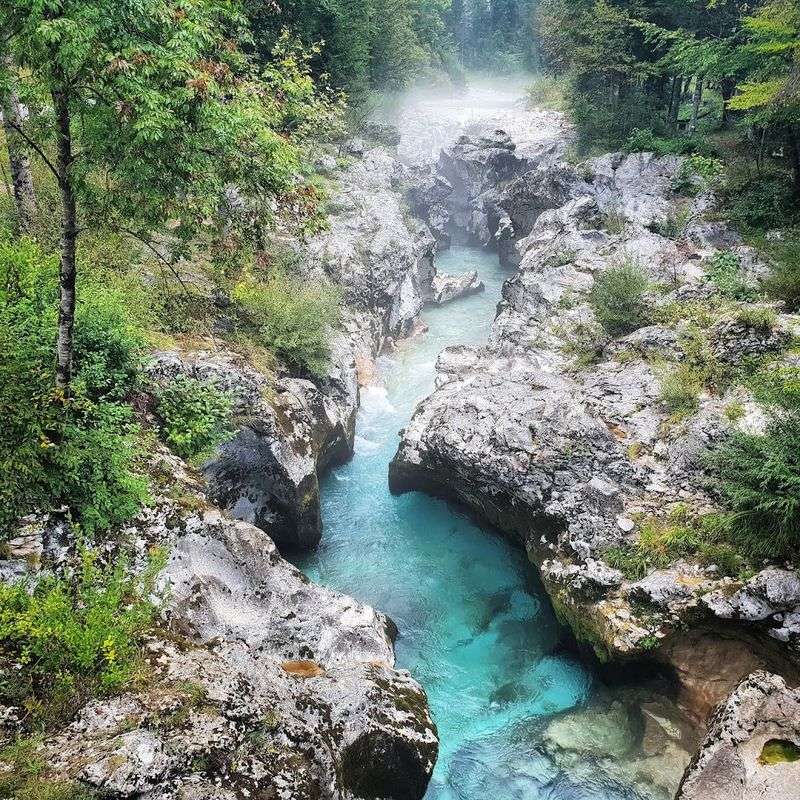
The color of the Soca River has to be seen to be believed. Running through the heart of Triglav National Park, it glows an almost electric shade of turquoise-green that makes every photograph look like it has been filtered.
Slovenia’s only national park protects 880 square kilometers of Julian Alps wilderness, centered on Mount Triglav, the country’s highest peak at 2,864 meters.
Triglav holds deep national significance for Slovenians. Climbing it is considered something of a rite of passage, and the mountain even appears on the Slovenian national flag and coat of arms.
Guided ascents are available for those without prior mountaineering experience, making the summit accessible to fit and determined hikers.
The Vrsic Pass, a scenic mountain road with 50 hairpin bends, crosses the park at high altitude and offers extraordinary panoramas of surrounding peaks and valleys. Waterfalls like Savica and Pericnik add dramatic punctuation marks to hikes through the park’s dense forests.
The Soca Trail following the river for 25 kilometers is one of the finest valley walks in the entire Alpine region. Triglav National Park is Slovenia’s crown jewel, and it wears that title with effortless, understated confidence.
Aosta Valley, Italy
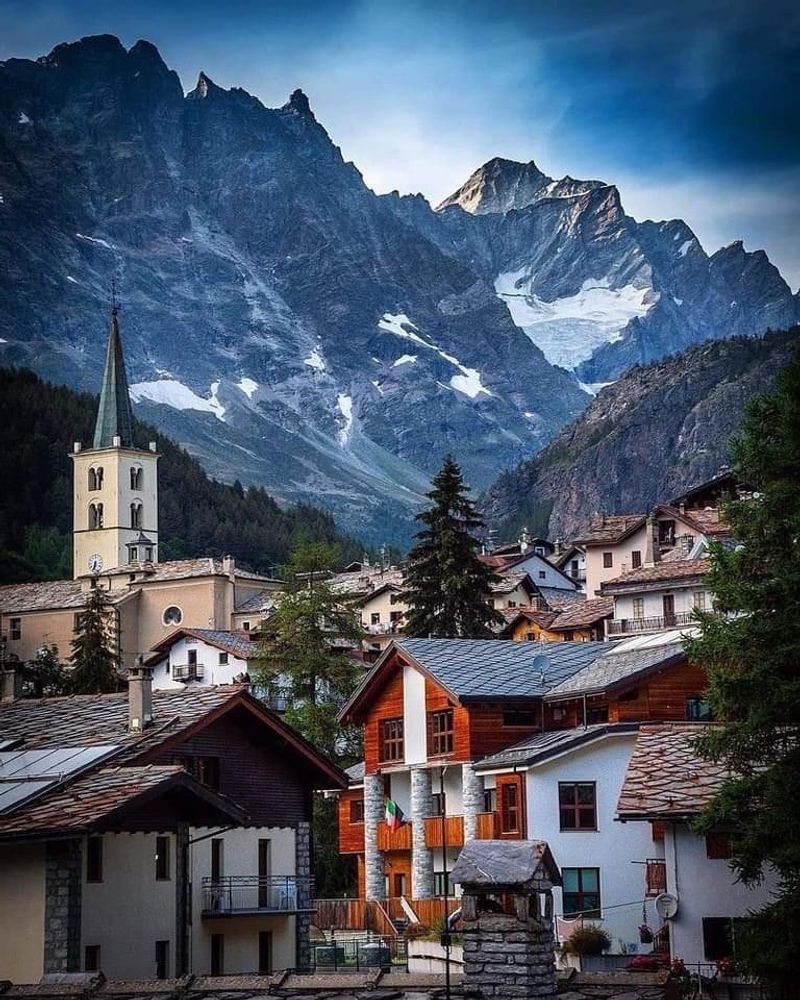
Italy’s smallest region punches so far above its weight that it barely seems fair to the other twenty. The Aosta Valley is hemmed in by four of Europe’s highest mountains, Mont Blanc, the Matterhorn, Monte Rosa, and Gran Paradiso, creating a natural fortress of staggering proportions.
Roman ruins, medieval castles, and Alpine villages share the valley floor in an improbable but completely charming combination.
Gran Paradiso National Park, Italy’s oldest national park, covers a large portion of the valley’s southern slopes. Ibex, chamois, and golden eagles thrive here in numbers rarely seen elsewhere in the Alps.
Hiking trails wind through high-altitude meadows where wildflowers bloom brilliantly from June through August.
The valley’s food and wine culture is a delightful surprise for first-time visitors. Local specialties include fontina cheese, lard d’Arnad, and hearty soups that reflect centuries of mountain living.
The regional wine route connects small vineyards producing grapes at some of Europe’s highest altitudes. Over 70 medieval castles and towers dot the valley, more per square kilometer than almost anywhere in Europe.
Aosta Valley rewards slow, curious travelers who take time to peel back its many layers of history, nature, and flavor.
Share this story