Europe is home to some of the most breathtaking places on Earth, and UNESCO World Heritage Sites represent the very best of the best. These locations have been recognized for their outstanding value to humanity, whether through stunning natural beauty, remarkable history, or extraordinary architecture.
From prehistoric stone circles to island cities built on water, the variety across this one continent is genuinely hard to believe. If your travel bucket list needs a serious upgrade, these 15 UNESCO sites are an excellent place to start.
Plitvice Lakes National Park, Croatia
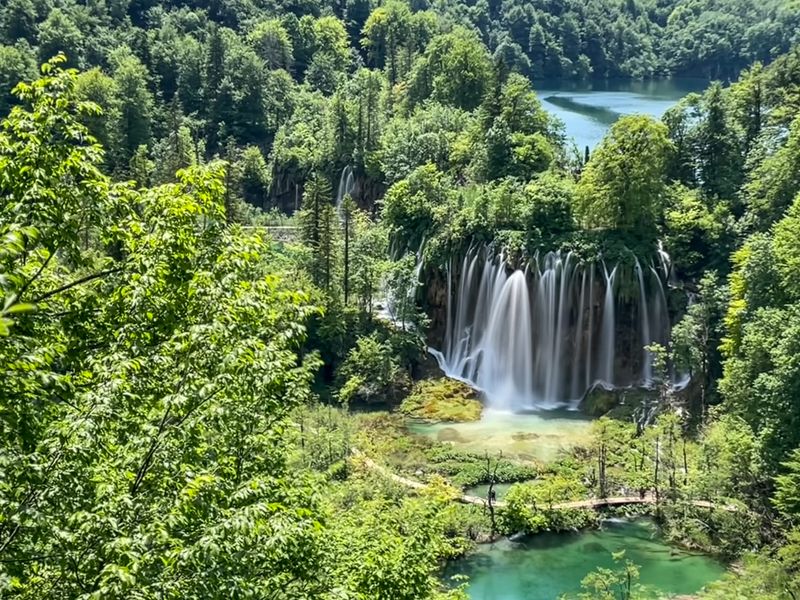
Nobody warned you that a national park could look this unreal. Plitvice Lakes in Croatia features a chain of brilliant turquoise, blue, and green lakes connected by waterfalls and gentle cascades, all visible from wooden walkways that take you right above the crystal-clear water.
What makes this place truly fascinating is that the landscape is still being shaped. Calcium carbonate carried by the water continuously builds natural tufa barriers, formed through the activity of mosses, algae, and microorganisms.
Those barriers are what create the separate lakes you see today.
The national park covers nearly 30,000 hectares, most of which is dense forest inhabited by brown bears, wolves, and lynx. UNESCO added Plitvice to its World Heritage list back in 1979.
Visiting early in the morning gives you the best chance to enjoy the boardwalks before the crowds arrive and the colors of the water are at their most vivid in morning light.
The Dolomites, Italy
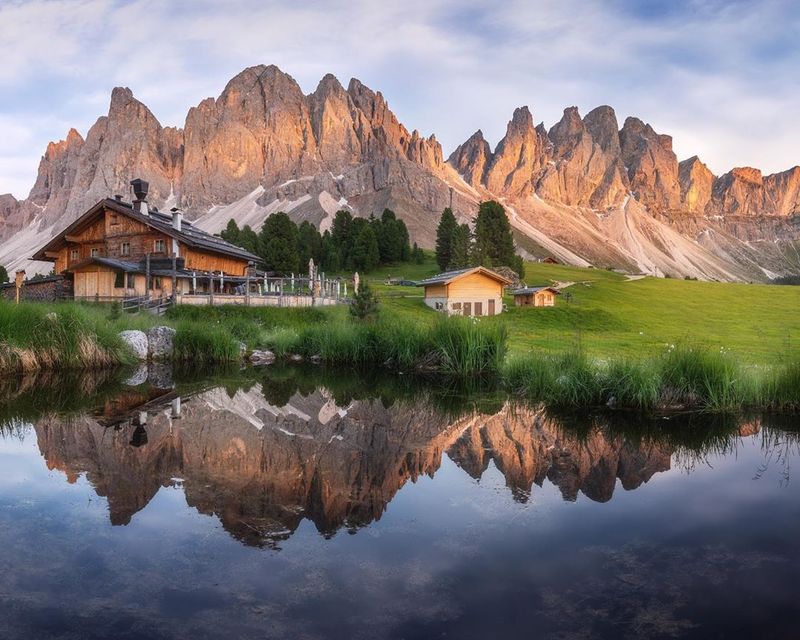
These mountains do not ease you in gently. The Dolomites shoot almost straight up from valleys and meadows, forming towers, pinnacles, and cliffs that glow pink and orange when the evening sun hits the pale limestone.
It is the kind of scenery that makes you stop mid-sentence.
UNESCO protected nine separate mountain areas here, covering more than 141,000 hectares and including 18 peaks above 3,000 meters. Some limestone cliffs rise over 1,500 meters, ranking among the tallest of their kind on the planet.
Beyond the beauty, the exposed rock preserves a globally important record of ancient marine life and the recovery of species after Earth’s largest known mass extinction.
For visitors, all that science translates into an incredible outdoor playground. Summer brings hiking trails, mountain huts, via ferrata routes, and wildflower meadows.
Winter turns the same valleys into major ski destinations. The Dolomites manage to be both a geological treasure and one of Europe’s most spectacular places to simply get outside and explore.
Meteora, Greece
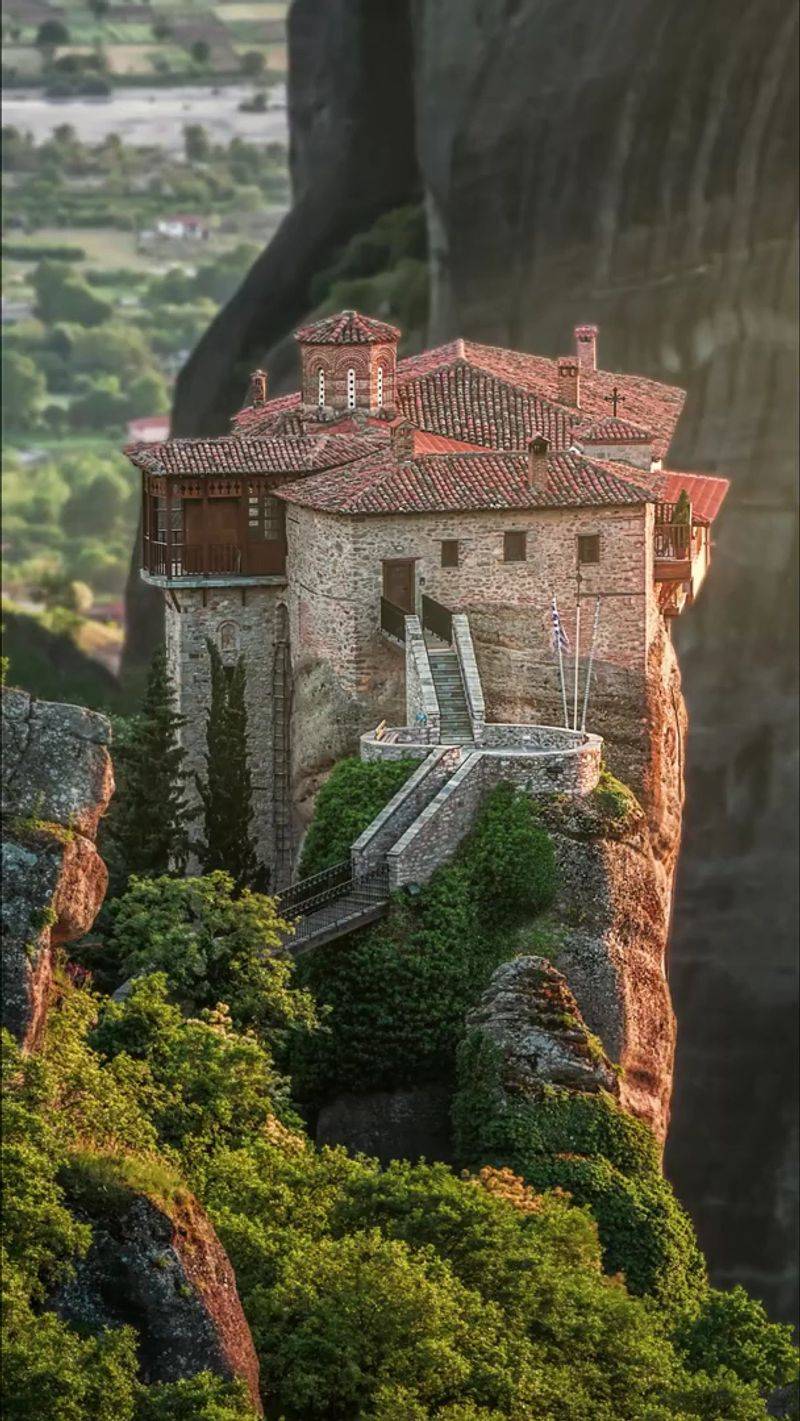
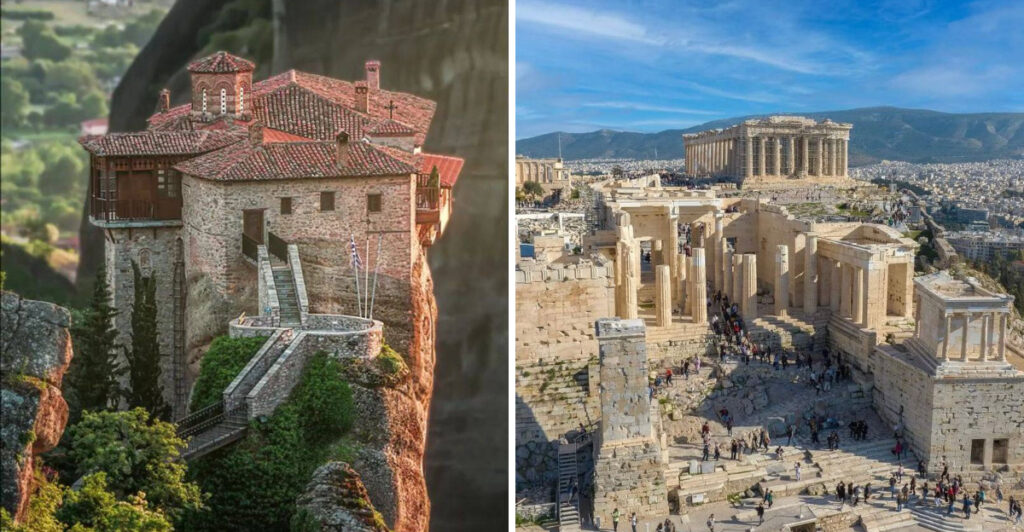
Standing at the base of Meteora and looking up, the first question that comes to mind is a practical one: how on earth did anyone build up there? Enormous sandstone pillars rise from the plains of central Greece, and monasteries sit on their summits in positions that look genuinely impossible.
Hermits first began settling among the formations around the 11th century. As instability spread through medieval Thessaly, organized monasteries were constructed on the most inaccessible peaks.
By the late 15th century, there were 24 of them. The extreme height was not just a building challenge; it was part of the spiritual point.
Isolation meant safety and a life removed from everyday distraction.
Today, roads and stairways make the surviving monasteries much easier to reach than they were for the original monks. But the setting remains extraordinary.
Buildings appear to grow directly from the rock, and monastery courtyards look out over vast valleys stretching far below. UNESCO recognizes Meteora for both its monastic heritage and its remarkable landscape.
Arriving late in the afternoon, when warm light catches the stone pillars, is an experience that stays with you.
Acropolis of Athens, Greece
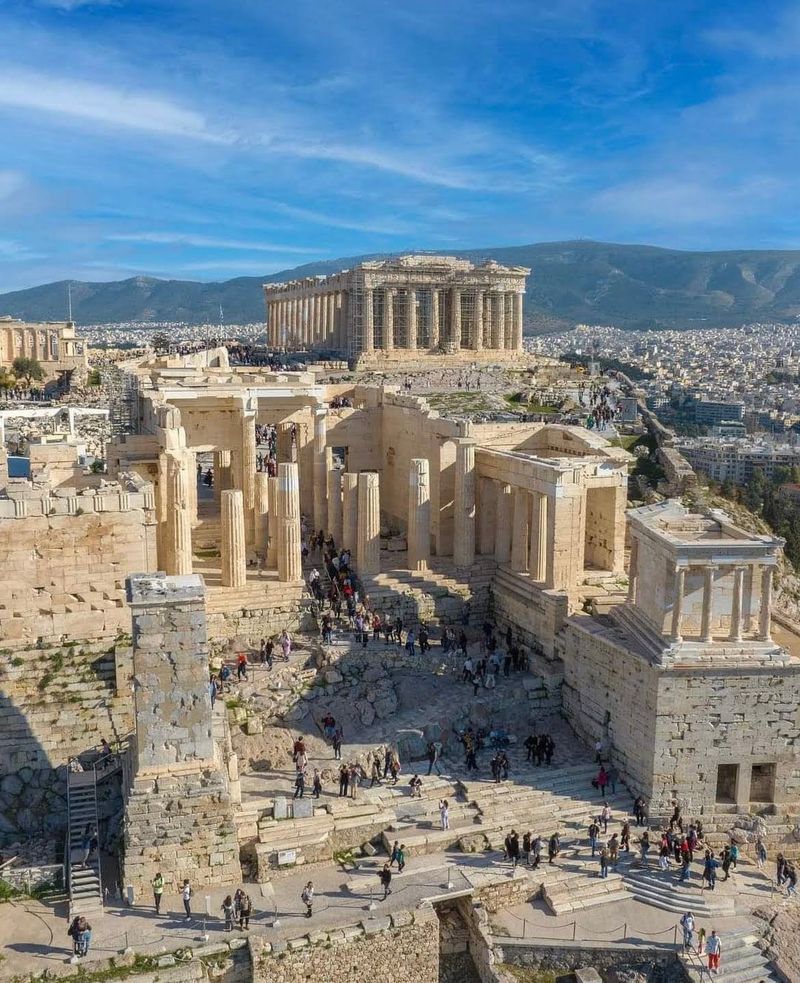
Photographs of the Acropolis are everywhere, and that familiarity can trick you into thinking you already know what it feels like to be there. You do not.
The rocky hill has been fortified for more than 3,300 years, and its defining monuments belong to a remarkable fifth-century building program associated with the Athenian leader Pericles.
The Parthenon gets most of the attention, but the UNESCO property also includes the Erechtheion, the Propylaea, and the Temple of Athena Nike. Together, UNESCO describes them as the most complete surviving ancient Greek monumental complex anywhere in the world.
Their influence on architecture across Europe and beyond is almost impossible to measure.
Visiting in person adds something photographs consistently fail to capture. Turn away from the marble columns and the modern city of Athens spreads in every direction to the horizon.
The Acropolis is not a quiet archaeological site tucked away from daily life. It remains the visual and historical center of a living, breathing metropolis of millions.
That combination of ancient stone and modern city is genuinely unlike anything else on this list.
Mont-Saint-Michel and Its Bay, France
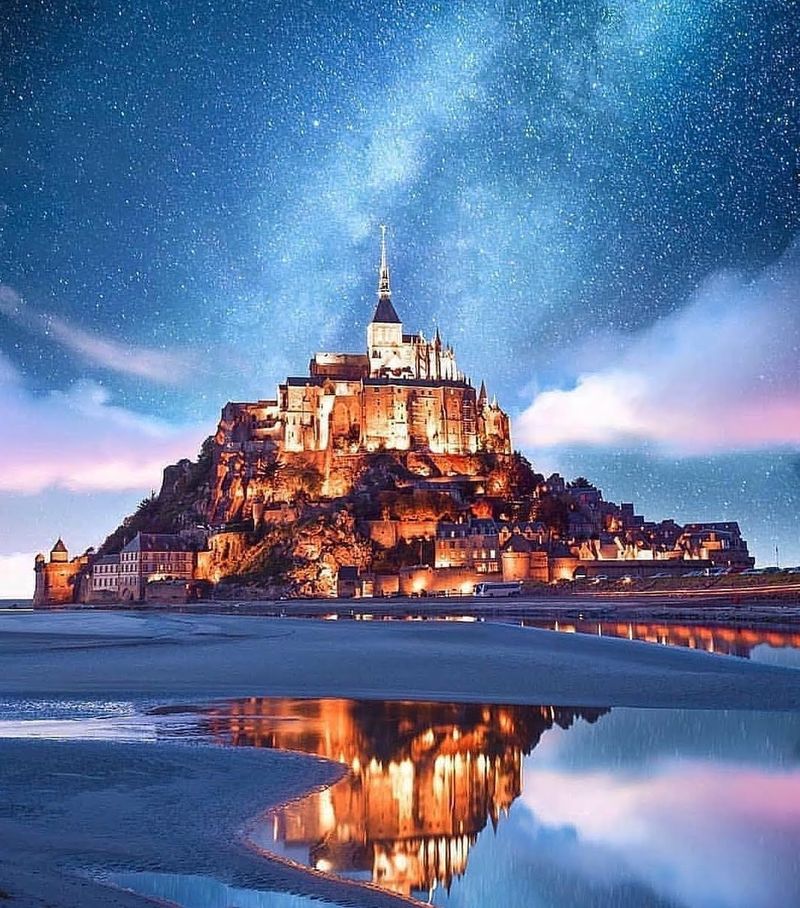
The island starts working on you from several kilometers away, long before you reach it. Mont-Saint-Michel rises from enormous tidal flats between Normandy and Brittany, topped by a Gothic Benedictine abbey that looks far too large for the small rock it sits on.
UNESCO has called it the Wonder of the West, and from a distance, it is hard to argue.
Construction of the abbey stretched from the 11th through the 16th centuries, requiring architects to adapt religious buildings, crypts, grand halls, and defensive structures to an extremely steep and narrow site. Walk closer and the single dramatic silhouette breaks apart into a real village, with narrow streets climbing past stone houses before stairs lead upward toward the abbey itself.
Then there is the bay. Powerful tides dramatically change the surrounding landscape, exposing vast stretches of sand before the water returns.
The natural tidal cycle is as much a part of the experience as the abbey itself. Mont-Saint-Michel is extraordinary architecture, but the bay is what gives it that almost supernatural quality.
Timing your visit around high tide, when water surrounds the island completely, is absolutely worth planning ahead for.
Alhambra, Generalife, and Albayzin, Granada, Spain
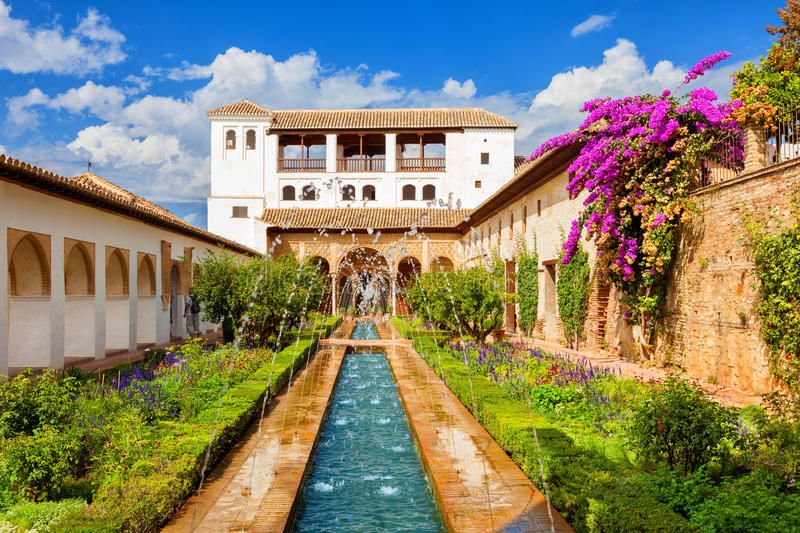
From the outside, the Alhambra presents itself as a fortress sitting on a hill above Granada. Step through its gates and the whole atmosphere shifts completely.
Courtyards open around reflecting pools, walls vanish beneath layers of carved plaster, geometric tilework covers every surface, and water moves quietly through the complex as both decoration and practical design.
UNESCO describes the Alhambra as the only preserved palatine city of the Islamic period and the finest surviving example of Nasrid art and architecture. Across the Darro River, the Albayzin district preserves the medieval street pattern of the city that surrounded the palace.
Meanwhile, the Generalife served as the summer retreat of Granada’s rulers, featuring sophisticated gardens where water and plant life were used with remarkable intentionality.
The three areas complement each other beautifully. The Alhambra represents royal power and ceremony.
The Generalife offers a quieter, more personal side of the same rulers. The Albayzin shows the city that grew up around them both.
Visiting the Mirador de San Nicolas at sunset, with the palace glowing against the Sierra Nevada, ties all three histories together in one unforgettable view.
Venice and Its Lagoon, Italy
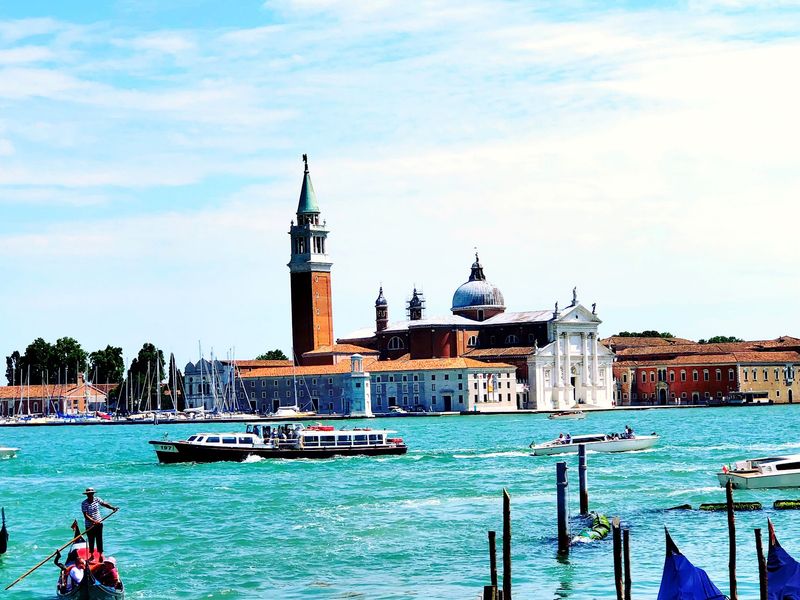
Venice is not just a city with canals running through it. UNESCO treats the entire city and surrounding lagoon as one single human achievement, and once you understand the full picture, that assessment makes complete sense.
Founded in the fifth century, Venice eventually spread across 118 small islands and became one of the great maritime powers of the medieval world.
The canals are not a decorative feature added for charm. They are the original lagoon landscape, transformed over centuries into a fully functional urban transportation network.
The World Heritage property covers more than 70,000 hectares and includes not just the central city but the wider lagoon communities stretching from Torcello to Chioggia.
The architecture alone would justify UNESCO status. St. Mark’s Basilica, the Doge’s Palace, countless churches, merchant houses, and palazzos contain works connected to Titian, Tintoretto, Veronese, and Giorgione.
UNESCO describes the whole city as an architectural masterpiece. Venice is famous enough to create unrealistic expectations.
Then a water bus turns onto the Grand Canal at dusk and the city reminds you, quietly and completely, why that reputation has lasted for centuries.
Old City of Dubrovnik, Croatia
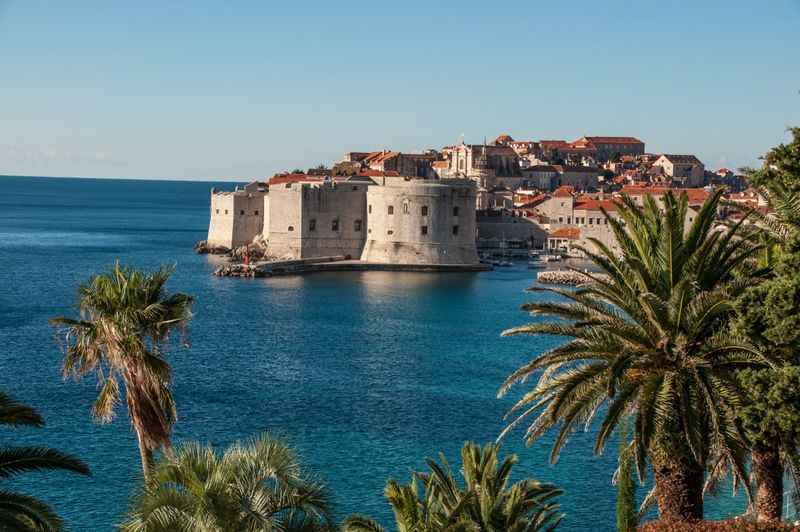
Few cities in Europe look as good from above as Dubrovnik. Terracotta roofs pack tightly inside massive limestone walls, while the deep blue Adriatic stretches out beyond them.
It is a view that appears on countless travel lists, and the real thing still manages to exceed expectations.
UNESCO traces Dubrovnik’s importance as a Mediterranean maritime power back to the 13th century, when the city developed into the center of an influential republic with commercial networks across the region. Its architectural heritage survived remarkable hardship.
A catastrophic earthquake struck in 1667, and armed conflict caused significant damage during the 1990s. Yet Gothic, Renaissance, and Baroque churches, monasteries, palaces, and fountains remain.
Walking the full circuit of the city walls provides the essential experience. The viewpoint shifts constantly: on one side, a beautifully preserved historic city; on the other, open sea.
Dubrovnik gets extremely crowded during summer days, particularly when multiple cruise ships arrive at once. Early morning and late afternoon offer the same architecture with far more breathing room.
Arriving before the main crowds gives you the city at its most atmospheric, when the light is softer and the streets belong to you.
Cultural Landscape of Sintra, Portugal
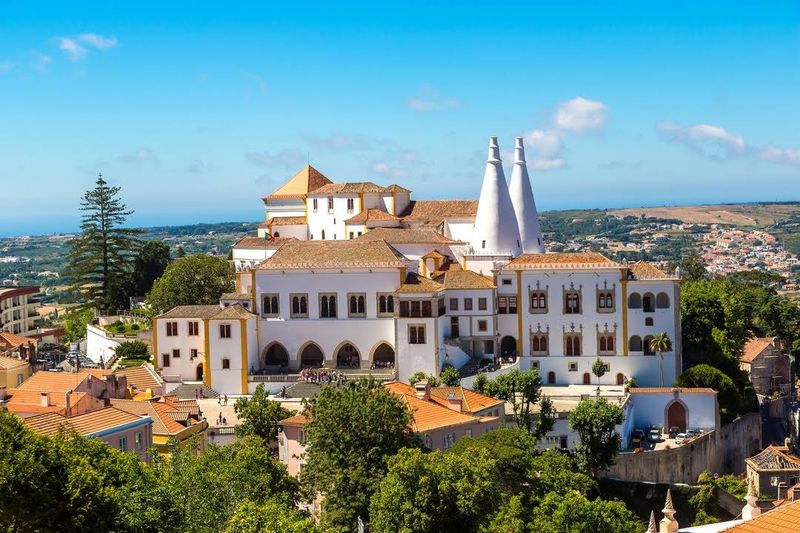
Sintra looks like someone gave a group of architects very different design briefs and then told them all to build on the same forested hillside. The result is one of Europe’s most visually surprising UNESCO sites, where Romantic palaces, Moorish ruins, and exotic gardens compete for your attention across a single Portuguese landscape.
Sintra became Europe’s first major center of Romantic architecture during the 19th century. Around 1840, Ferdinand II transformed a ruined monastery into what became Pena Palace, deliberately mixing Gothic, Moorish, Egyptian, and Renaissance styles in one colorful, theatrical building.
The surrounding park was planted with local and exotic species and filled with paths, ponds, fountains, and decorative ruins.
Elsewhere in the same landscape, the Moorish Castle occupies a rocky summit, the National Palace anchors the town center, and the gardens of Monserrate blend European and Indian architectural influences into something genuinely unique. UNESCO credits Sintra with influencing Romantic landscape design across Europe.
The best visit is not a single building or a quick photo stop. It is a full day of wandering, discovering how many completely different worlds can exist within one compact hillside.
Stonehenge and Avebury, England
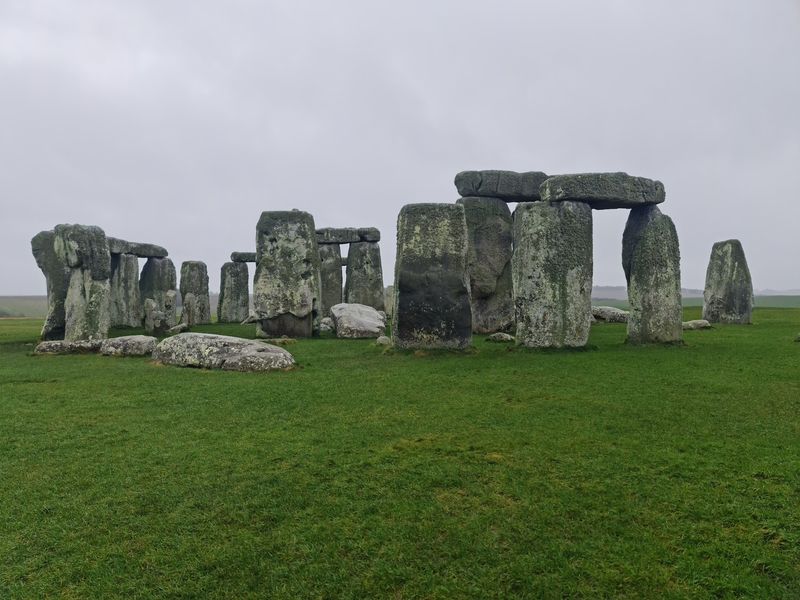
There is something quietly unsettling about standing next to stones this old. Stonehenge is the most architecturally sophisticated prehistoric stone circle in the world, according to UNESCO, and up close the engineering becomes genuinely hard to process.
Some stones weigh more than 40 tons, bluestones were transported from roughly 240 kilometers away, and horizontal lintels were fitted using carefully shaped joints that would challenge modern builders.
But Stonehenge is only one part of the UNESCO property. Avebury contains the world’s largest prehistoric stone circle, while nearby Silbury Hill is the largest prehistoric mound in Europe.
The wider landscape preserves burial sites, ceremonial avenues, settlements, and earthworks developed over approximately 2,000 years between 3700 and 1600 BC.
The stones become significantly more impressive once you stop thinking of them as isolated objects. They were elements within a vast sacred landscape that communities shaped and used across dozens of generations.
Archaeologists continue to find new features in the surrounding area, which means our understanding of what all of it meant keeps evolving. Visiting at sunrise, when the stones catch the first light of day, connects you to the same view that people have experienced here for thousands of years.
Hallstatt-Dachstein Salzkammergut Cultural Landscape, Austria
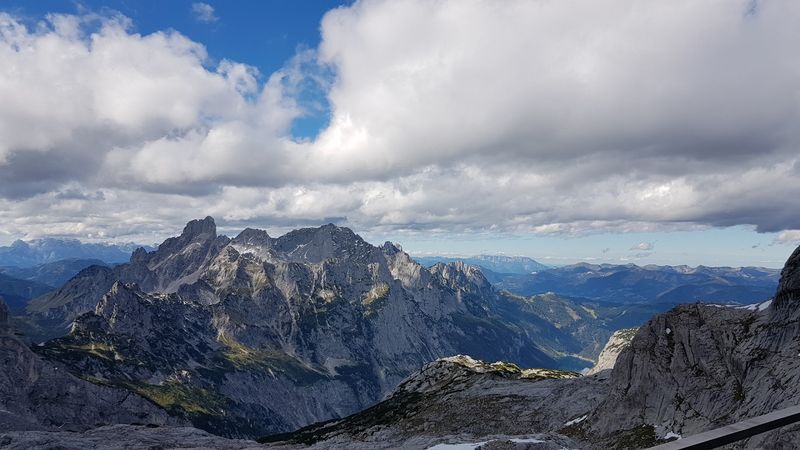
Some places look like they were designed specifically to be photographed, and Hallstatt is absolutely one of them. Traditional buildings line a narrow strip of land between Lake Hallstatt and steep Alpine slopes that rise almost immediately behind them.
The reflection in the lake on a calm morning is the kind of image that seems digitally enhanced until you are actually standing there.
The village’s history goes far deeper than its photogenic exterior. UNESCO notes that salt was being exploited in this region as early as the second millennium BC, with underground mining developing during the late Bronze Age.
During the Iron Age, the area’s prosperity and trade networks became so significant that the entire archaeological period is now known as the Hallstatt culture, named directly after this settlement.
Salt shaped nearly everything here: settlement patterns, forest management, trade routes, architecture, and the relationship between the community and the surrounding mountains. The UNESCO property protects a broader Alpine cultural landscape of almost 29,000 hectares, well beyond the famous village itself.
Hallstatt is popular, but staying overnight changes the experience dramatically. After the day visitors leave, the lake and mountains take back control of the scene entirely.
Giant’s Causeway and Causeway Coast, Northern Ireland
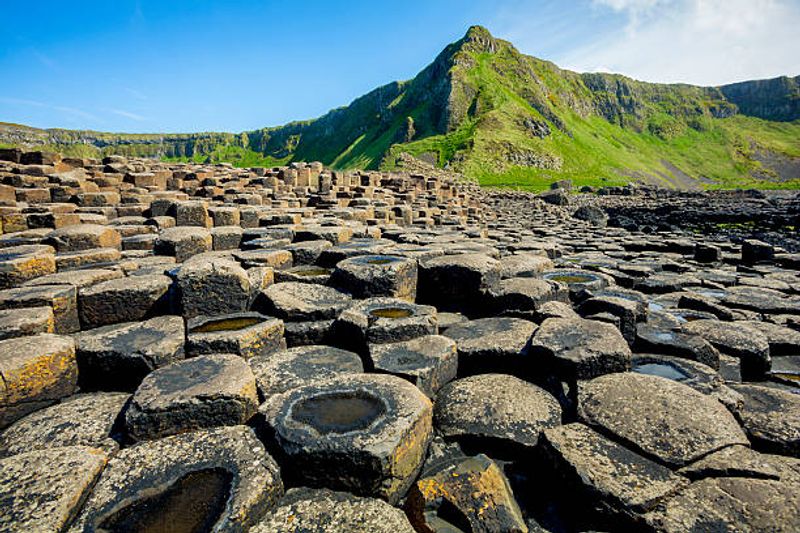
At first glance, the Giant’s Causeway looks like something a very patient and geometrically obsessed engineer built by hand. Around 40,000 interlocking basalt columns form tight polygonal shapes along the Northern Irish coastline, creating natural steps, platforms, and formations that stretch toward the Atlantic.
For centuries, the obvious explanation involved giants.
The geological truth is just as dramatic. The columns formed through volcanic activity around 50 to 60 million years ago, when cooling basalt fractured along predictable lines into the characteristic hexagonal shapes visible today.
UNESCO notes that scientific study of the Causeway over the past three centuries played a meaningful role in developing our understanding of Earth’s geological history and basaltic volcanism.
The columns are the headline feature, but the surrounding cliffs and Atlantic coastline complete the picture in a way that photographs rarely capture. When wind and waves are active, the landscape feels far less like a geology exhibit and considerably more like the edge of the world.
The Causeway Coast walking trail extends the experience well beyond the main formation, offering dramatic clifftop views that reward anyone willing to walk a little further than the first car park.
Rila Monastery, Bulgaria
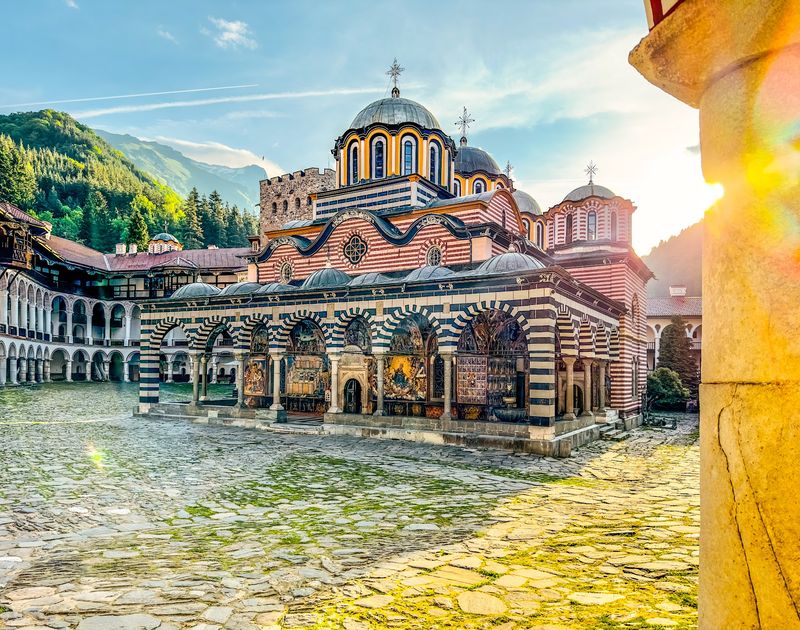
Getting to Rila Monastery requires winding roads through forested mountain valleys, and that journey feels completely appropriate by the time the complex comes into view. The monastery was founded in the 10th century by St. John of Rila, whose hermitage and tomb drew pilgrims and eventually formed the foundation of one of Bulgaria’s most important religious sites.
Its significance expanded well beyond spiritual life. During centuries of Ottoman rule, Rila became a vital center of Bulgarian cultural, artistic, and literary identity.
UNESCO considers it a major symbol of the Bulgarian National Revival. Much of the current architectural appearance dates from rebuilding after a devastating fire in the early 19th century.
Inside the fortified outer walls, striped arcades surround a courtyard dominated by the main church and the medieval Hrelyo Tower, with frescoes covering exterior galleries in extraordinary detail.
Then there is the setting, which reinforces everything. Forested mountain peaks rise on all sides, creating the sense of spiritual separation that originally drew hermits to this landscape over a thousand years ago.
Rila is one of the most rewarding UNESCO sites in Europe partly because it remains far less crowded than most others on this list. That quietness is its own kind of gift.
Historic Centre of Bruges, Belgium
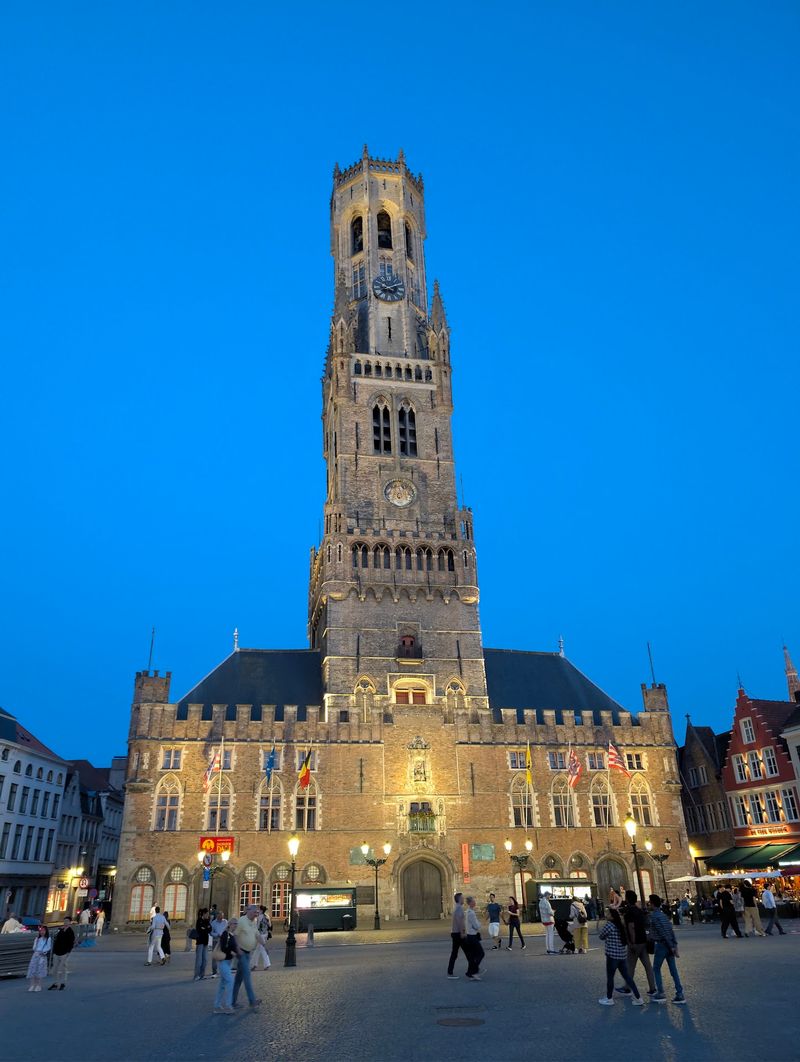
Bruges is proof that a medieval city can survive almost completely intact if it gets a little lucky with history. During the Middle Ages, Bruges was one of Europe’s most important commercial and cultural centers, with canals carrying goods through a dense network of guild buildings, merchant houses, churches, and civic spaces.
Then trade routes shifted, and the city was largely bypassed by later development.
UNESCO emphasizes how much of the original framework survives. The medieval street pattern remains largely unchanged, canals still structure daily movement through the city, historic gates stand at the old boundaries, and brick Gothic architecture continues to define the skyline.
Bruges was also a major center for early Flemish painting. Artists including Jan van Eyck and Hans Memling worked within the city’s prosperous environment, and important collections of their work are still held there today.
The obvious attractions are the Markt, the Belfry, the canals, and the Begijnhof. But Bruges becomes genuinely compelling once you start walking without a specific destination.
Turn away from the busiest squares and follow quieter canals instead. Within a few minutes, the 21st century starts to feel surprisingly optional.
That is Bruges at its best, and it does not require much effort to find.
Palace and Park of Versailles, France
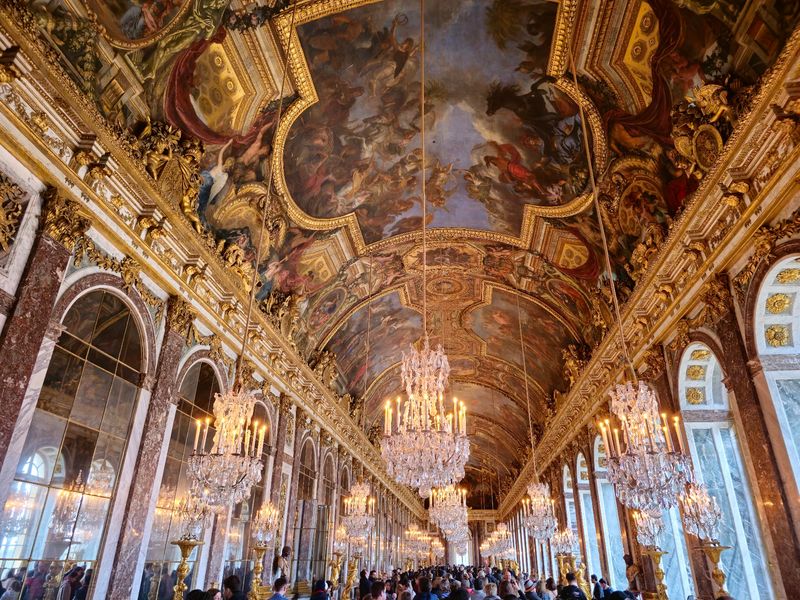
Versailles was never just a home. It was a political statement built in stone, gardens, gold, and mirrors, designed to make every visitor understand exactly who held power in France.
The estate served as the principal residence of French kings from Louis XIV through Louis XVI, and generations of architects, painters, sculptors, and landscape designers spent their careers expanding it into something without obvious comparison.
The Hall of Mirrors is the famous interior, and it earns its reputation. But the UNESCO property extends far beyond one glittering corridor.
It incorporates the main palace, the Trianon palaces, the formal gardens, and long visual axes extending toward the Grand Canal across a property of 1,070 hectares. Landscape designer Andre Le Notre used geometry, fountains, canals, and controlled perspectives to turn the surrounding land into an extension of the architecture itself.
The influence spread across an entire continent. UNESCO notes that Versailles became the model for royal residences for more than a century, shaping palace and garden design from Germany and Austria to Scandinavia and Britain.
The true scale only becomes clear after several hours of walking, and that was entirely intentional. Versailles was architecture designed to make royal power feel limitless, and it still communicates that message with remarkable effectiveness.
Share this story