People have been touching, rubbing, and tossing coins at statues for centuries, hoping a little magic might rub off on them. From a tiny bronze boy in Brussels to a giant golden Buddha across Asia, these sculptures have become more than just works of art.
Travelers go out of their way to find them, snap a photo, and follow the local ritual, just in case it really works. Whether you believe in luck or not, the stories behind these statues are fascinating and worth knowing.
1. Charging Bull – New York City, USA
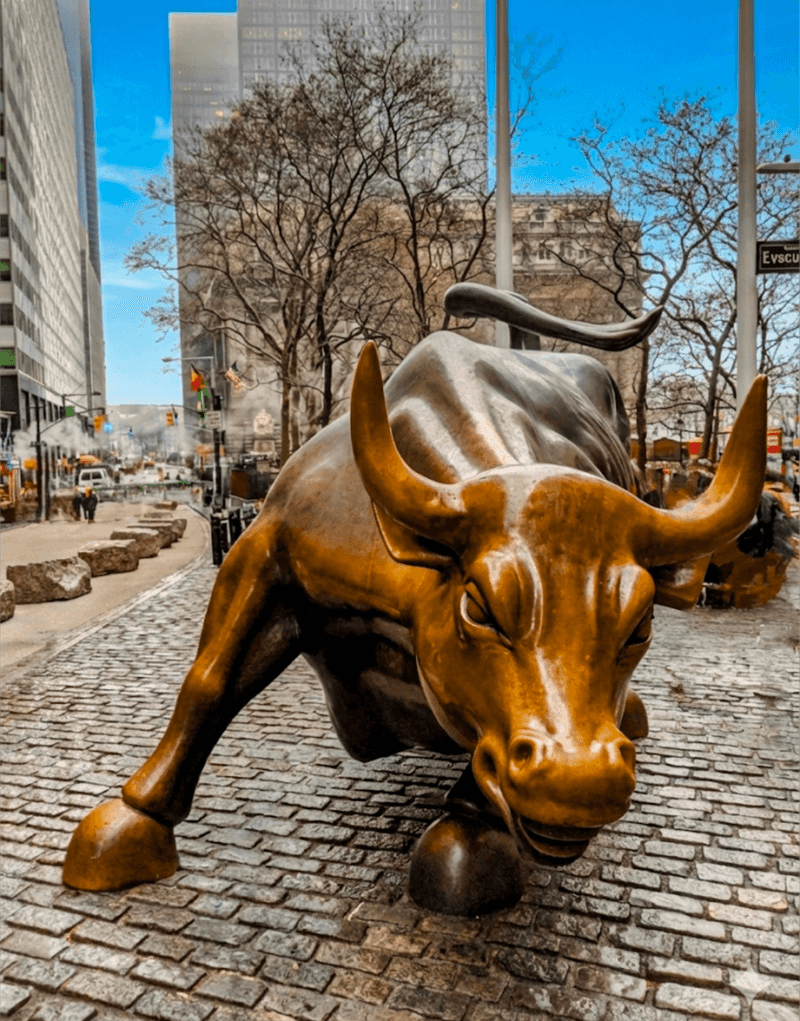
Few statues in the world attract as many hopeful hands as the Charging Bull on Wall Street. Installed by artist Arturo Di Modica in 1989, this 7,100-pound bronze sculpture was actually placed on the street without permission as a gift to New York City after the 1987 stock market crash.
Visitors flock to it daily, rubbing its nose, horns, and other parts in hopes of attracting financial luck and prosperity. The tradition has no ancient roots, but that has not slowed anyone down.
The bull’s polished spots are proof of just how many people believe, or at least hope, that the gesture works.
Located near Bowling Green in Lower Manhattan, the statue has become one of the most photographed landmarks in the city. If you are visiting New York and want a boost of financial optimism, a quick rub of the bull might be worth a try.
2. Il Porcellino – Florence, Italy
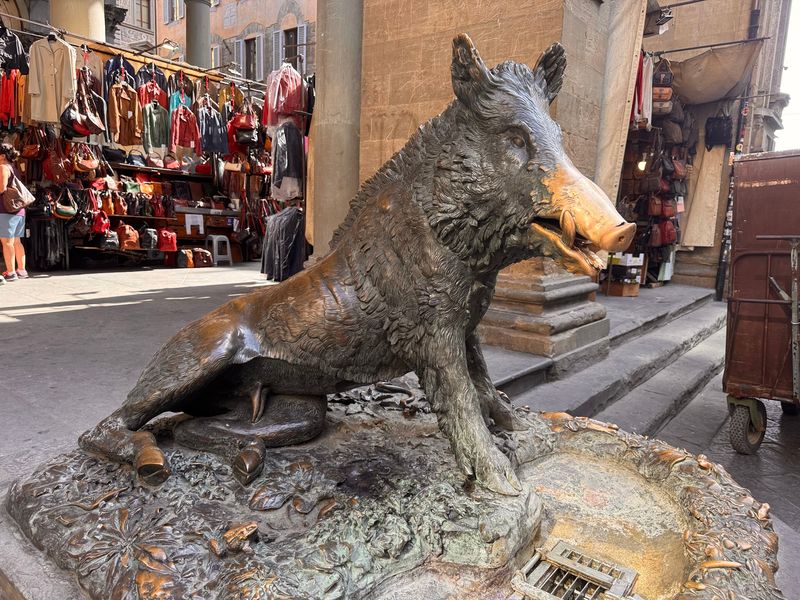
Tucked into the Mercato Nuovo in Florence, Italy, sits a charming bronze boar with a nose so shiny it practically glows. That shine is the result of thousands of hands rubbing it over the years, following a beloved local tradition.
The ritual is simple: rub the boar’s snout, place a coin in its mouth, and let the coin fall through the grate below. If it drops through, legend says your wish will be granted and you will return to Florence one day.
The original marble version dates back to ancient Rome, but the bronze copy has stood in Florence since the 17th century.
The name “Il Porcellino” means “little pig” in Italian, which is affectionate rather than accurate since the animal is clearly a wild boar. Visitors from around the world make this a must-do stop, turning a simple sculpture into a full-blown good luck ceremony.
3. Juliet Statue – Verona, Italy
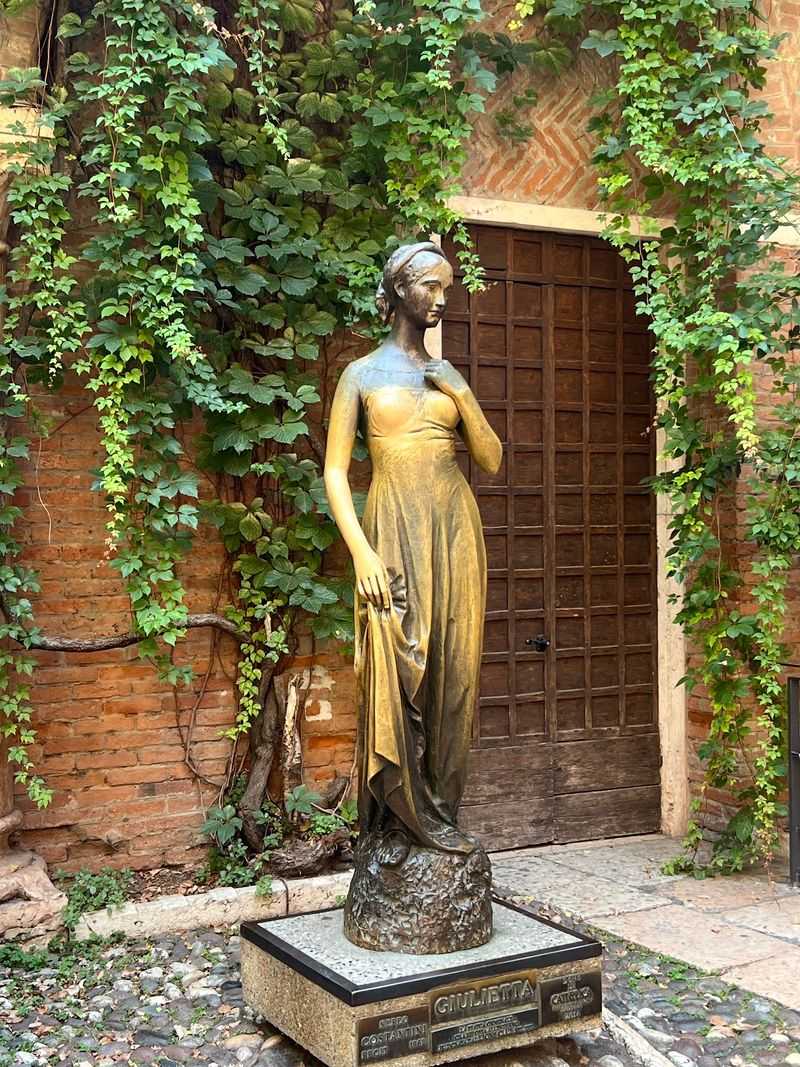
Standing in the courtyard of Casa di Giulietta in Verona, the bronze statue of Shakespeare’s most famous heroine has become a pilgrimage site for romantics worldwide. Tourists line up just to touch her right side, believing the gesture brings luck in love and relationships.
The tradition is entirely modern, invented sometime in the 20th century with no connection to Shakespeare’s original play. In fact, historians note that Juliet was a fictional character, making the whole ritual more about feeling than fact.
Still, that has not dampened anyone’s enthusiasm for the experience.
The statue was created by sculptor Nereo Costantini and installed in 1972. The courtyard walls surrounding her are plastered with love notes and chewing gum notes from visitors, adding to the romantic atmosphere.
Whether you are a believer in love luck or just a fan of great stories, the Juliet statue is hard to resist.
4. St. John of Nepomuk Statue – Prague, Czech Republic
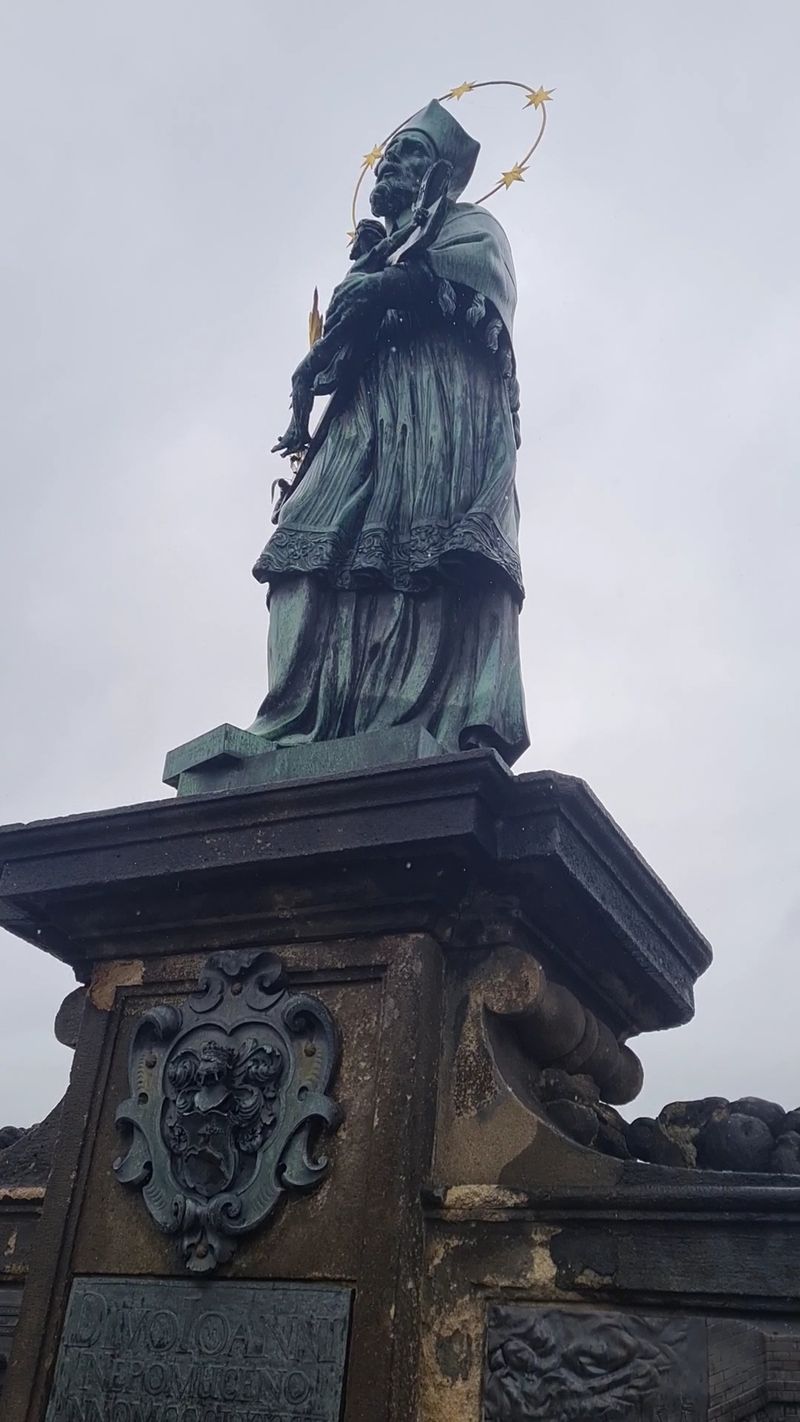
Charles Bridge in Prague is lined with 30 baroque statues, but one draws more hands than all the others combined. The statue of St. John of Nepomuk, a 14th-century priest who was thrown into the Vltava River on the orders of King Wenceslas IV, has become the bridge’s most beloved good luck charm.
At the base of the statue are two bronze plaques, and touching them is said to bring good luck and guarantee a return trip to Prague. The plaques are so heavily touched that they shine brilliantly against the darker patina of the surrounding metal.
The saint is depicted holding a cross and a palm frond, symbols of his martyrdom.
Locals and tourists alike stop here without fail. The tradition is centuries old, making it one of the more historically rooted luck rituals on this list.
Prague is a magical city, and this statue captures that spirit perfectly.
5. Victor Noir’s Tomb Effigy – Paris, France
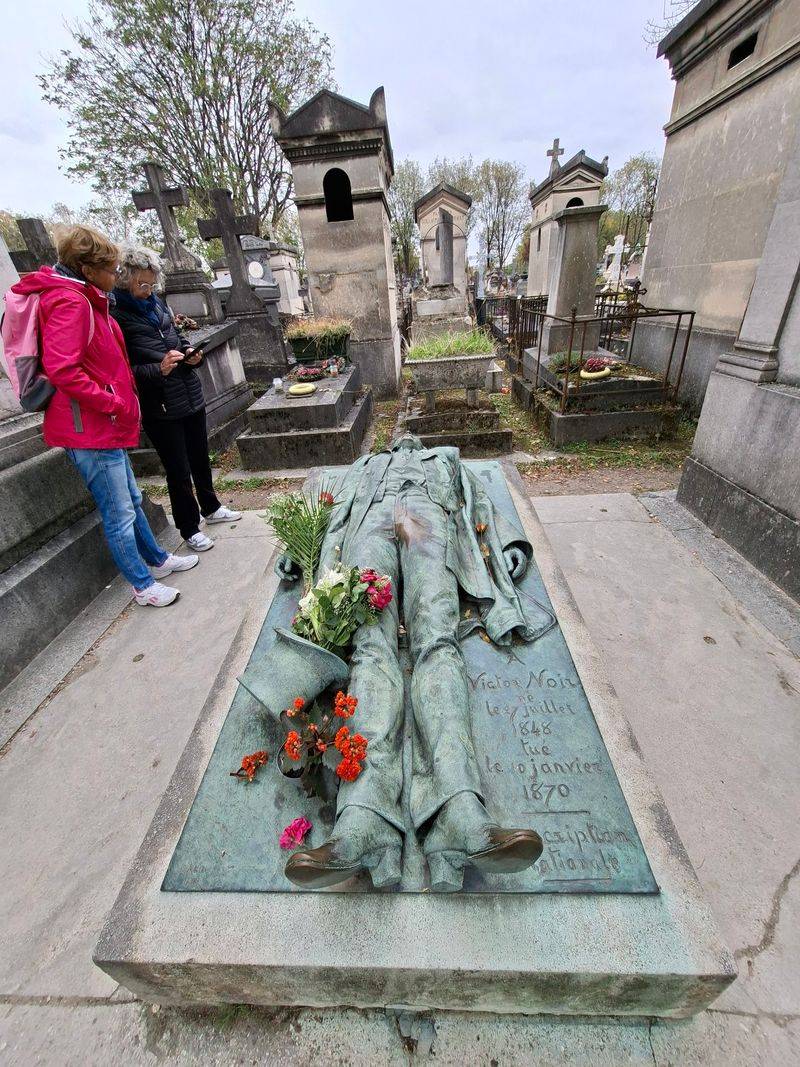
Pere Lachaise Cemetery in Paris is home to some of the most visited graves in the world, but one bronze figure there draws a very particular crowd. Victor Noir was a young journalist shot dead in 1870, and his life-size bronze effigy, sculpted by Jules Dalou, lies flat on his tomb as if he simply fell where he stood.
Over the years, the statue developed an unusual reputation for bringing fertility and romantic luck to those who touch certain parts of it. The effigy’s lips and other areas are noticeably polished from constant contact.
Some visitors leave lipstick marks or flowers as part of the ritual.
The tradition is quirky and undeniably French in its romanticism. Cemetery officials have occasionally tried to discourage the practice, but visitors keep coming.
Victor Noir, in death, has become far more famous than he ever was in life, which is either ironic or fitting depending on how you look at it.
6. Everard ‘t Serclaes Monument – Brussels, Belgium
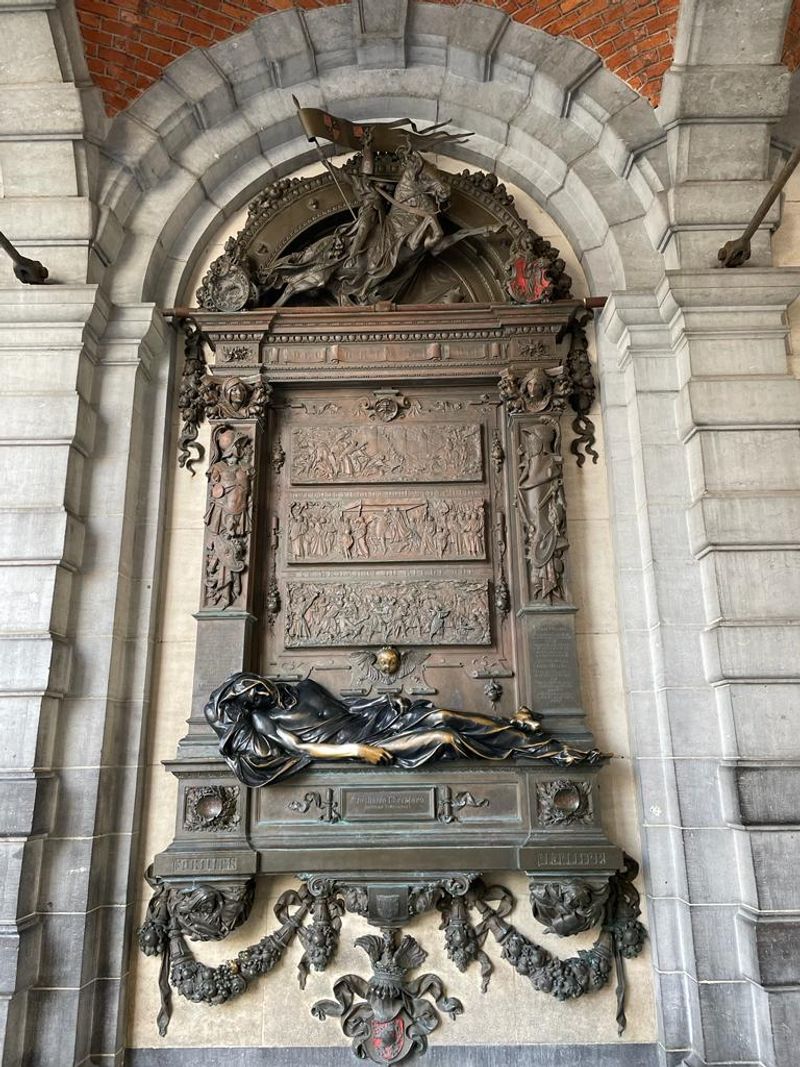
Not far from Brussels’ famous Grand Place, a bronze figure rests quietly against a wall on Rue Charles Buls, and most tourists who pass by cannot resist reaching out to touch it. The monument honors Everard ‘t Serclaes, a medieval hero who helped liberate Brussels from foreign occupation in 1356.
According to local tradition, rubbing the arm or the eagle at his side brings good luck and ensures that you will return to Brussels someday. The arm of the statue is noticeably smoother and shinier than the rest of the bronze, worn down by decades of hopeful hands.
The story behind the man is genuinely moving. Everard was eventually captured and killed by his enemies, making his legacy one of bravery and sacrifice.
Today, his memorial serves both as a history lesson and a good luck ritual rolled into one. Brussels locals are proud of him, and visitors quickly adopt the tradition.
7. Molly Malone Statue – Dublin, Ireland
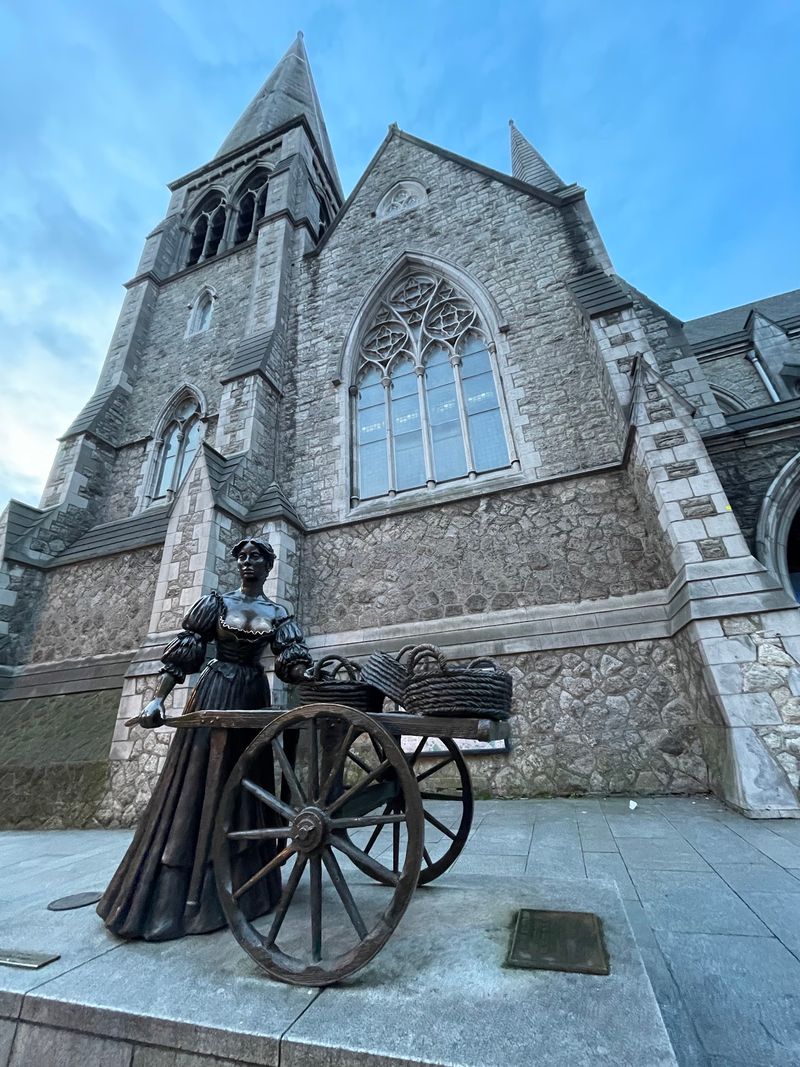
Molly Malone is as Irish as a pint of stout and a rainy afternoon, even if she may never have existed at all. The bronze statue on Grafton Street depicts a young fishmonger pushing her cart through the streets of Dublin, immortalizing the beloved character from the famous Irish folk song.
Tourists have developed a habit of touching the statue for good luck, a tradition that is entirely modern and visitor-driven rather than rooted in any ancient custom. Dubliners have given the statue several affectionate and cheeky nicknames over the years, which tells you something about the city’s sense of humor.
The statue was unveiled in 1988 to mark Dublin’s millennium celebration and was sculpted by Jeanne Rynhart. Whatever her real-life origins, Molly Malone has become one of Dublin’s most recognized symbols.
Stopping by for a photo, and maybe a hopeful touch, is practically a rite of passage for any visitor to the city.
8. The Little Princess Statue – Budapest, Hungary
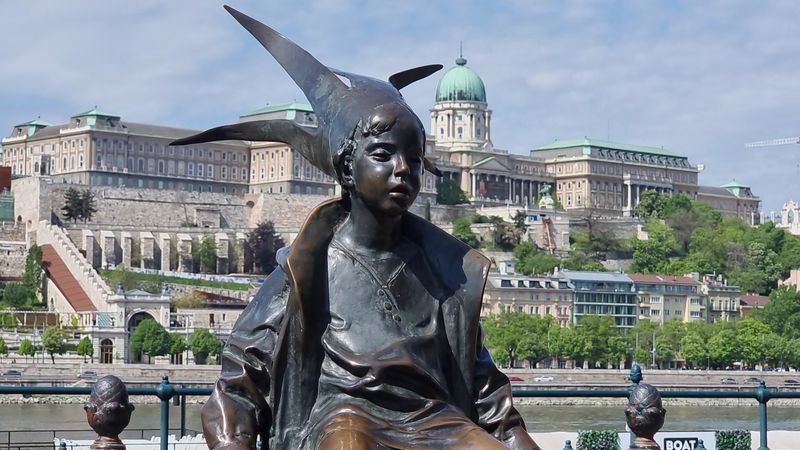
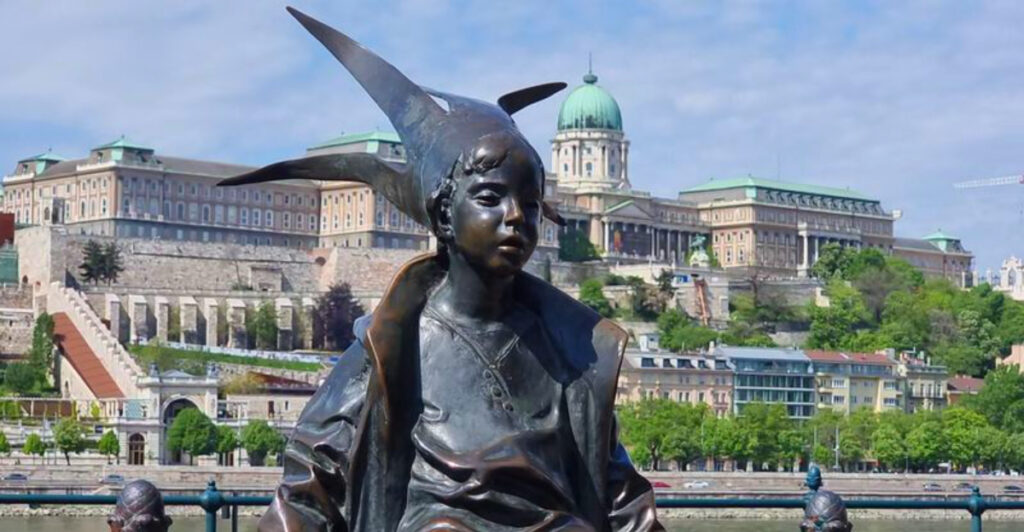
Perched playfully on the railing along the Danube promenade in Budapest, the Little Princess statue is one of the most charming and easy-to-miss sculptures in Europe. The small bronze figure depicts a little girl dressed in a cape and crown, gazing out at the river with a quiet sense of wonder.
Created by sculptor Laszlo Marton in 1972 and installed in its current location in 1990, the statue was reportedly inspired by his daughter. Locals and visitors have adopted the tradition of rubbing her knees for good luck, keeping that small patch of bronze perpetually bright.
What makes this statue special is its scale. Standing just about knee-height to an adult, it invites you to crouch down and share the moment at her level.
Budapest is full of grand monuments, but this tiny princess manages to steal the spotlight with nothing more than quiet charm and a well-worn pair of bronze knees.
9. The Bremen Town Musicians – Bremen, Germany
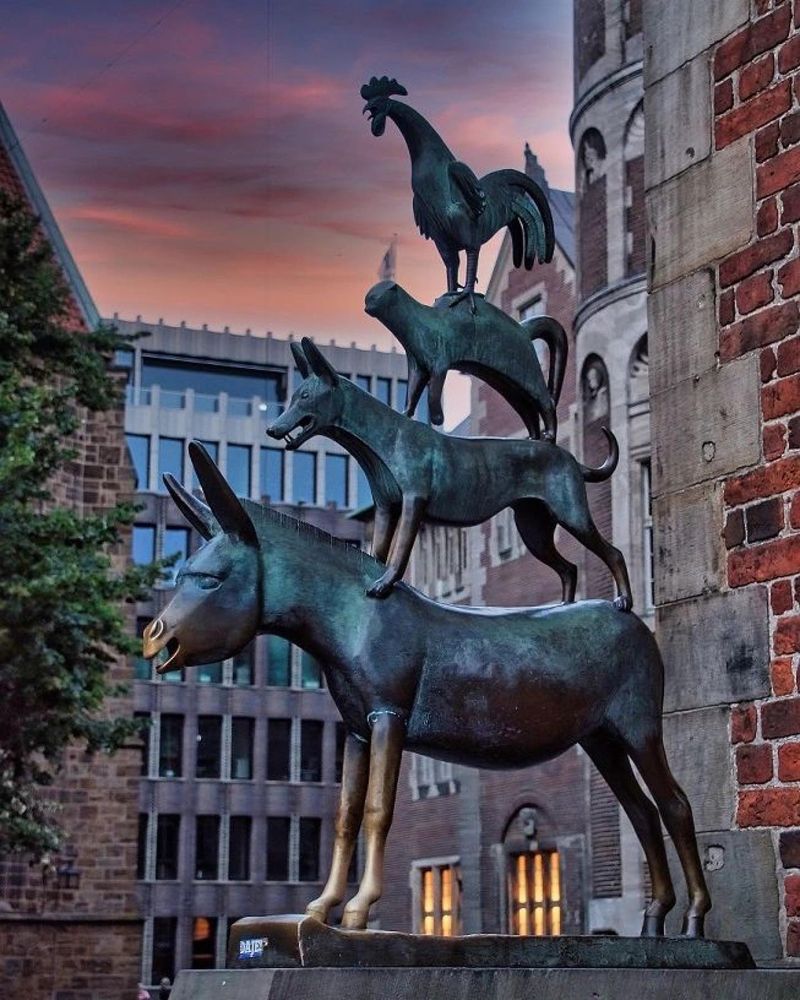
Based on the beloved Brothers Grimm fairy tale, the Bremen Town Musicians statue in Germany depicts four animals stacked on top of each other: a donkey, a dog, a cat, and a rooster. Each animal was heading to Bremen to become a musician after being abandoned by their owners, or so the story goes.
The tradition here is wonderfully specific. Visitors grab the front legs of the donkey, make a wish, and hope for the best.
The donkey’s legs are worn to a golden shine from constant contact, while the upper animals remain comparatively untouched.
Sculptor Gerhard Marcks created the statue, which was installed in 1953. It stands near the historic town hall and has since become one of Germany’s most photographed statues.
The fairy tale itself carries a message about finding your own path and never giving up, which makes the good luck tradition feel especially appropriate. Sometimes the best wishes come with a good story attached.
10. Grgur Ninski Statue – Split, Croatia
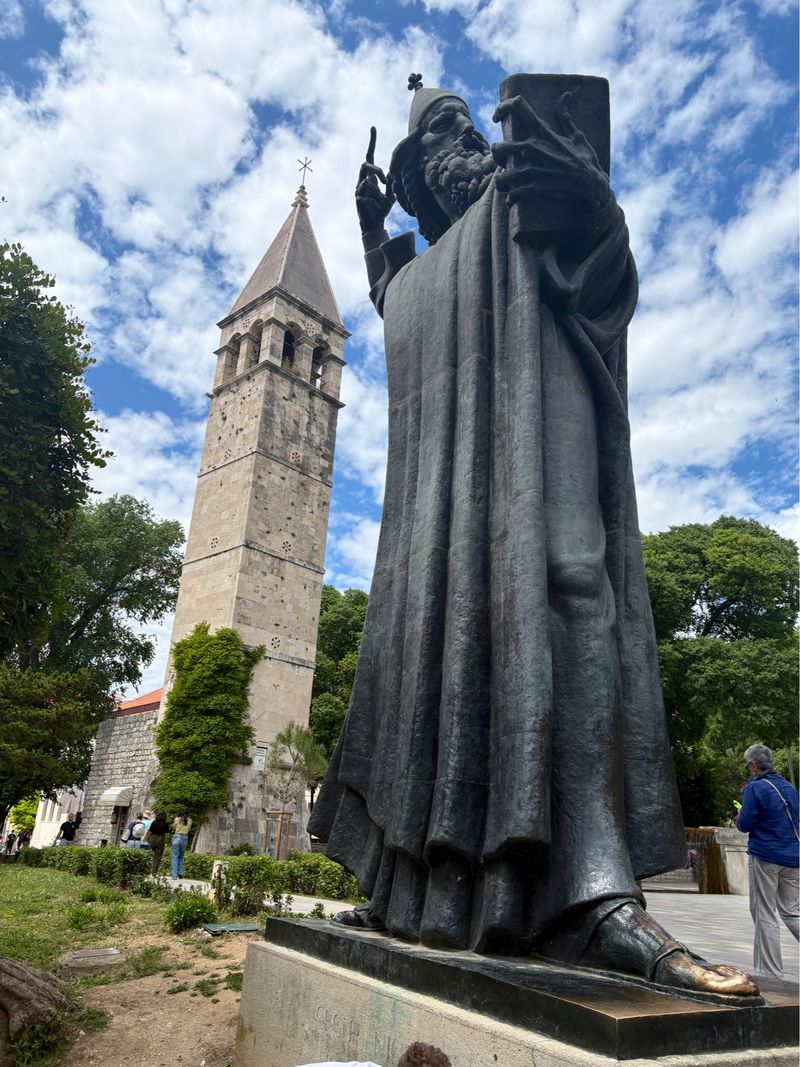
Standing nearly 9 feet tall near the Golden Gate of Diocletian’s Palace in Split, Croatia, the statue of Grgur Ninski is impossible to miss. The bishop stands with one arm raised toward the sky, looking like he is making a point that absolutely cannot wait.
Grgur Ninski was a real historical figure, a 10th-century Croatian bishop who fought to have church services conducted in the Croatian language rather than Latin, a hugely significant cultural stand at the time. His toe, specifically his left big toe, has been rubbed so many times by visitors hoping for good luck that it gleams gold against the dark patina of the rest of the statue.
Sculptor Ivan Mestrovic created the original in 1929. The tradition of touching the toe is relatively modern but enthusiastically embraced.
Croatia is full of history, but this statue manages to make it feel personal, one shiny toe at a time.
11. Dalida Bust – Paris, France
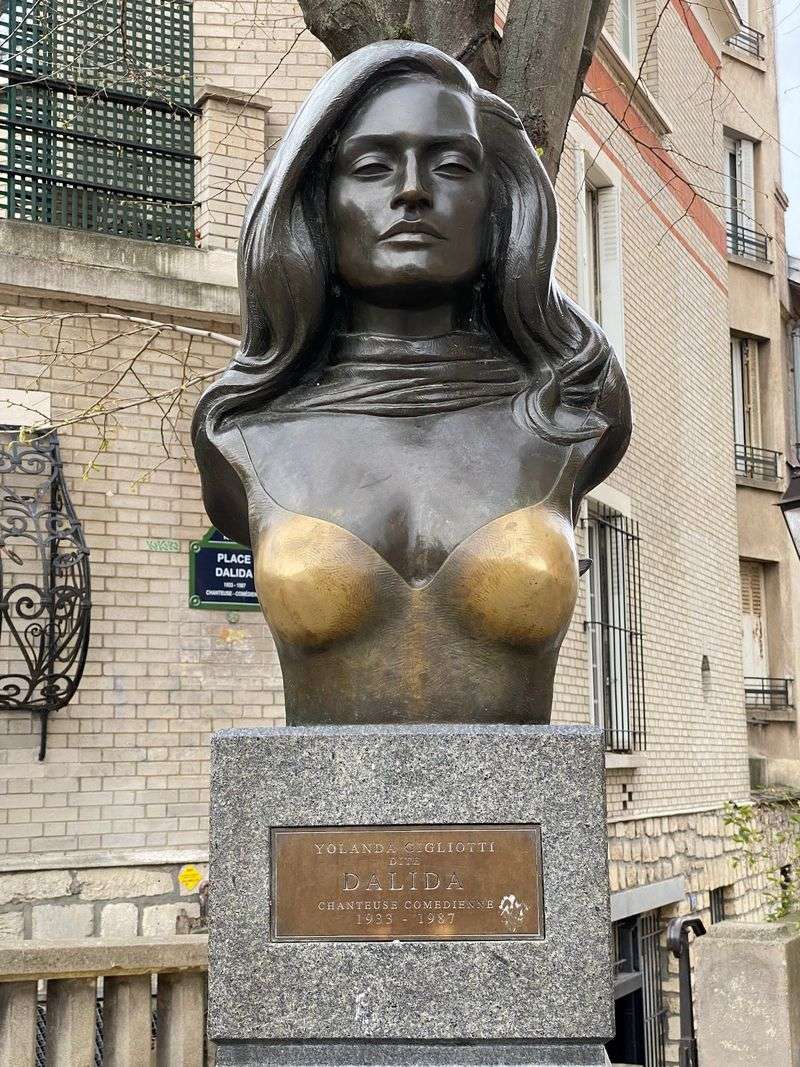
High up in the Montmartre neighborhood of Paris, near the Place du Dalida, stands a bronze bust honoring one of France’s most celebrated singers. Dalida was an Egyptian-born Italian who became a French icon, beloved for her voice, her glamour, and her deeply emotional life story.
Fans and curious visitors have long touched the bust, particularly around the chest area, associating the gesture with good luck and romantic fortune. The bronze is noticeably worn in those spots, a testament to how many people have paid their respects in this unusual way.
Dalida herself lived nearby in Montmartre for much of her life.
She passed away in 1987, but her music and memory remain very much alive in Paris. The square named after her, the bust, and even her former home draw visitors year-round.
Touching the bust feels less like a superstition and more like a personal tribute to a woman who gave everything to her art.
12. Manneken Pis – Brussels, Belgium
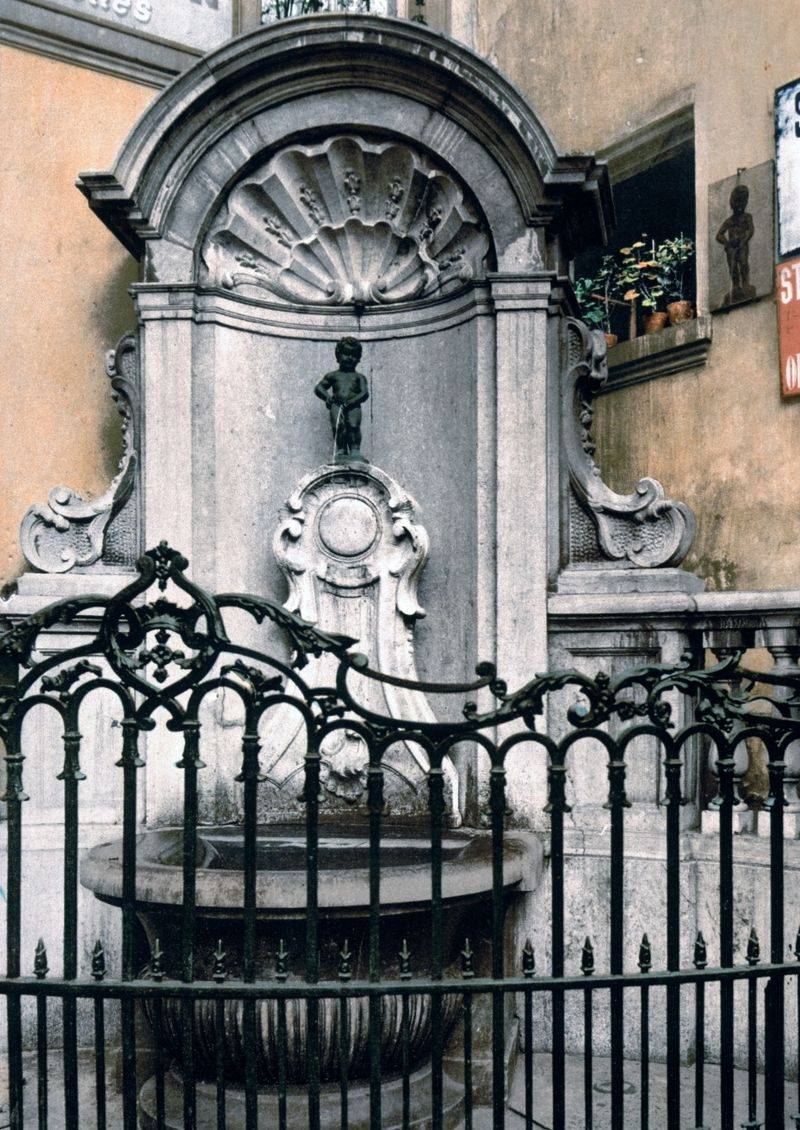
Brussels has a giant sense of humor, and Manneken Pis is the proof. This tiny bronze statue of a little boy doing what little boys do has been a symbol of the city since at least 1619, making it one of Europe’s oldest and most beloved public sculptures.
The statue is smaller than most visitors expect, measuring just about 24 inches tall, which only adds to its charm. While the main tradition is not about rubbing the statue, Manneken Pis has long been treated as a good luck mascot for Brussels and is considered a protective symbol of the city’s spirit and independence.
He is dressed in hundreds of different costumes throughout the year, donated by organizations and countries from around the world, with an entire wardrobe museum dedicated to his outfits. The legend of how he came to be the city’s symbol involves several stories, including one where he saved Brussels by extinguishing a bomb.
Small statue, very big reputation.
13. Hachiko Statue – Tokyo, Japan
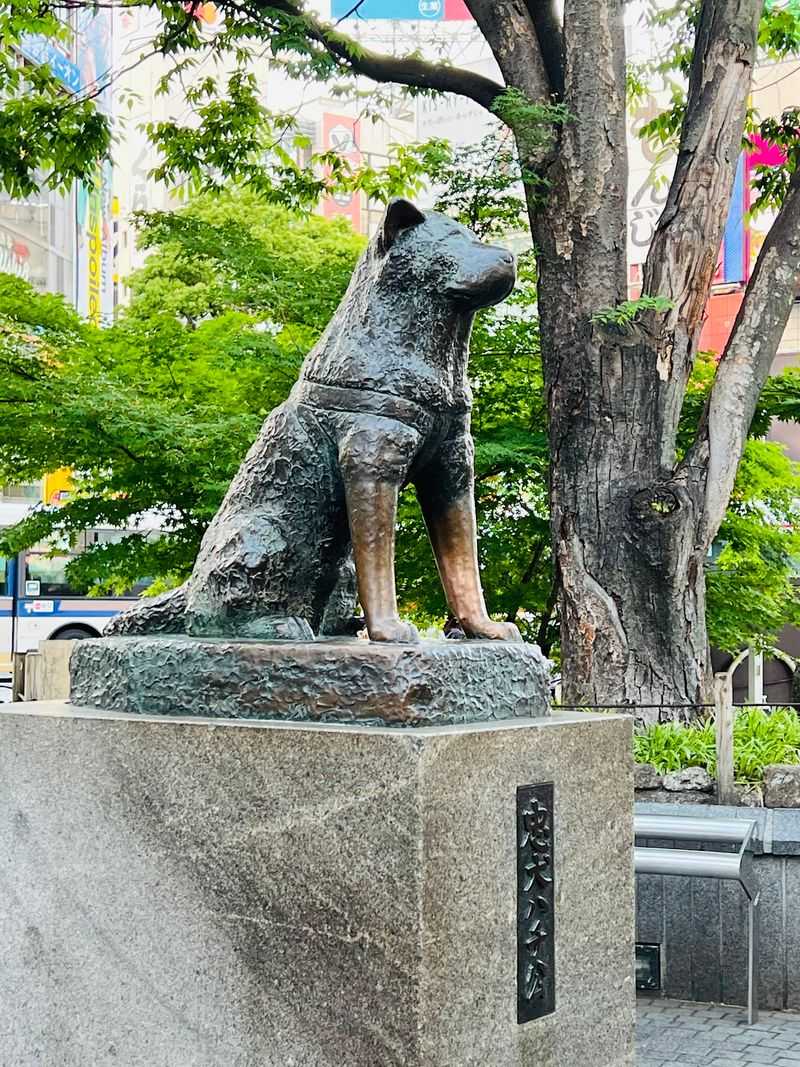
Outside the west exit of Shibuya Station in Tokyo stands a bronze Akita dog with the most patient expression you have ever seen. Hachiko was a real dog who waited at this station every day for his owner, Professor Ueno, to return from work.
When the professor died suddenly in 1925, Hachiko kept coming back to the station for nearly 10 more years until his own death.
The statue, installed in 1934, is primarily a monument to loyalty and devotion rather than a traditional good luck charm. However, many visitors now touch it or make wishes near it, associating the dog’s unwavering faithfulness with positive outcomes and good fortune.
Hachiko’s story has been told in books, films, and documentaries worldwide. Meeting spot, photo opportunity, and emotional landmark all at once, the statue is one of Tokyo’s most visited.
There is something quietly powerful about a dog who simply refused to stop believing. That kind of loyalty feels like its own kind of luck.
14. Peter the Great’s Bronze Horseman – St. Petersburg, Russia
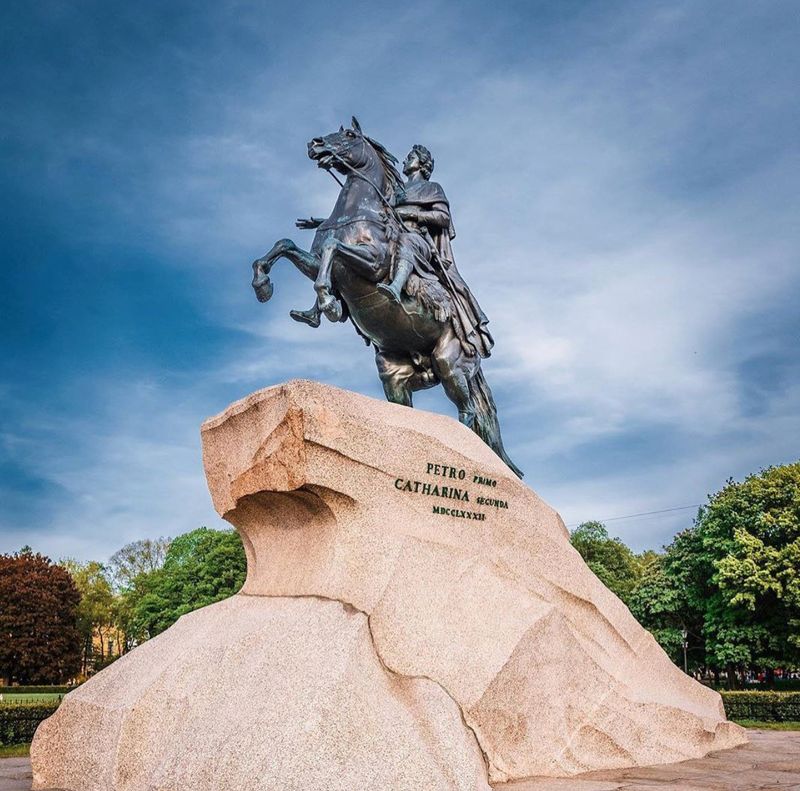
Rising dramatically on a massive granite boulder in Senate Square, the Bronze Horseman is one of the most iconic statues in all of Russia. It depicts Peter the Great on horseback, his arm outstretched toward the Neva River and the city he built from scratch in the early 1700s.
The statue was commissioned by Catherine the Great and unveiled in 1782. Over the centuries it has accumulated a rich layer of legend and superstition.
Local tradition holds that as long as the Bronze Horseman stands, St. Petersburg will never fall to its enemies, a belief that took on particular meaning during the devastating Siege of Leningrad in World War II.
Alexander Pushkin immortalized the statue in his 1833 narrative poem of the same name, cementing its place in Russian cultural identity. Visitors today stand before it with a sense of history pressing down from all sides.
It is less a lucky charm and more a powerful protector, which might be the most serious form of luck there is.
15. Laughing Buddha Statues – Various Locations, Asia
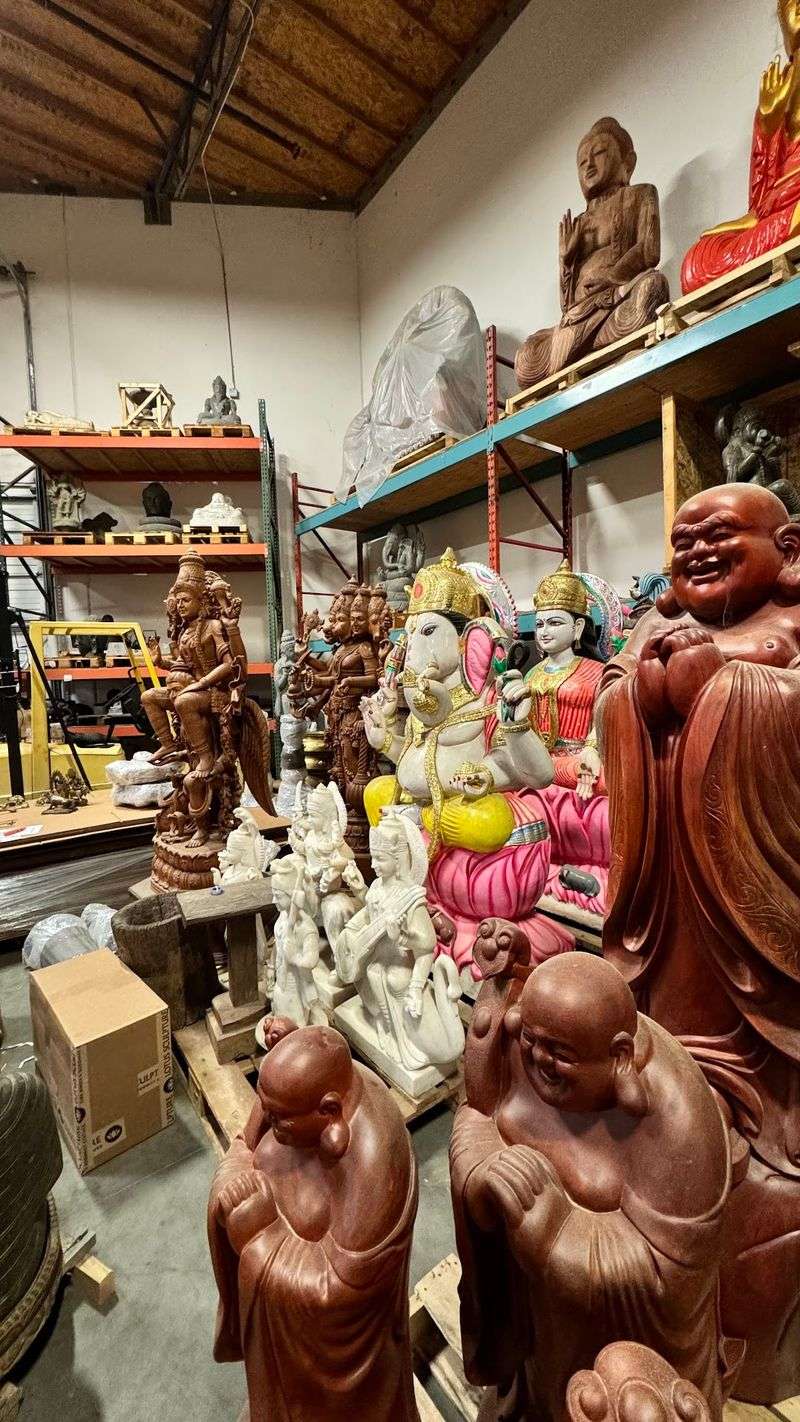
Walk into almost any Chinese restaurant, Asian gift shop, or Buddhist temple across Asia and you will likely spot a round, cheerful figure with a wide grin and an even wider belly. This is Budai, commonly called the Laughing Buddha in the West, and rubbing his belly is one of the most universally recognized good luck rituals in the world.
According to popular tradition, rubbing the belly brings wealth, happiness, and good fortune. The more you rub, the more luck you invite in.
Budai was a real Chinese monk who lived around the 10th century and was known for his generosity and joyful spirit. Over time, he became associated with abundance and contentment.
Statues of Budai appear in homes, businesses, gardens, and temples across China, Japan, Vietnam, and beyond. Despite the common mix-up, he is not the same as Siddhartha Gautama, the historical Buddha.
But when a smiling figure promises happiness just from a belly rub, the world tends to pay attention.
Share this story