Some of the most beautiful places on earth are also the most visited, and that combination comes with real consequences. When millions of travelers chase the same sunsets, streets, and landmarks, the experience changes for everyone, including the people who actually live there.
Crowd caps, entry fees, timed tickets, and visitor limits are no longer rare policies. They are now part of the reality at some of the world’s most famous destinations.
This list looks at 15 stunning places where overtourism has genuinely shifted what it feels like to visit, and what travelers should know before they book.
Barcelona, Spain
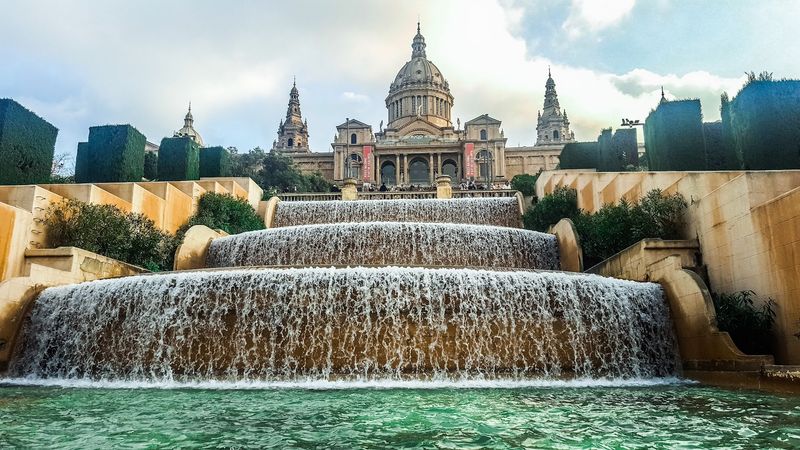
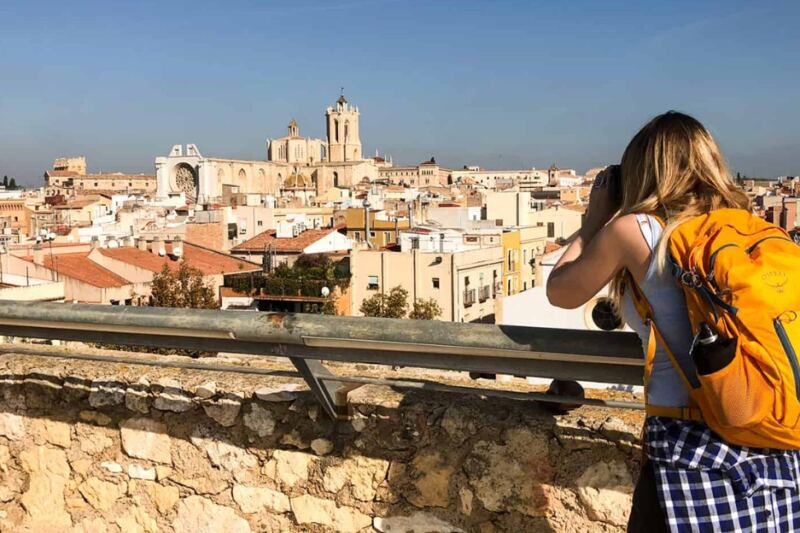
Barcelona pulled in roughly 26 million visitors in 2025, and the city has been working hard to manage what that actually means on the ground. Officials have been tightening rules around cruise tourism, short-term rentals, and coach traffic, all in response to growing pressure on neighborhoods that were never built for this volume of foot traffic.
The tension is not just about crowds. Residents in popular zones have been vocal about rising rents and the erosion of everyday life in areas like the Gothic Quarter and Barceloneta.
Some locals have pushed back publicly, and the city government has responded with policy changes, though enforcement remains a work in progress.
Barcelona is still a genuinely compelling destination. Its architecture, food culture, and street energy are real.
But travelers who concentrate only on the obvious spots during peak months will find an experience shaped more by queues than by discovery. Spreading visits across less-traveled neighborhoods makes a real difference.
Santorini, Greece
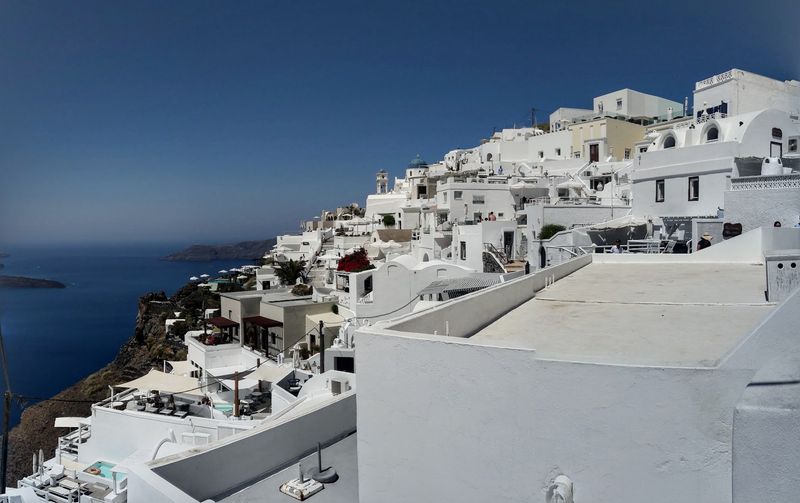
Santorini’s caldera views are still among the most dramatic on the planet, but the island has become a textbook example of what happens when a small place becomes a global obsession. The Municipal Port Fund of Thira’s 2025 to 2026 cruise policy caps daily arrivals at 8,000 cruise passengers or visitors, with ship capacity counted at full for planning purposes.
That cap exists because places like Oia and Fira can become genuinely difficult to move through when cruise arrivals stack up during peak hours. The narrow lanes, the famous sunset viewpoints, and the caldera-edge paths are all physically limited, and the crowds test those limits regularly.
Santorini rewards visitors who arrive outside peak season, stay overnight rather than as day-trippers, and explore the less-photographed villages like Pyrgos or Megalochori. The island is still extraordinary.
The key is approaching it with realistic expectations and a willingness to go where the crowds are not.
Dubrovnik, Croatia
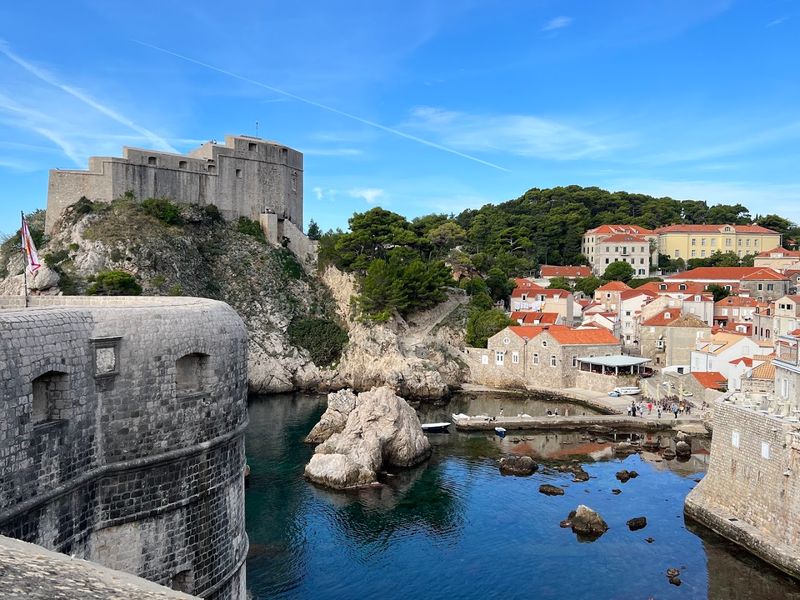
Dubrovnik’s Old Town is one of the most visually striking historic centers in Europe, and that reputation has created a very real management challenge. The city now limits cruise visitors to roughly 4,500 per day or two ships at a time, a policy designed to protect both the physical integrity of the site and the quality of the visitor experience.
The limestone streets, medieval walls, and Adriatic views are genuinely beautiful, but they depend on scale to feel special. When the same narrow lanes are packed shoulder to shoulder with tour groups, the magic shifts considerably.
Locals have been clear about the strain that peak-season crowds place on the city’s daily rhythms.
Visiting Dubrovnik early in the morning before cruise passengers arrive, or during the shoulder seasons of spring and autumn, offers a noticeably different experience. The walls, the Stradun, and the sea are all still there.
The difference is how much space and quiet you have to actually enjoy them.
Amsterdam, Netherlands
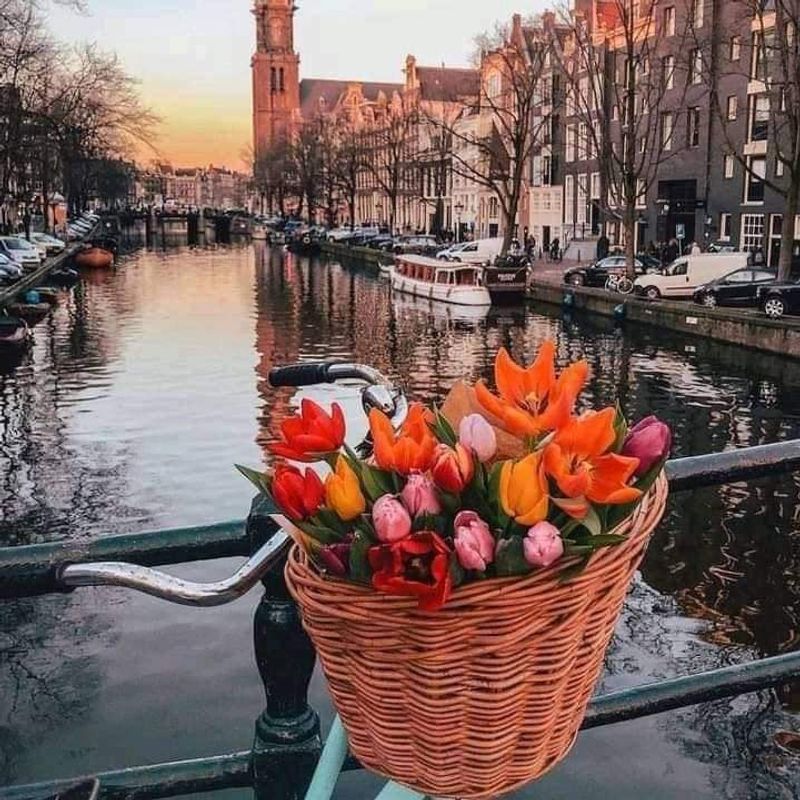
Amsterdam is one of Europe’s most walkable and genuinely livable capitals, which is part of what makes overtourism such a complicated problem here. The city’s historic center is compact, and when visitors concentrate around the canal belt, the museum zone, and the Red Light District, the pressure becomes visible very quickly.
Official Amsterdam tourism research shows overnight stays are now above pre-pandemic levels, and the city actively tracks visitor forecasts, day-tripper numbers, and cruise passenger counts as part of its ongoing planning. Amsterdam has also taken steps to discourage certain types of tourism, particularly party-focused visits, by limiting advertising and tightening rules around nightlife.
The city still has a lot to offer beyond the famous streets. The Jordaan neighborhood, the Eastern Docklands, and the lesser-visited museum collections reward travelers who look past the obvious itinerary.
Amsterdam works best when visitors slow down, spread out, and treat it like the lived-in city it actually is rather than a highlight reel.
Venice, Italy
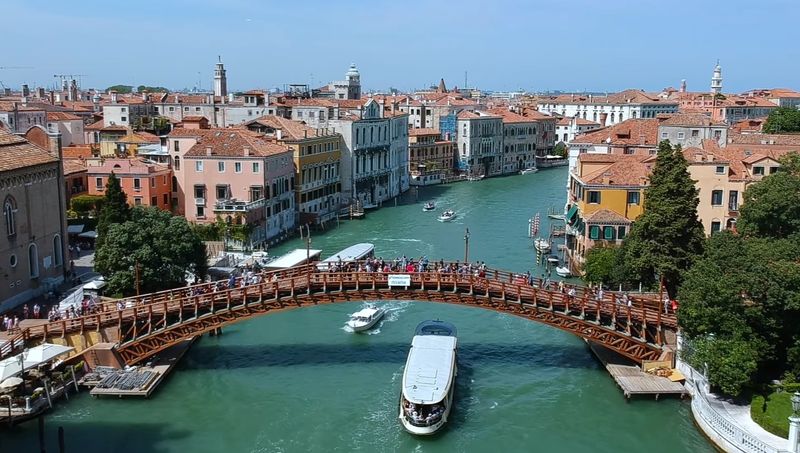
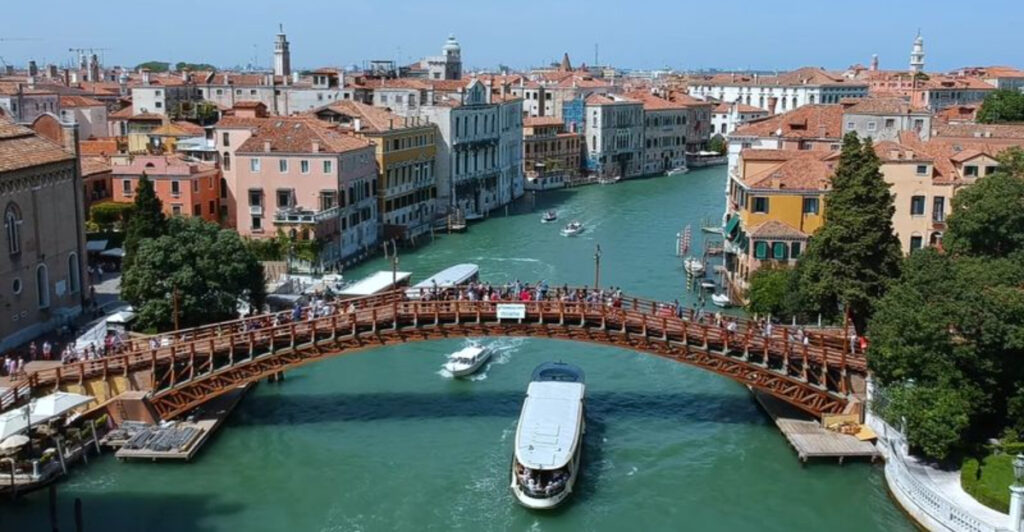
Venice has been dealing with crowds for decades, but the situation has reached a point where the city now charges a formal access fee on selected peak dates in 2026, targeting day visitors during set hours. That is a significant shift for a city that has historically welcomed anyone who could afford a train or ferry ticket.
The fee system is part of a broader effort to manage the sheer number of people flooding the same small historic core every single day. Venice’s ancient center is not large, and its bridges, alleyways, and waterways were never designed for millions of annual visitors.
Sunrise visits and off-season trips still offer something quieter and more authentic. The vaporetto rides, the side canals, and the quieter neighborhoods like Cannaregio still reward those who plan thoughtfully.
Venice is still one of the world’s great cities, but it now asks more of its visitors than ever before.
Kyoto, Japan
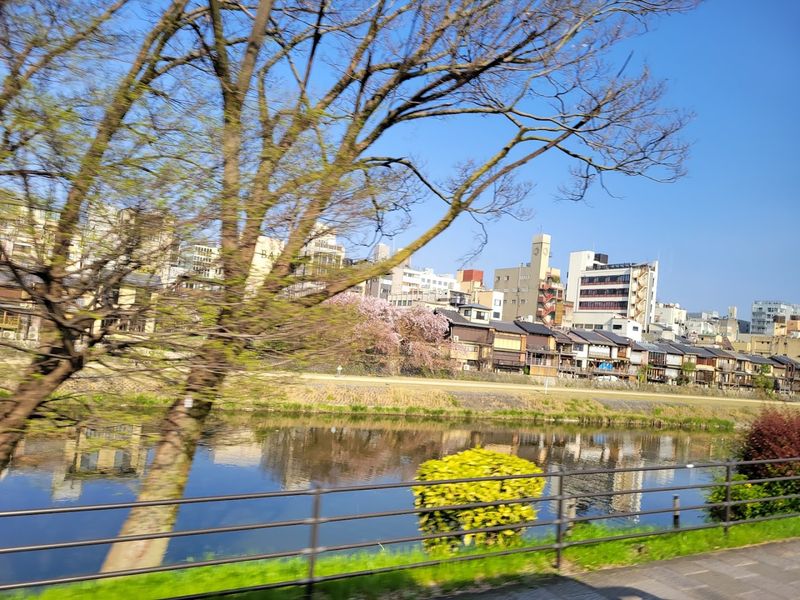
Kyoto remains one of Japan’s most culturally significant cities, but overtourism has changed the atmosphere in some of its most famous districts in ways that are hard to ignore. The official Kyoto travel guidance now specifically asks visitors not to touch, chase, or photograph geiko and maiko without permission, not to enter private properties, and not to block streets in large groups.
In Gion, the neighborhood most associated with traditional geisha culture, those rules exist because the behavior of some visitors has caused genuine problems for residents and practitioners. The old wooden streets and lantern-lit lanes are still there, but they are now shared with crowds that sometimes prioritize the photo over the place.
Kyoto still rewards careful, respectful visitors enormously. Temples, gardens, and neighborhoods that sit slightly off the main tourist circuits offer a very different experience.
Early mornings at Fushimi Inari, weekday visits to quieter temples, and staying in less-central areas all help recover some of what the city does best.
Bali, Indonesia
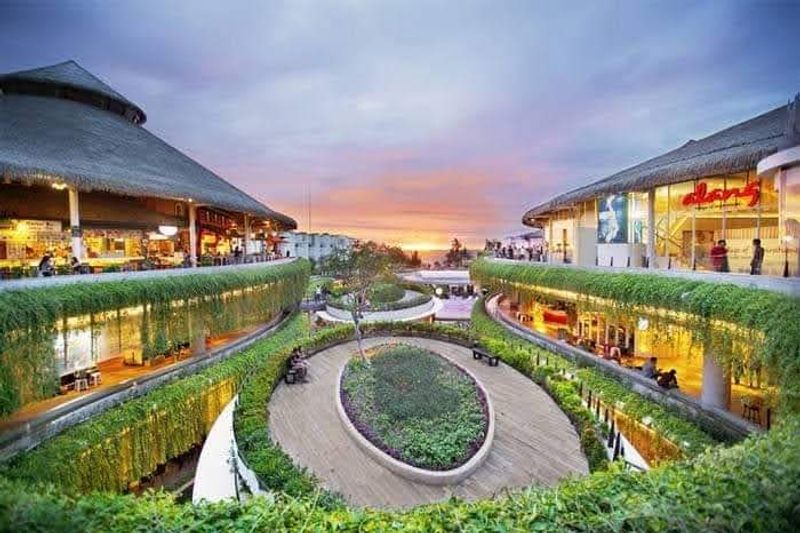
Bali has carried the weight of its own global image for years, and the pressure on its roads, beaches, temples, and communities has become impossible to overlook. The provincial government now collects an official tourism levy from international visitors, described as a contribution toward protecting Balinese culture and the natural environment.
That policy signals how seriously the situation has been taken.
The island’s challenges are layered. Traffic congestion around Seminyak, Kuta, and Ubud can be genuinely severe.
Waste management has struggled to keep pace with visitor volumes. Some temples and sacred sites have faced access problems due to tourist behavior that conflicts with local religious practices.
Bali is still beautiful in ways that photographs can barely capture. The rice terraces, the temple culture, the surf breaks, and the inland villages all have real depth.
But the experience has shifted significantly from the quieter island many older travelers remember. Visiting with awareness, patience, and respect for local customs makes a meaningful difference.
Machu Picchu, Peru
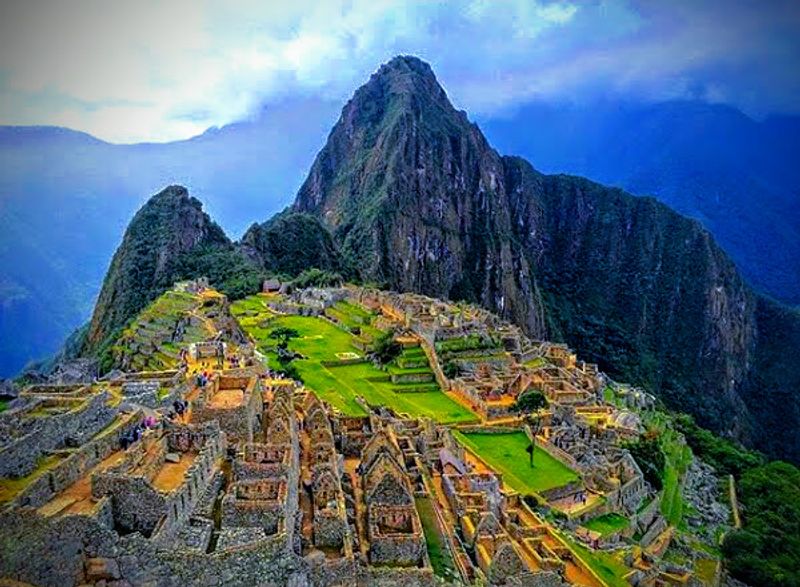
Machu Picchu is still one of the most breathtaking archaeological sites on the planet, but the experience of visiting it has changed substantially over the past decade. Peru now manages access through strict ticketing, timed entry, named tickets, QR code verification, and designated circuits.
Showing up without a confirmed reservation is no longer a realistic option.
Daily visitor caps are set at 5,600 in high season and 4,500 during the rest of the year, according to figures from the newer access system. Those numbers exist because the site’s delicate stone structures, steep terrain, and narrow pathways cannot safely handle unlimited foot traffic.
The logistics of getting to Machu Picchu, including the train from Cusco, the bus up from Aguas Calientes, and the timed entry system, require real planning. Booking months in advance, especially for peak months between June and August, is now standard practice.
The ruins are absolutely worth the effort, but the visit demands more preparation than it once did.
Hallstatt, Austria
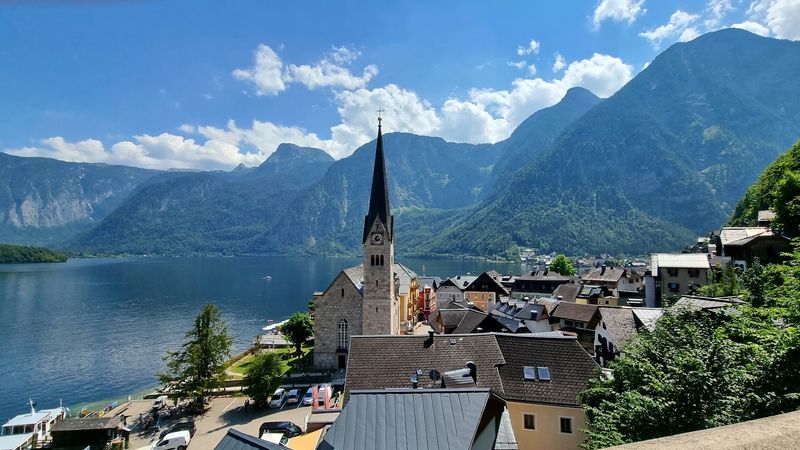
Hallstatt has roughly 750 to 760 residents and receives more than one million visitors per year. That ratio alone tells the story of what overtourism looks like when it lands on a genuinely small community.
The village sits on the edge of a mountain lake in the Austrian Alps, and its UNESCO World Heritage status and fairytale appearance have made it a magnet for tour groups, particularly from Asia.
The volume of day visitors has created real tensions. Tour buses arrive in large numbers, parking is a constant pressure point, and the short-stay visitor pattern means many people come purely for photos and leave without contributing meaningfully to the local economy.
Residents have spoken openly about the loss of quiet and the disruption to daily life.
Hallstatt still looks extraordinary, especially in the early morning before the buses arrive. Staying overnight, visiting in winter, or exploring the surrounding Salzkammergut region rather than rushing in and out gives the village the kind of respectful attention it actually deserves.
Maya Bay, Thailand
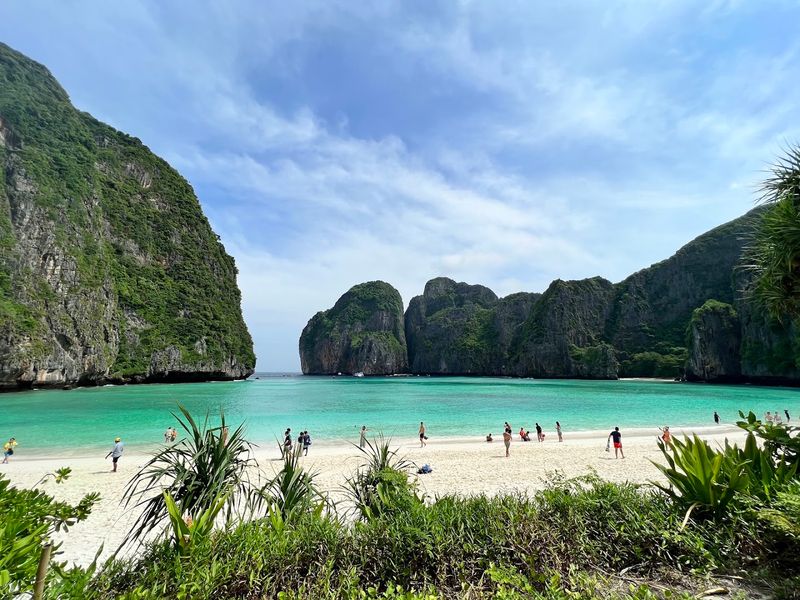
Maya Bay became world-famous after the 2000 film The Beach, and the years that followed brought a level of tourist traffic that caused serious environmental damage to the bay’s coral reefs and marine ecosystem. The beach was closed entirely for rehabilitation between 2018 and 2022, and it reopened with a completely different management model.
Visitors can now enter Maya Bay under strict conditions: limited daily numbers, controlled time on site, no boat anchoring in the bay, and restrictions on swimming in certain areas. The experience is closer to visiting a protected nature reserve than a free beach stop.
The cliffs and water are still visually striking, and the ecological recovery has been real. Coral growth has returned to areas that were previously barren.
The restrictions are not a punishment for travelers. They are the direct reason the place still has something worth seeing.
Maya Bay is a rare example of a destination that pulled back from the edge and actually improved because of it.
Cinque Terre, Italy
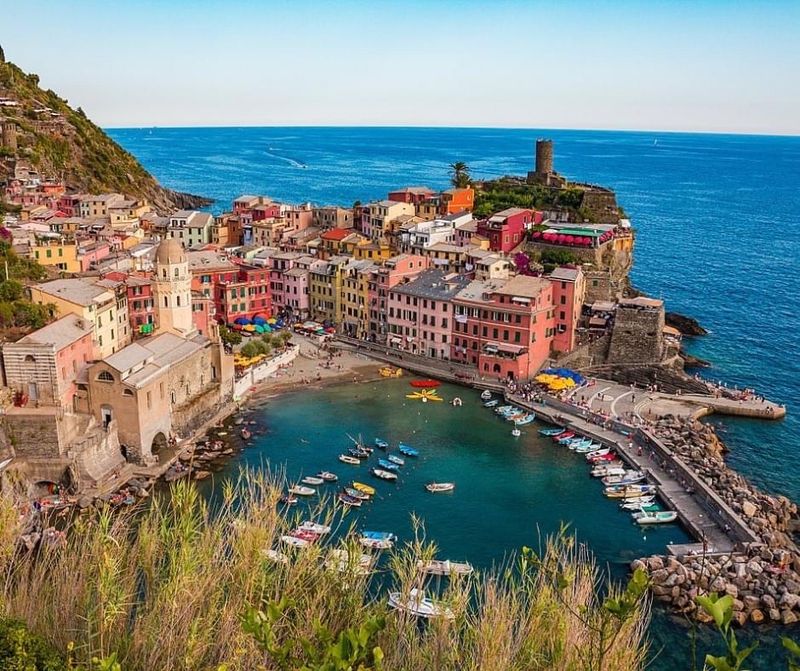
Cinque Terre is made up of five small villages clinging to steep coastal cliffs in northwestern Italy, and that physical reality is exactly why it struggles with high visitor volumes. The national park manages trail access, visitor flow, and safety across a landscape that is genuinely fragile.
The official trail network emphasizes the delicate terrain and the need for responsible behavior.
The villages of Vernazza, Manarola, Riomaggiore, Corniglia, and Monterosso are all small, and their narrow lanes were not designed for the volume of day-trippers that arrive by train or cruise excursion during summer months. At peak times, the bottlenecks can be significant enough to reduce the walk between villages to a slow shuffle.
Spring and late autumn visits offer a noticeably different experience. The light is still beautiful, the sea is still dramatic, and the villages still have their charm, but with far fewer people competing for the same viewpoints.
Staying overnight in one of the villages rather than day-tripping also changes the experience considerably.
Boracay, Philippines
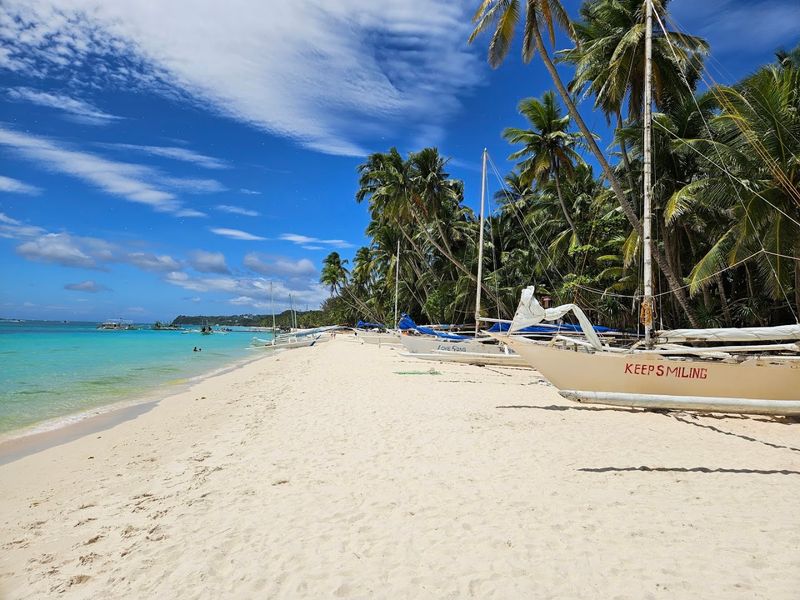
Boracay’s White Beach is still one of Southeast Asia’s most photographed stretches of sand, but the island carries a complicated recent history. In 2018, the Philippine government closed Boracay entirely for six months of rehabilitation after pollution, illegal construction, and inadequate sewage infrastructure reached levels that were difficult to ignore publicly.
The island reopened with stricter environmental rules and a renewed focus on carrying capacity, but the pressure has continued. February 2026 alone brought more than 188,000 visitors, according to figures from the Malay-Boracay Tourism Office.
That is an enormous number for a small island that measures roughly seven kilometers in length.
Boracay is still attractive, and the beach itself remains genuinely beautiful in places. But the story of the island’s closure and recovery is a useful reminder that popularity without planning has real consequences.
Visitors who choose less-crowded seasons and support responsible operators contribute to a version of Boracay that can actually sustain itself over time.
Mount Fuji, Japan
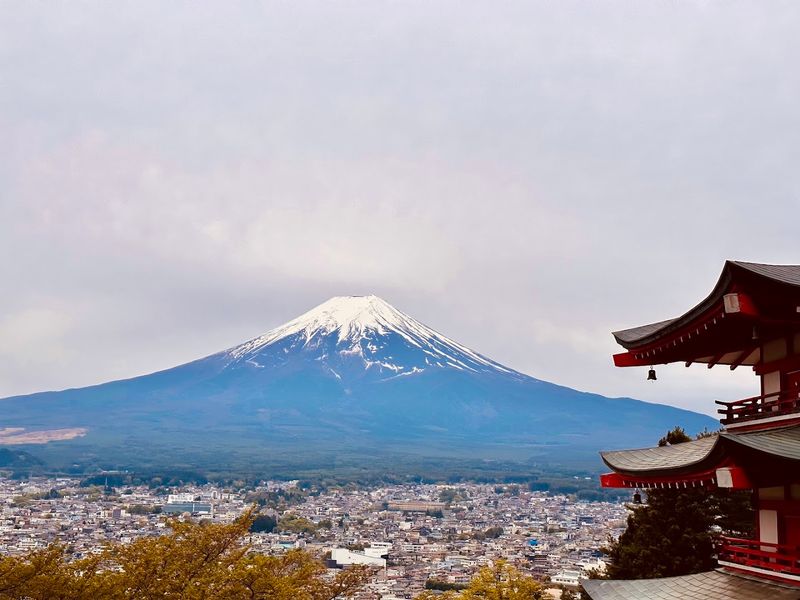
Mount Fuji is one of the most recognizable natural landmarks on earth, and Japan’s official climbing season draws enormous numbers of visitors to its slopes every summer. The 2026 climbing season comes with formal restrictions, including pre-registration through the official app for relevant routes, entry fees, and daily caps on major trails.
Those measures are a direct response to years of overcrowding and safety concerns.
The problem became particularly visible around the phenomenon known as bullet climbing, where unprepared visitors attempt the ascent overnight without proper gear, rest, or acclimatization. Litter, congestion, and altitude-related incidents added to the pressure on park authorities to act.
Mount Fuji is still a remarkable climb, and the views from the summit on a clear morning are genuinely unforgettable. But the mountain now requires real preparation: advance registration, proper equipment, and a realistic understanding of the conditions.
Treating it as a casual photo stop is both unsafe and inconsiderate to the mountain’s cultural and natural significance.
The Louvre, Paris, France
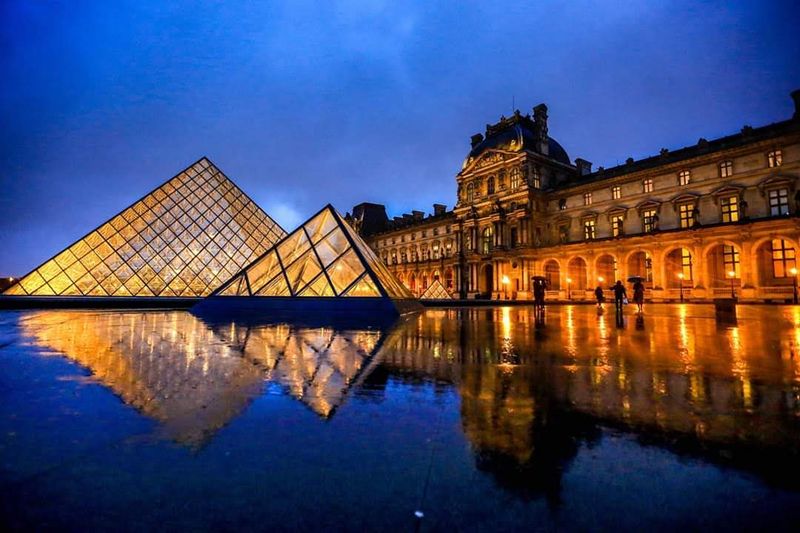
The Louvre is the most visited museum in the world, and that status comes with a visitor experience that can feel more like a sporting event than a cultural one in peak season. The official Louvre website currently requires reservations from July 1 through August 31, 2026, specifically to help manage crowd flow and improve visit quality.
That requirement did not exist a decade ago.
In 2025, museum staff made international headlines by protesting the conditions created by mass tourism, including chronic understaffing and the intense pressure around the Mona Lisa gallery. The painting is smaller than most visitors expect, and the crowd that surrounds it can make the experience feel disconnected from the art itself.
The Louvre’s collection is genuinely extraordinary, spanning ancient Egypt, classical antiquity, and European painting across enormous galleries. Visitors who arrive early, book in advance, and move away from the Mona Lisa to explore less-trafficked wings often leave far more satisfied than those who chase the famous pieces at peak hours.
Mallorca, Spain
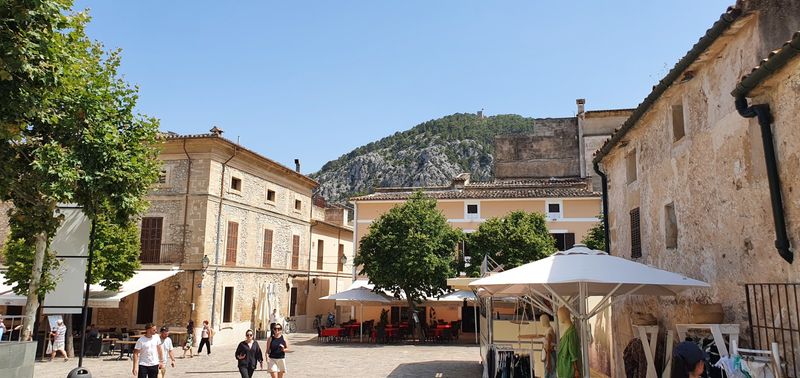
Mallorca is the largest of Spain’s Balearic Islands, and its combination of beaches, mountain scenery, historic towns, and reliable summer sun has made it one of the Mediterranean’s most visited destinations for decades. The Balearic tourist tax, which continues to be collected from visitors, is part of the regional government’s effort to make tourism contribute financially to preservation, infrastructure, and environmental costs.
The island’s challenge is geographic concentration. During peak summer months, enormous numbers of visitors arrive in the same coastal zones, particularly around Palma, Magaluf, and the southwestern beaches.
The pressure on housing, roads, water supply, and local patience has been a recurring topic in Spanish media and regional politics.
Mallorca genuinely rewards slower exploration. The Serra de Tramuntana mountains, the inland villages like Valldemossa and Deià, and the quieter coves along the northeastern coast offer a very different version of the island.
Visiting in May, June, or September rather than July and August makes a significant difference in what the experience actually feels like.
Share this story