Europe’s most unforgettable landscapes are not always found in its famous cities. From Arctic fishing villages to sun-baked Portuguese plains and glacier-carved Alpine valleys, the continent’s countryside holds scenery that can genuinely stop you in your tracks.
Whether you crave dramatic mountain peaks, peaceful lakeshores, or windswept Atlantic coastlines, Europe’s rural corners deliver experiences that feel personal and unhurried. These 15 destinations were chosen for their natural beauty, outdoor opportunities, and the kind of local character that makes a trip feel truly worth remembering.
The Dolomites, Italy
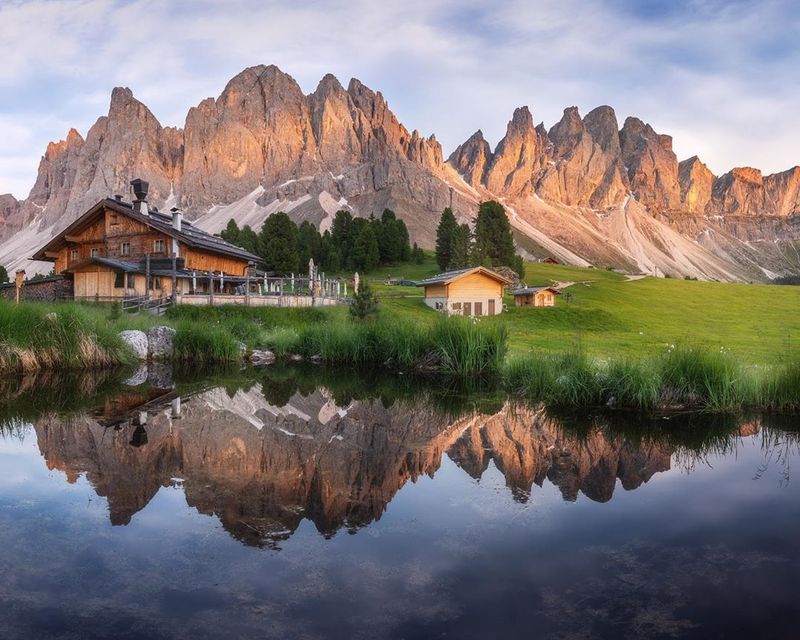
Nowhere in Europe does rock put on a show quite like the Dolomites. These pale limestone towers shoot skyward above northern Italy in formations so dramatic that UNESCO decided nine separate mountain systems here deserved world heritage protection.
Eighteen peaks climb above 3,000 meters, yet the valleys below feel surprisingly welcoming and green.
Val Gardena and Alta Badia are two of the most popular bases, offering a relaxed mix of hiking trails, cycling routes, and scenic drives that suit everyone from serious trekkers to families who prefer a leisurely pace. Quieter villages nearby reward travelers willing to wander off the main roads.
The Dolomites are famous for a phenomenon called Enrosadira, where the rock faces flush deep pink and orange at sunset. Watching it from a mountain hut terrace with a warm drink in hand is one of those travel moments that stays with you.
Spring wildflowers, summer hiking, autumn colors, and winter snow each give the landscape a completely different personality, making any season a reasonable time to visit.
Lofoten Islands, Norway
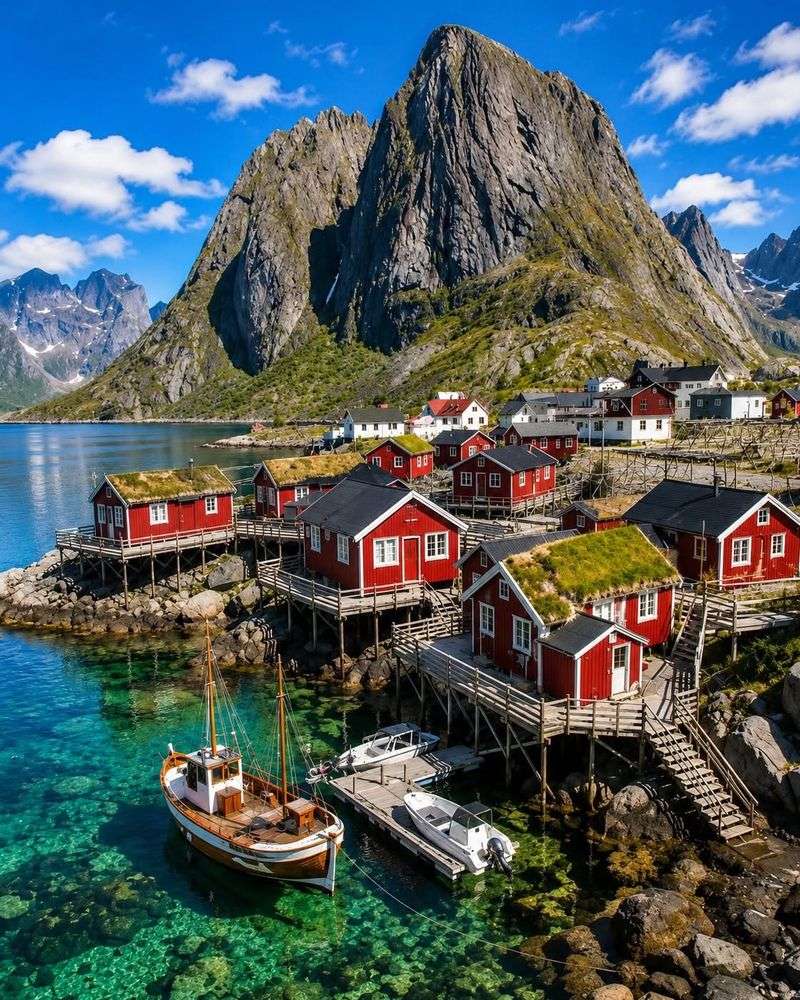
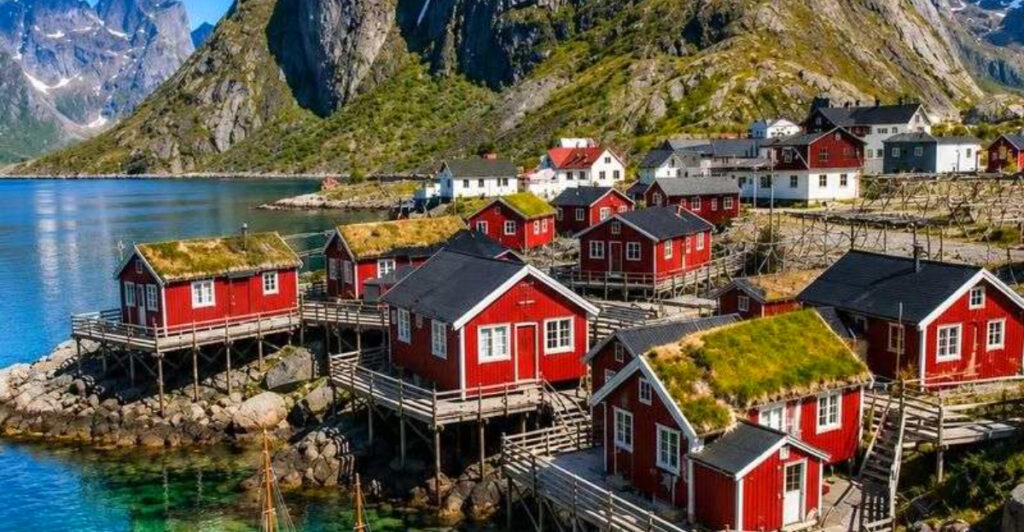
The Lofoten Islands look like something an artist invented on an especially inspired afternoon. Steep mountains plunge straight into dark fjords, windswept white-sand beaches curve between rocky headlands, and clusters of red wooden fishing cabins sit at the water’s edge as if they have been there forever.
They have, more or less.
Cod fishing has shaped life here for centuries, and the culture around it remains very much alive. Dried fish still hangs on wooden racks along the harbor, and small communities like Reine, Henningsvær, and Nusfjord carry an authentic working-village feel that larger tourist destinations often lose.
The E10 road connects much of the archipelago, but the best discoveries happen when you slow down. Hiking trails climb sharply above the fjords for views that justify every uphill step.
Kayaking routes weave between islands. Summer brings the midnight sun, casting golden light at midnight, while winter offers a genuine chance of seeing the northern lights reflected in still fjord water.
Few places in Europe pack this much visual drama into one road trip.
Bohinj, Slovenia
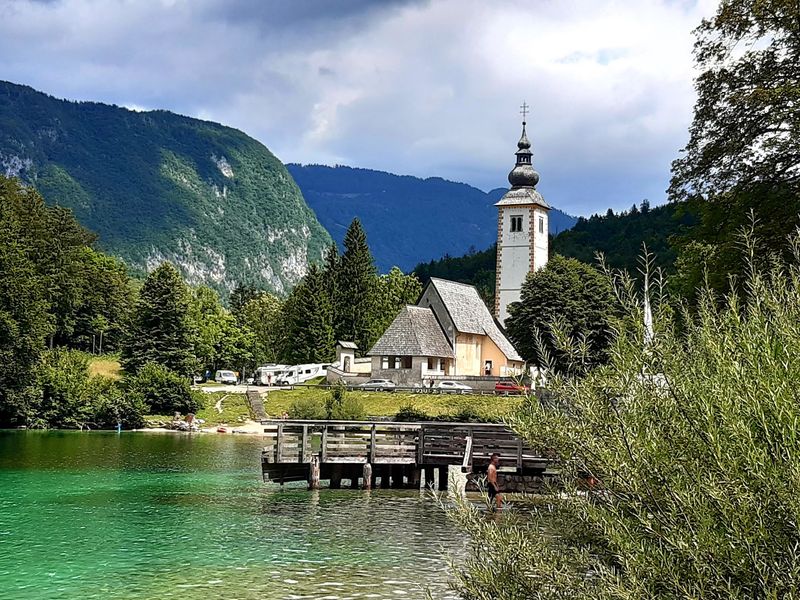
Lake Bled gets all the Instagram attention, but Bohinj is where Slovenia’s Alpine scenery truly breathes. Sitting inside Triglav National Park, this broad valley centers on the country’s largest permanent natural lake, a mirror-calm body of water ringed by forest and backed by mountains that seem to rise straight from the treeline.
The atmosphere here is noticeably quieter and more grounded than at Bled. Local farmers still work the surrounding fields, traditional guesthouses outnumber chain hotels, and the pace of life encourages lingering rather than rushing between photo spots.
Waterfalls, forest trails, and mountain hut routes branch off in every direction.
Swimming in the lake during summer is genuinely refreshing, with water clear enough to see the bottom at the shallows. Cyclists enjoy the flat valley floor and the roads that wind into the surrounding hills.
For travelers who want several unhurried days outdoors rather than a quick landmark tick, Bohinj consistently over-delivers. A cable car above the village of Vogel lifts you to panoramic views that put the entire valley into spectacular perspective.
Connemara, Ireland
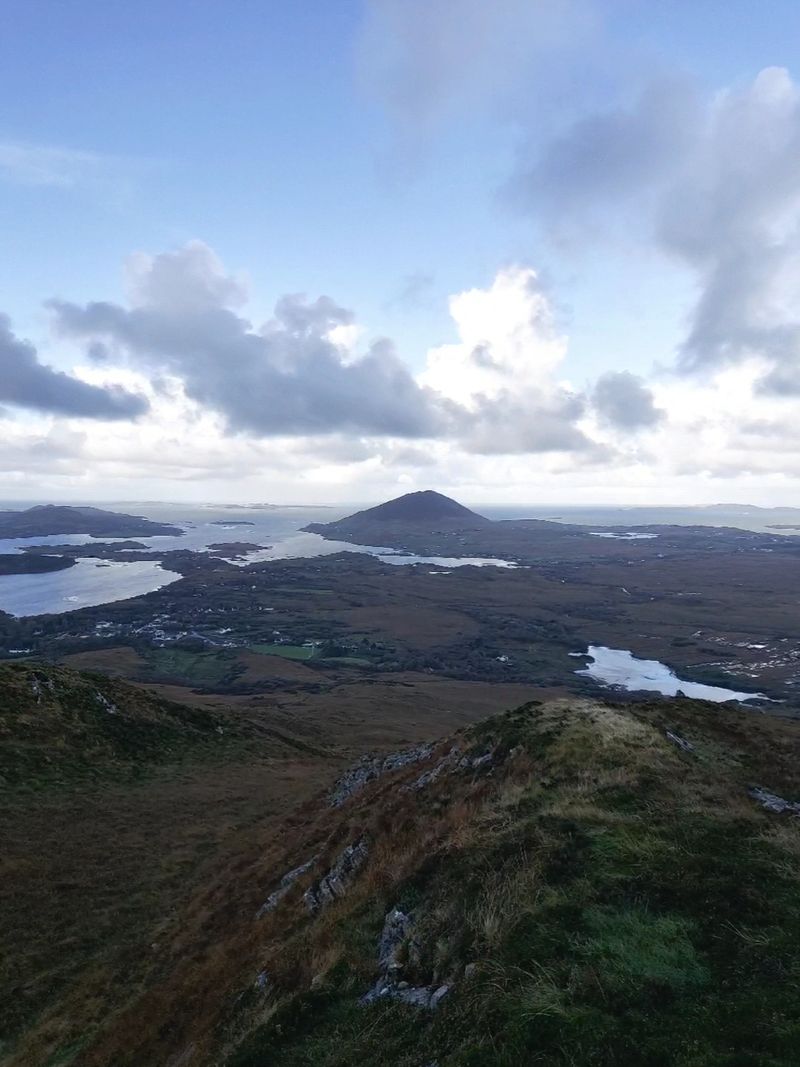
Connemara does not ease you in gently. The landscape hits immediately: vast stretches of open bogland, a tangle of lakes, jagged mountains, and an Atlantic coastline that looks like it has been arguing with the ocean for centuries.
Western County Galway wears its wildness proudly.
What makes Connemara genuinely special is the layering of natural beauty and living culture. This is a Gaeltacht region, meaning the Irish language is still spoken here as part of everyday life, not preserved in a museum but used in shops, on signs, and between neighbors.
Traveling through it adds a dimension that most European road trips simply cannot offer.
A road trip through Connemara is less about stopping at specific attractions and more about watching the landscape shift between bog, beach, mountain, and village. The Sky Road near Clifden offers coastal views that rank among Ireland’s finest.
Kylemore Abbey sits dramatically against a forested hillside beside a lake. Beaches like Dog’s Bay have sand so white they look borrowed from the Caribbean, though the Atlantic water quickly reminds you they are not.
Picos de Europa, Spain
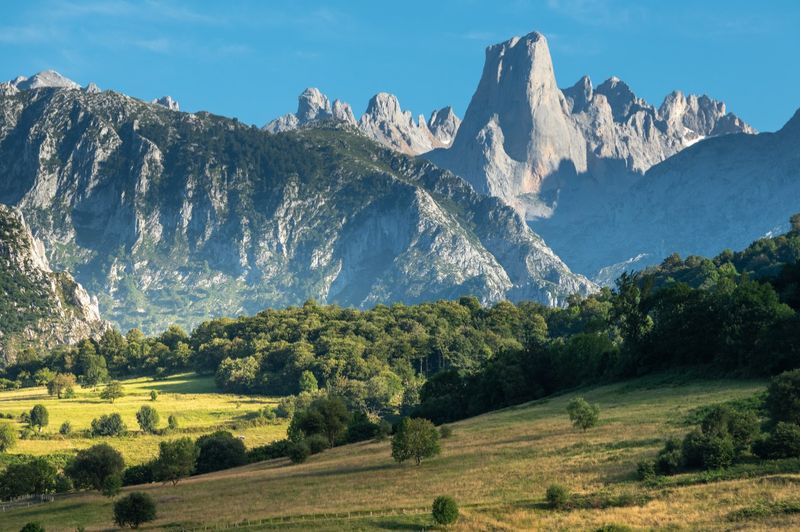
Spain’s most dramatic mountain scenery is not in the Pyrenees. The Picos de Europa, straddling Asturias, Cantabria, and Castilla y Leon, throw up limestone peaks so jagged and vertical they look almost geologically impolite.
This is Spain’s only inhabited national park, meaning traditional villages, working farms, and mountain culture exist right alongside the wilderness.
The Cares Gorge is the most famous hike, a 12-kilometer trail carved into cliff faces above a turquoise river. It earns its reputation.
But the quieter valleys of Liébana and Valdeón offer equally striking landscapes with far fewer boots on the path. Local cheeses, particularly Cabrales, are aged in mountain caves and taste exactly as bold as the scenery looks.
Villages like Potes, Sotres, and Arenas de Cabrales make practical and charming bases for exploring the surrounding countryside. The area receives significantly more rainfall than southern Spain, which explains the lush green valleys that feel more like Ireland than Andalusia.
Hikers, wildlife watchers, and rural food lovers all find exactly what they came for here, often within the same afternoon.
Alentejo, Portugal
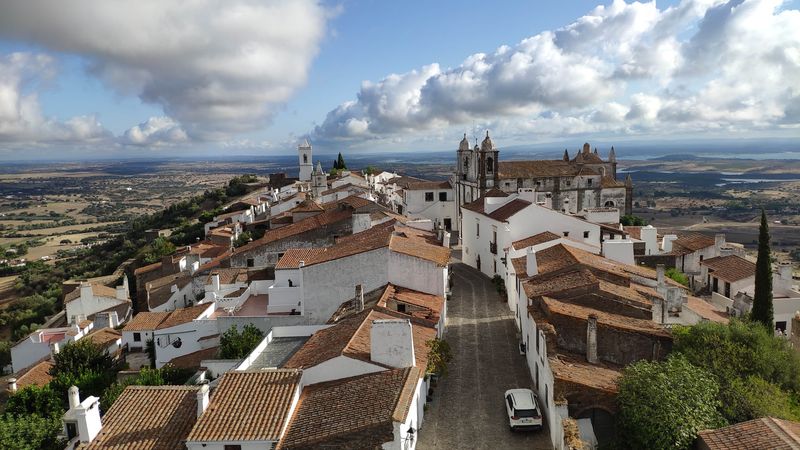
Stand almost anywhere in the Alentejo and the sky feels enormous. This southern Portuguese region is all about scale: vast horizons, rolling fields that change color with the seasons, cork-oak groves that stretch for kilometers, and whitewashed villages sitting quietly on low hilltops as if they have been napping since the Middle Ages.
Cork production is a major part of life here, and the harvested trees with their distinctive reddish trunks are a signature sight along country roads. Vineyards produce wines that have been gaining serious international attention in recent years.
Olive groves fill the spaces between, and the entire agricultural landscape feels genuinely connected to the people who work it.
Cante Alentejano, a form of polyphonic singing unique to the region, has been recognized by UNESCO as intangible cultural heritage. Hearing it performed in a village square or local festival gives the Alentejo a cultural layer that goes well beyond scenery.
Northern areas around Marvao and the São Mamede hills are greener and hillier, providing welcome variety for travelers who spend several days exploring this quietly spectacular corner of Portugal.
Dordogne Valley, France
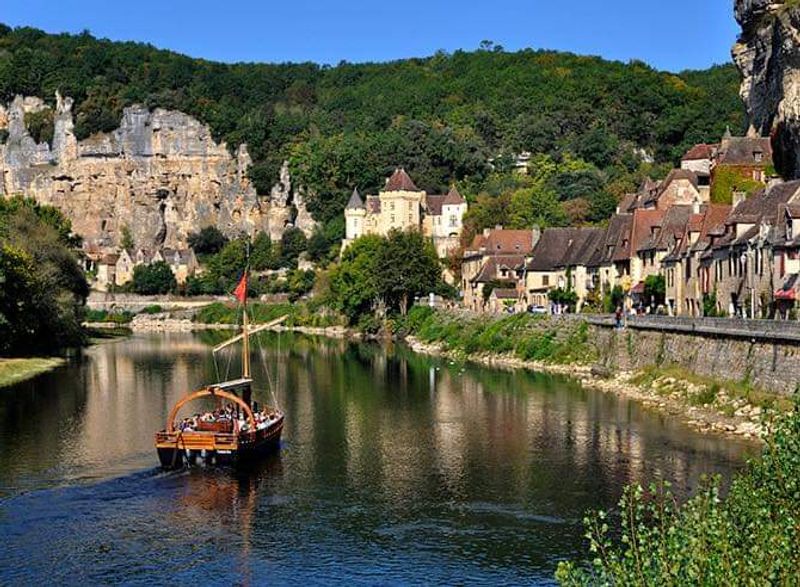
The Dordogne Valley makes it very easy to feel like you have stumbled into a film set. Limestone cliffs rise above a broad river lined with medieval chateaux, golden-stone villages, walnut groves, and forests that turn spectacular shades of rust and amber every autumn.
France has no shortage of beautiful countryside, but the Dordogne has a particular warmth to it.
Prehistory runs deep here. The Vezere Valley contains some of Europe’s most significant cave art sites, including Lascaux, where paintings made 17,000 years ago still astonish everyone who sees them.
The original cave is now closed to protect the art, but Lascaux IV offers a full-scale replica that is genuinely impressive rather than disappointing.
Villages like Domme, Beynac-et-Cazenac, and La Roque-Gageac appear on almost every list of France’s most beautiful villages, and the descriptions are not exaggerated. A canoe trip along the Dordogne River connects several of them in a single lazy afternoon.
The regional food scene, built around duck confit, foie gras, truffles, and walnuts, means that stopping for lunch in any village is rarely a mistake.
Soca Valley, Slovenia
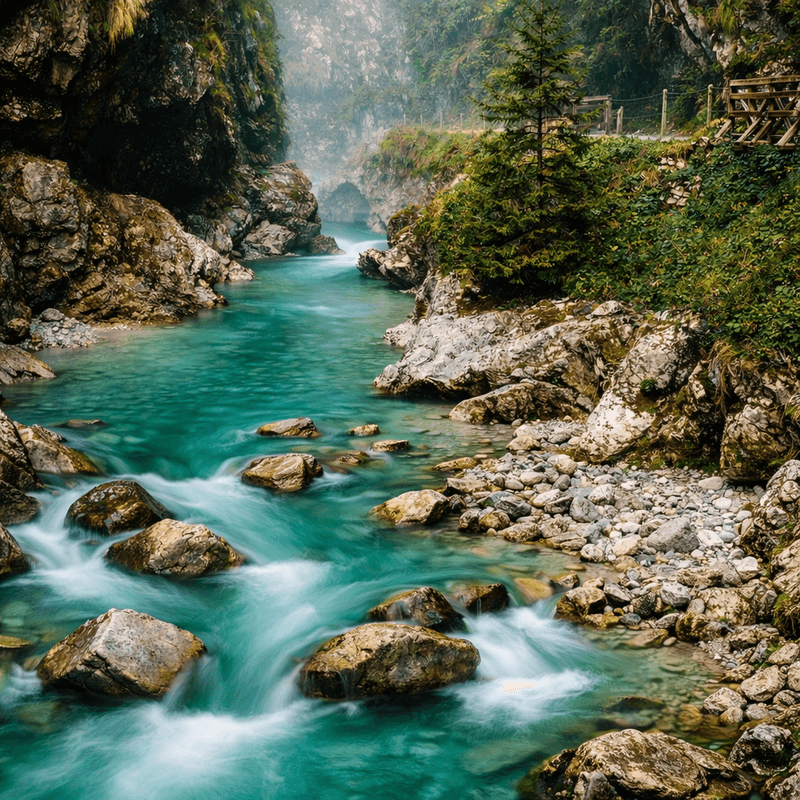
The Soca River is the kind of turquoise that makes people stop the car and get out just to make sure the color is real. It is.
The water runs through the Julian Alps in a shade somewhere between emerald and glacier-blue, threading past gorges, meadows, and mountain communities that have been shaped by both the landscape and a complex wartime history.
Kobarid, one of the valley’s main towns, was the site of a major World War One battle and houses an excellent museum dedicated to the Isonzo Front. History and hiking coexist comfortably here, with trail networks branching into the surrounding mountains from almost every village.
The valley became Slovenia’s first European Destination of Excellence partly because of how thoughtfully it has developed tourism around its natural assets. Rafting and kayaking on the Soca attract adventure seekers, while cycling routes and tourist farms suit travelers looking for a slower rhythm.
Staying on a local farm means fresh cheese, homemade schnapps, and the kind of hospitality that feels genuinely rather than commercially warm. The valley rewards travelers who give it more than a single day.
The English Lake District, England
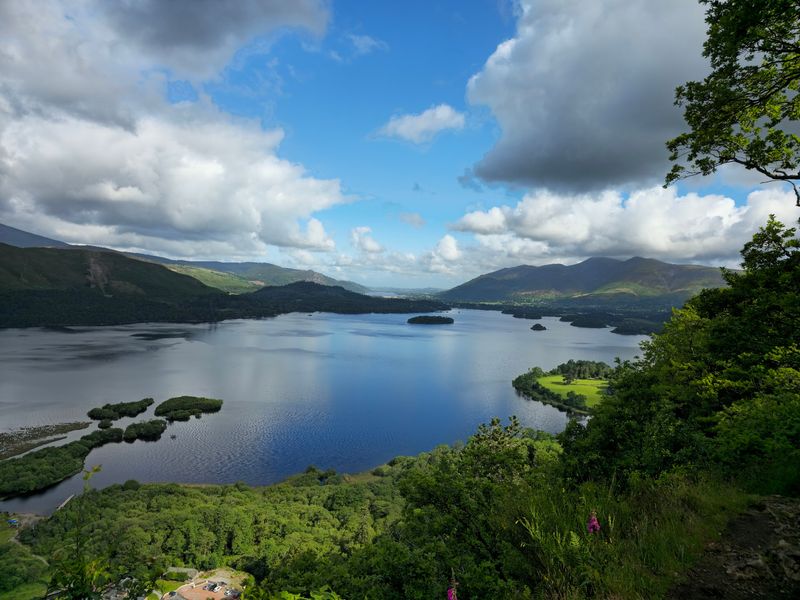
William Wordsworth spent most of his life here and wrote thousands of lines trying to describe it. The Lake District still defies easy summary.
Stone cottages, dry-stone walls, long narrow lakes, wooded valleys, and open fells combine into a landscape that feels simultaneously grand and deeply domestic, shaped by both glaciers and centuries of sheep farming.
UNESCO recognizes the area as a cultural landscape, acknowledging that the scenery is inseparable from the farming practices that created and maintain it. The Herdwick sheep grazing on the fells are as much a part of the view as the mountains themselves.
Beatrix Potter was an early champion of conserving this farming tradition alongside the natural beauty.
Villages like Grasmere, Hawkshead, and Buttermere make excellent walking bases, each with its own character and surrounding trail networks. The fells reward those who climb them with views across multiple lakes and, on clear days, into Scotland and Wales.
Ambleside and Keswick offer more facilities without sacrificing the rural feel. Rainy days, which are frequent, have a charm of their own when you are warm inside a pub with a local ale and a map spread on the table.
Transylvanian Saxon Villages, Romania
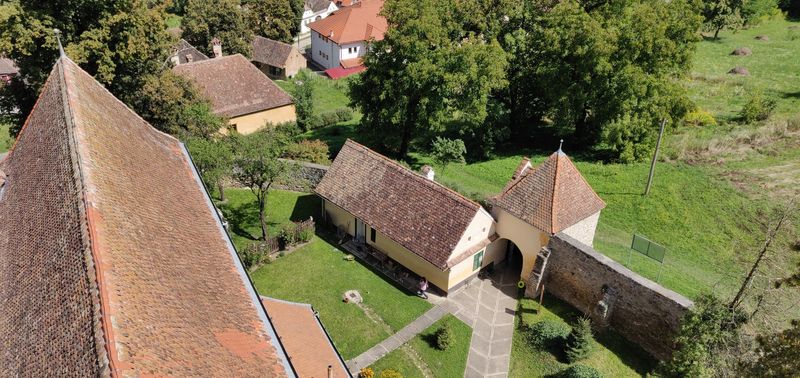
Viscri is the kind of village that makes you wonder where the last few centuries went. Geese wander down unpaved lanes, horse-drawn carts pass painted farmhouses, and a 12th-century fortified church built by Saxon settlers dominates the hilltop as it has for 800 years.
Southern Transylvania holds a collection of villages like this, each one a quietly remarkable survival.
The Saxon communities that built these settlements began leaving after World War Two and in larger numbers after 1989. What they left behind are farmhouses, churches, and agricultural landscapes that UNESCO recognizes as preserving a vivid picture of medieval Central European rural life.
Local families and small guesthouses have stepped in to keep the villages alive.
Biertan, Prejmer, and Saschiz are among the other villages worth visiting, each with its own fortified church and distinct character. Cycling between them through rolling farmland and forested hills is one of Romania’s most rewarding rural experiences.
King Charles III has long been a supporter of conservation efforts here and owns a property in Viscri, which gives you a small anecdote to share with fellow travelers who ask why the village feels so carefully tended.
Plitvice Lakes Region, Croatia
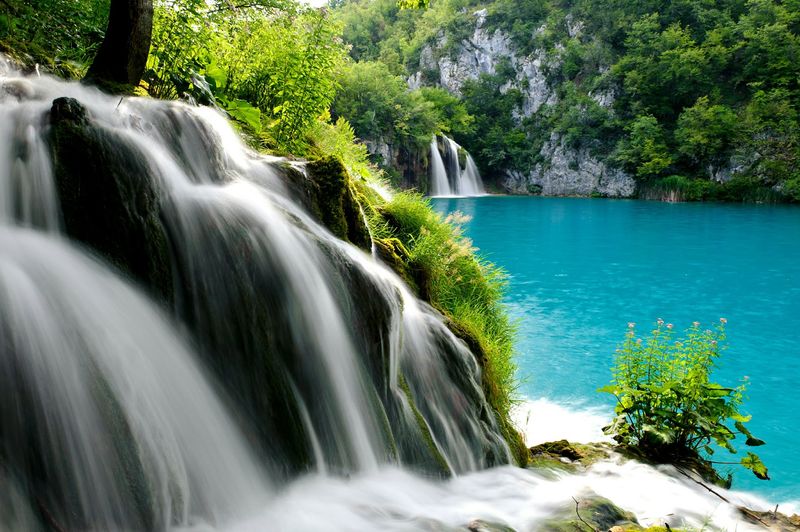
Croatia’s most visited national park earned its UNESCO status for a reason that photographs can only partially explain. Sixteen terraced lakes connected by waterfalls, each one a different shade of blue and green depending on the light, the minerals in the water, and the angle of the sun.
The colors are not edited. They genuinely look like that.
Most visitors spend their time on the boardwalks around the main lake system, which can get crowded during summer mornings. Arriving at opening time or visiting in shoulder season transforms the experience considerably.
The surrounding beech and fir forests, karst meadows, and quiet roads through nearby villages offer a slower and less photographed version of the same landscape.
Staying in the village of Rastovaca or in Slunj nearby allows early park access and time to explore the broader karst countryside, which shares the same geological drama without the entrance queues. The Korana River canyon near Slunj has its own waterfalls and wooden mill village that feel like a secret the main tourist trail has not fully discovered yet.
Plitvice rewards patience and an early alarm clock equally.
Pico Island, Azores, Portugal
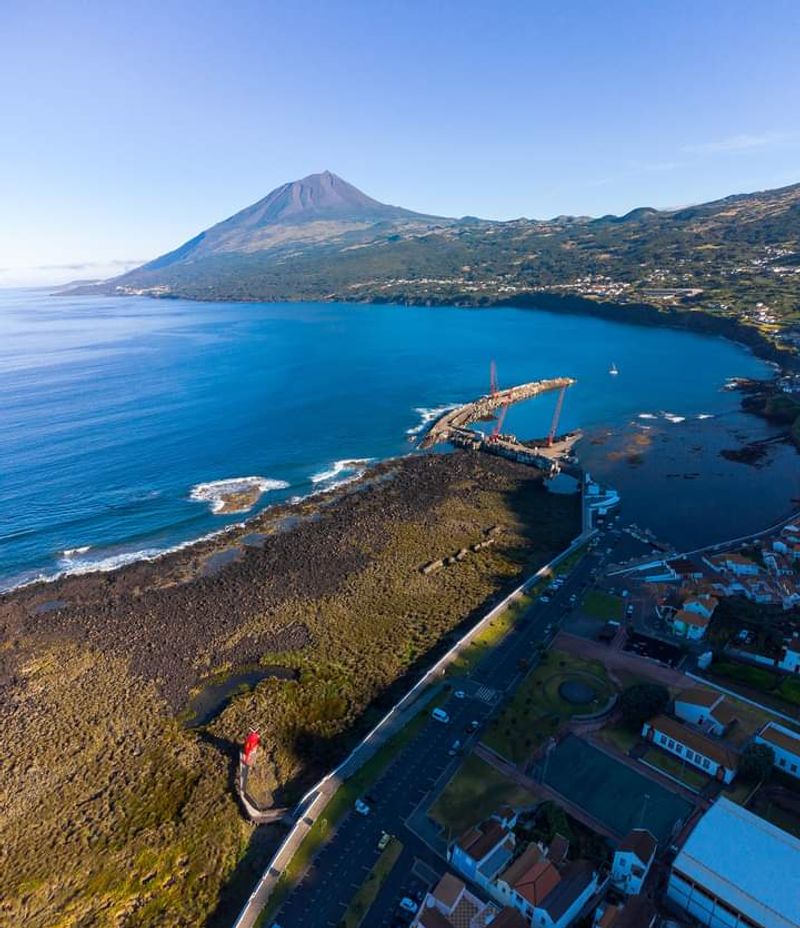
Pico Island looks like a place that geology assembled in a hurry and then never quite finished. Black volcanic rock dominates the coastline, the fields, and the walls that divide thousands of tiny vineyard plots right down to the ocean’s edge.
Behind them, Portugal’s highest mountain, also called Pico, rises to 2,351 meters in a near-perfect volcanic cone.
The vineyard landscape is a UNESCO World Heritage Site, recognized as a living cultural system where grape growers developed ingenious stone wall networks to protect vines from Atlantic wind and salt spray. The wine produced here, Verdelho, has a history stretching back to when Azorean wines were exported to royal courts across Europe.
Whale watching off Pico is among the best in the Atlantic, with sperm whales resident year-round and several other species passing through seasonally. Former whale hunting stations have been converted into museums that tell the island’s complicated relationship with the ocean honestly and without softening the history.
Hiking across lava fields, swimming in natural ocean pools carved from basalt, and eating fresh tuna in a harbor-side cafe complete a Pico experience that feels unlike anywhere else in Portugal.
Fertő and Neusiedler See, Austria and Hungary
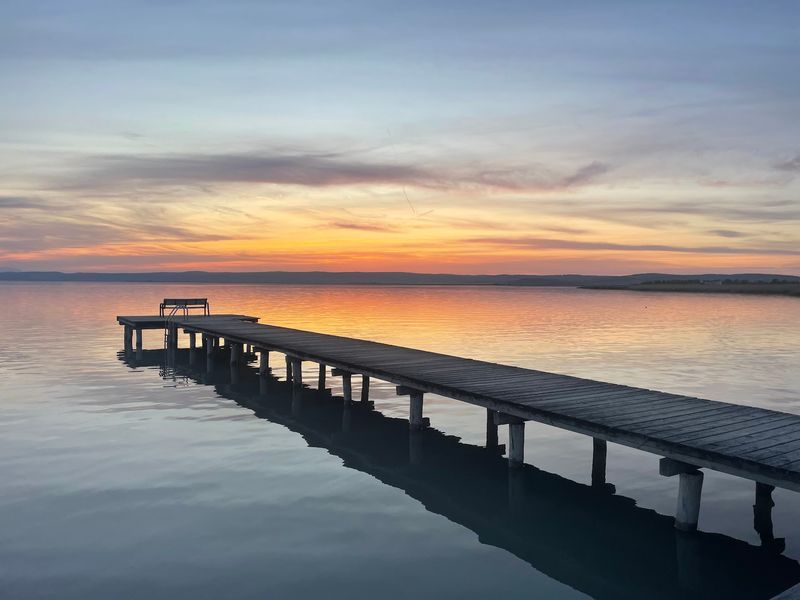
Lake Neusiedl sits in one of Europe’s most unusual landscapes, a shallow, reed-fringed steppe lake straddling the Austrian-Hungarian border with an almost theatrical flatness. The horizon feels further away here than physics should allow.
Skies are enormous. Sunsets are the kind that make even non-photographers reach for a camera.
UNESCO recognized the Fertő and Neusiedler See cultural landscape for its centuries of continuous agricultural use, including viticulture and livestock raising that shaped the villages, the land, and the traditions of both sides of the border. The area around Rust on the Austrian side is particularly charming, famous for its stork nests balanced on chimney tops each summer.
Cycling is the ideal way to explore this corner of Central Europe. Flat, well-marked routes connect wine villages, historic market towns like Eisenstadt, and the reed-bed nature reserves that shelter an extraordinary variety of migratory birds.
The Pannonian wine region produces crisp whites and rich reds that local cellars are happy to pour for visitors who stop along the route. Crossing between Austria and Hungary by bicycle, with a glass of local wine at each end, is a very pleasant way to spend a day in Europe.
Sunnfjord and the Fjord Coast, Norway
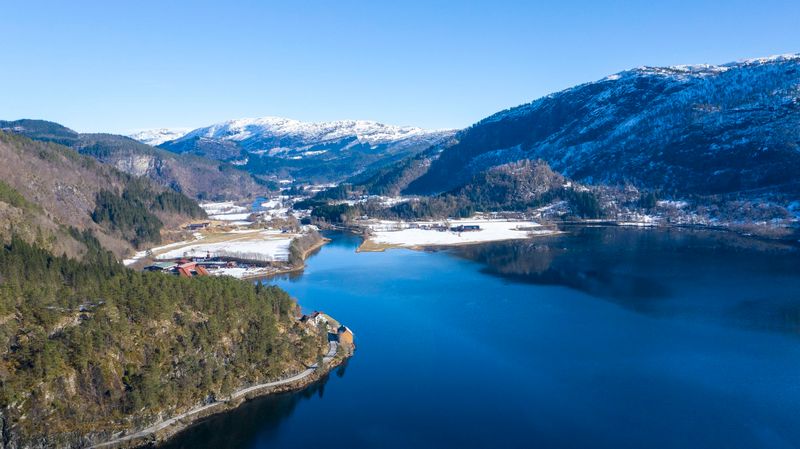
Most travelers heading to western Norway aim straight for Geirangerfjord or Sognefjord, and both deserve their fame. But Sunnfjord, sitting north of Bergen where inland fjord country begins to open toward the Atlantic, offers scenery just as powerful with considerably more room to breathe.
The crowds thin out noticeably once you leave the main tourist corridors.
Visit Norway describes the region as a transition between the deep fjord landscape in the east and wilder island territory in the west, a description that undersells how varied and genuinely beautiful that transition is. Small coastal communities, working farms on narrow shoreline shelves, and hiking trails that climb steeply above the water define the character of the area.
Island hopping by ferry reveals communities where fishing and farming have shaped daily life for generations without much interruption from the outside world. The food culture reflects this: fresh fish, local lamb, and dairy products from mountain pastures appear on menus without pretension.
Hiking above the fjords rewards effort with views that rank among Norway’s finest without requiring the planning or crowds that the most famous viewpoints demand. Sunnfjord is western Norway for people who want to actually experience it rather than simply photograph it.
São Mamede Natural Park, Portugal
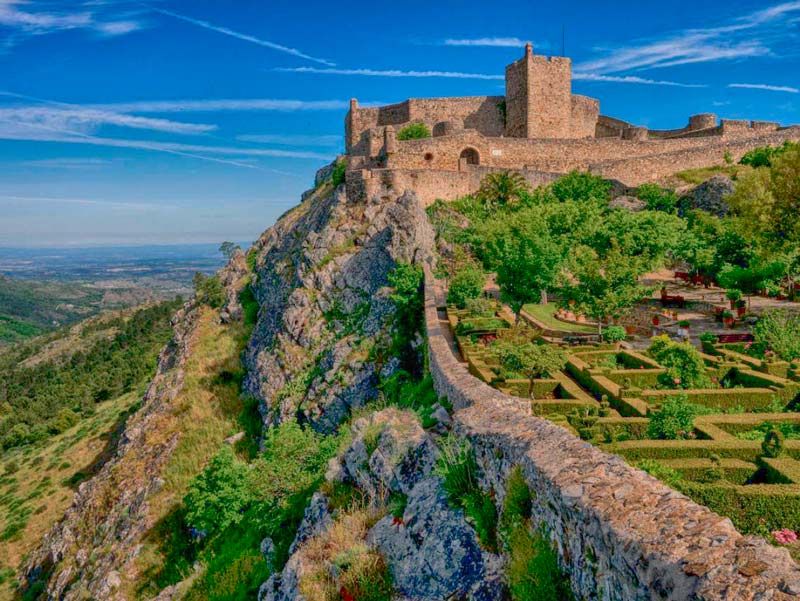
Most people think of the Alentejo as flat, sun-bleached plains stretching to the horizon. São Mamede Natural Park politely disagrees.
Tucked into the northeastern corner of the region near the Spanish border, this park rises into forested granite hills that feel genuinely different from the plains below, greener, cooler, and considerably more dramatic.
The hilltop village of Marvao is the park’s most celebrated landmark, a medieval walled settlement balanced on a rocky ridge at 865 meters with views that extend into Spain on clear days. Castelo de Vide nearby is equally lovely and less visited, with a Jewish quarter, castle, and natural spring that locals still use daily.
Walking trails thread through holm oak and cork oak forest, past Roman ruins, granite outcrops, and small farms where traditional agriculture continues largely unchanged. Bird life is rich, with black storks, eagle owls, and several raptor species using the forested hills and rocky escarpments.
Portugal’s tourism authority highlights the park as a haven of broad horizons and rural tranquility, which is accurate but also slightly undersells the sense of genuine remoteness that settles over you once you are a few kilometers from the main roads and properly inside the park.
Share this story