Some cities in America seem to have made a deal with the sun, because the skies stay clear and the temperatures stay high almost every single day. Whether you love lounging by a pool, hiking desert trails, or just skipping the snow altogether, knowing where the sunshine lives is pretty useful information.
From the scorching Sonoran Desert to the breezy shores of South Florida, the United States has some seriously sun-drenched spots worth knowing about. This list covers 15 cities that stand out for their warmth, their brightness, or both.
Yuma, Arizona
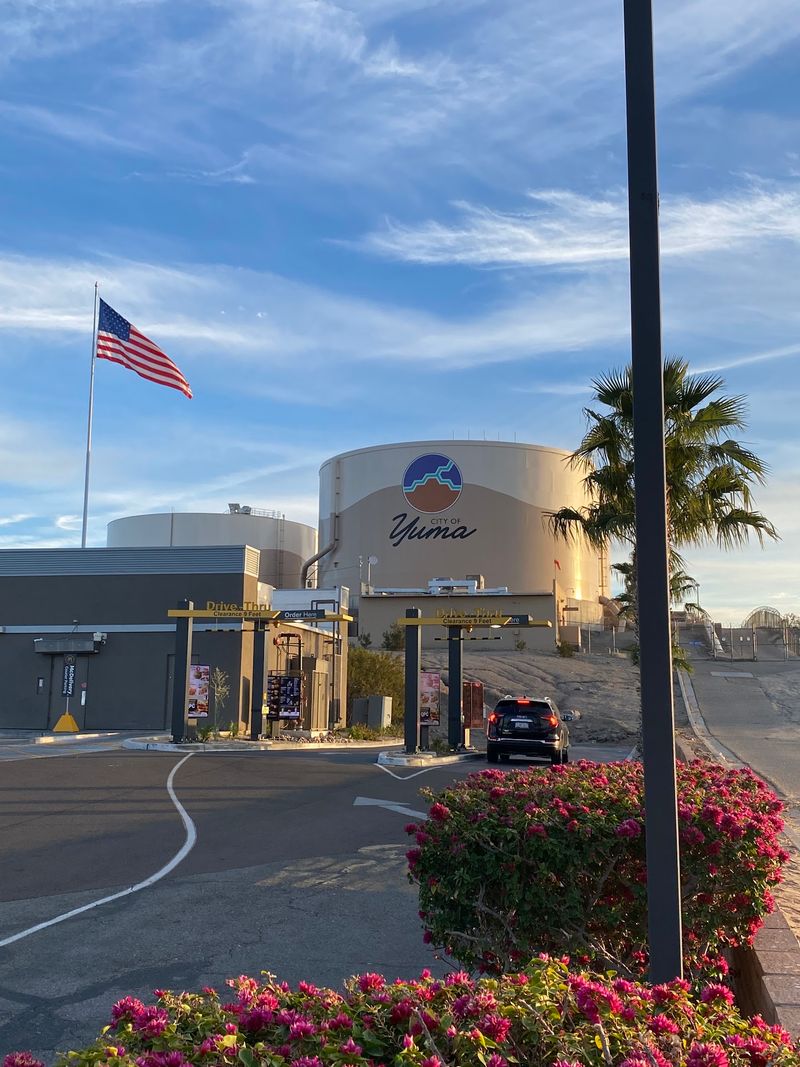
Hold your sunglasses tight, because Yuma, Arizona is widely recognized as the sunniest city not just in America, but on the entire planet. NOAA data consistently places this Sonoran Desert city at the top of sunshine rankings, with clear skies dominating the calendar for an almost unbelievable stretch of the year.
Rainfall is rare, cloud cover is minimal, and the sun shows up like it has a strict attendance policy.
Summers here are no joke. Temperatures can push past 110 degrees Fahrenheit, which means outdoor plans need to happen early in the morning or wait until after sundown.
Locals are well-practiced in the art of heat survival, and shaded patios, misters, and air conditioning are standard equipment.
Winter is where Yuma really shines, both literally and figuratively. Snowbirds from colder states flood the area between November and March, drawn by mild afternoons, clear skies, and easy access to the Colorado River.
Golf courses, hiking trails, and outdoor markets stay busy during these months. If you want maximum sunshine with a side of manageable weather, Yuma between October and April is genuinely hard to beat.
Phoenix, Arizona
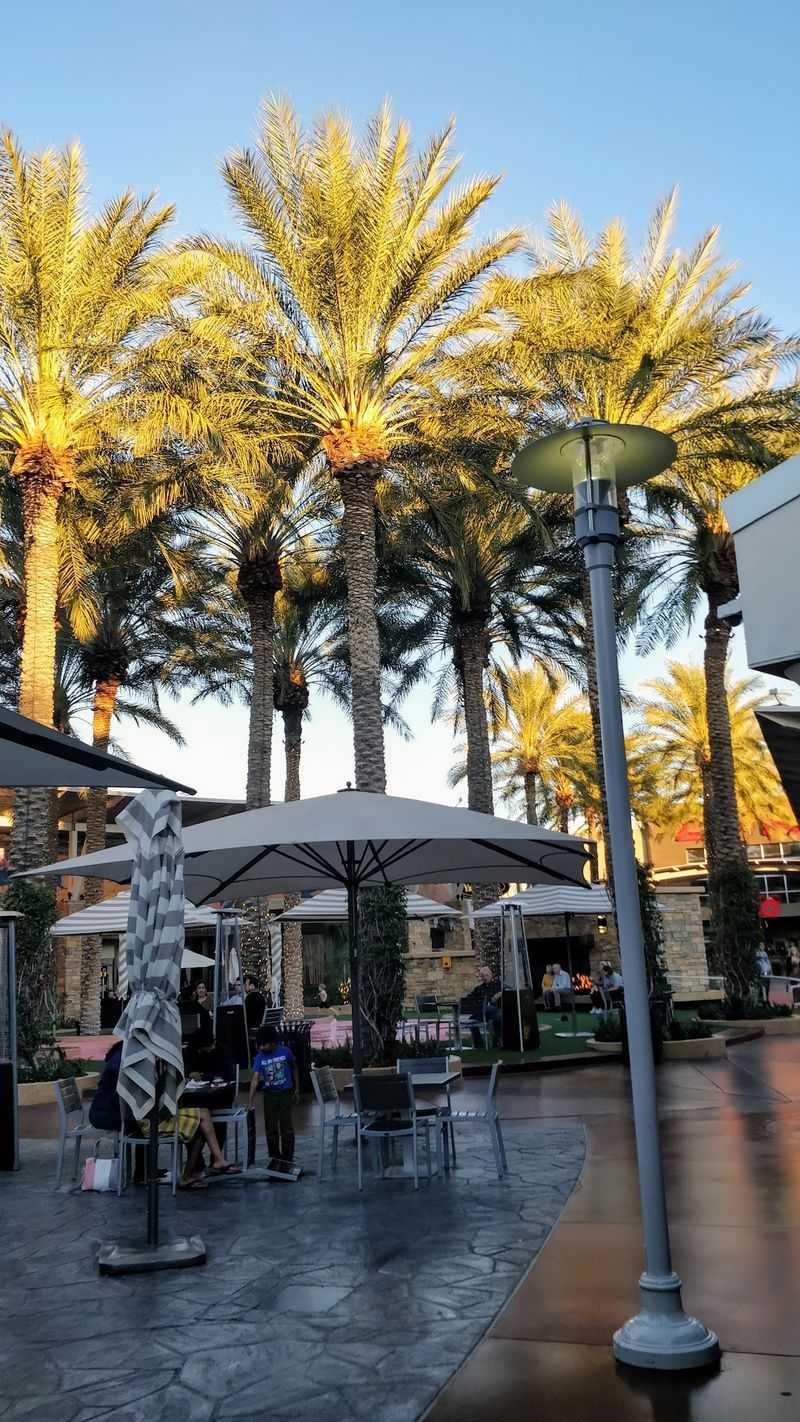
They did not call it the Valley of the Sun by accident. Phoenix racks up more than 3,800 hours of sunshine in a typical year, putting it firmly among the top three sunniest major cities in the entire country.
That works out to sunshine during roughly 85 percent of all possible daylight hours, which is the kind of stat that makes people from Seattle genuinely emotional.
Fall through spring is when Phoenix living feels almost unfair to the rest of the country. Highs in the 70s and low 80s, blue skies, and warm evenings make outdoor dining, hiking South Mountain, and exploring the Desert Botanical Garden completely delightful.
The surrounding Sonoran Desert provides a dramatic backdrop that never gets old.
Summer requires a different strategy. Temperatures regularly hit 110 degrees or higher, and the pavement can cook things faster than some ovens.
Locals schedule outdoor activities before 8 a.m. or after 7 p.m. and treat the hottest weeks like others treat blizzards. Still, even in July, the skies stay remarkably clear.
Phoenix is a city that earns its sunny reputation every single month of the year, even if June through August demand serious respect.
Tucson, Arizona
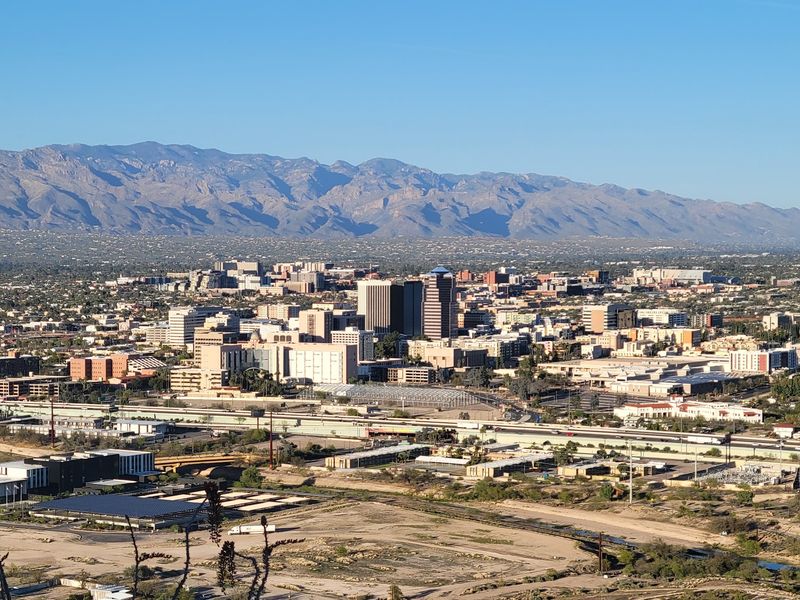
Tucson wears its sunshine like a badge of honor, matching Phoenix and Las Vegas at around 85 percent of possible daylight hours spent in full sun. What sets Tucson apart is its elevation, sitting roughly 2,400 feet above sea level, which takes a little edge off the brutal summer heat that dominates lower desert cities.
Nights cool down noticeably, making summer evenings more livable than you might expect.
The city is surrounded by five different mountain ranges, and saguaro cacti tower over the landscape in every direction. Saguaro National Park actually splits into two sections on either side of the city, which is a pretty unusual geographic distinction.
Hiking, mountain biking, and wildlife watching are year-round activities here, especially popular between October and April when temperatures are genuinely comfortable.
Tucson also has a monsoon season that rolls through from July into September. Dramatic afternoon thunderstorms build quickly, drop heavy rain, and clear out fast, often leaving behind those jaw-dropping desert sunsets that photographers travel specifically to capture.
The combination of reliable sunshine, mountain scenery, and a lively arts and food scene makes Tucson one of the Southwest’s most underrated cities for outdoor enthusiasts.
Las Vegas, Nevada
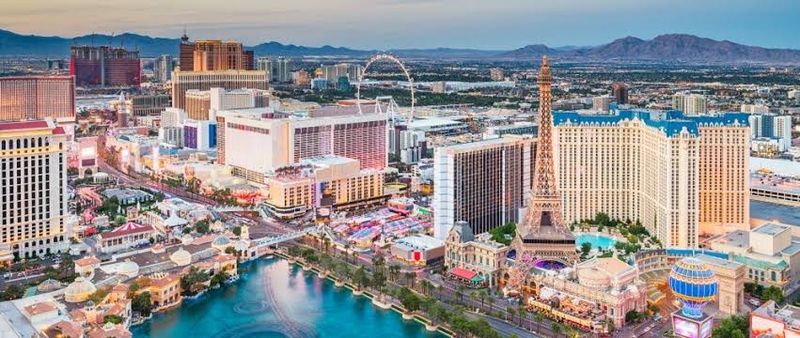
Beyond the neon signs and casino floors, Las Vegas is sitting on one of the most dependable sunshine records in the entire country. The city logs more than 3,800 hours of sunshine per year and clears the 85 percent threshold for sunny daylight hours, putting it right alongside Phoenix and Tucson at the very top of the national rankings.
The Mojave Desert surrounding the city keeps moisture and clouds to a minimum.
Summers are hot and genuinely dry, which feels different from humid heat. Temperatures regularly cross 110 degrees Fahrenheit in July, but the low humidity means sweat actually evaporates and provides some cooling.
Winters are mild during the day, with highs often reaching the 50s and 60s, though nights can drop sharply and frost is not unheard of at higher elevations nearby.
Red Rock Canyon sits just 17 miles from the Strip and offers sandstone cliffs, hiking trails, and dramatic scenery that most visitors never see. Lake Mead and the Spring Mountains add more outdoor variety within easy driving distance.
Las Vegas has a quieter, sunnier side that exists entirely outside the casinos, and that outdoor world is genuinely spectacular when the weather cooperates, which is most of the time.
Palm Springs, California
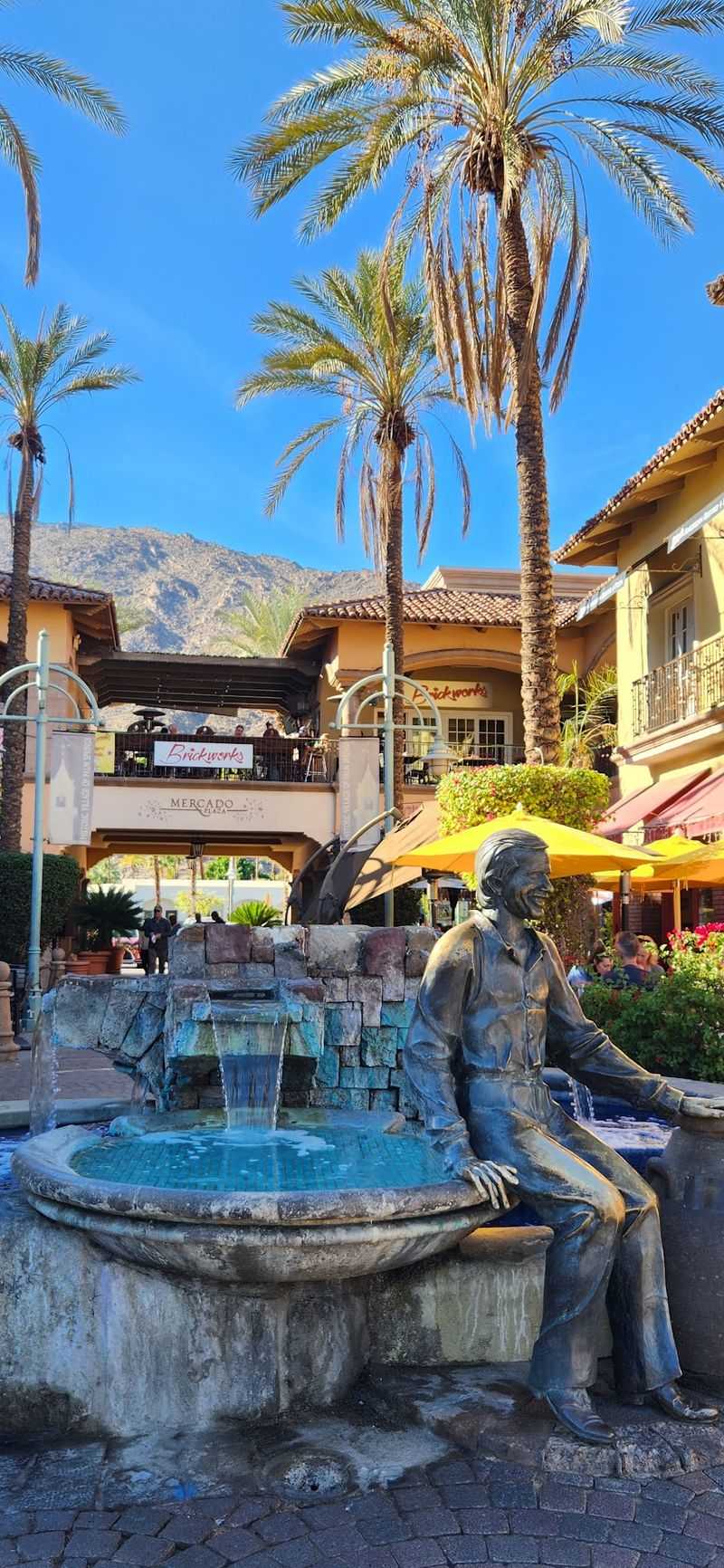
Tucked behind the San Jacinto Mountains in Southern California, Palm Springs benefits from one of the most reliable rain shadows in the American West. Moisture-carrying Pacific air drops its rain on the mountain slopes before ever reaching the valley, leaving Palm Springs with a desert climate that produces hundreds of clear, bright days every single year.
The mountains are not just scenery here, they are the reason the city is so dry.
Mid-century modern architecture is everywhere in Palm Springs, and the combination of retro design, turquoise pools, and mountain backdrops has made it an iconic destination for decades. The Coachella Valley stretches east from the city and is generally even warmer and drier than the main downtown area.
Date palm groves, golf courses, and open-air tram rides up the mountain are all local staples.
Summer temperatures frequently push past 115 degrees, which is genuinely extreme and keeps some visitors away from June through August. That is also when hotel rates drop significantly, which attracts a different kind of adventurous traveler.
October through April is the sweet spot, when warm afternoons, low humidity, and clear blue skies make outdoor brunches and evening strolls genuinely enjoyable without any heat stress involved.
El Paso, Texas
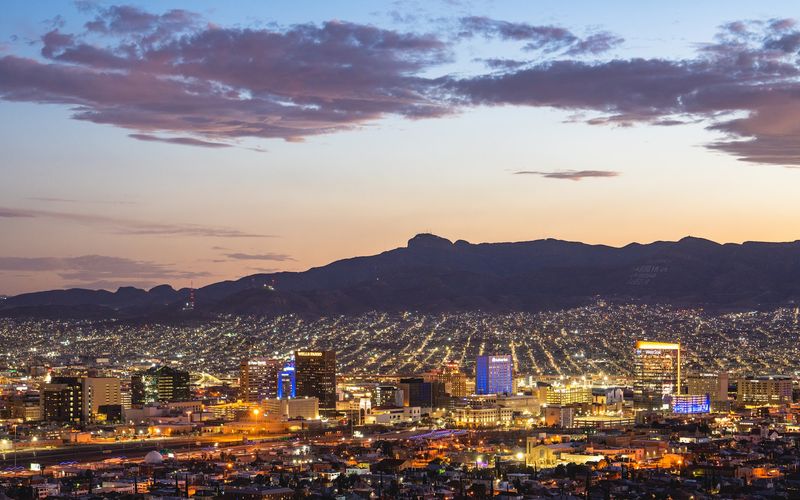
Perched at 3,800 feet above sea level along the Rio Grande, El Paso earns its place among America’s sunniest cities through sheer consistency. The high-desert location keeps humidity low and cloud cover rare, and published sunshine comparisons regularly group El Paso with Yuma, Phoenix, Las Vegas, and Tucson as one of the country’s brightest spots.
The Franklin Mountains divide the city, creating a dramatic urban landscape that few other American cities can match.
Summer heat is real but different from Gulf Coast heat because the air stays dry. A high of 100 degrees in El Paso feels noticeably more bearable than a high of 90 degrees with 80 percent humidity in Houston.
Afternoons in July and August are genuinely hot, but evenings cool off more than in lower-elevation desert cities, making outdoor dining after sunset quite pleasant.
Winter brings mild afternoons that regularly reach the 60s, though nights can get cold and snow occasionally dusts the Franklin Mountains. The city’s location on the US-Mexico border gives it a rich cultural blend that shows up in the food, music, and festivals throughout the year.
Sunshine is a constant companion here regardless of the season, which keeps outdoor life active across the full calendar.
Key West, Florida
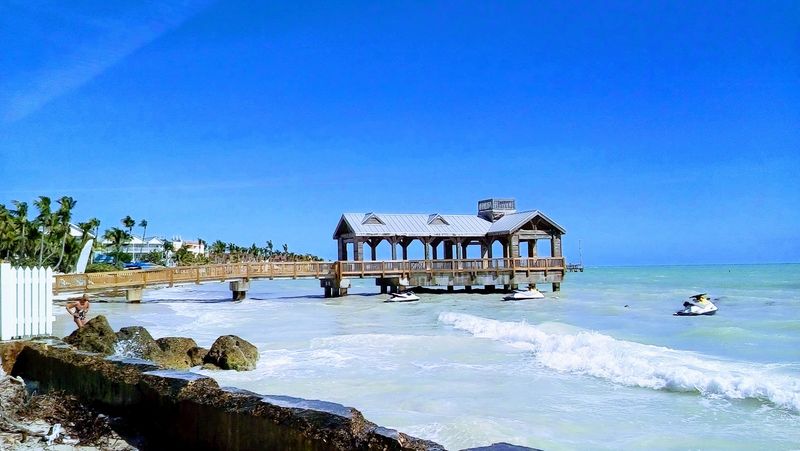
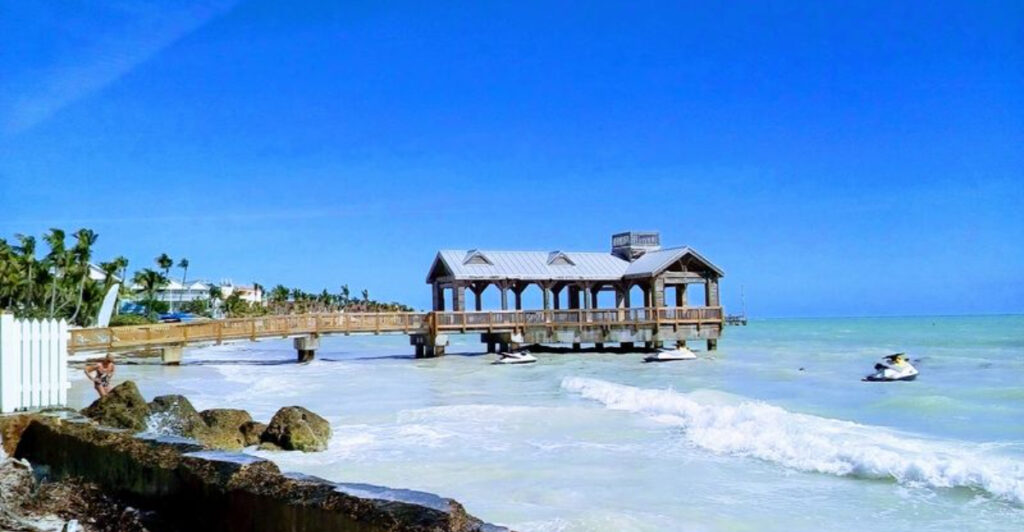
Key West sits at the very tip of the Florida Keys, dangling into the Gulf of Mexico like it decided mainland rules do not apply. NOAA data from the 1991-2020 period places its average annual temperature at approximately 78.6 degrees Fahrenheit, making it one of the warmest incorporated cities in the entire United States.
Ocean water surrounds the island on multiple sides, keeping temperatures from swinging too far in either direction throughout the year.
Unlike the desert cities higher on this list, Key West pairs its warmth with tropical humidity and a real summer rainy season. From June through September, afternoon thunderstorms are a daily routine, though they often clear quickly.
Ocean breezes provide some relief, but muggy nights are part of the package for most of the year. Locals and longtime visitors learn to embrace the sticky air as part of the island’s personality.
Winter is the city’s peak season for a very good reason. Temperatures stay warm and comfortable, rainfall decreases significantly, and the humidity drops to a far more pleasant level.
Visitors escaping frozen northern winters find the combination of warm sunshine, fresh seafood, and a famously relaxed atmosphere almost impossible to resist. Duval Street fills up, sunsets at Mallory Square draw crowds, and the whole island operates at a cheerful, unhurried pace.
Miami, Florida
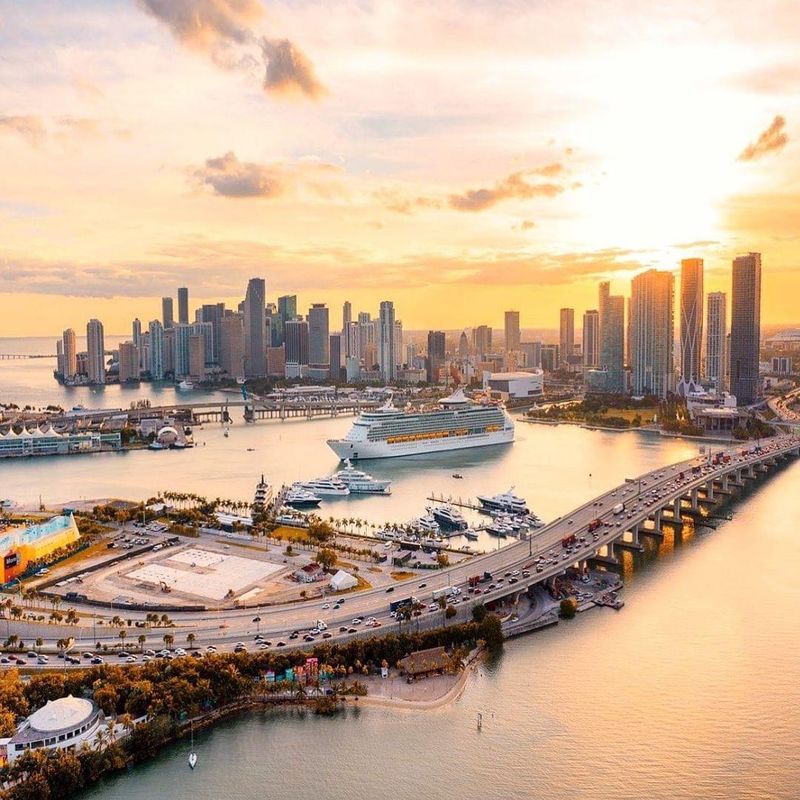
Miami is the city where summer never fully leaves. With an average annual temperature of approximately 76.8 degrees Fahrenheit based on NOAA 1991-2020 normals, it ranks among the warmest major cities in the country by a comfortable margin.
The Atlantic Ocean and Biscayne Bay wrap around the metropolitan area, moderating temperatures and keeping the city from reaching the extreme highs seen in the desert Southwest.
The climate here is a genuinely different animal compared to Arizona or Nevada. Miami receives abundant sunshine but also frequent and sometimes intense summer thunderstorms, high humidity for much of the year, and real hurricane-season risk from June through November.
The city is beautiful and energetic, but its warmth comes packaged with tropical weather patterns that require awareness and preparation.
Winter is Miami’s golden season, and the city makes the absolute most of it. From December through March, temperatures stay in the 70s, humidity drops to comfortable levels, and outdoor life explodes.
South Beach fills with visitors, rooftop bars stay busy well into the evening, and the Everglades to the west become an excellent destination for wildlife exploration. Warm winters combined with a vibrant cultural scene make Miami one of the most appealing winter escapes in the country.
Honolulu, Hawaii
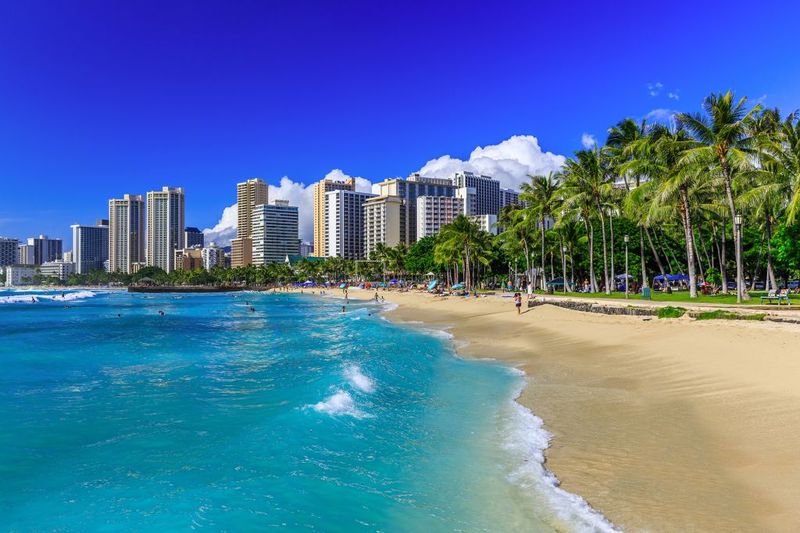
No city on this list delivers quite the same year-round climate consistency as Honolulu. Trade winds blow steadily off the Pacific Ocean, keeping tropical heat from becoming oppressive and maintaining temperatures in a remarkably stable range throughout the entire calendar year.
The difference between the warmest and coolest months is smaller in Honolulu than almost anywhere else on the list, which is a genuinely unusual climate characteristic.
The leeward side of Oahu, where Waikiki and much of downtown Honolulu sit, is sunnier and drier than the windward coast. Mountains intercept the trade winds and wring moisture out before it reaches the city, creating a protected pocket of reliable beach weather.
Brief showers can pop up in any season, but they tend to pass quickly and often produce rainbows over the ocean that locals barely glance at anymore.
NOAA tracks Hawaii’s climate through its national network of long-term stations, and Honolulu’s data reflects one of the most enviable temperature profiles in the entire country. Ocean water temperatures stay warm enough for comfortable swimming year-round, which is a luxury that no mainland city can claim.
The combination of consistent warmth, trade-wind cooling, and world-class beaches makes Honolulu a benchmark that other warm-weather cities are quietly measured against.
San Diego, California
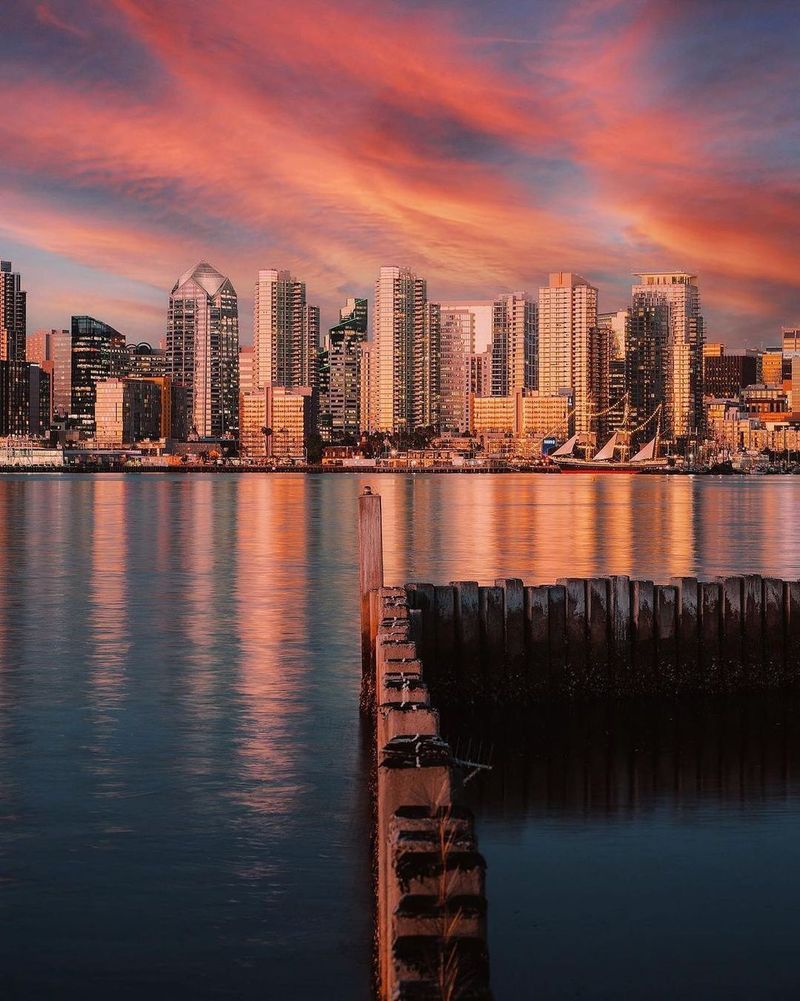
San Diego has a climate that meteorologists genuinely enjoy explaining because it breaks so many expectations. The city does not chase extreme heat records or top the sunshine charts the way Phoenix or Yuma do, yet it consistently ranks among the most comfortable warm-weather cities in the entire country.
The Pacific Ocean acts as a natural thermostat, keeping summers cooler and winters milder than almost anywhere else at the same latitude.
Late spring and early summer bring a coastal weather pattern locals call June Gloom, when marine clouds hang over the coast through late morning before burning off. This can frustrate visitors expecting nonstop sunshine, but the afternoons usually clear up nicely.
By late summer and fall, the clouds retreat and San Diego delivers some of its most genuinely beautiful sunny stretches of the entire year.
Annual rainfall is low, outdoor activities are available every single month, and the city’s neighborhoods range from beach towns to canyon-lined suburbs to a lively downtown waterfront. Balboa Park, the world-famous San Diego Zoo, and easy access to Baja California give residents and visitors an enormous range of things to do in comfortable weather.
San Diego is the city that quietly wins the livability argument without ever needing to raise its voice.
Los Angeles, California
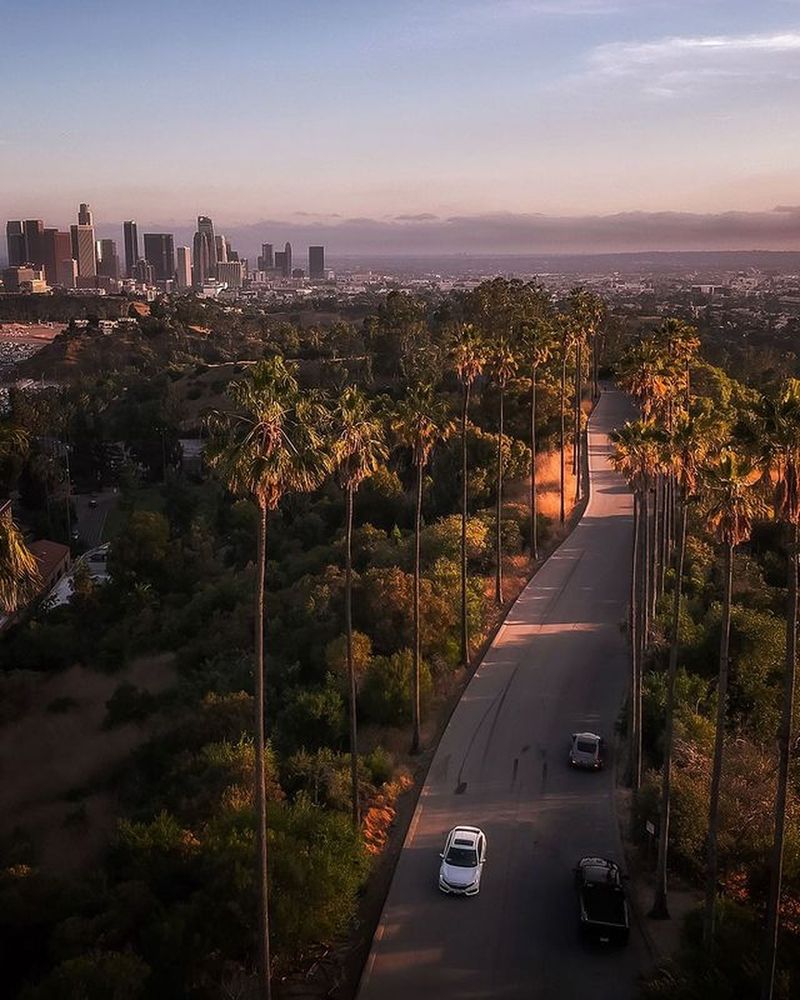
Los Angeles has been selling sunshine as a lifestyle for over a century, and the climate mostly delivers on that promise. Long dry summers, mild winters, and plentiful bright days make the outdoors a central part of daily life for millions of residents spread across one of the largest metropolitan areas in the world.
The city’s sprawl means climate varies more here than almost anywhere else on this list.
Coastal neighborhoods like Santa Monica and Venice stay relatively cool even in summer, with ocean breezes keeping afternoon highs in the 70s during July and August. Venture just 20 miles inland to the San Fernando Valley or Riverside, and temperatures can be 20 to 30 degrees hotter on the same afternoon.
This creates a fascinating patchwork of microclimates that lets residents essentially choose their preferred temperature zone based on where they live.
Rain arrives mostly between November and March, and even then, it tends to come in concentrated bursts rather than steady gray weeks. Long dry stretches from May through October are the norm, supporting a year-round outdoor culture of farmers markets, hiking, beach volleyball, and rooftop gatherings.
The sunshine here is real, even if traffic and urban sprawl compete for attention alongside it.
Sacramento, California
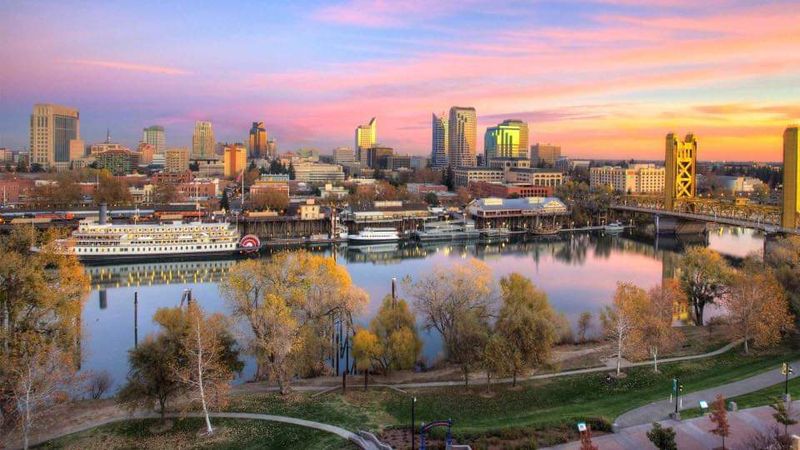
Sacramento pulls off a summer sunshine performance that surprises people who have not looked at the actual numbers. During July and August, the city receives sunshine during roughly 96 percent of possible daylight hours, which edges out even Phoenix and Las Vegas for those specific months.
The Central Valley location sits far enough from the coast that marine clouds rarely intrude during summer, leaving the sky almost completely uninterrupted for weeks at a time.
Summer afternoons are hot, regularly climbing into the upper 90s and occasionally crossing 105 degrees. The Sacramento-San Joaquin River Delta provides a natural relief valve, sending cooler evening air into the city as temperatures drop after sunset.
This daily temperature swing, sometimes 30 degrees between afternoon high and overnight low, makes summer nights genuinely comfortable even when days are scorching.
Winter brings a completely different climate. Seasonal rain arrives from Pacific storm systems, fog settles into the valley for days at a time, and sunshine becomes a much rarer commodity from December through February.
Spring and fall are beautiful transition periods with warm temperatures, clear skies, and the surrounding farmland in various stages of growth. Sacramento’s climate is one of dramatic seasonal contrasts rather than the steady warmth found in Florida or Hawaii.
Fresno, California
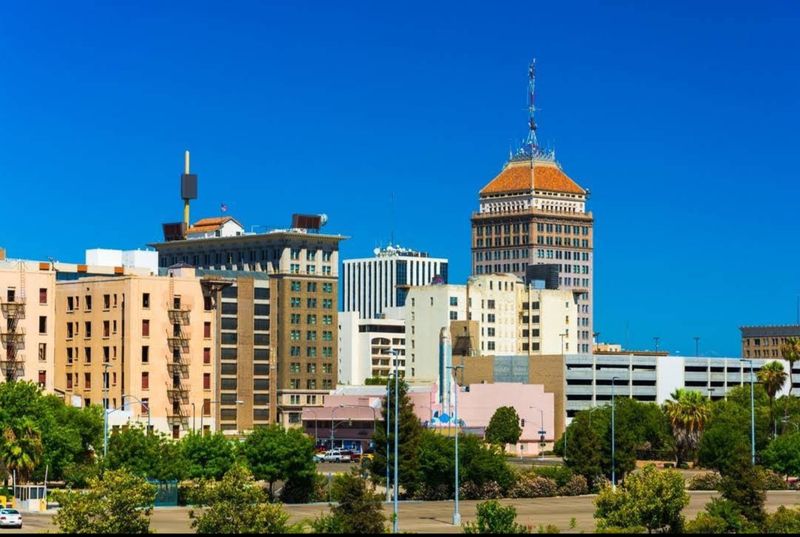
Fresno bakes. There is really no more accurate way to describe a city where summer afternoons regularly climb above 100 degrees Fahrenheit and stretches of 10 or more consecutive days above 95 degrees are considered normal.
The Central Valley location creates a heat trap that amplifies summer temperatures well beyond what coastal California ever experiences, and the dry air means that heat is intense and direct with no humidity to soften it.
The sunshine is relentless from May through September, with very few cloudy days interrupting the long, bright days. Despite the heat, the location has a major perk that residents genuinely appreciate: Yosemite National Park is about 60 miles to the northeast, Kings Canyon is roughly 50 miles east, and Sequoia is similarly close.
Living in Fresno means having some of the country’s most spectacular mountain scenery within a straightforward drive.
Winters shift the experience considerably. Rain arrives, temperatures drop to comfortable levels, and thick valley fog called Tule fog can settle in for days at a stretch, reducing visibility to near zero and making winter driving genuinely hazardous.
The fog season is a well-known inconvenience for Fresno residents, but it does not last forever. Spring arrives with warmth, wildflower blooms in the foothills, and a reminder of why Central Valley living has its own distinct appeal.
Bakersfield, California

Bakersfield sits near the southern end of the San Joaquin Valley, and its location makes it one of the hottest and driest cities in California. Marine air from the Pacific coast rarely penetrates this far inland, which means the natural cooling effect that moderates coastal cities simply does not apply here.
The result is a summer climate defined by long stretches of intense heat, minimal cloud cover, and very little rain to interrupt the sunshine.
Annual rainfall averages around 6 to 7 inches, which is genuinely desert-level dryness for a city that most people do not think of as a desert location. Summer temperatures regularly push past 105 degrees and occasionally reach 110 degrees during the hottest weeks.
Despite that, the city of nearly 400,000 people maintains an active outdoor culture, with early morning activity and evening events keeping things lively without the midday heat.
Late spring and early fall offer the most comfortable windows for visitors. Temperatures in the 80s and 90s feel manageable compared to July peaks, and the surrounding terrain of golden hills and farmland looks particularly striking in the lower-angle light of those seasons.
Winter brings cooler weather and occasional fog, similar to Fresno, but the overall annual sunshine total remains impressively high throughout the year.
McAllen, Texas
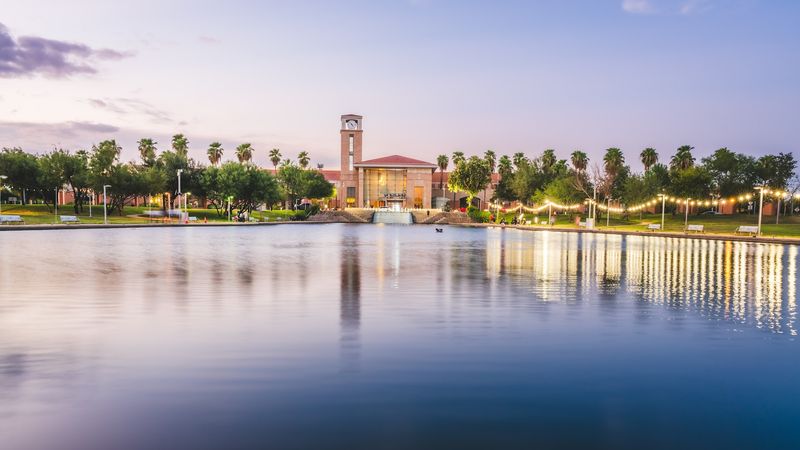
McAllen sits deep in the lower Rio Grande Valley of South Texas, close enough to the Mexican border that the two countries share the same subtropical air mass. NOAA figures give the city an average annual temperature of approximately 75.4 degrees Fahrenheit, making it one of the warmest cities in the continental United States outside of Florida.
That warmth is consistent and year-round rather than seasonal, which sets McAllen apart from cities further north.
Winters here are the real headline. While the northern half of the country deals with ice storms and snow, McAllen residents are eating lunch on outdoor patios in 70-degree weather and visiting the Santa Ana National Wildlife Refuge, one of the premier birding destinations in North America.
The subtropical vegetation, including palms, citrus groves, and subtropical brush, gives the city a look that feels more like Central America than Texas.
Summers are hot and humid, with temperatures in the mid-90s and high humidity making outdoor activity demanding between noon and 6 p.m. Afternoon thunderstorms provide occasional relief and keep the landscape greener than the desert cities to the west.
McAllen has grown quickly in recent decades, with a lively food scene, shopping, and cultural connections to nearby Mexico that give it a distinct character unlike any other city on this list.
Share this story