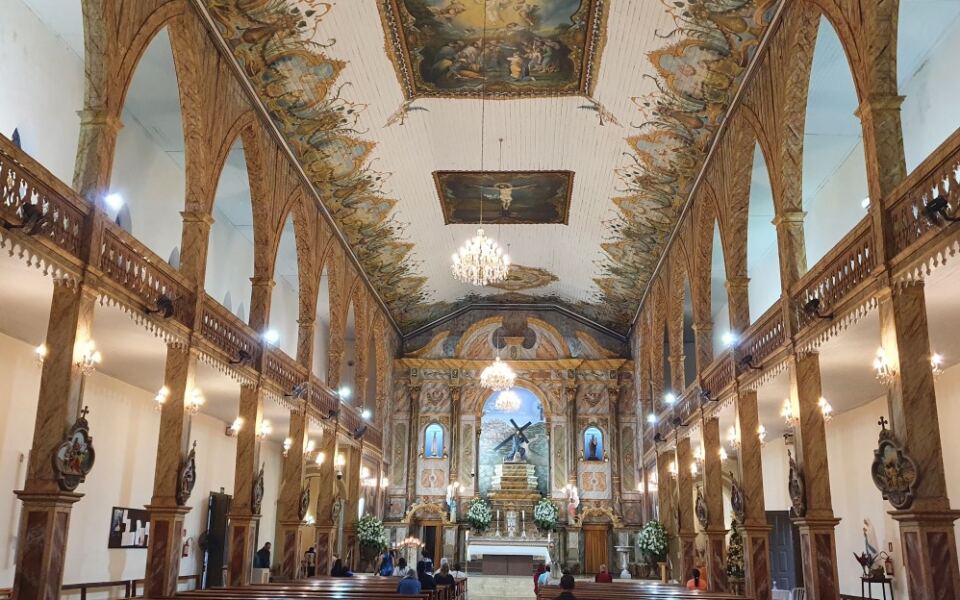
Diamonds once made a small town in Bahia famous around the world. Today, Lençóis still wears that glamorous past on its streets, houses and riverbanks.
Waterfalls, mountains and living traditions sit right next to the old rooftops. Here are fifteen reasons this place feels so special.
The Protected Historic Center
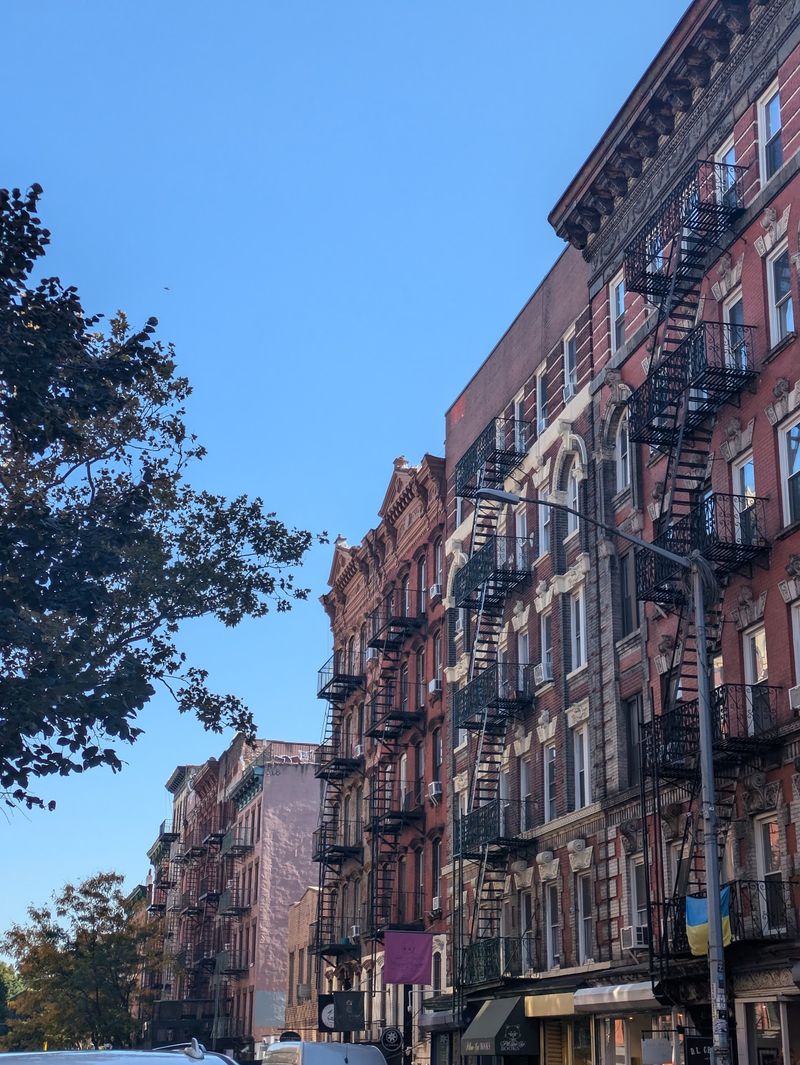
Walk five minutes in Lençóis and you will notice something odd: the streets refuse to behave. They bend around hills, squeeze past boulders and wander beside the river like they have nowhere to be.
That wiggly layout comes from the town’s mining days, when people built where the ground allowed instead of following a neat plan. Brazil’s heritage institute, IPHAN, protected the historic ensemble in 1973.
The zone covers about 570 properties, so the whole neighborhood is saved, not just one famous building.
Some lanes use uneven stones for paving. In other spots, bare rock simply becomes the road.
Your ankles will have opinions, so wear shoes with good grip.
The center is small enough to explore on foot. You can drift between little squares, bright fronts and steep alleys without a map.
Whenever you look up, the Serra do Sincorá shows its green and rocky shoulders beyond the rooftops.
Go early in the morning, when the light is soft and the stones are quiet. You will hear doors opening, birds chirping and maybe a shopkeeper greeting a neighbor.
It is a gentle way to meet the town before the day heats up.
Rows of Colorful 19th-Century Houses
Picture a box of crayons spilled across a hillside. That is the feeling when you see the painted houses of Lençóis lined up shoulder to shoulder.
No single palace steals the show here. The charm comes from the crowd of homes and sobrados, which are two-story townhouses built in the second half of the 1800s.
Builders used adobe, stone, timber and taipa de mão, a traditional method that packs earth onto a wooden frame.
Look closely at the details. Shutters and doors pop in contrasting colors, roofs wear clay tiles, and some balconies are decorated with iron curls.
Each street has its own rhythm, like a song with a steady beat.
What makes this special is that ordinary homes survived, not only churches or government halls. Whole blocks show how a rich mining community really lived, ate and welcomed guests.
Bring a camera, but also slow down. Stand across the street and let your eyes travel along the rooflines.
You will spot new shapes and colors each time you look again.
A Diamond-Rush History Written Into the Streets

Here is a fact that sounds made up: between 1845 and 1871, this remote town led the world in diamond production. According to IPHAN, it also became the third most important city in Bahia.
Word spread fast after the first discoveries in 1845. Miners, merchants and investors rushed in from across Brazil, hoping to strike it rich.
Diamonds traveled out to European markets, while fancy imported goods traveled in.
The trade grew so big that France opened a vice-consulate in Lençóis. Imagine a tiny inland town with its own foreign diplomat.
That tells you how much money was flowing.
All that wealth paid for the large houses and shops you can still see today. When diamonds were found in South Africa and local supplies shrank, the boom slowly faded.
The buildings stayed behind, though, like souvenirs from a very exciting party. As you stroll, try to guess which doorways once welcomed traders carrying small bags of sparkling stones.
The town’s whole story is written right there in the walls.
Praça Horácio de Matos
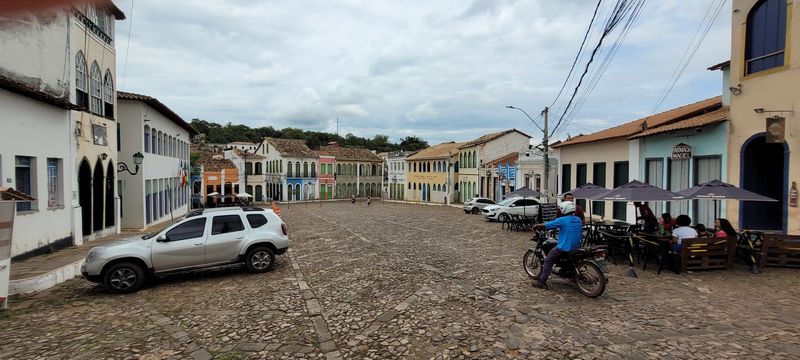
Every town has a spot where the story starts, and for Lençóis it is a square once used as the market. Praça Horácio de Matos sits where scattered mining camps slowly joined together into a real town.
Two early settlements, Serrano and São Félix, grew on opposite sides of the river. Over time they merged, and this area became a busy heart of trade.
IPHAN notes that five protected houses stand around the square.
Stand in the middle and turn slowly. You will see sturdy merchant homes, stone paving and streets that branch off in odd directions.
It is one of the easiest places to understand how the old town was shaped.
The best part is that nothing feels frozen. Restaurants, shops and daily errands still happen inside the historic walls.
Locals chat, kids dash past, and the smell of lunch drifts through the air.
Grab a seat nearby and watch the rhythm of the day. It is a simple, relaxed way to feel the past and present sharing the same space.
The Historic Bridge Across the Lençóis River

A drought gave this bridge its start. Between 1859 and 1862, a severe dry spell hit Brazil’s northeastern interior, and building the bridge in 1860 gave people work when jobs were scarce.
The crossing mattered for another reason. The early mining settlements stood on opposite sides of the river, and the bridge tied them together.
Once travel got easier, growth gathered around what is now the central area.
Stop in the middle and listen. Water tumbles over rocks below, and the old fronts line the banks like curious spectators.
The wild landscape never feels far away, even when you are standing in town.
Bridges, riverbanks and houses belong to one picture here. You do not need to hunt for separate attractions, because they all blend into a single scene.
For a great photo, visit when the light turns golden near the end of the day. Walk both banks and compare the views.
Each side gives the town a slightly different personality.
Mercado Cultural
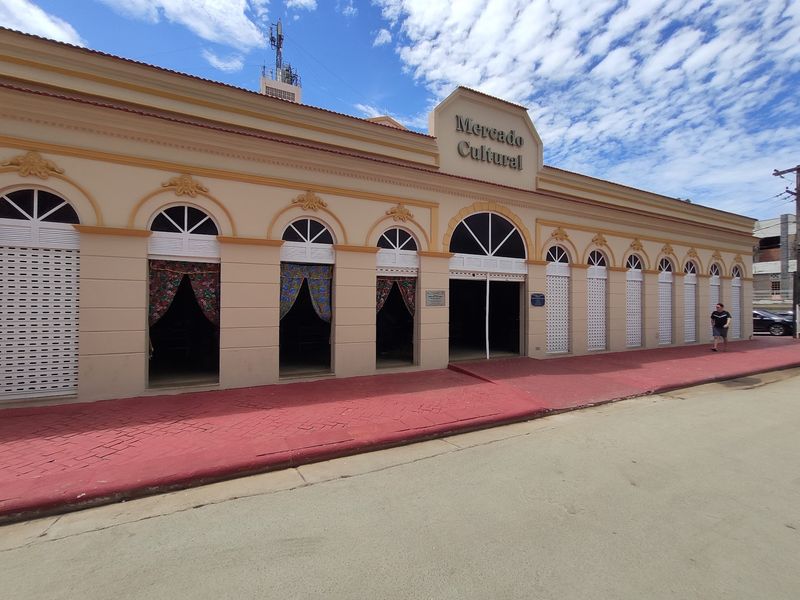
Old markets rarely get a second act, yet Lençóis managed it. The former market now shines as the Mercado Cultural, a lively place for music, crafts and community events.
A city restoration finished before the 2021 reopening. Workers fixed the roof structure and added a stage, dressing rooms, shop space and better access.
They also upgraded the electrical and water systems, which is not glamorous but very useful.
The arches stand next to the river and bridge, so the building is easy to spot. After dark, the lights make it one of the most recognizable corners of town.
Events here have shown regional crafts such as weaving, carving, jewelry, crochet and hand painting. Browsing the stalls is a fun way to meet makers and learn how they work.
If you want a keepsake, this is a smart place to look. Ask about the materials and the story behind each piece.
A handmade souvenir always tastes sweeter with a little background.
The Festa de Senhor Bom Jesus dos Passos
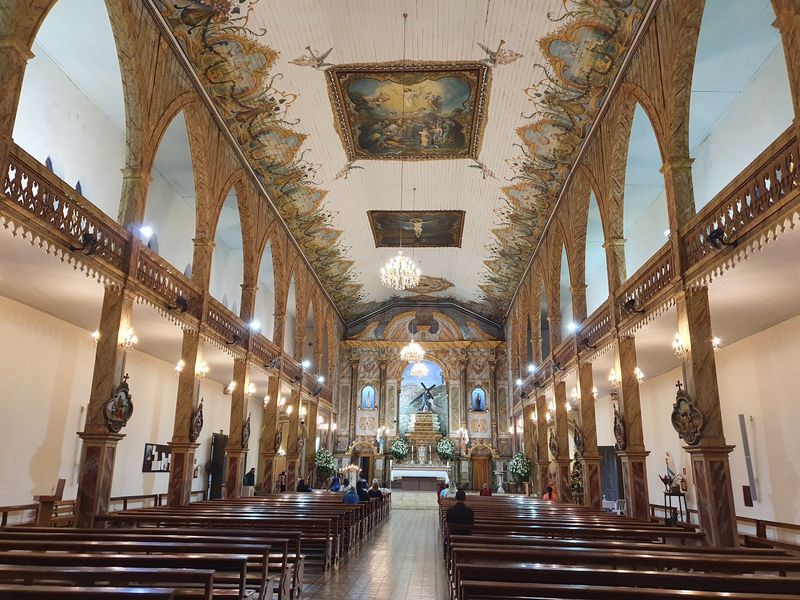
The celebration starts with a scrubbing. In late January, townspeople wash the church steps, and that humble act kicks off one of Lençóis’ most meaningful traditions.
Senhor Bom Jesus dos Passos is seen as the patron of the town’s miners. The festival has been held for more than 150 years, so it has deep roots.
Days of novenas and Mass lead up to a procession through the historic center.
Recognition has followed. Bahia named it state intangible heritage in 2023, and IPHAN registered it as Cultural Heritage of Brazil in March 2026.
What stands out is how the ritual links today’s residents to the miners who built the town. The old streets stop being scenery and become a stage for living memory.
If your trip lines up with the dates, go with respect and curiosity. Dress modestly, keep your phone use gentle, and let the crowd’s rhythm guide you.
Moments like this teach more than any sign ever could.
Casa e Memorial Afrânio Peixoto
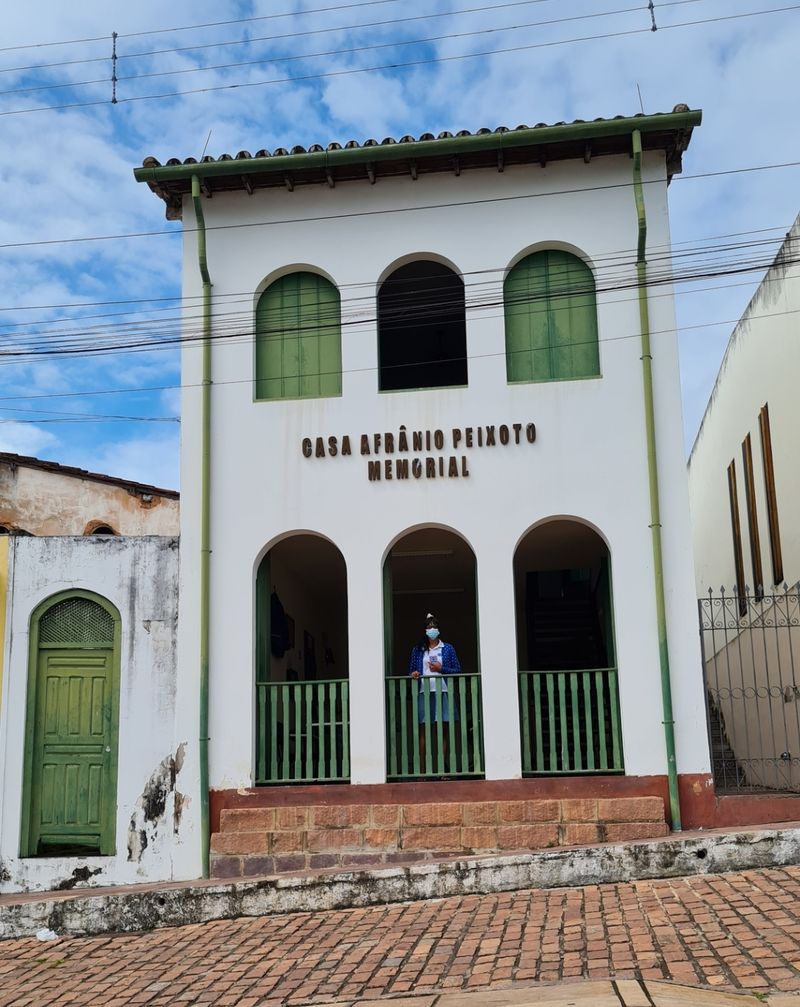
A famous author was born upstairs in this very house. Afrânio Peixoto came into the world there in 1876, long before he joined the Brazilian Academy of Letters.
He wore many hats: physician, forensic specialist, educator, historian and novelist. That is a busy résumé for one lifetime.
The memorial opened in 1970 and holds books, documents and museum pieces donated by his widow. Bahia’s Fundação Pedro Calmon calls it an important cultural institution in the Chapada Diamantina region.
The collection covers his life and also wider topics in history and social sciences.
The building itself is part of the appeal. It is a preserved two-story home from the 1800s, which lets you picture daily life in that era.
It is not just a quiet display, either. The house hosts lectures, films and workshops, so there is often something happening.
Check the schedule when you arrive, and you might catch a talk that adds new color to your visit.
Parque Natural Municipal da Muritiba
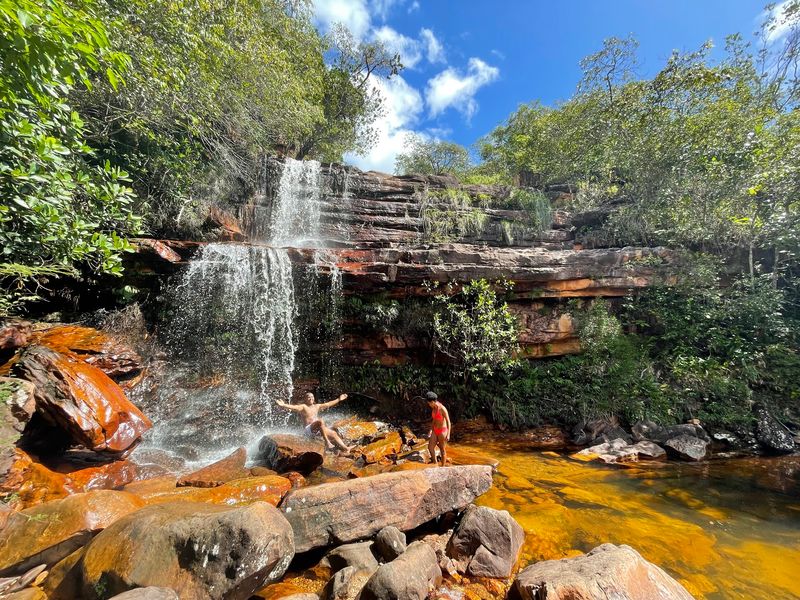
Ten minutes. That is about how long it takes to walk from the historic center into a park full of rocks, pools and waterfalls.
Parque Natural Municipal da Muritiba starts almost at the edge of town. Trails cross rugged ground, then lead to swimming holes and falls.
Along the way you may also pass places tied to old diamond mining.
The best-known stops include the Serrano natural pools, Poço Halley, Cachoeirinha and Cachoeira da Primavera. Each one offers a different mood, from calm splashing to scenic wandering.
Rules here can change. Some sections have had different access and guide requirements, so ask locally before you set out.
A quick question can save you a long, confusing walk.
Pack water, sun protection and sandals that can handle wet rock. Brazilian heritage towns rarely let you stroll from colonial streets into river pools so easily.
Lençóis does, and it feels like a delightful shortcut to adventure.
The Serrano Natural Pools
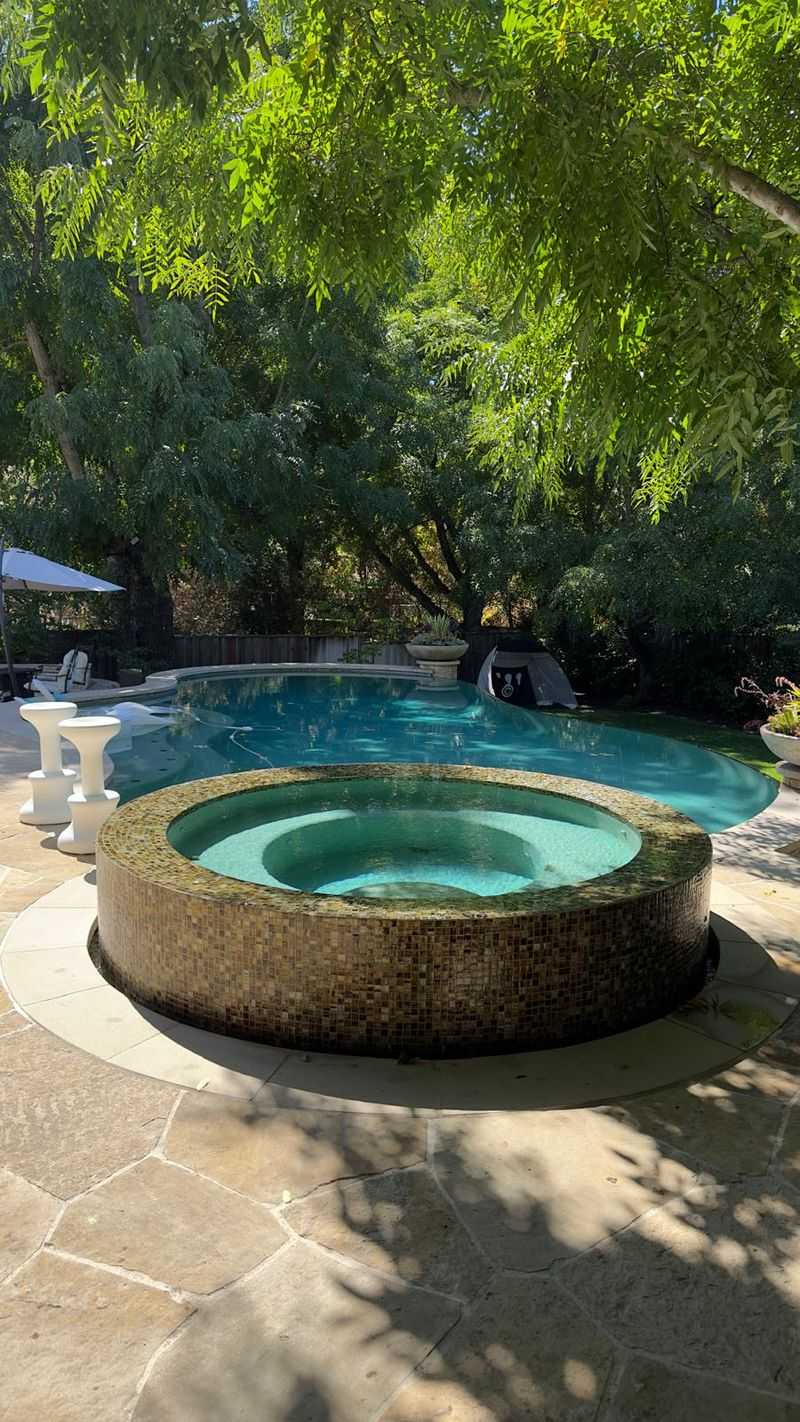
Smooth rock, cool water and a lazy afternoon: Serrano delivers all three. Here, a stream has carved a string of shallow basins into bare stone close to town.
The pools sit inside Parque da Muritiba and have long been a favorite local bathing spot. You can sit in the water, rest on warm rock and watch the current slip from one basin to the next.
The scene also hints at the area’s past. Channels, rock surfaces and former garimpo areas share the same landscape, so geology and mining history are close neighbors.
Local tourism information lists Serrano among several attractions reachable from the center without a long road transfer. Cachoeirinha and Cachoeira da Primavera are in the same family of nearby stops.
That closeness defines the town. You do not need to pick between a heritage trip and a nature trip, because the two overlap.
Bring a towel and a snack, and plan to stay longer than you meant to.
Salão de Areias Coloridas and Nearby Waterfalls
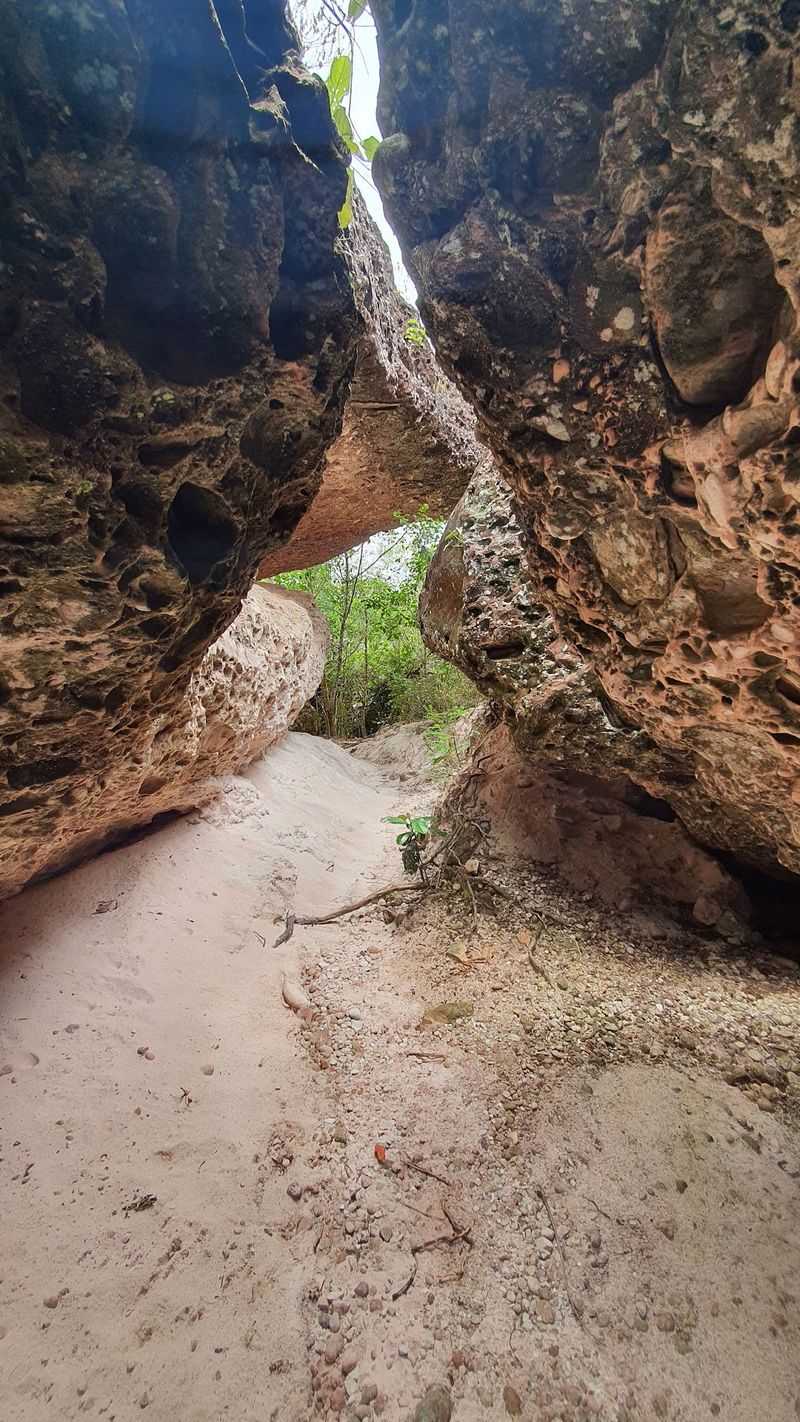
Sand usually comes in one boring shade, but not here. The Salão de Areias Coloridas shows off naturally varied sand colors tucked into the rocky landscape of Muritiba.
The spot sits on a route that can also include Poço Halley, Cachoeira da Primavera, viewpoints and Cachoeirinha. That makes for a full day of scenery without needing a long drive.
Access rules matter. The park has separated easier self-guided sections from routes that need a local visitor conductor.
Since details can change, confirm the current requirements before you lace up your boots.
History adds another layer. Municipal tourism officials have documented old mining shelters and other traces of garimpo within Muritiba.
As you hike, you are walking through the same ground that produced the town’s fortune.
Take your time and look down as well as out. Colors in the sand, marks in the rock and tucked-away shelters all tell small stories.
A good guide can help you spot clues you would otherwise miss.
Ribeirão do Meio
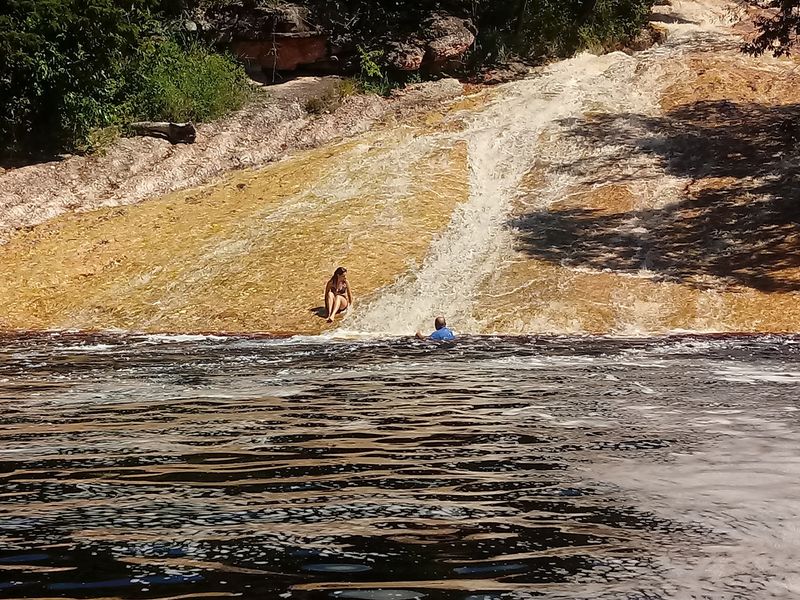
Nature built a slide, and Ribeirão do Meio lets you try it. A broad sloping rock lets running water glide down into the pools below, which makes for a very splashy afternoon.
Local tourism authorities list it as one of the municipality’s established outdoor attractions. Cachoeira do Sossego and the Muritiba sites are on that same list, so you can build a themed day around water.
The area is part of a bigger landscape crossed by trails into Chapada Diamantina. ICMBio’s official trail descriptions mention old diamond-mining areas along routes that leave Lençóis.
So a swim and a history lesson can happen in the same outing.
Bare rock, clear water and old mining traces explain why the outdoors here feels tied to the town’s story. It does not feel like a random add-on.
Wear shoes with grip, because wet stone can be slippery. Test the surface slowly before you slide, and keep an eye on kids.
Fun is best when everyone goes home dry-ish and unhurt.
The Gateway to Chapada Diamantina National Park
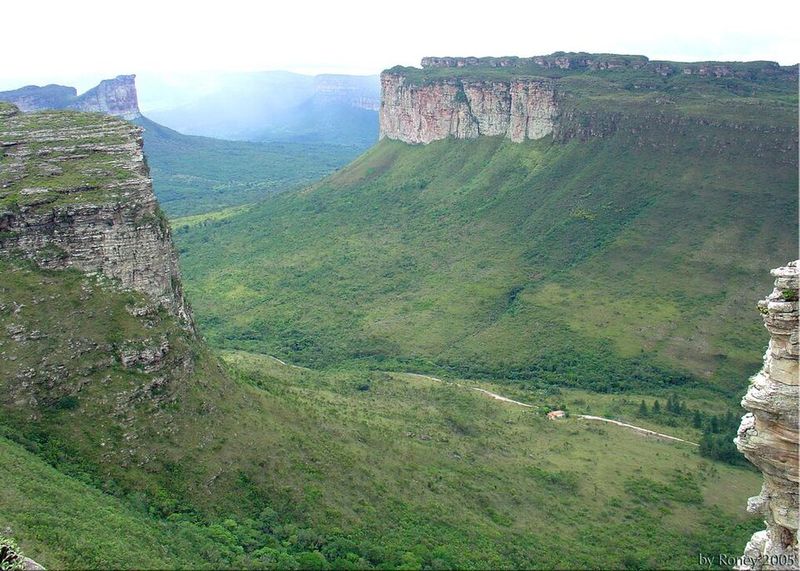
About 152,000 hectares of wild highland wait just beyond the rooftops. Chapada Diamantina National Park covers part of the Serra do Sincorá, and Lençóis is one of its main doorways.
ICMBio says the park includes environments tied to the Atlantic Forest, Cerrado and Caatinga. It holds nearly 300 kilometers of trails, dozens of waterfalls and many historic sites.
That is a lot of adventure for one region.
Lençóis is one of six municipalities that give access through the trail network. Regular transportation also makes it one of the most practical bases for exploring.
So the mountains are not just a pretty backdrop for photos. They connect the town directly to one of Brazil’s most important highland landscapes.
Plan your days with a mix of easy walks and bigger hikes. Hire a licensed local guide for longer routes, since trails can be tricky and weather can shift.
Then come back to town for dinner and a soft bed, which is a pretty fine way to explore.
Remanso and the Marimbus Wetlands
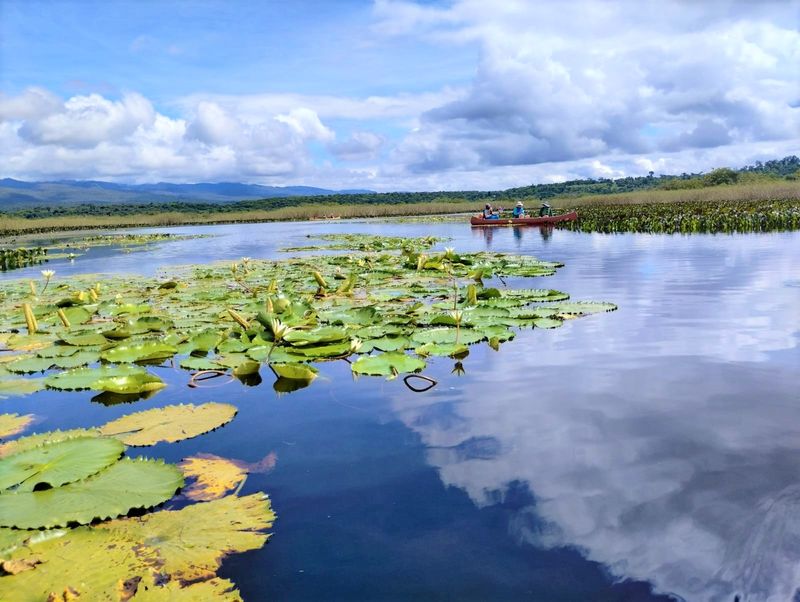
Some of the best trips start with a paddle. About 22 kilometers from Lençóis, the community of Remanso opens the door to the Marimbus wetlands by canoe.
Remanso is a recognized Quilombola community with its own rich traditions. Residents carry on fishing, farming, crafts, capoeira, samba de roda and religious celebrations.
In 2025, it was added to Brazil’s national Afrotourism Guide, with a focus on community-based tourism and local leadership.
From there, canoes slip into Marimbus, a floodplain of rivers and water plants. People often call it the Pantanal of Chapada Diamantina.
ICMBio names the Remanso-to-Roncador route as the most common canoe itinerary.
The magic is how culture and nature fit together. The wetlands shape daily life, and local knowledge helps visitors understand the place.
Book through community channels when you can, so your money supports the people who live there. Ask questions, listen well and be ready for quiet moments on the water.
Birds, reflections and slow ripples make the trip memorable.
Living Traditions Beyond the Colonial Façades
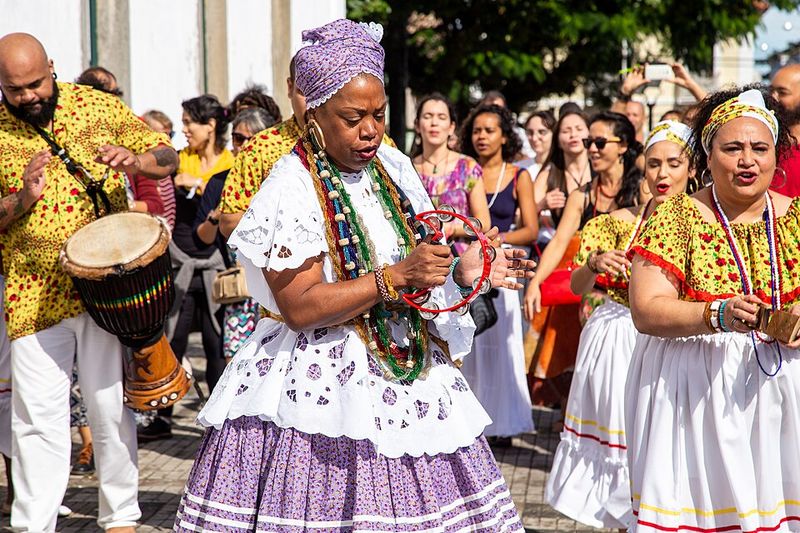
Museums keep the past behind glass, but Lençóis keeps it dancing. June is the proof, when São João fills streets and squares with flags, patterned fabrics and twinkling lights.
Forró music sets the pace, and neighborhood parties spill into the center. Between festivals, the town still keeps old customs alive.
The municipality documents capoeira, samba de roda, reisado, marujada and regional crafts as ongoing local expressions.
This living culture helped Brazil pick Lençóis as a 2026 candidate for UN Tourism’s Best Tourism Villages initiative. As of October 2026, the international result had not yet been announced.
The nomination highlighted preservation, community-based tourism and the link between heritage and the surrounding landscape.
That is why the town feels like a home, not a display case. People still gather, sing, cook and celebrate in the same streets where miners once walked.
If you visit, join in respectfully. Try local food, watch a roda, and chat with artisans.
You will leave with more than photos, and probably with a song stuck in your head.
Share this story