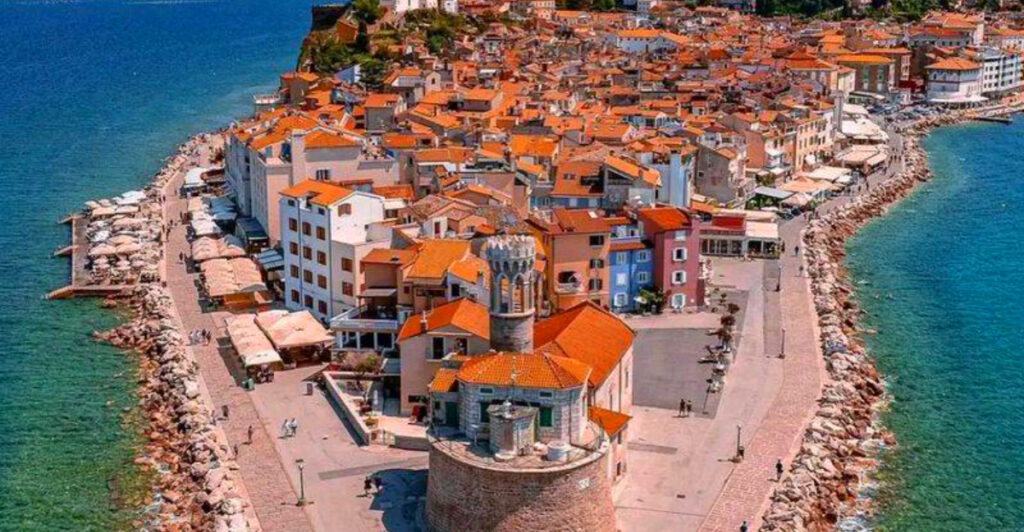
Europe’s coastline is famous for glamorous resorts and crowded island capitals, but some of its most rewarding seaside escapes remain pleasantly low-key. In these towns, fishing boats still shape the waterfront, historic lanes lead toward small coves, and evenings revolve around harbor restaurants rather than enormous nightlife districts.
Few coastal destinations remain genuinely undiscovered, particularly during July and August. Still, these 15 towns generally provide a calmer and more intimate alternative to Europe’s biggest beach resorts, especially during late spring and early fall.
Vila Nova de Milfontes, Portugal
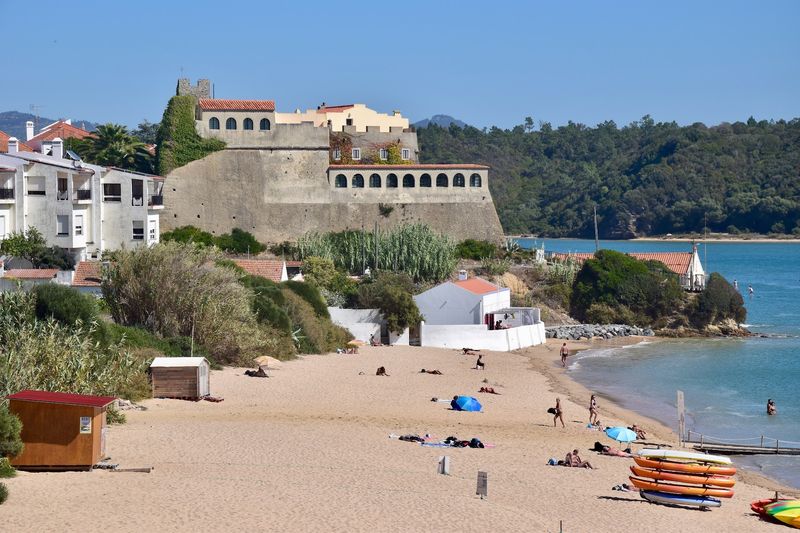
Where a wild river shakes hands with the Atlantic, Vila Nova de Milfontes quietly steals the show. Set along Portugal’s Alentejo coast, this compact town sits at the mouth of the Mira River, offering a rare combination of calm river swimming and dramatic ocean scenery.
The surrounding Costa Vicentina is one of Europe’s most protected coastlines, meaning the beaches here look much as they always have.
The old defensive fort near the waterfront adds a historical edge without turning the town into a museum piece. Locals still go about daily life in the narrow streets, and the pace feels genuinely unhurried even at the height of summer.
Surfers, kayakers, and hikers all find something worth waking up early for.
Crossing the river by boat to Praia das Furnas is a highlight worth every cent of the small fare. From there, broad views sweep back toward town and the fort.
Visiting in May or September means warm weather, open restaurants, and beaches that feel almost private compared to the peak weeks of August.
Cudillero, Spain
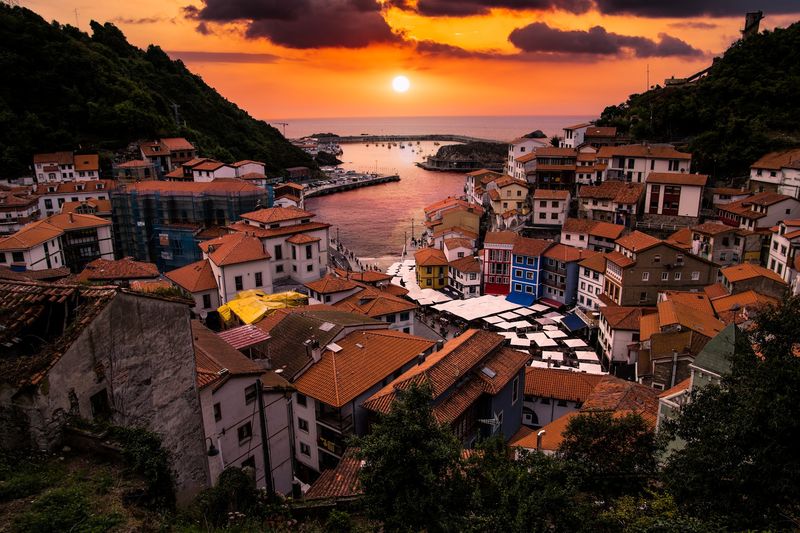
Cudillero looks like someone stacked a rainbow on a hillside and forgot to straighten it up. This tiny Asturian fishing village climbs sharply from its harbor in a tight cluster of painted houses, narrow stairways, and elevated terraces that offer increasingly dramatic views with every step upward.
There is no broad resort strip here, which is precisely the point.
Seafood taverns crowd the small waterfront square, serving freshly caught fish alongside local cider poured in the traditional Asturian style. Marked walking paths lead toward the lighthouse and several coastal lookouts, rewarding anyone willing to work up a mild sweat.
The surrounding coastline delivers rugged scenery that feels a world away from Spain’s southern beach resorts.
Several beaches sit within easy reach of the village, though none are the postcard-perfect white-sand variety. What they lack in tropical glamour they more than make up for in dramatic cliffs and genuine local atmosphere.
Cudillero is the kind of place that rewards slow exploration, a long lunch, and absolutely no agenda for the afternoon.
Cadaqués, Spain
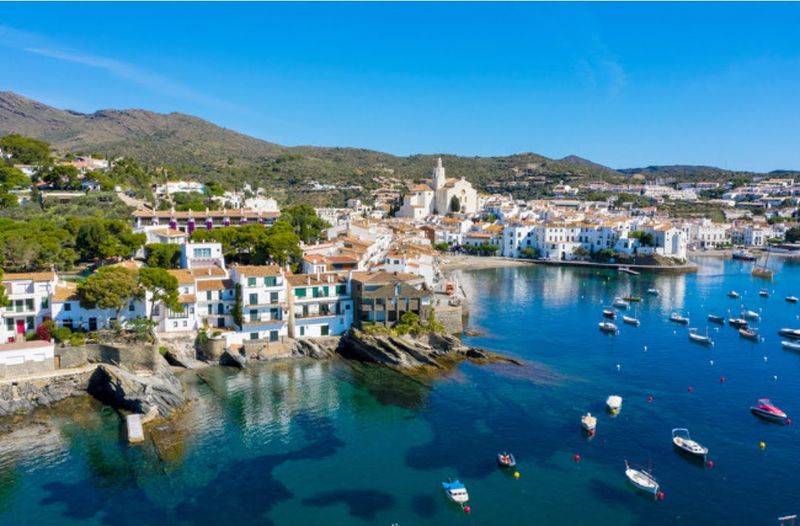
Salvador Dali did not choose Cadaqués by accident. Nestled between the Mediterranean Sea and the dramatic rocky landscapes of Cap de Creus, this Catalan village has a visual character unlike anywhere else on the Spanish coast.
Whitewashed houses, stone lanes, and small fishing coves give it a painterly quality that has attracted artists and writers for generations.
Getting here requires navigating winding mountain roads, which has historically kept the crowds manageable compared to other Costa Brava hotspots. Midsummer brings more visitors, but arriving in May, June, or September reveals a far quieter version of the town.
The old streets become genuinely peaceful, and the waterfront feels like it belongs to whoever happens to be sitting at it.
Cap de Creus Natural Park, just a short drive or hike away, adds wild coastal scenery that stretches to the very tip of the Iberian Peninsula. Snorkeling in the clear water, wandering past Dali’s former home in nearby Portlligat, and eating fresh fish at a harbor-side restaurant cover most of what a perfect day here looks like.
This is one of those places worth the extra effort to reach.
Marzamemi, Italy
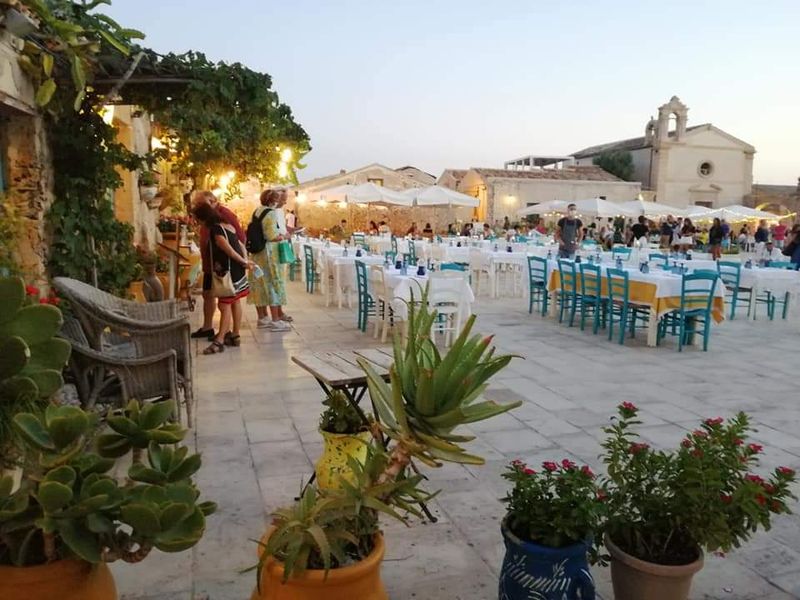
Tuna fishing built Marzamemi, and the old tonnara at the center of this Sicilian village still tells that story better than any guidebook could. Honey-colored stone buildings frame a broad central square where locals and visitors share outdoor tables as the sun drops low over the Ionian Sea.
There is a theatrical quality to the setting that makes even a simple coffee feel like an event.
The surrounding area punches well above its weight for a village this size. The Vendicari Nature Reserve sits just up the coast, offering shallow lagoons, migratory birds, and beaches with clear water that rivals anything in the Greek islands.
The Baroque towns of Noto and Pachino are both within easy driving distance for day trips.
August brings Italian vacationers in cheerful numbers, filling the square with noise and energy. However, June and September offer the same warmth with considerably more breathing room.
Fresh seafood, including swordfish and locally caught tuna prepared in traditional Sicilian ways, gives every meal here a sense of place that is hard to replicate elsewhere. Marzamemi rewards those who slow down enough to actually taste it.
Termoli, Italy
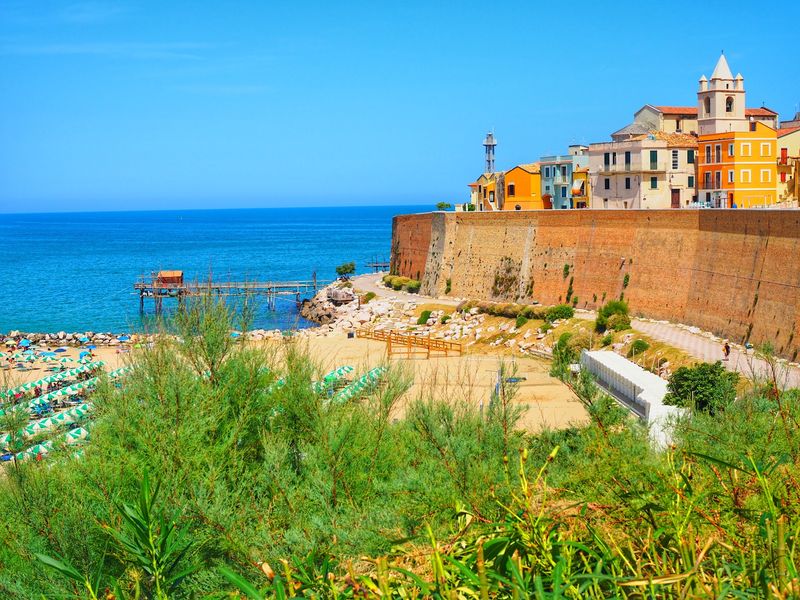
Most travelers speed through Molise without a second glance, which means Termoli has been quietly enjoying the peace and quiet for years. Sitting on a small headland that juts into the Adriatic, this southern Italian town combines a real sandy beach with a genuinely medieval old quarter that feels almost untouched by modern tourism.
It is one of those places that rewards curiosity over itinerary planning.
The fortified historic center is compact enough to explore in an hour but interesting enough to wander for an entire afternoon. The Swabian Castle anchors one end of the headland, while the cathedral and tightly packed stone lanes fill the interior.
Local restaurants serve Molisano coastal cooking that most visitors never encounter because they never make it this far off the standard route.
Long sandy beaches extend north and south of the old town, providing plenty of room even during the busiest weeks. From late spring onward, ferries connect Termoli with the Tremiti Islands, a small archipelago with clear water and very limited development.
Adding a day trip to the Tremiti transforms a Termoli visit from pleasant to genuinely memorable, making the detour from Italy’s more famous coastal regions completely worthwhile.
Sperlonga, Italy
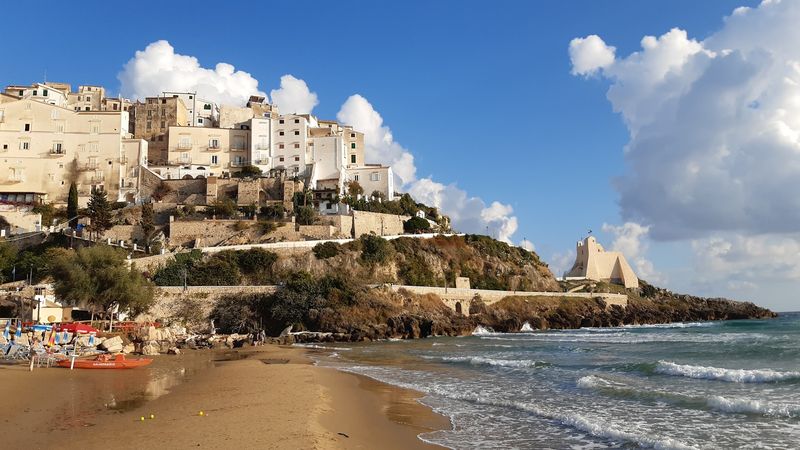
Balanced on a rocky hilltop between Rome and Naples, Sperlonga looks like someone spilled a pot of whitewash down a cliff and decided to call it architecture. The old center is a proper maze of arches, staircases, and shaded terraces, while long sandy beaches stretch below along the Tyrrhenian coast.
It manages to be both visually dramatic and genuinely relaxing at the same time.
Italian vacationers know Sperlonga well, but international tourists largely overlook it in favor of the Amalfi Coast a little further south. That gap in awareness works in the visitor’s favor, particularly during June and September when the weather stays warm but the beaches breathe more freely.
The town itself has a lived-in character that feels earned rather than manufactured for tourism.
A Roman-era cave that once served as Emperor Tiberius’s dining room sits just outside town, now housing a small archaeological museum with impressive marble sculptures found on-site. Combining a morning at the beach with a visit to the Grotta di Tiberio and a long lunch in the shaded lanes of the old center makes for a day that is hard to improve upon.
Sperlonga genuinely earns its reputation as one of Lazio’s finest coastal villages.
Ston, Croatia
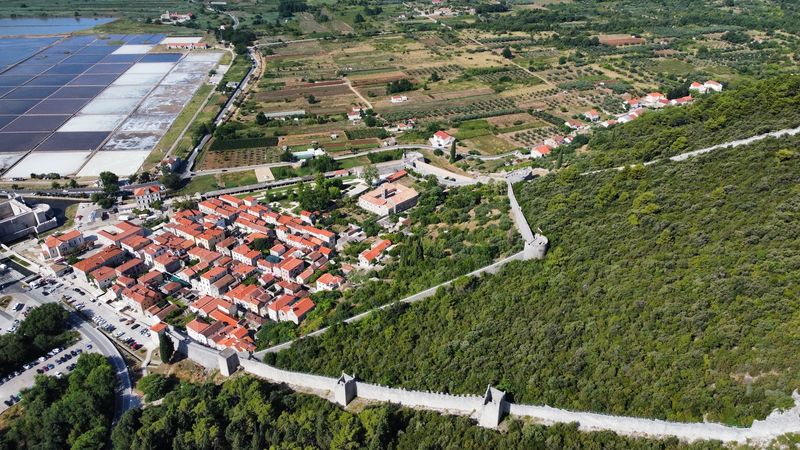
Ston has walls that once rivaled those of Dubrovnik in length, yet somehow the crowds never quite followed. Sitting at the base of the Peljesac Peninsula about 50 kilometers northwest of Dubrovnik, this small Croatian settlement is divided between the walled town of Ston and the tinier harbor of Mali Ston, connected by a pleasant footpath.
The monumental fortifications alone justify the detour.
Mali Ston is famous throughout Croatia for oysters raised in the clean waters of the surrounding bay. Restaurants in both settlements serve them simply, with lemon, alongside local wines from Peljesac vineyards that produce some of Croatia’s finest reds.
The combination of serious food and serious history in one small place feels almost unfairly generous.
The peninsula beyond Ston offers beaches, wine roads, and coastal villages with very few of the crowds that press against Dubrovnik’s old city walls daily. Korcula Island is reachable by ferry from Orebic at the peninsula’s tip, adding another layer to what can become a very satisfying multi-day itinerary.
Ston tends to be dismissed as a quick stop, but those who linger discover one of the most rewarding corners of the entire Dalmatian coast.
Vrbnik, Croatia
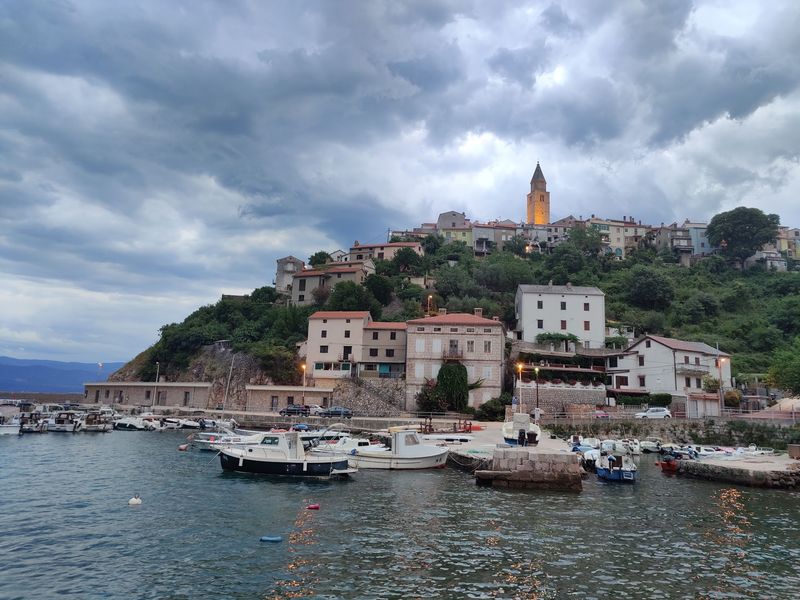
Vrbnik sits on the edge of a limestone cliff like it is daring the Adriatic to come and get it. Perched high above the eastern coast of Krk Island, this medieval village is compact enough to feel like a secret shared among those who know to look for it.
The lanes are famously narrow, with the tightest passage in the entire village measuring just 43 centimeters wide. That is not a typo.
Stone houses press close together, shading the lanes and creating a cool microclimate that feels welcome on a hot summer afternoon. The views from the terrace above the cliff are the kind that make people stop mid-sentence and simply stare.
On clear days the Croatian mainland is visible across the water, and the sea below takes on shades of blue that seem slightly implausible.
Vrbnik is also the home of Zlahtina, a crisp white wine produced only in the vineyards surrounding the village. Local restaurants pair it with fresh seafood and grilled lamb in ways that feel effortlessly right.
Small beaches lie at the base of the cliffs, accessible by a winding path. Krk Island is connected to the mainland by bridge, making Vrbnik genuinely easy to reach without losing any of its quiet charm.
Kardamyli, Greece
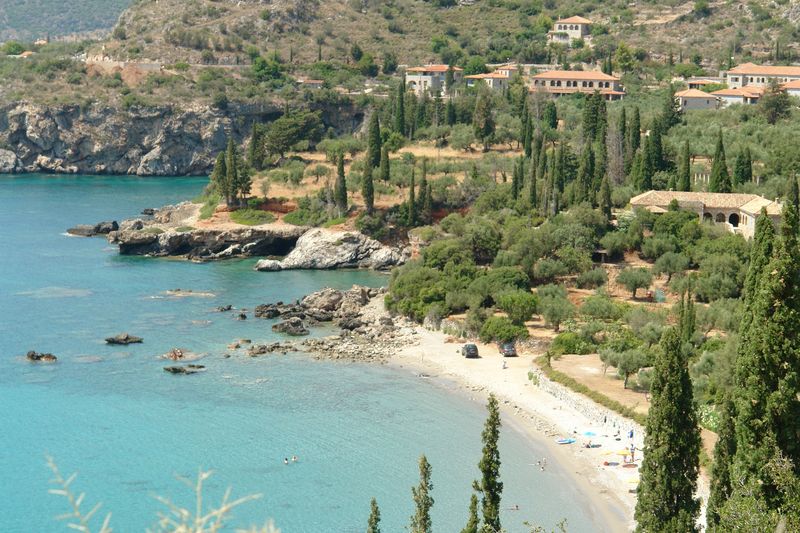
Kardamyli is the kind of Greek village that travel writers fall in love with and then spend years trying not to over-share. Located on the Mani Peninsula where Mount Taygetus rolls down toward the Messinian Gulf, it offers a combination of mountain scenery and clear sea that most Greek island destinations simply cannot match.
British author Patrick Leigh Fermor lived here for decades, and it is not hard to understand why.
The old fortified settlement just above the modern village gives a sense of how Maniots once defended this rugged peninsula from repeated invasions. Flower-filled courtyards, stone towers, and small family-run tavernas create an atmosphere that feels rooted in genuine local life rather than assembled for tourist convenience.
Ritsa Beach, a short walk from the center, provides good swimming with views back toward the village.
Hiking trails lead into the Taygetus foothills for anyone who wants to add elevation to their itinerary. The surrounding Mani Peninsula is dotted with Byzantine churches, tower houses, and coastal villages that reward slow exploration by car or motorbike.
Kardamyli avoids the chaos of popular Peloponnese destinations while delivering everything that makes Greece worth visiting in the first place. Arriving outside July and August makes the experience even better.
Barfleur, France
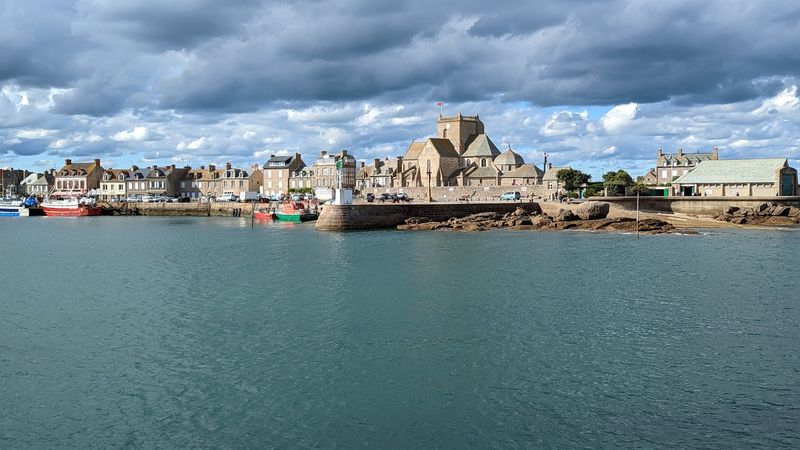
Barfleur smells like low tide and fresh bread, and somehow that combination is exactly right for a Normandy morning. This small granite-built village on the Cotentin Peninsula has earned a place on France’s official list of most beautiful villages, and walking its cobbled streets makes the case without any argument.
The harbor is still working rather than decorative, with fishing boats that actually go out to sea rather than sitting pretty for photographs.
The surrounding tidal scenery changes dramatically depending on the hour. At low tide, vast stretches of rock and sand appear that are completely submerged at high water, giving the landscape a theatrical quality that requires no filter.
Coastal walks connect the village with the Gatteville lighthouse, one of the tallest in France, offering sweeping views across the English Channel on clear days.
Barfleur suits travelers who prefer seafood restaurants and quiet harbor evenings over beach clubs and cocktail lists. The cooking here leans on Norman traditions: mussels, scallops, sole, and cider that tastes nothing like the sweet fizzy variety found elsewhere.
Visiting outside the French school holiday periods keeps the atmosphere genuinely calm. The village rewards a two-night stay far more generously than a quick lunch stop on the way to somewhere else.
Collioure, France
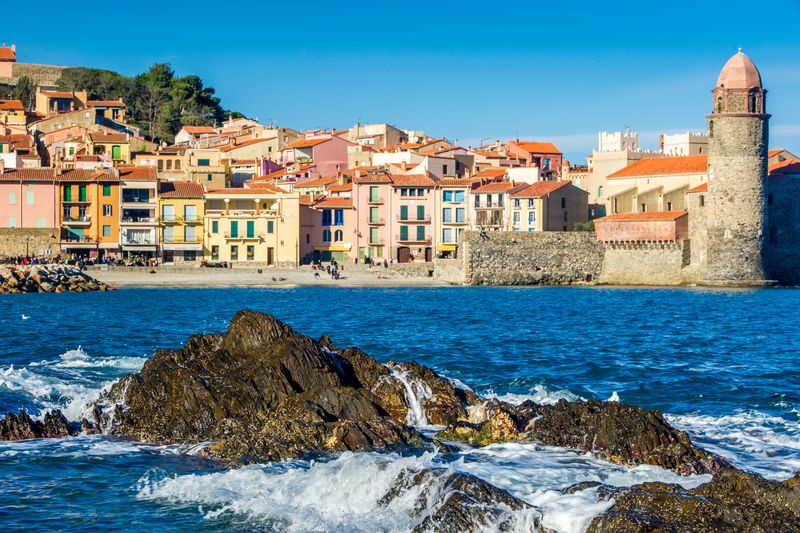
Henri Matisse arrived in Collioure in 1905 and essentially invented a new style of painting because the light here refused to behave the way light was supposed to. The village sits in a sheltered cove where the Pyrenees meet the Mediterranean, producing a quality of color and brightness that still stops people in their tracks today.
The royal castle, the waterfront church with its distinctive tower, and the vine-covered hills behind create a composition that looks almost deliberately arranged.
Collioure is no longer a hidden gem in the strictest sense, but it remains far more intimate than the major French Riviera resorts. The pebble beaches are small and lively in summer, while the lanes above the waterfront hold small galleries, Catalan wine shops, and restaurants serving anchovies prepared in the local style that Collioure has been famous for since the Middle Ages.
Arriving in early morning before the day-trippers from Perpignan and Barcelona make their appearance reveals a quieter and more personal version of the town. Shoulder-season visits in May or October bring mild weather, open restaurants, and the chance to actually hear the waves.
The surrounding Roussillon wine country adds excellent local bottles to complement every meal. Collioure earns its reputation without needing any exaggeration.
Izola, Slovenia
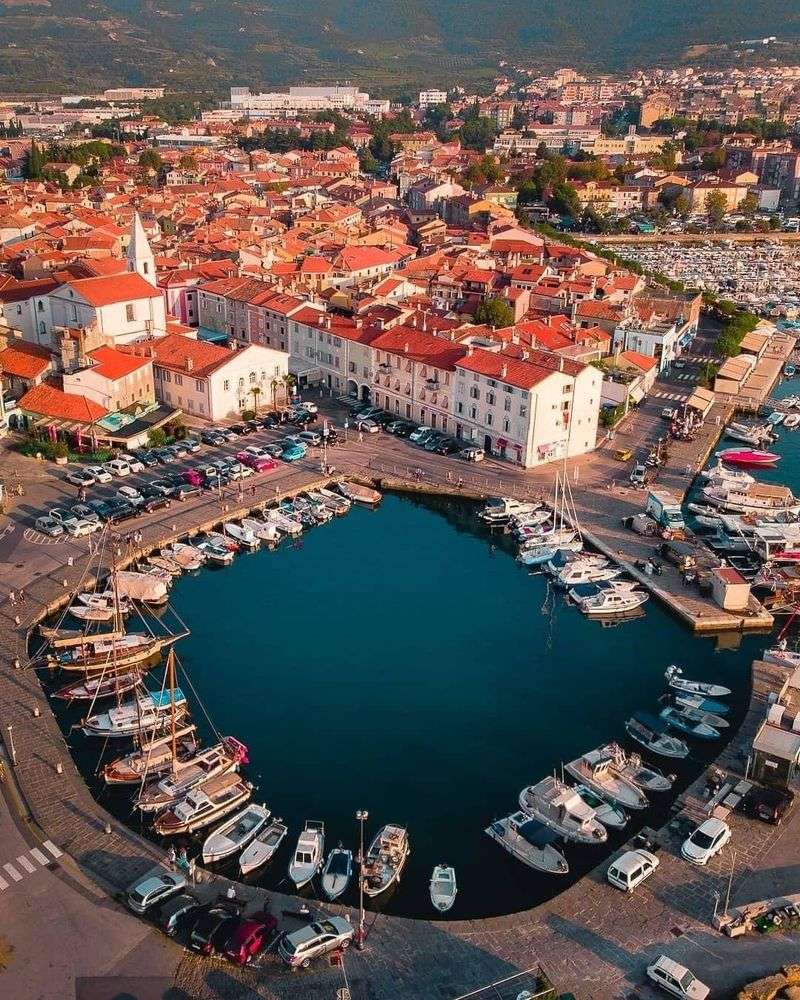
Izola has not forgotten that it is, first and foremost, a place where people actually live. While neighboring Piran draws more tourist attention along Slovenia’s short Adriatic coast, Izola maintains a refreshingly everyday atmosphere of fishing boats, local markets, and waterfront cafes where the clientele is mostly Slovenian.
That authenticity is precisely what makes it worth choosing.
Pastel buildings face the marina, olive groves rise on the surrounding hillsides, and the Istrian countryside begins almost immediately beyond the town’s edge. Cycling routes connect Izola with the Strunjan Landscape Park and the salt pans at Secovlje, offering easy half-day excursions that combine coastal scenery with genuine natural interest.
The region also produces well-regarded olive oil and wine that appear on most local restaurant menus.
Swimming areas are compact and mostly rocky, but the water is clear and the setting is relaxed in a way that purpose-built resort beaches rarely manage. Accommodation options range from small guesthouses to a modern marina hotel, covering most budget ranges without the premium pricing found in more famous Adriatic destinations.
Izola works particularly well as a base for exploring the wider Istrian peninsula, with Piran, Koper, and the Croatian border all within easy reach by bike or bus.
Piran, Slovenia
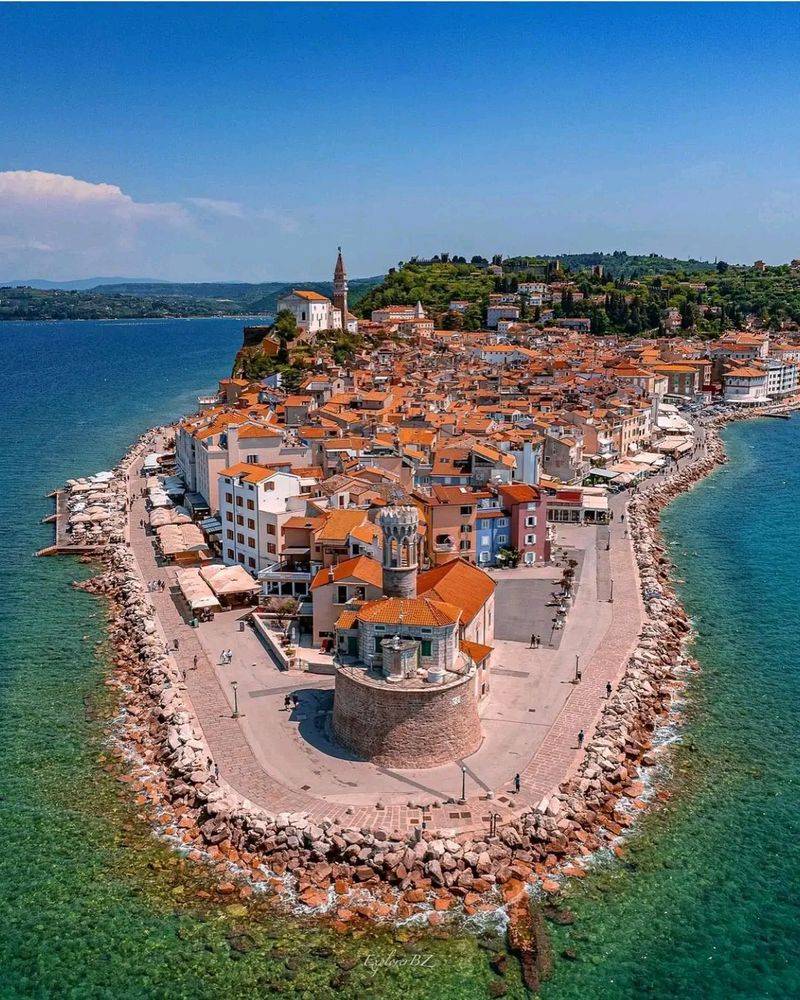
Piran occupies a finger of land poking into the Adriatic with the confidence of a town that knows exactly how good-looking it is. Venetian-style architecture, a hilltop cathedral, medieval walls, and a waterfront square named after the violinist Giuseppe Tartini create an urban landscape that feels more like a film set than a real place, until the cats wander past and remind you that it is very much real.
Slovenia’s entire Adriatic coastline measures only 47 kilometers, making Piran its most celebrated coastal jewel. There are no sandy beaches in the center, but stone platforms and ladders provide direct access to the sea, and the water is clean enough to make the unconventional setup entirely worthwhile.
Evenings on the waterfront promenade are slow, sociable, and genuinely lovely.
Coastal paths lead out from Piran toward the Strunjan Landscape Park, where protected cliffs, a salt museum, and quieter swimming spots reward those who walk a little further. The town fills up considerably in July and August, so booking accommodation early is essential during peak season.
May and September offer a noticeably calmer experience while keeping the warmth needed for comfortable swimming. Piran is the kind of place that makes Slovenia’s coastline feel like a proper secret worth protecting.
Perast, Montenegro
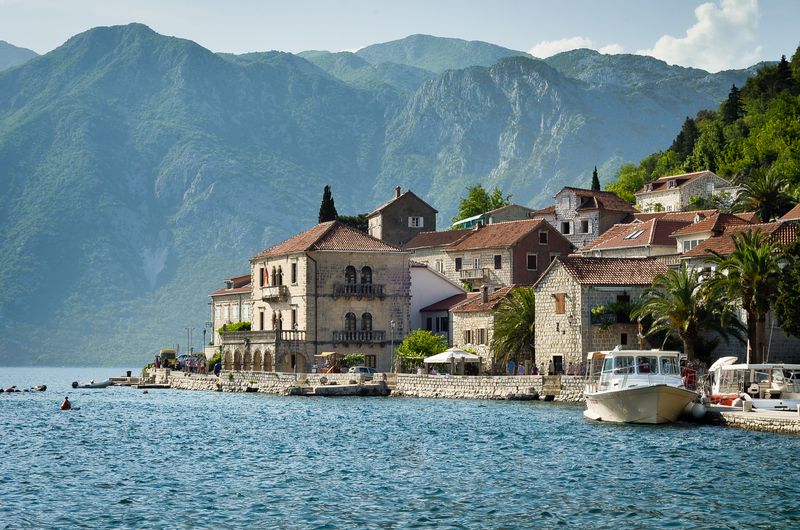
Perast consists of one main street, a handful of Baroque palaces, and two tiny island churches floating just offshore in the Bay of Kotor. That sounds modest until you actually stand on the waterfront and realize that the surrounding mountains rising almost vertically from the water create one of the most dramatically framed views in all of the Mediterranean.
The scale of the scenery makes the town’s quietness feel almost cinematic.
Most visitors arrive on day trips from Kotor, spend an hour or two, and leave before sunset. Staying overnight changes everything.
Once the excursion boats pull away, the waterfront settles into a calm that feels almost out of time. Restaurants that were packed at lunch become peaceful, candlelit, and genuinely worth lingering in.
The sound of the bay at night, with mountains on all sides, is memorable in a way that photographs cannot quite capture.
A short boat trip to the island of Our Lady of the Rocks reveals a remarkable votive church built by sailors over several centuries. The island of St. George next to it is a monastery and largely off-limits, which somehow makes it more intriguing.
Perast rewards travelers who choose depth over distance and are willing to stay long enough to feel the place rather than just photograph it.
Ulcinj, Montenegro
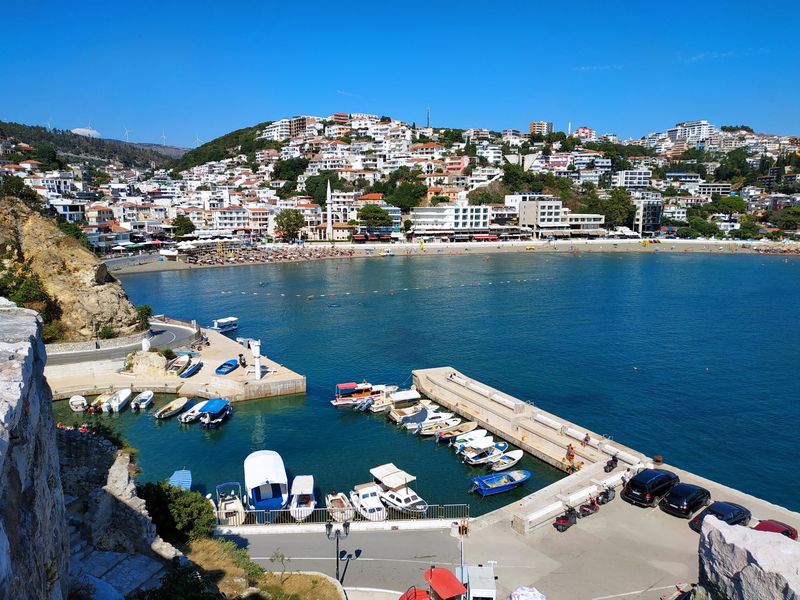
Ulcinj keeps a secret that the rest of Montenegro’s coastline simply cannot match: an enormous sandy beach. Velika Plaza stretches for roughly 13 kilometers south of town, offering the kind of space that makes the compact beaches around Budva and Kotor feel slightly claustrophobic by comparison.
Finding a quiet patch of sand here during peak summer is genuinely possible, which is a rare claim along the Adriatic.
The historic old town sits on a rocky headland above the sea, with centuries of layered history visible in its walls and lanes. Illyrian, Roman, Byzantine, Ottoman, and Venetian influences have all left marks, giving Ulcinj a cultural character that sets it apart from Montenegro’s other coastal towns.
The views from the old town ramparts over the bay are worth the climb in any direction.
Ada Bojana, a river island just south of Velika Plaza, adds a bohemian and nature-focused option for travelers who want something different. Valdanos Bay, lined with one of Europe’s largest olive groves, provides a shaded and peaceful alternative to the main beach.
Ulcinj has a slightly rougher-around-the-edges quality compared to polished Budva, but that unfinished character is a large part of what makes it feel honest, affordable, and genuinely worth the trip to Montenegro’s southern tip.
Share this story