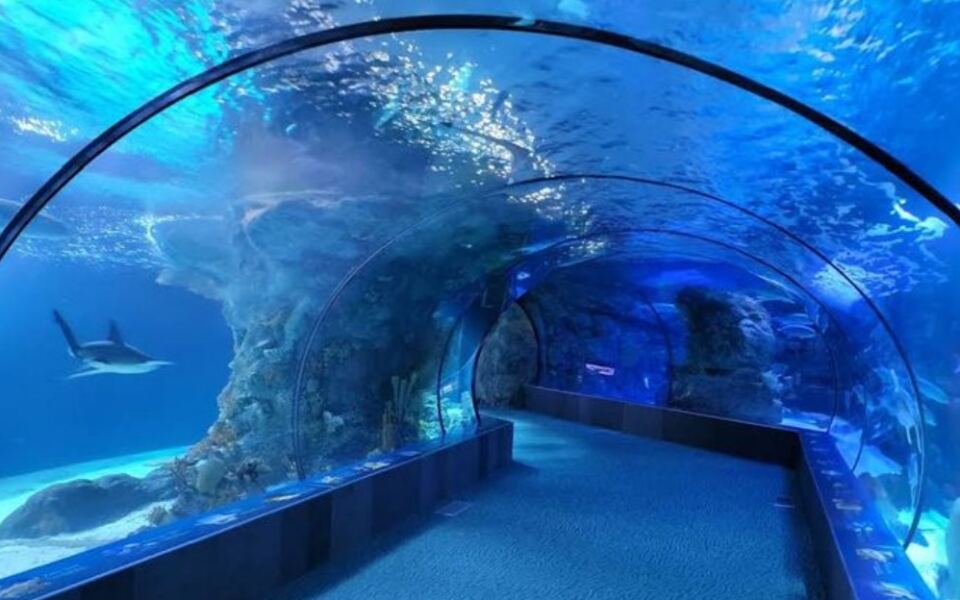
Theme parks get a lot of attention, but they are not always the best fit for every family. Long lines, high ticket prices, and exhausted kids by noon can take the shine off even the most famous rides.
Across the country, there are science museums, aquariums, zoos, and hands-on attractions that deliver just as much excitement, often with more to learn and less stress on the wallet. These 15 places are the kind of spots that families talk about long after the trip is over, not because of a single thrill, but because every corner offered something new.
If you are planning a family trip or looking for a weekend worth saving up for, this list is a solid place to start.
Monterey Bay Aquarium, Monterey, California
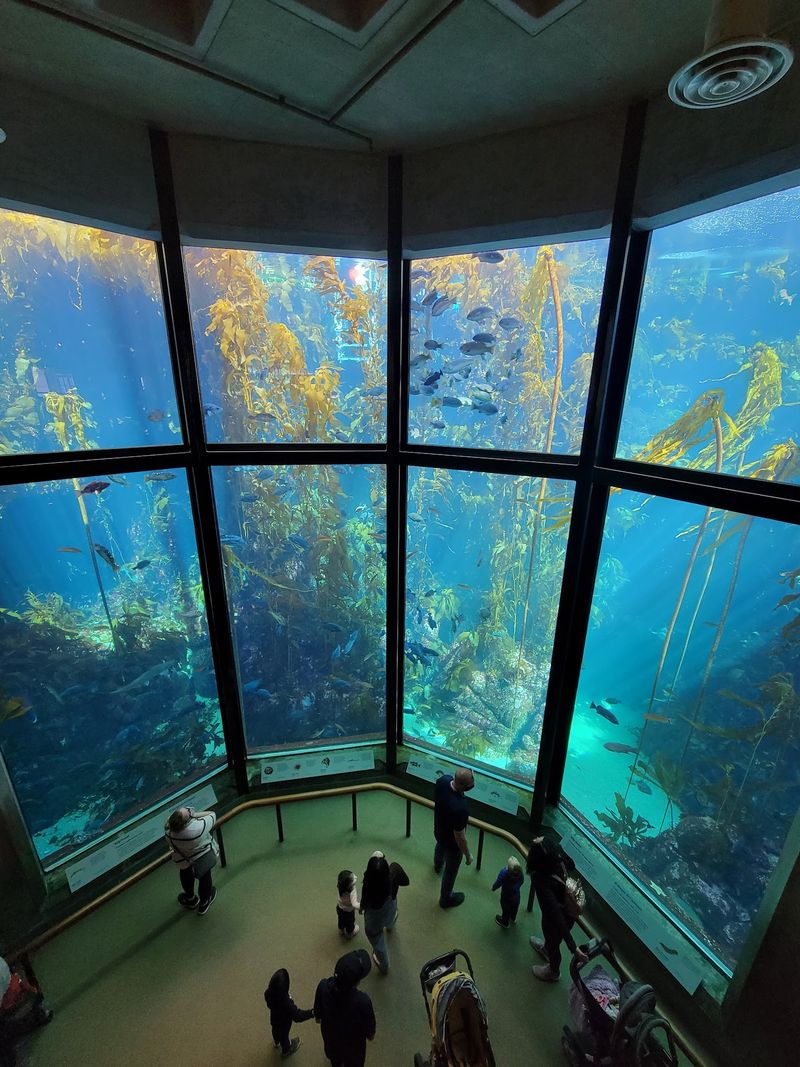
Few aquariums in the world have the kind of reputation that Monterey Bay Aquarium has earned over several decades. Sitting right on the edge of the Pacific Ocean, the building itself is built into the original Cannery Row waterfront, which gives the whole experience a setting that most indoor attractions simply cannot match.
Inside, the exhibits focus heavily on the marine life native to the Monterey Bay region, including kelp forest tanks that stand nearly three stories tall. Jellies, sea otters, sharks, and deep-sea creatures are all part of the lineup, and the aquarium rotates special exhibits regularly to keep return visits fresh.
Tickets are available through the end of 2026, and booking in advance is strongly recommended since timed entry slots fill up quickly. The aquarium also runs conservation programs that give kids context for what they are seeing beyond just looking at fish.
Georgia Aquarium, Atlanta, Georgia
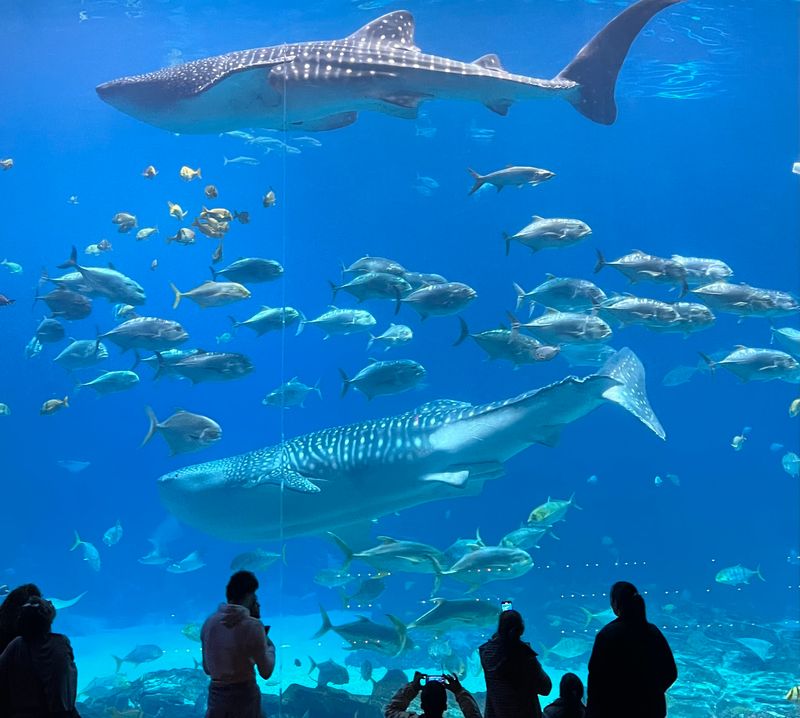
Atlanta is not a coastal city, but Georgia Aquarium manages to feel like one of the most ambitious ocean attractions anywhere in the country. The facility holds millions of gallons of water across multiple massive habitats, and it is home to whale sharks, which are among the largest fish on the planet and not something most aquariums can house at all.
Beyond the whale sharks, families can catch dolphin presentations, sea lion shows, and up-close encounters with beluga whales. The variety of experiences packed into one building makes it genuinely easy to spend a full day here without running out of things to see.
Georgia Aquarium is open every single day of the year, which makes trip planning flexible. The Ocean Voyager exhibit, with its enormous viewing tunnel, tends to be the highlight for most first-time visitors and gives kids a perspective on ocean scale that is hard to find anywhere else.
San Diego Zoo, San Diego, California
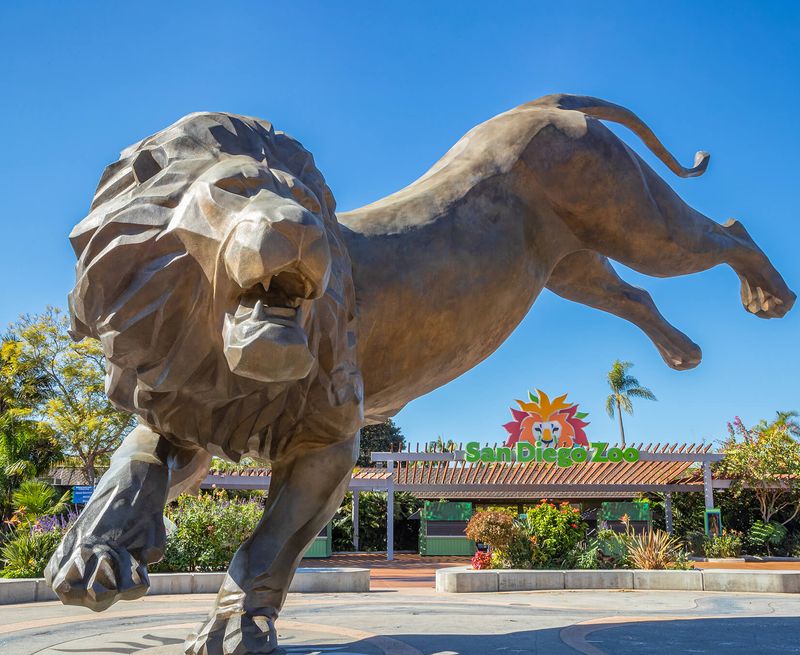
San Diego Zoo has been setting the standard for what a zoo can be for over a century, and it still delivers the kind of visit that leaves families genuinely impressed. The grounds are spread across more than 100 acres of Balboa Park, and the animal collection covers an enormous range of species from around the world.
Giant pandas, koalas, polar bears, and gorillas are among the headliners, but the zoo is also known for its naturalistic habitats that prioritize animal welfare alongside visitor experience. The layout encourages wandering, and there is always something unexpected around the next corner.
Guided bus tours are available for families who want an overview before exploring on foot, and the Skyfari aerial tram offers a birds-eye view of the park. The zoo publishes current operating hours through its official visitor calendar, making it easy to plan around any seasonal changes or special programming running during your visit.
Smithsonian’s National Zoo, Washington, D.C.

Not many world-class zoos are completely free to enter, which is one of the first things that makes Smithsonian’s National Zoo stand out from nearly every other major animal attraction in the country. Spread across 163 acres in Rock Creek Park, the zoo houses more than 2,200 animals representing hundreds of species.
Giant pandas are typically the biggest draw, along with the American Trail, which features sea lions, gray seals, beavers, and bald eagles in a connected outdoor habitat. The Great Cats exhibit and the Elephant Trails area are also consistent crowd favorites for families with younger kids who want to see large animals up close.
Free entry does not mean walk-up only. Visitors are required to reserve free passes in advance through the zoo’s website, so it is worth handling that step early.
Parking is available nearby but fills quickly on weekends, and arriving by Metro is a practical option for many visitors.
Exploratorium, San Francisco, California
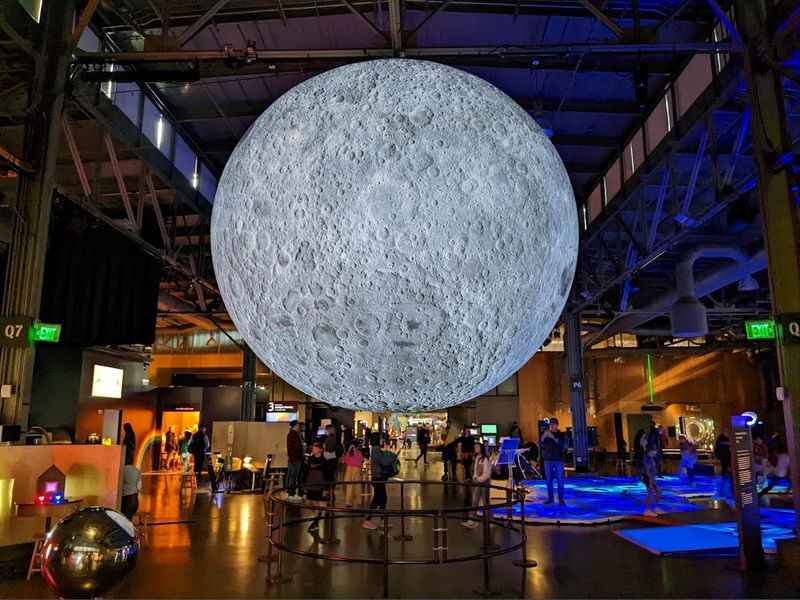
Located at Pier 15 along the Embarcadero, the Exploratorium is the kind of museum where the exhibits are meant to be touched, pushed, pulled, and experimented with. The concept has been central to the museum since its founding in 1969, and the philosophy that learning happens best through play still drives everything on the floor today.
There are more than 600 interactive exhibits covering science, art, and human perception, and the mix is genuinely unusual. Kids can explore how light bends, how sound travels, how the body works, and how forces interact, all without reading a single wall panel if they choose not to.
The Tactile Dome, a pitch-dark crawl-through experience, is a longtime favorite and requires a separate reservation. The museum sits right on the bay, so the outdoor plaza offers views of the water and the Bay Bridge as a bonus.
The Exploratorium follows a regular weekly schedule with hours posted on its official site.
Griffin Museum of Science and Industry, Chicago, Illinois
Chicago’s Museum of Science and Industry occupies a massive neoclassical building in Hyde Park that was originally constructed for the 1893 World’s Columbian Exposition. The architecture alone makes an impression before you even step inside, but the exhibits are what keep families coming back.
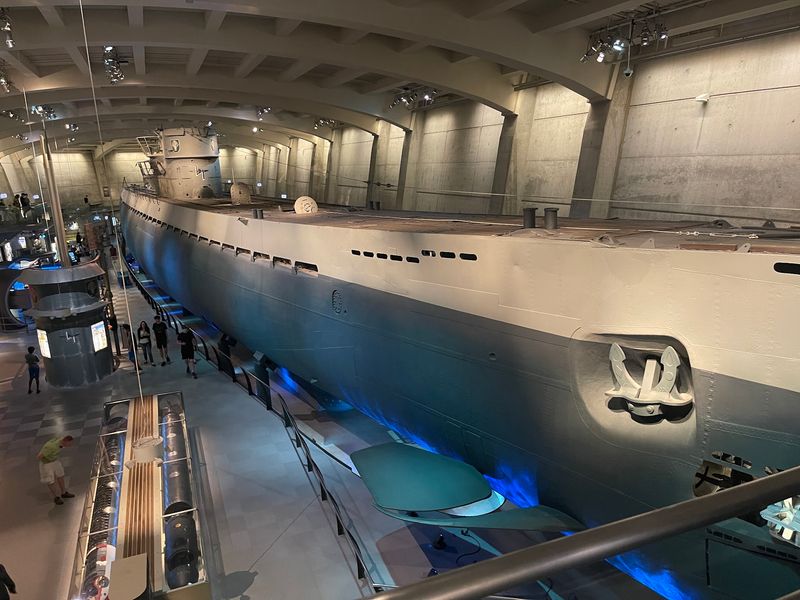
A real German U-boat submarine captured during World War II sits inside the museum, and visitors can walk through it on guided tours. The Coal Mine exhibit takes guests underground in a simulated mine experience, and the Science Storms area features a 40-foot tornado and a Tesla coil demonstration.
The variety here is hard to match.
The museum recently received a naming gift from Ken Griffin, giving it its current full name, though most locals still refer to it simply as MSI. It is open daily with only limited exceptions for major holidays and special events.
For families visiting Chicago, this is consistently one of the most recommended full-day stops in the city.
The Children’s Museum of Indianapolis, Indianapolis, Indiana
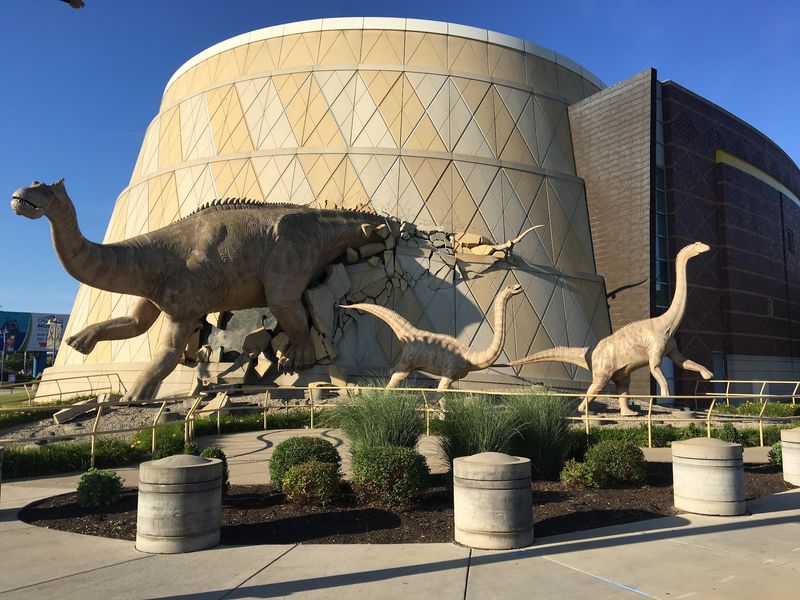
The Children’s Museum of Indianapolis holds the distinction of being the largest children’s museum in the world, and that scale becomes obvious the moment you walk through the entrance. The building spans multiple floors with exhibits that shift between science, history, culture, and pure imaginative play.
A Dinosphere exhibit puts kids inside a recreated Cretaceous environment surrounded by real fossil specimens, and the ScienceWorks area encourages hands-on experiments. The Sports Legends Experience is a separate outdoor attraction that gives kids the chance to engage with activities tied to professional sports in a way that goes beyond just looking at trophies.
The museum is operating through 2026, though a planned full closure is scheduled from September 14 through September 25, so families planning a fall visit should keep that window in mind. Admission covers most of the main exhibits, and the sheer amount of floor space means there is rarely a feeling of being crowded even on busy days.
City Museum, St. Louis, Missouri
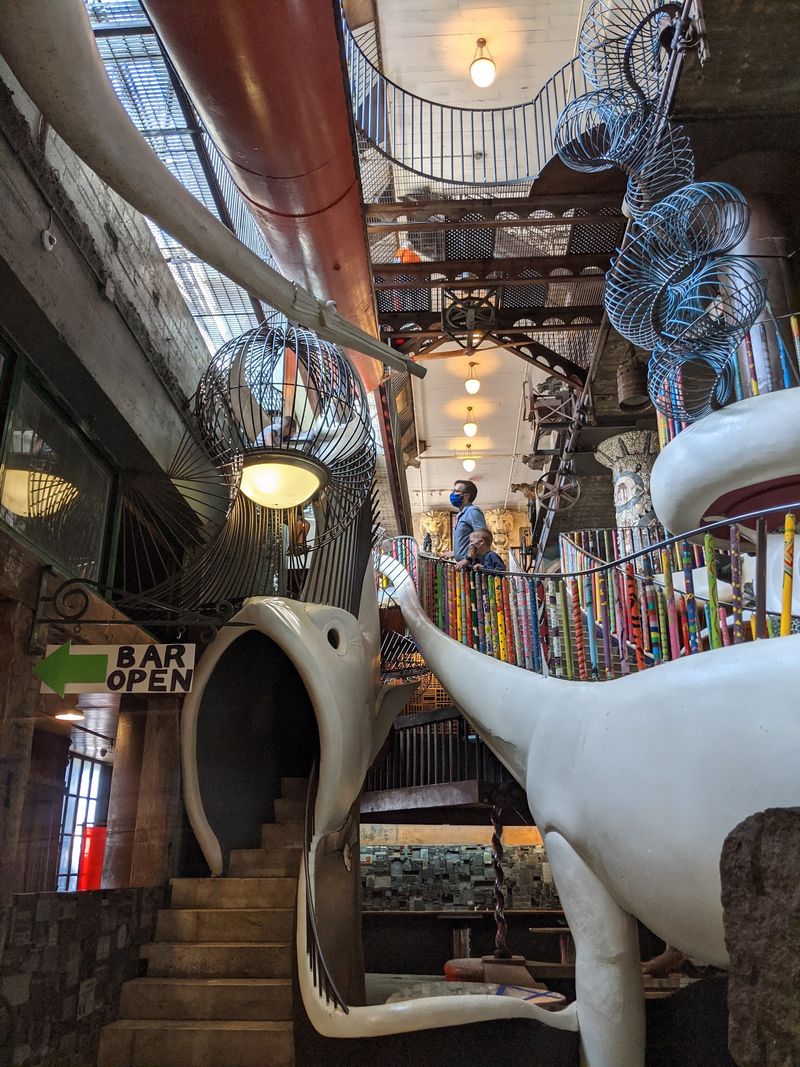
City Museum defies easy description, which is part of what makes it one of the most genuinely original attractions in the United States. Built inside a former shoe factory in downtown St. Louis, the space was transformed by artist Bob Cassilly into a sprawling structure filled with slides, caves, tunnels, climbing towers, and architectural salvage repurposed into something that feels completely unlike anything else.
Kids can crawl through reclaimed airplane fuselages, slide down multi-story spiral chutes, explore underground caves, and climb across a rooftop playground that sits ten stories above the street. Adults get just as absorbed as children, which is not something most family attractions can honestly claim.
City Museum publishes its operating hours for 2026 on its official calendar, and hours vary by day and season. Closed-toe shoes are genuinely recommended, not just suggested.
The experience is physical, exploratory, and impossible to fully predict, which is exactly why families who visit tend to come back.
Henry Ford Museum of American Innovation, Dearborn, Michigan
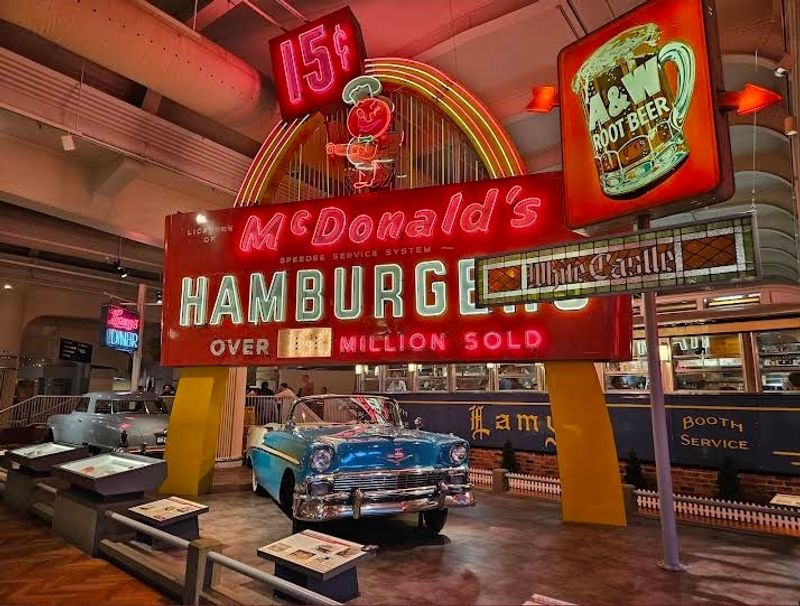
The Rosa Parks bus sits inside this museum. So does the presidential limousine from November 1963, the chair from Ford’s Theatre, and a collection of historic automobiles that traces the full arc of American transportation.
For a museum that covers innovation, the artifacts here carry unusual weight.
The Henry Ford Museum of American Innovation covers more than just cars and machines, though those are central to the experience. Exhibits touch on agriculture, manufacturing, domestic life, and the ways American invention changed how people lived and worked across generations.
The breadth of the collection is one of its defining strengths.
The museum is located in Dearborn, just outside Detroit, and operates seven days a week. Families with kids who are into vehicles, engineering, or American history tend to find it genuinely absorbing rather than passively informative.
Greenfield Village, an outdoor living history experience, is located on the same grounds and can be added to extend the visit significantly.
USS Midway Museum, San Diego, California

Boarding the USS Midway gives families a sense of scale that photographs simply cannot prepare you for. The flight deck stretches nearly the length of three football fields, and more than 30 restored aircraft are positioned across the deck and hangar bay, creating a setting that is part history lesson and part open-air display.
The Midway served as a U.S. Navy aircraft carrier from 1945 through 1992, making it one of the longest-serving carriers in American naval history.
Audio tours narrated by actual Midway veterans guide visitors through the flight deck, hangar deck, and below-deck spaces including the engine room, crew quarters, and combat information center.
The museum operates daily except Thanksgiving and Christmas Day, and tickets can be purchased on-site or in advance online. San Diego’s waterfront location means the surrounding area offers easy access to the Embarcadero, Seaport Village, and other nearby attractions for families who want to make a full day of it.
Smithsonian National Museum of Natural History, Washington, D.C.
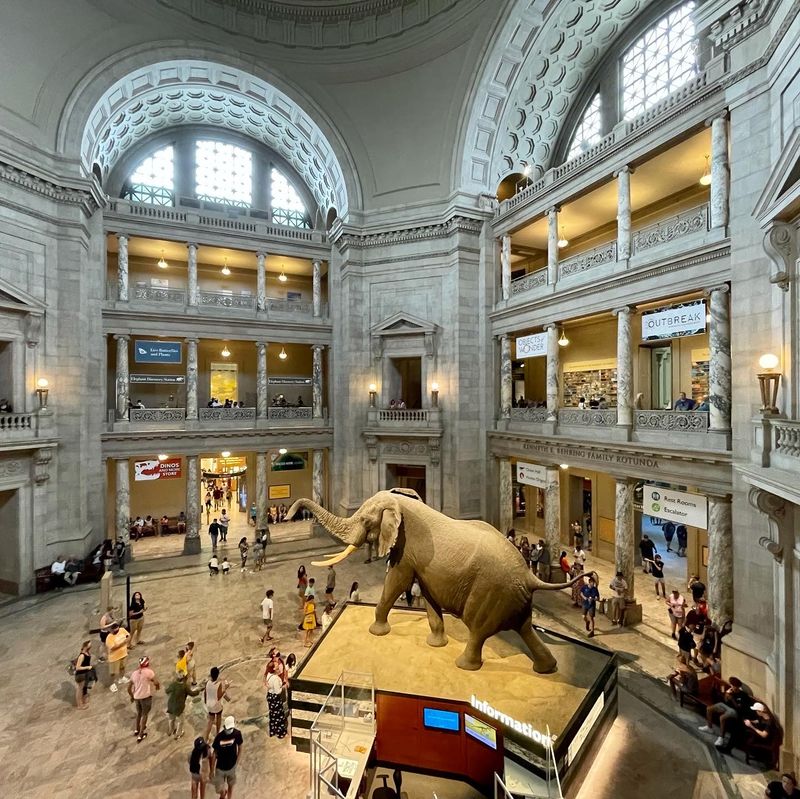
Walking into the National Museum of Natural History and seeing the African elephant standing in the main rotunda is one of those museum moments that sticks with people for years. The elephant has greeted visitors since 1959, and the exhibits surrounding it are just as memorable.
Dinosaur fossils, ancient mammals, the Hope Diamond, an ocean hall, and a butterfly pavilion are among the highlights spread across multiple floors. The collections here are among the largest natural history collections in the world, and the free admission makes it one of the most accessible major museums anywhere in the country.
The museum is open seven days a week, with the only closure being December 25. For families visiting Washington, fitting this into a trip alongside the National Mall is straightforward since the building sits directly on the Mall near the Capitol.
Timed entry passes are not currently required, but checking the museum’s website before visiting is always a good idea during peak travel seasons.
Omaha’s Henry Doorly Zoo and Aquarium, Omaha, Nebraska
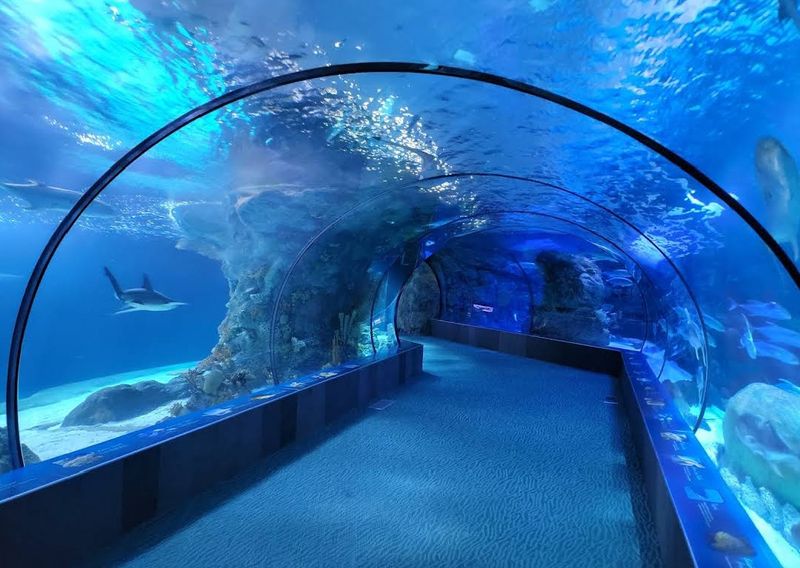
Omaha might not be the first city that comes to mind for a major zoo visit, but Henry Doorly Zoo and Aquarium has a strong case for being one of the best in the country. The Desert Dome is one of the world’s largest indoor desert environments, and the Lied Jungle is one of the largest indoor rainforests, both giving visitors an immersive habitat experience that most zoos cannot replicate.
The aquarium section adds sharks, rays, and coral reef exhibits to the mix, making the overall experience unusually varied for a single admission price. A tram runs through the grounds to help families cover the roughly 160 acres without wearing out completely by midday.
A giant-screen theater on the property rounds out the options for families who want a break from walking. The zoo welcomes visitors daily, and the combination of indoor and outdoor habitats means a visit is practical in most weather conditions, which is a genuine advantage for a Midwest destination.
National Aquarium, Baltimore, Maryland

Baltimore’s Inner Harbor has changed a lot over the decades, but the National Aquarium has remained one of its most consistent draws since opening in 1981. The building itself is distinctive, with a glass pyramid roof that makes it easy to spot from across the harbor, and the exhibits inside cover everything from Atlantic coral reefs to Australian river habitats.
A multi-level shark exhibit is one of the central features, and the dolphin presentation program gives families an up-close look at Atlantic bottlenose dolphins in a dedicated habitat. The aquarium also runs a Blacktip Reef exhibit that recreates an Indo-Pacific reef environment with rays, sharks, and colorful reef fish in a large open tank.
Daily operating hours for September and October 2026 are published on the aquarium’s official website. The Inner Harbor location means families can pair the aquarium visit with waterfront dining and other nearby attractions.
Advance ticket purchase is available online and is a practical way to avoid longer entry waits during busy periods.
Museum of Science, Boston, Massachusetts
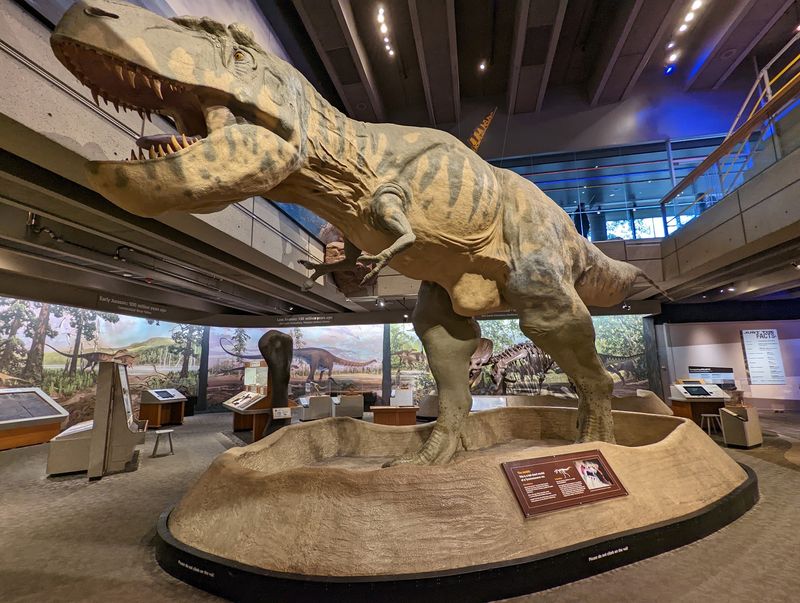
Boston’s Museum of Science sits at the edge of the Charles River and has been drawing curious families since it opened in its current location in 1951. The Theater of Electricity houses one of the world’s largest air-insulated Van de Graaff generators, and the lightning demonstrations it produces are one of those museum moments that kids genuinely do not forget.
Beyond the electricity show, the museum covers astronomy, engineering, natural history, and life sciences through a mix of interactive exhibits and live presentations. The Charles Hayden Planetarium offers regular shows, and the Mugar Omni Theater screens large-format films that pair well with the science programming.
Animal presentations featuring live species are held throughout the day and give the museum a slightly different energy than a purely exhibit-based institution. The exhibit halls are open more than 360 days each year, making scheduling flexible for most travel plans.
For families visiting Boston, this is a full-day stop that rarely disappoints even on a repeat visit.
California Academy of Sciences, San Francisco, California
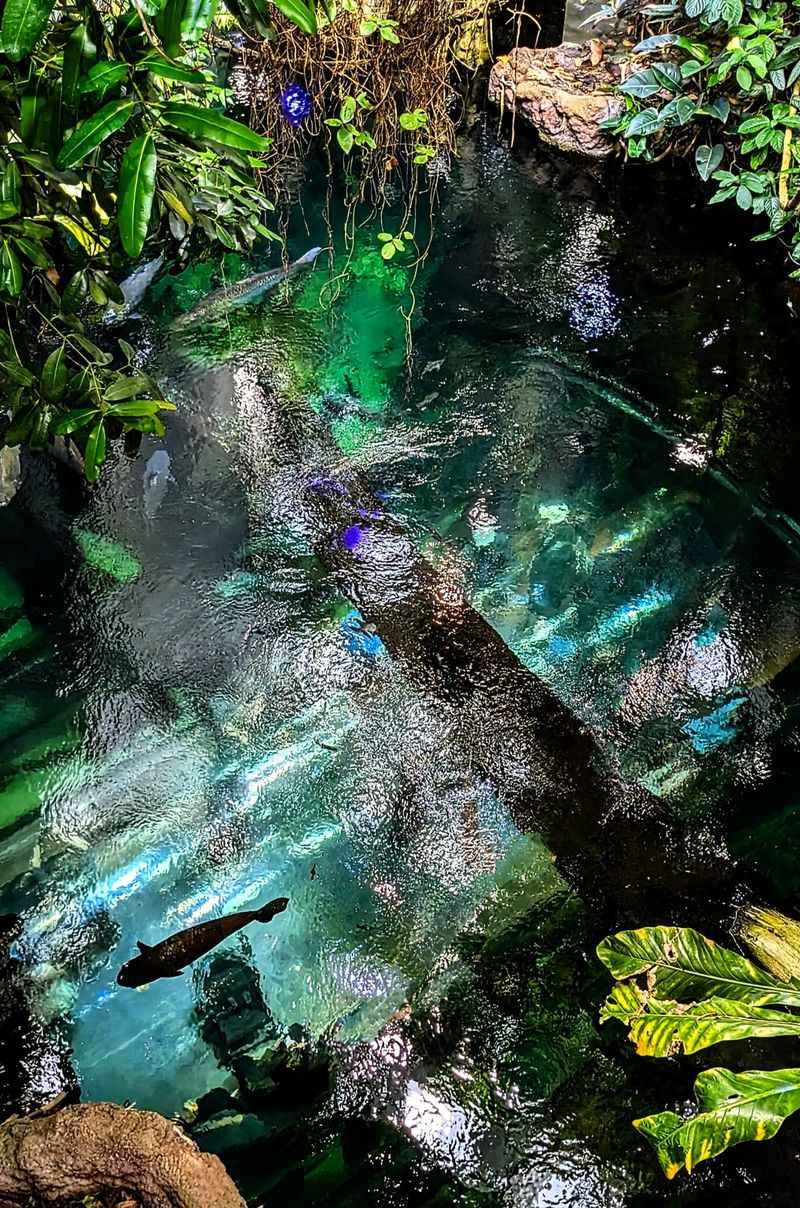
Sitting inside Golden Gate Park, the California Academy of Sciences packs an aquarium, a natural history museum, a planetarium, and a four-story indoor rainforest into a single building topped with a living roof planted with native California vegetation. The design alone, by architect Renzo Piano, makes it one of the more architecturally interesting science institutions in the country.
The Steinhart Aquarium on the lower level houses a Philippine Coral Reef tank that ranks among the deepest living coral reef displays in the world. The Claude the albino alligator has been a resident celebrity for years, and the rainforest dome lets visitors walk through a climate-controlled environment with free-flying butterflies and tropical birds.
Morrison Planetarium offers immersive dome shows covering astronomy and Earth science, and the schedule runs throughout the week. The Academy operates with published daily hours and is open most days of the week.
For families already planning a Golden Gate Park visit, adding this stop turns a partial day into a genuinely full one.
Share this story