Over the past decade and a half, American skylines have stretched higher while neighborhoods reinvented themselves at astonishing speed. Entire districts once defined by warehouses, empty lots, or factories now buzz with restaurants, tech campuses, and cultural venues. The results are thrilling, controversial, and impossible to ignore—reshaping commutes, costs, and community identities. If you think you know these cities, prepare to be surprised by how dramatically they’ve evolved.
Austin, Texas

Austin’s journey from quirky college town to a gleaming tech metropolis is impossible to miss. The skyline, once modest and low-rise, now bristles with glass towers, cranes, and megaprojects stretching along the river. Tesla’s Gigafactory and expansions by Apple and Google cemented the city’s reputation as a premier innovation hub, drawing talent and venture capital alike. With this surge came explosive housing demand, higher rents, and growing debates over preservation and affordability. Neighborhoods like East Austin have transformed with new mixed-use projects, creative offices, and destination restaurants. The tech influx has energized the music and food scenes while reshaping cultural dynamics, traffic, and transit priorities. Trails and riverfront parks expanded, offering respite amid the bustle. Fifteen years on, Austin feels both future-forward and fiercely contested.
Nashville, Tennessee

Nashville’s skyline exploded, transforming from a mid-rise profile into a glittering corridor of condos, hotels, and sleek office towers. The city’s tourism industry doubled, bringing a wave of hospitality investment and national attention to Broadway and beyond. New entertainment districts, luxe accommodations, and event venues now anchor a 24/7 urban core. Neighborhoods like The Gulch and SoBro morphed into dense, walkable hubs packed with eateries and rooftop bars. As cranes dominated the horizon, longtime residents navigated rising costs and rapid cultural shifts. Music City’s creative heartbeat remains, but with a slicker backdrop and global clientele. The city expanded transit discussions and improved public spaces to manage crowds. Fifteen years on, Nashville blends honky-tonk roots with a cosmopolitan sheen that surprises newcomers and veterans alike.
Denver, Colorado

Denver’s rapid population growth reshaped the Mile High City into a transit-connected, mixed-use powerhouse. The expansion of light rail lines and reinvention of Union Station spurred dense, pedestrian-friendly neighborhoods and new residential towers. Former industrial zones like RiNo transformed into art-filled districts with breweries, food halls, and creative offices. Massive redevelopment swept through central neighborhoods, delivering thousands of apartments and compelling public spaces. Outdoor culture remains central, but the city’s urban identity has sharpened with modern architecture and activated streetscapes. With growth came traffic, affordability pressures, and debates over displacement and zoning reform. Still, Denver improved bike infrastructure and greenways to keep recreation close. The city’s fifteen-year journey reveals a confident urban core backed by mountains, culture, and ambitious planning.
Seattle, Washington

Amazon’s rise fundamentally altered Seattle, especially South Lake Union, where mid-rise labs and glass high-rises rewrote the skyline. The once sleepy lakeside zone is now a dense matrix of tech campuses, cafes, and biotech facilities. Apartments and micro-units filled in, catering to an influx of workers and startups. The boom funded new parks, streetcar extensions, and waterfront plans while intensifying concerns about housing costs and homelessness. Downtown neighborhoods stitched together with bike lanes and upgraded transit hubs. Food and coffee scenes flourished, mirroring the city’s global talent pipeline. Seattle’s character remains tied to water, forests, and innovation—only now at metropolitan scale. Fifteen years of acceleration left a city both prosperous and pressured, navigating growth with an eye on equity and sustainability.
Detroit, Michigan

Detroit’s comeback story is written in renovated skyscrapers, thriving corridors, and a renewed sense of possibility. Once-marked vacant blocks have given way to small businesses, tech startups, and food entrepreneurs. The M-1 Rail streetcar and riverfront improvements anchored a more walkable downtown and connected districts. Iconic buildings like Michigan Central saw ambitious restoration plans, signaling confidence in the city’s future. Neighborhood revitalization continues unevenly, yet momentum is palpable in Corktown, Midtown, and the riverfront. Cultural institutions and sports venues drew visitors back, bolstering civic pride and investment. Challenges remain—affordable housing, equitable growth, and services—but Detroit’s trajectory is unmistakably upward. Fifteen years on, the city’s grit, creativity, and architecture have converged into a renewed urban identity that feels resilient and hopeful.
Miami, Florida

Miami’s transformation radiates from its glassy skyline to its buzzing cultural districts. Luxury towers multiplied along Biscayne Bay and Brickell, while Wynwood evolved from warehouses into a mural-laden destination. A steady tech and finance migration reshaped the city’s business mix, luring venture firms and startups. Nightlife and dining districts expanded, weaving global tastes into Miami’s tropical identity. The city invested in transit links, resiliency projects, and public waterfronts amid rising climate risks. Housing demand and speculative development intensified debates around affordability and community preservation. Meanwhile, art fairs and global events amplified Miami’s brand as an international capital. In fifteen years, Miami moved from beachside glamour to powerhouse metropolis—still sun-drenched, but newly defined by capital, culture, and constant reinvention.
Pittsburgh, Pennsylvania

Pittsburgh traded steel mills for code and clinical innovation, reinventing itself as a research-driven hub. University partnerships fueled robotics, AI, and healthcare breakthroughs, attracting startups and global firms. Riverfront districts, once industrial, now host parks, trails, and mid-rise housing, creating inviting connections between neighborhoods. Historic brick architecture blends with labs and maker spaces, reflecting an economy in transition. The city invested in bike lanes, BRT concepts, and public realm improvements, supporting a more urban lifestyle. Affordability remains relatively strong, though some areas face pressure as demand rises. Cultural institutions stayed vibrant, adding new audiences and venues. After fifteen years, Pittsburgh showcases a pragmatic rebirth—quietly ambitious, technologically sophisticated, and proudly rooted in its distinctive topography and neighborhoods.
Atlanta, Georgia

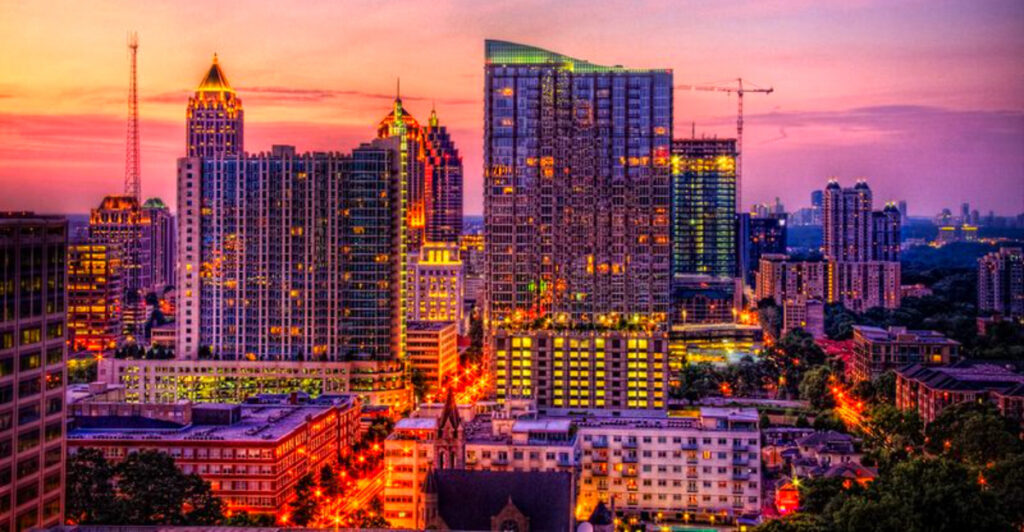
The BeltLine ignited Atlanta’s most visible urban transformation, stitching neighborhoods with trails and sparking a wave of mixed-use development. Former warehouses became food halls, art spaces, and lofts, while new apartments rose along the corridor. The project catalyzed retail clusters and public art, making walkability part of the city’s identity. Transit-oriented proposals and rezonings accelerated growth, yet raised concerns over displacement and affordability. Midtown and Old Fourth Ward densified with tech offices and residential towers, extending the skyline’s reach. Parks and stormwater projects improved resilience and livability. As talent poured into startups and Fortune 500 expansions, the region’s influence swelled. Fifteen years later, Atlanta’s energy centers on adaptive reuse, cultural vibrancy, and a trail network that reshaped how residents move and gather.
Los Angeles, California

Downtown Los Angeles shifted from a 9-to-5 district to a round-the-clock neighborhood brimming with culture. Thousands of apartments and adaptive reuse projects turned old office buildings into homes, galleries, and boutique hotels. The food scene exploded alongside revitalized theaters and art spaces, drawing locals back to the historic core. Transit expansion, from light rail connections to pedestrian improvements, made DTLA more accessible. South Park sprouted high-rises, while the Arts District cemented itself as a creative hub. With growth came debates over homelessness, affordability, and public safety, prompting new strategies and services. Public plazas and rooftop venues now provide sweeping skyline views. Fifteen years on, downtown LA’s streetscape feels animated and layered—an urban comeback in a city famous for sprawl.
Phoenix, Arizona

Phoenix surged as one of America’s fastest-growing metros, extending its suburban footprint while densifying transit corridors. New tech campuses and semiconductor investments brought high-wage jobs and global supply chain attention. The light rail system matured, linking employment hubs and supporting infill apartments near stations. Major infrastructure projects expanded freeways and water management, preparing for continued growth in an arid climate. Downtown and Tempe added towers, sports venues, and student-oriented housing, energizing nightlife and entrepreneurship. With expansion came rising home prices and exurban commute challenges. Sustainability initiatives, from solar adoption to urban heat mitigation, entered mainstream planning. Over fifteen years, Phoenix balanced scale with innovation, evolving into a diversified desert powerhouse that’s increasingly vertical, connected, and economically strategic.
Charlotte, North Carolina

Charlotte’s ascent accelerated as banking giants and corporate relocations anchored a skyline of shimmering towers. Uptown matured into a dense business and residential district, with streetcars and greenways linking surrounding neighborhoods. The influx of newcomers diversified the culture, bringing fresh restaurants, breweries, and arts venues. New sports facilities and public spaces amplified civic life and weekend activity. Rapid growth pressured housing and commutes, prompting zoning updates and transit planning debates. South End’s warehouses transformed into tech offices and mid-rise living, stitched together by the Rail Trail. As headquarters expanded, Charlotte’s national profile rose sharply. Fifteen years later, the Queen City showcases a clean, modern urban core—commercially dominant, lifestyle-forward, and increasingly confident about its role in the Southeast.
Houston, Texas

Houston’s sprawling footprint expanded in every direction as energy, healthcare, and tech reshaped the metro’s economy. The Texas Medical Center soared with cutting-edge facilities, while the Energy Corridor evolved with modern campuses and resilient design. Inside the Loop, mixed-use districts multiplied, adding mid-rises, food halls, and lively streets. Bayou Greenways connected neighborhoods with trails and flood-mitigation landscapes, redefining recreation and resilience. The city’s famed diversity deepened, fueling culinary innovation and international business ties. Housing remained relatively accessible, though flood risks and infrastructure demands spurred major investments. Transit options grew modestly, with emphasis on highways and park-and-ride systems. Over fifteen years, Houston refined its polycentric model—bigger, more networked, and determined to balance growth, climate realities, and opportunity.
San Francisco, California

San Francisco’s tech-fueled ascent dramatically altered housing, neighborhoods, and civic debates. Towers like Salesforce reshaped the skyline while venture-backed companies remade offices and retail corridors. Residential demand skyrocketed, triggering new construction, rising rents, and intense conversations about zoning and equity. The city’s cultural life adapted, blending legacy venues with modern food halls and co-working hubs. Transit remains robust, yet crowded, as regional commuting patterns shifted with tech campuses. Pandemic aftershocks tested downtown vitality, prompting reinvention strategies and conversion plans. Green infrastructure and waterfront projects continued, balancing beauty with resilience. Over fifteen years, San Francisco became a global symbol of innovation’s benefits and tradeoffs—exceptionally dynamic, fiercely expensive, and still defined by hills, bridges, and restless ambition.
Washington, D.C.

Washington, D.C. reimagined its riverfronts, turning once-industrial stretches into lively destinations. The Wharf, Navy Yard, and NoMa emerged with parks, restaurants, and new housing, attracting residents and visitors year-round. Anchored by transit and civic institutions, these neighborhoods offer walkability and cultural programming. Office corridors diversified with residential towers and hotels, softening the 9-to-5 rhythm. Debates around affordability and displacement intensified as demand surged near Metro stations. Streetscapes gained bike lanes, plazas, and waterfront promenades that celebrate the Potomac and Anacostia. Museums, sports, and dining converged into a capital-city lifestyle distinct from federal formality. Fifteen years on, D.C. feels more residential, connected, and playful—proof that policy and placemaking can reshape a city’s everyday experience.
Las Vegas, Nevada

Las Vegas evolved far beyond casino floors, adding major league sports, new arenas, and sprawling entertainment districts. Suburbs boomed with master-planned communities, schools, and retail zones catering to year-round residents. The Strip introduced immersive attractions and upgraded resorts, while downtown saw tech startups and arts initiatives gain traction. Infrastructure kept pace with widened arterials, transit experiments, and airport expansions. Water conservation and desert landscaping moved mainstream as the region grappled with climate pressures. Tourism recovered with experiential draws, concerts, and culinary hotspots. The city’s identity now spans hospitality, sports, and entrepreneurial ambition. Over fifteen years, Las Vegas transformed from a weekend playground into a diversified metro—still dazzling at night, yet increasingly balanced for everyday life.
Share this story