The United States has more shipwreck history than most people realize, and you do not need to be a scuba diver to experience it. From the icy depths of the Great Lakes to the coral-ringed waters of Florida, hundreds of sunken vessels are preserved beneath American waters.
Museums, underwater trails, glass-bottom boat tours, and national parks all offer ways to connect with these stories. Whether you are a history lover, an outdoor adventurer, or just someone looking for a different kind of road trip stop, this list has something genuinely worth your time.
Great Lakes Shipwreck Museum, Paradise, Michigan
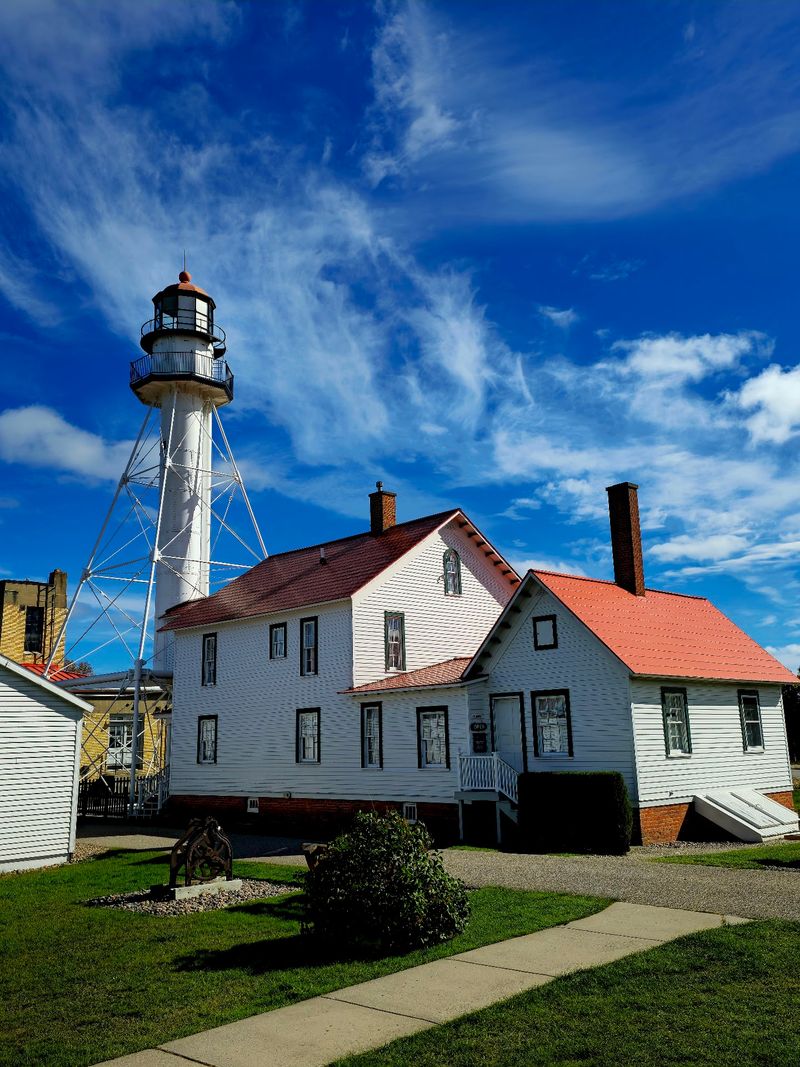
Few museum bells carry as much weight as the one hanging inside this remote Michigan landmark. The Great Lakes Shipwreck Museum is built around the story of the SS Edmund Fitzgerald, the massive freighter that sank during a November 1975 storm on Lake Superior, taking all 29 crew members with it.
The original bell recovered from that wreck is the museum’s centerpiece, and standing near it feels genuinely different from looking at a photograph.
Located at the historic Whitefish Point Light Station, the museum also includes keeper’s quarters, a Coast Guard surfboat house, and a main gallery covering other vessels lost across the lake. The lighthouse itself is the oldest active light on Lake Superior.
The museum is open daily from May 1 through October 31, so plan your visit around that seasonal window. Paradise, Michigan is remote, which makes the drive feel like part of the experience.
Thunder Bay National Marine Sanctuary, Alpena, Michigan
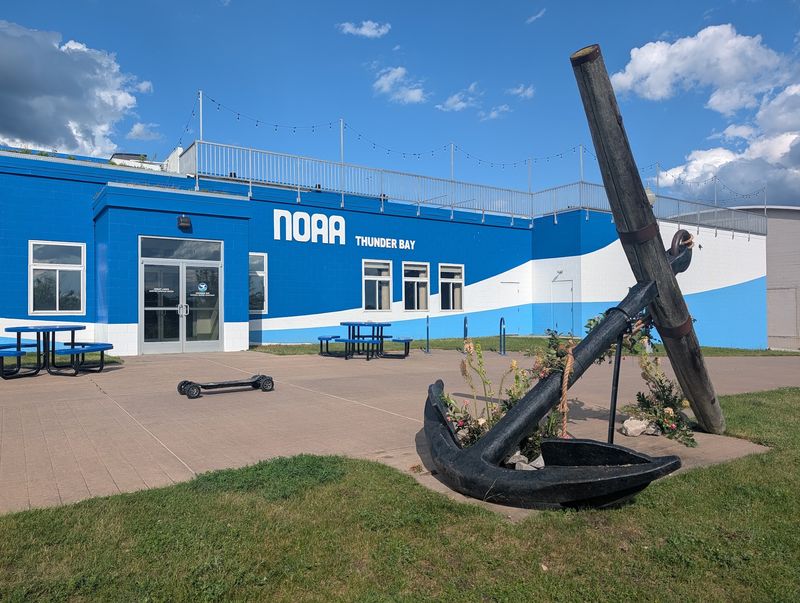
Nearly 100 shipwrecks rest beneath Lake Huron inside Thunder Bay National Marine Sanctuary, and the cold freshwater has kept many of them unusually intact. Wooden schooners and steel freighters sit on the lake floor in conditions that would be impossible to find in saltwater environments.
For shipwreck enthusiasts, this sanctuary is one of the most concentrated collections of underwater history in the country.
The free Great Lakes Maritime Heritage Center in Alpena is the best starting point. Inside, visitors find a life-size schooner recreation, archaeological displays, and simulated underwater viewing tubes that give a sense of what divers actually see below the surface.
For those who want to get closer, seasonal glass-bottom boat tours, kayaking, snorkeling, and scuba diving opportunities are all available at selected sites. Alpena is a working small city with real local character, which makes it a comfortable base for a longer stay.
Glass Bottom Shipwreck Tours, Munising, Michigan
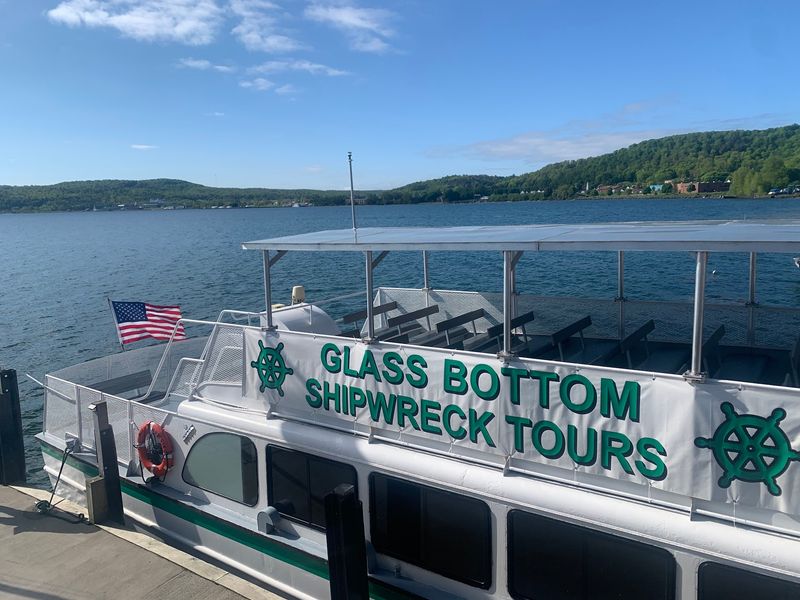
Munising sits along one of the clearest stretches of Lake Superior, and that clarity is exactly what makes Glass Bottom Shipwreck Tours worth the trip. The two-hour narrated excursion passes directly over the Bermuda, which sank in 1870, and the Herman H.
Hettler, lost in 1926. Passengers look down through large viewing wells cut into the boat’s hull while guides explain each vessel’s story and the conditions that sent it to the bottom.
Beyond the wrecks themselves, the route also passes Grand Island’s East Channel Lighthouse along with sandstone cliffs, caves, and stretches of Lake Superior shoreline. It is a scenic trip even for passengers who are not specifically drawn to maritime history.
The tours operate seasonally, and weather can affect daily schedules. Checking current availability before heading to Munising is a smart move, especially if you are building a tight itinerary around the Great Lakes region.
Great Lakes Maritime Heritage Center, Alpena, Michigan
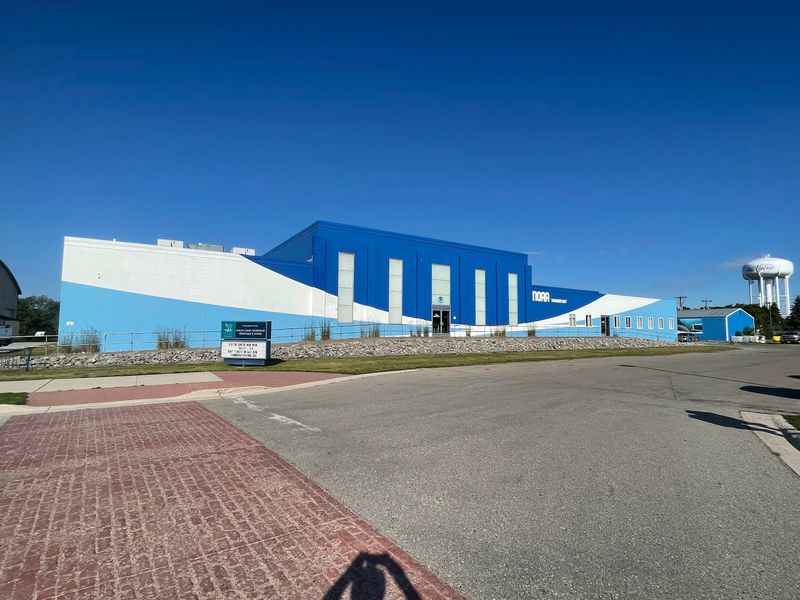
Not every great shipwreck experience requires a boat or a wetsuit. The Great Lakes Maritime Heritage Center in Alpena offers more than 10,000 square feet of exhibits covering Lake Huron shipping history, underwater archaeology, storm events, and the science behind wreck preservation.
Admission is completely free, which makes it an easy stop for families and budget-conscious travelers alike.
One of the most striking features is the full-size wooden schooner recreation that visitors can actually walk across. Nearby displays explain how underwater archaeologists document wrecks using photography, sonar, and mapping technology without physically removing artifacts from the lake.
The center operates year-round, unlike many of the seasonal outdoor attractions nearby. Tickets for glass-bottom shipwreck boat cruises are also sold at the building during the warmer months.
If you are planning a Thunder Bay visit that combines land and water experiences, starting here gives the whole trip better context before you head out on the lake.
North Carolina Maritime Museum, Beaufort, North Carolina
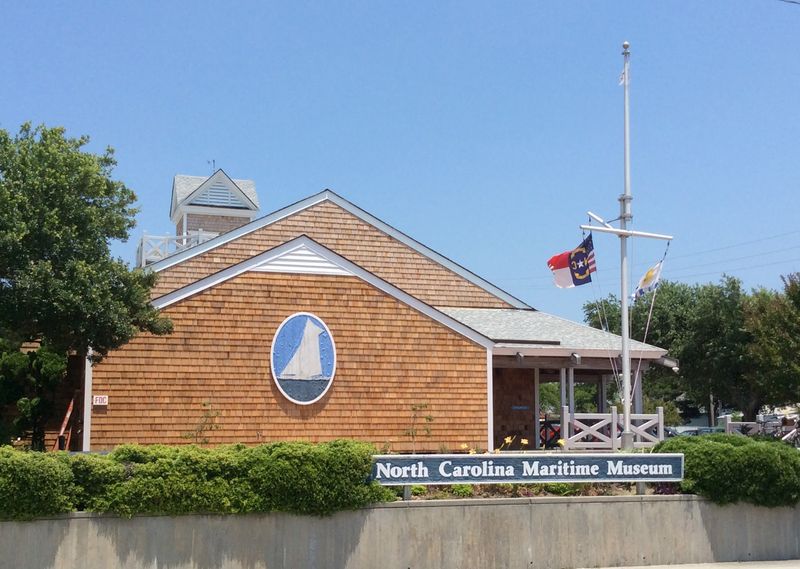
Blackbeard’s flagship ran aground near Beaufort in 1718, and for nearly three centuries nobody knew exactly where it landed. When the wreck of Queen Anne’s Revenge was discovered in 1996, the North Carolina Maritime Museum became the official home for what came out of the water.
The free exhibit here includes conserved cannons, grenades, navigational instruments, belt buckles, beads, and personal objects that connect visitors directly to the early 18th century.
What makes this museum stand out is the ongoing nature of the project. Conservation work continues, and the exhibit reflects a living archaeological effort rather than a finished story.
Interactive displays explain how researchers identified the wreck and how fragile objects are stabilized after centuries underwater.
The museum is open Tuesday through Saturday, though holiday schedules can vary. Beaufort itself is a coastal town with a walkable historic district, making a visit here easy to pair with a longer coastal North Carolina trip.
Graveyard of the Atlantic Museum, Hatteras, North Carolina
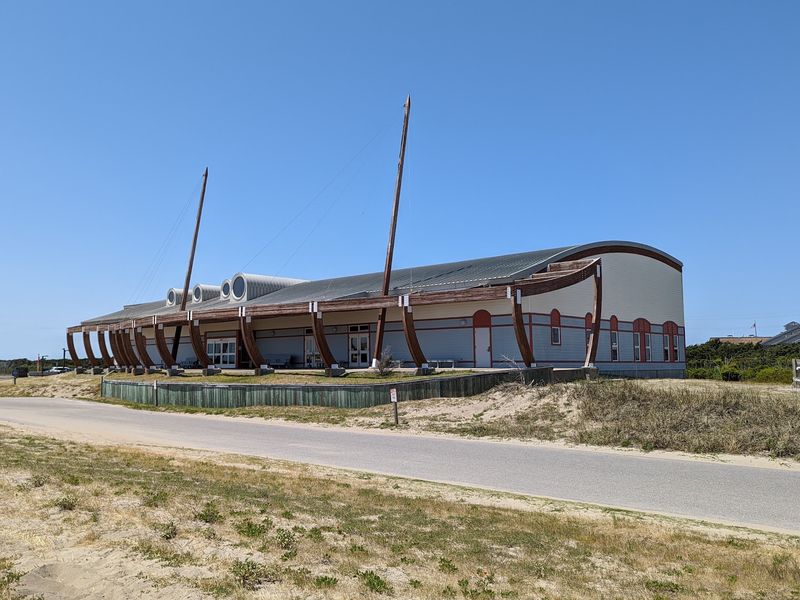
The stretch of water off North Carolina’s Outer Banks has earned its nickname honestly. Thousands of ships have been lost along this coastline over the centuries, driven onto dangerous shoals by storms, strong currents, and the collision of two major ocean currents just offshore.
The Graveyard of the Atlantic Museum in Hatteras takes that history seriously, covering piracy, lifesaving station operations, wartime maritime activity, and the natural geography that made these waters so hazardous.
Exhibits include artifacts recovered from vessels lost along the Outer Banks, along with objects connected to Blackbeard’s Queen Anne’s Revenge. The museum went through a significant redevelopment and now offers expanded exhibits and year-round educational programming.
Hatteras is a destination on its own, with beaches, a national seashore, and the Cape Hatteras Lighthouse nearby. Adding the museum to a visit here gives the landscape around you a much richer layer of historical meaning than most coastal stops can offer.
USS Monitor Center at The Mariners’ Museum, Newport News, Virginia
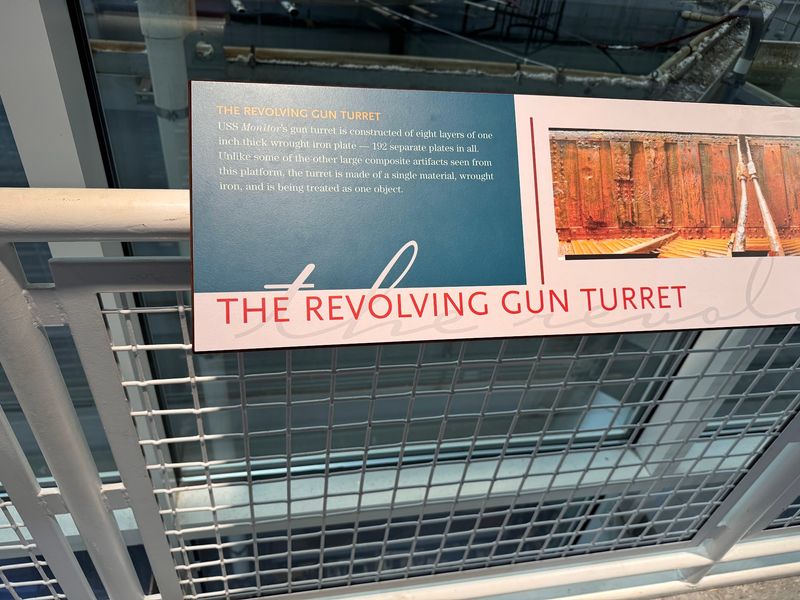
The USS Monitor changed naval warfare when it fought the CSS Virginia at Hampton Roads in March 1862. That battle between two ironclad warships made wooden naval vessels essentially obsolete overnight.
The Monitor sank later that year during a storm off Cape Hatteras, and the wreck was not located until 1973. Since then, more than 200 tons of material have been carefully recovered and brought to Newport News for conservation and display.
The USS Monitor Center at The Mariners’ Museum holds the recovered gun turret, Dahlgren guns, steam engine, and condenser. These are not replicas.
They are the actual components pulled from the Atlantic floor after more than a century underwater.
Visitors can also walk alongside a full-scale exterior replica of the ship and watch artifact conservation happening inside the Batten Conservation Complex. For Civil War history enthusiasts, this is one of the most significant collections of recovered naval material anywhere in the country.
DiscoverSea Shipwreck Museum, Fenwick Island, Delaware
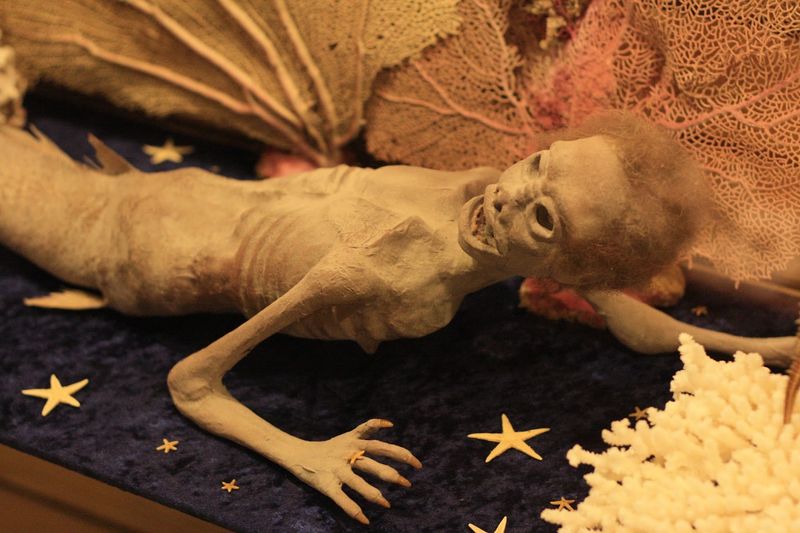
Most people drive through Fenwick Island without stopping, but the DiscoverSea Shipwreck Museum is exactly the kind of place that rewards travelers who slow down. The privately operated museum opened in 1995 and has spent decades building a collection of objects recovered from regional and international wreck sites.
Coins, navigation equipment, pottery, weapons, jewelry, and personal belongings are all represented.
What separates this museum from larger institutions is its focus on the human side of maritime history. The objects on display were once carried, used, or owned by real people aboard real ships.
Seeing a personal item pulled from centuries of ocean depth shifts the way you think about maritime disasters.
Admission is free, though donations support ongoing operations. Because the museum is privately run, operating days and hours can shift seasonally.
A quick check of the current schedule before making the drive from Ocean City or Rehoboth Beach will save you a wasted trip.
Key West Shipwreck Museum, Key West, Florida
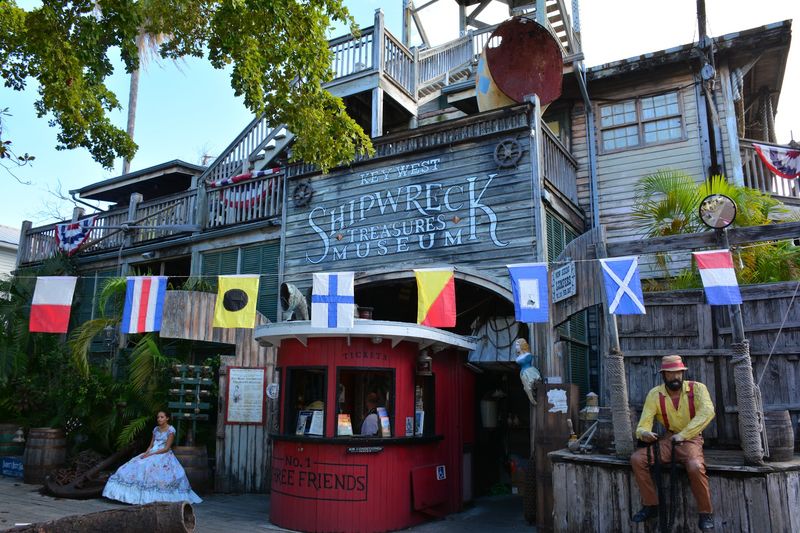
During the 19th century, Key West was the wealthiest city per capita in the United States, and much of that wealth came from wrecking. Local salvagers watched the Florida Reef from shore-based lookouts, and when a ship ran aground, the race was on to reach it first.
The crew that arrived first earned the right to lead the salvage operation, and the recovered cargo was auctioned off in Key West’s busy harbor.
The Key West Shipwreck Museum recreates that era using costumed presenters, recovered objects, and interactive displays inside a replica wrecking warehouse. Visitors can also climb the museum’s observation tower for views across the island.
The attraction remains open to the public, though daily hours and admission prices should be confirmed directly before visiting. Key West has no shortage of things to do, but this museum offers a specific piece of Florida economic history that most visitors never hear about from other stops on the island.
Maritime Heritage Trail at Biscayne National Park, Florida
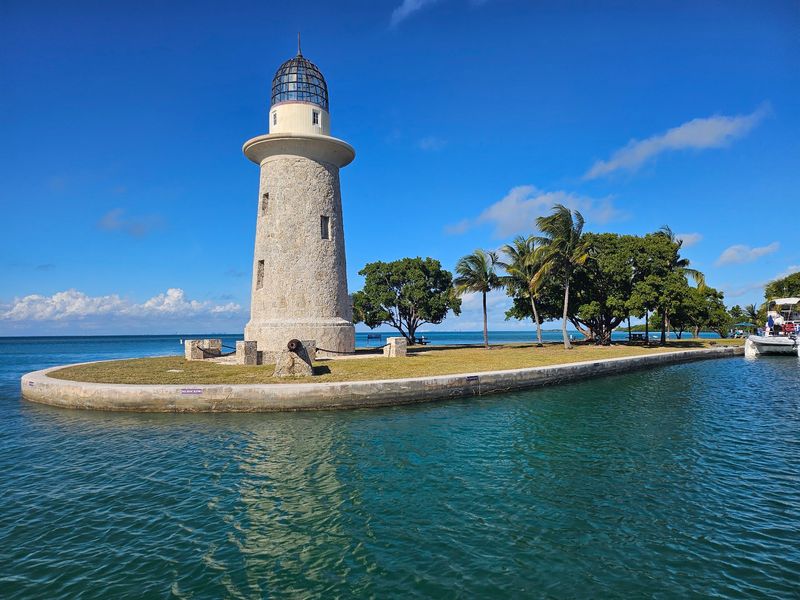
Biscayne National Park is 95 percent water, which makes its Maritime Heritage Trail one of the more unusual self-guided experiences in the national park system. The trail connects six historic shipwreck sites representing nearly a century of maritime activity, including the Arratoon Apcar, Alicia, Erl King, Lugano, and Mandalay, along with Fowey Rocks Lighthouse.
Getting to the trail requires a boat, and some sites are accessible by snorkeling while deeper wrecks require scuba experience. Guided snorkeling excursions through authorized park partners make the trail reachable for visitors who do not have their own vessel or dive gear.
The park is located just south of Miami, which makes it surprisingly accessible from a major metro area. Most visitors to South Florida never realize this kind of underwater history sits this close to the city.
Checking the park’s official site for current tour operators and seasonal conditions before planning your route is a practical first step.
Dry Tortugas National Park, Florida
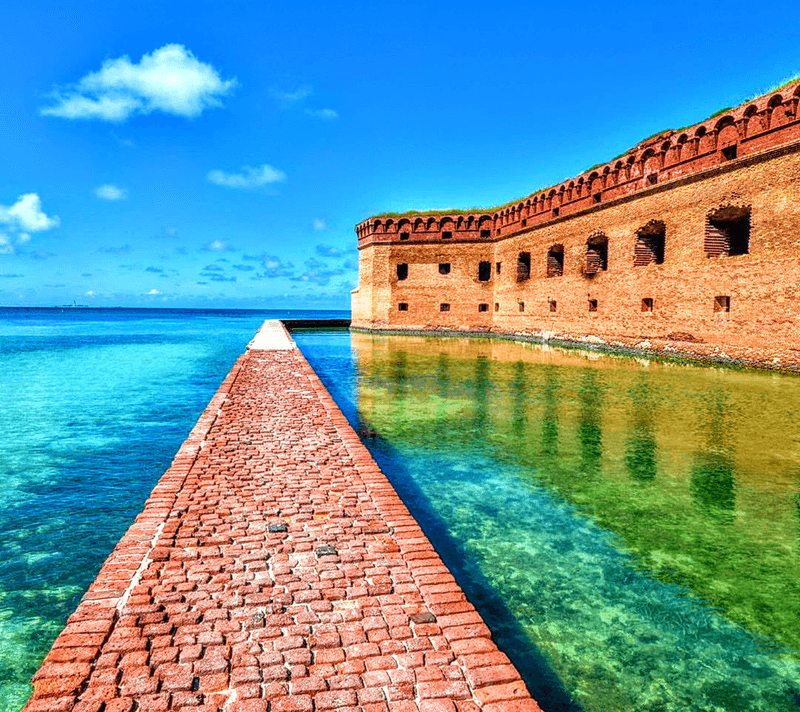
The Dry Tortugas sit about 70 miles west of Key West, and reaching them requires a ferry, a seaplane, or a private boat. That remoteness is part of what makes the place feel so different from other Florida destinations.
Ships have been wrecking, stranding, and suffering damage in these waters since the early colonial period, with the first documented loss being the Spanish vessel Nuestra Senora del Rosario in 1622.
The national park protects wreck sites, archaeological remains, reefs, and Fort Jefferson, one of the largest 19th-century masonry fortifications in the Western Hemisphere. Snorkeling around Garden Key gives visitors access to some of the clearest water in the Florida Keys system.
Experienced visitors arriving by private boat can explore areas near historic wreck sites, though conditions, regulations, and diving requirements should be reviewed carefully in advance. The Dry Tortugas rewards preparation, and the trip itself is unlike anything else on this list.
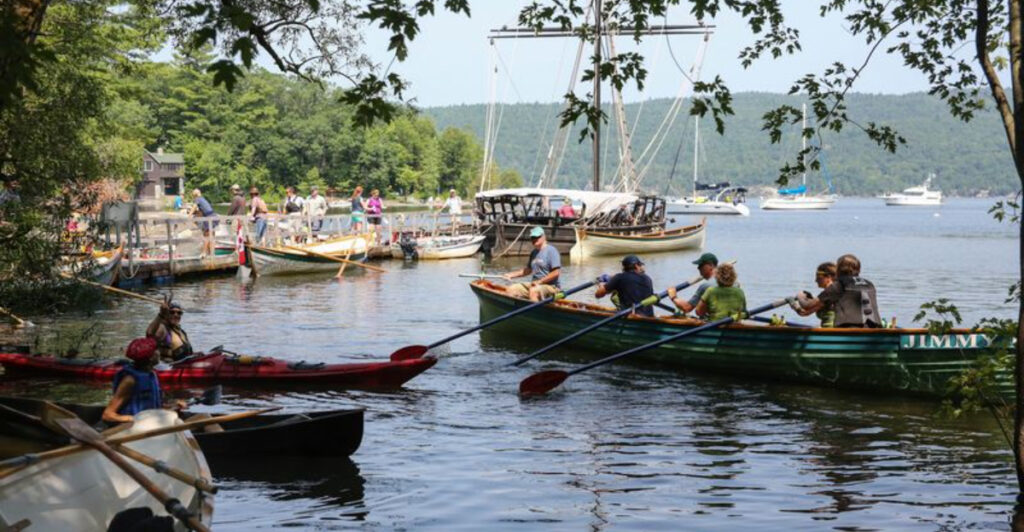
Lake Champlain Maritime Museum, Vergennes, Vermont
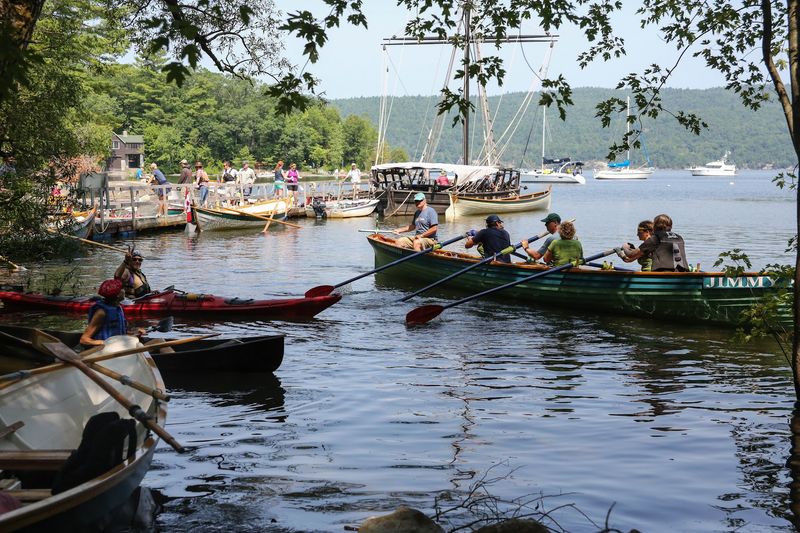
Lake Champlain has been a strategic waterway since before the United States existed, and the lake floor reflects that long history. Submerged vessels include military craft from the American Revolution, canal boats, commercial ships, and ferries spanning several centuries.
The Lake Champlain Maritime Museum in Vergennes is where that underwater world gets translated into something visitors can actually explore.
Museum exhibits cover the lake’s role in Revolutionary War naval engagements, regional boatbuilding traditions, canal commerce, and the methods underwater archaeologists use to locate and document wrecks. During selected summer and early fall dates, the museum offers shipwreck tours that use underwater video cameras to show visitors what sits beneath the lake’s surface without requiring anyone to get wet.
The museum operates seasonally and offers free general admission, which makes it an approachable stop for families. Vergennes itself is Vermont’s smallest city and a pleasant base for exploring the Champlain Valley during the warmer months.
Wisconsin Maritime Museum, Manitowoc, Wisconsin
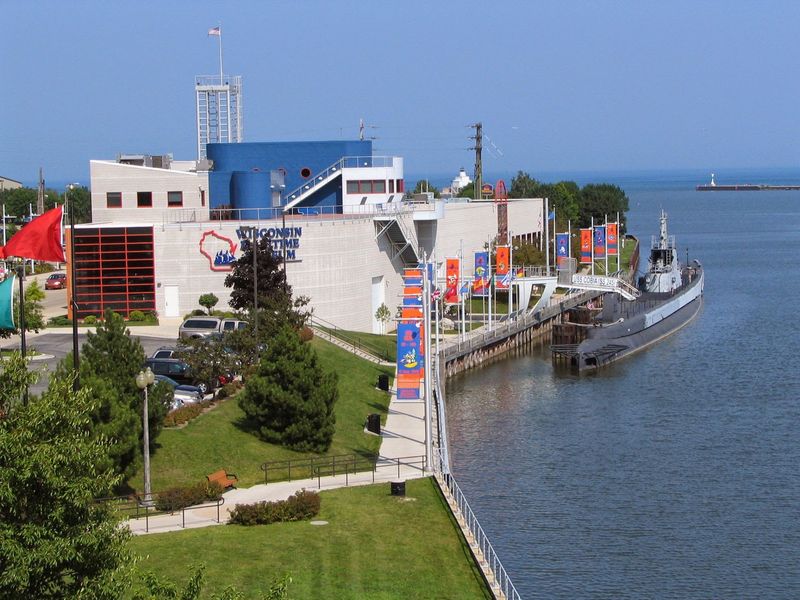
Manitowoc has a deep connection to maritime history that most people outside Wisconsin do not know about. During World War II, the city’s shipyards built 28 submarines for the U.S.
Navy, and the USS Cobia, a Balao-class submarine, is now permanently moored beside the Wisconsin Maritime Museum as a floating memorial and tour vessel.
The museum’s shipwreck-focused exhibits feature objects and stories from vessels protected by the Wisconsin Shipwreck Coast National Marine Sanctuary, which covers a stretch of Lake Michigan holding more than a dozen historically significant wrecks. Interactive kiosks explain how underwater explorers locate wrecks using sonar and how archaeologists use modern imaging technology to study them without physical excavation.
The combination of submarine tours, Great Lakes shipping history, and dedicated shipwreck content makes this museum more layered than a typical regional maritime stop. Manitowoc sits along the Lake Michigan shoreline, which adds scenic context to the visit and makes the maritime theme feel grounded in the real geography around you.
Death’s Door Maritime Museum, Gills Rock, Wisconsin
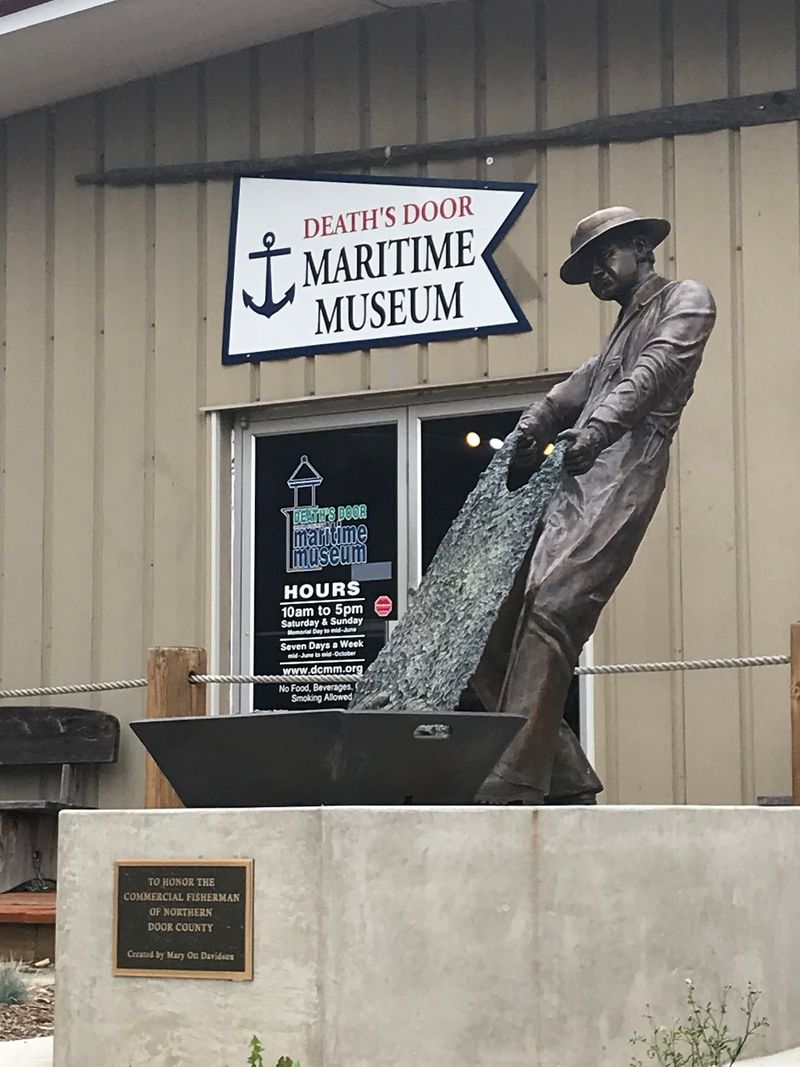
The name alone tells you something about the history here. Death’s Door is the narrow passage between the tip of the Door Peninsula and the nearby islands, and for generations of Great Lakes sailors it was one of the most dangerous stretches of water on Lake Michigan.
Strong currents, unpredictable storms, submerged shoals, and heavy historic shipping traffic all contributed to a long record of maritime accidents in these waters.
The Death’s Door Maritime Museum in Gills Rock preserves that local history through exhibits about shipwrecks, scuba diving, and artifacts recovered from the lake bottom. Visitors can also see the wooden fishing tug Hope and displays devoted to the commercial fishing traditions of northern Door County.
The museum operates seasonally, generally from May through October. Gills Rock sits at the very tip of the peninsula, making it a natural endpoint for a Door County road trip.
The drive north through the peninsula is scenic enough to justify the trip on its own.
Columbia River Maritime Museum, Astoria, Oregon
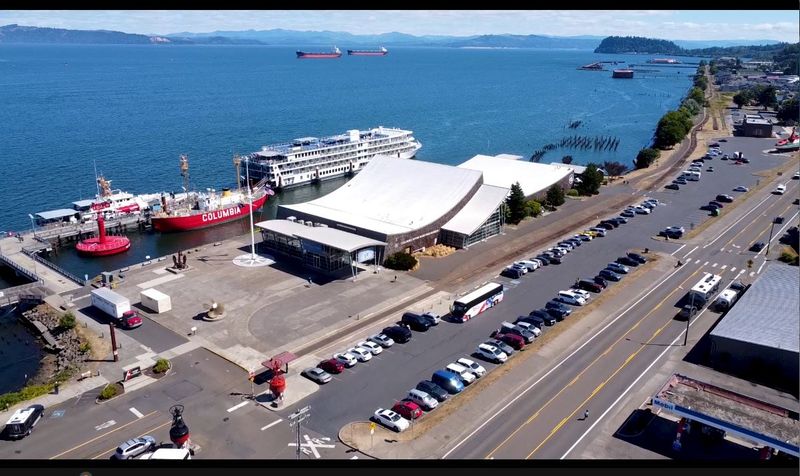
Where the Columbia River meets the Pacific Ocean, the water does not ease you in gently. The Columbia River Bar is one of the most dangerous river mouths in the world, shaped by shifting sandbars, powerful opposing currents, dense fog, and waves that can reach extraordinary heights during Pacific storms.
Sailors have called this stretch the Graveyard of the Pacific for good reason, and hundreds of documented maritime disasters have occurred here over the centuries.
The Columbia River Maritime Museum in Astoria uses artifacts, historic photographs, maps, rescue accounts, and interactive exhibits to tell these stories. Exhibits also cover the work of Columbia River Bar pilots and U.S.
Coast Guard crews who navigate and patrol these waters year-round.
Visitors can board the historic Lightship Columbia when access and conditions allow. Astoria itself is a historically rich small city with a strong Pacific Northwest character, and the museum fits naturally into a longer Oregon Coast itinerary without feeling like a detour.
Share this story