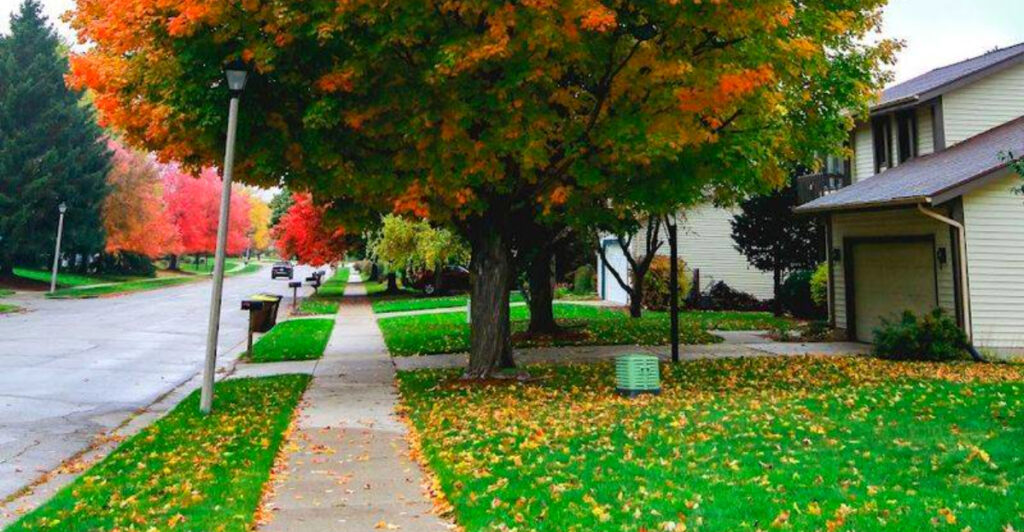
Not every great place to live makes the national headlines. Some of the happiest communities in America are smaller towns where neighbors actually know each other, schools earn real praise, and parks are never more than a short walk away.
These 15 places consistently earn high marks from the people who matter most: the residents themselves. From Pennsylvania suburbs to Colorado neighborhoods, they offer something money alone cannot always buy.
Chesterbrook, Pennsylvania

Ask anyone in Chesterbrook what they love most about living there, and the answers come fast: safe streets, great schools, and a surprisingly short drive to everything. Sitting just over 20 miles from Philadelphia, this Chester County community punches well above its weight for a place most people outside Pennsylvania have never heard of.
Valley Forge National Historical Park is practically in the backyard, giving families a stunning outdoor space for hiking, cycling, and picnicking without paying a dime. The school district consistently earns top marks, which keeps young families moving in and staying put for years.
Employment options are strong too, with major corporate campuses and healthcare employers nearby. Residents describe the community as quiet but never boring.
Weekend farmers markets, neighborhood events, and easy highway access keep life moving at a comfortable pace. Stacker’s 2025 Niche-based rankings placed Chesterbrook at the very top of its small-town list, and longtime residents say that ranking feels exactly right.
Clarendon Hills, Illinois
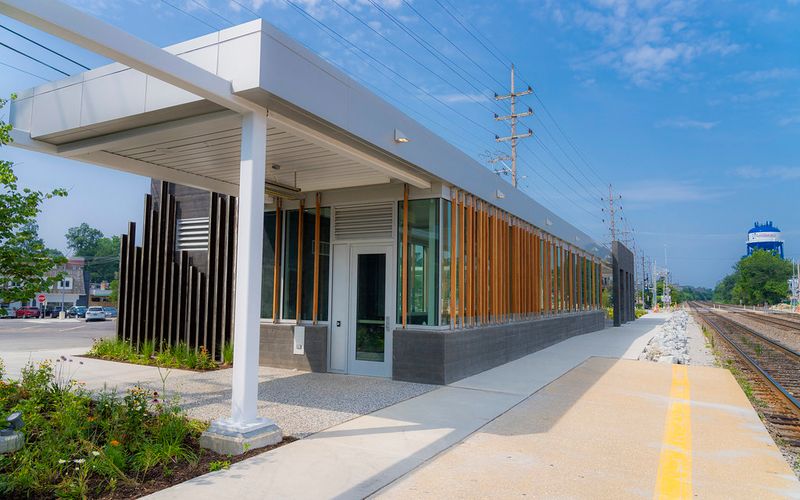
Clarendon Hills is the kind of place where the summer concert series actually fills up the park. This western Chicago suburb has built a reputation for strong community traditions, walkable streets, and schools that parents genuinely rave about.
Niche ranked it among America’s five best places to live for 2026, which surprised almost nobody who already lives there.
The village atmosphere is real, not just a marketing phrase. Residents can walk to coffee shops, restaurants, and local businesses without needing to fire up the car.
The Daisy Days festival brings the whole town together each year, and that kind of recurring tradition is exactly what builds the social glue that bigger cities often lack.
Commuters appreciate the Metra rail line, which delivers them to downtown Chicago in under an hour. Housing costs sit higher than the Illinois average, but residents consistently say the quality of life justifies the price tag.
Families with young children especially value the combination of top-tier schools and a community calendar packed with events that actually feel worth attending.
Ardmore, Pennsylvania
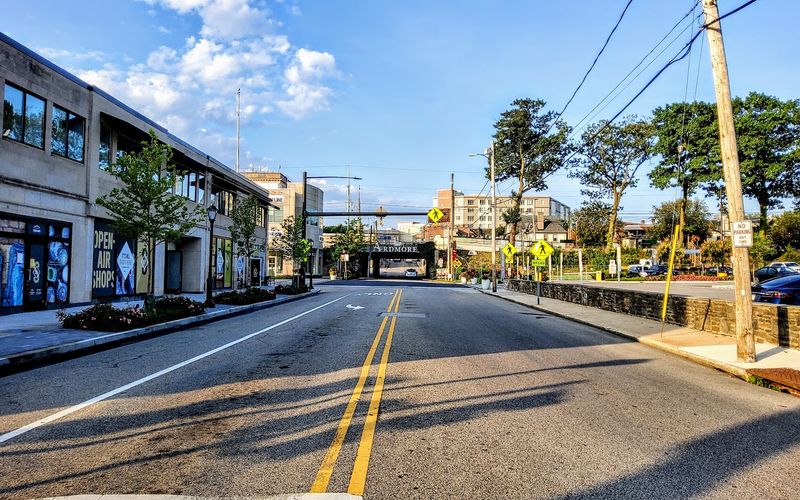
Walkability is one of those things suburban communities promise and rarely deliver. Ardmore actually delivers.
Lancaster Avenue hums with locally owned restaurants, specialty shops, and cafes that give the neighborhood a personality all its own. Suburban Square, one of the oldest outdoor shopping centers in the country, adds even more options within easy walking distance.
The farmers market draws regulars every week, turning a simple grocery run into a social occasion. Rail access to Philadelphia means residents can enjoy city employment and culture without dealing with city traffic every single day.
That combination of urban convenience and suburban calm is harder to find than most people realize.
Ardmore sits within Lower Merion Township, which consistently ranks among the top school districts in Pennsylvania. Housing ranges from apartments near the train station to larger single-family homes tucked into quieter residential blocks.
Residents describe the community as diverse, engaged, and genuinely friendly. For people who want a real neighborhood feel without giving up metropolitan access, Ardmore checks boxes that very few suburbs can honestly claim.
Princeton, New Jersey
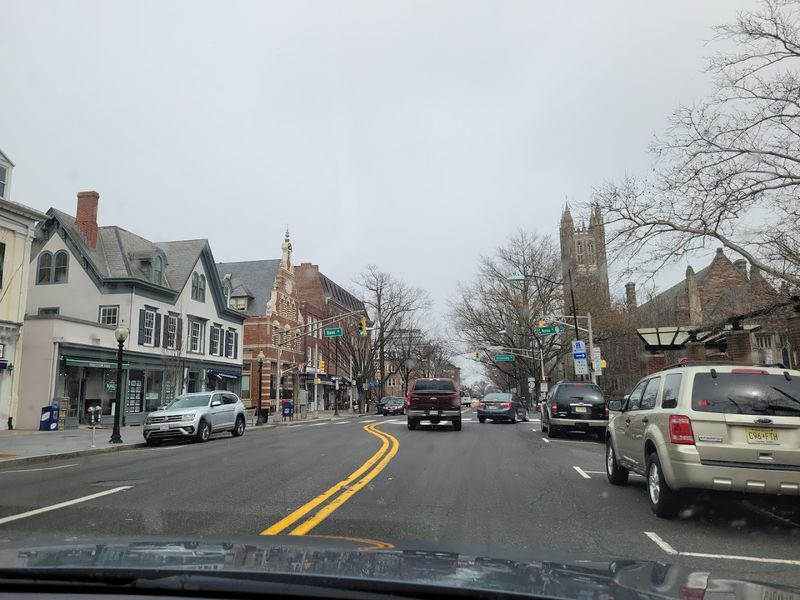
Princeton carries a reputation built on ivy and Nobel prizes, but the town itself is far more livable than its famous name might suggest. Beyond the university gates, residents enjoy a downtown packed with restaurants, independent bookstores, and cultural venues that serve the whole community rather than just the academic crowd.
Parks and playgrounds are plentiful, and the mix of housing options means the town attracts a genuinely varied population. Historic architecture lines the streets, but the community feels active and forward-looking rather than frozen in the past.
Local events, from outdoor concerts to art shows, keep the social calendar full throughout the year.
The school system earns consistent praise, and the proximity to both New York City and Philadelphia gives residents access to two major job markets. Princeton University and the Institute for Advanced Study bring an international character to the town that few communities its size can match.
Housing costs are high, but residents frequently cite the overall quality of life as more than worth it. Intellectual energy, green spaces, and a strong sense of civic pride make Princeton genuinely hard to leave once you settle in.
Los Alamos, New Mexico
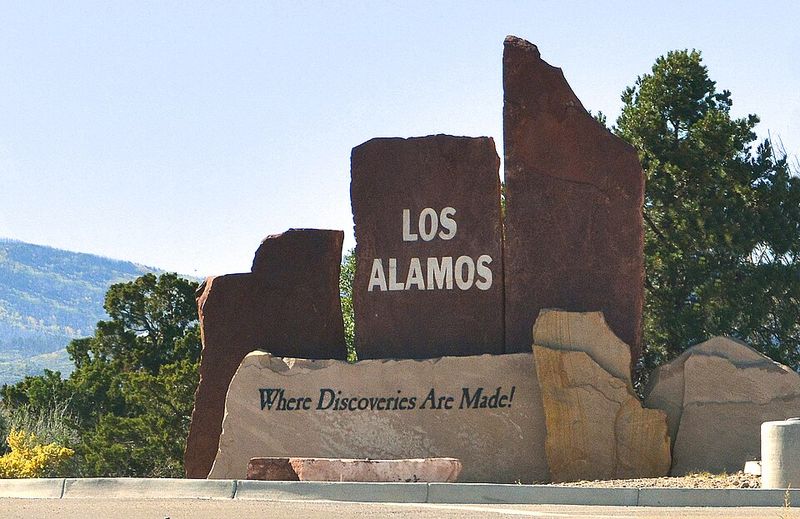
Few American towns can claim they sit on a mesa surrounded by ancient volcanic landscapes and also host one of the world’s leading scientific research laboratories. Los Alamos is genuinely one of a kind.
The town perches above the Rio Grande Valley at roughly 7,300 feet, giving residents mountain scenery that most people only see on vacation.
Bandelier National Monument and Valles Caldera National Preserve are practically neighbors, offering world-class hiking, wildlife watching, and outdoor recreation right outside the front door. The schools rank among the best in New Mexico, drawing families who want strong academics alongside an outdoor lifestyle that is hard to replicate elsewhere.
Los Alamos National Laboratory remains a major employer, attracting scientists, engineers, and researchers from around the globe. That influx of highly educated residents shapes a community culture that values curiosity, education, and civic involvement.
Housing costs are reasonable by national standards, especially given the quality of schools and amenities on offer. Residents describe the town as safe, tight-knit, and surprisingly full of cultural activity for its size.
If you can handle the altitude, Los Alamos tends to grow on people fast.
Swarthmore, Pennsylvania
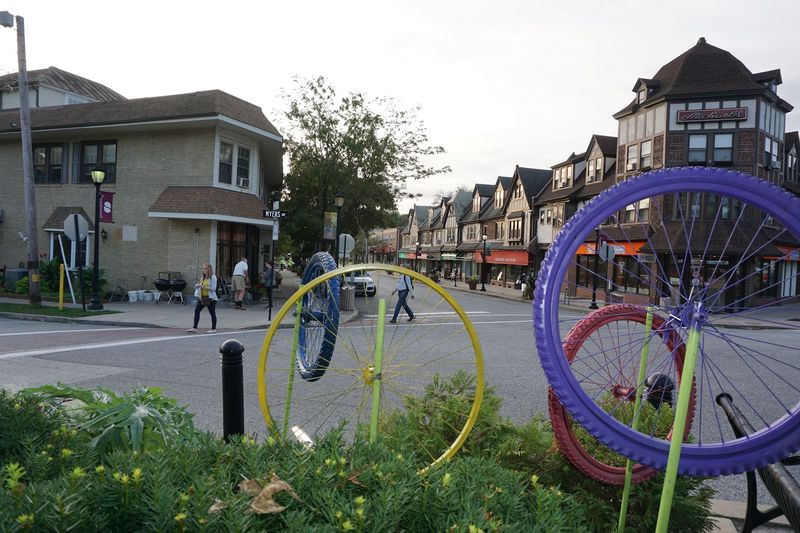
Swarthmore has the kind of quiet beauty that makes visitors slow down and look around. Mature oak and elm trees arch over residential streets, the Scott Arboretum blooms in spectacular color each spring, and the whole borough feels like it was designed for people who actually enjoy being outside.
Swarthmore College anchors the community but does not overwhelm it.
More than 20 walking trails wind through and around the borough, making it easy to log miles without ever getting into a car. The schools are excellent, civic organizations are active, and residents tend to know their neighbors by name.
That social fabric is part of what keeps people from leaving even when larger opportunities arise elsewhere.
Rail service to Philadelphia runs regularly, so working in the city while living in Swarthmore is a practical and popular choice. The downtown is compact but functional, with enough shops and restaurants to cover daily needs.
Housing leans toward older single-family homes with character, which suits residents who prefer craftsmanship over cookie-cutter construction. Swarthmore regularly appears on national livability lists, and people who live there rarely seem surprised by the recognition.
Blue Ash, Ohio
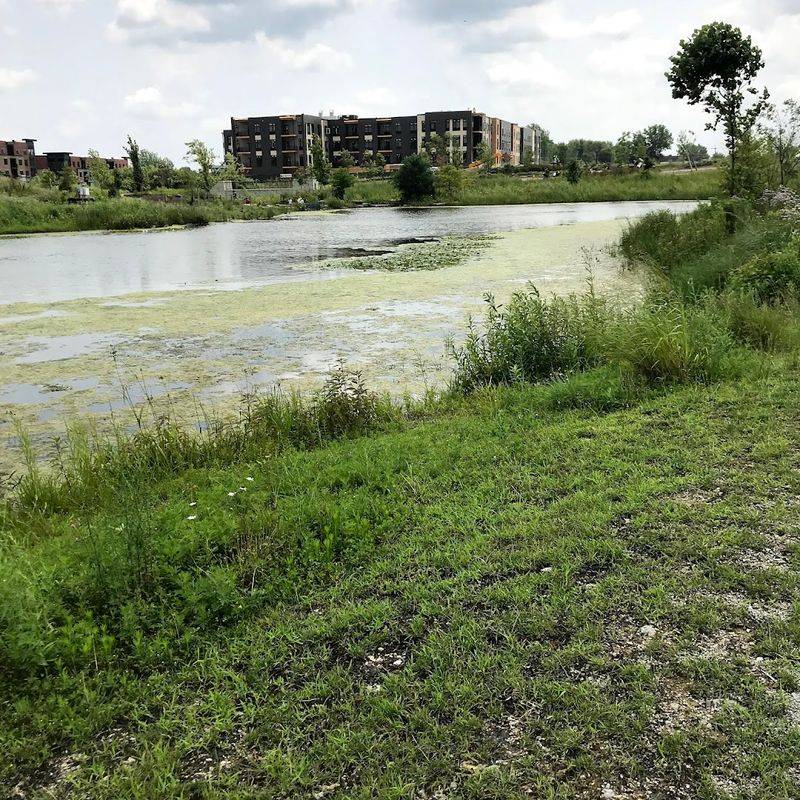
Summit Park might be the best argument for moving to Blue Ash. The 130-acre public space includes trails, playgrounds, an event lawn, a restaurant, a hotel, and a children’s garden, all packed into a park that feels more like a small resort than a municipal amenity.
It opened in 2017 and immediately changed how residents think about spending time outdoors.
Blue Ash sits about 10 miles north of downtown Cincinnati, close enough for a reasonable commute but far enough to feel like its own place. The suburban office market is substantial, meaning many residents can skip the highway entirely and work just minutes from home.
That kind of commute flexibility is a genuine quality-of-life advantage that does not show up in most rankings.
Family amenities are strong across the board, from recreation programs to well-maintained sports facilities. Housing costs compare favorably with higher-profile communities on national lists, making Blue Ash one of the more accessible entries on this list.
Residents consistently describe it as comfortable, well-managed, and genuinely fun to live in. For families who want a polished suburban experience without an absurd price tag, Blue Ash delivers reliably.
Okemos, Michigan
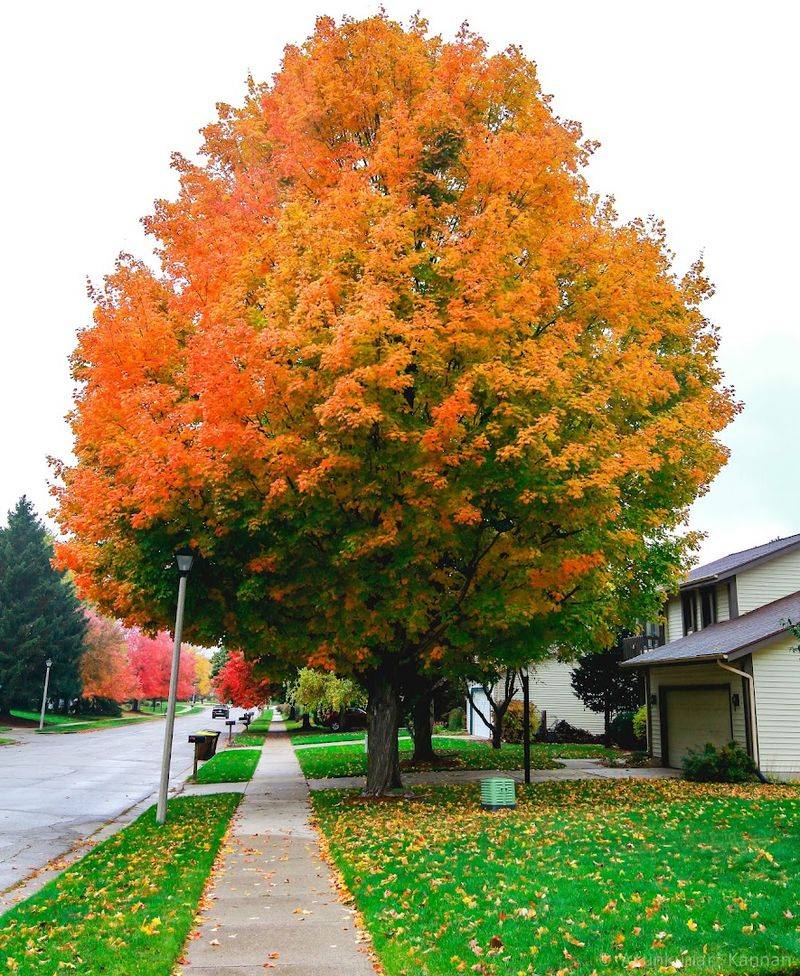
Living next door to a Big Ten university has its perks, and Okemos residents take full advantage of them. Michigan State University sits just minutes away, bringing world-class sports events, performing arts, healthcare facilities, and research employment to the community’s doorstep.
Yet Okemos itself stays remarkably quiet and residential, which is a balance that is genuinely difficult to achieve.
Families consistently cite the school district as a major draw. Test scores are strong, extracurricular programs are well-funded, and the overall academic environment benefits from the university’s proximity.
Parents who value education tend to find Okemos checks every box they were looking for before they even finish the tour.
Nearby parks and natural areas provide easy access to hiking, fishing, and outdoor recreation without requiring a long drive. The Lansing area job market is solid, and healthcare employment in particular has grown steadily over recent years.
Housing costs remain reasonable compared with coastal communities of similar quality, which makes Okemos accessible to a wide range of buyers and renters. Residents describe the community as low-key, welcoming, and genuinely good for raising kids.
Sometimes the best places to live are the ones nobody is loudly bragging about.
Alamo Heights, Texas
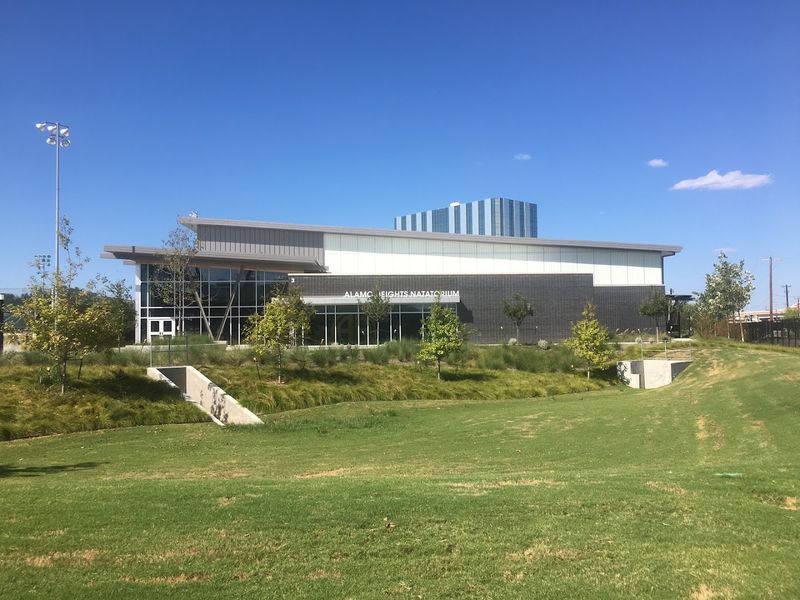
Technically surrounded by San Antonio, Alamo Heights operates as its own independent city, and that distinction matters more than it might sound. The community controls its own schools, police department, and zoning decisions, which gives residents a level of local governance that larger city neighborhoods simply cannot offer.
That independence has helped preserve a neighborhood character that San Antonio’s growth has not been able to absorb.
Broadway Street runs through the heart of the community with restaurants, shops, and cultural venues that attract visitors from across the metro area. The McNay Art Museum sits right on the edge of the neighborhood, giving residents walkable access to one of Texas’s finest art collections.
Not many suburbs can claim a world-class museum as a neighbor.
Families are drawn by the school district, which consistently outperforms state averages and maintains a strong reputation among parents. Housing ranges from modest bungalows to larger historic properties, giving the community a mix of price points that keeps it from feeling exclusively exclusive.
Residents frequently describe Alamo Heights as the best of both worlds: close enough to San Antonio for everything a major city offers, but small enough to feel genuinely known.
Cinco Ranch, Texas
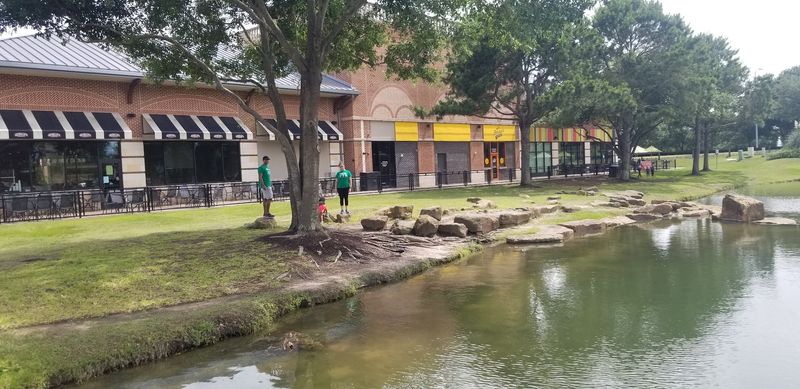
Cinco Ranch was built with a clear philosophy: give residents every reason to stay close to home. The master-planned community in the Houston suburb of Katy delivers on that promise with parks, trails, multiple swimming pools, tennis courts, sports clubs, and a packed schedule of organized community events.
Boredom is genuinely hard to come by here.
The community association manages a network of amenities that would make a resort developer jealous. Lakes, green belts, and open spaces are woven throughout the neighborhood, making outdoor activity a natural part of daily life rather than something that requires a special trip.
Families with children especially appreciate how much is available within a short bike ride or walk from home.
Houston’s enormous job market sits within reasonable commuting distance, giving residents access to one of the country’s largest employment centers without sacrificing neighborhood quality. Schools in the Katy Independent School District have earned a strong regional reputation, adding another layer of appeal for families.
Housing options range from townhomes to larger single-family properties, covering a wide range of budgets. Residents consistently praise Cinco Ranch for delivering on the community lifestyle it advertises, which, in the world of master-planned developments, is not always a given.
Great Neck Plaza, New York
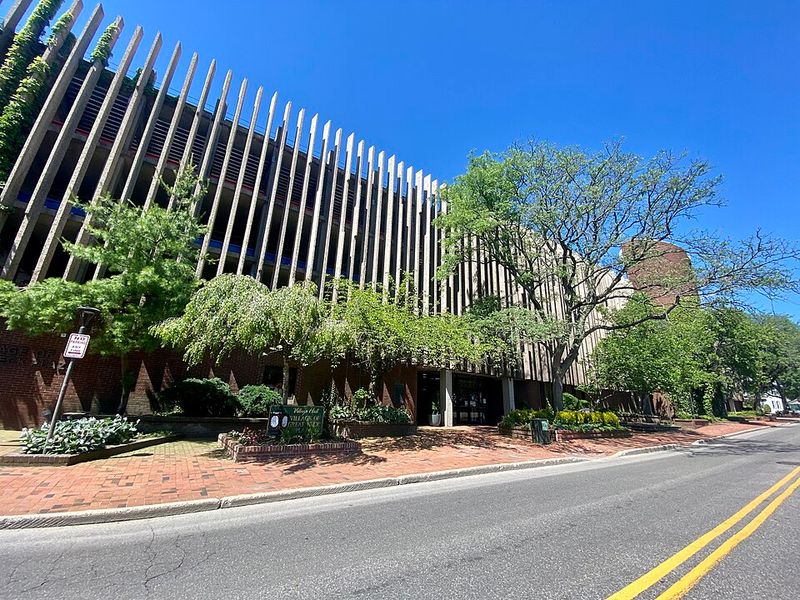
Great Neck Plaza squeezes a remarkable amount of life into about one-third of a square mile. The Long Island village has a genuinely busy commercial center with hundreds of businesses, a walkable street grid, parks, and a mix of apartments and single-family homes that creates real neighborhood density.
For a place this small, the energy level is surprisingly high.
The Long Island Rail Road station is the community’s secret weapon. Express service puts Midtown Manhattan within roughly 40 minutes, which means residents can hold serious metropolitan careers while coming home to a village where they actually recognize people at the grocery store.
That combination is increasingly rare and increasingly valuable.
Cultural diversity adds another dimension to daily life. Great Neck Plaza has a rich mix of restaurants, cultural organizations, and community events that reflect its varied population.
The school district serves a highly educated community and maintains strong academic results. Housing costs reflect the premium location, but residents argue the access to New York City employment more than justifies the expense.
For people who want the best of both worlds, a genuine village feel paired with metropolitan reach, Great Neck Plaza makes a compelling case that small can absolutely be better.
Ho-Ho-Kus, New Jersey
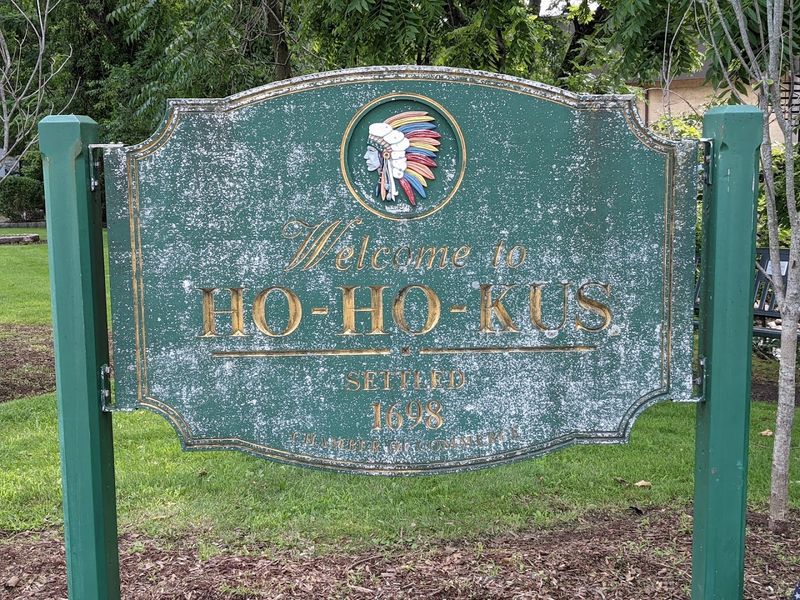
The name alone is enough to make people smile, but Ho-Ho-Kus earns its place on this list for reasons that go beyond its memorable title. This small Bergen County borough has fewer than 4,000 residents, a compact downtown filled with independent shops and restaurants, and a community calendar that punches well above its weight.
The annual Halloween parade is the kind of local tradition that residents genuinely look forward to months in advance.
Independent businesses give the downtown a personality that chain-heavy suburbs struggle to replicate. A local tasting festival and other recurring events keep neighbors interacting throughout the year rather than just nodding at each other from separate driveways.
That social rhythm is part of what makes small-town life feel meaningful rather than just quiet.
NJ Transit rail and road connections make commuting to New York City practical, giving residents metropolitan employment access without metropolitan density. The school system is small but well-regarded, and the low crime rate is something residents mention consistently when asked why they stay.
Housing leans toward older single-family homes with Victorian and Colonial architecture that gives the borough genuine visual charm. Ho-Ho-Kus is proof that a town does not need to be large or famous to be genuinely wonderful.
North Potomac, Maryland
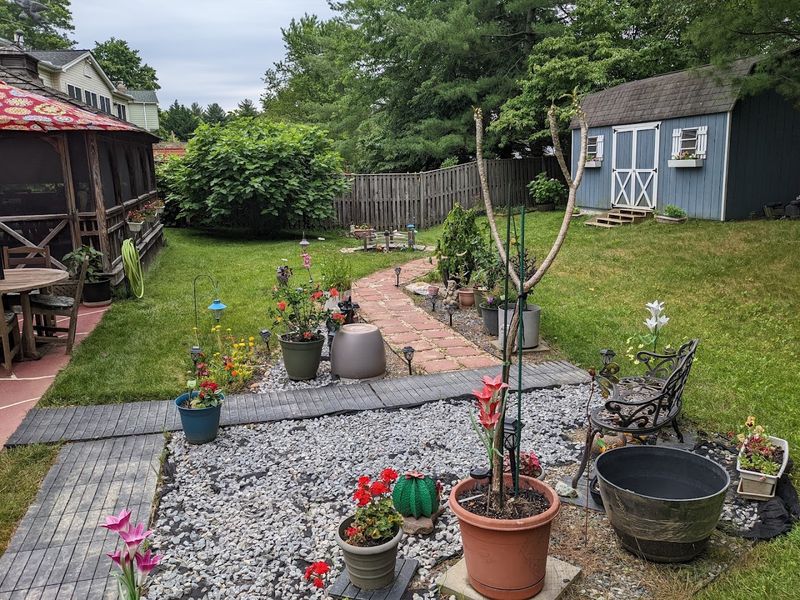
North Potomac sits in the sweet spot that many Washington-area families spend years searching for: strong schools, accessible recreation, quiet streets, and a commute to D.C. that does not require heroic patience. The community is an unincorporated area in Montgomery County, which consistently ranks among the wealthiest and best-educated counties in the United States.
Big Pines Local Park gives residents a well-equipped outdoor space for sports, picnics, and casual recreation. The community recreation center adds courts, fitness facilities, and programming that covers most of what active families need without requiring memberships at multiple private clubs.
Having good public infrastructure matters more than most people admit when they are deciding where to settle down.
The school system is the headline attraction for many families moving into the area. Montgomery County Public Schools consistently produce strong academic results, and the cluster of schools serving North Potomac has a particularly solid reputation.
Proximity to the Potomac River, Gaithersburg, and the broader capital region employment market adds practical value to the lifestyle appeal. Housing costs are high, as they are throughout the D.C. corridor, but residents describe the quality of daily life as genuinely worth the investment.
For families prioritizing education and stability, North Potomac delivers consistently.
Meadowbrook, Alabama
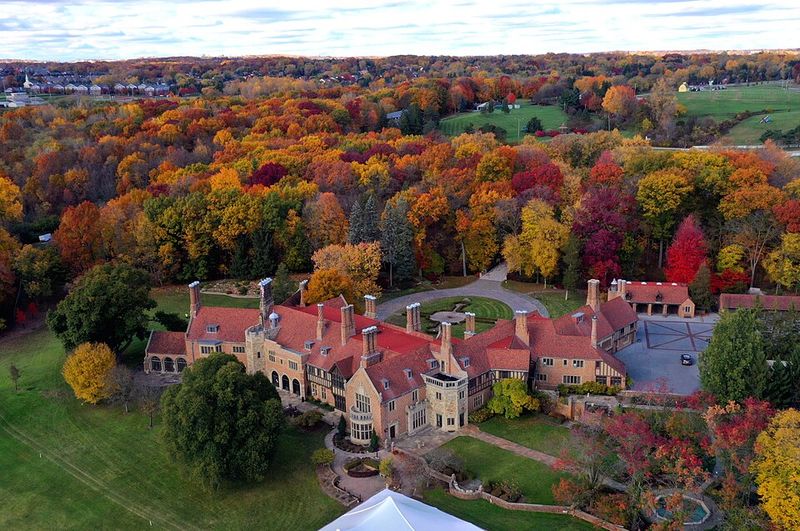
Meadowbrook offers something that many top-ranked communities quietly lack: affordability. Located outside Birmingham, this Jefferson County community gives families access to strong schools, varied housing options, and a suburban lifestyle without the sticker shock that accompanies similar communities in coastal states.
For families who feel priced out of the national rankings conversation, Meadowbrook is worth a serious look.
Oak Mountain State Park is the outdoor crown jewel of the area. Alabama’s largest state park sits nearby and offers hiking, mountain biking, fishing, camping, and a beach area around a reservoir.
Having that kind of nature access close to a suburban neighborhood is a genuine lifestyle bonus that residents bring up constantly when describing what they love about the area.
Birmingham’s employment market covers healthcare, finance, technology, and manufacturing, giving residents a solid range of career options within commuting range. The community has a friendly, unpretentious character that residents describe as refreshingly low-pressure compared with more competitive suburban environments.
Neighborhoods are well-maintained, and the overall pace of life leans toward relaxed without tipping into dull. Meadowbrook may not be on every national radar yet, but the families who have discovered it tend to stay, which is usually the most honest endorsement a community can earn.
Holly Hills, Colorado
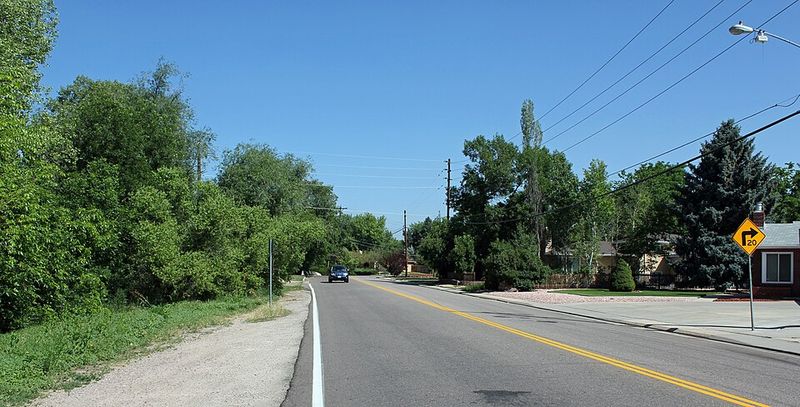
Geography is doing a lot of work for Holly Hills. Wedged between downtown Denver and the Denver Tech Center, this small community of fewer than 3,000 residents sits at one of the most strategically convenient addresses in the entire metro area.
Professionals working in either direction can commute without the long hauls that drain so many Colorado residents of their evenings and weekends.
Residents frequently describe the neighborhood as family-friendly, and the feedback is consistent across multiple review platforms. Schools earn solid marks, the streets feel safe, and the proximity to Colorado’s outdoor lifestyle means skiing, hiking, and mountain recreation are realistic weekend options rather than once-a-year adventures.
That outdoor access is a major part of why people move to Colorado in the first place.
Denver’s entertainment options, restaurants, sports venues, and cultural institutions are all within easy reach, giving Holly Hills residents a metropolitan social life without metropolitan density. The community’s small size creates a neighborhood atmosphere that larger Denver districts struggle to replicate.
Housing costs have risen with Denver’s overall market, but the location advantage continues to attract buyers who want both urban access and residential calm. Holly Hills proves that sometimes the best address is simply the one that puts everything else within reach.
Share this story