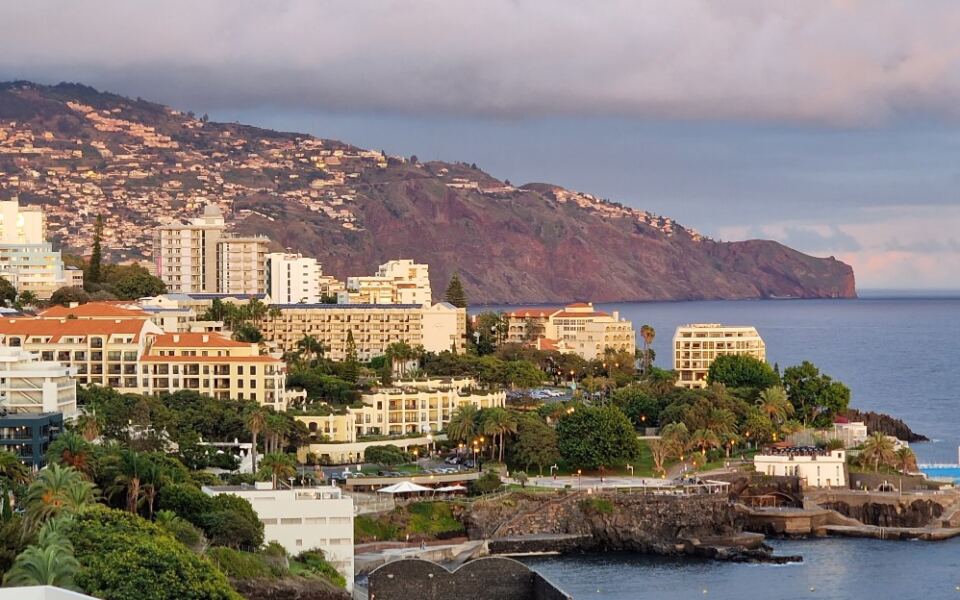
Summer crowds go home, but the sunshine often sticks around. In many warm corners of the world, September and October bring cozy beach days, quiet streets, and friendlier prices.
Here are fifteen spots where your travel budget can relax while you soak up the rays. Pack your sunscreen and your curiosity.
Tavira, Portugal
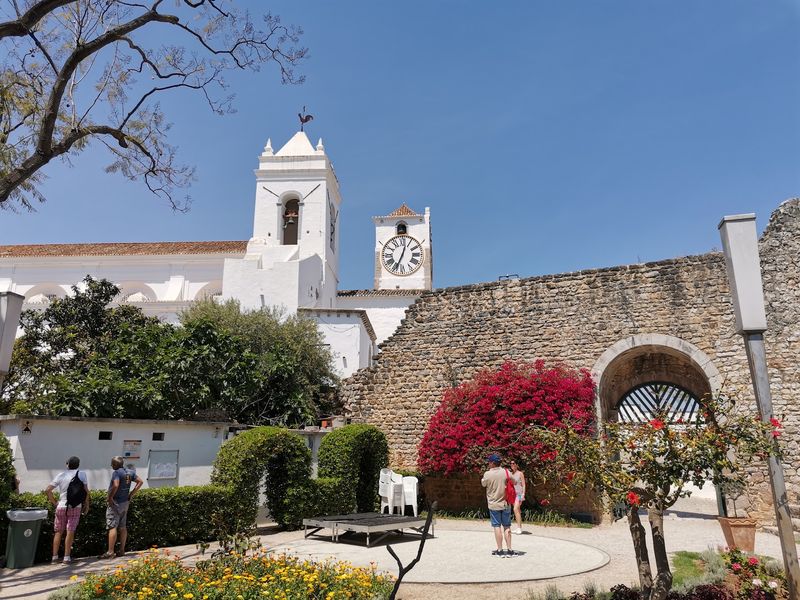
Picture a river lazily winding past whitewashed houses while church bells ring out over terracotta roofs. That is Tavira, a calm Algarve town that feels like it has all the time in the world.
The Algarve gets more than 3,000 hours of sunshine each year, so bright days are the norm here.
Tavira stretches along the Gilao River and shows off old wall remains, historic churches, and salt pans where flamingos sometimes stop by. A short boat ride takes you to Tavira Island, home to long, sandy beaches that stay pleasant in September and October.
The summer rush thins out by then, which means more space on the sand.
Here is a money tip. Staying in a traditional town like this, instead of the busiest resort strips, gives you more choice in apartments and guesthouses.
Many have kitchens, so you can pick up fresh fish and fruit at the market and cook your own dinner.
Spend mornings wandering cobbled lanes, afternoons on the island, and evenings with grilled sardines by the water. Before booking, compare live rates for your exact dates, because prices shift often.
Bring a light jacket for breezy evenings, and a good hat for the sunny hours.
Cartagena and the Costa Calida, Spain
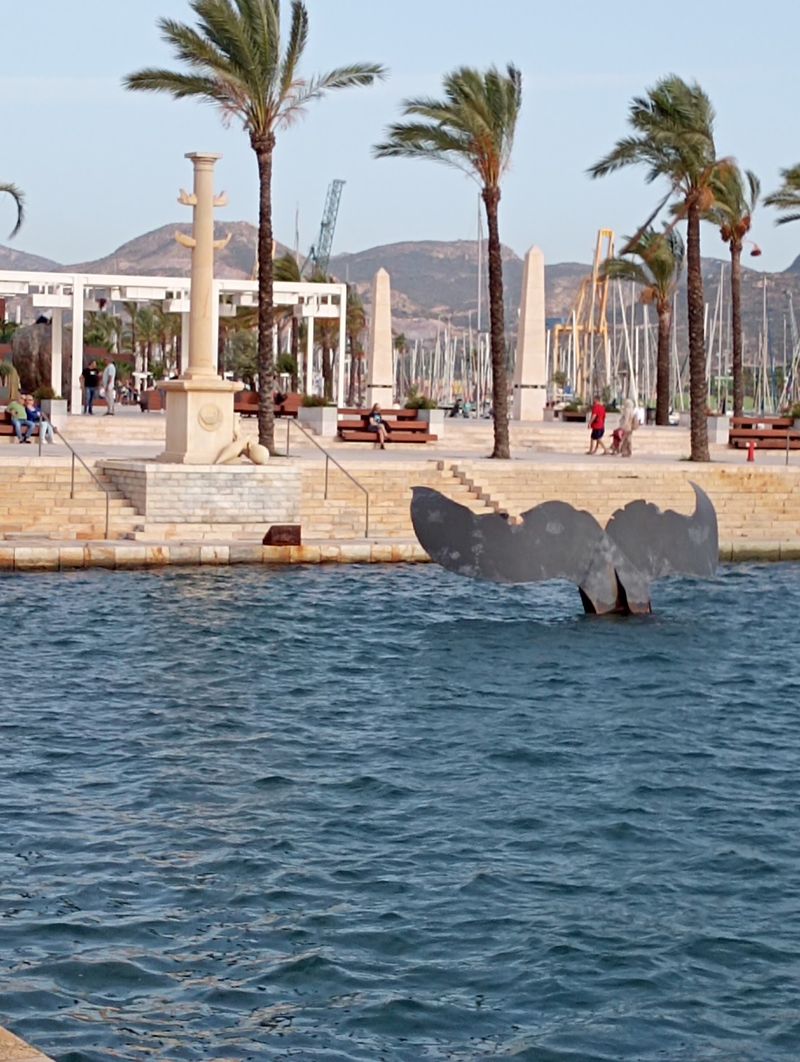
Cartagena has a secret that most tourists never hear: it has a Roman theater, a busy harbor, and warm sea access, all without the famous crowds. The region of Murcia enjoys more than 3,000 hours of sunshine a year.
Yet it gets far less attention than neighboring Andalusia or the Costa Blanca.
The city itself keeps you busy. You can explore the Roman theater, stroll through museums, and wander the historic center before lunch.
Then head to the nearby Costa Calida, where beaches stretch toward Mazarron, Cabo de Palos, and the Mar Menor.
The Mar Menor is a large salty lagoon with warm, calm water, which is handy for relaxed swimming. Spain’s national tourism authority highlights the region’s warm waters and long beaches.
Because the area has a lower international profile, shoulder-season choices can be better than at Spain’s blockbuster coastal spots.
September and early October give you the best mix of lingering summer warmth and smaller crowds. Pick a base in Cartagena, rent a small car, and hop between coves at your own pace.
Always check live prices for your dates, since deals come and go quickly.
Almeria, Spain
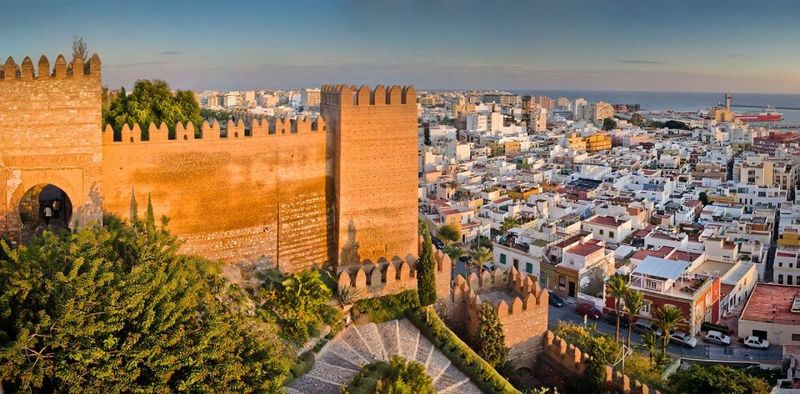
Dry air, dramatic cliffs, and a desert that meets the sea: Almeria is not your typical Spanish beach stop. Andalusia’s tourism authority describes the province as having a warm, dry, subtropical Mediterranean climate.
It also boasts more than 100 kilometers of coastline.
East of the city lies Cabo de Gata-Nijar, a natural park packed with volcanic cliffs, hidden coves, salt flats, and beaches with very little development. Pack water shoes, because some of the best coves are reached by rocky paths.
The scenery feels wild, and the quiet is a nice change after a noisy summer.
Autumn temperatures also make sightseeing much more comfortable. Climbing around the Alcazaba, a hilltop fortress, is far less sweaty than in midsummer.
Exploring desert landscapes inland becomes a pleasure instead of a test of endurance.
Across Andalusia, travelers can expect more than 300 sunny days a year, so bright weather often lasts well into fall. If you like dry weather but dislike the pricing and crowds of Malaga or the Balearic Islands, Almeria is a clever alternative.
Compare accommodation rates before you commit.
Chania, Crete, Greece
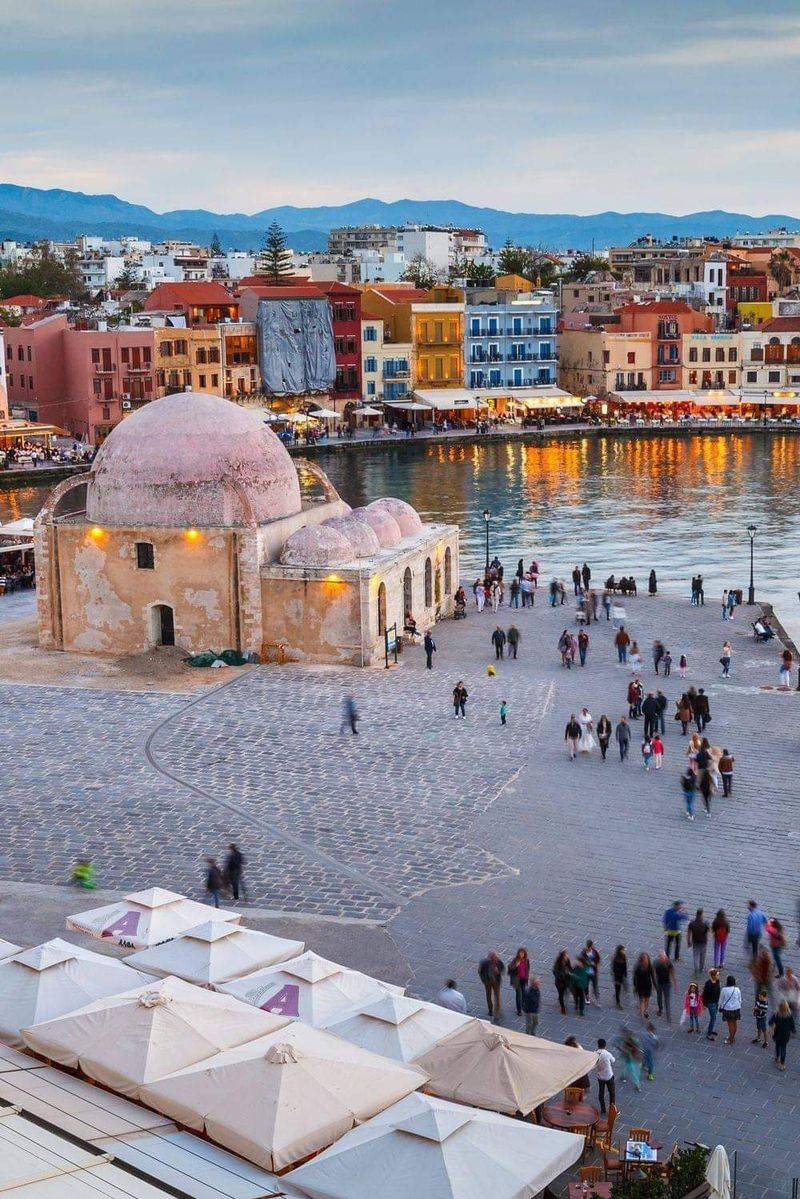
Many Greek islands pack up their umbrellas by October, but Crete keeps the party going. With a large year-round population and more than 1,000 kilometers of coastline, it does not depend on a short resort season.
That means shops, tavernas, and buses keep running well into autumn.
Chania is the star of the west. Its Venetian harbor, Ottoman-era buildings, lively markets, and mountain views make it a joy to wander.
Beaches in western Crete are an easy trip away.
Greece’s tourism authority points to the island’s deep mix of Minoan, Venetian, Ottoman, and modern heritage. In 2025, six Minoan palatial centers were added to UNESCO’s World Heritage List, which gives history fans even more reasons to visit.
September is the safest bet for beach weather. October can still bring warm, bright days, and you skip the peak demand of July and August for rooms and rental cars.
Rent a car for a day, drive into the mountains, and finish with a seaside dinner. As always, check current rates for your exact dates.
Kotor, Montenegro
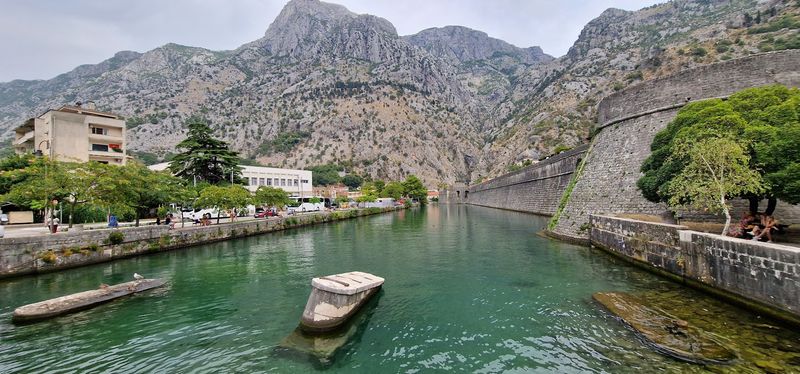
Steep mountains plunge into a deep blue bay, and a medieval town hides at the bottom. Kotor looks like a movie set, and autumn is when it finally lets you enjoy it.
Montenegro’s tourism authority says the Adriatic swimming season lasts about 180 days, from May through October.
That means September and early October still work for a splash. The fortified old town sits beneath limestone peaks, while trails and old defensive walls climb high above the bay.
The hike up is a workout, but the view is the reward.
Summer cruise ships can pack the tiny old town with visitors. Come after peak season and you will notice the difference right away.
Streets feel calmer, and cafe tables are easier to find.
Budget travelers have options too. Stay in nearby Dobrota, Perast, or smaller bay villages and you still enjoy the same dramatic scenery.
A short bus ride or a waterfront walk connects them. Try a late afternoon climb for golden light, then settle in for fresh seafood by the water.
Compare live prices before you book.
Sarande, Albania
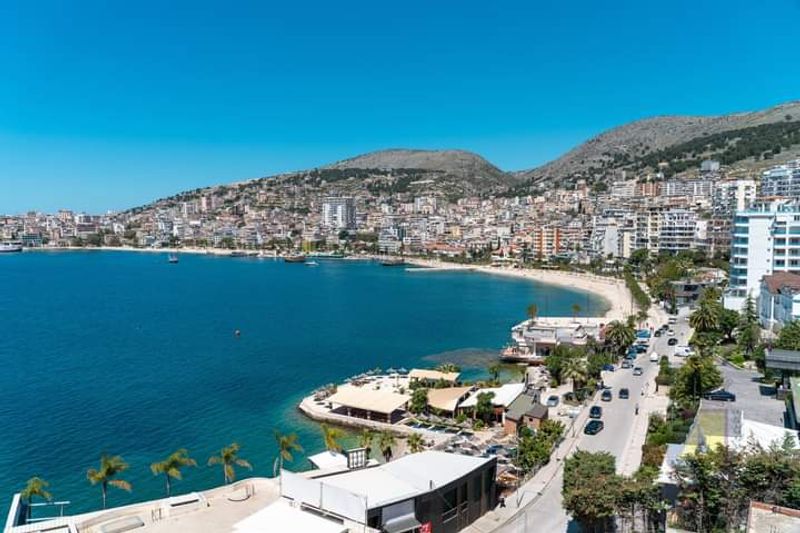
Clear Ionian water, a lively seafront promenade, and prices that make your wallet smile: Sarande has been getting noticed lately. Even so, southern Albania can still undercut many established Mediterranean spots, especially after August.
Albania’s official tourism agency describes the city as having a mild climate and plenty of sunny days.
The coast offers clean beaches, while day trips add serious variety. UNESCO-listed Butrint holds ancient ruins tucked in green wetlands.
The Blue Eye spring bubbles up in a pool of startling color, and Lekures Castle gives you a sunset view over the town.
The Monastery of the Forty Saints adds another historic stop. September is especially attractive because the sea keeps its summer warmth while visitor pressure starts to fade.
Timing matters here. By late October, some seasonal beach businesses begin to wind down.
Early fall is therefore the smarter pick for a classic coastal holiday. Look for a room with a balcony facing the bay, grab a gyro or fresh fish along the promenade, and enjoy a bargain.
Compare accommodation prices for your own dates.
Ohrid, North Macedonia
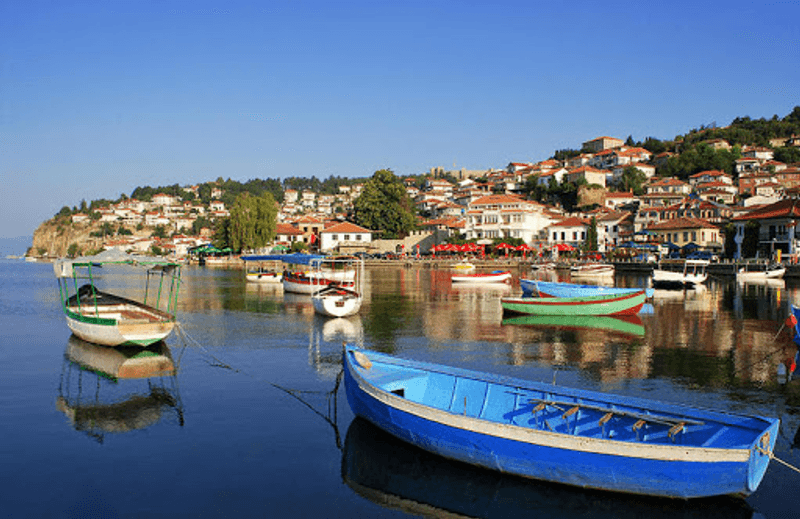
A lake so old and clear that scientists love it, ringed by mountains and dotted with Byzantine churches: that is Ohrid. It brings cultural and natural treasures together at costs that are often easier to manage than those at Western Europe’s famous lakes.
North Macedonia’s tourism guidance names September and October as one of the country’s best shoulder seasons.
September keeps the warmth without the main summer crowds. October brings autumn color and excellent hiking weather.
The tourism guide also notes that July and August bring the year’s highest prices, while October can deliver quieter streets and hotel bargains.
Swimming is most reliable in September. After that, shift to sightseeing.
The church of St. John at Kaneo perches on a cliff above the water, Samuel’s Fortress watches over the town, and the old town offers cozy lanes for wandering.
Waterfront cafes stay open, so you can sip coffee while watching the light change on the lake. Try the local lake trout if you eat fish.
Check live hotel rates before you go, because bargains can vary by week.
Paphos, Cyprus
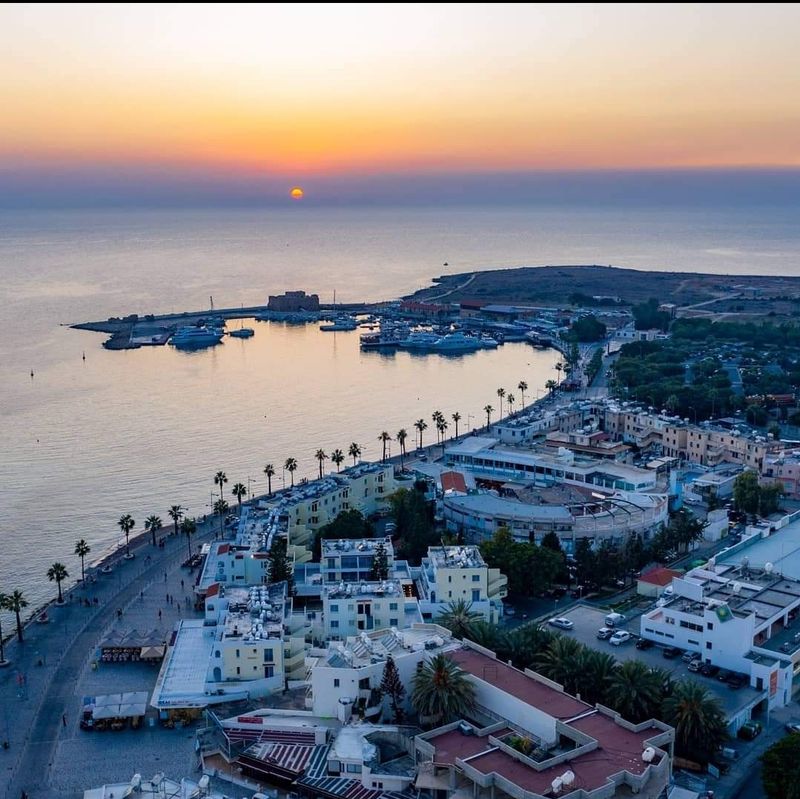
When most of Europe is reaching for sweaters, Cyprus is still handing out sunscreen. Official climate data show the island’s mean daily high is about 31 degrees Celsius in September, 27 in October, and 22 in November.
That is a rare pattern for late autumn.
The Cyprus Tourism Organisation says swimming and sunbathing remain excellent in September and October, and may still be possible in November. So a late trip is not a gamble here.
It is a real plan.
Paphos brings history to the party. Roman mosaics, archaeological remains, and old harbor sites sit close to the western coastline.
You can browse ancient floors in the morning and be on the beach by lunch.
Skip the large beachfront resorts and compare apartments or smaller hotels. Outside peak summer, you can often find a wider spread of prices.
Rent a car to explore villages in the hills, and try halloumi, fresh from a local dairy. For anyone planning a November escape, Cyprus has one of the most convincing weather profiles on this list.
Valletta, Malta
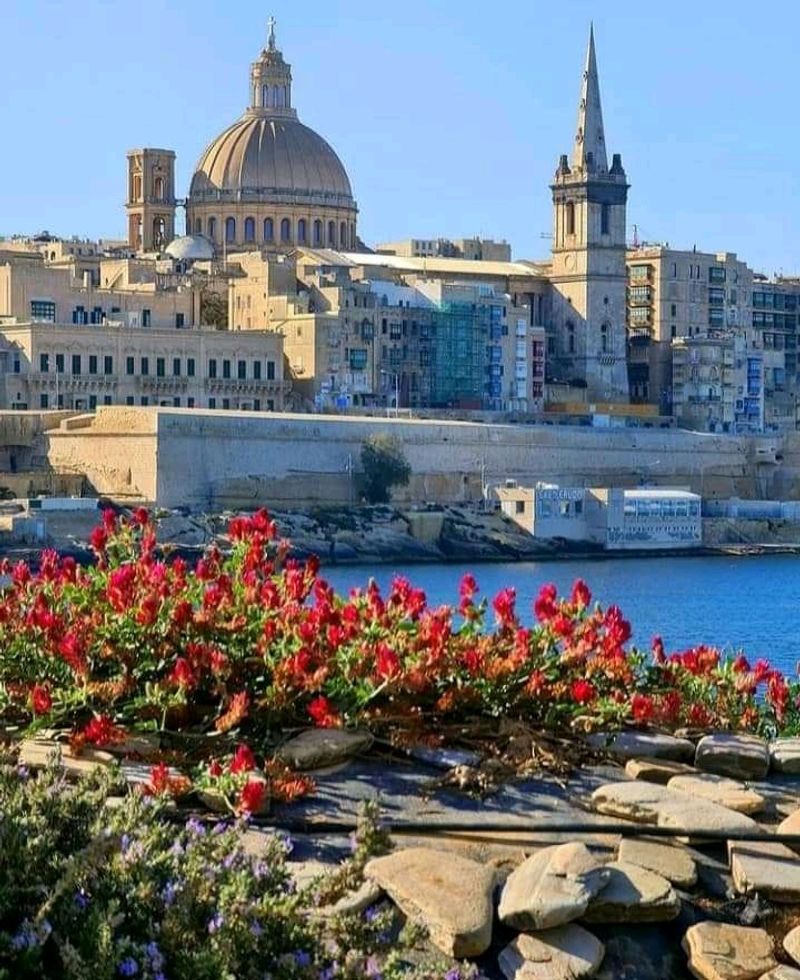
Around 3,000 hours of sunshine each year give Valletta a head start on bright autumn city breaks. The capital is tiny, so you can cross it on foot while ticking off bastions, Baroque churches, museums, and Grand Harbour views.
Every corner seems to have a honey-colored staircase.
The season stays lively, too. VisitMalta promotes autumn events in October, including outdoor activities along the Valletta Waterfront.
The island is far from sleepy once summer ends.
Rooms inside the historic center can still cost a premium. Smart travelers look at nearby Floriana, Sliema, Gzira, and the Three Cities.
Buses and ferries link them, and a harbor ferry ride is a treat all on its own.
That makes Malta very practical for mixing culture and sun without paying central-resort prices every night. Spend mornings in museums and cathedrals, then cool off with an afternoon swim at a rocky bay.
Try a pastizzi from a corner shop for a cheap and tasty snack. Check live rates before booking, as prices change with events.
Essaouira, Morocco
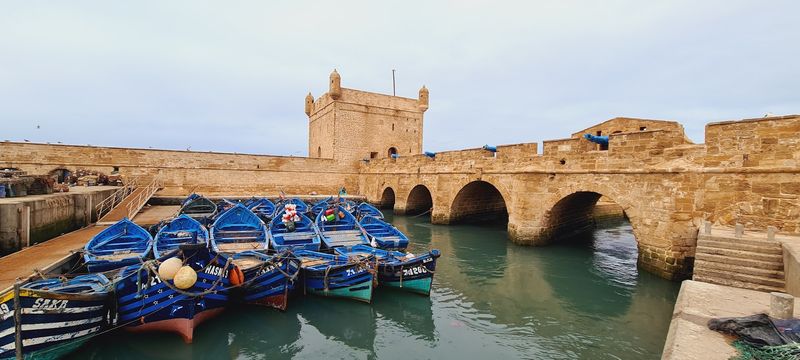
Seagulls squawk, blue fishing boats bob, and a steady breeze keeps everything fresh. Essaouira is not a standard warm-weather resort, and that is the charm.
Its Atlantic climate is cooled by persistent coastal winds, giving bright days without the heavy heat found in Morocco’s interior.
The Moroccan National Tourist Office highlights the fortified medina, white-and-blue architecture, fishing port, long beach, and protected coastal ecosystem. Autumn is a comfortable time to walk the ramparts or get happily lost in the medina’s lanes.
Wind lovers will be thrilled. Surfers and kitesurfers enjoy the steady gusts, while others can watch from a beach cafe with mint tea in hand.
Bring a windbreaker for the evenings.
Compared with Morocco’s luxury resort enclaves, Essaouira keeps a broad supply of riads, guesthouses, seafood stalls, and small restaurants. That makes it possible to plan a coastal trip at a modest daily cost.
Pick grilled fish straight from the port stalls for lunch. As always, compare current accommodation and flight prices for your travel dates.
Antalya, Turkiye
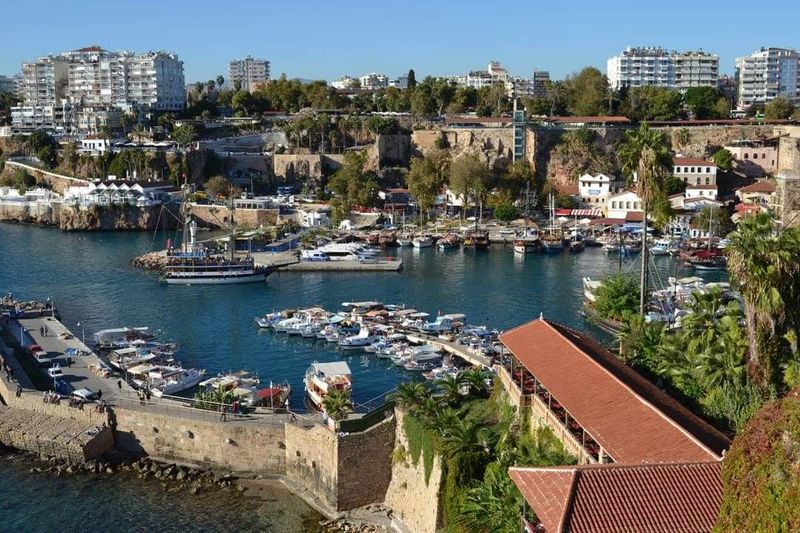
Summer does not end on schedule in Antalya. Turkiye’s official tourism platform says the region gets around 300 days of sunshine a year.
It also notes that swimming can continue until the end of November in favorable years.
That makes September and October ideal for beach lovers who want to skip July’s fiercest heat. The sea is still warm, and the afternoons feel friendlier.
Sunbathing becomes a pleasure instead of a challenge.
Antalya offers far more than resort pools. Kaleici’s Ottoman streets wind down to a pretty old harbor.
The Roman-era Hadrian’s Gate stands proudly at the edge of the old quarter. Nearby waterfalls and archaeological sites such as Perge fill out the itinerary.
Package tourism has built a huge hotel market here. Once peak summer passes, travelers can often compare far more accommodation choices across the city and the surrounding coast.
Take a day trip to ancient ruins, then end it with a cup of strong Turkish tea. Check current rates for your dates before you commit.
Funchal and Madeira, Portugal
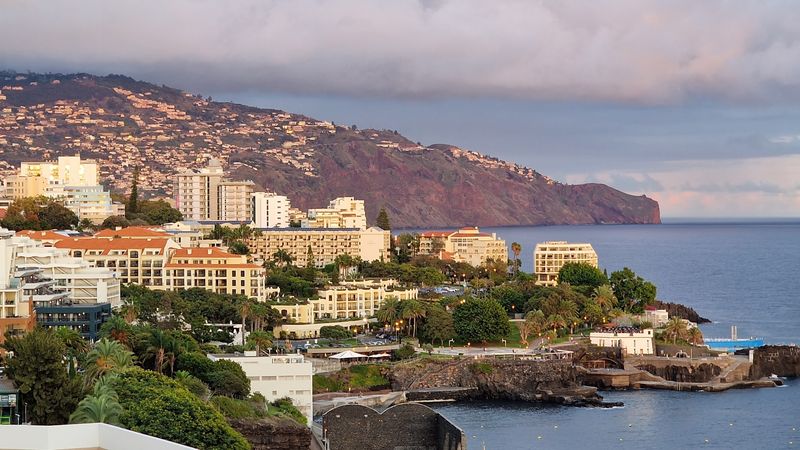
Madeira is not always Europe’s cheapest island, yet autumn changes the math. The official tourism board calls September through November the island’s most underrated season.
It notes fewer visitors than in summer and plenty of pleasant days in September and October.
Temperatures along the coast stay mild. Madeira also has microclimates, so the south coast can be sunny even when the mountains wear clouds.
Check a local forecast, then chase the light.
Funchal gives you markets, gardens, museums, and restaurants. You can also reach levada walks easily.
Those are paths beside old irrigation channels that wander through green valleys and forests. No beach-resort itinerary is needed.
Want to save a little? Stay outside the waterfront luxury zone.
Places such as Camara de Lobos or smaller south-coast communities widen your options. Taste a slice of bolo do caco, a local flatbread with garlic butter, and watch fishing boats return at sunset.
Compare live accommodation and flight prices for your exact travel dates.
Syracuse, Italy
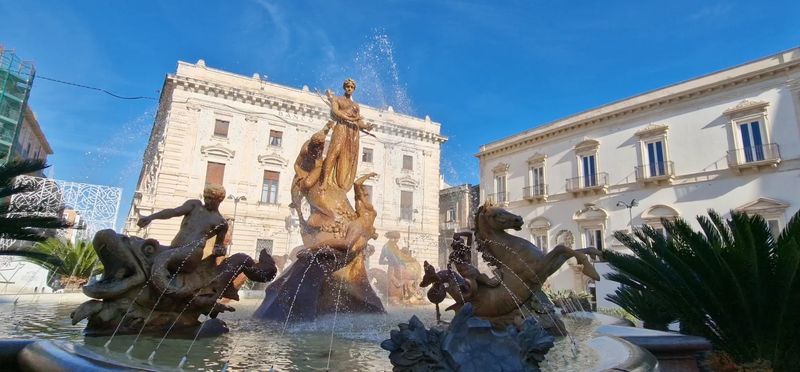
Sicily keeps its glow long after the summer tourists leave. Italy’s official tourism portal says the island gets more than 2,500 hours of sunshine each year.
It names autumn an excellent time for cultural visits, hiking, and even late-season swimming.
Syracuse makes a smart base. The Greek archaeological park of Neapolis sits on one side of town, while the Baroque lanes of Ortigia wind along the other.
Southeastern Sicily is easy to explore from here.
September and October bring a gentler climate for walking stone streets and visiting ancient sites than midsummer. You can climb the old Greek theater without feeling wilted.
Italia.it also notes that autumn brings fewer crowds around Sicilian villages and attractions.
Want to trim costs? Stay several blocks back from Ortigia’s prime waterfront.
You will still be able to walk everywhere, and your wallet will thank you. Grab a granita and brioche for breakfast, a Sicilian tradition worth trying.
Check live prices for your dates, because rooms can change quickly.
Aqaba, Jordan
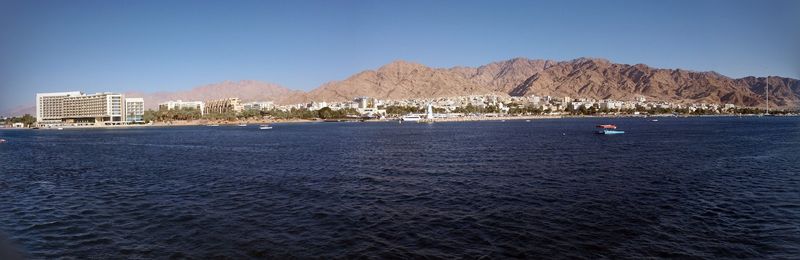
Few places let you snorkel over coral in the morning and stand in a desert canyon by afternoon. Aqaba gives autumn travelers a Red Sea getaway without forcing a luxury-only stay.
Jordan’s tourism board presents it as a beach destination with water sports, historic sites, and coral-rich waters.
Autumn also brings feathered visitors. It is migration season at the Aqaba Bird Observatory, where birds travel between Africa, Europe, and western Asia.
Bird fans should bring binoculars.
October and November dodge the punishing midsummer heat while still supporting swimming and diving. You can spend more time outdoors and less time hunting for shade.
A mask and snorkel go a long way here.
Independent hotels and local restaurants offer alternatives to the big international resorts along the waterfront. Aqaba is also a practical starting or ending point for trips to Wadi Rum or Petra.
Try a plate of fresh fish and hummus after a day in the water. Compare current prices for flights and rooms before you set your dates.
Cadiz, Spain
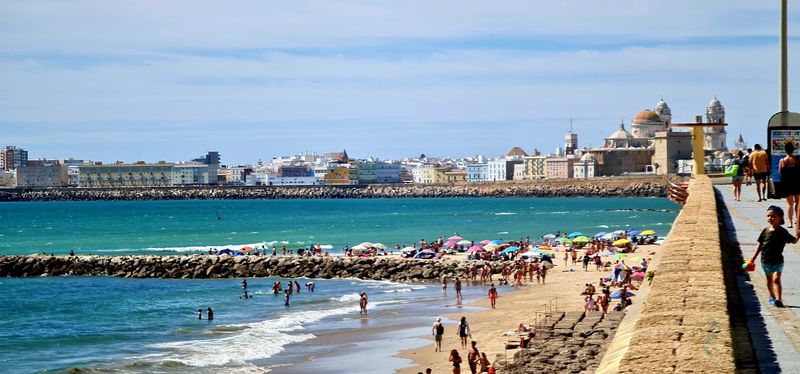
Cadiz sits on a peninsula almost completely surrounded by the Atlantic, like a ship that decided to stay. It delivers Andalusian sunshine with less international buzz than Seville, Malaga, or Marbella.
Andalusia averages more than 300 sunny days each year.
The old city packs in beaches, Phoenician archaeology, fortified sea walls, leafy plazas, seafood markets, and a golden-domed cathedral. You can cover most of it on foot.
Climb a tower for views over rooftops and waves.
Atlantic weather becomes less predictable later in autumn. September and October therefore offer the best balance of warmth and lighter tourism pressure.
Pack a light layer in case a breeze rolls in.
Travelers can also head inland along the official White Villages Route. Andalusia’s tourism authority specifically promotes it for autumn.
It links Cadiz with cliff-top settlements and mountain scenery without the summer heat. Sample fried fish from a market stall and stroll the sea wall at sunset.
Check live prices for your travel dates before booking.
Share this story