Fall is a great time to travel. Crowds thin out, the air turns crisp, and many towns look their best.
This list skips the usual big names and heads to lakes, stone villages, island cliffs, and old harbor towns across Europe and the Caucasus. Some are famous at home but still new to many visitors from abroad.
Each stop has real sights, easy ways to explore, and a reason to go in autumn. Save the list, pick a favorite, and start planning a quieter kind of escape.
Lake Bohinj, Slovenia
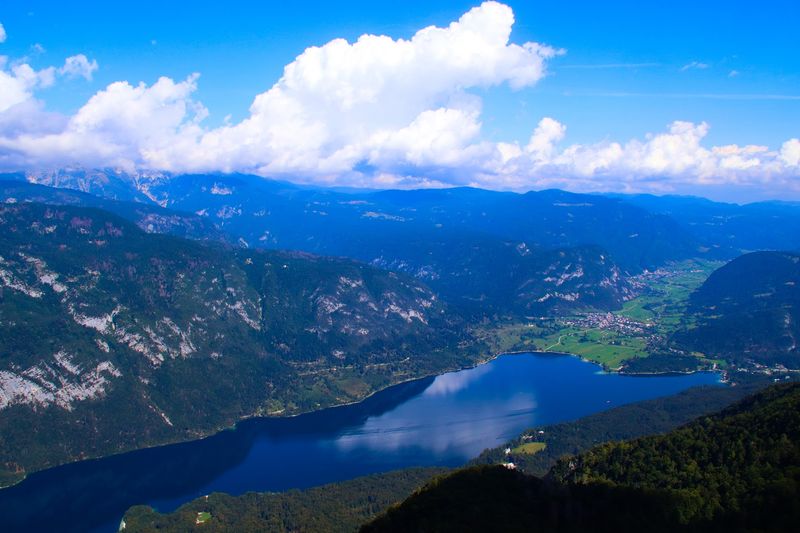
Slovenia has a famous lake with a church on an island, but Bohinj is the calmer sibling. It sits inside Triglav National Park, ringed by the Julian Alps.
Fall suits it well. Forests along the shore turn gold and orange, and the water stays clear and still on quiet mornings.
A trail runs around the lake, so walkers can choose a short stroll or a longer loop at their own pace.
Many visitors ride the Vogel cable car for a high view over the water and peaks. Check the schedule first, since cable car maintenance often happens in the quieter seasons.
The small village of Ribcev Laz has the little Church of St. John the Baptist near the water, which is a favorite photo stop. Pack layers, because mountain weather can shift quickly, and bring a rain jacket just in case.
Mornings are best for calm reflections and fewer people on the paths.
Gjirokastër, Albania
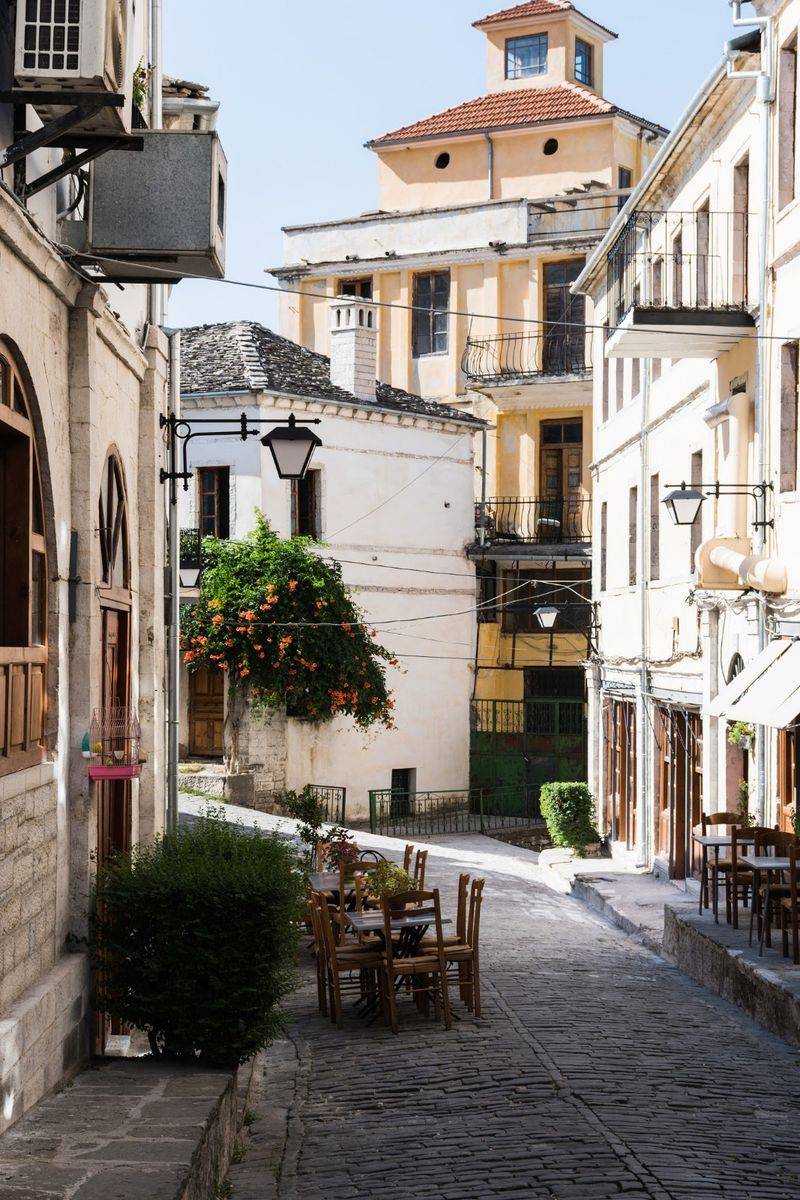
Steep cobbled lanes, gray stone roofs, and a huge fortress overhead give Gjirokaster a look found almost nowhere else. The old town is part of a UNESCO World Heritage listing, and it is nicknamed the City of Stone.
Fall is a smart season to climb those hills. Cooler days make the uphill walks much easier than in the summer heat.
The castle holds a military museum and wide views over the valley. Down in the old bazaar, small shops sell crafts and souvenirs.
Visitors can also tour the Ottoman-era houses, including the Skenduli House and the Zekate House, which show how wealthy families lived long ago. Wear shoes with good grip, since the stones can get slick after rain.
Give yourself at least a full day so the hills never feel rushed.
Kakheti Wine Region, Georgia
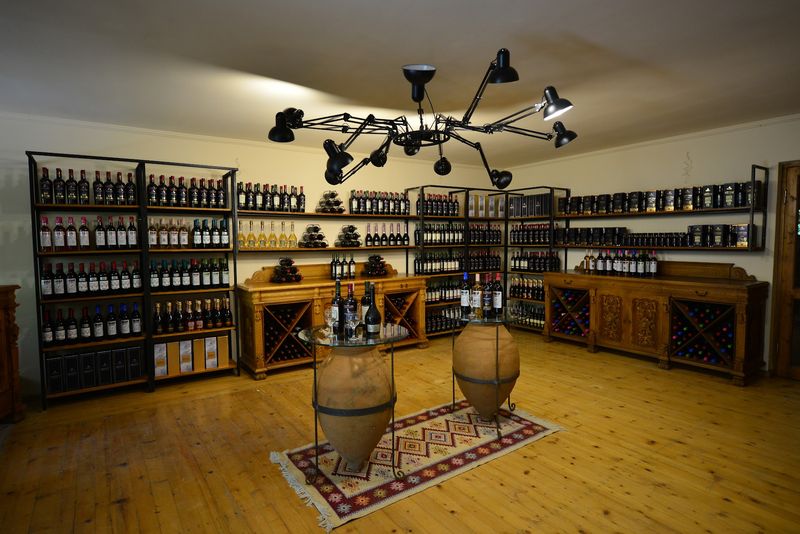
Georgia is often called the cradle of winemaking, and Kakheti is where much of that story still plays out. Archaeologists have found evidence of winemaking here that goes back about 8,000 years.
Autumn is harvest season, called rtveli, when families and growers gather grapes in the vineyards. Visitors who time a trip for September or October may catch the tradition in action.
Beyond the vines, the region has real sights. Sighnaghi is a hilltop town with city walls and wide views toward the Caucasus.
Telavi is a good base, and the Alaverdi Monastery is a major stone cathedral nearby.
Traditional qvevri, large clay vessels buried in the ground, are central to local winemaking. Many family cellars welcome guests for tours, so book ahead where possible.
Food lovers can also try khachapuri and fresh churchkhela, a nut candy.
Perast, Montenegro
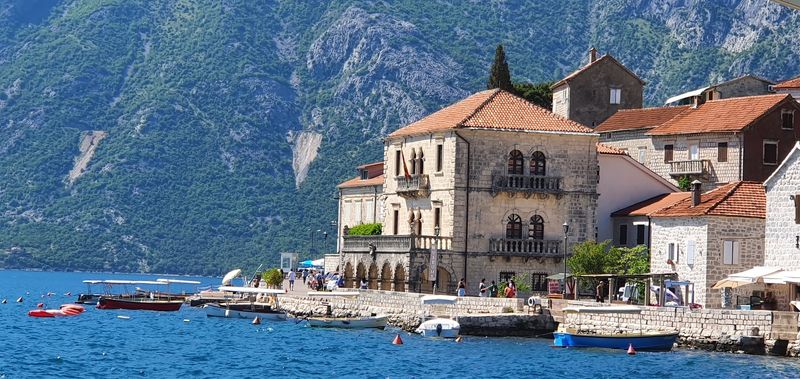
Perast is tiny, but its skyline is packed with bell towers and Baroque palaces. It sits right on the Bay of Kotor, with mountains rising behind it.
Two small islands lie just offshore. One is Our Lady of the Rocks, an artificial island with a church and museum.
The other is the island of St. George, home to a monastery. Small boats run from the waterfront, and the short ride is a highlight.
The town once had a strong seafaring history, and the Perast Museum, housed in the Bujovic Palace, tells that story with maps, paintings, and ship items.
Fall brings softer crowds and milder weather than July. Walking the main waterfront street takes only a short time, so Perast works well as a half day stop.
Climb the bell tower of St. Nicholas Church if it is open, since the views reach across the bay.
Zagori, Greece
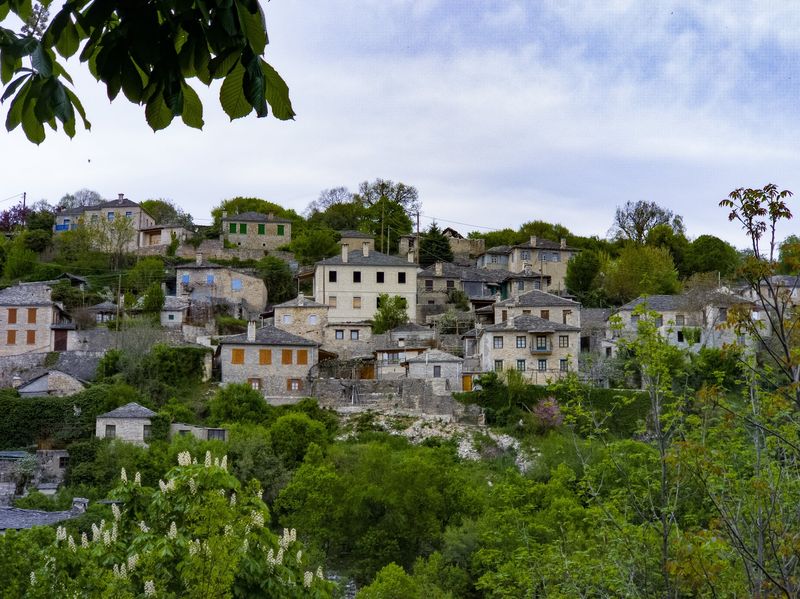
Greece is not only islands and beaches. In the mountains of Epirus, Zagori holds about 46 stone villages linked by old paths and arched bridges.
Autumn paints the hills in red and gold, which makes this the right season for walkers. The Vikos Gorge is one of the deepest gorges in the world for its width, according to the Guinness record, and the hike through it is a famous challenge.
Shorter trails exist for people who want a lighter day.
Photographers love the stone bridges, including the triple-arched Kalogeriko Bridge. Villages such as Monodendri and Papingo are good bases, with guesthouses built from local stone.
Zagori is also a UNESCO World Heritage cultural landscape. Weather can turn cool and wet in the mountains, so bring warm layers.
Renting a car makes it much easier to reach several villages in one trip.
Albarracín, Spain
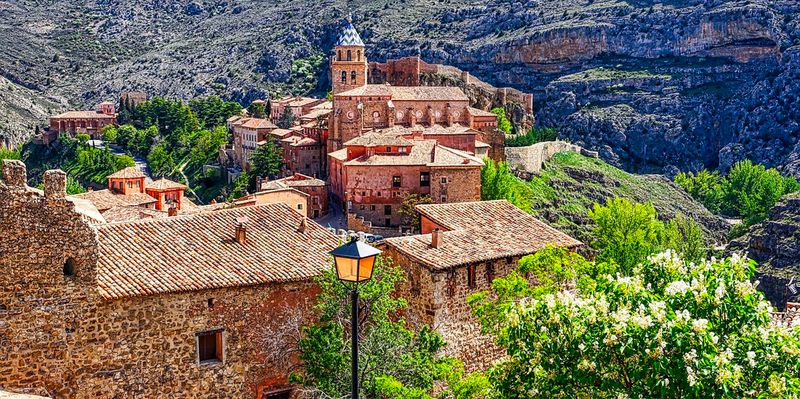
Rose-colored buildings stacked on a rocky ridge make Albarracin one of the most photogenic towns in Spain. It sits in the province of Teruel, and it is often listed among the country’s most beautiful villages.
Medieval walls climb the hills above the town. Walking up to them in fall is much more comfortable than in summer, and the views over the river valley are wide.
The narrow streets have wooden balconies and plaster the color of warm clay. The cathedral and the main square are easy highlights for a first visit.
Outside town, the Sierra de Albarracin has cave paintings from prehistoric times, which add a deeper layer to a trip. Nights can get cold in autumn, so pack a warm jacket.
The town is small enough to explore on foot in a day, though staying overnight gives the quietest hours.
Tartu, Estonia
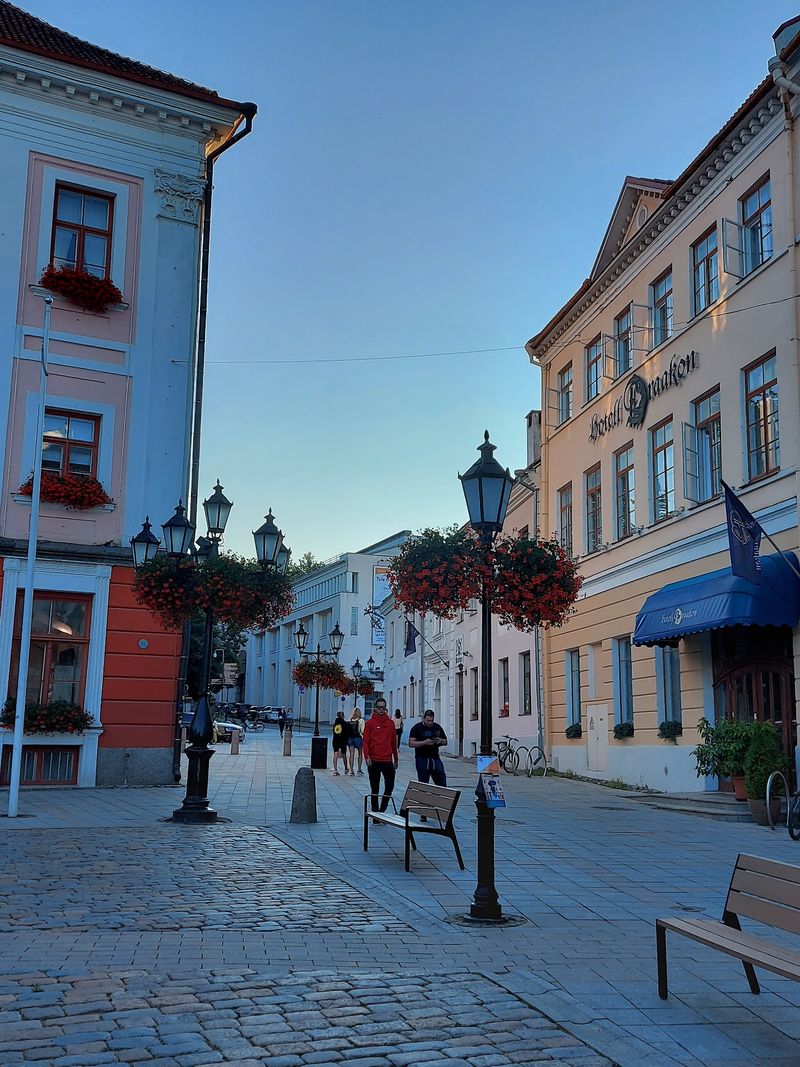
Tartu has a youthful spirit because the University of Tartu, founded in 1632, sits at its center. Students fill the cafes, and that gives the second largest city in Estonia a relaxed, lively mood.
The Town Hall Square is the heart of the old center, with the Kissing Students fountain right in front. Toome Hill is a leafy park above the river, and fall color there is beautiful.
The Estonian National Museum is a major stop, with exhibits on the country’s culture and daily life. The building stands on the site of an old Soviet airfield, which makes the location interesting.
Visitors can also explore the AHHAA science center, which suits families. Tartu is walkable, and the bus or train from Tallinn takes roughly two to three hours.
Autumn is a good time to visit, with mild days and fewer tourists.
Olomouc, Czechia
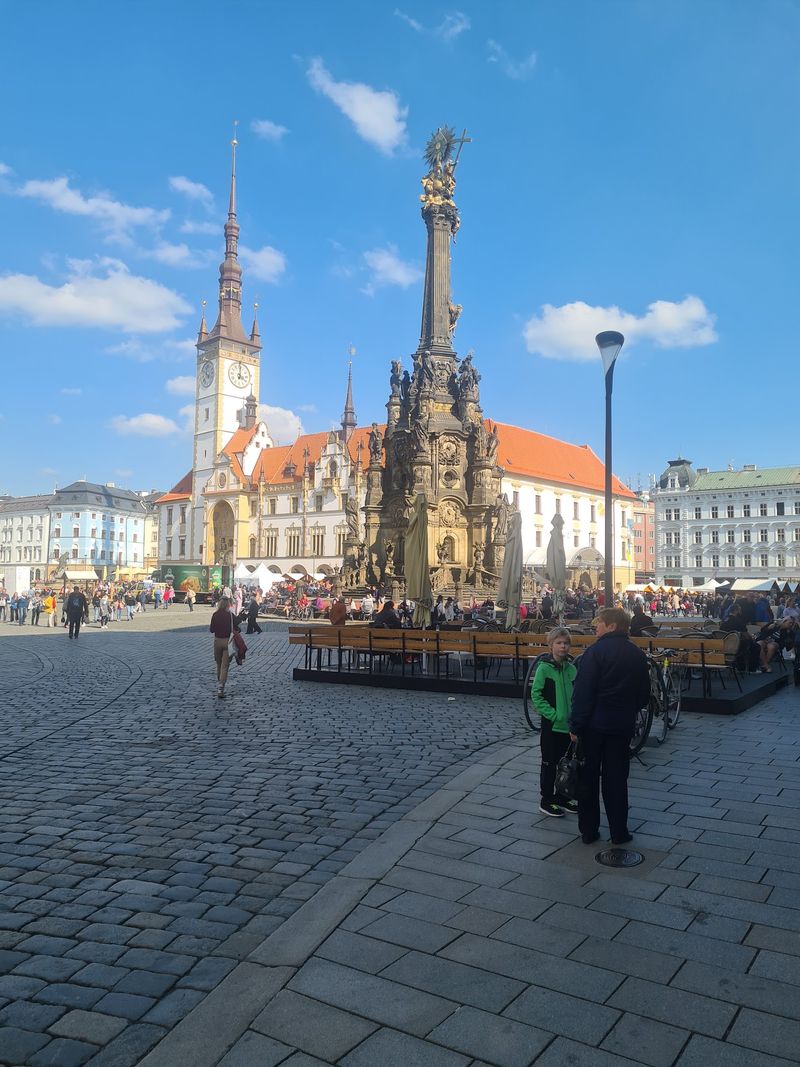
Olomouc has the second largest historic monument zone in Czechia after Prague, yet it sees far fewer visitors. That gives the city a calmer pace for exploring.
The Holy Trinity Column, a Baroque monument in the Upper Square, is a UNESCO World Heritage site. Nearby, the Town Hall has an astronomical clock that was rebuilt in a Socialist Realist style after damage in the Second World War.
The city also has six Baroque fountains, plus many parks and green paths. Fall is a good season to stroll through them.
Food fans can try Olomouc tvaruzky, a local cheese with a strong aroma that has protected status in Europe. The cathedral of St. Wenceslas and the Archbishop’s Palace are other stops.
Trains from Prague take about two to three hours, which makes Olomouc easy to reach.
Monsaraz, Portugal
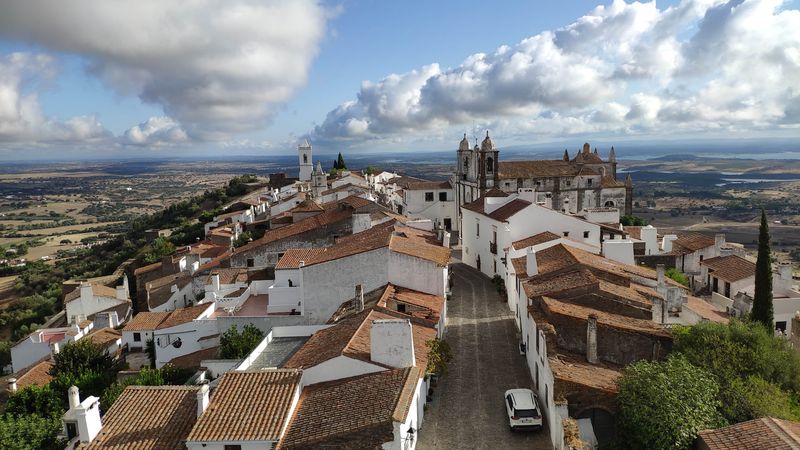
Whitewashed houses, cobbled lanes, and a medieval castle sit on a hilltop in the Alentejo region, with views over a huge plain. Monsaraz is a walled village, and its setting is a big part of the draw.
The Alqueva reservoir, one of the largest artificial lakes in Europe, lies below. The area is also known for dark skies, and Alqueva is certified as a Dark Sky Reserve, so clear autumn nights are good for stargazing.
The main street runs between low houses, and the castle walls can be walked for wide views. A small church and a few museums add to the visit.
Cooler weather in fall makes the sloping streets pleasant. Local shops sell wool goods and crafts from the Alentejo.
Visitors often stay overnight to enjoy the evening quiet after the day trippers leave.
Porto Santo, Madeira, Portugal
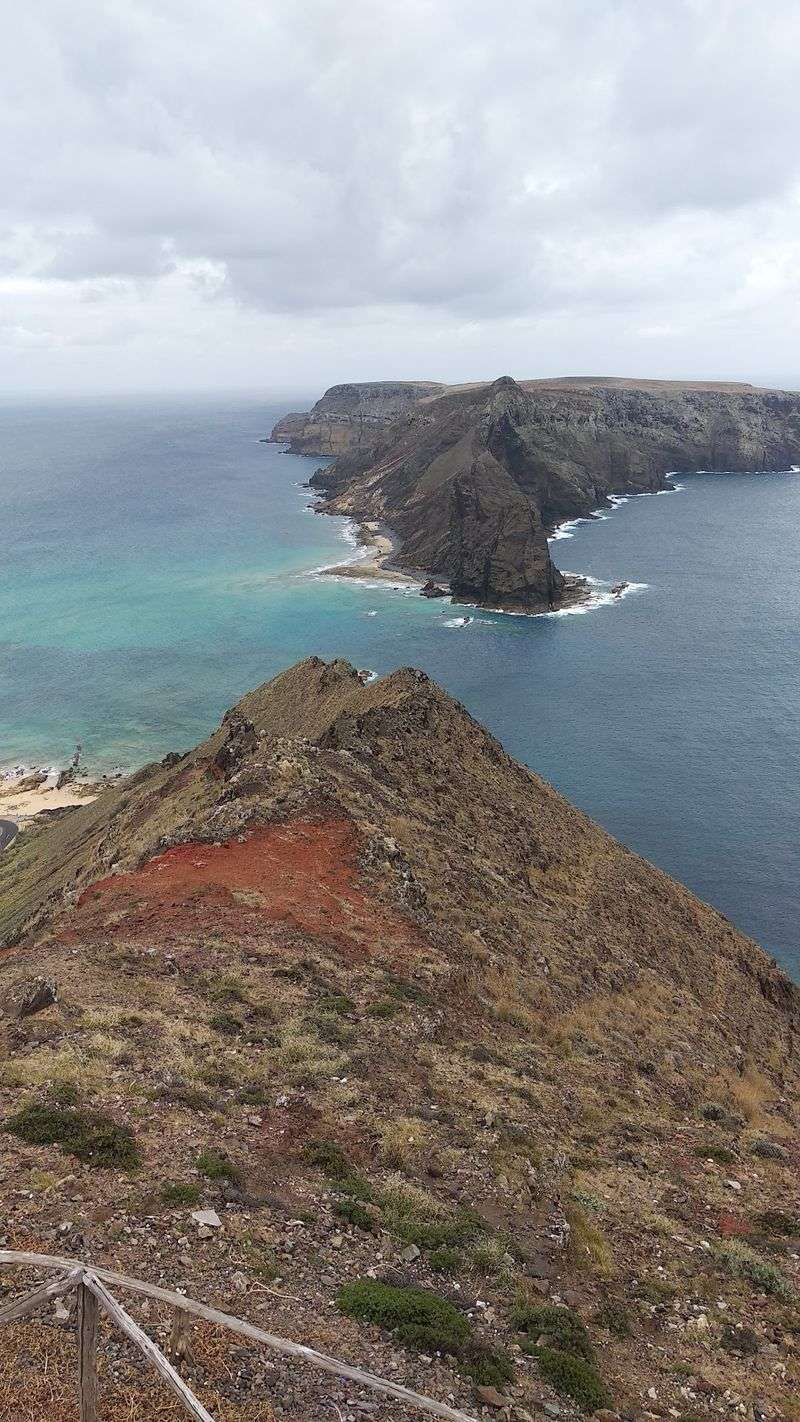
Madeira’s sister island has something the main island lacks: a golden beach about nine kilometers long. Porto Santo is small, flat in many places, and noticeably drier than its green neighbor.
Autumn waters stay fairly warm for a swim, and the sand is far less crowded than in summer. Local people also believe the sand has soothing qualities, and a few spas use it in treatments.
Hikers can try the trail up Pico do Castelo, which gives views over the island. Pico Branco and Pico de Ana Ferreira are other viewpoints.
The home of Christopher Columbus during his time on the island is now a small museum in the town of Vila Baleira. The ferry from Funchal takes about two and a half hours, and there are short flights as well.
Book ahead for the ferry in busy weeks.
Porto Moniz, Madeira, Portugal
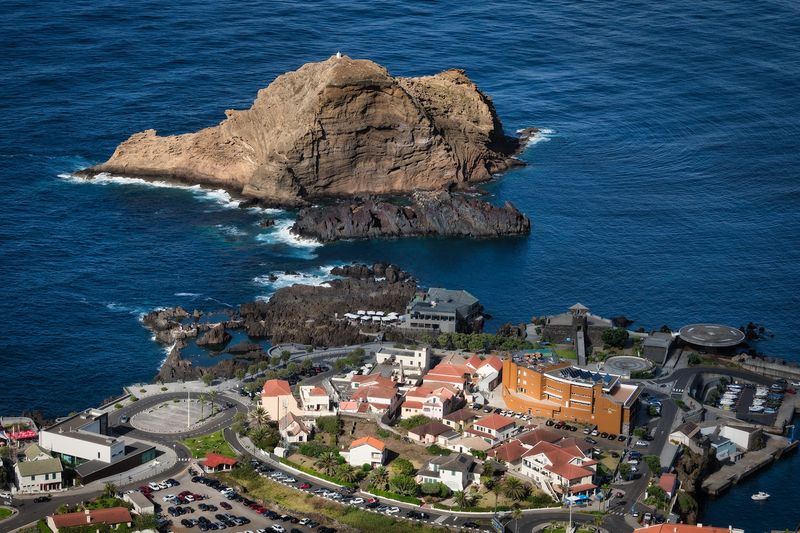
Lava rock pools filled by the Atlantic are the headline attraction here. Porto Moniz sits on the northwest tip of Madeira, and its natural pools are among the best known swimming spots on the island.
Some pools are open to the public for a small entry fee, and they have facilities such as changing rooms. Ocean conditions can change quickly, so check that the pools are open before going.
The coastal drive there is a treat. Roads pass waterfalls and cliffs, and the Seixal area nearby has black sand and sea views.
The Porto Moniz Aquarium and a lookout over the village are other short stops. Fall brings milder temperatures than summer and fewer cars on the road.
Seafood restaurants line the waterfront, with fresh fish and limpets on many menus.
Piran, Slovenia
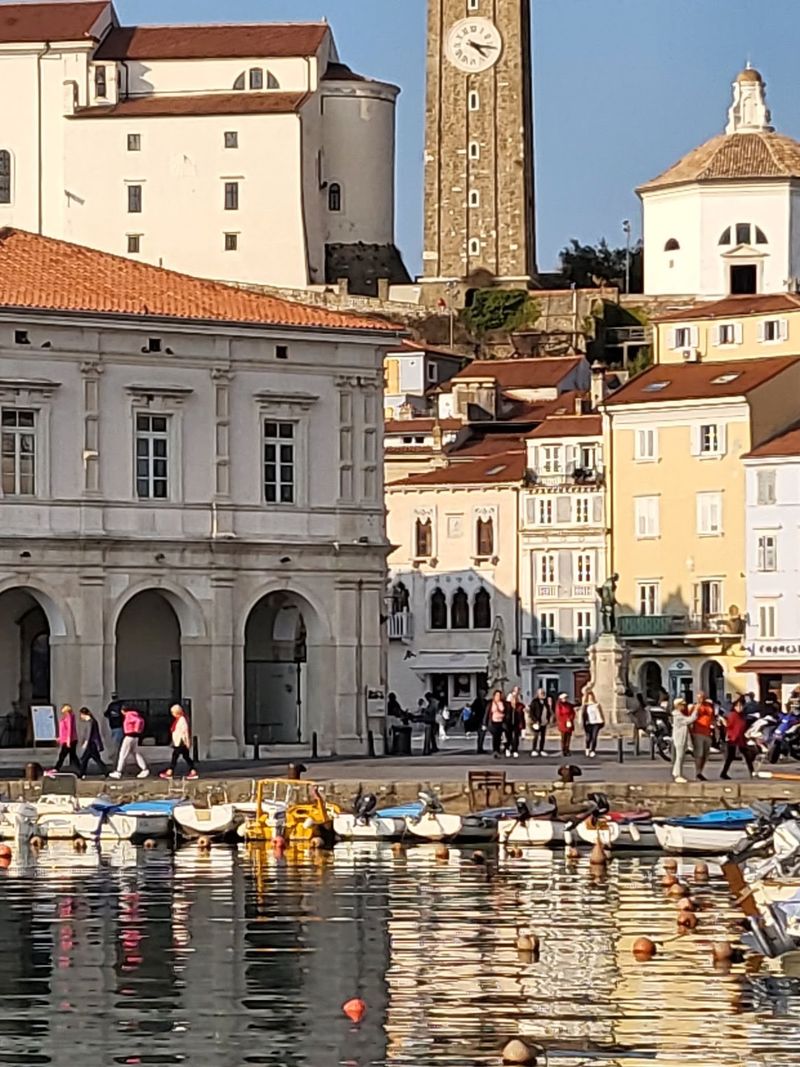
Slovenia has only a short slice of coastline, and Piran may be its finest piece. The old town sits on a narrow peninsula, with red roofs and Venetian-style architecture.
Tartini Square is the main gathering place, named after the violinist Giuseppe Tartini, who was born here. The bell tower of St. George’s Church can be climbed for views over the rooftops and the Adriatic.
The city walls are another good walk, and in fall the weather is mild enough for a long wander. Cars are limited in the old town, so plan to park outside and walk in.
Seafood is a staple on local menus, and the nearby Secovlje Salina Nature Park, known for traditional salt making, makes an easy side trip. Autumn crowds are smaller than in July and August, so the lanes feel open and easy.
Kotor, Montenegro
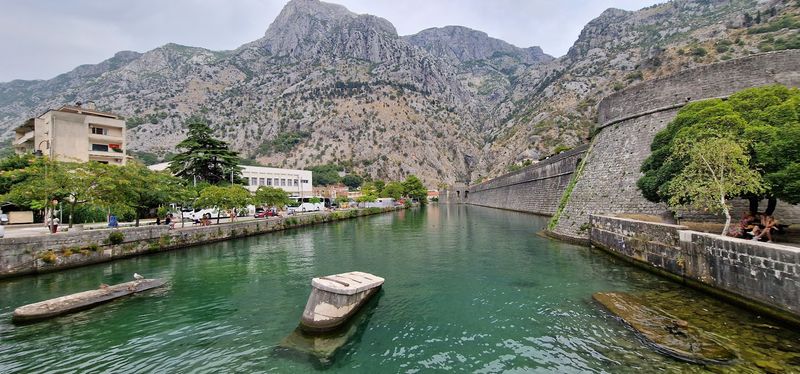
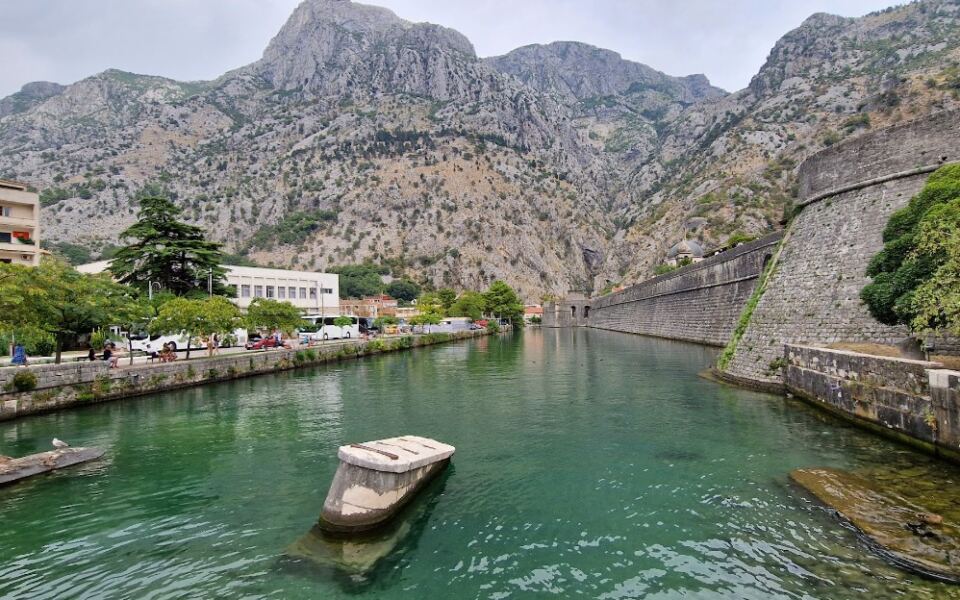
Fortress walls zigzag up the mountain behind Kotor, and climbing them is the main activity. The path has around 1,350 steps, and the top rewards hikers with a sweeping view of the bay.
Fall is a smart season to try it. Daytime temperatures are cooler, and the cruise ship crowds that fill summer streets thin out.
Start early and bring water.
The old town is a UNESCO World Heritage site, with narrow lanes, small squares, and the Cathedral of St. Tryphon from the twelfth century. Cats are a local mascot, and a small cat museum sits in the old town.
The Maritime Museum explains the long seafaring history of the bay. The town is easy to reach by bus from Podgorica or Tivat airport.
Wear sturdy shoes, since the old stones are smooth and uneven.
Eysturoy, Faroe Islands
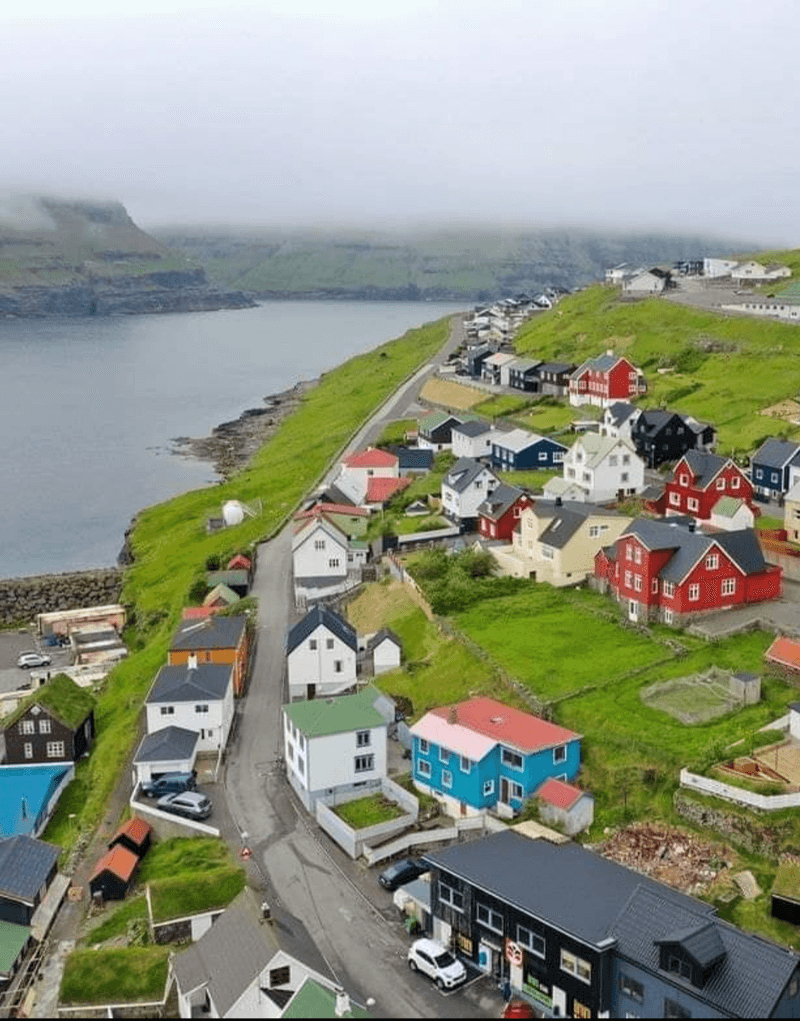
Eysturoy is the second largest island in the Faroes, and it packs in sea cliffs, villages, and a famous roundabout. The Eysturoy tunnel features an underwater roundabout with a light sculpture, and it links the island with Streymoy.
Gjogv is a small village with a natural harbor in a narrow gorge. Hiking trails lead from there into the hills, with sweeping views of the sea.
Slaettaratindur, at about 880 meters, is the highest peak in the Faroe Islands. A well-marked trail climbs it, but the weather can change fast, so check forecasts and go only in clear conditions.
Autumn brings fewer visitors and dramatic skies. Rain is common, so waterproof gear is a must.
Renting a car is the easiest way to get around the island and to reach the villages along the coast.
Narva, Estonia
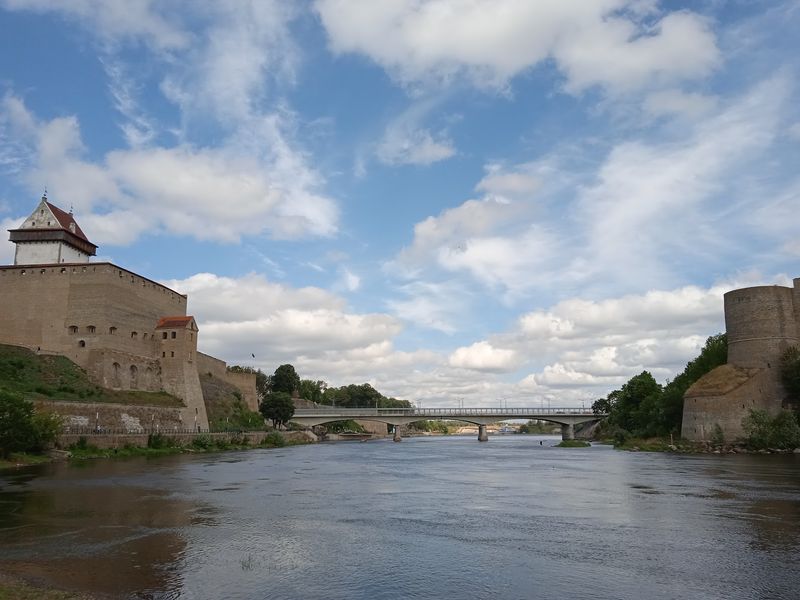
Two fortresses face each other across a river in Narva, and that sight alone is worth the trip. Narva Castle, also called Hermann Castle, stands on the Estonian side, while Ivangorod Fortress rises on the opposite bank.
The castle is the tallest tower, Pikk Hermann, which visitors can climb for views over the river. Inside, the museum covers local history and has exhibits on the castle’s past.
Narva is on Estonia’s far eastern edge, so it has a different feel from Tallinn. The riverside promenade is a pleasant fall walk, with views of both fortresses.
The Narva Kreenholm area holds old textile factory buildings, which show the city’s industrial past. Buses run from Tallinn in around three hours.
Check border and travel guidance before visiting, since the area is near an international border, and keep your passport with you.
Share this story