Some towns are special because of what surrounds them. Mountains rise behind Main Street, rivers carve through red rock, and forests hide hundreds of waterfalls.
Pack your boots and your camera, because these 16 places make nature the main event. Each one proves that the best views often start right outside your hotel door.
Bar Harbor, Maine
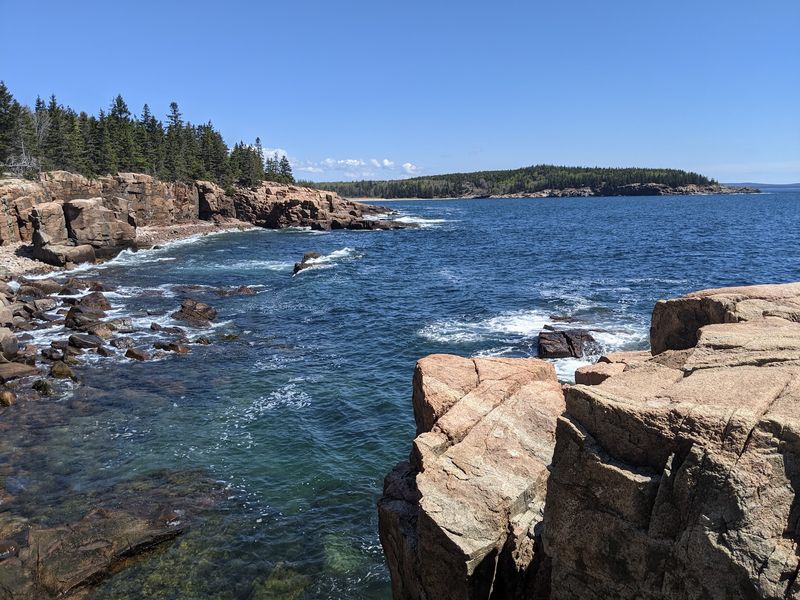
Granite, pine, and salty air all show up before breakfast in Bar Harbor. The town sits on Mount Desert Island beside Frenchman Bay, and Acadia National Park begins almost at the edge of the sidewalk.
You can hike a rocky summit in the morning and be eating chowder by lunch.
Cadillac Mountain is a must for big views over the water and islands. Jordan Pond is calm and pretty, and Ocean Drive hugs the rugged Atlantic coast with plenty of places to pull over.
Bring layers, because the sea breeze can turn a sunny walk chilly fast.
Back in town, the harbor is full of boats and the streets are easy to stroll. Summer and fall weekends get busy, so start early if you want quiet trails.
A sunrise outing is worth the alarm clock.
Here is a fun bit of trivia. Acadia is one of the first places in the country where the morning sun touches during parts of the year.
Even if you skip the hiking, a seat by the water gives you a front row view of Maine at its best.
Sedona, Arizona
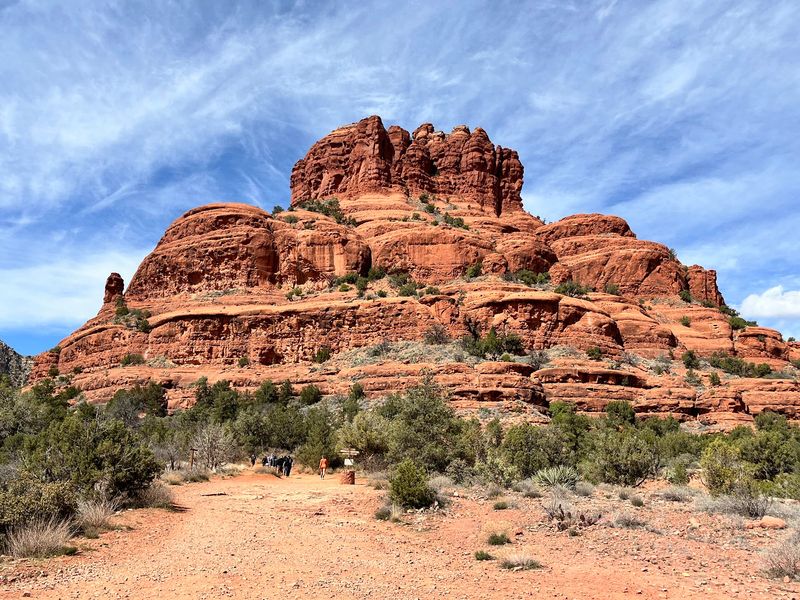
Red cliffs glow like embers when the sun dips low over Sedona. Giant sandstone buttes rise above neighborhoods in almost every direction.
Even a quick drive to dinner feels like a scenic tour.
Trails lead to Cathedral Rock, Bell Rock, and Boynton Canyon, along with dozens of other spots. You do not need to be a serious hiker to enjoy it.
Scenic roads and short walks bring the views to everyone.
Oak Creek adds a splash of green between the rocks. On a hot day, its shady banks feel much cooler than the open desert.
Bring a hat and plenty of water, since the sun is strong even in spring.
Crowds gather at popular trailheads, so arriving early makes a big difference. Sunrise is quieter and the colors are gorgeous.
Sedona rewards anyone who looks up, and there is plenty to see in every direction.
Moab, Utah
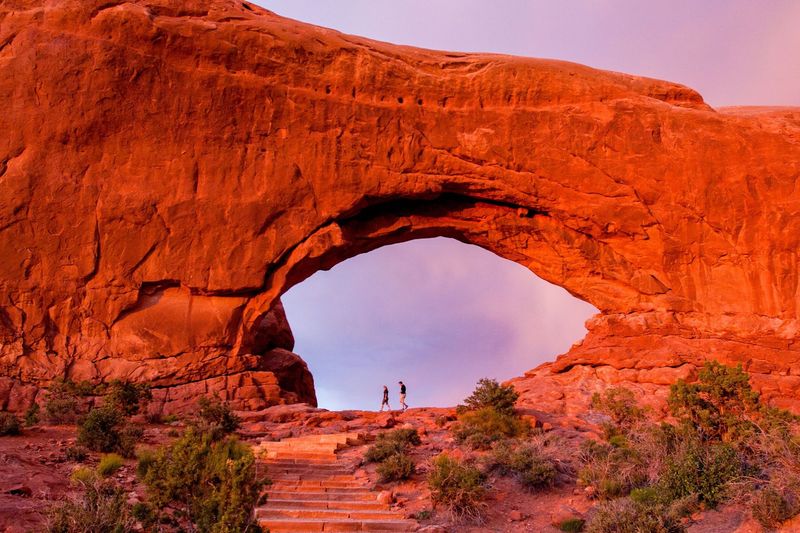
Just 5.2 miles. That is how close Moab sits to Arches National Park, home to more than 2,000 natural stone arches.
Canyonlands is about 30 miles away, with huge mesas and canyons carved by the Colorado and Green rivers.
Plan your days around the light. Early morning and late afternoon turn the rock deep orange and keep the temperatures friendlier.
Midday is a good time for a cool drink in town.
The La Sal Mountains add a surprise to the scene. They reach nearly 13,000 feet and often wear snow while the desert below stays warm.
It is a fun mix of colors, and photographers love it.
Visitors can hike, bike, raft, or just drive and gaze. Each park feels very different from the other, so two days of exploring never feels repetitive.
Book ahead in busy seasons, since everyone else has the same great idea.
Whitefish, Montana
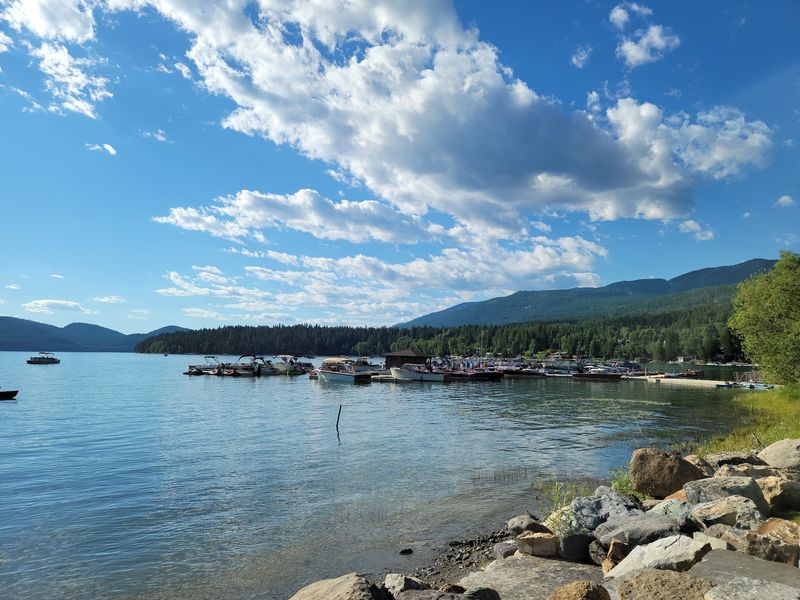
Pack a paddle and a ski pass, because Whitefish uses both. Whitefish Lake sits right beside the community, and forested peaks rise behind downtown.
It feels like a mountain town that also happens to have a beach.
Glacier National Park is close enough for day trips. You can explore alpine valleys, glassy lakes, and winding mountain roads, then come back to a real town with real dinner options.
No park lodge needed.
Summer is perfect for hiking, paddling, and fishing. Whitefish Mountain Resort offers high views across the region, and winter flips the script with skiing and snow-covered forests.
Locals say the water and trees soften the rugged peaks, and it is easy to see why. Bring bug spray for the lake in summer and warm layers any time of year.
The northern Rockies mood is strong here, and it is hard not to love it.
Mammoth Lakes, California
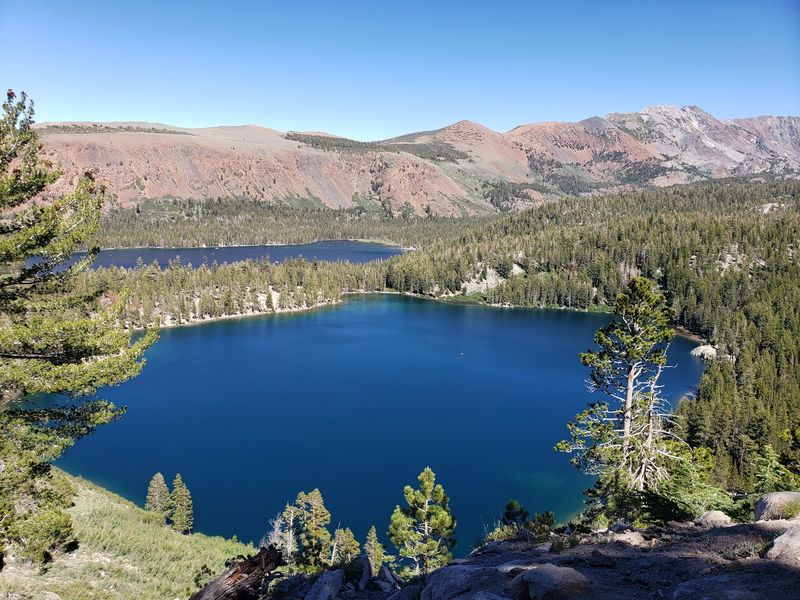
Basalt columns that look like giant pencils stand near Mammoth Lakes. Devils Postpile National Monument protects them, and some rise about 60 feet high.
A short walk leads to Rainbow Falls, another showstopper.
The town sits high in the eastern Sierra Nevada, so the air is thin and the views are huge. Volcanic terrain, alpine lakes, and rugged mountains all share the neighborhood.
Take it slow on day one while your body adjusts to the elevation.
The 16-mile June Lake Loop is a lovely drive with classic mountain scenery. Mono Lake lies farther north along Highway 395 and looks like another planet.
When Tioga Pass is open, Yosemite’s eastern entrance is roughly 45 minutes away.
That variety is the big win here. You can see lakes, lava, waterfalls, and peaks without packing up your hotel room.
Check road conditions before you go, since mountain passes close in winter.
Brevard, North Carolina
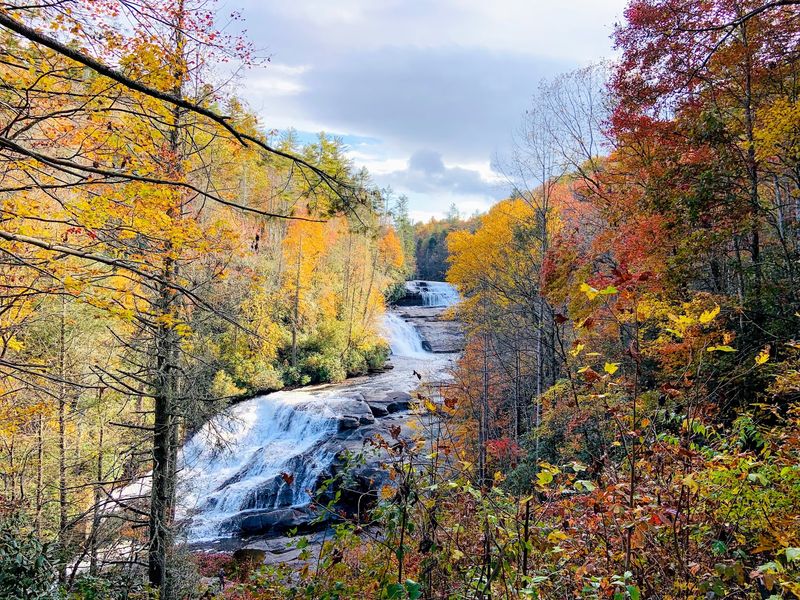
More than 250 waterfalls. That is the bragging number around Brevard, and locals proudly call the area the Land of Waterfalls.
Most of them hide in the forests of Transylvania County.
DuPont State Recreational Forest covers around 12,500 acres of lakes, trails, and cascades. Triple Falls and High Falls are the headliners.
Wear shoes with good grip, since rocks near the water get slick.
Looking Glass Falls is easy to reach, and Sliding Rock lets visitors zip down a natural water slide in summer. Pisgah National Forest wraps around everything with deep green trails and mountain views.
The best part is how close everything sits. You can spend several days exploring without long drives, and the compact downtown is a handy place to relax afterward.
Spring rain makes the falls roar, while fall adds color to the scene. Bring a rain jacket and a sense of adventure.
Hood River, Oregon
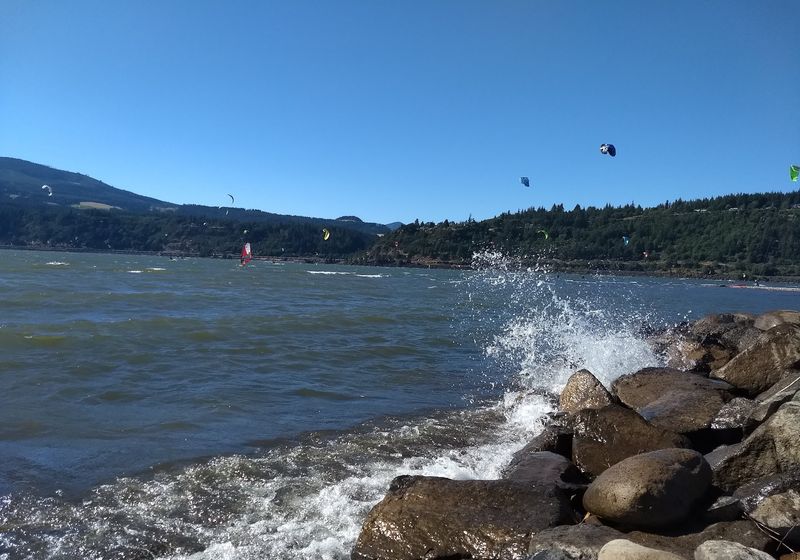
Colorful sails zip across the Columbia River like confetti in Hood River. The town sits where the river cuts through the Cascade Range, and the wind makes it a famous windsurfing spot.
Spectators can simply sit on the shore and enjoy the show.
The Columbia River Gorge brings waterfalls, steep forested cliffs, and wide water views. Mount Hood rises to the south and often wears a snowy cap.
It is hard to take a bad photo here.
Nearby orchards and vineyards soften the scenery. Spring blossoms and autumn harvests are especially pretty.
Fruit stands along the roads make easy snack stops.
Plan a morning hike beside a waterfall, then spend the afternoon watching kiteboarders race across the water. Pack a windbreaker, since the breeze is the star of the show.
Many visitors leave planning their next trip before they reach the highway.
Bend, Oregon
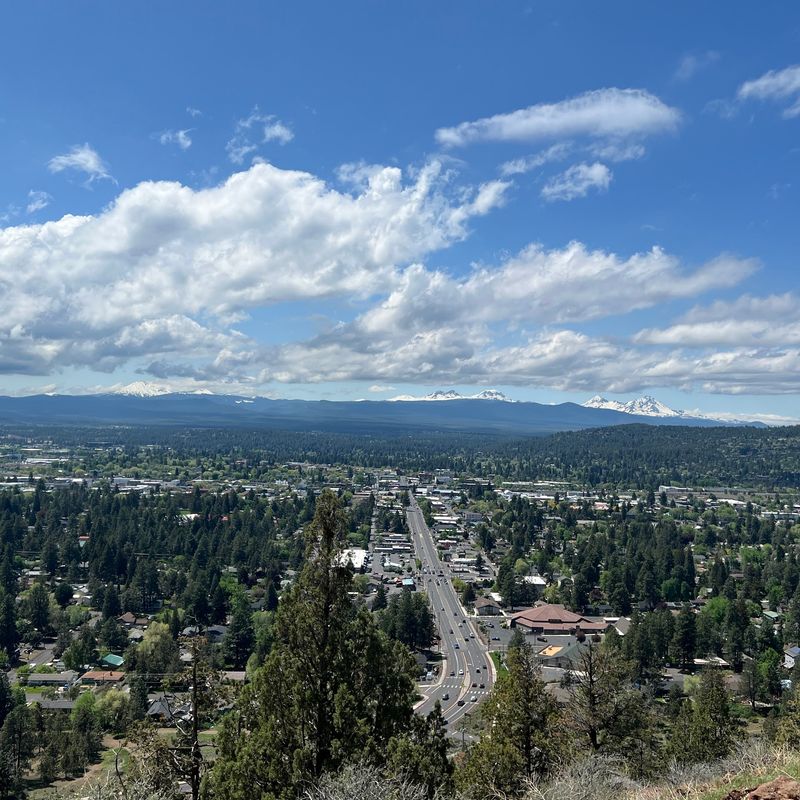
One town, many landscapes. Bend sits between Oregon’s high desert and the Cascade Mountains, so the scenery changes fast.
A short drive can take you from pine forest to open volcanic country.
The Deschutes River flows right through town, perfect for paddling and riverside walks. The Cascade Lakes Scenic Byway heads into Deschutes National Forest and passes alpine lakes.
Snowcapped peaks like Mount Bachelor, South Sister, and Broken Top stand guard above it all.
Summer brings hiking, paddling, and mountain biking. Winter turns the hills into ski and snowshoe country.
East of town, the terrain opens into rugged desert shapes shaped by old lava flows.
This variety makes Bend a smart choice for travelers who like options. You can try several outdoor settings without changing hotels.
Check byway closures in winter, since snow can block parts of the road.
Telluride, Colorado
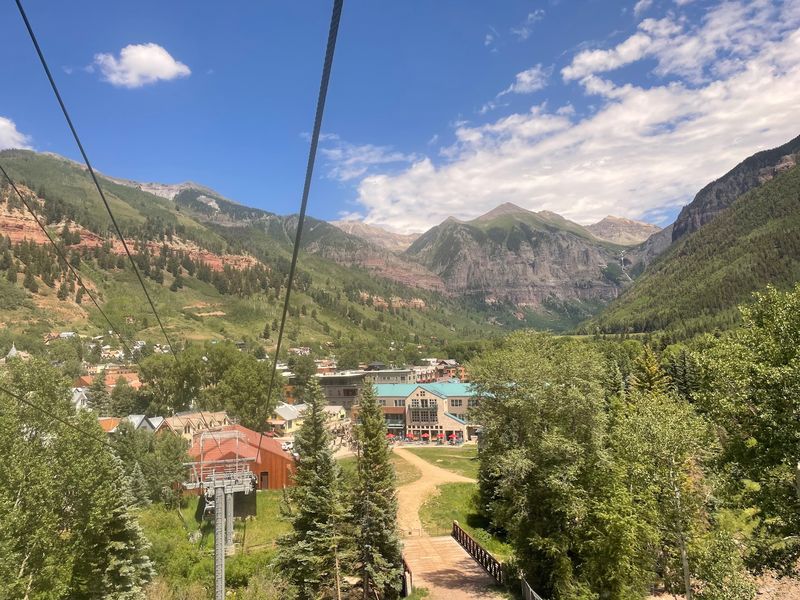
Look up in Telluride, because the mountains are looking down. The town sits in a narrow box canyon with steep walls on three sides.
Waterfalls drop from the cliffs above the historic center.
Bridal Veil Falls tumbles from the eastern end of the canyon and is one of the tallest in Colorado. High mountain passes and alpine basins stretch into the San Juan Mountains beyond.
Wildflowers fill the meadows in summer, and aspens glow gold in fall.
A free gondola climbs out of the valley toward Mountain Village. The ride gives huge views, even if you never put on skis or hiking boots.
Pack a jacket, since it gets cool at the top.
Telluride is pricey and far from big cities. Still, that distance helps keep the setting feeling wild and enclosed.
Give yourself time to slow down and let the peaks do the talking.
Jackson, Wyoming
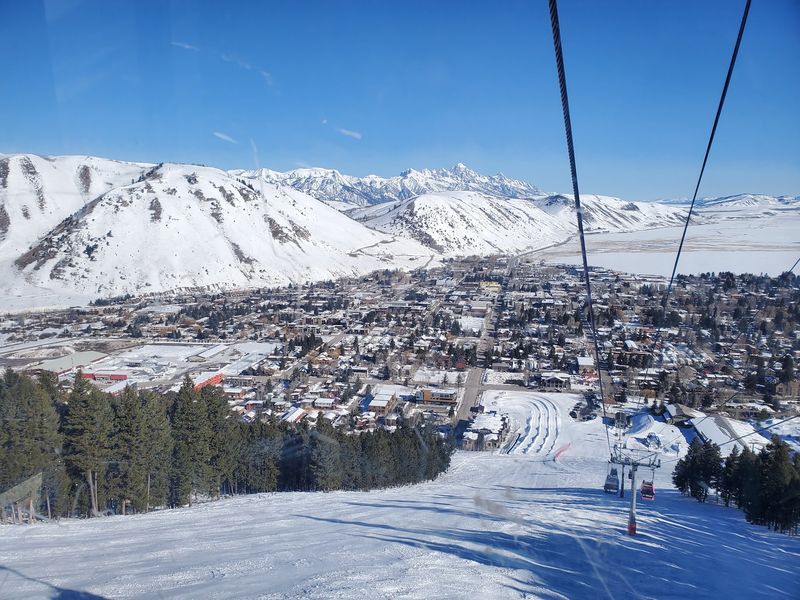
The Tetons do not ease into view. They leap straight up from the valley floor, and that sudden drama is why Jackson is so famous.
It is one of the most recognizable mountain skylines in the country.
Grand Teton National Park lies just north of town. Jagged peaks stand above lakes and open meadows.
Jenny Lake is a great place for a boat ride or an easy shoreline walk.
Snake River viewpoints are popular with photographers, especially early in the morning. Wildlife often wanders through the meadows, so keep your distance and bring binoculars.
Moose and elk are regular guests.
Yellowstone lies farther north, so ambitious travelers can pair two big parks in one trip. Jackson itself is polished and busy, with lots of shops and restaurants.
Still, the memory most people keep is the sheer size of the mountains and the wide-open Wyoming sky.
Lake Placid, New York
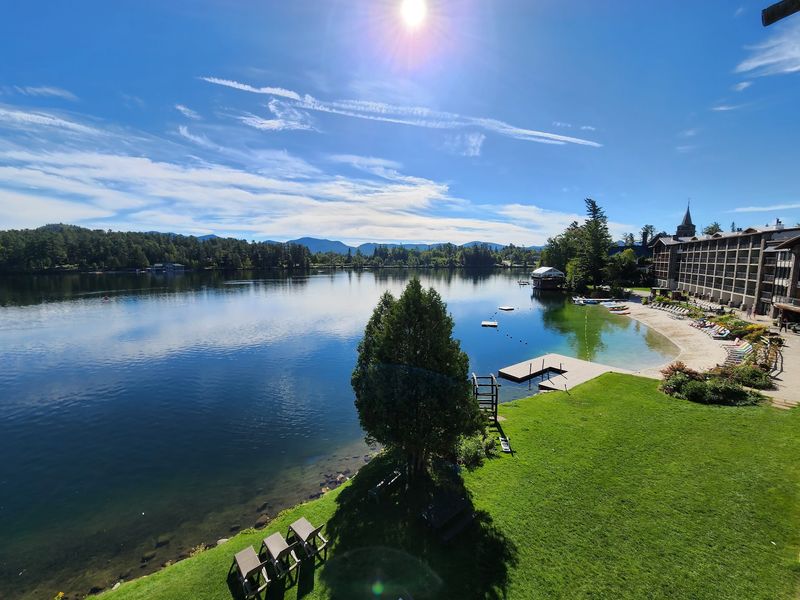
Mirror Lake lives up to its name on a calm morning. The lake sits right beside the village, giving the center a cozy waterfront feel.
Larger Lake Placid lies just beyond it.
The Adirondack Mountains wrap around town with forests, lakes, and high peaks. The High Peaks region has some of the toughest hiking in the Northeast.
If a big climb sounds like too much, lakeside walks and paddling offer calmer options.
In winter, Whiteface Mountain brings skiing and sweeping views. Snow turns the whole area into a postcard.
Bundle up, since the air can be sharp.
Compared with the giant landscapes out West, Lake Placid feels smaller and more personal. Even so, the mix of trees, water, and mountains is just as important to the experience.
Fall color season is a favorite time to visit, so book early.
St. George, Utah
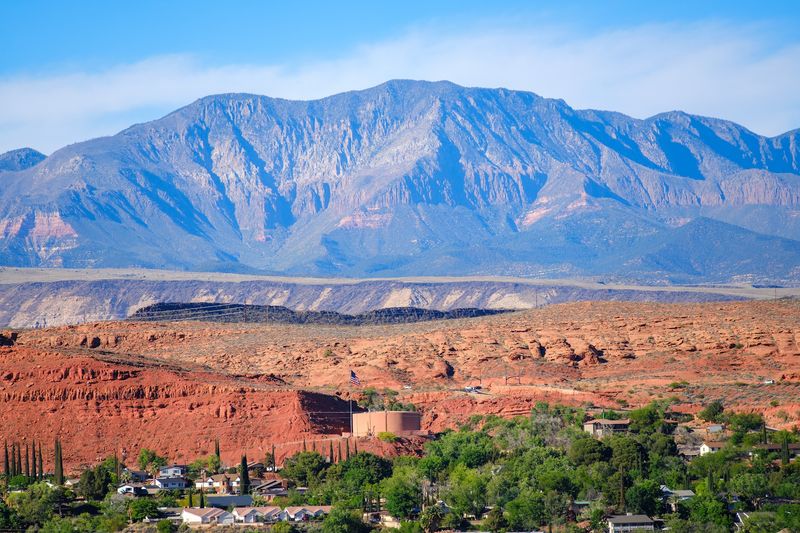
Red cliffs frame almost every view in St. George. The town sits in southwestern Utah, surrounded by desert mesas and some of the state’s finest landscapes.
It is a handy base for rock lovers.
Zion National Park is close enough for easy day trips. Snow Canyon State Park is even nearer and offers lava flows, sandstone cliffs, and hiking trails.
Kids enjoy scrambling over the dark volcanic rock.
Spring and fall are the prettiest seasons, when mild weather and bright colors team up. Summer can be very hot, so plan walks for early morning.
Pack more water than you think you need.
St. George also works well for longer southern Utah road trips. Zion and Bryce Canyon are less than two hours apart.
That lets you sample two famous parks without a huge amount of driving.
Taos, New Mexico
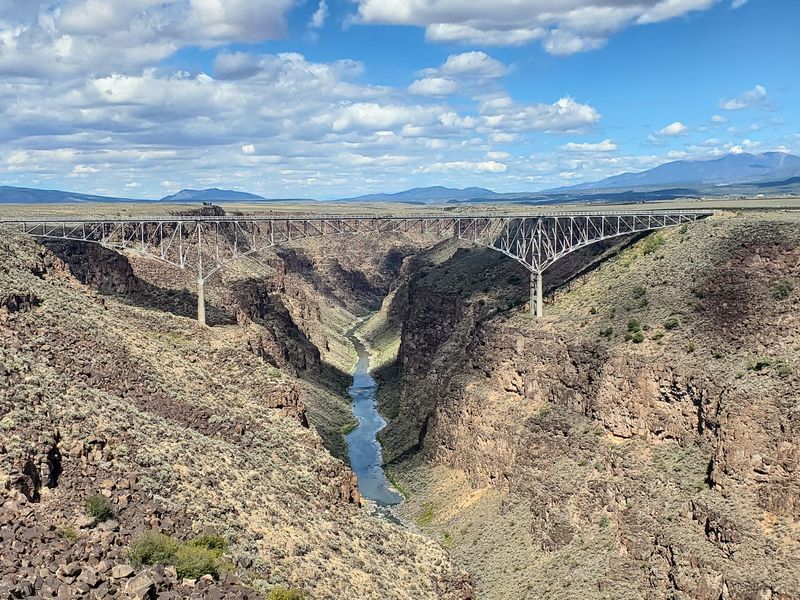
Light is the secret ingredient in Taos. At high elevation, the sun looks crisp and bright, and views stretch across the desert for miles.
Artists have been chasing that glow for generations.
The town sits between high desert and the Sangre de Cristo Mountains. Adobe buildings fill a broad valley while snowy peaks rise behind them.
West of town, the Rio Grande slices through a deep gorge.
Hiking, skiing, and scenic drives each show a different side of the land. Taos Ski Valley climbs much deeper into the mountains for alpine scenery.
Take it easy on arrival, since the thin air can make you tired.
Few places in the Southwest combine desert, river canyon, and alpine terrain so neatly. Sunset brings pink and gold across the sky.
Bring a sweater, because desert evenings cool off quickly.
North Conway, New Hampshire
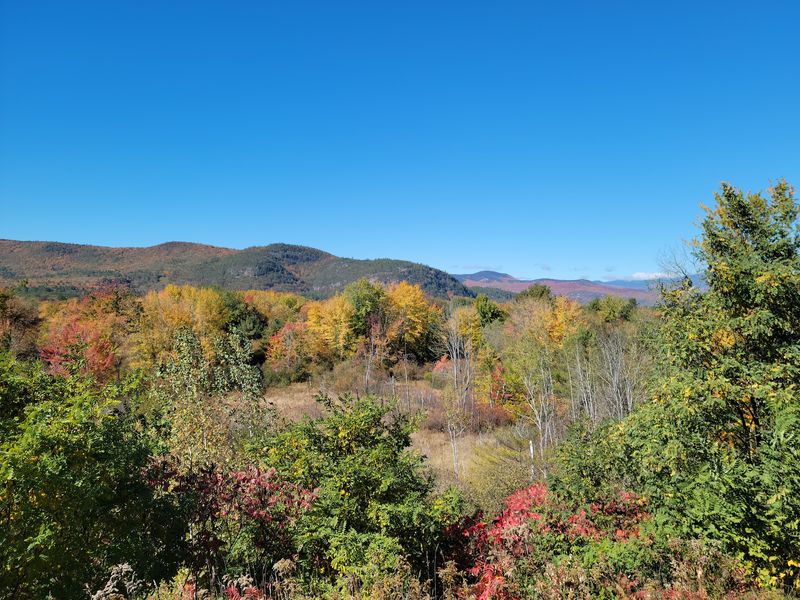
Red and gold leaves steal the show every autumn in North Conway. The town is ringed by the White Mountains, which makes it a top base for scenic drives.
Bring a camera with plenty of space.
The Kancamagus Highway winds through forest and mountain terrain west of town. Mount Washington and the Presidential Range loom over the wider region.
You can take in the views without any hard climbing.
Waterfalls, covered bridges, and easy trails give you plenty to explore. Families can pick short walks and still feel like they have seen something grand.
Winter adds snowy peaks and nearby ski areas.
The town is very tourist friendly, with lots of shops and restaurants. Even so, the mountain scenery is big enough to justify the attention.
Visit midweek in fall if you want fewer cars on the road.
Seward, Alaska
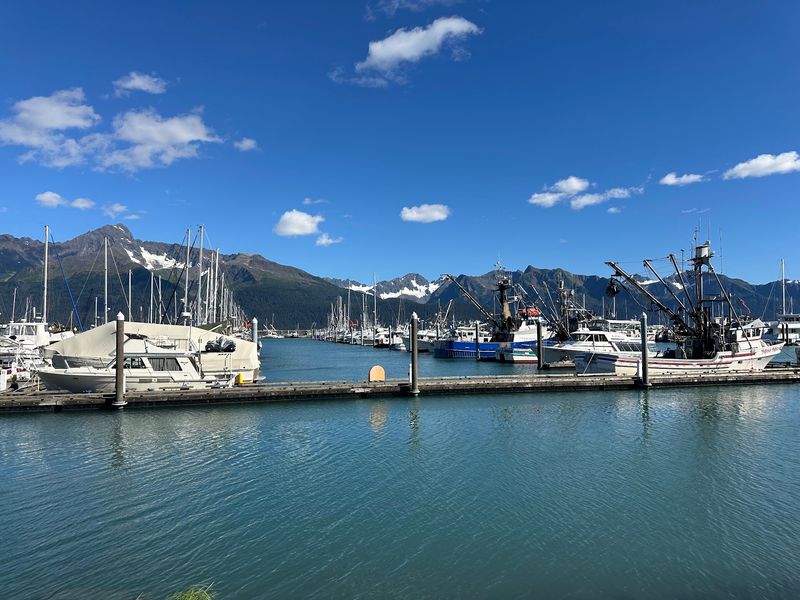
Boats leave Seward each morning, heading for glaciers. The town sits between Resurrection Bay and steep coastal mountains on the Kenai Peninsula.
Even a simple waterfront stroll feels huge.
Tours head toward Kenai Fjords National Park, where ice slides toward the sea. Whales, sea lions, and seabirds often make appearances.
Dress warmly, because the wind on the water is cold even in summer.
Mountains rise right behind town, which gives ordinary views a sense of scale. Exit Glacier is one of the most accessible glaciers by road.
A trail leads close enough to see the blue ice and feel the chill.
Seward is small, but the mix of ocean, ice, and peaks is powerful. It feels like a doorway into a much bigger wilderness.
Plan extra time for weather, since Alaska likes to keep visitors guessing.
Torrey, Utah
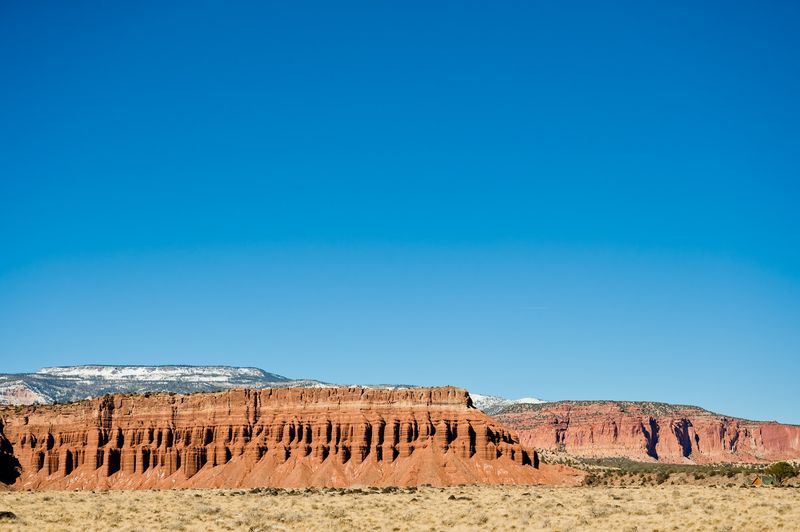
Quiet is Torrey’s superpower. It is much calmer than Moab, yet it opens the door to one of southern Utah’s most underrated landscapes.
Travelers who like peace will feel right at home.
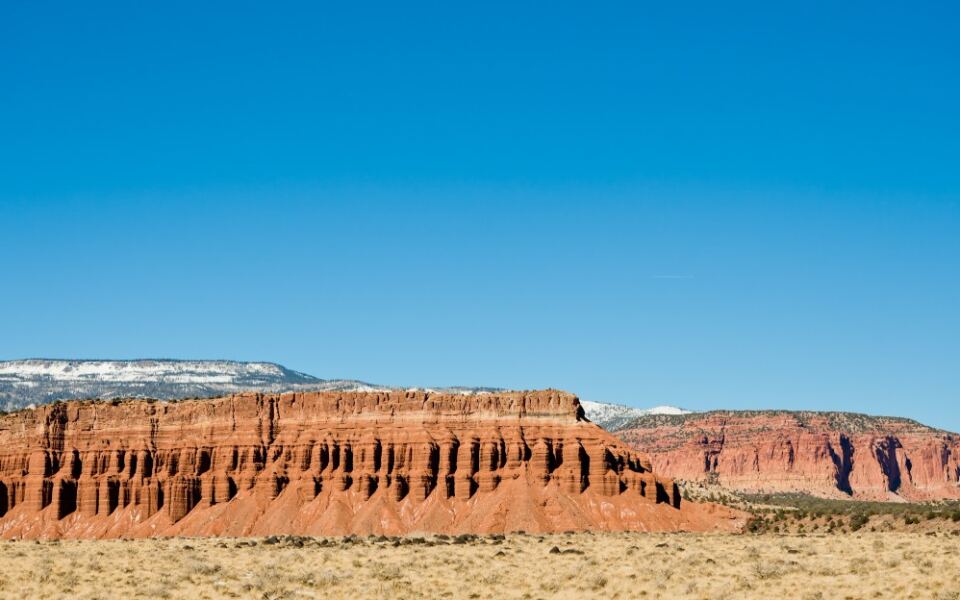
Capitol Reef National Park is nearby, known for wide views and twisted rock formations. The Waterpocket Fold is a long geologic wrinkle running through the desert.
Utah’s tourism office describes the park as a place of broad vistas, immense sky, and seemingly endless rock.
Torrey also sits along Scenic Byway 12, one of the state’s most celebrated road trips. Pull over often, because the views keep changing.
Fill the gas tank before you go, as services can be far apart.
Sandstone cliffs, open desert, and fewer crowds make a rewarding mix. It is a great base for people who care more about scenery than nightlife.
Stay out after dark, because the stars here are spectacular.
Share this story