Eastern Europe is famous for grand capitals like Prague, Budapest, and Dubrovnik, but some of its most unforgettable places are tucked away in smaller, quieter corners. Beyond the tourist trails, you’ll find medieval mining towns, hilltop fortresses, Ottoman neighborhoods, and Renaissance squares that most travelers completely miss.
These small towns offer real history, genuine local culture, and far fewer crowds. Pack your curiosity and get ready to discover the hidden gems that even seasoned travelers overlook.
Banská Štiavnica, Slovakia
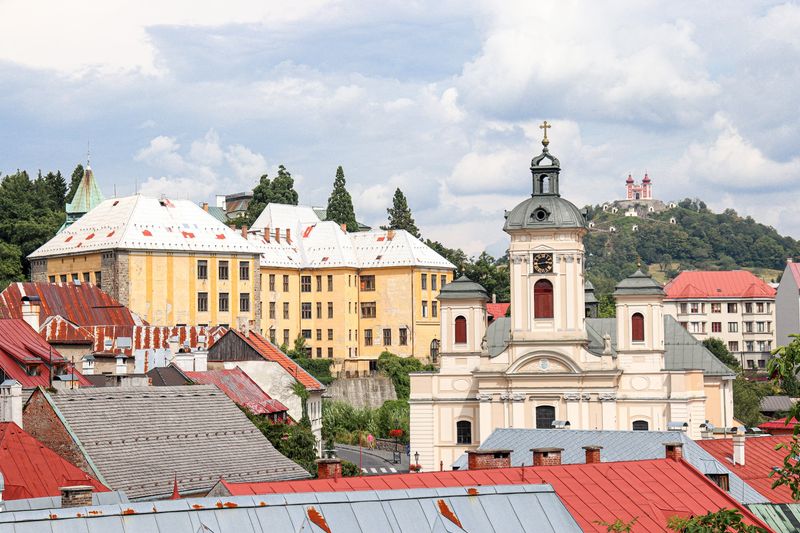
Imagine a town built inside an ancient volcano, where every steep lane tells a story about silver, gold, and medieval ambition. Banská Štiavnica was once one of Europe’s wealthiest mining centers, and the wealth it produced paid for elegant churches, grand townhouses, and two remarkable castles.
Walking its hilly streets feels like flipping through a very glamorous history book.
Underground mine tours let visitors experience the cramped, dramatic world that made the town famous. The Old and New Castles sit at opposite ends of the town center, connected by forest trails that wind past artificial reservoirs built specifically to power the mining operations below.
Those reservoirs are now popular spots for swimming and hiking.
UNESCO recognized Banská Štiavnica as an outstanding example of a mining settlement where industrial heritage and refined architecture grew up side by side. Despite this prestigious status, the town attracts a fraction of the visitors that flock to Slovakia’s capital, Bratislava.
It rewards slow exploration, especially in autumn when the surrounding hills turn spectacular shades of orange and gold.
Telč, Czechia
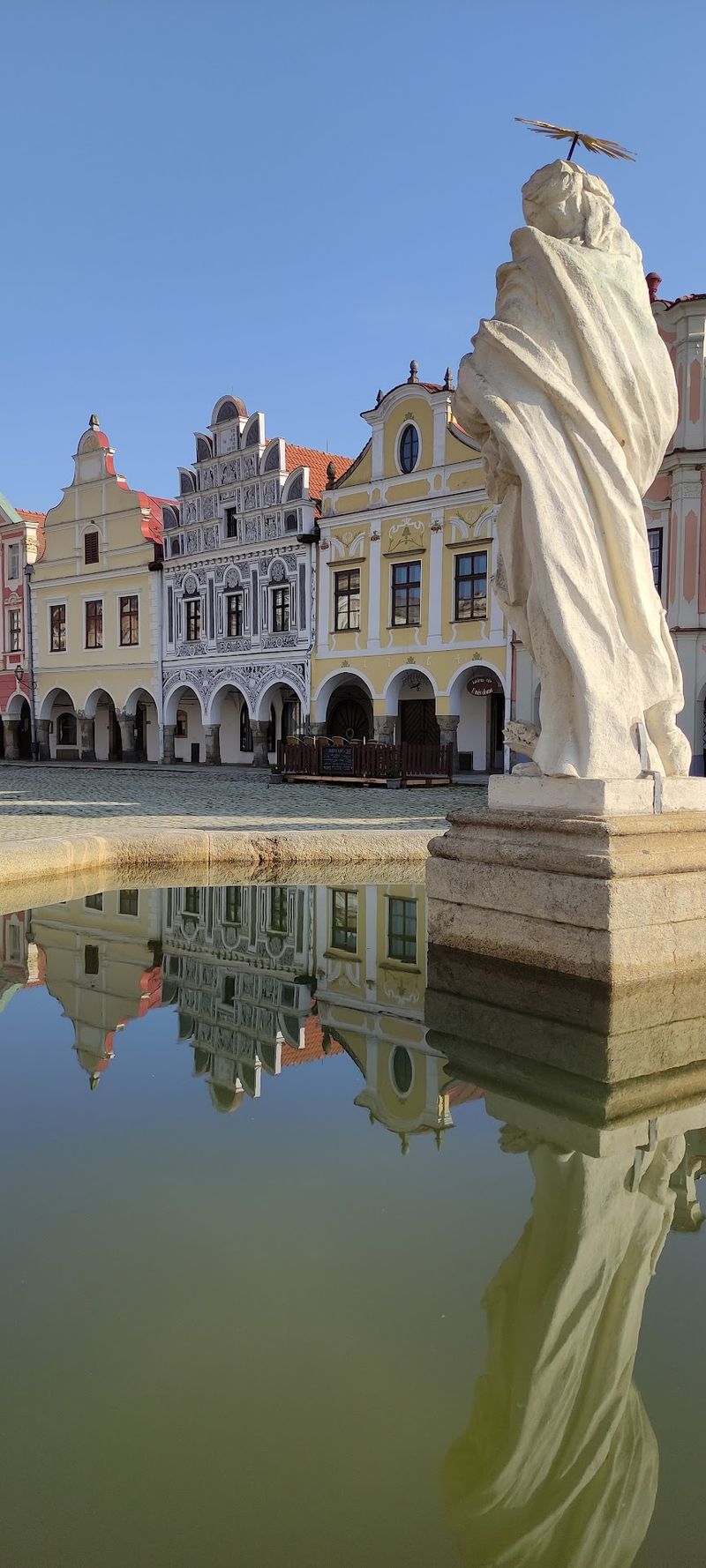
Few town squares in Europe feel as perfectly composed as Telč’s main square, where pastel Renaissance and Baroque houses line up like a row of elaborately decorated birthday cakes. Decorative gables, painted facades, stone arcades, and a grand chateau at one end create a scene so photogenic that first-time visitors often wonder whether it is real.
Spoiler: it absolutely is.
What makes Telč especially rare is how authentic it remained through the centuries. Unlike many European towns that were heavily “restored” during the 19th century, Telč escaped major architectural interference and kept its original character largely intact.
Small lakes surrounding parts of the historic center add a romantic, almost fairytale quality to the whole picture.
Despite holding UNESCO World Heritage status, Telč receives far fewer international visitors than Prague or Český Krumlov. That means shorter lines, quieter cafes, and the genuine pleasure of wandering without bumping into tour groups at every corner.
The surrounding South Moravian countryside offers hiking, cycling, and traditional Czech countryside cooking that rounds out any visit beautifully. Telč is proof that the Czech Republic has more treasures than its capital alone.
Sighișoara, Romania
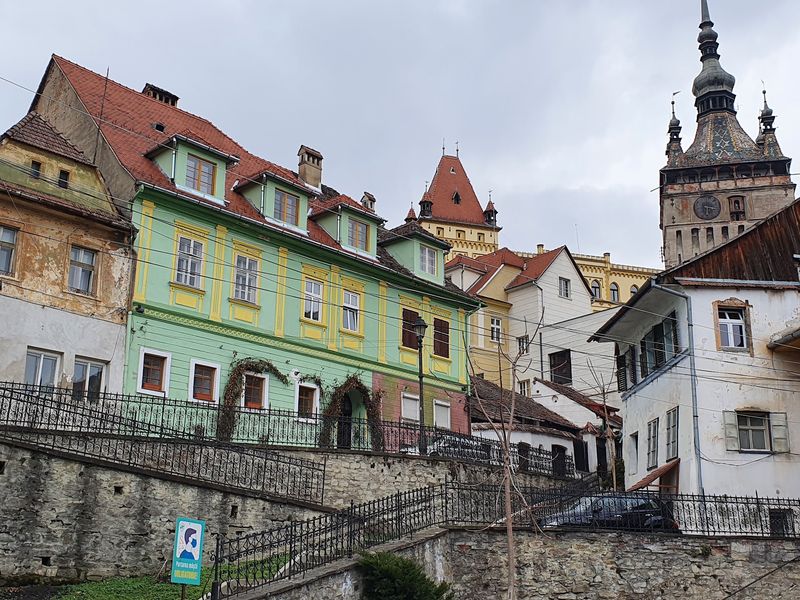
Sighișoara’s hilltop citadel is one of Europe’s great medieval surprises because people actually still live there. Unlike many historic fortifications that exist purely as tourist attractions, this Transylvanian gem remains a functioning neighborhood with residents, local cafes, and everyday life happening among the cobblestones and guild towers.
That living quality makes it feel completely different from a museum.
Saxon craftsmen founded the settlement centuries ago, building it into a powerful commercial and defensive stronghold. Nine original towers still stand, each one once maintained and defended by a different guild of tradespeople.
The famous clock tower houses a museum with mechanical figures that emerge on the hour, delighting visitors of all ages.
Covered wooden stairways climb from the lower town to the citadel, passing under centuries-old chestnut trees that shade the route in summer. UNESCO recognized Sighișoara as a fine surviving example of a small fortified medieval town on the cultural borderlands of Central and Eastern Europe.
Romania’s broader Transylvania region gets plenty of attention for its castles and vampire legends, but Sighișoara offers something more nuanced and genuinely atmospheric for travelers willing to look a little closer.
Berat, Albania
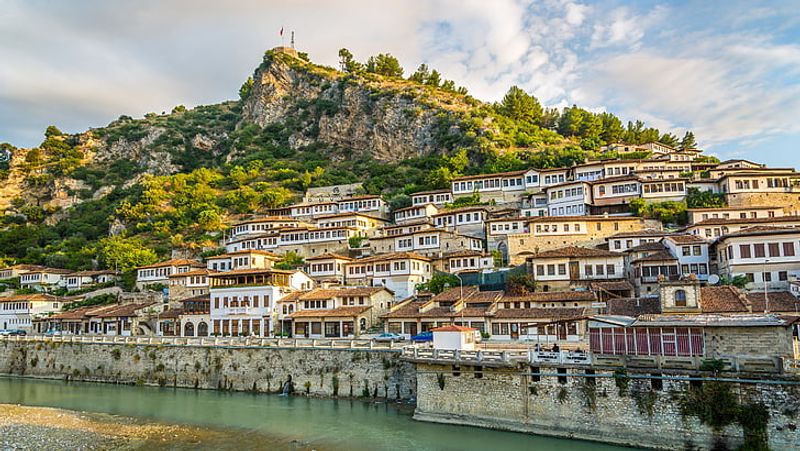
The nickname “City of a Thousand Windows” sounds like marketing, but one look at Berat’s hillside of densely stacked white Ottoman houses and you will agree it is completely earned. Each house seems to lean slightly toward its neighbor, rows of large windows catching the light above the Osum River below.
The effect, especially at dusk, is genuinely breathtaking.
Stone lanes wind through the historic Mangalem and Gorica districts, connecting Byzantine churches, Ottoman mosques, and traditional homes in a way that reflects centuries of peaceful coexistence among different communities. The large inhabited castle above the town contains churches, a museum, and sweeping views across the valley.
Locals still live inside its ancient walls, which adds to Berat’s sense of unbroken continuity.
UNESCO recognized Berat alongside Gjirokastër as a rare surviving example of Ottoman-period Balkan architecture. Despite this recognition, Berat remains far less crowded than comparable Mediterranean destinations, and prices stay remarkably affordable.
Albanian hospitality is warm and genuine, and local restaurants serve hearty food using fresh regional ingredients. Berat suits travelers who want genuine discovery rather than a pre-packaged experience, and it rewards anyone curious enough to wander off the obvious path.
Gjirokastër, Albania
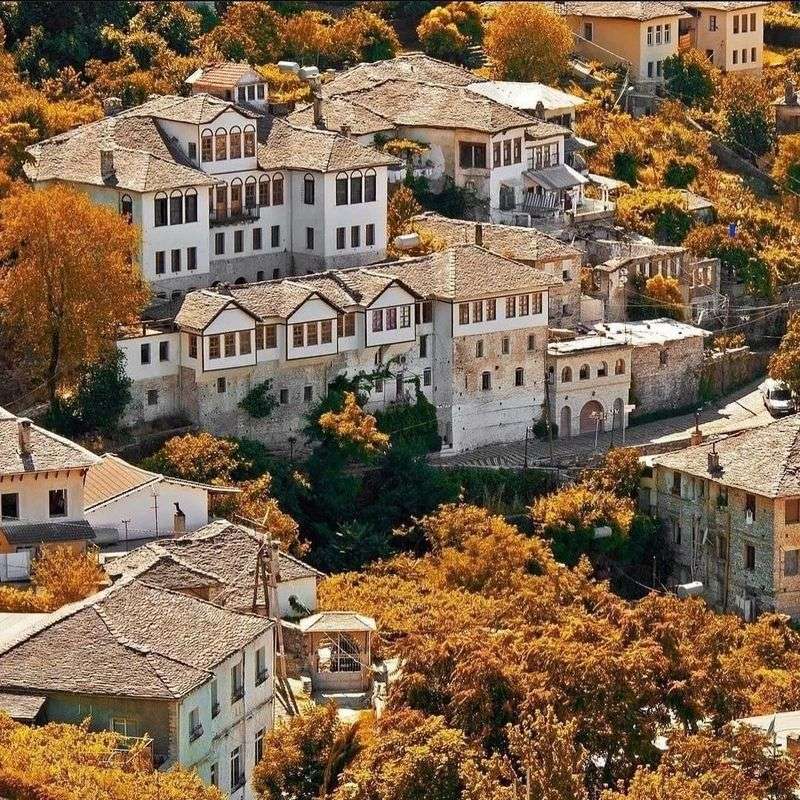
Gravity seems optional in Gjirokastër, where traditional tower houses cling to a dramatically steep hillside as though daring anyone to question their engineering. Heavy stone roofs, fortified lower floors, elegant wooden interiors, and commanding views across the Drino Valley define these remarkable residences, many of which date from the 17th through the early 19th century.
They are unlike anything else in the Balkans.
An enormous fortress dominates the skyline above the town, and exploring it reveals military equipment, prison cells, and wide open terraces with views stretching toward Greece. The old bazaar below brings together cafes, craft workshops, and small restaurants along a network of sharply sloping cobbled streets that are genuinely fun to navigate, even when your legs start complaining.
UNESCO recognized Gjirokastër alongside Berat for its outstanding preservation of Ottoman urban architecture. The town is also the birthplace of former Albanian communist leader Enver Hoxha, which adds a complicated layer of 20th-century history to an already rich destination.
Despite its fascinating character, Gjirokastër sees relatively modest international tourism compared to its Adriatic neighbors. That makes visiting feel like a genuine discovery rather than following a well-worn crowd.
Škofja Loka, Slovenia
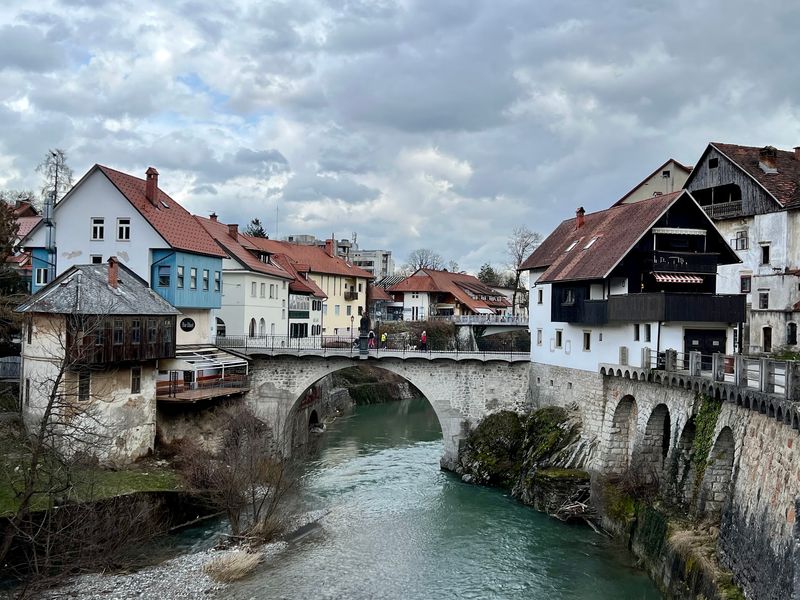
Just a short train ride from Ljubljana, Škofja Loka feels like stepping into a compact medieval world that somehow stayed perfectly preserved while the rest of the world rushed past. Colorful facades, a handsome stone bridge, a hilltop castle, and inviting squares form a historic center that locals use every single day for shopping, meeting friends, and grabbing coffee.
That everyday energy makes it feel alive rather than staged.
The town is closely associated with the Škofja Loka Passion Play, a dramatic religious tradition considered one of Europe’s oldest surviving theatrical performances. UNESCO has recognized it as an element of intangible cultural heritage, and when it is performed, it draws visitors from across Slovenia and beyond.
Even outside performance years, the town’s cultural atmosphere is rich and distinctive.
Nearby countryside along the Selška and Poljanska Sora rivers offers swimming, hiking, and cycling through green valleys. Regional food in local restaurants leans toward hearty Slovenian comfort dishes, and the hospitality is unpretentious and warm. Škofja Loka works perfectly as either a half-day trip from Ljubljana or a quiet overnight base for exploring Slovenia’s alpine foothills.
It is one of those places that earns genuine affection from almost everyone who visits.
Ptuj, Slovenia
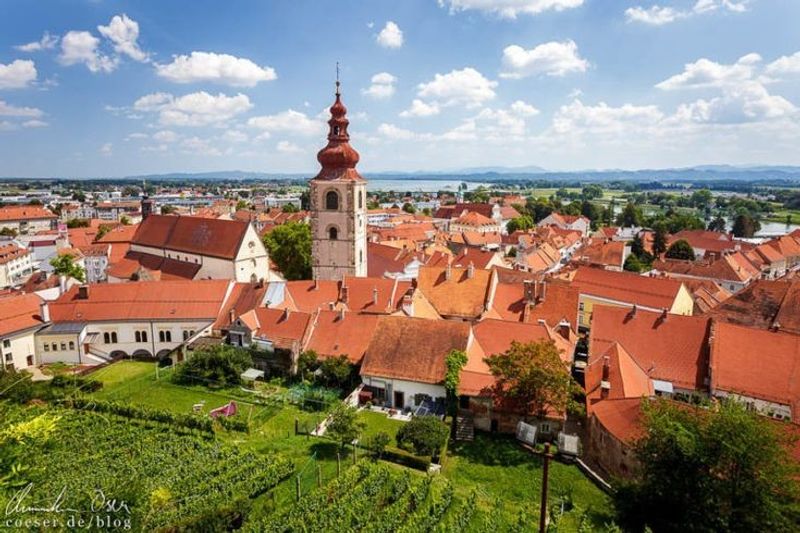
Slovenia’s oldest town wears its age well. Ptuj has been continuously inhabited for thousands of years, and layers of Roman, medieval, and Baroque history stack up along its streets in ways that feel organic rather than arranged for tourists.
A prominent castle above the Drava River anchors the skyline and houses an impressive collection of medieval armor, musical instruments, and period furniture.
Roman monuments scattered through the town center hint at Ptuj’s ancient past as an important imperial settlement. The Orpheus Monument, a Roman stone column decorated with mythological carvings, stands in the main square as a casual reminder that this town has been important for a very long time.
Wine cellars beneath the old town add another compelling reason to linger after the sightseeing is done.
The surrounding Haloze and Jeruzalem wine regions produce excellent white wines, making Ptuj a natural base for food and wine lovers. The town is also famous for Kurentovanje, one of Slovenia’s most spectacular carnival traditions, involving costumed figures meant to drive away winter.
Crowds gather for the festival each February, but outside carnival season, Ptuj remains pleasantly uncrowded and easy to explore at a comfortable, unhurried pace.
Skradin, Croatia
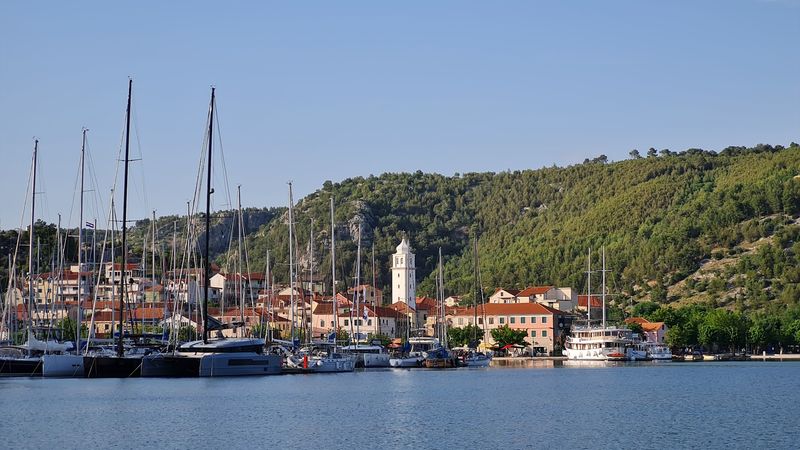
Most visitors to Krka National Park speed through Skradin without a second glance, treating it as little more than a parking stop before the waterfalls. That is a significant mistake.
This compact riverside town has stone houses, narrow lanes, waterfront restaurants, and a genuine Dalmatian atmosphere that deserves far more than a hasty walk-through on the way to the ticket office.
Skradin is considered one of Croatia’s oldest continuously inhabited settlements, with roots stretching back through Roman, Byzantine, and medieval Venetian history. Its connection to the sea and river trade shaped a local culture with distinctly Mediterranean rhythms.
The town’s signature dish, Skradin risotto, is slow-cooked for hours using local veal and wine, and it has earned a reputation as one of Croatia’s most celebrated traditional recipes.
Spending a night in Skradin rather than day-tripping from the coast changes the experience entirely. After the national park crowds depart in the late afternoon, the riverfront becomes calm and beautiful, with boats gently rocking and locals filling the outdoor cafes.
Sunsets over the Krka River from the waterfront are worth staying for on their own. Skradin is the kind of place that rewards travelers who slow down and pay attention.
Motovun, Croatia
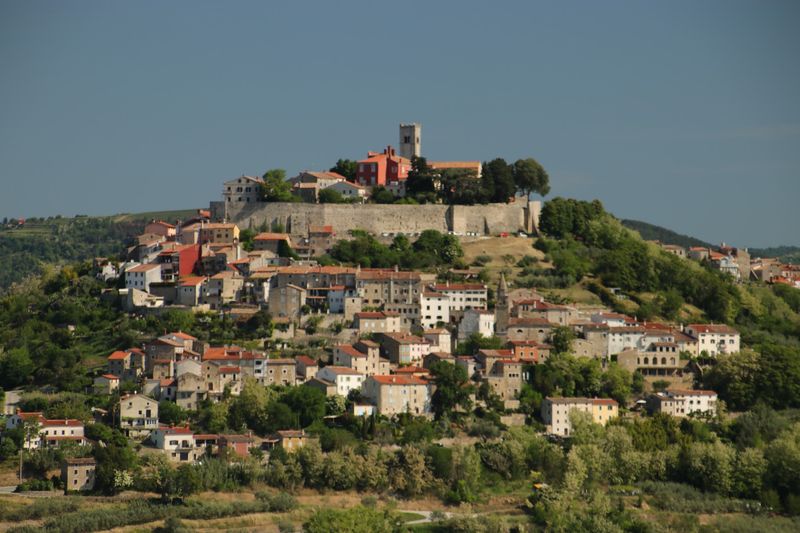
Perched on top of a steep hill above a patchwork of vineyards, truffle forests, and the winding Mirna River, Motovun looks like someone designed the ideal medieval village and then actually built it. Stone walls encircle the entire hilltop settlement, and the views from the ramparts stretch across inland Istria in every direction.
It is the kind of panorama that makes people reach for their cameras and then put them down because no photo will do it justice.
The surrounding Istrian countryside is celebrated across Europe for its truffles, particularly the prized white truffle found in the forests near Motovun each autumn. Local restaurants serve truffle pasta, truffle eggs, and truffle-topped dishes in combinations that range from simple and brilliant to wildly indulgent.
Olive oil and regional wines round out a food scene that punches far above what you might expect from such a small place.
Croatia’s coastal cities attract enormous crowds, but inland Istria remains comparatively quiet and deeply appealing. Motovun hosts an annual film festival that briefly fills the hilltop with an international crowd, but for most of the year it stays peaceful and genuine.
Nearby hilltop villages like Grožnjan and Oprtalj are worth combining into a leisurely day of Istrian exploration.
Slavonice, Czechia
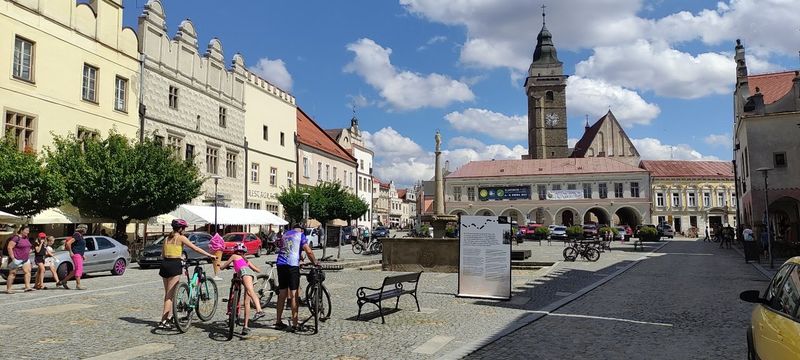
Slavonice keeps one of the Czech Republic’s most beautiful secrets hidden near the Austrian border, where its Renaissance houses are covered in extraordinary sgraffito decoration. Sgraffito involves scratching patterns through layers of plaster to create geometric, architectural, and figurative designs, and Slavonice has some of the finest surviving examples in Central Europe.
Walking around the main square feels like studying an outdoor art gallery that has been there for five centuries.
The town developed during a prosperous period of Renaissance trade, and its wealthy merchants invested heavily in decorating their homes. When the trade routes shifted and Slavonice lost its economic importance, it also escaped the redevelopment that erased similar architecture elsewhere.
That accidental preservation is now its greatest asset and most compelling attraction.
Below the picturesque streets lies an unexpected bonus: a network of underground passages, some dating back approximately 700 years. Originally used for storage, workshops, and water management, sections of this subterranean system are open for guided tours that add a genuinely surprising dimension to the visit.
Slavonice sits close enough to Telč for a combined day trip, but it deserves its own dedicated time. Travelers who make the effort to find it rarely leave disappointed.
Koprivshtitsa, Bulgaria
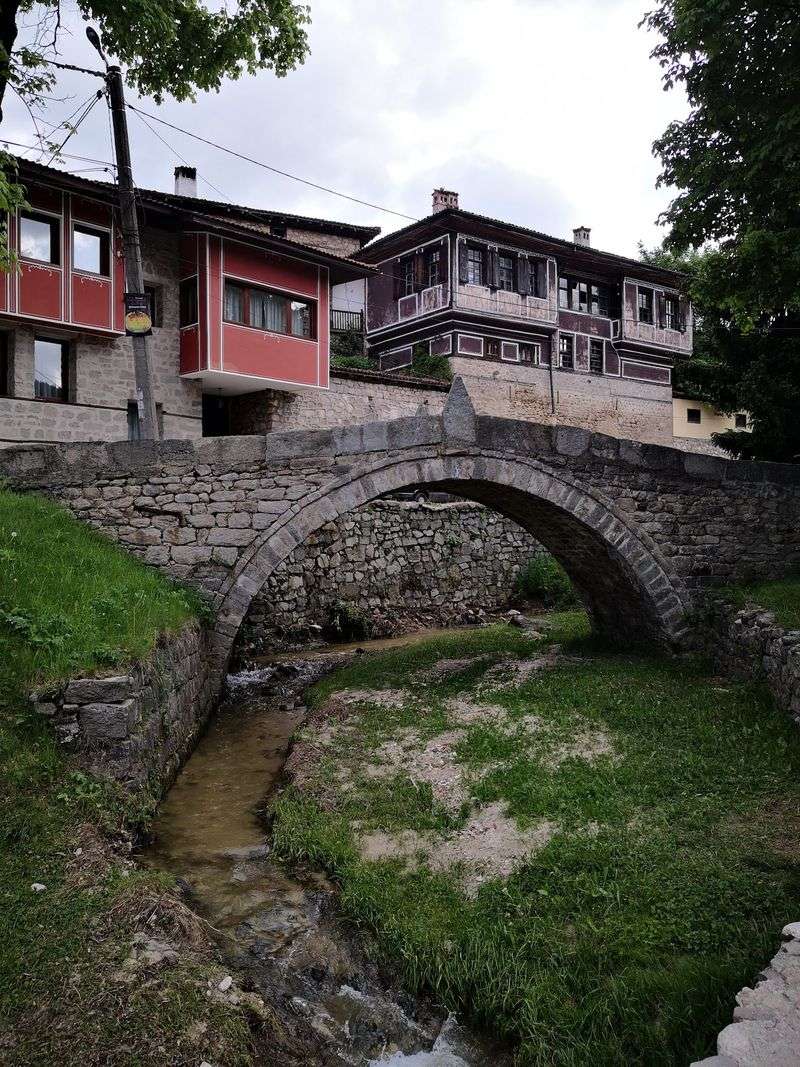
Koprivshtitsa sits high in Bulgaria’s Sredna Gora Mountains with a personality shaped by revolution, artistry, and fierce national pride. Its brightly painted National Revival-era houses, decorated with carved wooden balconies and elaborately patterned facades, line stone-paved streets that have barely changed since the 19th century.
The whole town feels like a lovingly maintained monument to a pivotal chapter in Bulgarian history.
Many of the historic houses now function as museums, each one preserving a different story about Bulgarian life during the period of Ottoman rule. Carved wooden ceilings, hand-woven textiles, traditional weapons, painted furniture, and personal artifacts fill these intimate spaces in ways that bring the era to life far more effectively than a conventional history exhibit.
Several belonged to leaders of the April Uprising of 1876, Bulgaria’s most famous revolt.
The mountain setting adds a layer of natural beauty that makes Koprivshtitsa feel genuinely removed from Bulgaria’s large cities and crowded Black Sea resorts. Hiking trails extend into the surrounding hills, and the clean mountain air gives the whole place a refreshing quality.
Bulgaria’s official heritage protection authorities have designated Koprivshtitsa an architectural and historical reserve, recognizing the exceptional completeness of its preserved 19th-century townscape. It rewards visitors who enjoy history with emotional depth.
Melnik, Bulgaria
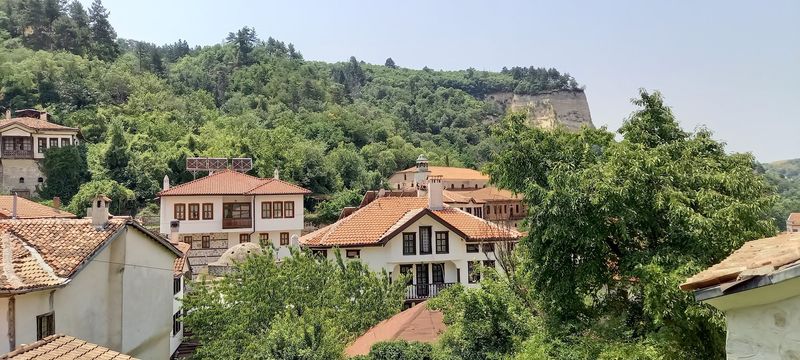
Melnik holds the unusual distinction of being Bulgaria’s smallest officially recognized town, with a population so tiny that calling it a village would feel more accurate. What it lacks in size, though, it more than compensates for with extraordinary scenery.
Pale sandstone formations rise around the settlement like natural towers, creating a landscape so dramatic and unusual that it seems more science fiction than Southern Bulgaria.
Wine has been produced in this region for centuries, and the underground cellars carved into the sandstone rock are as much a part of the experience as the architecture above. Local Shiroka Melnishka Loza grape varieties produce rich, full-bodied red wines that have been exported across Europe since the medieval period.
Tasting them in a cellar cut directly into the cliffs is a genuinely memorable experience.
Nearby Rozhen Monastery, one of Bulgaria’s best-preserved medieval religious complexes, sits within easy walking distance and adds a spiritual and artistic dimension to any visit. Trails through the Melnik earth pyramids offer hiking with genuinely otherworldly scenery.
Combining wine tasting, monastery visits, rock formation walks, and traditional Bulgarian food makes Melnik one of the most surprisingly complete small destinations in the entire Balkans region. Few places pack so much variety into such a compact area.
Kuldīga, Latvia
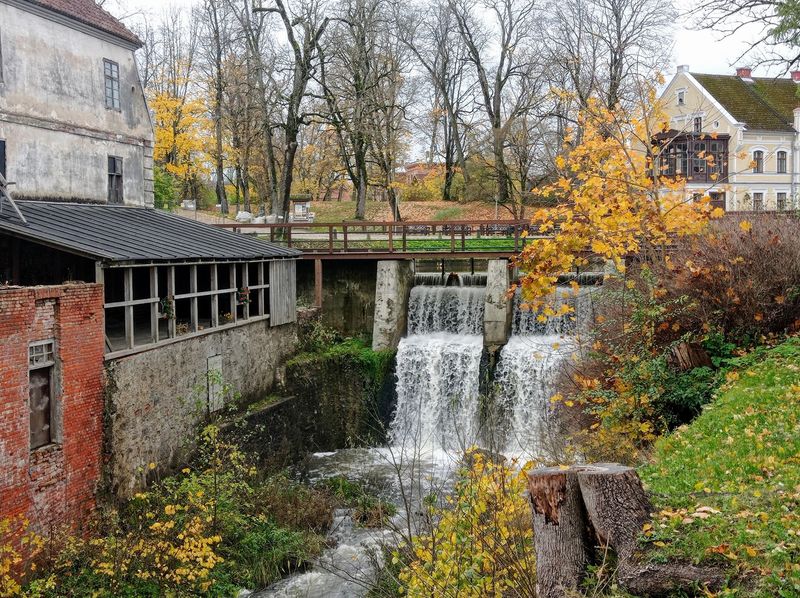
Kuldīga has a waterfall that is wider than Niagara Falls. Yes, really.
Venta Rapid stretches approximately 249 meters across the Venta River, making it the widest natural waterfall in Europe, even if it stands only about two meters tall. Every spring, local residents gather at its banks to watch brown trout leap upstream through the cascading water, a spectacle that has been part of Kuldīga’s identity for generations.
Beyond the waterfall, the town’s historic center preserves timber houses, red-tiled rooftops, narrow cobbled streets, and a beautifully maintained 17th-century brick bridge that remains one of the oldest surviving road bridges in Latvia. The town developed as an important administrative center of the Duchy of Courland and Semigallia, a prosperous state that once controlled trade routes across the eastern Baltic region.
Unlike many Baltic towns, Kuldīga survived the major conflicts and sweeping redevelopment of the 20th century with its historic character largely intact. Walking its streets requires no imagination to picture how the town looked two or three centuries ago.
Riverside walking trails, local cafes, and a relaxed pace of life make Kuldīga one of Latvia’s most pleasant destinations for travelers who want authentic atmosphere without the crowds of Riga.
Cēsis, Latvia
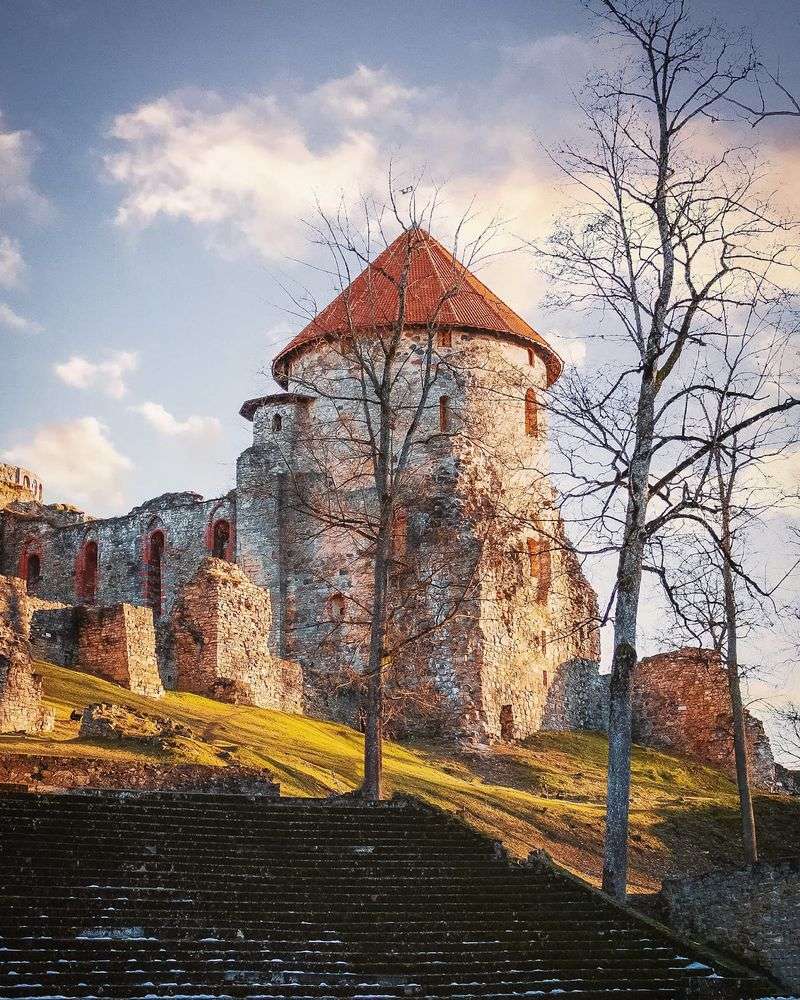
Cēsis has the kind of atmospheric medieval castle ruins that make history feel genuinely exciting rather than obligatory. Visitors exploring the old castle complex receive lanterns to carry through its darker interior passages, which sounds like a gimmick until you are actually inside and the flickering light starts bouncing off ancient stone walls.
It works remarkably well at creating a sense of real connection to the past.
The castle experience extends beyond simple sightseeing. Demonstrations of historic crafts including stone carving, metalwork, clay pottery, rope making, pigment preparation, and early printing methods bring medieval daily life into sharp focus.
These hands-on elements make Cēsis particularly rewarding for families traveling with curious younger visitors who need more than plaques and corridors to stay engaged.
Surrounding the historic center, Gauja National Park offers forests, river valleys, sandstone cliffs, and cycling trails that transform Cēsis into a base for both cultural and outdoor exploration. The combination of medieval atmosphere and accessible wilderness is genuinely rare and makes the town a compelling alternative to spending an entire Latvian trip in Riga.
Wooden buildings, quiet parks, local bakeries, and a manageable scale give Cēsis a warmth and livability that larger cities rarely manage to replicate so naturally.
Trebinje, Bosnia and Herzegovina
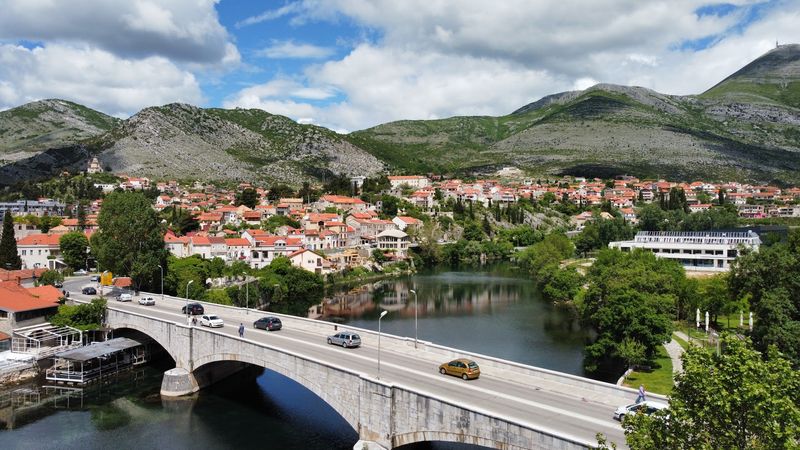
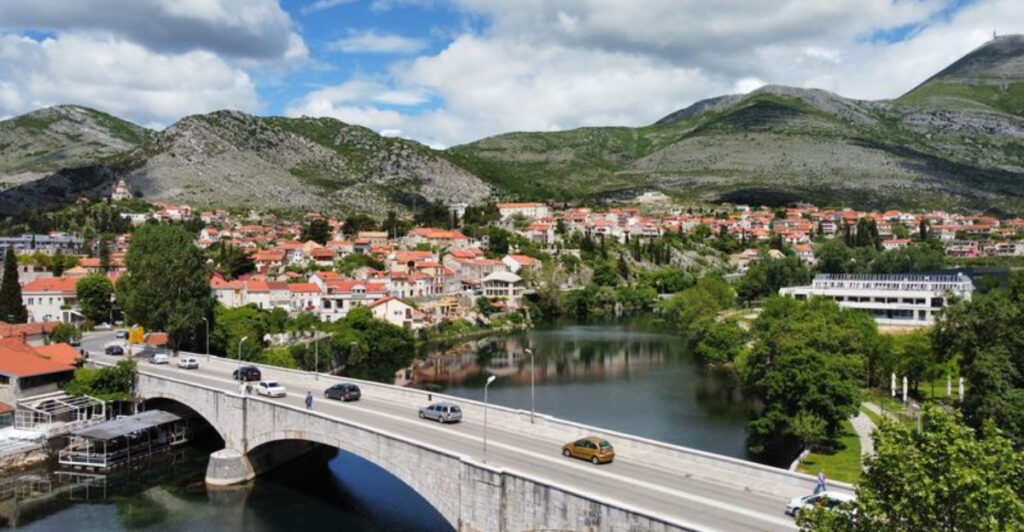
Trebinje operates at a pace that the rest of the world seems to have forgotten. Plane trees shade its main square, outdoor cafes spill onto cobblestones, the Trebišnjica River glides quietly past stone bridges, and the surrounding limestone hills glow amber in the late afternoon sun.
This corner of southern Herzegovina has a distinctly Mediterranean character that surprises visitors expecting a more austere Balkan experience.
The Ottoman-era old town preserves narrow lanes, traditional architecture, and a relaxed social atmosphere where locals and visitors share the same cafes without any obvious division. A hilltop monastery visible above the town houses the remains of the poet Jovan Dučić, one of Herzegovina’s most celebrated literary figures, and offers wide views across the valley.
Several family-run wineries in the surrounding region produce wines from the Žilavka and Blatina grape varieties, both native to Herzegovina.
Trebinje sits close enough to Dubrovnik for easy day-trip access from the Croatian coast, yet it receives only a small fraction of Dubrovnik’s international visitor numbers. That gap in attention translates directly into lower prices, friendlier service, and a far more genuine experience of local life.
For slow travelers looking for a base that combines history, food, wine, and riverside scenery without the crowds, Trebinje is genuinely hard to beat.
Share this story