Spain is one of those countries that gets under your skin and refuses to leave. From sun-baked Andalusian cities to misty Galician pilgrimage routes, every corner of the country tells a different story.
Whether you love history, food, beaches, or mountain trails, Spain has something that will genuinely surprise you. These 15 places show just how rich, varied, and unforgettable this country really is.
Seville, Andalusia
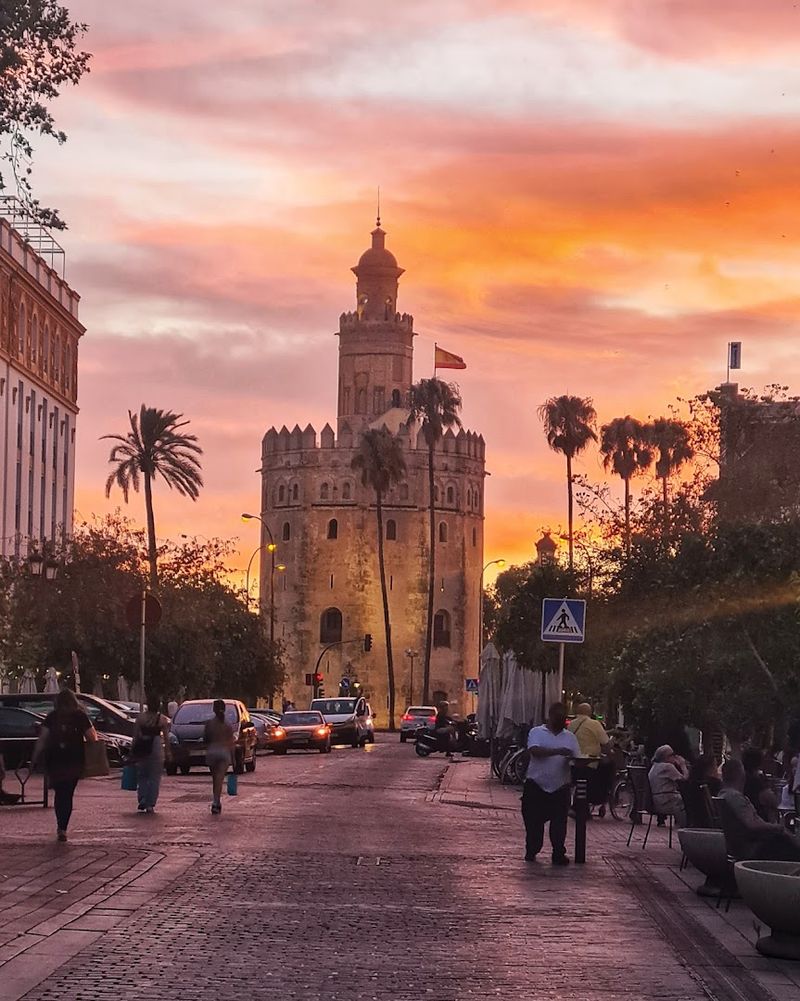
Nobody warns you how quickly Seville steals your heart. Orange trees line nearly every street, tiled buildings glow in the afternoon sun, and the smell of jasmine drifts through narrow alleys in spring.
This city does not rush for anyone.
The Real Alcazar is the crown jewel of Seville’s historic center. Its intricate Islamic-influenced architecture, lush gardens, and reflecting pools have been used by Spanish royalty for centuries.
UNESCO recognized the palace as a World Heritage Site, and walking through it feels genuinely surreal.
Plaza de Espana is another showstopper, with its sweeping semicircular design and hand-painted ceramic tiles representing every Spanish province. The old Jewish quarter of Santa Cruz rewards slow exploration through its whitewashed lanes and flower-filled courtyards.
Flamenco performances happen in intimate venues throughout the city, and watching live flamenco in Seville carries a raw emotional power that recordings simply cannot replicate. Evening life here starts late and finishes even later, which is perfectly normal.
Granada, Andalusia
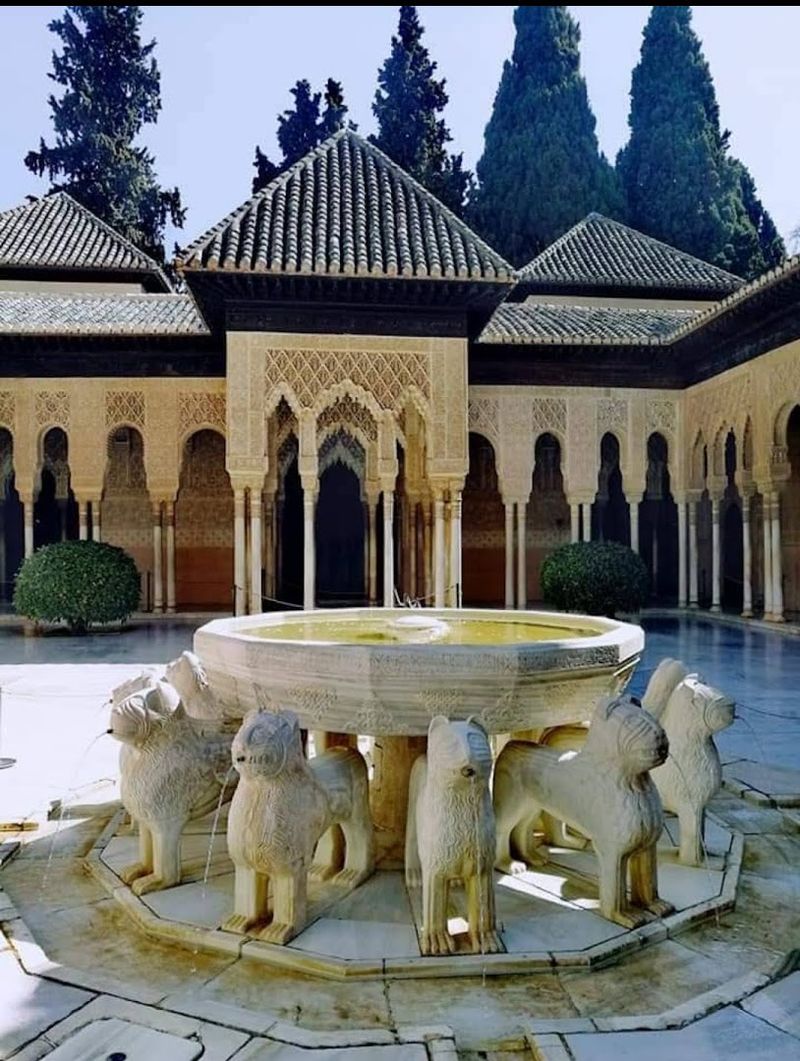
Few places in Europe carry the weight of history quite like Granada. The city was the last stronghold of Moorish rule in Spain, and that legacy is impossible to miss at every turn.
You feel it in the archways, the fountains, and the carved plasterwork that decorates ancient walls.
The Alhambra is one of the most visited monuments in the world, and it absolutely earns that reputation. The Nasrid Palaces inside the complex contain some of the finest Islamic decorative art ever created.
Book your tickets weeks in advance because same-day entry is rarely available during busy seasons.
Beyond the Alhambra, the hillside neighborhood of Albayzin offers winding cobblestone streets, traditional tea houses called teterias, and rooftop terraces with breathtaking views of the palace across the valley. The Generalife gardens nearby provide a peaceful retreat with trimmed hedges, rose bushes, and gurgling water channels.
Granada also has a generous local tradition of serving free tapas with every drink order, which makes exploring its bars both delicious and surprisingly affordable.
Barcelona, Catalonia
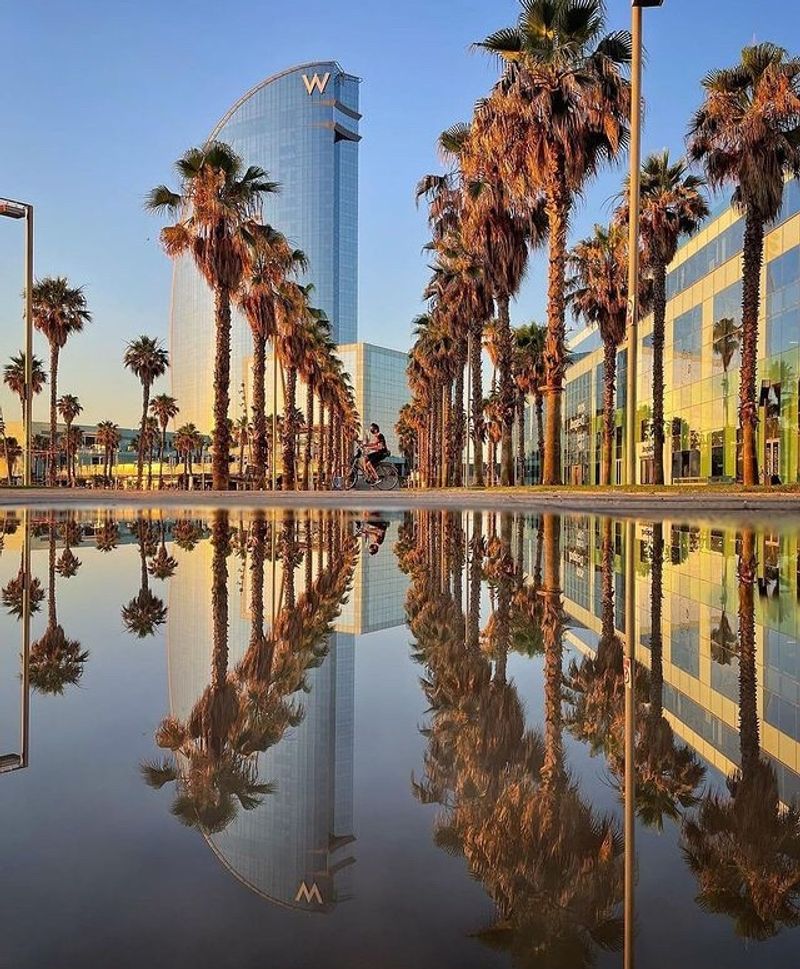
Gaudi built a city within a city. Barcelona’s streets are essentially an open-air museum of architectural imagination, and no building captures that spirit more than the Sagrada Familia, a basilica that has been under construction since 1882 and still manages to drop jaws every single day.
Barcelona is more than Gaudi, though. The Gothic Quarter holds centuries of layered history within its narrow medieval lanes, while La Barceloneta beach gives the city its relaxed Mediterranean personality.
Markets like La Boqueria overflow with fresh produce, seafood, and local snacks that make a morning stroll genuinely satisfying.
Catalan identity runs deep here, and locals are proud of their distinct language, cuisine, and traditions. Dishes like pa amb tomaquet, which is bread rubbed with tomato and olive oil, appear on almost every table.
The fashionable Gracia and Eixample neighborhoods offer excellent restaurants, independent bookshops, and lively plazas where locals gather in the evenings. Barcelona rewards visitors who slow down and explore beyond the famous landmarks, because the city’s real personality lives in its quieter corners and neighborhood bars.
Madrid
Madrid runs on a schedule that makes early risers deeply confused. Lunch happens at two in the afternoon, dinner rarely begins before nine at night, and the city’s famous nightlife barely gets started before midnight.
Once you adjust, it all makes perfect sense.
The city’s cultural credentials are extraordinary. The Prado Museum houses one of the greatest collections of European paintings in the world, including masterpieces by Velazquez, Goya, and El Bosco.
The nearby Reina Sofia and Thyssen-Bornemisza museums mean you could spend days in this one neighborhood alone without running out of art to see.
Away from the museums, Madrid rewards aimless wandering. The Sunday El Rastro flea market draws thousands of locals and visitors to its chaotic, colorful stalls.
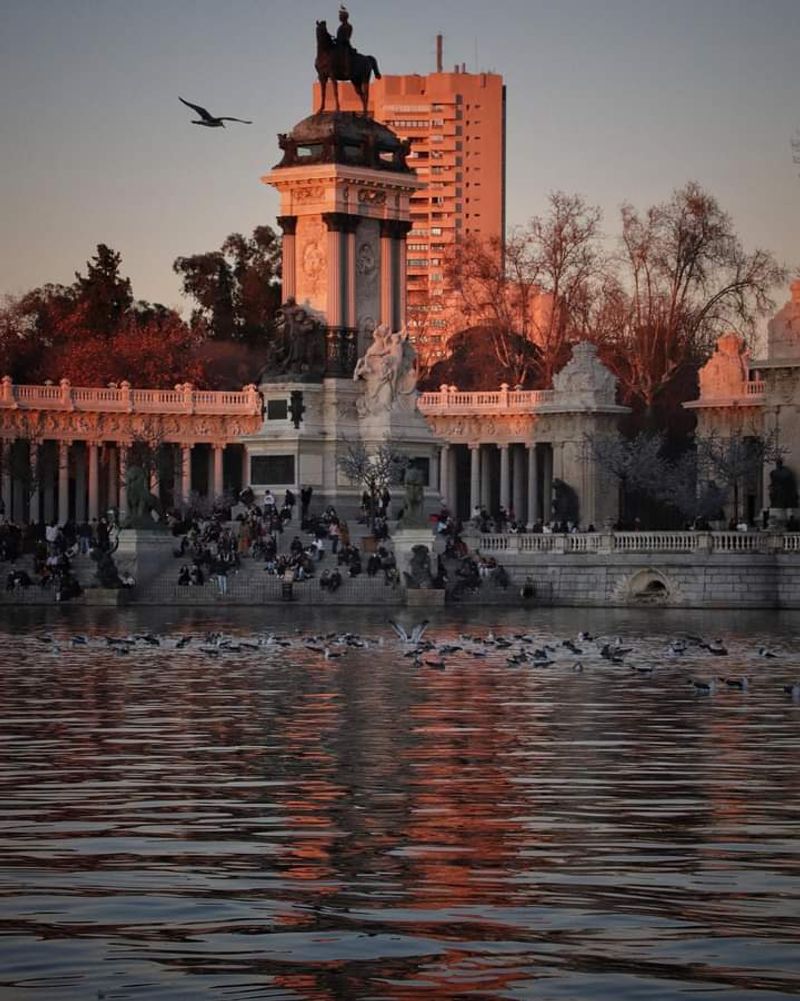
Mercado de San Miguel near Plaza Mayor serves pintxos, oysters, and local wines in a beautiful iron-and-glass market hall. Retiro Park provides a genuinely lovely green escape with its boating lake and shaded paths.
Madrid feels like a city that has figured out how to live well, and spending time here makes you want to take a few of those habits home.
Cordoba, Andalusia
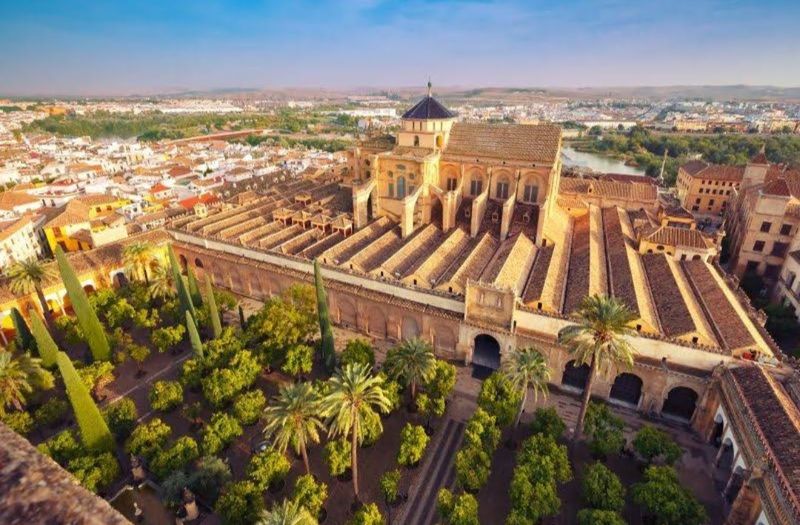
Cordoba once ruled as the most sophisticated city in medieval Europe. At its peak under Moorish rule, it boasted libraries, universities, and a population larger than London or Paris at the time.
Walking through its historic center today, that extraordinary past feels surprisingly close.
The Mezquita-Cathedral is unlike any building you have ever entered. A Christian cathedral was built directly inside a magnificent 10th-century mosque, creating a bizarre but somehow beautiful collision of two faiths within one roof.
The forest of red-and-white striped arches stretching endlessly in every direction is genuinely one of Spain’s most breathtaking sights.
Cordoba’s famous patios festival happens every May, when residents open their private flower-filled courtyards to the public in a friendly neighborhood competition. Geraniums, jasmine, and bougainvillea cascade down whitewashed walls in extraordinary bursts of color.
The Jewish Quarter nearby contains narrow streets, a small historic synagogue, and excellent tapas bars serving local specialties like salmorejo, a thick cold tomato soup topped with jamón and boiled egg. Cordoba is compact enough to explore comfortably on foot, which makes it an ideal addition to any Andalusia itinerary.
Toledo, Castilla-La Mancha
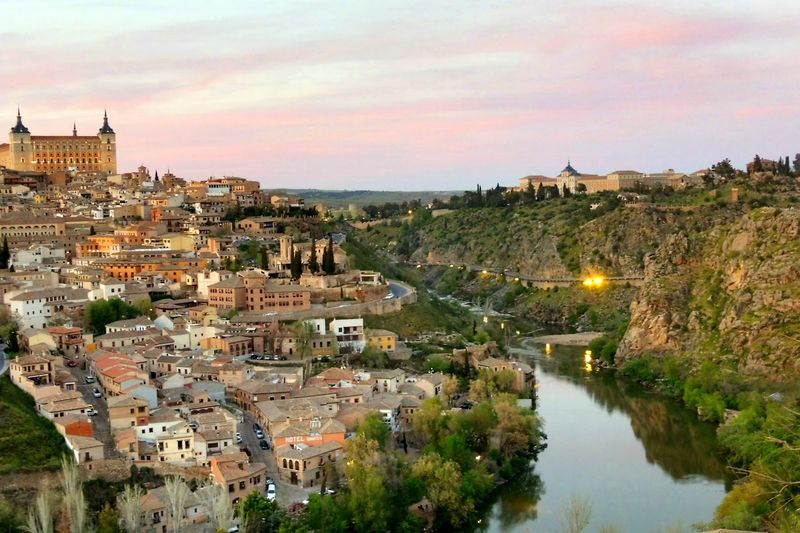
Standing on the hillside opposite Toledo at dusk, you understand immediately why El Greco painted this city so obsessively. The silhouette of spires, towers, and ancient walls rising above the Tagus River looks almost too dramatic to be real.
Toledo earns every bit of its reputation.
Three major religions coexisted in Toledo during the medieval period, and their shared legacy is written into the city’s architecture. The enormous Gothic cathedral, two historic synagogues, and a 10th-century mosque all stand within a short walk of each other.
This remarkable concentration of religious heritage earned Toledo its UNESCO World Heritage status in 1986.
The city is also famous for its traditional marzipan, sold in beautifully decorated boxes from bakeries throughout the old quarter. Steel craftsmanship has been practiced here since Roman times, and Toledo swords remain prized by collectors worldwide.
Narrow stone streets wind unpredictably through the medieval center, rewarding explorers with hidden plazas and quiet viewpoints. Day-trippers from Madrid often visit Toledo in a few hours, but staying overnight allows you to experience the city after the crowds leave, when its atmospheric streets take on an entirely different and more magical quality.
San Sebastian, Basque Country
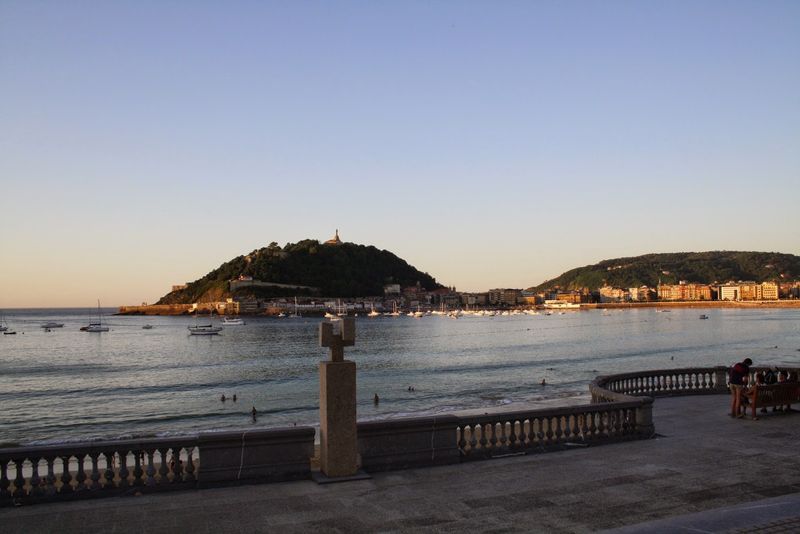
Chefs from around the world make pilgrimages to San Sebastian the way art lovers travel to Florence. This elegant Basque city has more Michelin stars per square kilometer than almost anywhere else on the planet, and even its casual pintxos bars serve food that puts most restaurants to shame.
La Concha Bay is widely considered one of the most beautiful urban beaches in Europe. The crescent of golden sand curves between two green hills, with the island of Santa Clara sitting calmly in the middle of the bay.
The promenade lining the beach is perfect for a long evening stroll as the sun drops toward the horizon.
The old quarter, known locally as Parte Vieja, packs an extraordinary number of pintxos bars into a compact grid of narrow streets. The custom is to grab a small plate, pile it with bite-sized snacks displayed along the bar counter, and wash everything down with local txakoli wine or cold cider.
Pintxos culture here is social, affordable, and genuinely delicious. Beyond food, San Sebastian hosts a celebrated international film festival every September that draws stars and cinema lovers from across the world.
Santiago de Compostela, Galicia
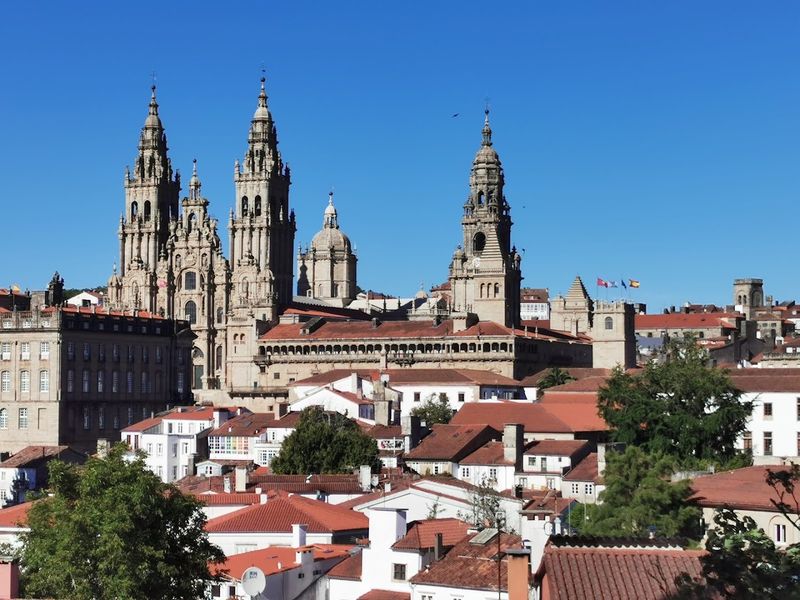
Every year, hundreds of thousands of people walk hundreds of miles just to arrive at this square. Plaza del Obradoiro, with its towering Baroque cathedral rising above the granite pavement, is the final destination of the Camino de Frances, one of the most famous pilgrimage routes in the world.
The emotion of arriving here after weeks of walking is something pilgrims describe as life-changing.
You do not need to walk the Camino to appreciate Santiago de Compostela, though. The old town is a beautifully preserved medieval city of covered stone arcades, ancient monasteries, and lively student plazas.
Galician culture gives the city a distinct personality, with bagpipes played in the streets, local empanada pastries sold in bakeries, and fresh seafood everywhere.
The cathedral itself is extraordinary, with its ornate facade, incense-swinging Botafumeiro ceremony during special masses, and a crypt containing the remains of Saint James. The Mercado de Abastos nearby is one of the best food markets in Spain, overflowing with octopus, barnacles, and Galician cheeses.
Rain is common in this corner of Spain, but it only adds to the moody, atmospheric quality that makes Santiago so memorable.
Ronda, Andalusia
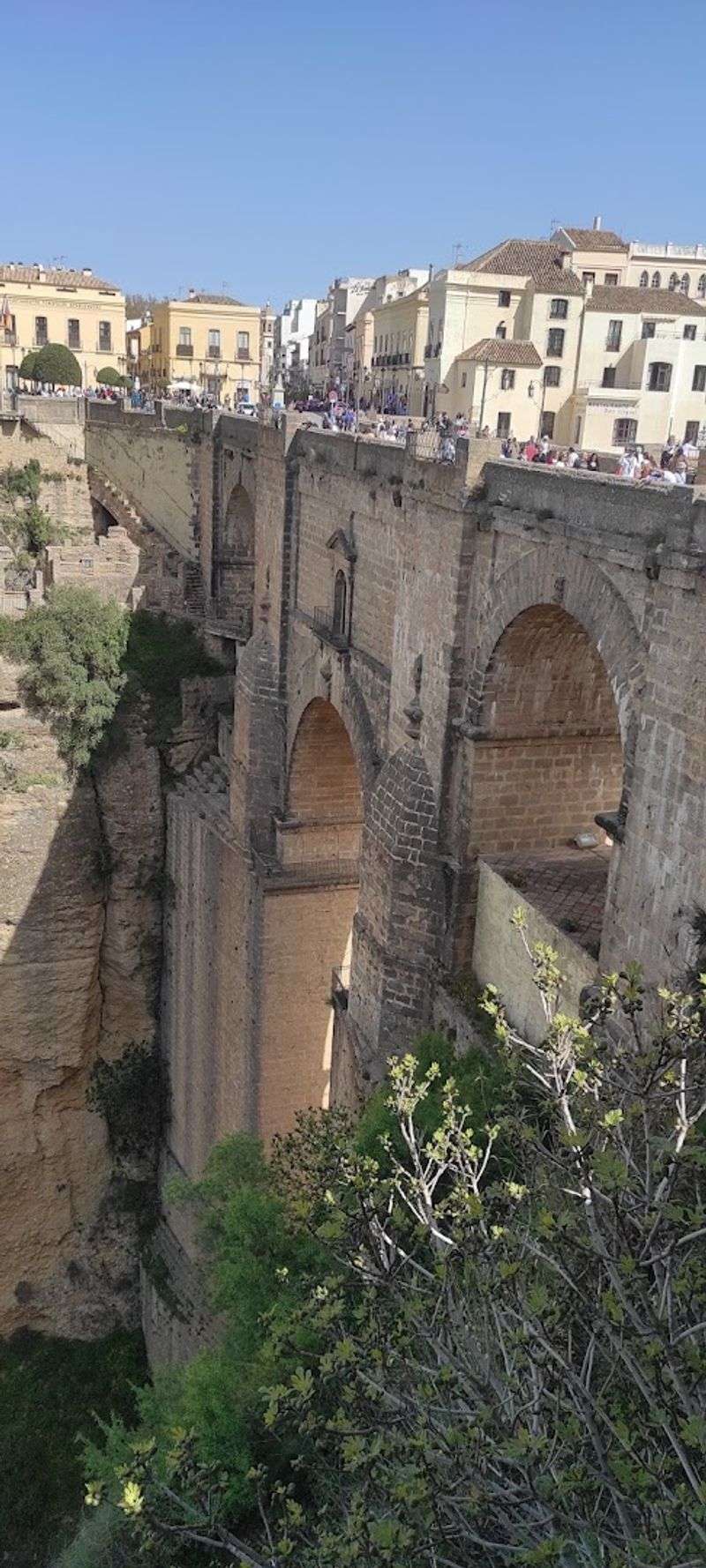
Ronda is the kind of place that makes you stop walking and just stare. The town sits on a plateau split by the Tajo Gorge, a jaw-dropping chasm that drops nearly 120 meters straight down into the valley below.
The Puente Nuevo bridge connecting the two halves of the town took 42 years to build and remains one of Spain’s most photographed structures.
Hemingway loved Ronda and wrote about its bullfighting tradition with deep admiration. The town’s bullring, built in 1784, is one of the oldest and most beautiful in Spain.
Whether or not bullfighting interests you, the architecture of the plaza de toros is genuinely impressive and the attached museum provides fascinating historical context.
Beyond the gorge and the bridge, Ronda offers a charming old town with Moorish baths, a historic Arab minaret, and winding whitewashed streets typical of Andalusia. The surrounding countryside belongs to the Sierra de las Nieves Natural Park, where vineyards, olive groves, and cork oak forests create a landscape of quiet rural beauty.
Ronda is close enough to the Costa del Sol for a day trip, but spending a night here lets you experience the town’s moody, cinematic atmosphere after the tour buses depart.
Salamanca, Castilla y Leon
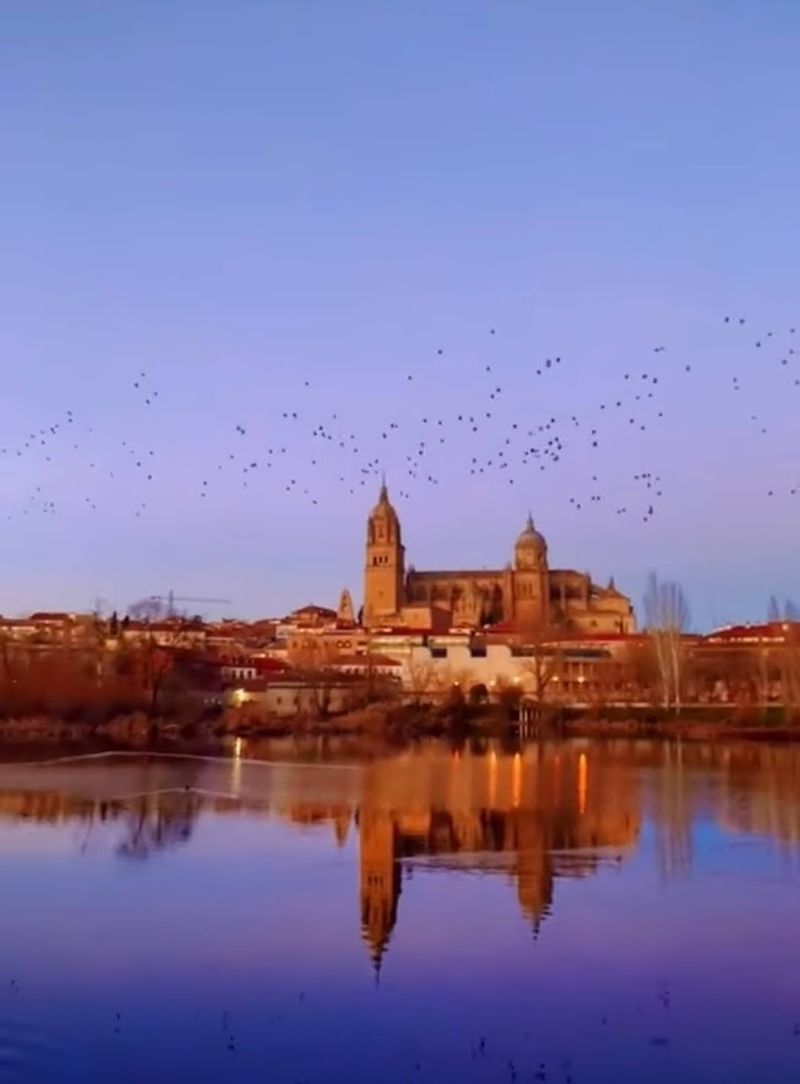
Salamanca glows. Literally.
The local sandstone used to build most of the city contains tiny fossils that catch the sunlight and radiate a warm amber color at dusk. Locals call this the hora dorada, the golden hour, and the Plaza Mayor during this time is one of the most beautiful sights in Spain.
The University of Salamanca, founded in 1218, is one of the oldest universities in the world and still educates thousands of students today. That student energy keeps the ancient city surprisingly lively, with packed bars, street musicians, and buzzing plazas that stay animated late into the evening.
Academic tradition blends effortlessly with youthful enthusiasm throughout the city.
The cathedral complex is actually two cathedrals joined together, an old Romanesque one and a newer Gothic one built alongside it. The Casa de las Conchas, a 15th-century palace covered in carved stone scallop shells, is another local landmark worth seeking out.
According to legend, a professor carved a frog onto the facade of the university building, and finding it is said to bring good luck on exams. Students have been searching for it anxiously for centuries, and visitors love trying their luck too.
Segovia, Castilla y Leon
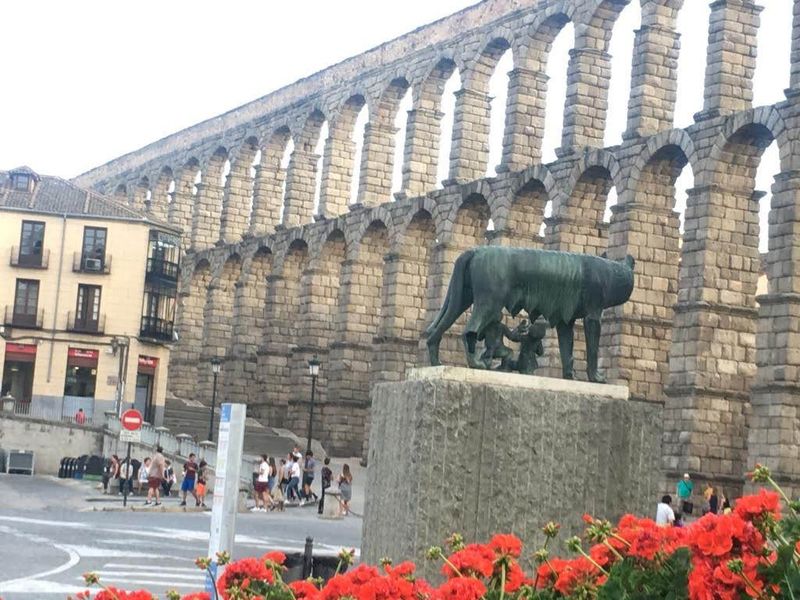
The Romans built Segovia’s aqueduct around 2,000 years ago using granite blocks stacked without a single drop of mortar or cement. It still stands today, running for more than 800 meters through the heart of the city, and it remains one of the best-preserved Roman engineering achievements anywhere in the world.
That fact alone makes Segovia worth visiting.
Past the aqueduct, the medieval city rises steeply toward its two most dramatic landmarks. The Gothic cathedral, completed in 1577, is one of the last great Gothic cathedrals built in Spain.
The Alcazar, a turreted fortress perched on a rocky promontory where two rivers meet, is said to have inspired the design of Cinderella’s castle at Disneyland, though Disney has never officially confirmed it.
Segovia’s culinary specialty is cochinillo asado, roast suckling pig so tender it is traditionally carved with the edge of a ceramic plate rather than a knife. Several historic restaurants in the city have been serving this dish for generations, and the ritual of the plate-carving ceremony adds genuine theater to the meal.
Segovia sits just 90 minutes from Madrid by train, making it one of the most rewarding and easy day trips from the Spanish capital.
Cadiz, Andalusia
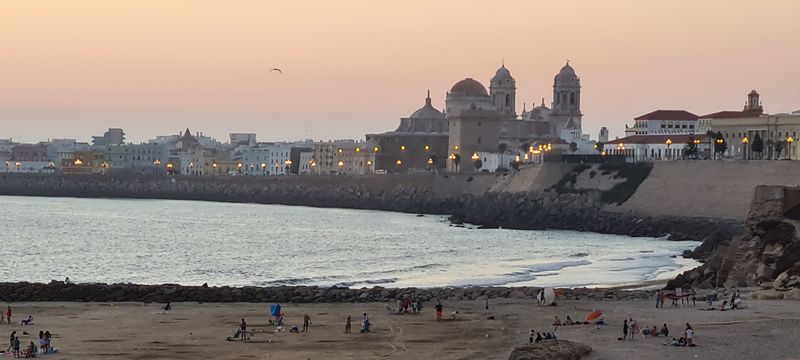
Cadiz is technically one of the oldest continuously inhabited cities in Western Europe, founded by Phoenician traders around 1100 BC. It does not feel that ancient when you are standing in its breezy plazas eating fresh fried fish from a paper cone, but knowing the history makes the whole experience feel richer.
Almost entirely surrounded by the Atlantic Ocean, Cadiz has a salty, windswept energy that feels different from any other Andalusian city. The old town is a compact maze of narrow streets, baroque churches, and sunlit plazas where locals gather to chat and watch the world go by.
Golden watchtower domes dot the skyline, built by wealthy merchants in the 18th century to watch for their trading ships returning from the Americas.
The city’s Carnival celebration is one of the most famous in Spain, known for its sharp political satire, elaborate costumes, and musical groups called chirigotas that perform witty, irreverent songs in the streets. Cadiz also sits close to excellent Atlantic beaches, including Playa de la Caleta within the old town itself.
The local seafood is outstanding, with fried anchovies, cuttlefish, and prawns appearing on menus throughout the city at very reasonable prices.
Cadaques, Catalonia
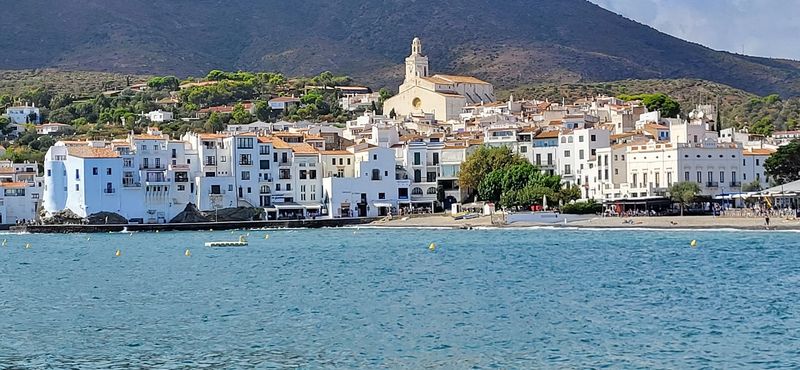
Salvador Dali chose Cadaques as his home for a reason. This whitewashed fishing village tucked between rugged Cap de Creus mountains and the glittering Mediterranean has an otherworldly quality that seems to sharpen creative instincts.
Dali spent summers here throughout his life, and his house in nearby Portlligat is now a fascinating museum.
Cadaques earned its artistic reputation honestly. Picasso, Matisse, Marcel Duchamp, and Federico Garcia Lorca all visited the village at various points during the 20th century.
The narrow lanes, rocky coves, and sharp Mediterranean light that attracted them remain essentially unchanged today, which is part of why the town feels so special.
The village is only accessible by a winding mountain road with no train connection, which naturally limits the number of visitors and preserves its unhurried character. Arriving by car along the hairpin bends and suddenly glimpsing the white village below against the blue sea is a moment you will not forget.
The best time to visit is May, June, or September, when the summer crowds have thinned but the weather remains warm and the sea is calm enough for swimming in the rocky coves surrounding the town.
Costa Brava, Catalonia
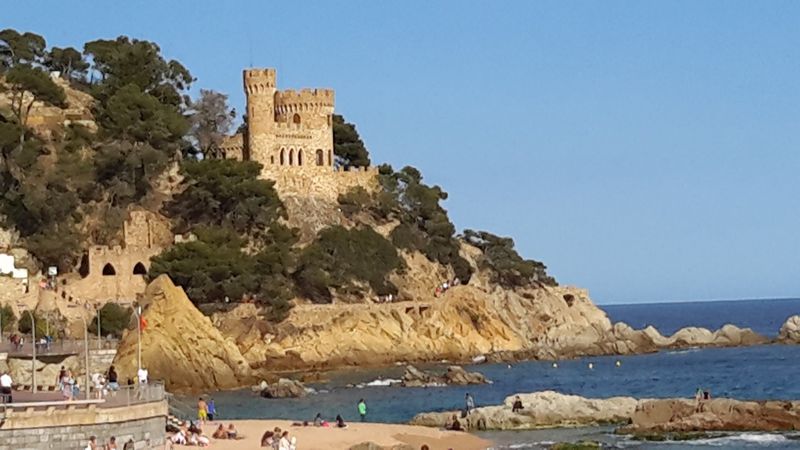
The name means wild coast, and the Costa Brava earns it. This stretch of Catalan coastline running from Blanes to the French border is all jagged limestone cliffs, hidden coves, dense pine forests, and water so clear you can count the fish swimming beneath your kayak.
It is the Mediterranean at its most dramatic and most beautiful.
Unlike the overdeveloped stretches of coastline further south, the Costa Brava has managed to preserve much of its natural character. Charming towns like Begur, Calella de Palafrugell, and Tossa de Mar offer medieval architecture, excellent seafood restaurants, and beaches without the industrial-scale tourism found elsewhere.
The GR-92 coastal hiking trail connects many of these villages through stunning clifftop scenery.
The region is also deeply connected to Salvador Dali, whose surrealist imagination was clearly shaped by its landscapes. The Dali Theatre-Museum in Figueres and the castle he gave to his wife Gala in Pubol are both within easy reach.
Local cuisine here leans heavily on fresh fish, anchovies from L’Escala, and the Catalan sauce romesco. Visiting outside July and August gives you calmer roads, quieter beaches, and a more authentic taste of everyday life along one of Europe’s most rewarding coastlines.
Picos de Europa
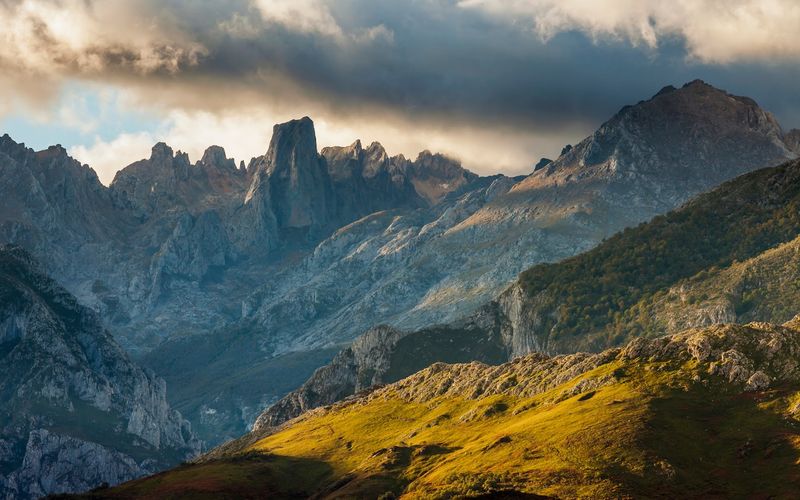
Most visitors to Spain never make it this far north, and that is honestly their loss. Picos de Europa National Park stretches across three regions of northern Spain and protects a landscape of soaring limestone peaks, ancient oak and beech forests, glacial lakes, and deep river gorges that feel genuinely wild and untouched.
The park’s most iconic viewpoint is the Mirador del Cable, reached by cable car from the village of Fuente De. From the top, the views across the jagged peaks and valleys below are extraordinary.
Serious hikers come for multi-day routes through remote mountain terrain, while casual walkers can enjoy well-marked trails through riverside meadows and traditional farming villages.
The local food culture here is completely different from southern Spain. Fabada asturiana, a rich stew of white beans, chorizo, and blood sausage, keeps walkers warm after a long day on the trails.
Cabrales blue cheese, made in mountain caves throughout the park, is pungent, creamy, and unlike any cheese you have tasted before. The region also produces excellent cider, poured from a great height in the traditional Asturian style.
Picos de Europa reveals a greener, wilder, quieter Spain that most tourists never discover, which makes finding it feel like a genuine secret worth keeping.
Share this story