
College is not just about business, law, or medicine anymore. Some universities across the United States offer degrees that sound almost too fun or too specific to be real, yet they lead to genuine careers.
From managing theme parks to studying the science of bread, these programs prove that higher education can match almost any passion. If you have ever wondered whether your unusual interest could become a career, the answer might surprise you.
1. Puppetry – University of Connecticut
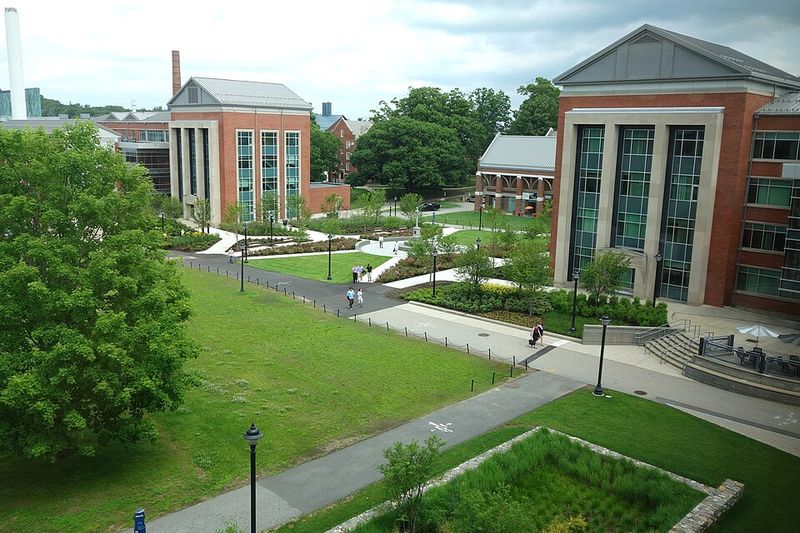
Puppetry might seem like something reserved for children’s birthday parties, but the University of Connecticut takes it seriously enough to offer a full degree program. Students learn the history of puppetry, construction techniques, and performance skills that date back thousands of years across many cultures.
Graduates work in television, film, theater, and even theme parks. Productions like “Sesame Street” and Broadway shows such as “Avenue Q” have employed trained puppeteers with formal education.
The program blends fine arts, engineering, and storytelling in a way few other degrees can match. You learn how to build your puppets from scratch and bring them to life convincingly in front of an audience.
It is a rare combination of craft and performance that opens doors in entertainment, education, and beyond.
2. Fermentation Sciences – Appalachian State University
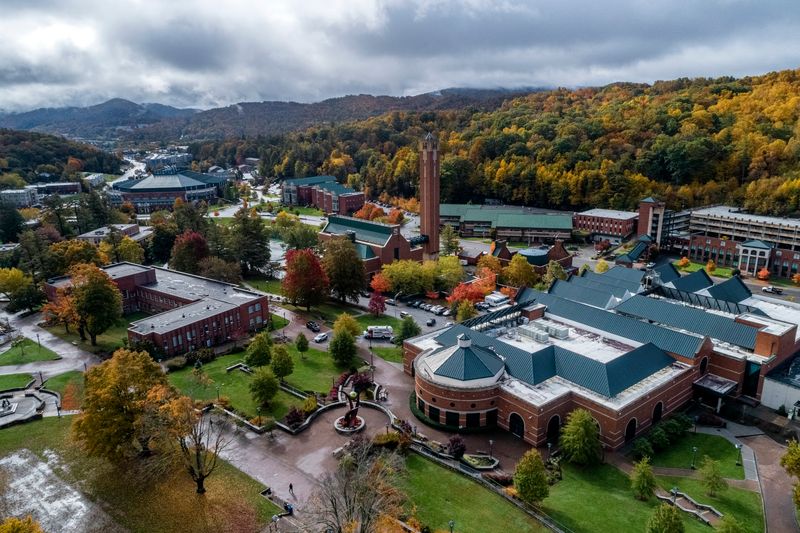
Long before craft beer and artisan kombucha became trendy, fermentation was a science. Appalachian State University recognized that and built a degree around the biology, chemistry, and business of fermented products.
Students study microbiology, food safety regulations, and the art of producing beer, wine, cider, and other fermented goods at a professional level. The program even includes hands-on brewing and production experience in real facilities.
Graduates pursue careers with craft breweries, wineries, food companies, and research institutions. The craft beverage industry has grown rapidly over the past decade, creating real demand for people who understand fermentation at a scientific level.
This is not just about tasting good drinks. It is about understanding the living organisms, chemical reactions, and quality controls that make those drinks possible.
Few degrees blend science and sensory experience quite like this one.
3. Theme Park and Attraction Management – University of Central Florida
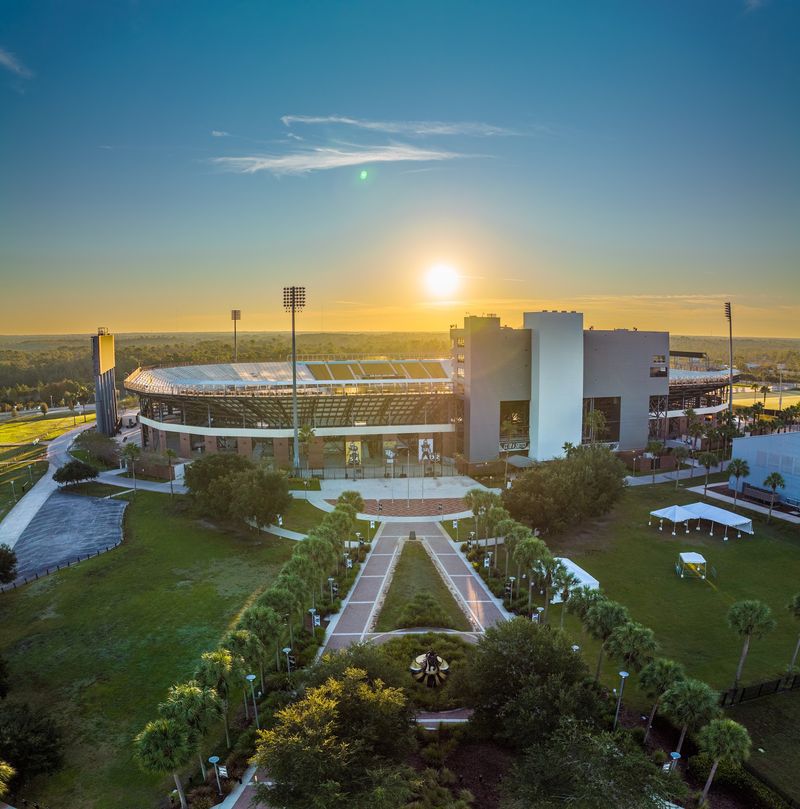
Orlando, Florida, is the theme park capital of the world, so it makes perfect sense that the University of Central Florida offers a degree in managing those parks. Students learn operations, guest experience, marketing, and the logistics of running massive entertainment venues.
The program partners with major industry players, giving students access to internships and networking opportunities that most business graduates can only dream about. Imagine doing your coursework a short drive from Walt Disney World, Universal Studios, and SeaWorld.
Career paths include roles in operations management, event planning, hospitality, and attraction development. The skills learned here transfer easily to hotels, cruise lines, and entertainment companies worldwide.
Theme parks generate billions of dollars annually and employ thousands of workers who need trained managers at every level. This degree turns a love of fun into a focused, professional career path with real earning potential.
4. Entertainment Engineering and Design – University of Nevada, Las Vegas
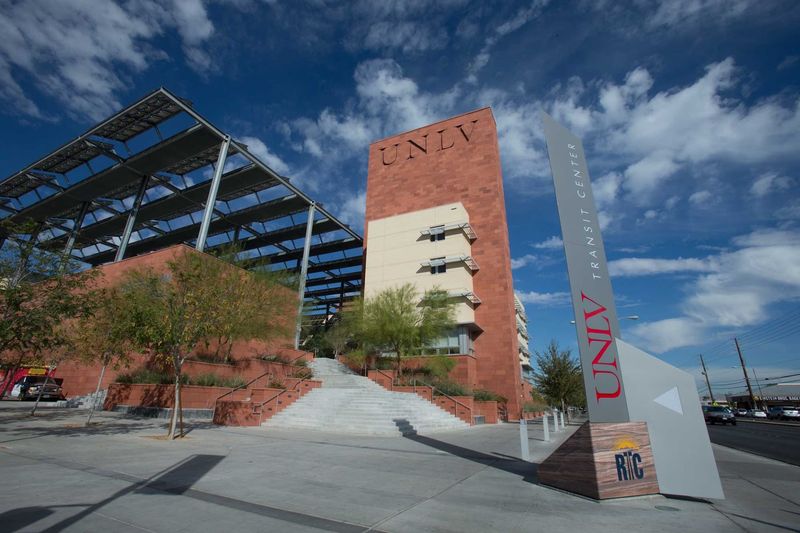
Las Vegas is a city built on spectacle, so training the engineers behind those spectacular shows right there makes perfect sense. The University of Nevada, Las Vegas, offers a degree that combines theatrical design with real engineering principles.
Students learn how to design lighting systems, rigging, automation, and special effects used in live entertainment. The curriculum blends physics, electronics, and creative design in a way that prepares graduates to work on world-class productions.
Career opportunities span concert tours, Broadway productions, theme park attractions, and the massive casino resort shows that define Las Vegas entertainment. This program is one of the very few in the country that approaches entertainment production from a true engineering standpoint rather than just a design perspective.
If you have always loved both building things and the magic of live performance, this degree bridges those two worlds in a genuinely exciting way.
5. Sequential Art – Savannah College of Art and Design
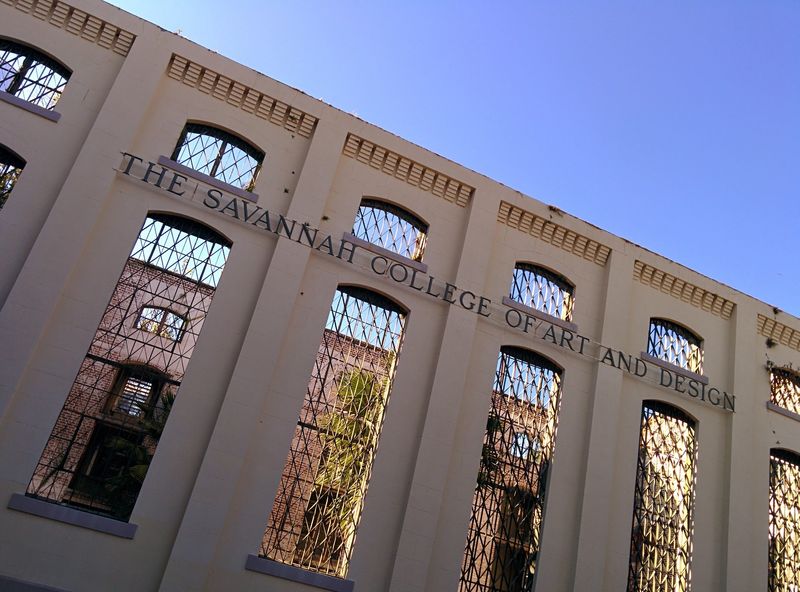
Sequential art is the official term for storytelling through a series of images, which includes comic books, graphic novels, and storyboards. The Savannah College of Art and Design has built a respected program around this art form that many once dismissed as just entertainment.
Students study visual narrative, character design, panel composition, and the business side of publishing. Instructors often include working professionals from the comic and animation industries, bringing real-world perspective into the classroom.
Graduates find work at major comic publishers like Marvel and DC, animation studios, advertising agencies, and video game companies. Graphic novels have become a legitimate literary format recognized by schools and libraries everywhere.
Studying sequential art at this level means learning to communicate complex ideas visually and efficiently, a skill that transfers across film, advertising, education, and digital media. The program treats the comic panel as seriously as any fine art canvas.
6. Viticulture and Enology – Cornell University
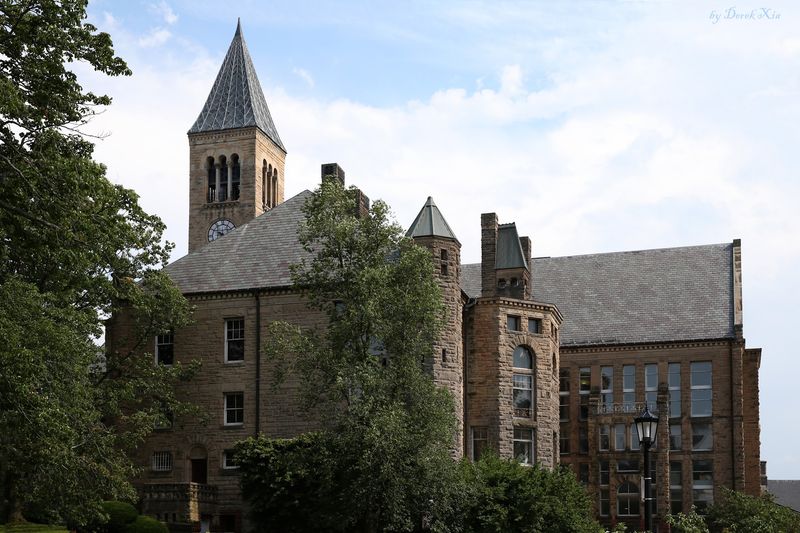
Viticulture is the science of growing grapes, and enology is the science of making wine. Cornell University in New York offers a degree combining both fields, training students to understand everything from soil chemistry to fermentation and wine marketing.
The Finger Lakes region surrounding Cornell is one of the most respected wine-producing areas on the East Coast, giving students a natural outdoor classroom. They learn about climate, pest management, harvesting techniques, and the chemical processes that turn grapes into finished wine.
Career options include winemaker, vineyard manager, wine educator, sommelier consultant, and roles in the growing wine tourism industry. Global wine production is a multi-billion-dollar business that needs scientifically trained professionals at every stage.
This degree is surprisingly rigorous, combining plant science, chemistry, and business management. For anyone passionate about agriculture and the culinary world, it offers a sophisticated and rewarding career path worth serious consideration.
7. Fire, Arson and Explosion Investigation – Eastern Kentucky University
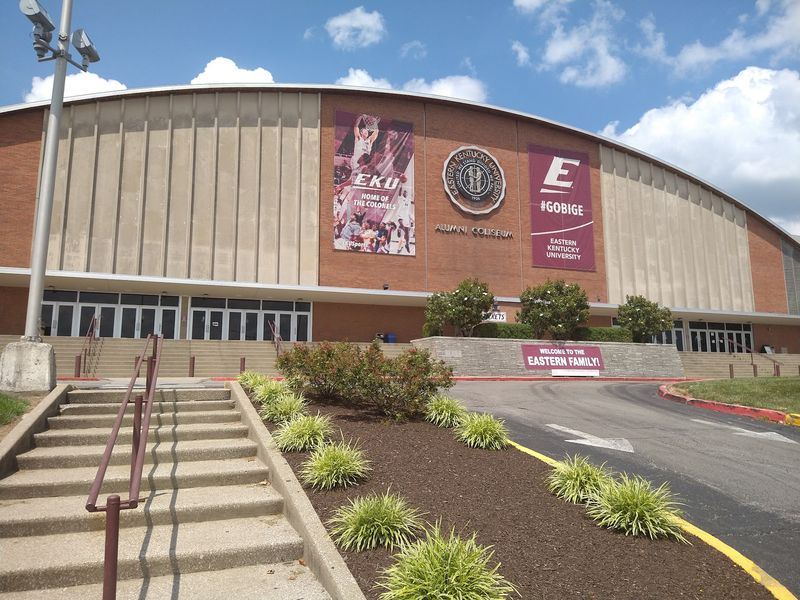
Solving the mystery of how a fire started requires a unique combination of chemistry, law, and investigative skill. Eastern Kentucky University offers one of the few degree programs in the country specifically dedicated to fire, arson, and explosion investigation.
Students learn fire behavior, evidence collection, legal procedures, and how to reconstruct fire scenes to determine their origin and cause. The program prepares graduates for careers with fire departments, insurance companies, law enforcement agencies, and federal organizations like the ATF.
Arson is responsible for billions of dollars in property damage each year in the United States alone, and trained investigators are always in demand. Courses cover everything from reading burn patterns to testifying as an expert witness in court.
Few careers combine the problem-solving intensity of detective work with the physical and scientific challenges of fire science. This degree turns curiosity about fire into a legitimate, high-stakes profession.
8. Packaging Science – Rochester Institute of Technology
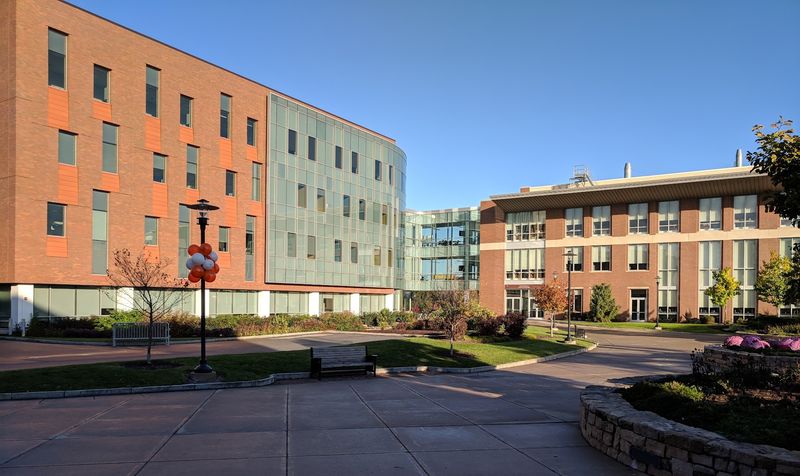
Every product you have ever bought came in some kind of packaging, and someone with specialized training designed that container. Rochester Institute of Technology offers a degree in packaging science, one of the few programs of its kind in the entire country.
Students study materials science, structural design, sustainability, consumer psychology, and supply chain logistics. The goal is to create packaging that protects products, attracts customers, and minimizes environmental impact all at once.
Graduates are highly sought after by consumer goods companies, food manufacturers, pharmaceutical firms, and e-commerce businesses. With growing pressure on companies to reduce plastic waste and improve sustainability, packaging scientists are more valuable than ever.
Starting salaries in this field are competitive, and job placement rates for graduates tend to be strong. Packaging might not be the most glamorous topic at first glance, but the career opportunities and the real-world impact of this work are genuinely impressive.
9. Toy Design – Fashion Institute of Technology

Toys are serious business, and the Fashion Institute of Technology in New York City trains the creative minds behind them. The toy design program combines product design, child development theory, manufacturing knowledge, and creative storytelling.
Students build prototypes, study play behavior across age groups, and learn how to pitch ideas to major toy companies. The program has strong industry connections, and students often get exposure to companies like Hasbro and Mattel through events and competitions.
The global toy market is worth over 100 billion dollars, making this field a surprisingly lucrative creative career. Graduates work as product designers, creative directors, brand managers, and toy inventors.
Understanding what makes a toy engaging, safe, and manufacturable at scale requires a specific skill set that very few schools teach. This degree takes childhood imagination and transforms it into a professional discipline with real commercial applications and lasting cultural impact.
10. Turfgrass Science – The Ohio State University

Perfect grass does not happen by accident. The Ohio State University offers a degree in turfgrass science, training students to manage the grass used on golf courses, sports stadiums, parks, and lawns across the country.
Coursework covers plant biology, soil science, irrigation management, pest control, and the specific demands of different grass species in various climates. Students often get hands-on experience maintaining real athletic fields and golf courses as part of their training.
Career opportunities include roles with professional sports teams, golf course management companies, sod farms, and municipal parks departments. Major sports venues pay serious money to keep their playing surfaces in top condition because field quality directly affects player performance and safety.
Turfgrass scientists are the quiet professionals making sure the grass at your favorite stadium looks that good. It is a niche field with steady demand and room to grow professionally.
11. Professional Golf Management – Clemson University
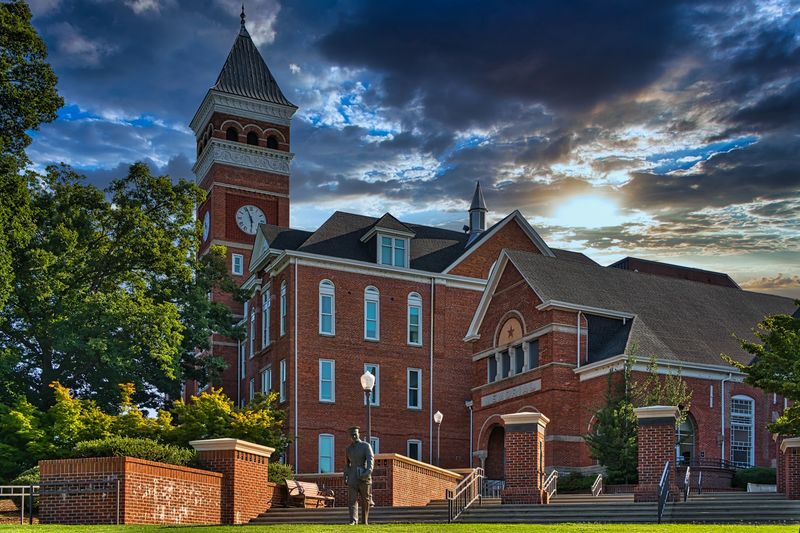
Golf is a multi-billion-dollar industry, and Clemson University prepares students to run it. The Professional Golf Management program combines business education with hands-on training in golf operations, teaching students how to manage courses, pro shops, tournaments, and member services.
Students complete internships at golf facilities and must meet playing ability standards set by the Professional Golfers Association of America. The PGA has accredited only a limited number of programs nationwide, making Clemson’s version especially prestigious.
Graduates pursue careers as PGA professionals, golf directors, club managers, and course developers. The golf industry supports over 2 million jobs in the United States and attracts a loyal, spending audience.
Beyond playing the game, this degree teaches the business strategies, customer service skills, and operational knowledge needed to thrive in a competitive market. For golf lovers who also have a head for business, this program offers a focused and rewarding path forward.
12. Adventure Education – Plymouth State University
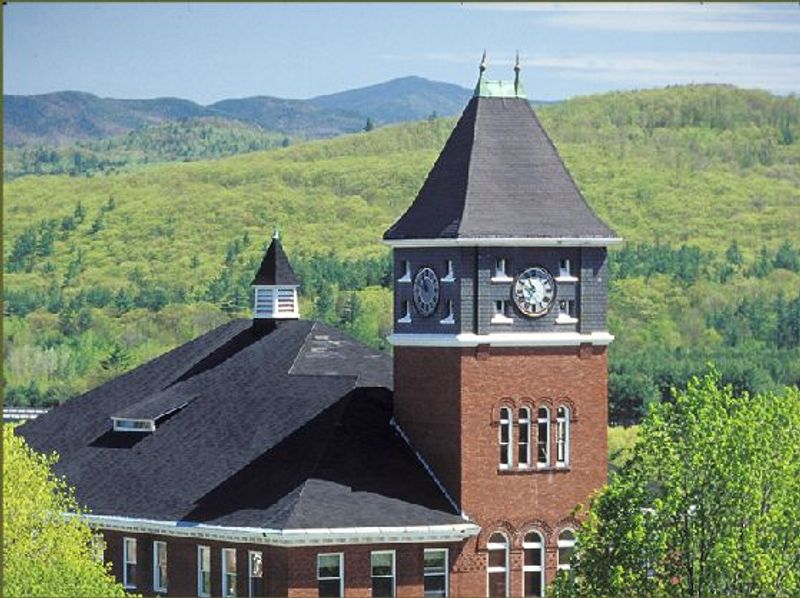
Plymouth State University in New Hampshire sits in the middle of some of the best outdoor terrain in the Northeast, making it an ideal home for an adventure education degree. Students learn how to lead outdoor experiences that promote personal growth, teamwork, and environmental awareness.
The curriculum includes wilderness first aid, risk management, leadership theory, and facilitation skills for activities like rock climbing, kayaking, and backcountry camping. Graduates are trained to create safe and meaningful outdoor experiences for all kinds of participants.
Career paths include outdoor education program director, camp administrator, corporate team-building facilitator, and wilderness therapy guide. Research consistently shows that outdoor experiences improve mental health, confidence, and social skills in young people.
This degree takes the joy of being outside and turns it into a structured, evidence-based profession. If spending your workdays in the mountains while helping others grow sounds appealing, adventure education might be the perfect fit.
13. Bakery Science and Management – Kansas State University
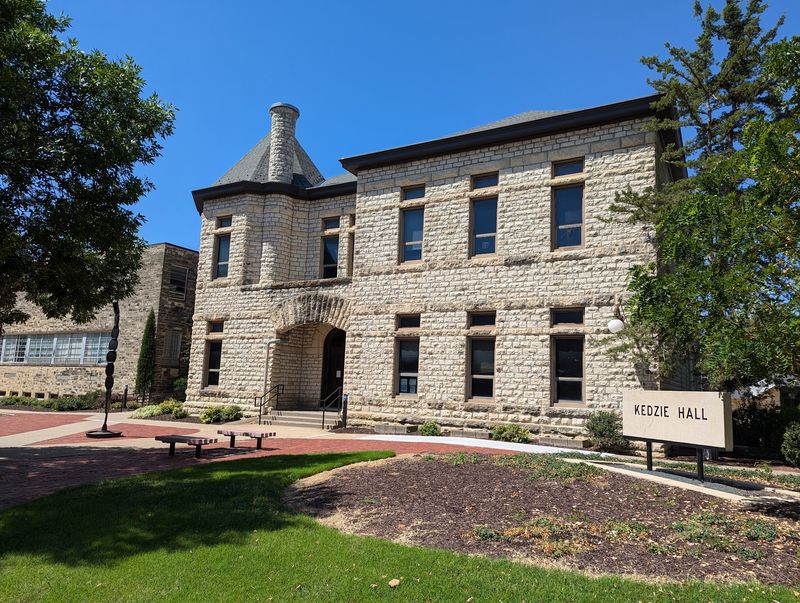
Bread is one of the oldest foods in human history, and Kansas State University treats the science behind it with the respect it deserves. The Bakery Science and Management program is one of the most specialized food science degrees available anywhere in the country.
Students study grain chemistry, dough rheology, production technology, food safety regulations, and the business management skills needed to run a large-scale baking operation. Kansas is the heart of American wheat country, making it a natural fit for this kind of program.
Graduates work for major commercial bakeries, ingredient suppliers, food research laboratories, and government food safety agencies. The commercial baking industry produces over 50 billion dollars in product value annually in the United States.
Understanding the science behind texture, shelf life, and flavor at a technical level is what separates a trained professional from a home baker. This degree is far more rigorous and rewarding than most people expect.
14. Race Track Industry – University of Arizona
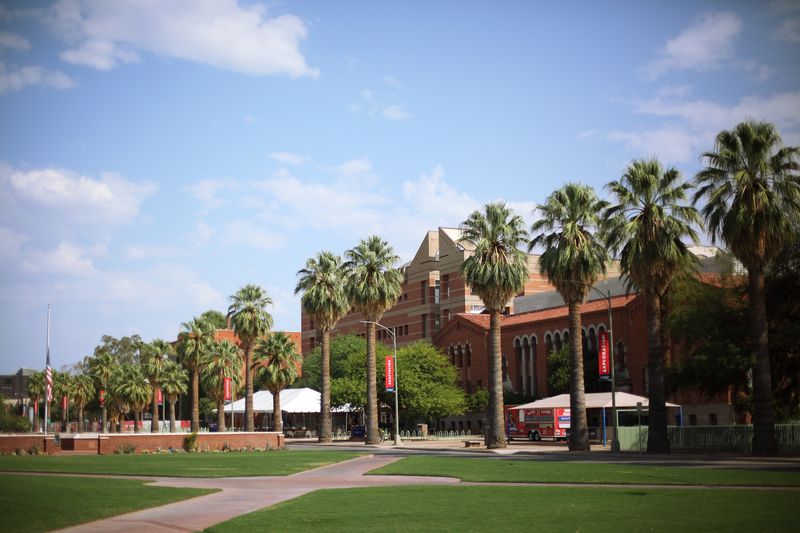
Horse racing is one of the oldest and most storied sports in American history, and the University of Arizona offers a degree specifically designed to prepare students for careers within that industry. The Race Track Industry Program covers racing operations, equine business, marketing, and wagering systems.
Students learn the legal framework surrounding horse racing, how tracks are managed, how to analyze racing data, and how the betting and breeding industries connect. Internship opportunities at major tracks and breeding farms are a core part of the experience.
Graduates work as racing officials, track managers, equine business consultants, and marketing directors for racing organizations. The horse racing industry generates billions in economic activity annually and needs trained professionals who understand both the sport and the business behind it.
This program is one of the few in the world offering this level of specialization, making graduates highly competitive in a tight-knit but financially significant industry.
15. Comic Art – Minneapolis College of Art and Design
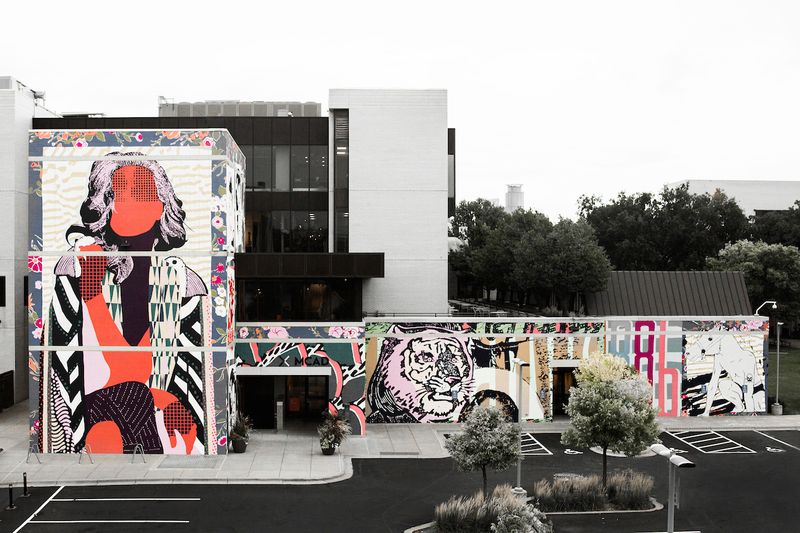
Comics have evolved from newsprint pages to museum exhibitions and university curricula. The Minneapolis College of Art and Design offers a dedicated Comic Art degree that takes the medium seriously as both a visual art form and a storytelling discipline.
Students build skills in figure drawing, narrative structure, color theory, digital illustration, and independent publishing. The program encourages personal artistic voice while also preparing students for professional markets in publishing, animation, and digital media.
Minneapolis has a thriving independent arts scene, and the college connects students with local and national comics communities. Graduates have gone on to publish their own graphic novels, work for major publishers, contribute to animation projects, and teach the art form themselves.
The rise of graphic novels in mainstream bookstores and school reading lists has made trained comic artists more relevant than ever. This degree validates the comic panel as a serious and powerful form of human expression.
Share this story