In 1965, most baseball fans followed their heroes through morning box scores, transistor radios, and the occasional Saturday Game of the Week on television. Color TV sets were still rare, so plenty of kids first learned what a star looked like from a five-cent pack of Topps cards.
That same year, the Houston Astrodome opened as the first domed stadium, and the first amateur draft was held in June. The game was changing fast, yet the players on the field were what everyone argued about at school.
The season ended with the Los Angeles Dodgers facing the Minnesota Twins in a World Series that went the full seven games. Along the way, several future Hall of Famers turned in some of the best work of their careers.
A few were aging legends near the finish line, while others were young players just getting warmed up. Some names on this list are still famous today.
Others might take a moment to remember, even for longtime fans. Read on to test your memory, pick up a few surprising stats, and see how much the game has shifted since the mid-1960s.
1. Sandy Koufax, Los Angeles Dodgers
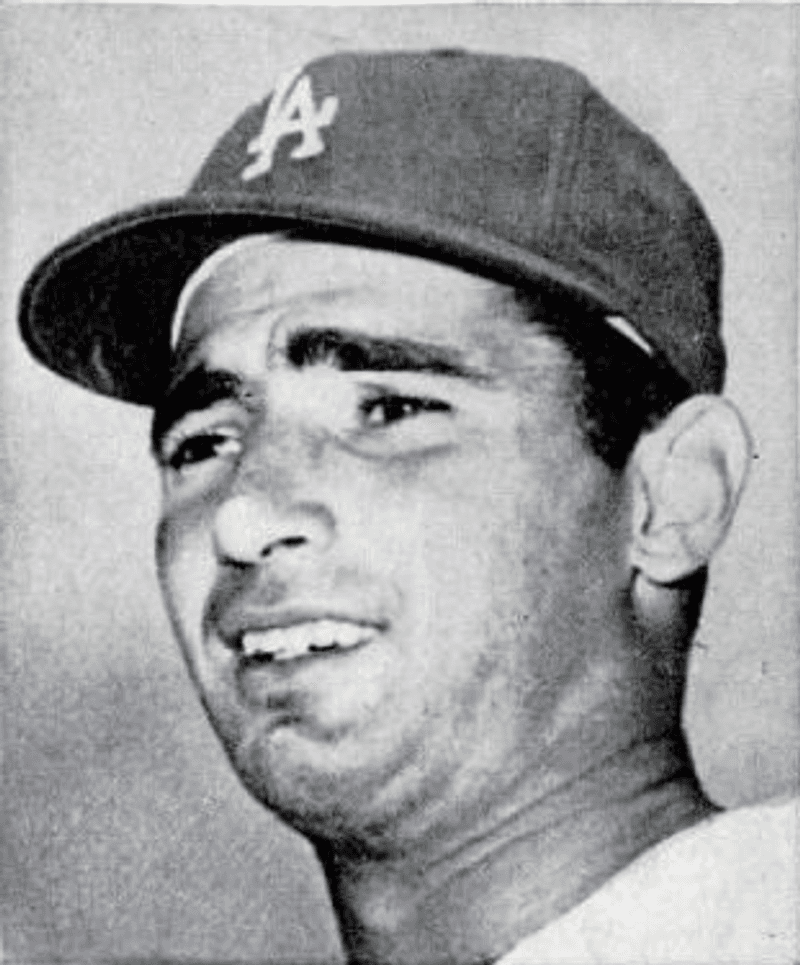
Three hundred eighty-two strikeouts. That was the modern record Sandy Koufax set in 1965, and it stood until Nolan Ryan topped it in 1973.
The Dodgers lefty also won 26 games and posted a 2.04 ERA. Hitters knew the fastball was coming and still could not catch up, mostly because his curveball kept them guessing.
On September 9, he threw a perfect game against the Chicago Cubs. Not one batter reached base.
He was just as sharp in October. Koufax won two World Series games against Minnesota, including a three-hit shutout in Game 7 on only two days of rest.
He also famously skipped Game 1 because it fell on Yom Kippur. That choice earned him lasting respect far beyond baseball.
By season’s end, he owned the Cy Young Award and the World Series MVP.
2. Hank Aaron, Milwaukee Braves
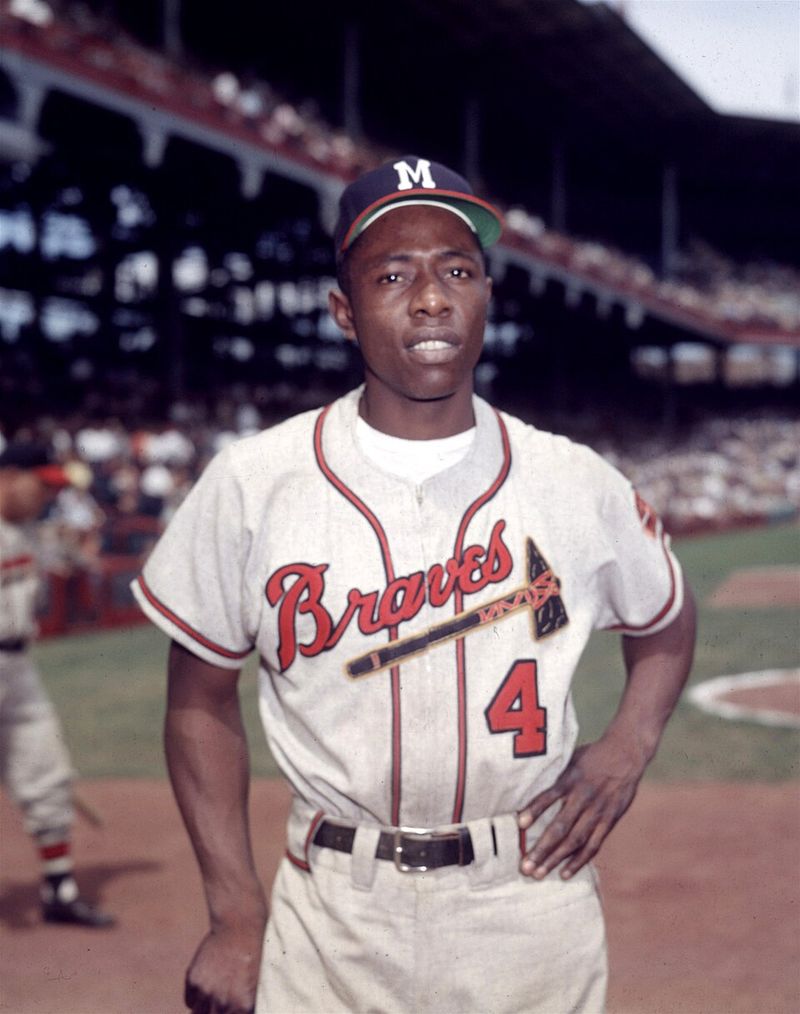
Milwaukee said goodbye to its Braves after 1965, and Hank Aaron gave the city a strong farewell season.
He batted .318 with 32 home runs and 89 RBIs. He also led the league with 40 doubles, a reminder that he could do more than clear fences.
Aaron rarely had wild swings in performance. Year after year, he hit for average and power at the same time.
That steady approach is exactly what later carried him past Babe Ruth’s career mark of 714 in 1974. He finished with 755 home runs.
In 1965, though, few people were counting toward that record yet. He was simply Hammerin’ Hank, the quiet star of a team packing its bags for Atlanta.
Milwaukee fans still rank him among the best players ever to wear their city’s name.
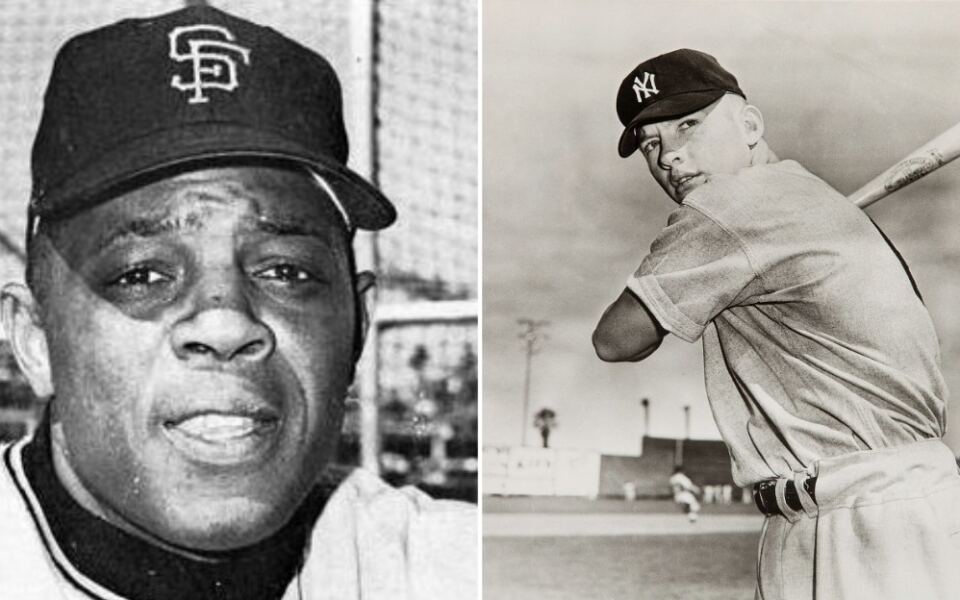
3. Willie Mays, San Francisco Giants
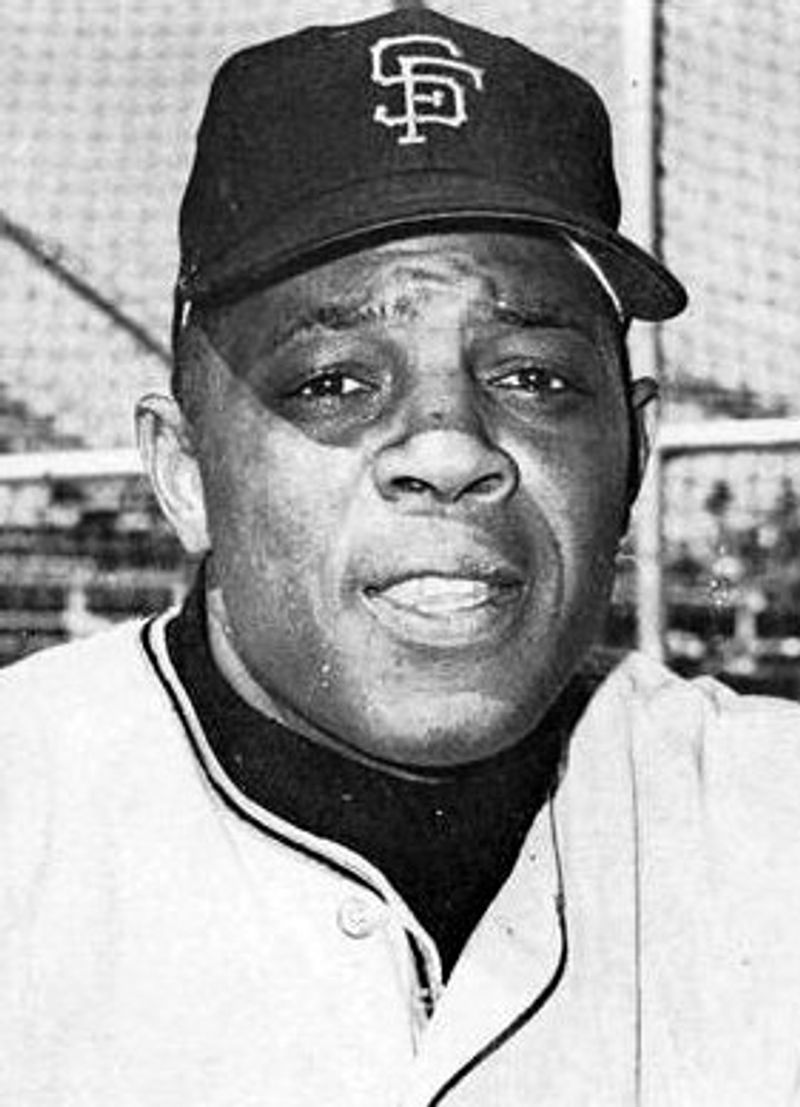
Most players slow down at 34. Willie Mays went the other direction and hit 52 home runs in 1965, the highest total of his career.
He batted .317 with 112 runs batted in for the San Francisco Giants. Voters rewarded him with his second National League MVP Award, eleven years after his first.
Defense was just as big a part of his fame. His basket catch, made with the glove held near his belt, was copied by kids on sandlots across the country.
Fans called him the Say Hey Kid, a nickname that stuck from his early days in New York. He also earned a Gold Glove in 1965, part of a streak of 12 straight.
Card collectors treated his Topps card as a top prize. Finding one in a fresh pack usually ended the trading session on the spot.
4. Roberto Clemente, Pittsburgh Pirates
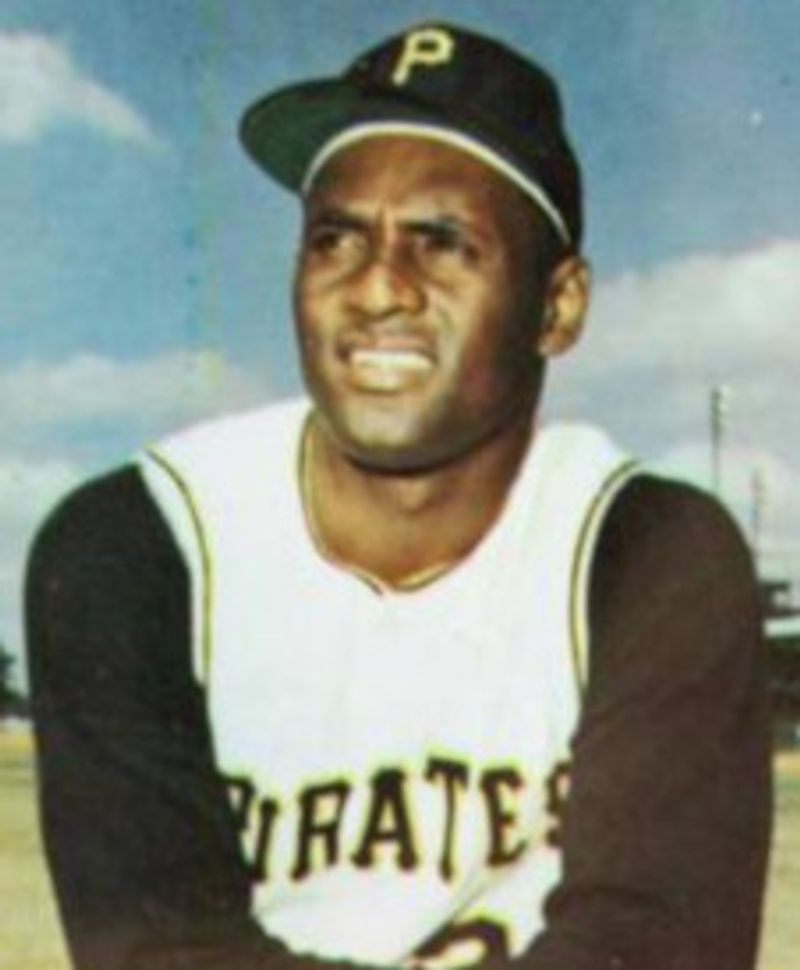
Runners who tested Roberto Clemente’s arm usually regretted it. He led National League outfielders in assists five times during his career.
In 1965, the Pittsburgh right fielder batted .329 to win the batting title. It was his second straight crown and the second of four in his career.
Clemente swung at pitches others would avoid and still found ways to get hits. Pitchers found him frustrating because there was no safe spot to throw.
He also collected a Gold Glove that season, one of 12 in a row. His defense turned routine singles into close plays at second base.
Born in Puerto Rico, he became a hero to Latin American fans across the hemisphere. His charity work later made him just as admired off the field.
He finished his career with exactly 3,000 hits.
5. Mickey Mantle, New York Yankees
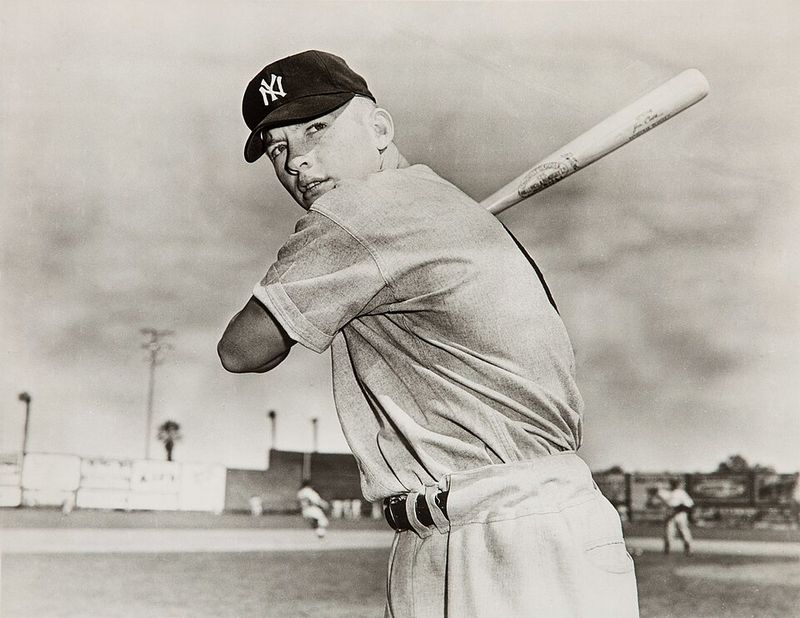
Here is a fact that surprised plenty of fans in 1965: the mighty Yankees finished sixth. It was their first losing season since 1925.
Mickey Mantle was still the biggest name on the roster. He had three MVP Awards and seven World Series rings, plus a switch-hitting swing that once terrified pitchers from both sides.
By then, his knees and legs were wearing out. He played in 122 games, hit 19 home runs, and batted .255.
Those numbers were solid for most players. For Mantle, they marked a clear slide from his 1956 Triple Crown season.
His fame barely budged, though. His face kept showing up on magazine covers, cereal-box style promotions, and countless trading cards.
Kids still copied his batting stance in the backyard. For many of them, Mantle simply was baseball.
6. Frank Robinson, Cincinnati Reds
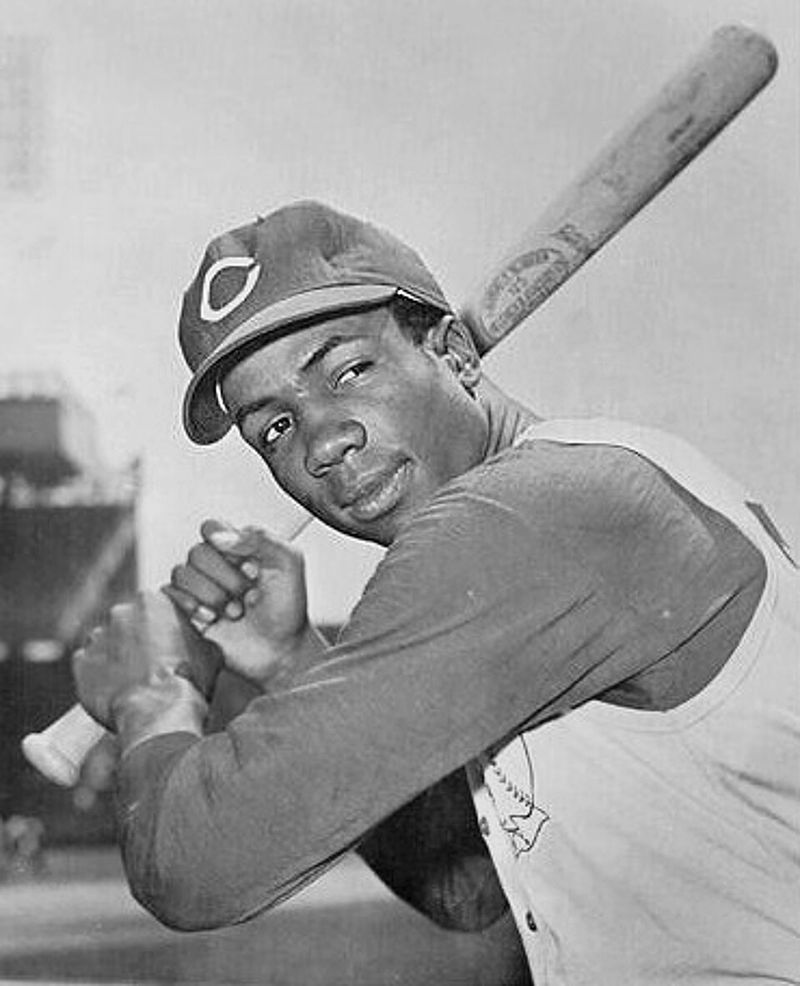
Call it the trade Cincinnati never lived down. On December 9, 1965, the Reds sent Frank Robinson to Baltimore, and the team’s owner said he was an old 30.
Robinson had just hit .296 with 33 home runs and 113 RBIs. He had also won the 1961 MVP while leading the Reds to the World Series.
He stood close to the plate and dared pitchers to throw inside. Getting hit by pitches was part of the deal, and he led the league in that category several times.
The following season in Baltimore, he won the Triple Crown and the American League MVP. That made him the first player to win MVP in both leagues.
Robinson later became baseball’s first Black manager, with Cleveland in 1975. For Reds fans, though, 1965 remains the year they let him go.
7. Harmon Killebrew, Minnesota Twins
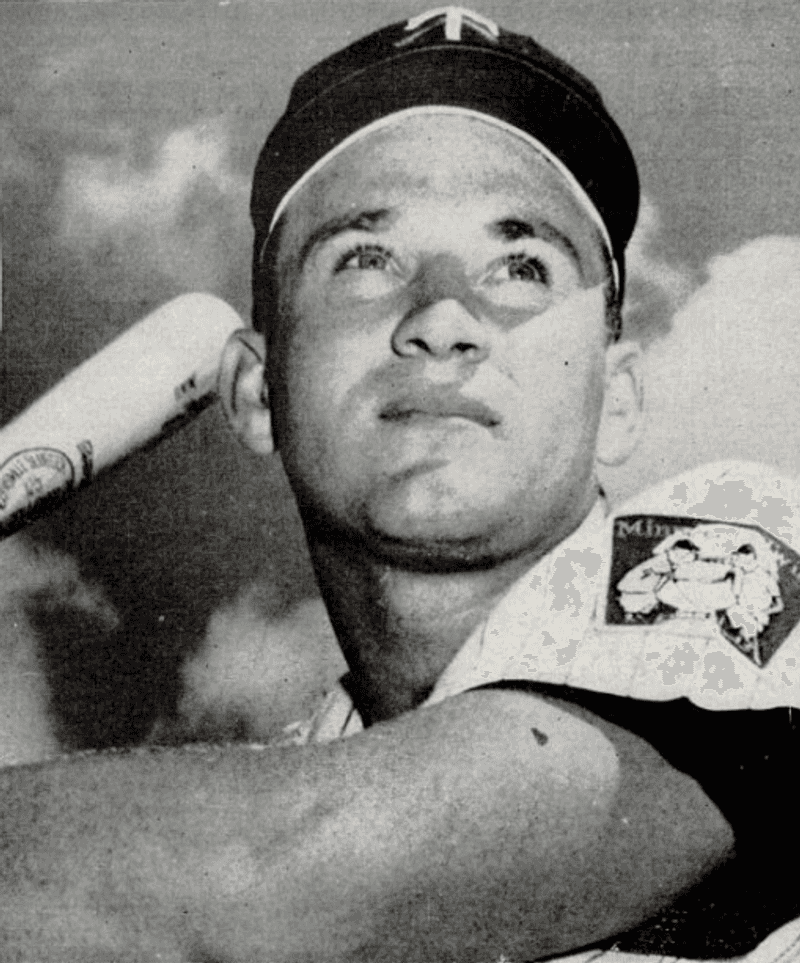
A dislocated elbow in August could have sunk the Twins. Instead, Minnesota kept winning while Harmon Killebrew healed, then welcomed him back for the stretch run.
He played 113 games and still hit 25 home runs. When healthy, he was the one hitter every American League pitcher planned around.
Killebrew was nicknamed Killer, which made people laugh because he was famously polite. Teammates described him as soft-spoken and easygoing.
His home runs were famous for distance. One blast at Metropolitan Stadium in 1967 traveled an estimated 520 feet, and the team painted the seat it hit.
The Twins reached their first World Series in 1965 and pushed the Dodgers to seven games. Killebrew hit .286 in the series with a home run.
He retired with 573 home runs and entered the Hall of Fame in 1984.
8. Bob Gibson, St. Louis Cardinals
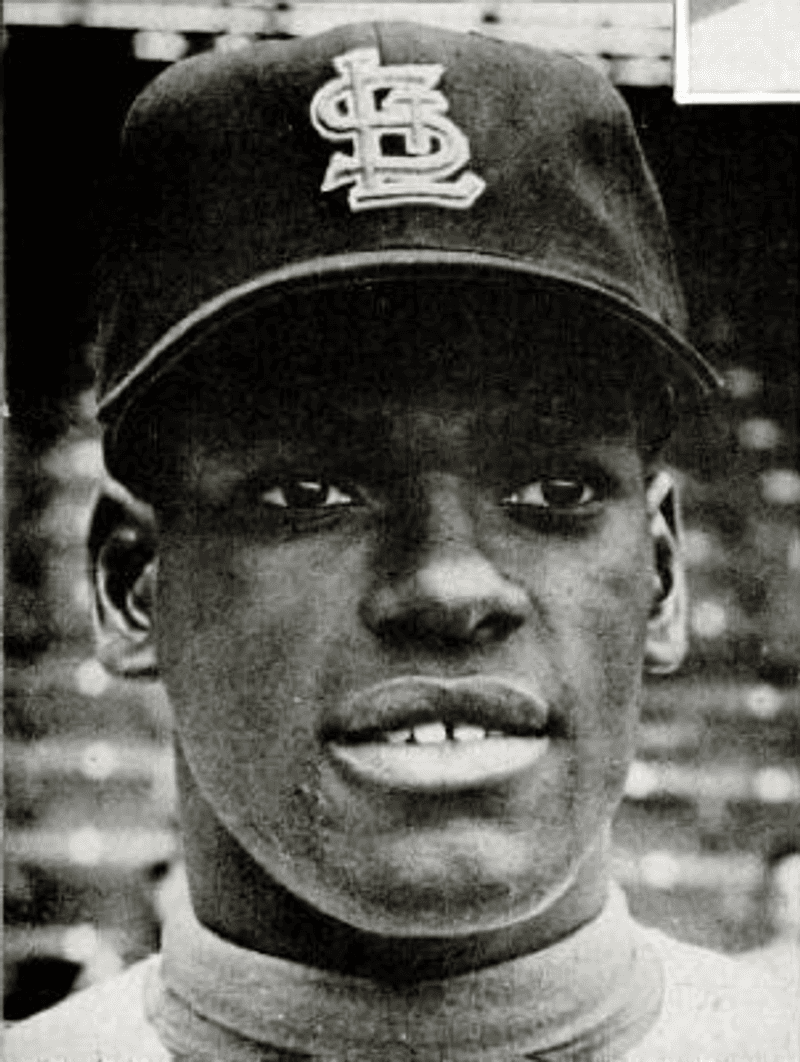
Catchers who visited the mound to chat with Bob Gibson often got sent right back. He liked to work fast and did not want company.
The Cardinals right-hander won 20 games in 1965, the first of five 20-win seasons. He struck out 270 batters and posted a 3.07 ERA.
He was coming off a huge October. In the 1964 World Series, Gibson won two games, including Game 7 against the Yankees, and was named MVP.
His follow-through was so hard that he often fell toward first base. Even so, he won nine Gold Gloves, so falling down did not stop him from fielding.
His most famous year arrived in 1968, when he posted a 1.12 ERA. Baseball lowered the pitching mound the next season, partly because of him.
9. Don Drysdale, Los Angeles Dodgers
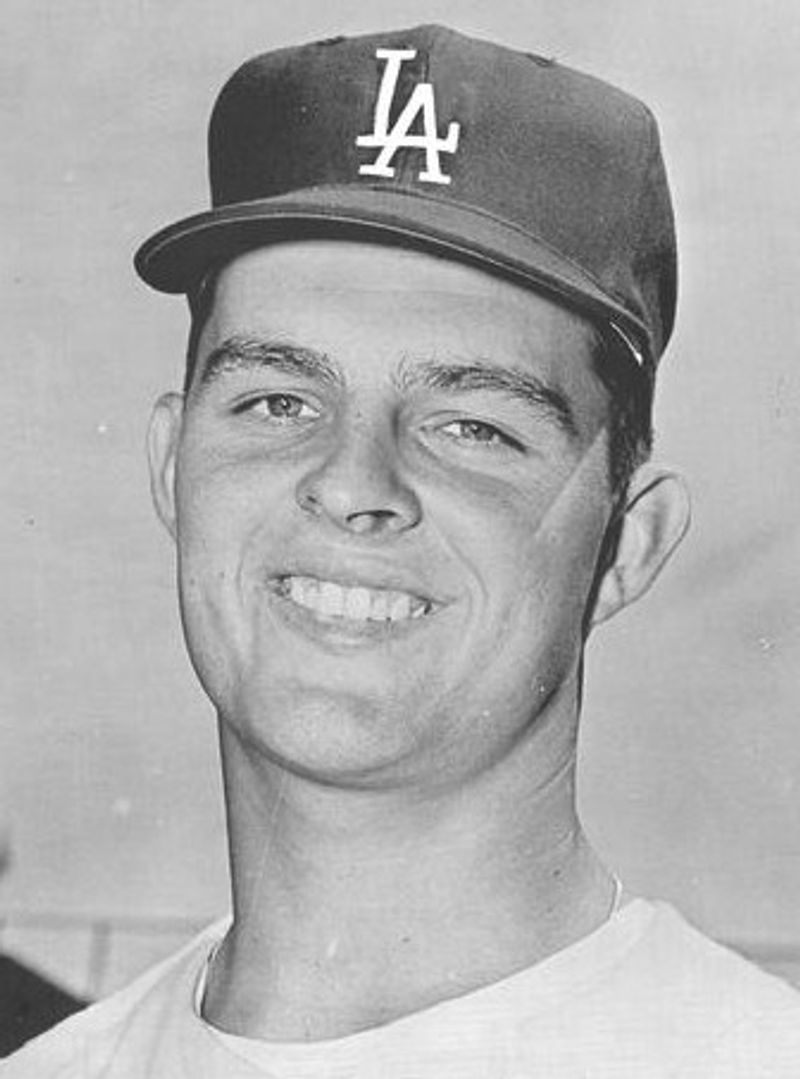
Sandy Koufax got the headlines, but Don Drysdale won 23 games for the same team. Few clubs have ever had two aces that strong at once.
Standing 6 feet 5 inches, Drysdale threw sidearm and pitched inside without apology. He led the league in hit batters five times.
He could also swing the bat. In 1965, he hit .300 with seven home runs, and the Dodgers sometimes used him as a pinch hitter.
Before the 1966 season, he and Koufax held out together for bigger contracts. That joint holdout was an early sign of players pushing for more bargaining power.
In 1968, he threw 58 straight scoreless innings, a record that lasted 20 years. Orel Hershiser, another Dodger, broke it in 1988.
Drysdale later became a popular broadcaster.
10. Pete Rose, Cincinnati Reds
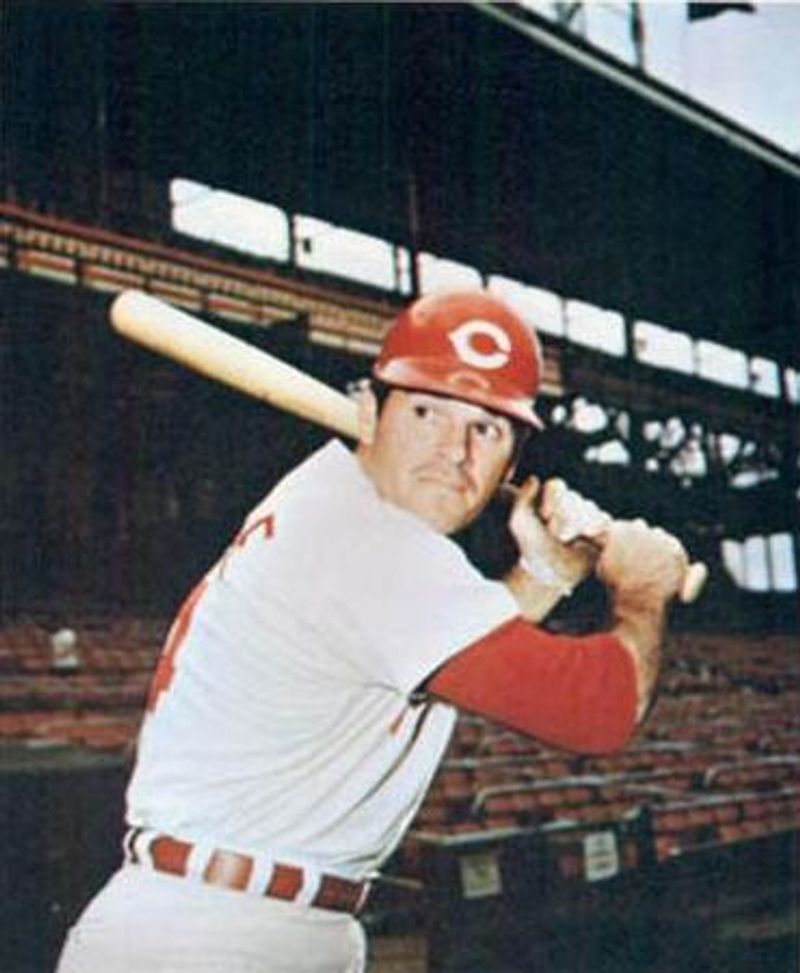
Running to first base after a walk sounds like a small thing. For Pete Rose, it became a trademark and earned him the nickname Charlie Hustle.
The young second baseman broke out in 1965. He batted .312 and led the National League with 209 hits, the first of his ten 200-hit seasons.
Rose was a Cincinnati native, which made his rise feel personal to local fans. He had been Rookie of the Year in 1963.
He later played several positions, from outfield to first base. Over 24 seasons, he collected 4,256 hits, still the all-time record.
His legacy grew more complicated after a 1989 gambling ruling made him ineligible for baseball. That ruling kept him off the Hall of Fame ballot for decades.
In 1965, though, he was simply the scrappy kid fans loved.
11. Juan Marichal, San Francisco Giants
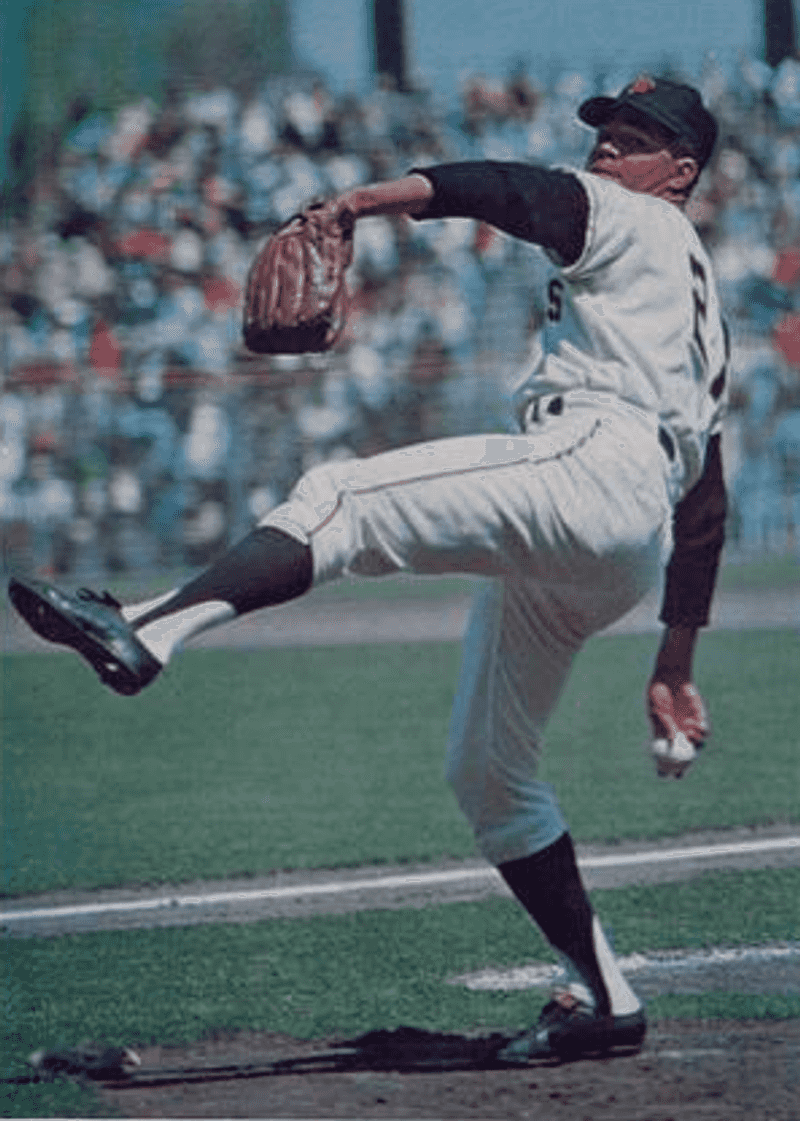
That leg kick looked impossible. Juan Marichal lifted his front foot nearly over his head before releasing the ball, and hitters lost track of it.
The Giants right-hander won 22 games in 1965 with a 2.13 ERA. He threw ten shutouts, which led the majors.
His season also included one of baseball’s ugliest moments. On August 22, during a heated game with the Dodgers, he struck catcher John Roseboro with his bat.
He received a nine-day suspension and a $1,750 fine, a record at the time. Years later, the two men made peace, and Roseboro even supported his Hall of Fame bid.
Marichal, from the Dominican Republic, won 243 games. In 1983, he became the first Dominican-born player elected to Cooperstown.
12. Tony Oliva, Minnesota Twins
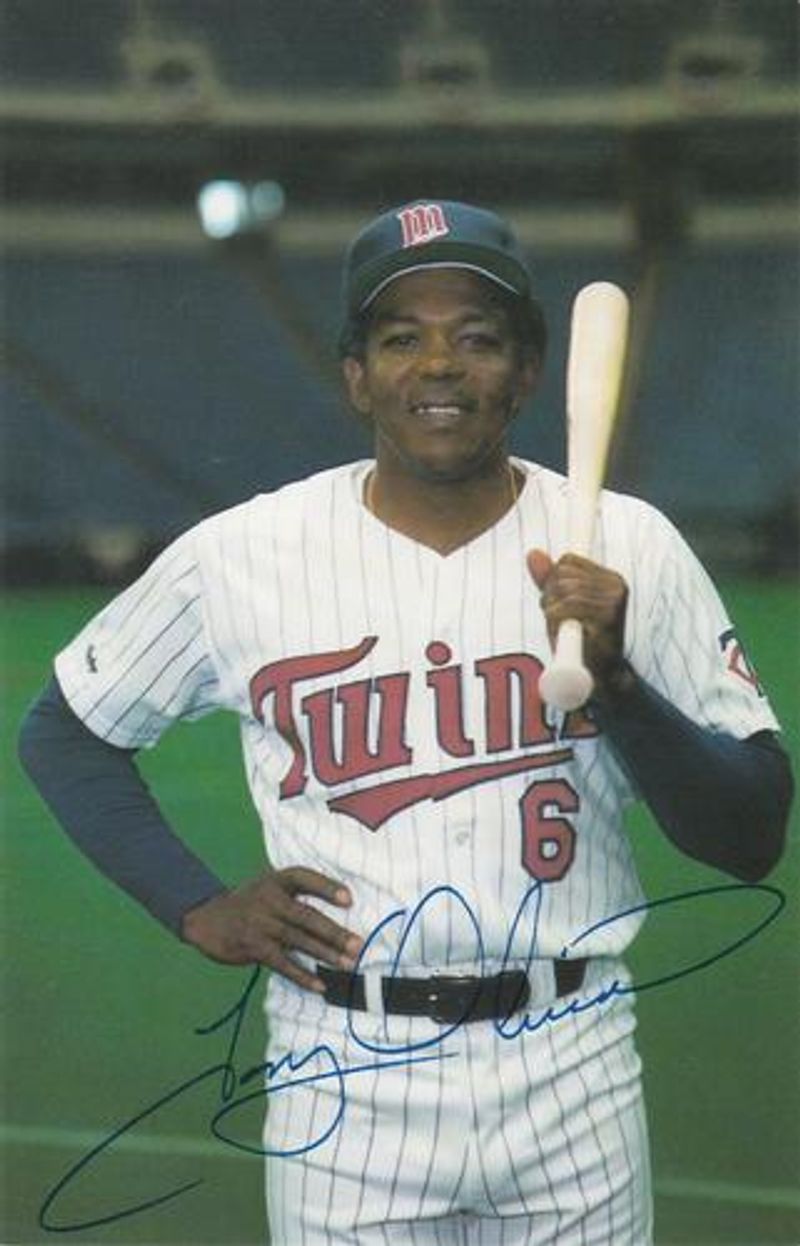
Winning batting titles in your first two full seasons almost never happens. Tony Oliva pulled it off in 1964 and 1965.
As a sophomore, the Twins right fielder hit .321 and led the American League with 185 hits. He had already been Rookie of the Year the season before.
A quirky detail sits behind his name. Born Pedro Oliva in Cuba, he reportedly used his brother Antonio’s passport to travel, and Tony stuck.
His left-handed swing sprayed hits to every part of the field. That made defensive shifts useless against him.
Knee injuries cut his prime short, and he retired in 1976. Hall of Fame voters overlooked him for years.
Finally, in 2022, a veterans committee elected him to Cooperstown. Twins fans who remembered 1965 felt it was long overdue.
13. Brooks Robinson, Baltimore Orioles
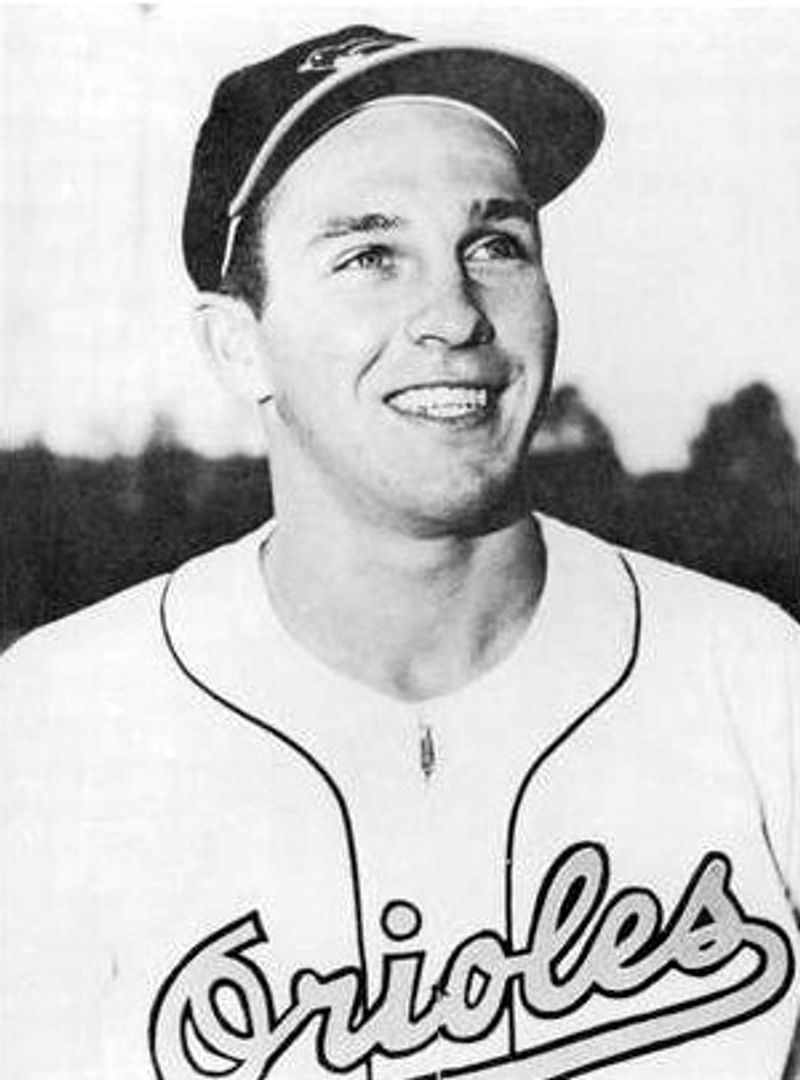
Sixteen straight Gold Gloves. No third baseman has matched what Brooks Robinson did with his glove.
Fresh off the 1964 American League MVP Award, he hit 18 home runs with 80 RBIs in 1965. His defense was the real headline, as usual.
He was not especially fast. Instead, he read hitters early and reacted quickly, so balls that looked like doubles turned into outs.
Reporters called him the Human Vacuum Cleaner. The nickname fit a player who seemed to swallow everything near the third-base line.
His biggest stage came in the 1970 World Series against Cincinnati. He made a string of diving stops and won the series MVP.
Robinson spent all 23 seasons with Baltimore. Fans there still treat him as the face of Orioles baseball.
14. Maury Wills, Los Angeles Dodgers
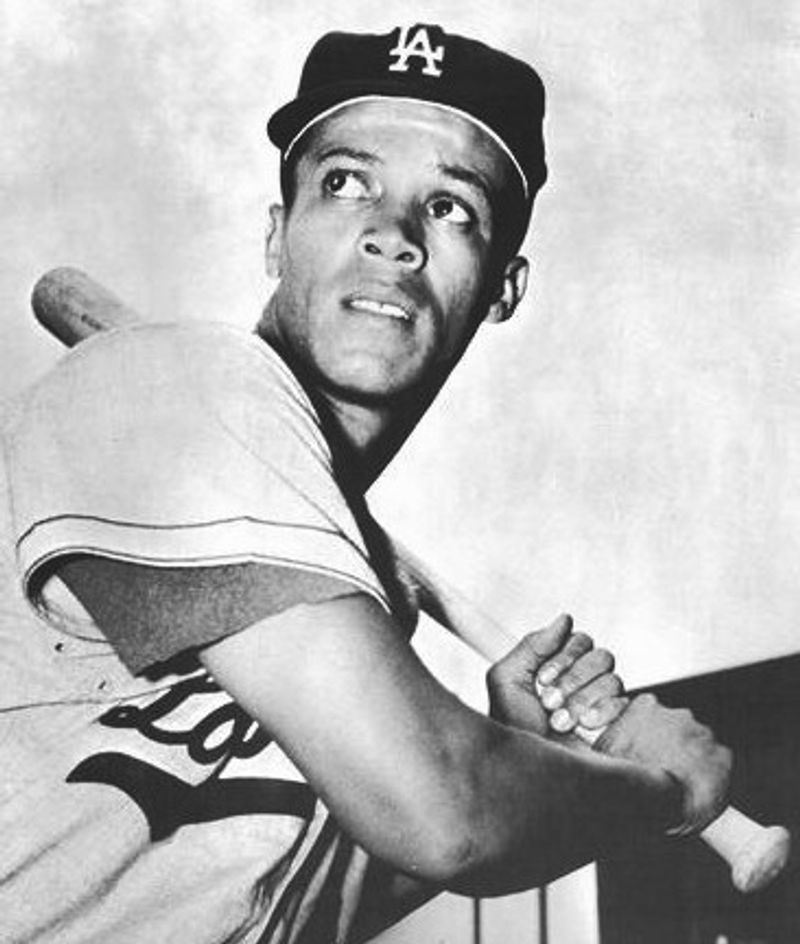
Before Maury Wills, the stolen base was nearly a forgotten tool. In 1962, he swiped 104 bases and broke Ty Cobb’s record of 96.
He kept running in 1965. The Dodgers shortstop stole 94 bases and led the National League for the sixth year in a row.
The Dodgers did not hit many home runs that season. They won by getting Wills on base, moving him over, and leaning on Koufax and Drysdale.
Opponents tried strange tactics to slow him down. In San Francisco, the Giants grounds crew famously soaked the dirt near first base.
His style influenced the next wave of speedsters. Lou Brock and later Rickey Henderson pushed stolen base totals even higher.
Wills helped Los Angeles win the 1965 title, proving a single can be as dangerous as a homer.
Share this story