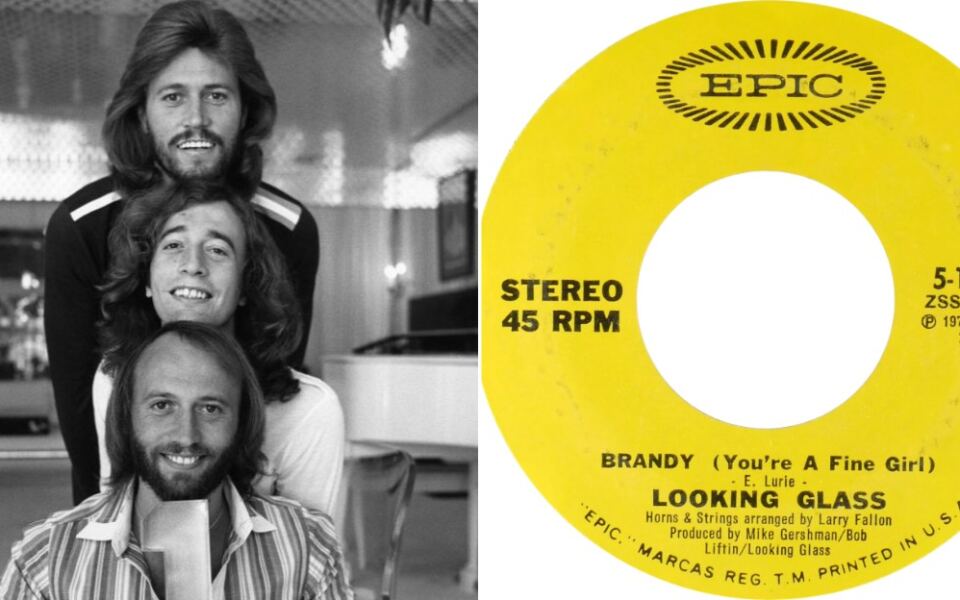
Turn on a classic radio station and you will hear plenty of songs that make you want to tap your feet. Many of them came from the 1970s, a decade packed with disco beats, soft rock, and big singalong choruses.
But the cheerful sound can fool you. Behind some of the catchiest tunes are stories about heartbreak, lost dreams, and tough times.
Here are fifteen songs where the music sounds sunny and the meaning runs much deeper. Once you know the real stories, you may never hear them the same way again.
“I Will Survive” by Gloria Gaynor
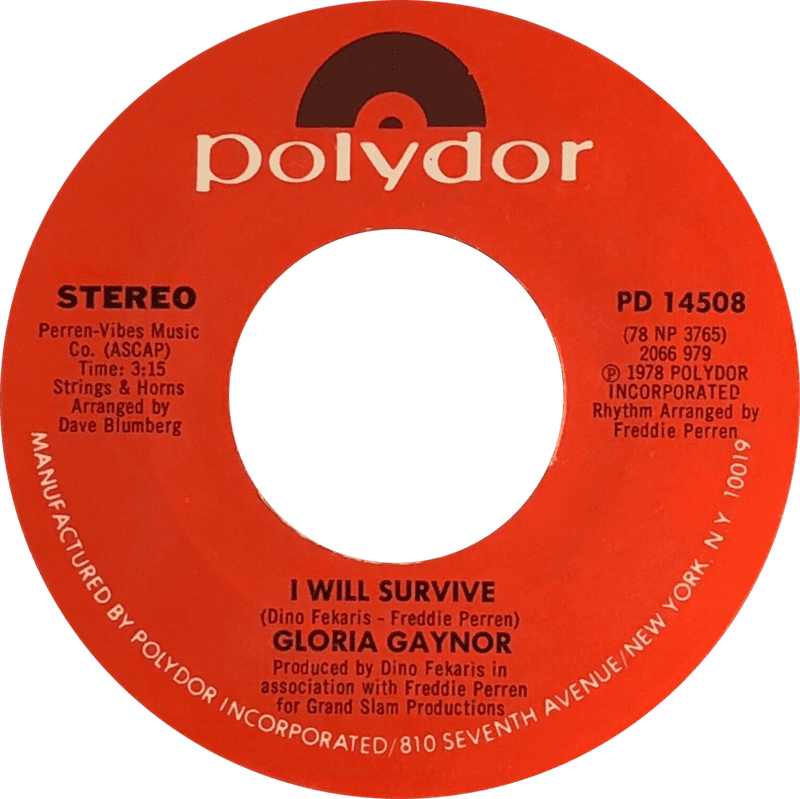
Few songs fill a dance floor as fast as Gloria Gaynor’s 1978 disco anthem. The story, though, begins in emotional wreckage, with a woman trying to pick herself up after a relationship has fallen apart.
The song is powerful because it does not stay in sadness. The mood slowly shifts from pain to independence and defiance, and the narrator ends up stronger than when she started.
The Library of Congress describes it as the story of a woman who refuses to put up with an unfaithful partner.
Gaynor has also talked about how her own hard times helped her sing it with real conviction. That honesty is a big reason the track still works at weddings, parties, and karaoke nights decades later.
So the next time the opening piano notes ring out, remember that the cheering crowd is celebrating a comeback. It is a dance song built on recovery, and that mix of struggle and strength is exactly why people keep singing along.
“Hotel California” by Eagles

Polished guitars and one of rock’s most famous closing solos make it very easy to get lost in this song. The world described in the lyrics, however, is far from carefree.
Don Henley has explained that it is not simply about a mysterious hotel. He has described it as a journey from innocence to experience and a look at the darker side of the American dream, including excess, narcissism, and the music business.
The setting starts out luxurious and welcoming. By the end, it becomes much less inviting, because the narrator learns that leaving may not be possible at all.
That is what keeps listeners coming back. The smooth sound pulls you in, while the story quietly warns about getting caught up in a glamorous life that has a hidden cost.
Next time you hear it on a long drive, listen closely to the final verse and the way it closes the door on the traveler.
“Goodbye Yellow Brick Road” by Elton John
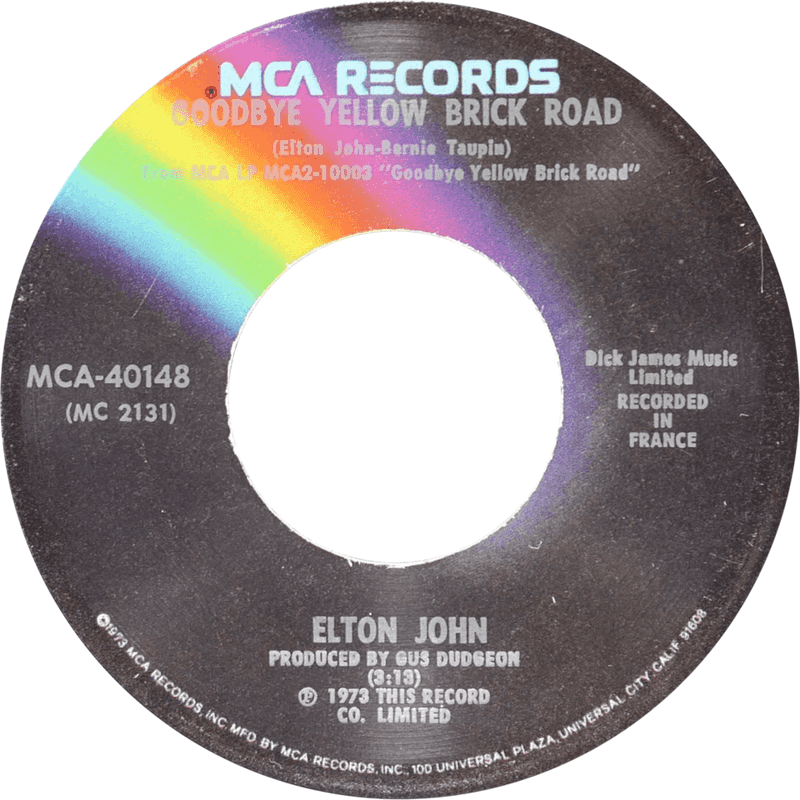
Elton John’s sweeping melody gives this 1973 classic an almost storybook feel. Bernie Taupin’s lyrics, however, are about walking away from glamour and heading back toward something simpler.
The yellow brick road borrows its imagery from The Wizard of Oz. Here it stands for a world the narrator no longer wants any part of.
Taupin’s rural background helped shape the song’s wish to leave luxury behind and return to familiar roots. The narrator is ready to go back to the farm and the quiet life he left.
Behind the beautiful arrangement sits a strong sense of disillusionment with the fantasy of the good life. Fame and money look shiny from a distance, but the song suggests they can leave a person feeling empty.
It is a grand, theatrical tune that carries a surprisingly humble message about knowing where you belong.
“Landslide” by Fleetwood Mac
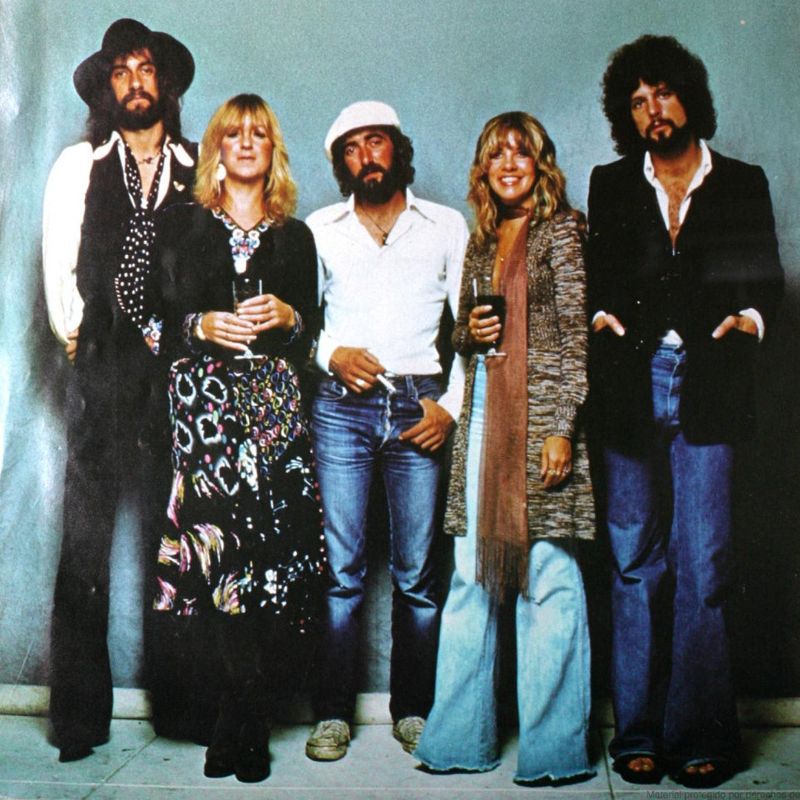
Quieter than many songs on this list, “Landslide” has a gentle acoustic sound that can hide how uncertain Stevie Nicks felt when she wrote it.
Nicks wrote the song in Colorado in 1973, after the Buckingham Nicks album failed commercially. She was asking herself whether she and Lindsey Buckingham should keep pursuing music at all.
She later described the song as a decision to give their dream another chance. Soon after, the pair joined Fleetwood Mac, and the band’s fortunes changed.
The words are about aging, change, and the fear of falling short. Those worries are easy to relate to, whether you are chasing a career, going back to school, or starting over somewhere new.
That fear of failure and change gives the song its lasting emotional weight. It sounds soft, but it comes from a real crossroads in two young musicians’ lives.
“Dancing Queen” by ABBA
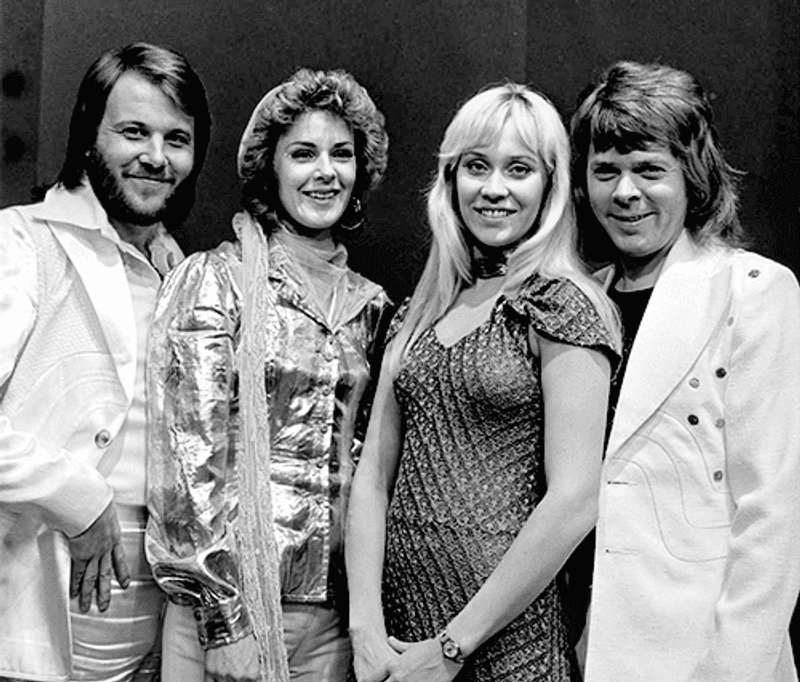
Few songs sound happier than “Dancing Queen.” The piano glides, the vocals sparkle, and a 17-year-old girl seems to have the whole night ahead of her.
Yet ABBA’s music has always carried a trace of melancholy. Björn Ulvaeus has spoken about the “Nordic melancholic feeling” beneath the group’s seemingly happy songs.
In this track, the joy of youth feels especially precious because it cannot last forever. The listener may be watching the young dancer from the distance of adulthood, already knowing how quickly nights like that disappear.
That small ache is what separates it from a plain party tune. You can dance to it and still feel a tug of nostalgia at the same time.
It is a good reminder that the brightest pop hits can hold quiet, thoughtful feelings underneath.
“Fire and Rain” by James Taylor
The soft guitar and calm delivery of “Fire and Rain” can sound almost comforting. Its origins are anything but.
James Taylor has explained that the first verse and chorus were written after he learned that his friend Suzanne had died by suicide. His friends had delayed telling him while he was recording in London.
Taylor wrote the later sections while in rehabilitation, which makes the song partly an attempt to work through his own struggles and loss.
That personal history turns a gentle sound into something much heavier. Each verse feels like a different stage of dealing with pain, from shock to exhaustion to hope for better days.
The song became a signature of the singer-songwriter era because it was so honest. Listeners did not need every detail to feel the weight of what he was sharing.
“American Pie” by Don McLean

The chorus invites enormous singalongs, but “American Pie” begins with loss.
Don McLean has confirmed that Buddy Holly’s death in the February 3, 1959 plane crash helped inspire the song. The crash also took the lives of Ritchie Valens and J.P. “The Big Bopper” Richardson.
From there, McLean expanded the story into a broader look at America, popular culture, and the loss of innocence he associated with the changing 1960s.
The long verses are packed with references that fans have debated for decades. The tune is easy to hum, but the lyrics keep people talking.
Its communal chorus hides one of rock music’s most famous expressions of cultural grief. Sing it loudly at the next gathering, and you are joining a tribute to the day the music changed.
“Stayin’ Alive” by Bee Gees
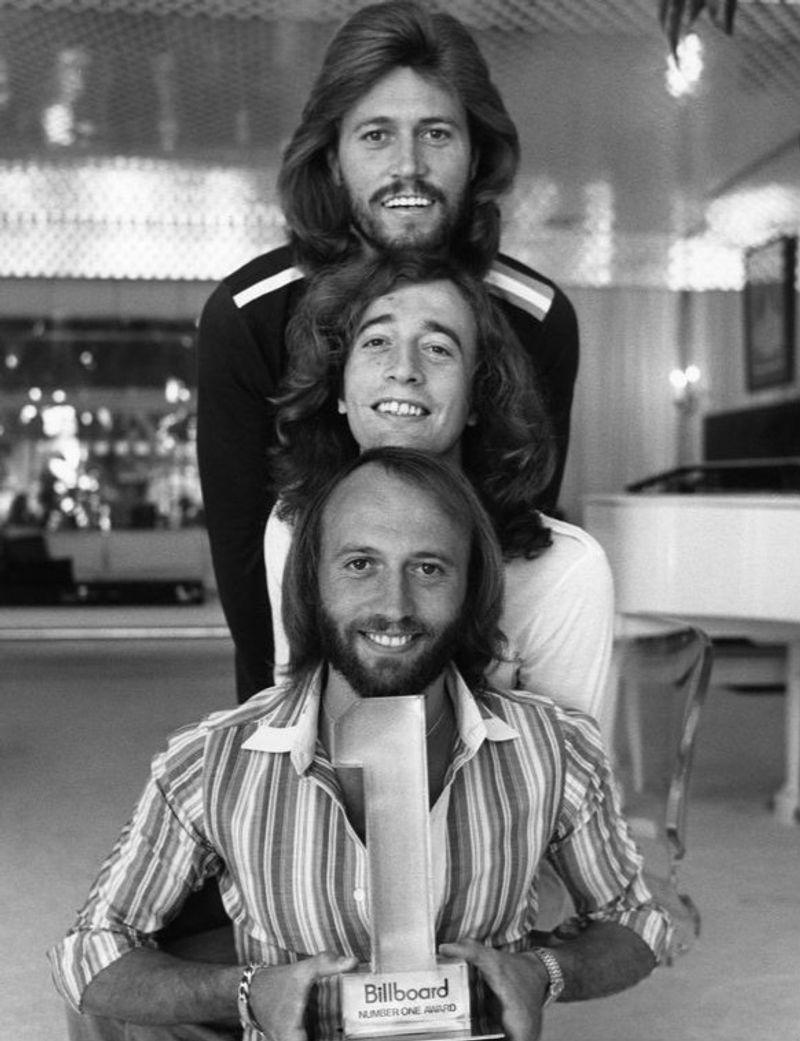
The beat, the falsetto vocals, and the link to Saturday Night Fever made “Stayin’ Alive” a permanent disco favorite. The Bee Gees, though, were actually writing about survival.
Robin Gibb said the lyrics describe getting by in the streets of New York. Barry Gibb connected the song to people struggling against forces that can drag them down.
Even the lines that sound confident sit right beside desperation and pleas for help. The narrator is tough, but he is also tired.
The result is an unusual mix: a song about hardship that makes almost everyone want to dance.
It is also a handy tempo for people learning rescue breathing techniques, which has given the song a second life far from the dance floor.
“Imagine” by John Lennon

The piano is peaceful and the melody almost resembles a lullaby. The world John Lennon asks listeners to picture exists because the real world falls so far short of it.
Lennon’s vision removes nations, possessions, religious divisions, and other barriers that separate people. He later described its central idea as “one world, one people.”
That makes “Imagine” both hopeful and sad at the same time. Its beauty comes partly from picturing peace while reminding listeners that humanity has repeatedly failed to reach it.
Each verse asks a simple question and leaves the answer to you. There is no angry shouting here, only a calm invitation.
Maybe that is why the song is played at so many events around the world. It carries a wish that people keep returning to.
“Love Hurts” by Nazareth

Nazareth’s 1975 version turned “Love Hurts” into a towering rock ballad, but there is nothing sentimental about its view of romance.
The song was written by Boudleaux Bryant and first recorded by the Everly Brothers in 1960, years before Nazareth made it a worldwide hit.
Its message presents love as painful, wounding, and deceptive rather than comforting. The narrator has clearly been through it and has little patience for fairy tales.
The soaring performance can make the track feel grand and romantic. Meanwhile, the words steadily take apart the idea that love always brings happiness.
That clash is the secret behind its long life. It is a favorite for slow dances, even though the lyrics are telling you to be careful.
“Cat’s in the Cradle” by Harry Chapin

The melody is easy to remember. The story is much harder to shake.
Harry Chapin’s song follows a father who repeatedly has too little time for his son. When the father finally wants a closer bond years later, his grown child has become just as busy and unavailable.
Chapin said his wife Sandy wrote the poem that became the basis of the song. It partly reflected how little their young son was seeing of him while he toured.
The final realization that the son has grown up to resemble his father gives the song its heavy payoff.
It works as a gentle reminder that time with family cannot be saved for later. A friendly folk-rock tune ends up delivering a message many parents still take to heart.
“Brandy (You’re a Fine Girl)” by Looking Glass

Made for warm summer radio, “Brandy” has horns, harmonies, and a breezy rhythm that helped send it to No. 1 in the United States in 1972.
The story itself is bittersweet. Brandy works in a harbor town and loves a sailor who admires her but refuses to settle down, because his true commitment is to the sea.
There is no dramatic betrayal or explosive breakup. That almost makes it sadder.
Brandy simply has to accept that loving someone does not mean they will choose to stay. The sailor is honest about his heart, and that honesty hurts.
It is a smooth, singable tune about a quiet kind of heartbreak, the sort that happens when two people want different lives.
“The Night Chicago Died” by Paper Lace
With its dramatic chorus and energetic production, “The Night Chicago Died” sounds like a thrilling piece of musical storytelling.
The subject is a supposed bloody clash between gangsters and police in Prohibition-era Chicago. Listeners should not treat the song as history, though.
The shootout described in the lyrics is fictional, and critics have long noted geographical and historical mistakes in the story.
The tale is told from the view of a young child whose mother waits for her police officer husband to come home.
That leaves an odd contrast: an extremely catchy 1974 pop hit built around an invented story of urban violence and fear.
It is a good example of how a strong chorus can make nearly any plot feel fun to sing.
“Seasons in the Sun” by Terry Jacks
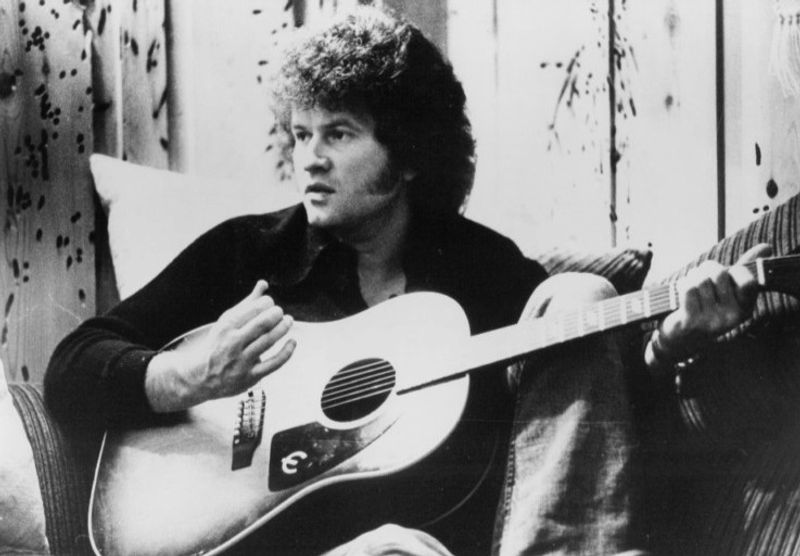
The melody feels almost like a gentle singalong. The narrator, however, is saying goodbye to the people he loves because he is dying.
Terry Jacks’ 1973 recording was adapted from Jacques Brel’s “Le Moribond,” meaning “The Dying Man,” through Rod McKuen’s English version.
Jacks changed the lyrics, creating a more sentimental farewell in which the narrator remembers childhood, family, love, and happier days.
Its sweetness makes the subject more striking. Few No. 1 pop hits have made approaching the end of life sound so deceptively sunny.
It is a song many people hummed along to for years before realizing exactly what the words were saying.
“Without You” by Harry Nilsson
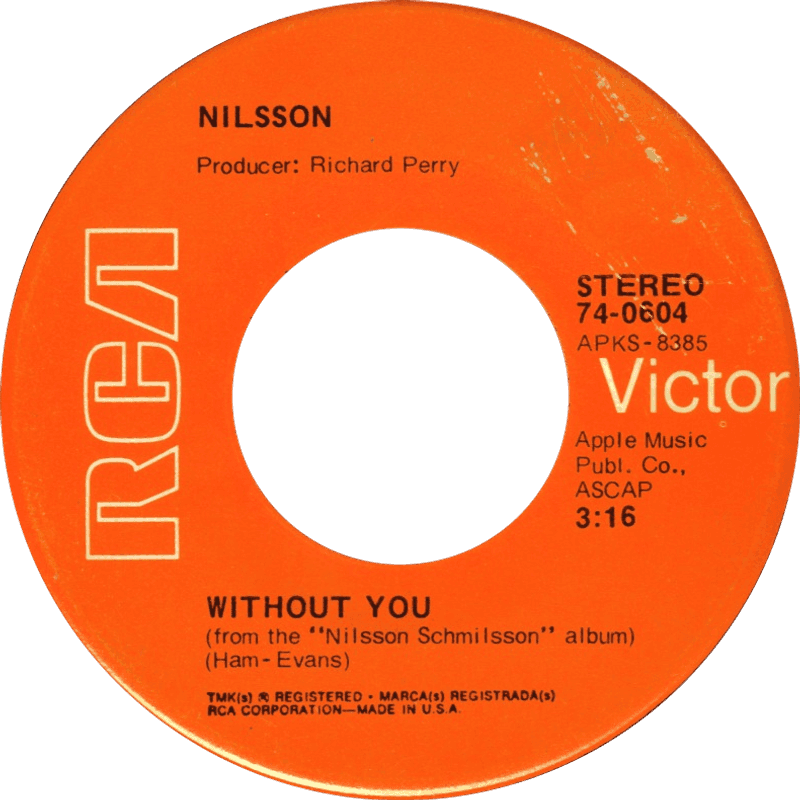
Harry Nilsson’s recording builds from a restrained opening into one of the biggest choruses of the decade. The emotional message is pure desperation.
Nilsson did not write the song. Badfinger members Pete Ham and Tom Evans combined ideas they had written separately, with both sections rooted in troubled romantic relationships.
Badfinger released the original in 1970, and Nilsson turned it into an international hit after recording his version in 1971.
The arrangement may soar, but the narrator sees separation as something almost impossible to bear. Every line leans on how empty life seems when someone is gone.
That mix of grand sound and raw feeling is why the song still shows up on playlists about heartbreak. It is big, loud, and deeply sad all at once.
Share this story