In 1977, one radio station could play the Eagles, ABBA, Stevie Wonder, and Fleetwood Mac in the same afternoon. Disco was spreading from city clubs into school gyms, soft rock ruled the car radio, and movie soundtracks were turning into hit factories.
Records came on vinyl, eight-track tapes, and cassettes, and fans tracked the Billboard Hot 100 every week to see who was on top. The charts that year were wildly mixed.
A Swedish pop group, a country star, a Broadway-style ballad, and a funk band from a comedy movie all took turns at No. 1. That variety is what makes 1977 so much fun to revisit.
Some of these songs still fill dance floors at weddings today. Others have slipped quietly out of memory, even though millions of people once knew every word.
Below, you will find the stories behind the year’s biggest hits, including who wrote them, how long they stayed on top, and a few surprising details from the studio. Some facts may change how you hear an old favorite.
Keep a tally as you read and see how many you can still sing along to.
1. You Make Me Feel Like Dancing by Leo Sayer
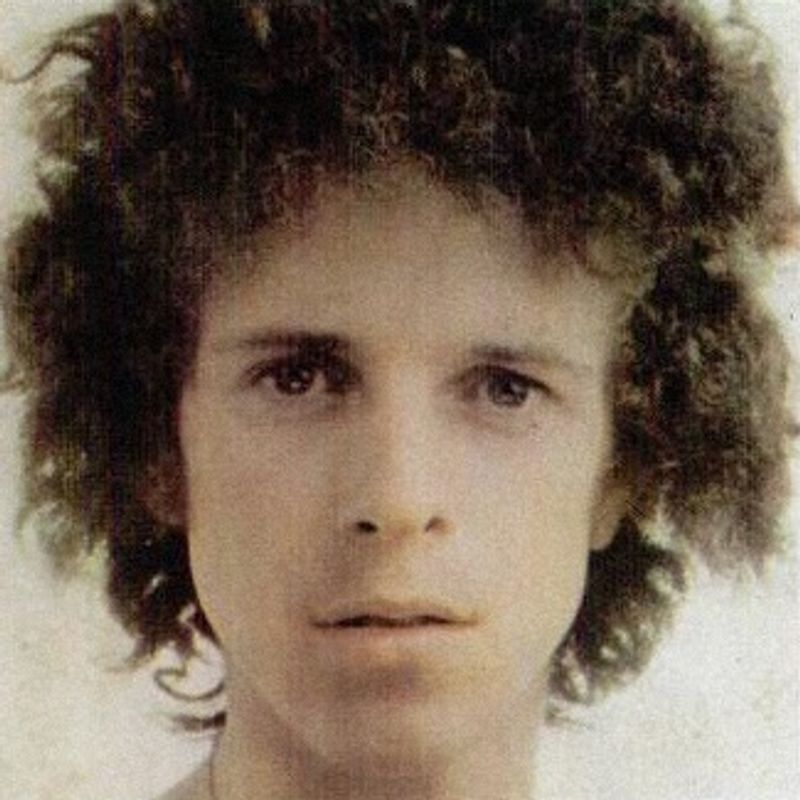
The very first chart-topper of 1977 belonged to a curly-haired singer from England. Leo Sayer reached No. 1 on January 15 with You Make Me Feel Like Dancing.
Sayer wrote it with producer Vini Poncia, and it appeared on his 1976 album Endless Flight. It was his first American No. 1 single.
The song mixed disco, soul, and pop, which was a big change from his earlier, more folk-style records. His high falsetto voice made it stand out from other dance tunes on the radio.
It stayed on top for one week. Later, it won the Grammy Award for Best Rhythm and Blues Song, which surprised some fans of R&B.
Sayer was not finished that year. He climbed back to No. 1 later in 1977 with the ballad When I Need You, proving he could handle slow songs as well as party music.
2. I Wish by Stevie Wonder
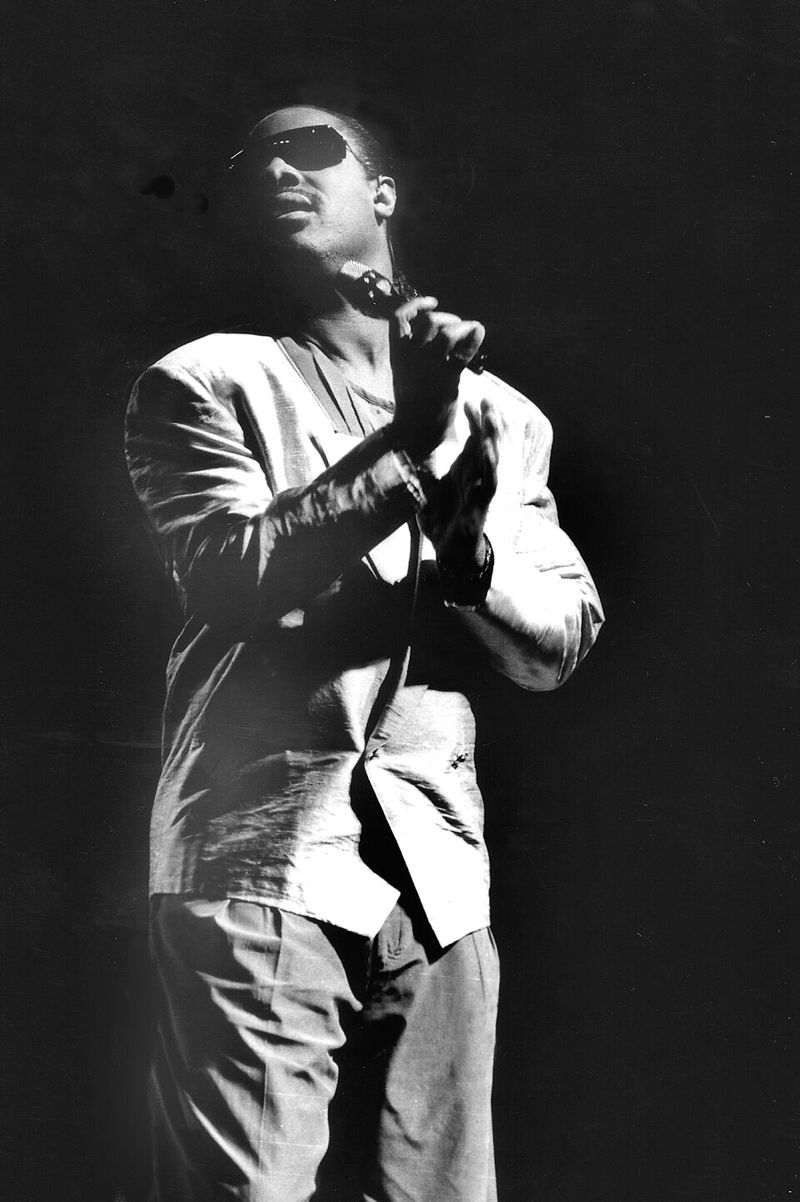
A company picnic gave the world one of its funkiest hits. In the summer of 1976, Stevie Wonder spent a Saturday at a Motown picnic, running races and joining contests.
He had so much fun that he went straight to Crystal Recording Studio afterward. The playful mood of that day turned into I Wish.
The song looks back at Wonder’s childhood, with its little troubles and easy freedom. It was the first single from his famous album Songs in the Key of Life.
That bouncing bass line and bright horn section are easy to spot within seconds. Wonder wrote and produced the track himself.
It reached No. 1 on January 22, 1977, and also topped the soul chart. At the 19th Grammy Awards, it won Best R&B Vocal Performance, Male.
Not bad for a song inspired by sack races.
3. Car Wash by Rose Royce
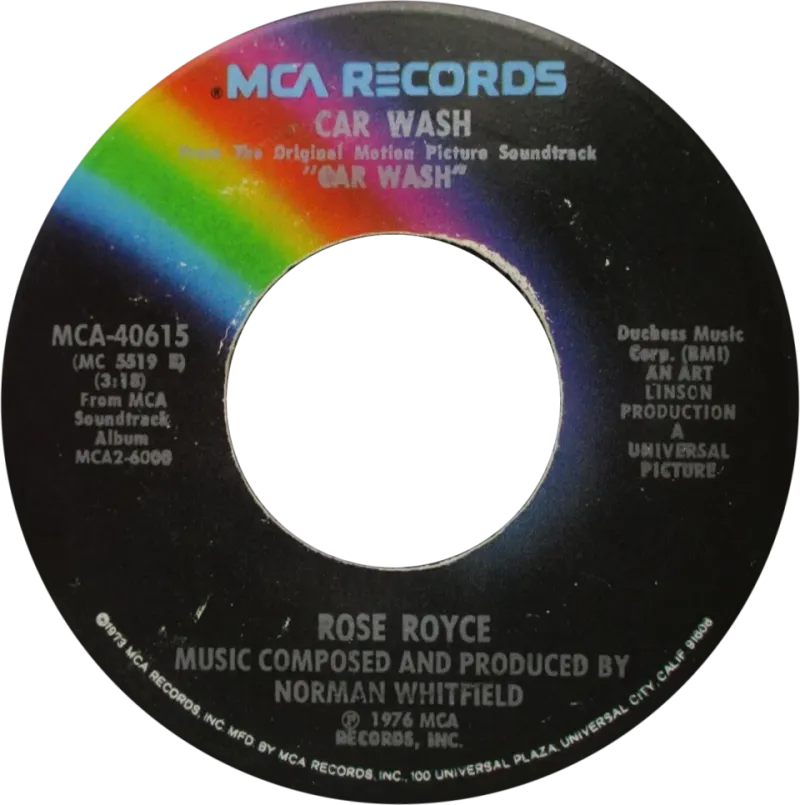
Some of the catchiest lyrics of the decade were reportedly scribbled on a Kentucky Fried Chicken bag. Producer Norman Whitfield wrote them while watching a basketball game.
Whitfield had been hired to create songs for the 1976 comedy film Car Wash. The title track became the big winner.
Rose Royce performed it, with Gwen Dickey singing lead. Those handclaps at the very start became one of the most famous intros on late-1970s radio.
The song hit No. 1 on January 29, 1977, and stayed there for one week. It blended funk, soul, and disco in a way that got people moving fast.
The soundtrack album was a hit too. It produced three top ten R&B singles and won a Grammy for Best Score Soundtrack Album.
Rose Royce had other hits, but this one stayed their calling card.
4. Blinded by the Light by Manfred Mann’s Earth Band
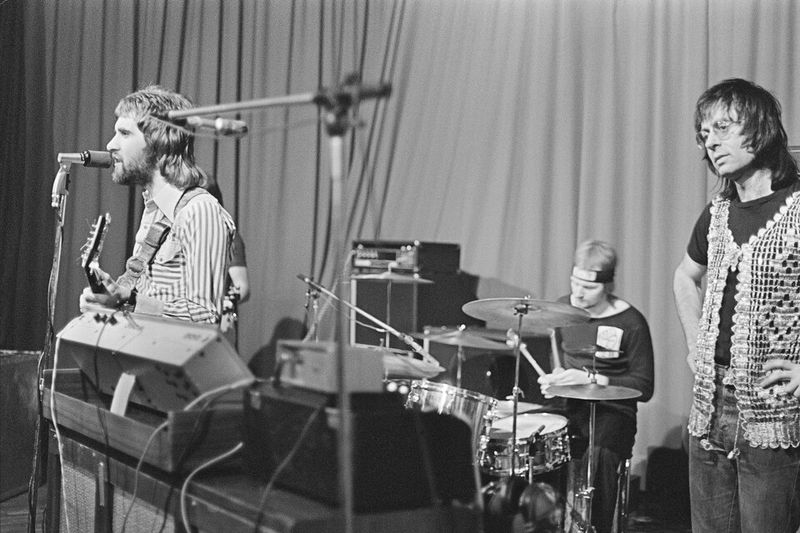
Bruce Springsteen has sold millions of records, yet only one song he wrote ever reached No. 1 on the Hot 100. Oddly, someone else sang it.
Springsteen first recorded Blinded by the Light for his 1973 debut album, Greetings from Asbury Park, N.J. It did not make much noise back then.
Manfred Mann’s Earth Band reworked it for their 1976 album The Roaring Silence. They added heavy keyboards and a longer, more dramatic sound.
Chris Thompson sang lead.
The cover reached No. 1 on February 19, 1977, for one week.
It also became famous for confusing lyrics. Listeners argued for years about one line in the chorus, and many still sing the wrong words with confidence.
It remains a classic case of a cover outselling the original by a mile.
5. Evergreen by Barbra Streisand
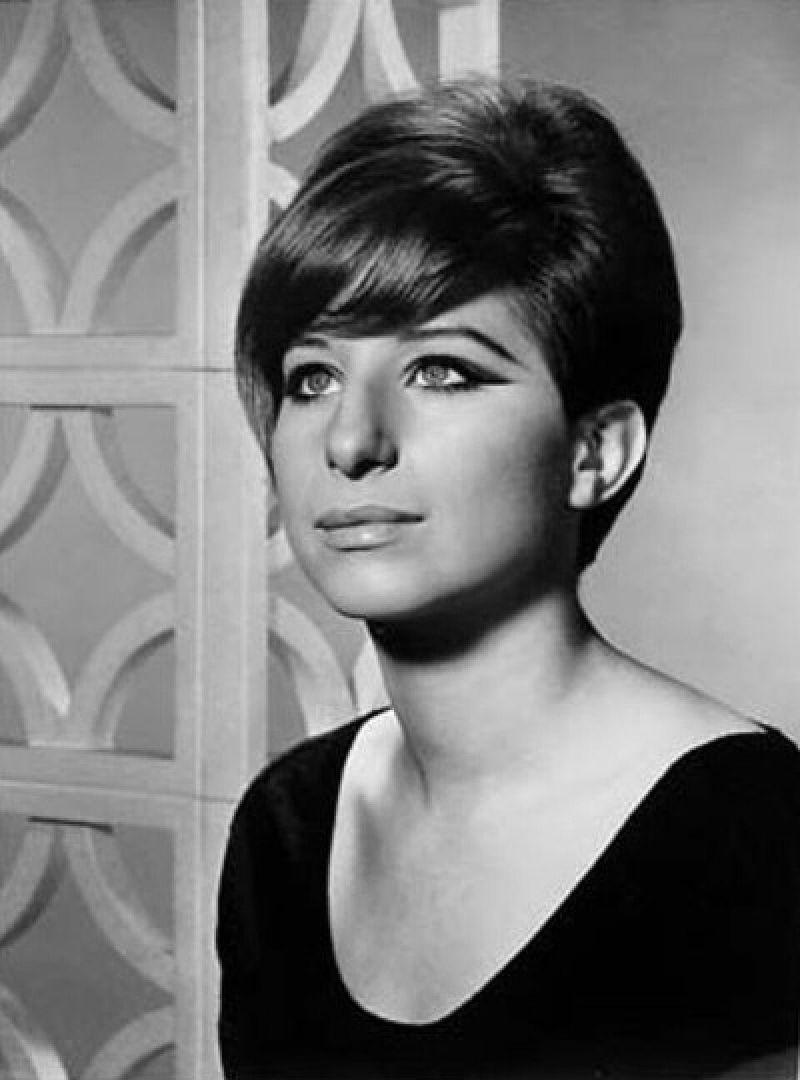
Barbra Streisand already had a famous voice, but with Evergreen she proved she could write music too. She composed the melody herself, and Paul Williams wrote the lyrics.
The song was the love theme from the 1976 film A Star Is Born. Streisand starred in the movie alongside Kris Kristofferson, and it became a major box office success.
Evergreen reached No. 1 on March 5, 1977. It stayed there for three weeks in a row, showing how much people loved movie ballads at the time.
The awards followed quickly. It won the Academy Award for Best Original Song.
At the Grammys, it tied for Song of the Year with You Light Up My Life, another hit from this list. Ties like that are rare.
Many couples later chose it as their wedding song.
6. Rich Girl by Daryl Hall & John Oates
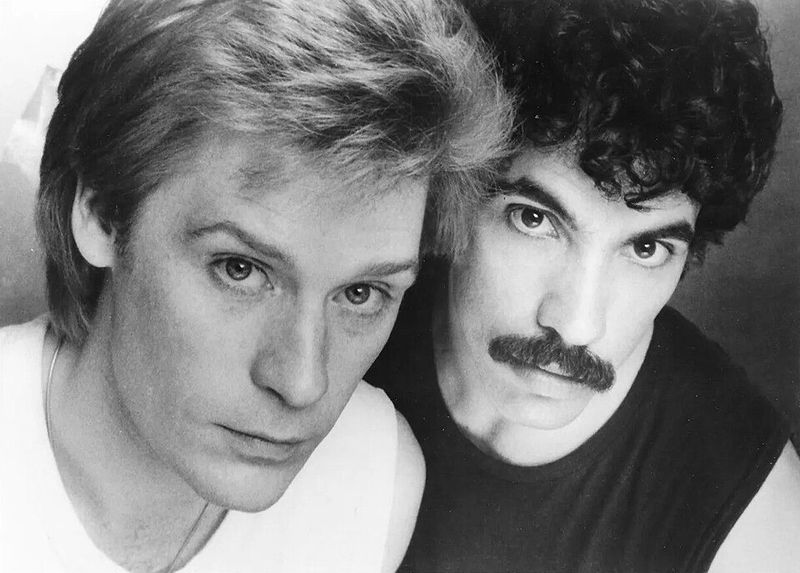
Here is a fun twist: Rich Girl was first about a guy. Daryl Hall wrote the chorus after Victor Walker, an ex-boyfriend of Hall’s girlfriend Sara Allen, showed up acting strange.
Walker’s father was reportedly wealthy and tied to a fast-food chain. Hall started with the line He’s a rich guy, but switched it to Rich Girl because it sounded better.
The song pokes at someone who leans on family money instead of growing up. It appeared on the 1976 album Bigger Than Both of Us.
On March 26, 1977, it became the duo’s first No. 1 hit and held the spot for two weeks. Billboard later ranked it the 23rd biggest hit of the year.
Its mix of pop, soul, and rock set the stage for their huge run of hits in the 1980s.
7. Dancing Queen by ABBA
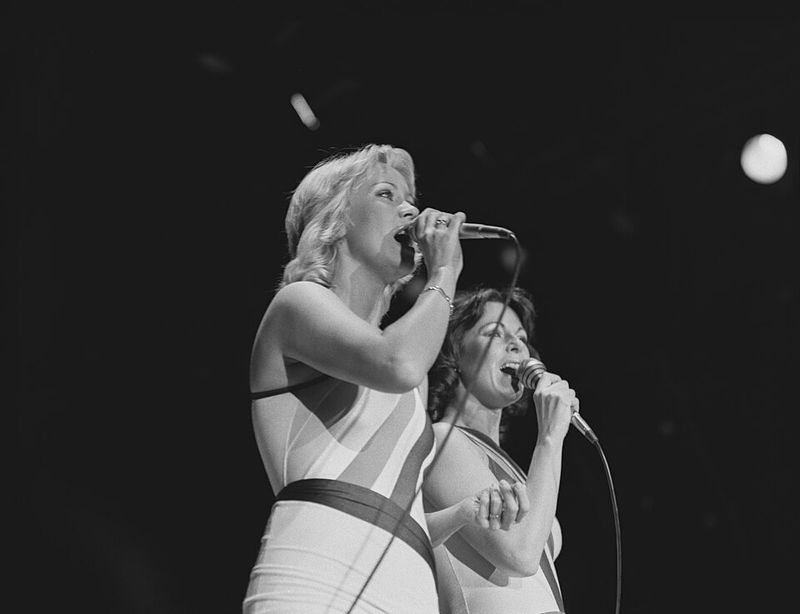
ABBA had plenty of hits around the world, but America gave them just one No. 1 single. Dancing Queen took the top spot on April 9, 1977.
The song first came out in 1976 on the album Arrival. Benny Andersson, Björn Ulvaeus, and manager Stig Anderson wrote it together.
It is about being 17 and having the time of your life on the dance floor. The group’s layered harmonies and disco beat made it feel bigger than a typical pop song.
Its American run lasted only one week. Around the globe, though, it became one of their best-selling records.
Later generations found it through movies, greatest hits albums, and the stage show Mamma Mia, which opened in London in 1999. It is still a near-guarantee at weddings, proms, and birthday parties today.
8. Don’t Leave Me This Way by Thelma Houston
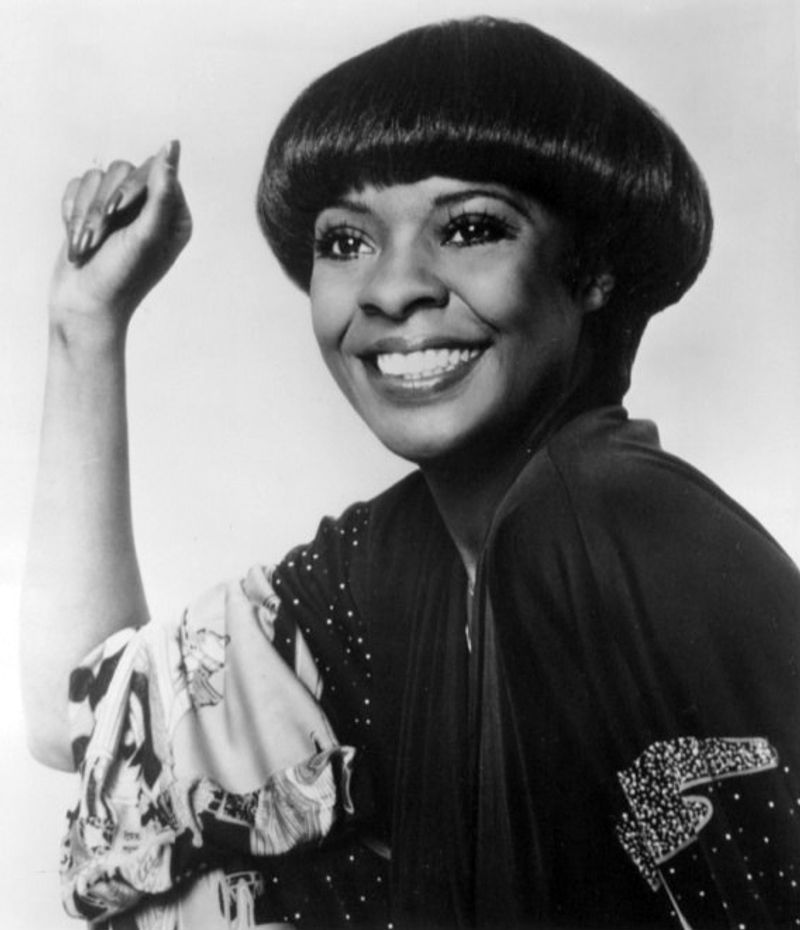
Believe it or not, this disco anthem was meant for Diana Ross. Motown planned it as her follow-up to Love Hangover, but the song went to Thelma Houston instead.
Harold Melvin and the Blue Notes, featuring Teddy Pendergrass, had recorded it first in 1975. Houston turned it into a dance-floor powerhouse.
A Boston DJ record pool reported that club crowds loved her version. That feedback pushed Motown to release it as a single from her album Any Way You Like It.
It reached No. 1 on April 23, 1977, and also topped the soul chart.
Houston won the Grammy for Best R&B Vocal Performance, Female. She skipped the telecast, though, because she expected to lose.
She had lost a past nomination to Aretha Franklin and figured lightning would not strike.
9. Southern Nights by Glen Campbell
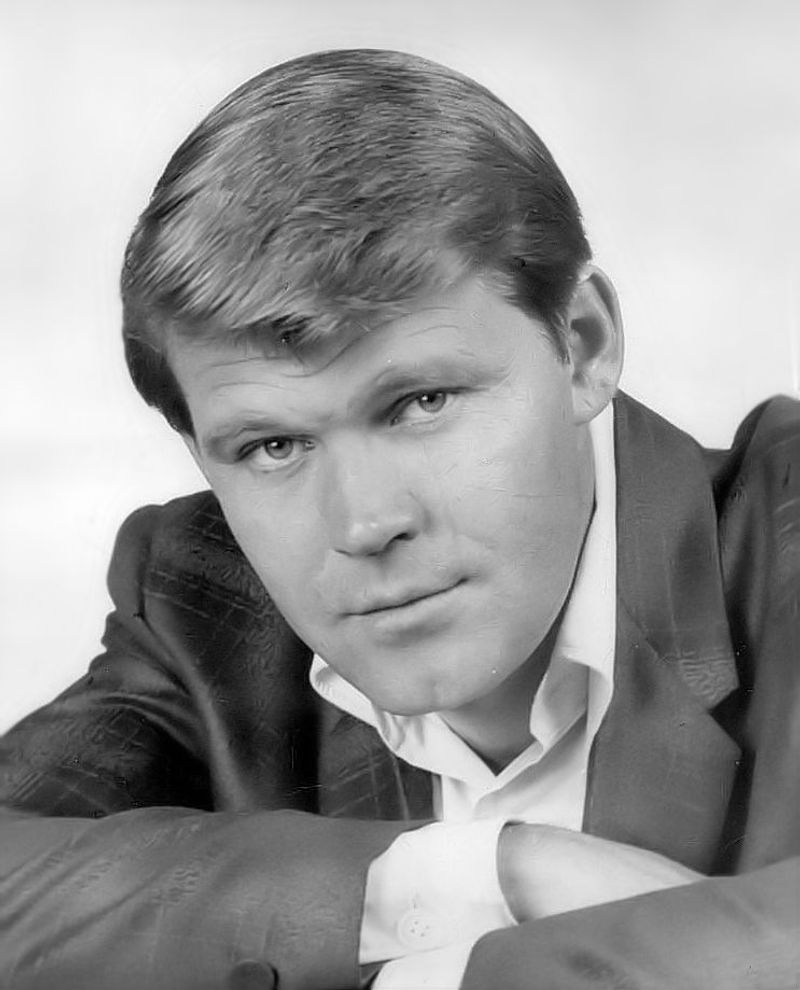
New Orleans songwriter Allen Toussaint wrote Southern Nights almost in a flash. He described it as total inspiration after a deep talk with musician Van Dyke Parks.
The song recalls Toussaint’s childhood visits to relatives in rural Louisiana, where family stories were told under starry skies. He released it on his 1975 album of the same name.
Glen Campbell heard it at songwriter Jimmy Webb’s house. The lyrics reminded him of growing up on a farm in Arkansas, so he recorded his own peppier version.
It reached No. 1 on April 30, 1977. It also topped the country and adult contemporary charts, a rare triple win.
Campbell was already known for Wichita Lineman and Rhinestone Cowboy. This hit showed country music could still compete with disco and rock on the same station.
10. Hotel California by Eagles
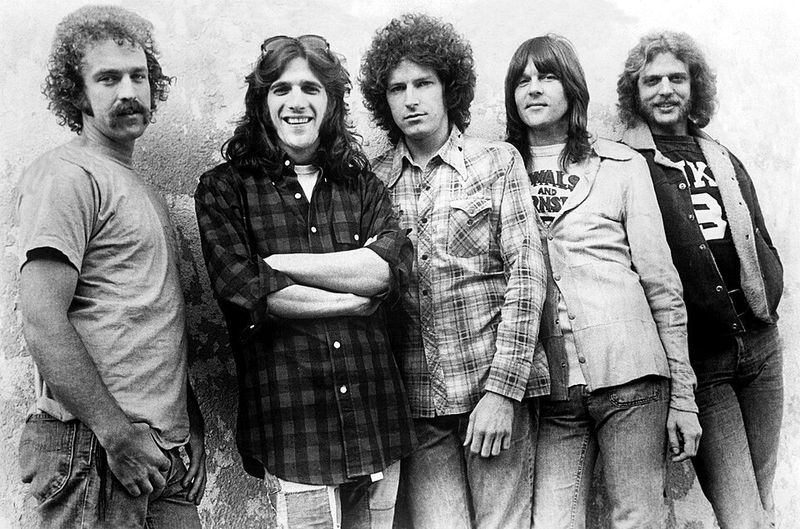
Few guitar intros are recognized faster than this one. Hotel California hit No. 1 on May 7, 1977, as the title track of the Eagles’ 1976 album.
Don Felder wrote the music, while Don Henley and Glenn Frey wrote the lyrics. Henley sang lead.
The famous ending features Felder and Joe Walsh trading guitar solos before playing together in harmony. Many guitar students still try to learn it note for note.
The lyrics deal with excess, temptation, and the darker side of the American dream. Fans have argued about what the mysterious hotel means for decades.
It won the Grammy for Record of the Year. The band did not show up to collect it, because manager Irving Azoff refused to have them attend unless a win was guaranteed.
Their album lost Album of the Year to Fleetwood Mac’s Rumours.
11. I’m Your Boogie Man by KC and the Sunshine Band
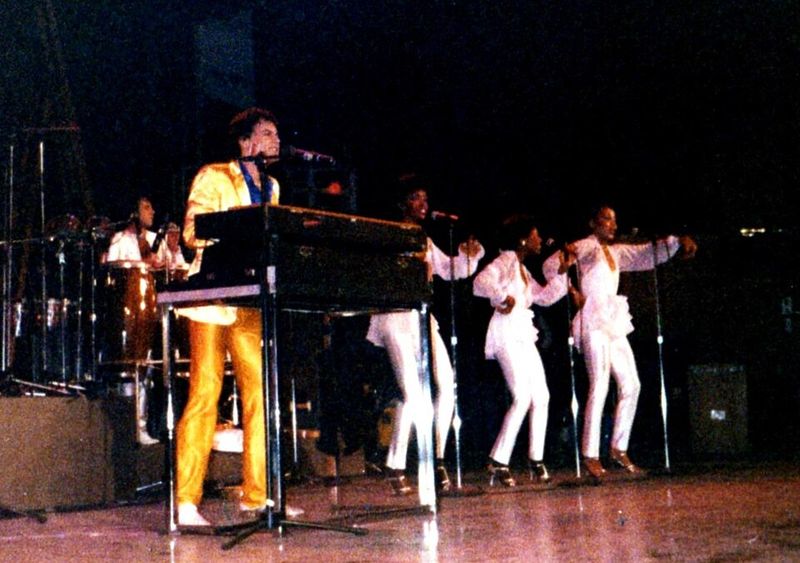
Miami’s favorite party band was on a serious roll by 1977. KC and the Sunshine Band had already topped the charts with Get Down Tonight and That’s the Way (I Like It).
On June 11, 1977, I’m Your Boogie Man gave them their fourth Hot 100 No. 1. It spent one week on top.
Harry Wayne Casey and Richard Finch wrote the song. It appeared on the group’s 1976 album, Part 3.
The story behind it reportedly involves a Miami radio DJ who had helped promote the band’s early records. The song worked as a kind of thank-you.
Punchy horns, a steady dance beat, and an easy chorus made it perfect for roller rinks and summer parties. Decades later, it also became a favorite at Halloween events, thanks to that spooky-sounding title.
12. Dreams by Fleetwood Mac
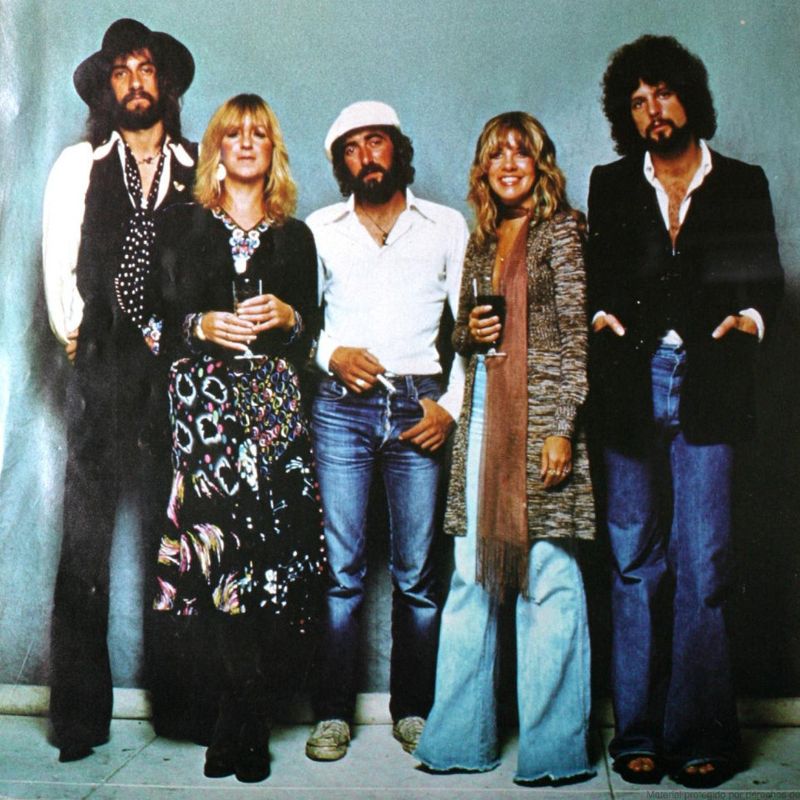
Stevie Nicks wrote Dreams in roughly 10 to 20 minutes. She sat at a Fender Rhodes keyboard in a side studio at the Record Plant and worked it out quickly.
Her relationship with bandmate Lindsey Buckingham was ending at the time. Several members of the group were going through breakups during the making of Rumours.
Somehow, that tense period produced one of the best-selling albums ever. Dreams reached No. 1 on June 18, 1977, and stayed one week.
It remains the band’s only Hot 100 chart-topper.
Then came a surprise in 2020. Nathan Apodaca posted a TikTok of himself skateboarding, sipping cranberry juice, and mouthing the lyrics.
The clip went viral. In October 2020, Dreams returned to the Hot 100 at No. 21, its best showing since 1988.
13. I Just Want to Be Your Everything by Andy Gibb
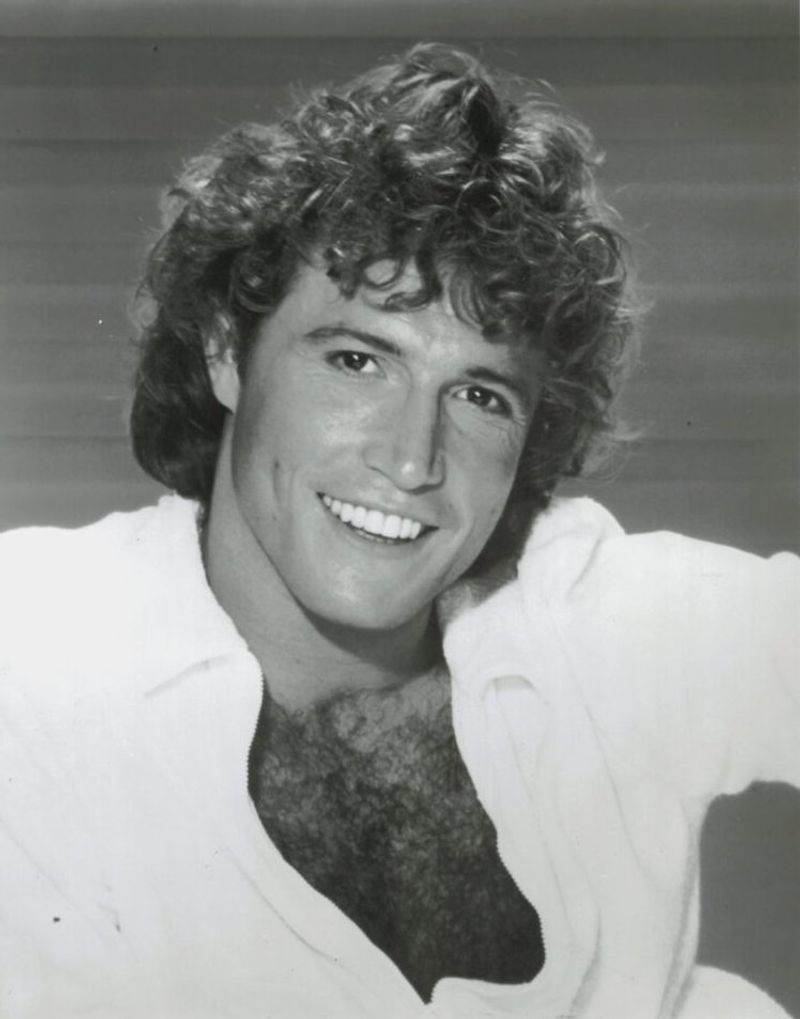
Having three famous older brothers can open a few doors. Andy Gibb’s brother Barry, of the Bee Gees, wrote I Just Want to Be Your Everything for him.
The song came from Andy’s debut album, Flowing Rivers. When it reached No. 1 on July 30, 1977, he was only 19.
It held the top spot for three straight weeks. Then it slipped down and came back for one more week in September, which does not happen often.
The track blended romantic pop with a light disco groove. It became one of the biggest songs of that summer.
It also launched a remarkable streak. Andy’s first three American singles all reached No. 1.
Teen magazines quickly filled with his photos. For a while, he was one of the most popular young stars in the country.
14. You Light Up My Life by Debby Boone
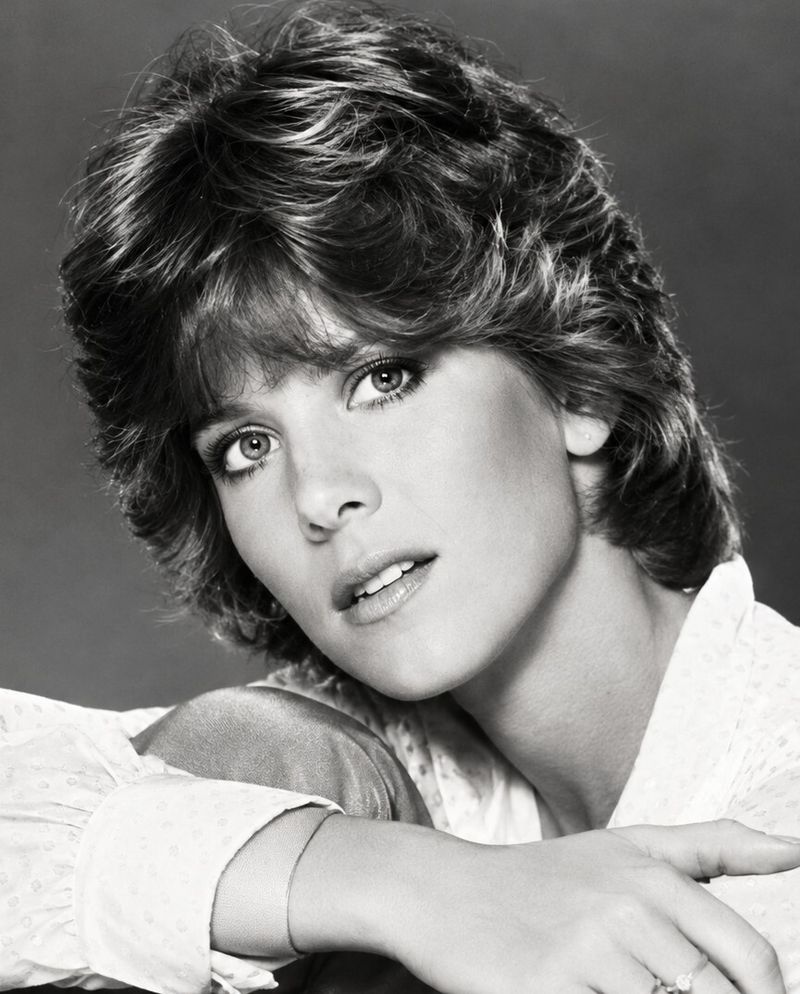
Ten weeks. That is how long You Light Up My Life sat at No. 1, starting on October 15, 1977.
No other song that year came close.
Joseph Brooks wrote it for a 1977 movie with the same title. In the film, the singing voice belonged to Kasey Cisyk.
Debby Boone, daughter of singer Pat Boone, recorded the version that became the hit single. Almost overnight, she turned into one of the biggest new names in music.
The awards piled up. Boone won the Grammy for Best New Artist, and the song earned an Academy Award plus a shared Grammy for Song of the Year.
If you turned on pop radio in the fall of 1977, you probably heard it more than once a day. It ranks among the most successful singles of the decade.
15. How Deep Is Your Love by Bee Gees
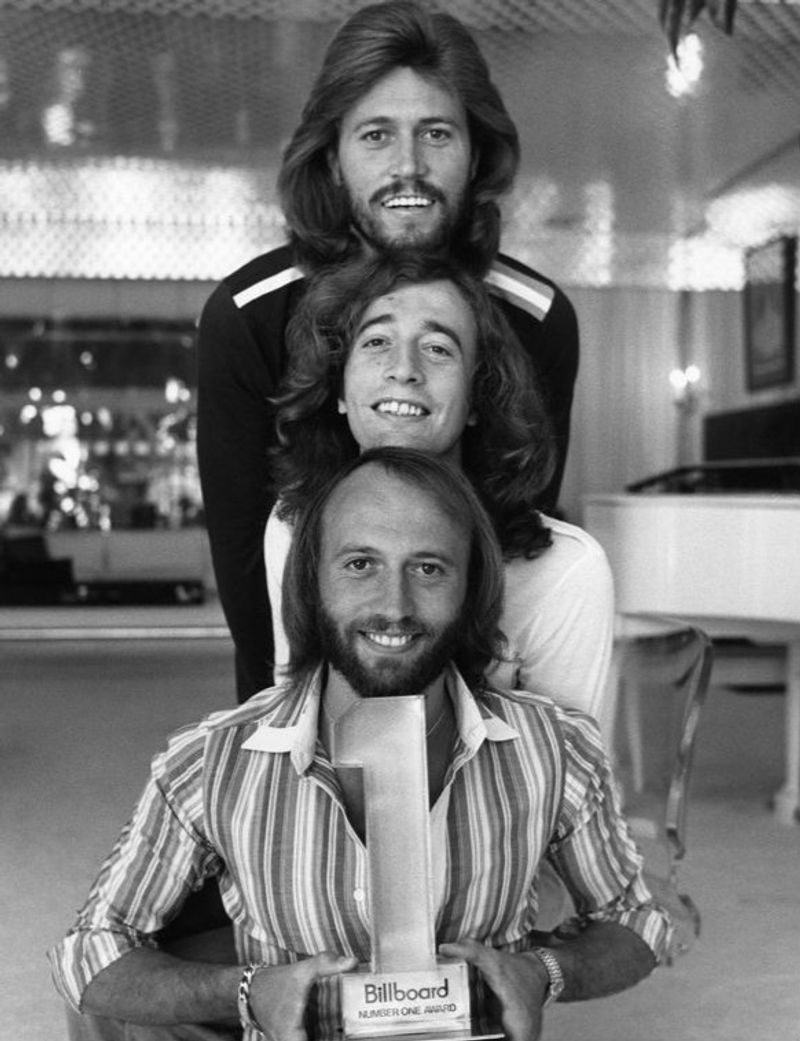
A dinner break in France led to one of the Bee Gees’ most loved songs. Barry Gibb got the chorus melody while eating at the Château d’Hérouville and rushed back to the studio.
The song was first meant for singer Yvonne Elliman. Producer and manager Robert Stigwood insisted the brothers record it themselves.
It became a highlight of the Saturday Night Fever soundtrack. Unlike the movie’s disco hits, this one was slow and romantic, built on soft harmonies.
It reached No. 1 on December 24, 1977, and held on for three weeks into 1978. It also spent six weeks atop the adult contemporary chart.
The song won a Grammy for Best Pop Vocal Performance by a Group. Barry has called it his favorite Bee Gees song, and Billboard lists it at No. 27 on its all-time chart.
Share this story