The U.S. West Coast is packed with beaches so stunning they deserve more than just a quick stop on a road trip.
From Washington’s foggy, driftwood-strewn shores to California’s sun-drenched coves, every stretch of coastline has its own personality. Whether you’re chasing waves, hunting tide pools, or just want a front-row seat to a jaw-dropping sunset, these 15 beaches are worth booking an entire vacation around.
Cannon Beach, Oregon
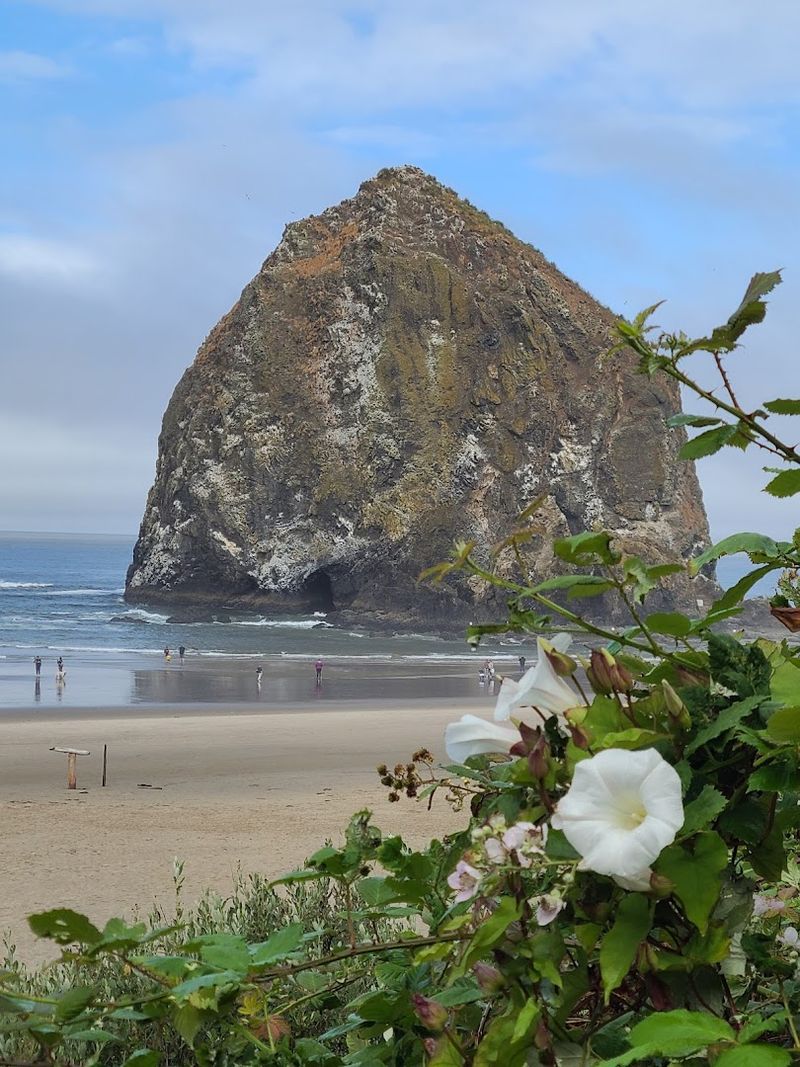
Standing 235 feet above the waterline, Haystack Rock is the kind of landmark that stops people mid-sentence. Cannon Beach has built an entire identity around this volcanic monolith, and honestly, it has earned every bit of the hype.
The rock is home to nesting tufted puffins during spring and summer, which means birdwatchers show up with binoculars and leave completely obsessed.
The wide, flat beach stretches for miles and is perfect for long walks, kite flying, and sandcastle building. Low tide reveals spectacular tide pools filled with sea stars, anemones, and hermit crabs.
Kids and adults alike spend hours crouched over these little ecosystems.
The town itself is a treat. Galleries, bakeries, and cozy restaurants line the streets just a short walk from the sand.
Plan to stay at least three nights so you can catch a sunrise, a sunset, and a foggy morning all in one trip. Cannon Beach is not just a beach stop.
It is a full experience that rewards slow travelers who take the time to actually stay awhile.
Pfeiffer Beach, Big Sur, California
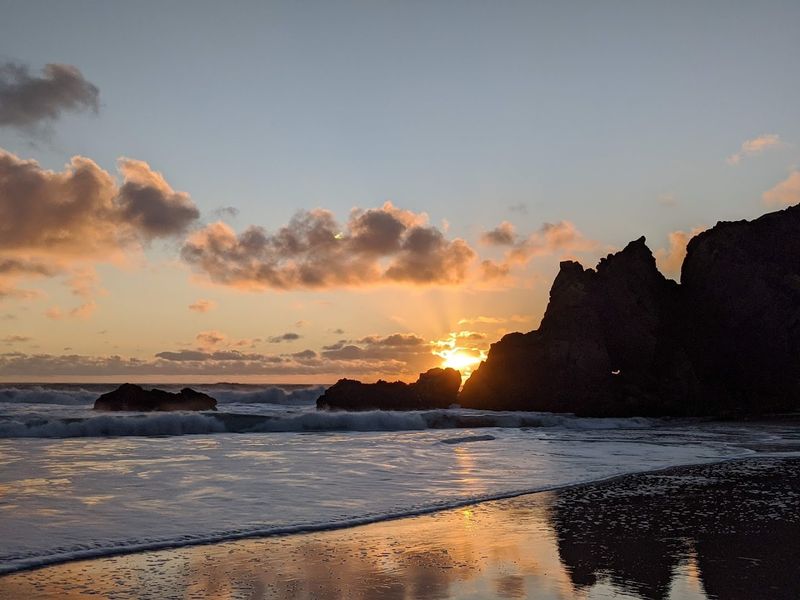
Purple sand sounds like something out of a fantasy novel, but Pfeiffer Beach makes it completely real. The lavender hue comes from manganese garnet minerals eroding from the bluffs above, and it concentrates near the water’s edge where the waves wash over it.
Few beaches in the world can claim a color like that.
The star of the show is the Keyhole Arch, a dramatic rock formation that frames the setting sun perfectly during winter months. Photographers camp out on the sand waiting for that golden moment, and the results are always worth it.
Even without a camera, watching light pour through that arch feels like witnessing something genuinely rare.
Getting there requires a bit of effort. The beach sits down a narrow, unpaved road off Highway 1, and large vehicles are not allowed.
A small fee gets you access, and the limited parking fills up fast on weekends. Arriving early on a weekday is the smartest move.
Big Sur as a whole is one of California’s most dramatic coastal regions, and Pfeiffer Beach is its most photogenic secret. Build a full Big Sur itinerary around it and you will not regret a single mile.
Ruby Beach, Olympic National Park, Washington
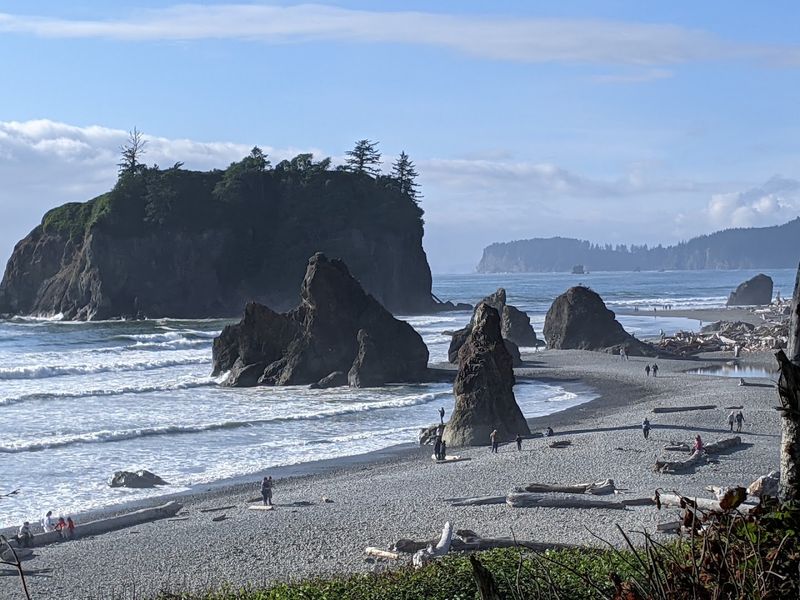
Ruby Beach looks like it was designed by someone who wanted to make the Pacific Ocean feel ancient and a little mysterious. Giant driftwood logs the size of cars are scattered across the shore like nature’s own obstacle course.
Sea stacks jut out of the water at dramatic angles, and mist rolls in off the ocean with theatrical timing.
Located inside Olympic National Park, this beach sits at the end of a short trail through old-growth forest. That transition from towering trees to wide open coastline is one of the most satisfying moments in Pacific Northwest travel.
The beach itself has no lifeguards and no amenities, which keeps crowds manageable and the atmosphere wonderfully wild.
Tide pools here are exceptional. Sea urchins, starfish, and anemones fill the rocky pools when the tide pulls back.
The water is far too cold for swimming, but nobody seems to mind because there is so much else to look at. Ruby Beach works perfectly as part of an Olympic Peninsula road trip that also hits Hurricane Ridge and the Hoh Rain Forest.
Give yourself a full week on the peninsula and Ruby Beach will be one of the moments you talk about longest after coming home.
Coronado Beach, San Diego, California
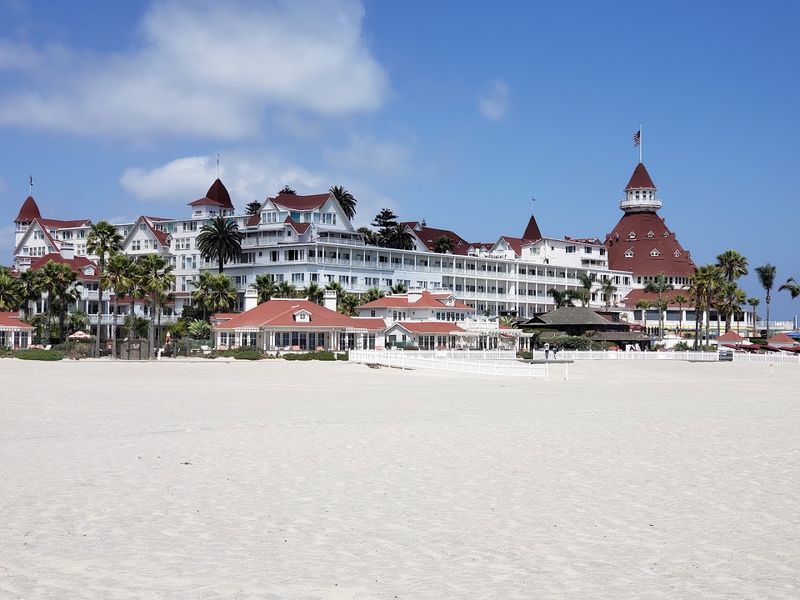
Coronado Beach has a secret weapon hiding right behind it. The Hotel del Coronado, a sprawling Victorian masterpiece built in 1888, has been watching over this shoreline for well over a century.
Its red turrets and white wooden facade create one of the most recognizable beach backdrops in the entire country. The hotel hosted presidents, royalty, and even served as a film location for the classic comedy Some Like It Hot.
The beach itself is genuinely spectacular. The sand has a faint golden shimmer caused by mica flakes mixed in, which gives the whole shoreline a warm glow on sunny afternoons.
Waves are relatively gentle compared to other California beaches, making it a strong choice for families with younger kids. Lifeguards are on duty during peak season, adding an extra layer of comfort.
Coronado Island is connected to San Diego by a long bridge and a ferry, and both options make for a fun arrival experience. The surrounding streets are lined with boutique shops, excellent restaurants, and bike rental spots.
Rent a cruiser and ride the beach path along the water for one of the most pleasant afternoon activities San Diego has to offer. This beach earns its legendary reputation every single day.
La Jolla Cove, San Diego, California
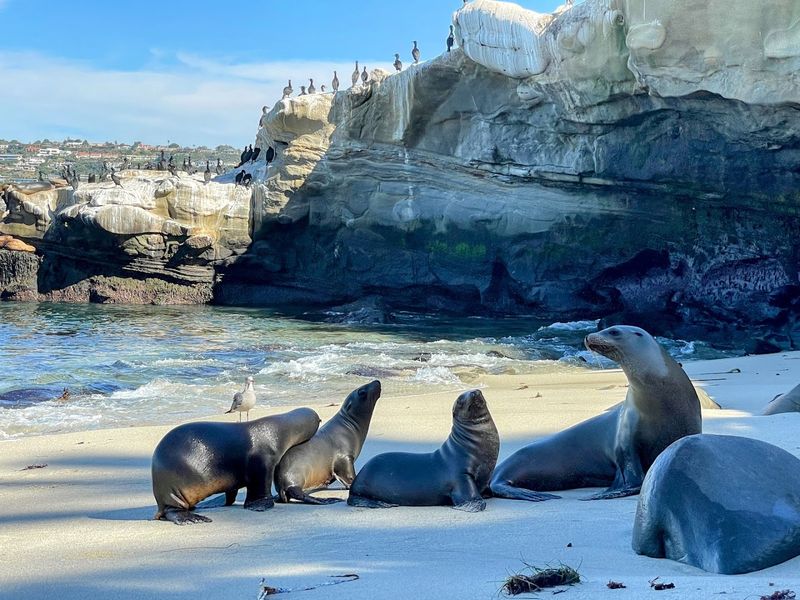
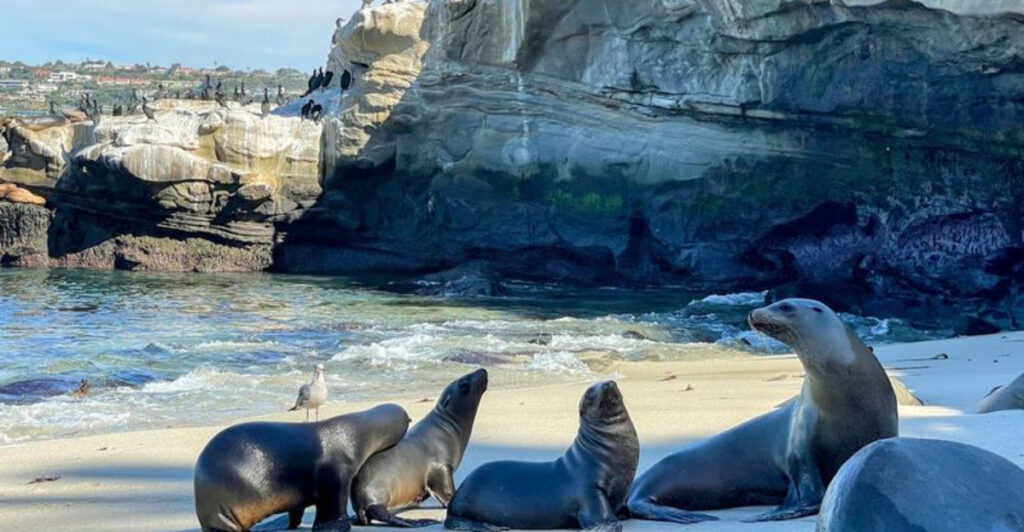
Sea lions have claimed the rocks at La Jolla Cove, and they are not shy about it. These large, loud, wonderfully charismatic animals lounge in the sun just feet from the viewing path, completely unbothered by the crowd of humans staring at them.
It is one of the easiest wildlife encounters in California, and it never gets old.
Below the surface, the water is another world entirely. La Jolla Cove sits within a protected marine reserve, which means the underwater life is thriving and remarkably clear.
Snorkelers regularly spot garibaldi fish, leopard sharks, and colorful sea stars. The visibility on calm days is stunning, easily reaching 20 feet or more.
Kayak and snorkel rentals are available nearby, making it easy to get out on the water without any advance planning.
The surrounding neighborhood, known as the Village, adds serious charm to a visit. Upscale restaurants, art galleries, and coffee shops sit within easy walking distance of the cove.
Watching the sunset from the cliffs above the water is a popular evening ritual, and for good reason. La Jolla Cove rewards visitors who linger.
Come for the sea lions, stay for the snorkeling, and end the day with a meal overlooking the Pacific. Perfect formula, every time.
Carmel Beach, Carmel-by-the-Sea, California
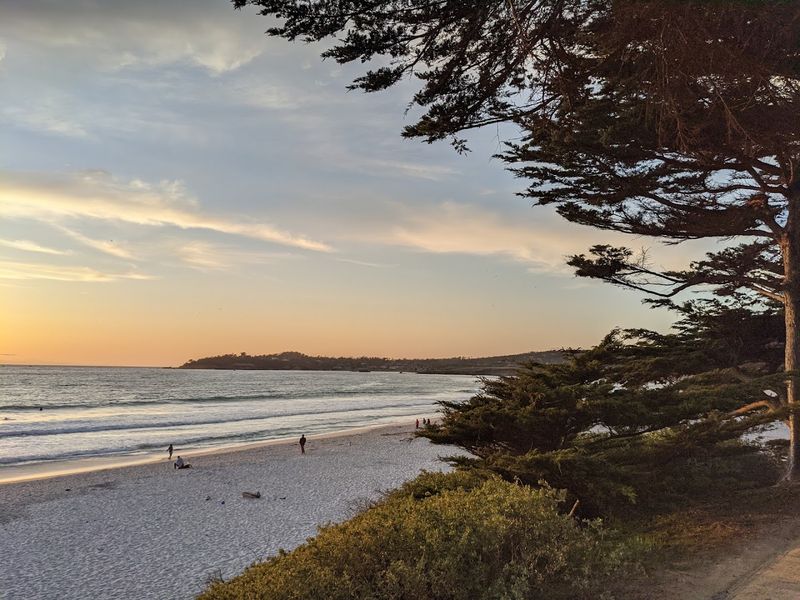
Dogs run free at Carmel Beach, and that fact alone tells you something important about the vibe here. This is a laid-back, beautiful, slightly old-fashioned beach town where the pace is slow and the scenery is quietly spectacular.
Monterey cypress trees twist dramatically along the bluffs, their silhouettes turning into works of art at sunset.
The sand at Carmel Beach is unusually white and fine, almost powdery underfoot. It stays relatively cool even on warm days, which makes afternoon walks genuinely pleasant.
The ocean here is cold and rough, so swimming is not really the main activity. Instead, people stroll, read, sketch, photograph, and simply sit and watch the waves.
It is the kind of beach that makes you feel calm without really trying.
The town of Carmel-by-the-Sea is a destination all on its own. Fairy-tale cottages, world-class art galleries, and exceptional restaurants fill the charming village streets just a few blocks from the water.
Clint Eastwood famously served as mayor here in the 1980s, which might explain the town’s slightly legendary reputation. Plan at least two full days to properly enjoy both the beach and the village.
Carmel is the rare place that feels luxurious without being pretentious about it.
Secret Beach, Samuel H. Boardman Scenic Corridor, Oregon
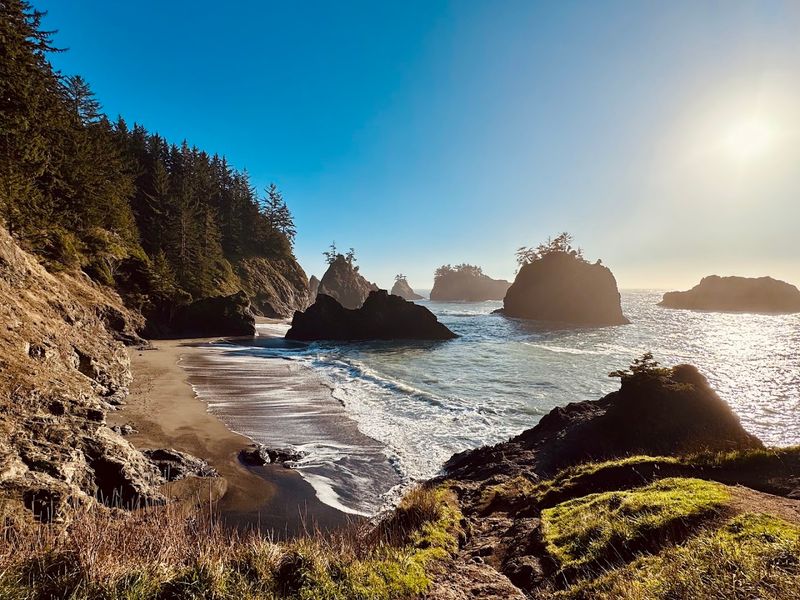
The name does the heavy lifting here. Secret Beach is genuinely hard to find, which is exactly what makes discovering it feel so rewarding.
Hidden within the Samuel H. Boardman Scenic Corridor in southern Oregon, this beach requires a short but steep hike down a forested trail before the coastline suddenly opens up in front of you like a secret being revealed.
What waits at the bottom is one of Oregon’s most dramatic coastal scenes. Sea caves carve into the cliffs, offshore rocks rise like sentinels from the surf, and a small waterfall tumbles down the bluff onto the beach.
It sounds exaggerated, but every element is actually there, all at once, in the same small cove. Photographers lose track of time here completely.
The Oregon Coast is full of scenic stops, but Secret Beach stands apart because it requires a little effort and rewards that effort generously. Wear sturdy shoes for the trail, bring water, and check tide charts before heading down since high tide can make the beach inaccessible.
The Boardman Corridor has several other jaw-dropping viewpoints nearby, so plan a full day of exploration along this stretch of Highway 101. Southern Oregon’s coast is wildly underrated, and Secret Beach is its best-kept argument for attention.
Santa Monica Beach, California
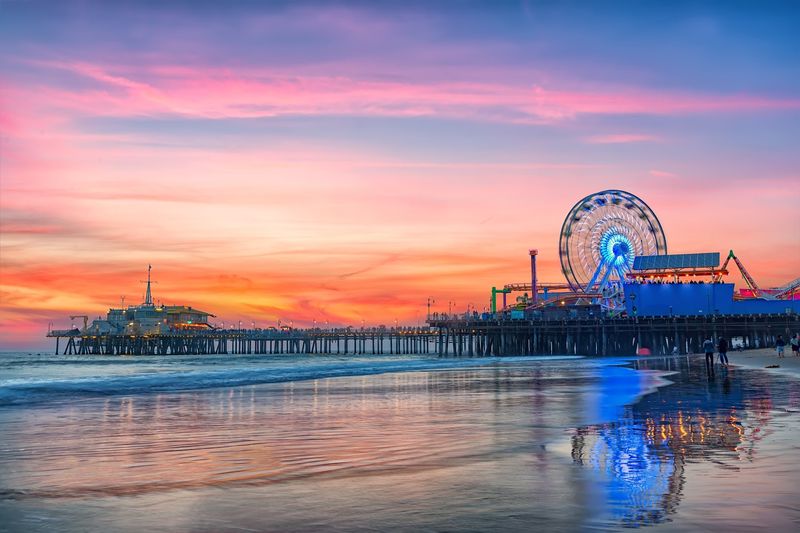
Few beaches carry as much cultural weight as Santa Monica. The pier has appeared in movies, TV shows, and music videos so many times that arriving here for the first time feels oddly familiar.
The Ferris wheel spinning above the water, the roller coaster, the neon signs at dusk. It is an American beach icon that somehow still delivers on the experience in person.
The beach itself stretches for miles in both directions, wide and clean and almost always lively. The famous bike path runs the length of the shore, connecting Santa Monica to Venice Beach to the south.
Renting a bike and cruising that path on a sunny morning is one of the great simple pleasures of Los Angeles. Volleyball courts, outdoor gyms, and playgrounds line the sand, giving the whole place an energetic, active atmosphere.
Santa Monica works well as a base for exploring greater Los Angeles. Third Street Promenade offers shopping and street performances just a few blocks from the water.
Palisades Park sits on the bluffs above the beach with sweeping ocean views. Sunsets here are genuinely spectacular, especially when the light hits the pier.
Come on a weekday if possible to avoid the weekend crush. Santa Monica rewards visitors who explore beyond the pier and stay until the sky turns pink.
Indian Beach, Ecola State Park, Oregon
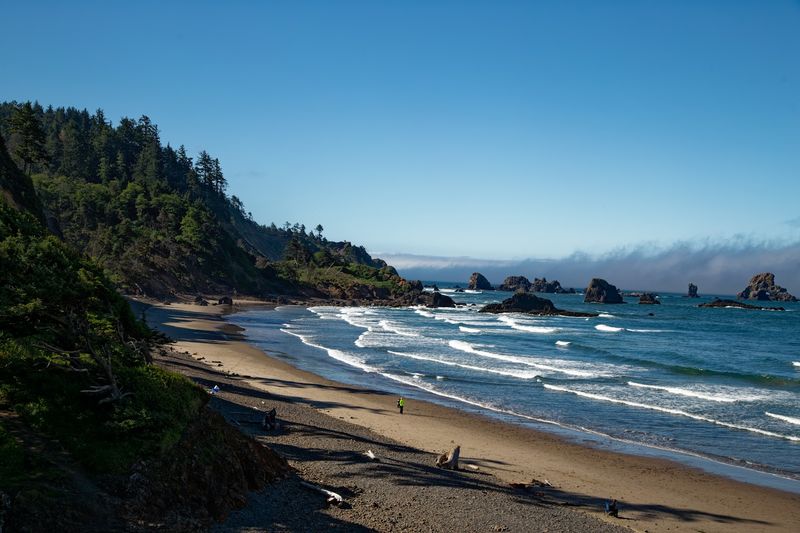
Twilight fans already know this beach by a different name. Indian Beach inside Ecola State Park was used as a filming location for the La Push beach scenes in the Twilight saga, and that connection has sent a steady stream of visitors hiking down to the cove ever since.
But even if you have never seen the films, this beach earns a visit entirely on its own merits.
The setting is genuinely cinematic. Forested cliffs wrap around a small, protected cove where surfers paddle out into consistent swells.
Sea stacks rise dramatically from the water, and the mist that frequently rolls in adds an atmosphere that feels almost theatrical. The hike down from the Ecola State Park parking area passes through dense coastal forest before opening onto the beach in a genuinely satisfying reveal.
Surfing is the primary sport here, and watching skilled surfers navigate the waves from the rocky shore is entertaining even for non-surfers. The park itself has several other trails with stunning headland views over the Pacific, including views of the famous Tillamook Rock Lighthouse sitting alone offshore.
Cannon Beach is just a short drive south, making Indian Beach an easy addition to a broader Oregon Coast itinerary. Pack a lunch, wear layers, and plan to stay longer than you think you need to.
El Matador Beach, Malibu, California
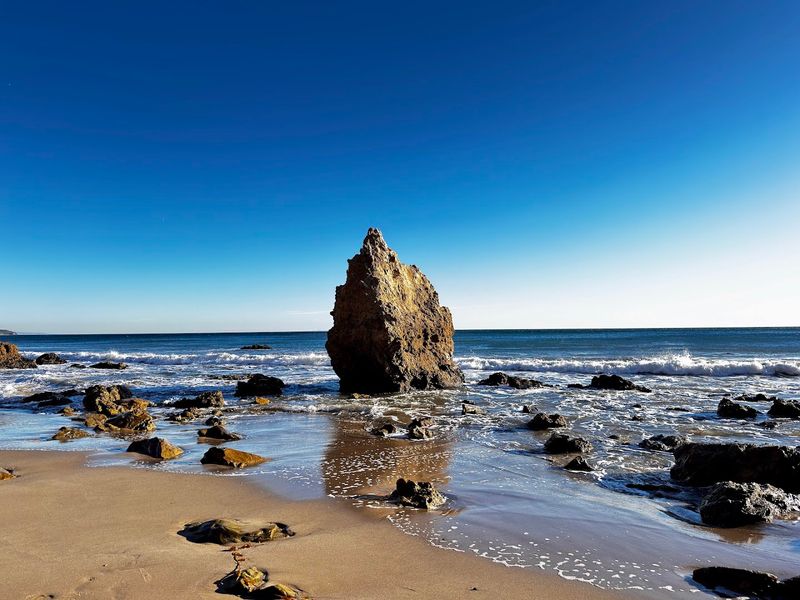
El Matador is the kind of beach that makes people wonder why they ever bother going anywhere else. Towering rock formations create natural corridors along the shoreline, sea caves open into hidden chambers, and the whole place glows in warm golden tones during the late afternoon.
It is consistently ranked among the most photographed beaches in California, and the camera does not lie.
Getting down to the beach requires descending a steep staircase from the clifftop parking lot. The lot fills up fast, especially on weekends and during golden hour.
Arriving well before sunset is strongly recommended. Once you are down on the sand, the crowds spread out naturally among the various coves and rock formations, so it rarely feels as packed as the parking situation suggests.
Low tide is the best time to explore the sea caves and walk between the rock formations. Always check tide schedules before visiting because rising water can trap visitors in certain sections of the beach.
El Matador is one of three state beaches in the Robert H. Meyer Memorial State Beach group, and the other two nearby spots are also worth a quick visit.
Malibu has no shortage of beautiful coastline, but El Matador is the showstopper that belongs at the top of every Southern California beach list.
Trinidad State Beach, California
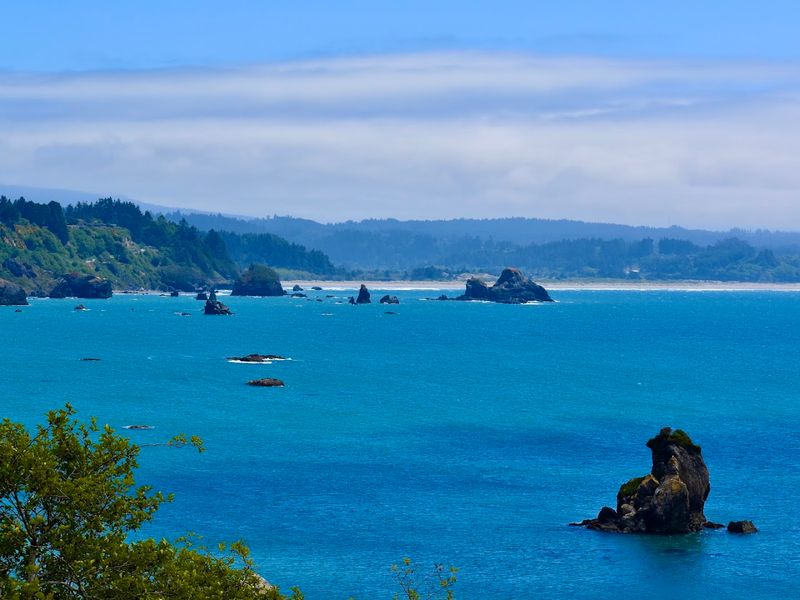
Northern California’s coastline operates on a completely different frequency than the beaches down south. Trinidad State Beach sits near the small fishing village of Trinidad, about 25 miles north of Eureka, and the whole area feels refreshingly unhurried.
The beach is framed by forested bluffs and dotted with offshore rocks that host colonies of seabirds year-round.
The water here is cold and the surf can be rough, but that does not stop visitors from enjoying the scenery. Tidepooling is excellent along the rocky sections of shore, and the surrounding headland offers walking trails with panoramic ocean views.
Trinidad Head, a short hike from the beach, rewards hikers with one of the best whale-watching vantage points on the Northern California coast during migration season.
The town of Trinidad is genuinely charming in a small, unpolished way. A handful of excellent seafood restaurants, a historic lighthouse, and a small pier where fishing boats come and go give the area real character.
Humboldt County is not on most people’s California beach radar, which is exactly why it feels so special. Redwood National Park is just a short drive north, making Trinidad the perfect coastal anchor for a Northern California road trip that combines beaches, ancient forests, and a pace of life that actually lets you breathe.
Rialto Beach, Olympic National Park, Washington
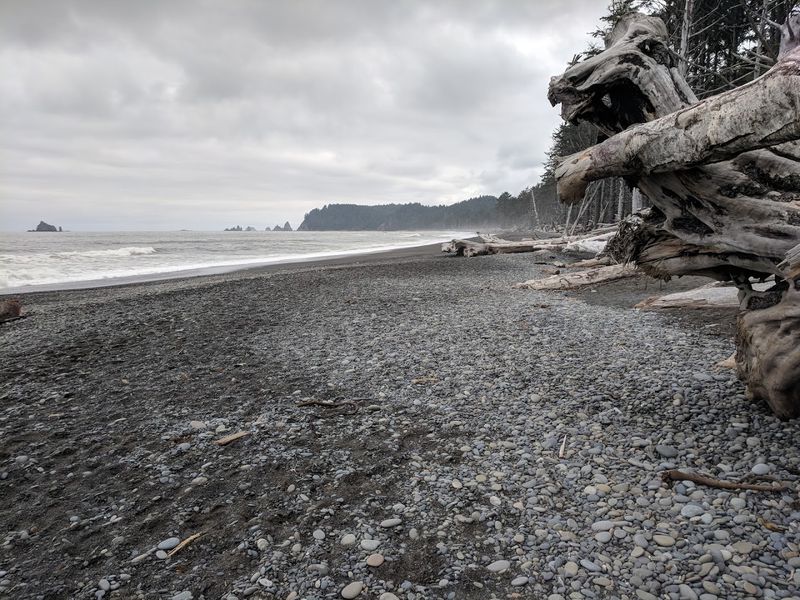
Rialto Beach is the kind of place that makes you feel genuinely small in the best possible way. The beach is covered in enormous driftwood logs that have washed ashore over decades, creating a natural sculpture garden that stretches the entire length of the shoreline.
Walking through it feels like navigating a maze built by the ocean itself.
The main attraction beyond the driftwood is the Hole-in-the-Wall, a massive sea arch carved into a headland about 1.5 miles north along the beach. The hike there is one of the most rewarding easy walks in Olympic National Park, passing sea stacks, tide pools, and dramatic wave-carved rock formations along the way.
Reaching the arch and walking through it at low tide is a genuinely memorable moment.
Rialto Beach is located near the small town of La Push, home to the Quileute Tribe, whose history and culture are woven into the entire area. The beach is accessible year-round, and visiting in the off-season means significantly fewer people sharing the scenery.
Rain gear is always a smart call on the Olympic Peninsula regardless of the forecast. Camping is available nearby for those who want to wake up to the sound of waves crashing against driftwood.
Rialto is wild, raw, and completely unforgettable.
Neskowin Beach, Oregon
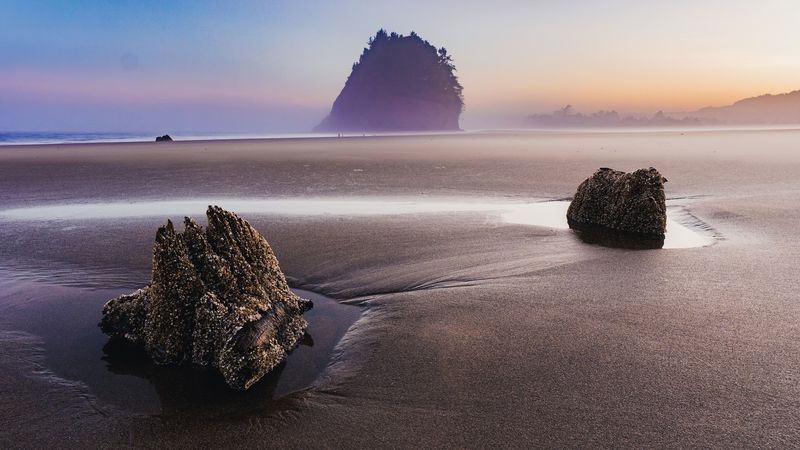
About 2,000 years ago, a massive earthquake caused a coastal forest to sink below the waterline along the Oregon Coast. Today, the ancient stumps of those Sitka spruce trees poke back through the sand at Neskowin Beach during low tide, creating what locals call the Ghost Forest.
It sounds eerie, and it kind of is, in the most fascinating way imaginable.
Neskowin is a quiet, residential beach community with none of the tourist infrastructure of bigger Oregon Coast towns. There are no boardwalks, no souvenir shops, and no crowds fighting for parking.
Just a wide, peaceful beach, the sound of the surf, and those haunting old stumps emerging from the wet sand like a message from the distant past. It is the definition of a hidden gem.
Cascade Head rises dramatically to the north of the beach, offering hiking trails through rare coastal prairie habitat with sweeping views over the ocean. The trails are maintained by The Nature Conservancy and are among the best coastal hikes in Oregon.
Neskowin is roughly halfway between Lincoln City and Pacific City, making it a natural midpoint stop on an Oregon Coast road trip. But once most travelers arrive and see the Ghost Forest at low tide, a quick stop has a way of turning into a much longer stay.
Zuma Beach, Malibu, California
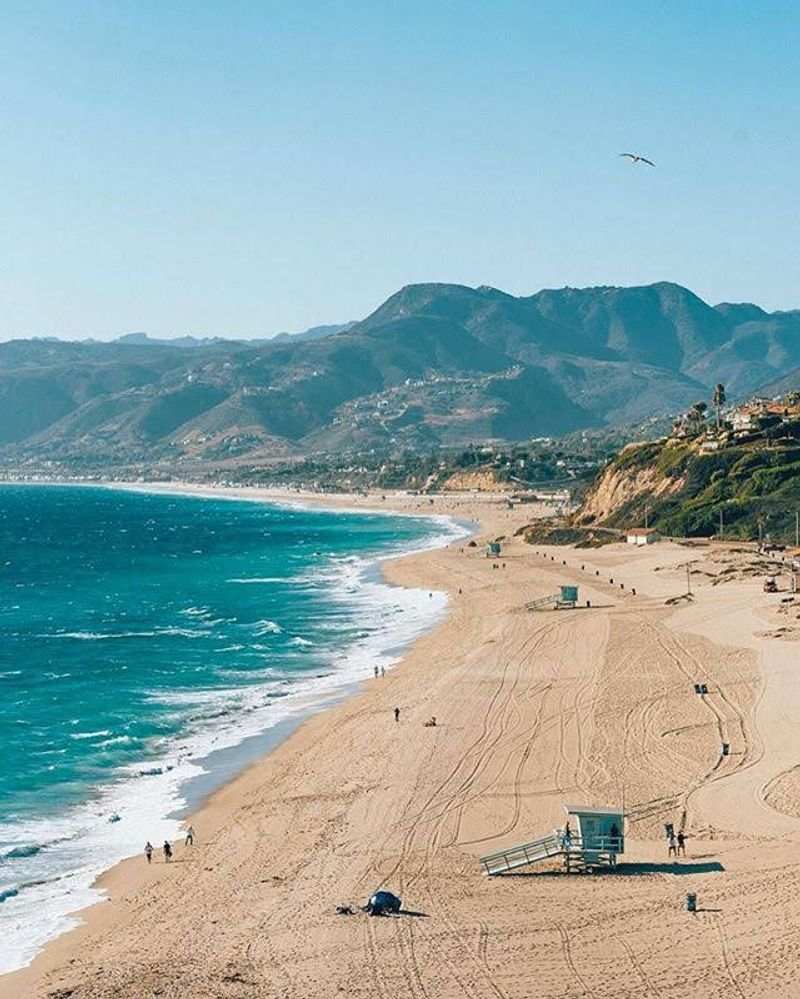
Zuma Beach is where Malibu locals actually go to spend the day, which is a meaningful endorsement. Stretching for nearly two miles, this wide, clean county beach has the space to absorb large crowds without ever feeling claustrophobic.
On a clear day, the Santa Monica Mountains rise behind the shoreline and the Channel Islands appear faintly on the horizon, making the backdrop almost unreasonably good.
The surf at Zuma is reliable and relatively consistent, drawing surfers and boogie boarders throughout the year. Lifeguard towers are stationed at regular intervals during peak season, making it a comfortable option for families with children who want to get in the water.
Parking is ample compared to many Malibu beaches, which is a bigger deal than it sounds when you are trying to plan a stress-free beach day.
Zuma sits along Pacific Coast Highway about 30 miles northwest of Santa Monica, putting it within easy reach of Point Dume State Beach, which is just a short drive south and worth adding to the same day trip. Point Dume’s clifftop trail offers one of the best views of the Malibu coastline anywhere.
Zuma does not have the dramatic rock formations of El Matador, but what it offers is uncomplicated, generous, and genuinely enjoyable. Sometimes a great beach is simply a great beach.
Glass Beach, Fort Bragg, California
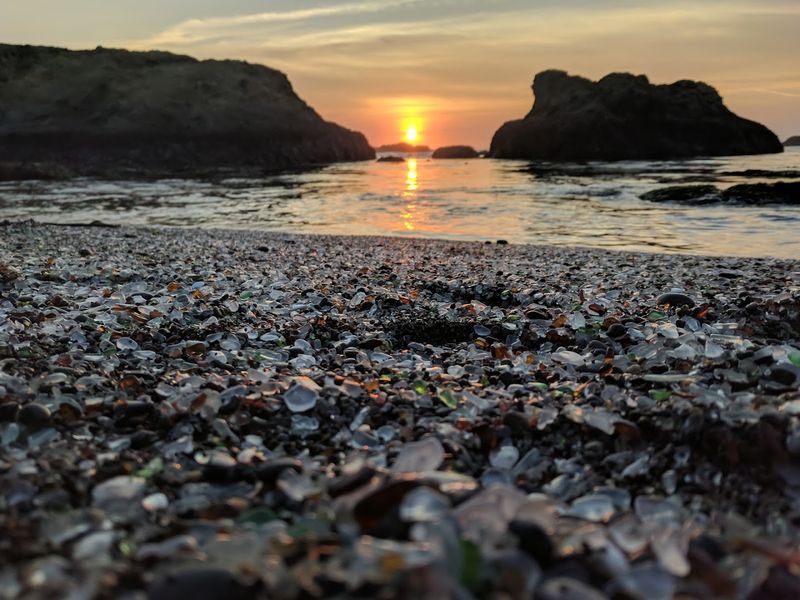
For most of the 20th century, the residents of Fort Bragg dumped their garbage directly onto the coastal bluffs north of town. Appliances, bottles, pottery, and assorted debris tumbled down to the beach below.
Decades of wave action then did something remarkable. It ground all of that glass and ceramic into smooth, frosted, colorful pieces that now cover the shoreline in a glittering mosaic.
The ocean essentially turned a dump into an art installation.
Glass Beach is technically three separate beaches, and the amount and quality of sea glass varies between them. The first beach, closest to the parking area, has been picked over the most.
The second and third beaches tend to have better finds, especially after winter storms churn up fresh material from the sand. Collecting the glass is now prohibited since the supply is finite and the beach needs protection, but looking is completely free.
Fort Bragg itself is a working-class coastal town with excellent seafood restaurants, a historic logging museum, and the famous Skunk Train that runs through the redwoods inland. The Mendocino Coast as a whole is one of California’s most underappreciated stretches of shoreline.
Glass Beach is the quirky, colorful, slightly improbable centerpiece of a region that rewards curious travelers willing to explore beyond the obvious California destinations.
Share this story