Frank Lloyd Wright designed hundreds of buildings, but only some of his homes welcome visitors through the front door. Across the country, you can step inside waterfall houses, desert studios, and compact family homes that changed how Americans thought about living spaces.
Some stops are famous, while others are small museums that many travelers drive right past. This list covers sixteen Wright houses open for tours, from Pennsylvania to Oregon and Arizona.
Each one shows a different side of his career, from grand Prairie estates to affordable Usonian designs. Tour days and seasons change, so check each site’s current schedule and reserve ahead when you can.
Save this list for your next road trip, and send it to the friend who always points out interesting buildings.
Fallingwater, Mill Run, Pennsylvania
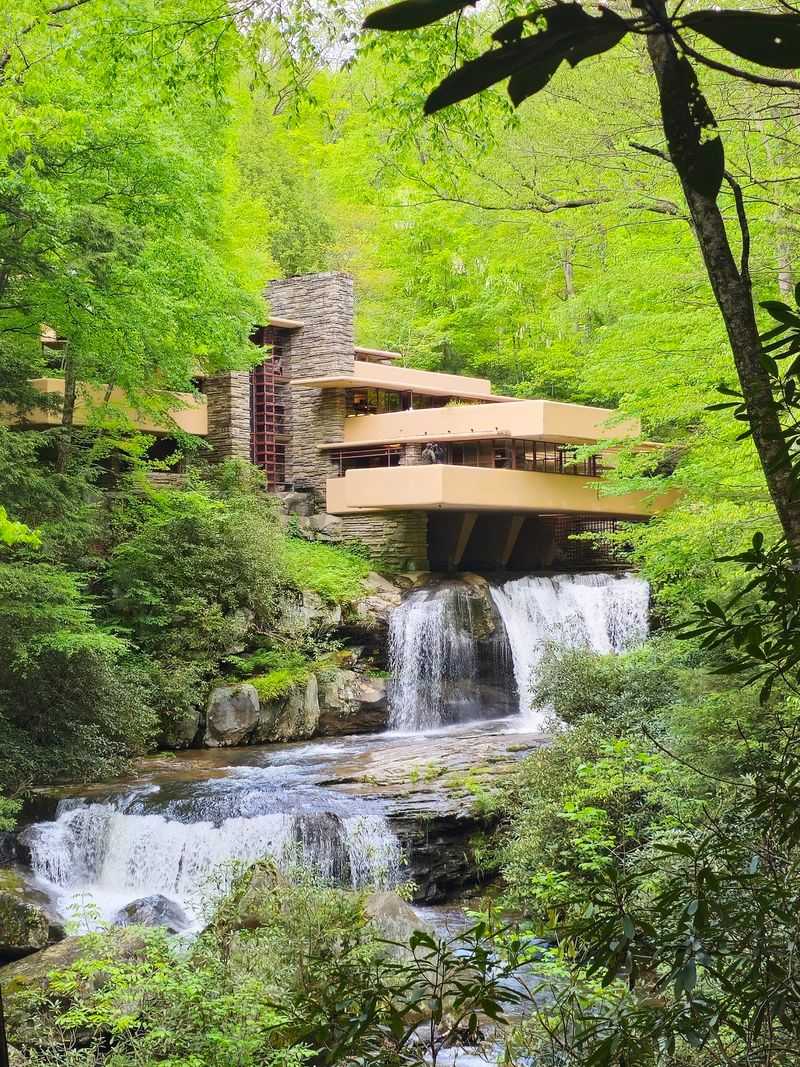
Concrete terraces stretch out over a real waterfall here, and that one detail explains why Fallingwater is the Wright house most people picture first. Wright designed it for Pittsburgh department-store owner Edgar J.
Kaufmann and his family.
Instead of facing the stream from a distance, the house sits right above Bear Run. Stone walls, large windows, and outdoor terraces bring the surrounding forest into nearly every room.
Tours are guided and focus on architecture. The standard tour lasts about an hour and covers the house interior along with the outdoor terraces.
The 2026 season runs from March 14 through December 31. The house is regularly closed on Wednesdays and some holidays, so check the calendar before planning your drive.
Booking ahead is smart, since this is one of the most visited architecture sites in the country and spots can fill quickly during busy months.
Kentuck Knob, Dunbar, Pennsylvania
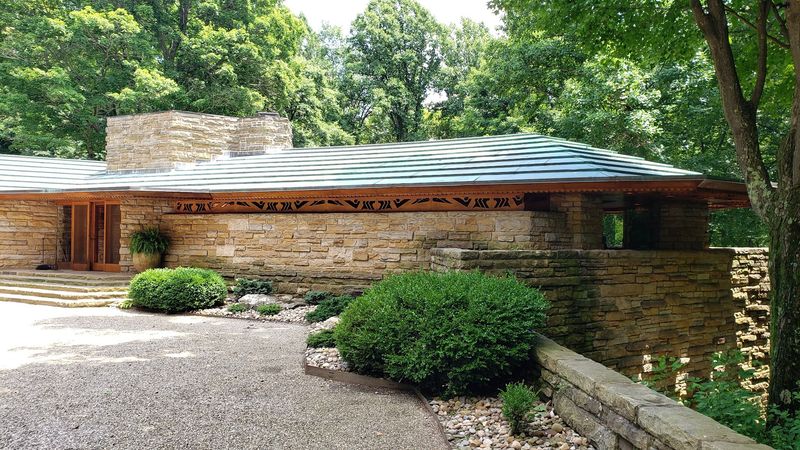
Plan a short drive from Fallingwater and you can see how differently Wright handled a hillside. Kentuck Knob was designed for I.N. and Bernardine Hagan in the 1950s, and it sits quietly against the woods instead of showing off.
The house is built on a hexagonal grid. Native stone, red cypress, and broad roof overhangs give it the look of Wright’s later Usonian work, with cozy rooms rather than grand halls.
The grounds include a woodland sculpture trail, so the visit is as much about walking outdoors as looking at architecture.
Guided house tours run during the 2026 season, with regular operations from March through November and some extra December dates. Visitors can choose a standard 45-minute tour or a limited in-depth tour.
Pairing this stop with Fallingwater makes an easy architecture day.
Frank Lloyd Wright Home and Studio, Oak Park, Illinois
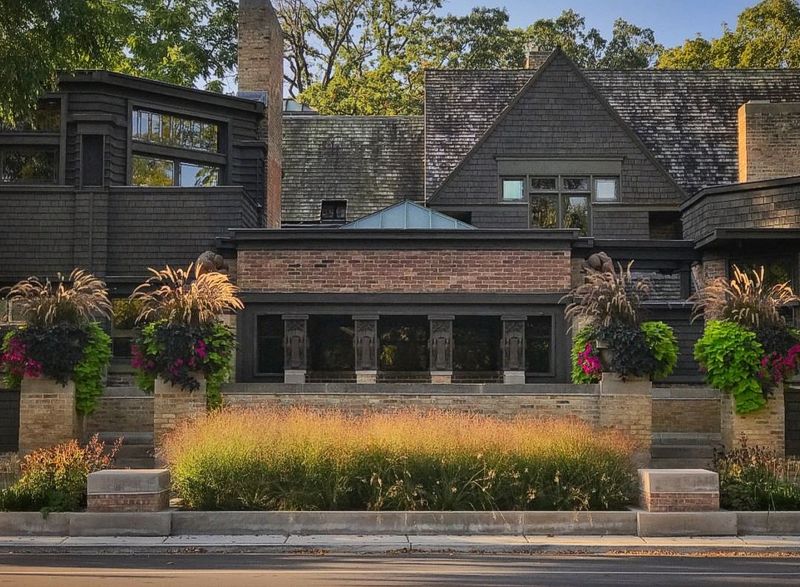
Long before he was famous, Wright used his own house as a place to test ideas. In Oak Park, he lived here with his family and kept remodeling the building as his thinking changed.
The attached studio is where Wright and his associates worked out many of the ideas that became known as Prairie architecture. Visitors can see the studio itself and the dramatic children’s playroom, which many people remember long after the tour ends.
The neighborhood adds to the trip. Oak Park has numerous other Wright-designed homes you can view from public streets, so a walk around the blocks nearby makes the visit feel bigger.
Guided interior tours are currently offered daily, generally between 10 a.m. and 4 p.m. The house is entered by tour only, so check the Frank Lloyd Wright Trust schedule before you go.
Frederick C. Robie House, Chicago, Illinois
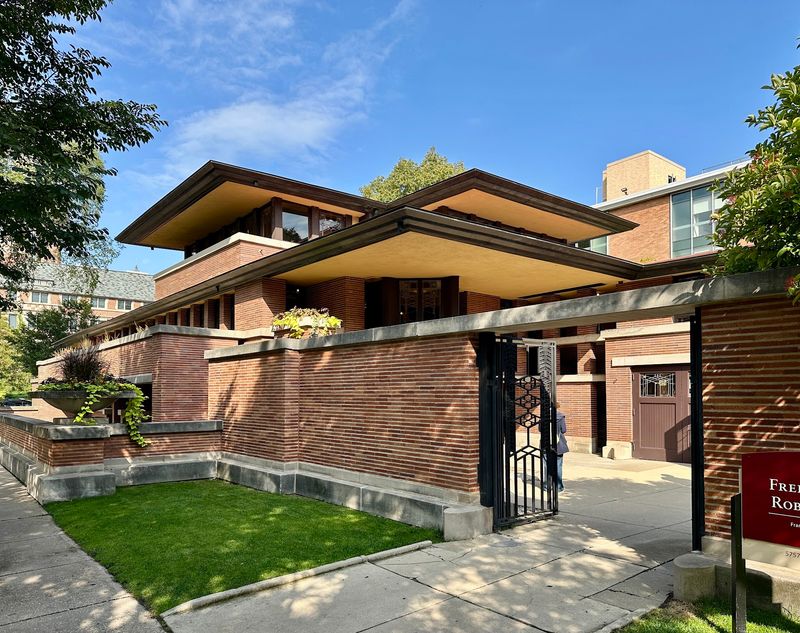
Stand across the street from the Robie House and the first thing you notice is how low and long it looks. Completed in 1910, it is one of the clearest examples of Wright’s Prairie style.
Brick walls stretch across the site, bands of art-glass windows run along the front, and the roof overhangs reach far past the walls. Cantilevers add to the sense of movement.
Inside, Wright skipped the usual set of small closed-off rooms. Living and dining areas flow together around a central hearth, which was a bold idea for the time.
The house is also part of the UNESCO World Heritage listing for major Wright works. Public guided tours are currently offered Thursday through Monday, with standard interior visits plus longer in-depth experiences on selected days.
It sits in Chicago, so it fits easily into a city weekend.
Taliesin, Spring Green, Wisconsin
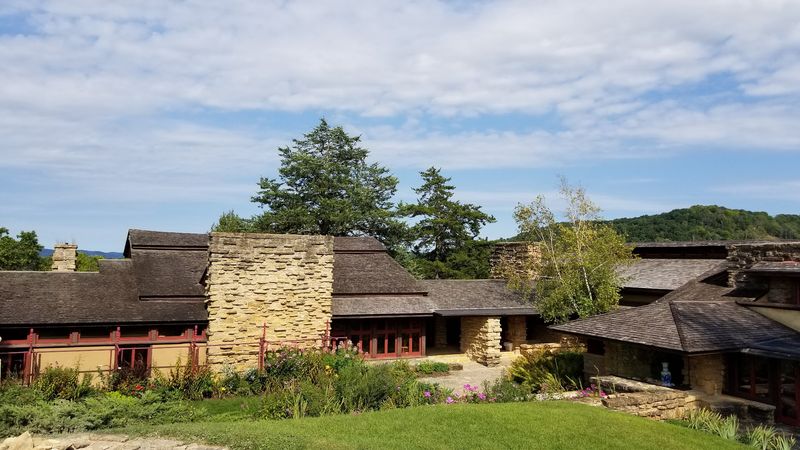
Fire struck Taliesin more than once, and Wright kept rebuilding. That history is part of why the Wisconsin estate feels like a work that never stopped changing.
It was his home, his studio, and his ongoing experiment. Set in the hills of southwestern Wisconsin, it reflects his belief that a building should belong to its surroundings.
Visitors can pick from several kinds of tours. Options range from an introductory house tour to longer visits that cover major parts of the estate, so you can match the visit to your time and energy.
For 2026, the full tour season runs through October. House tours continue on selected days in November and December, and private visits can be arranged at other times.
Since the grounds are large, wear comfortable shoes and check the tour descriptions before booking.
Taliesin West, Scottsdale, Arizona
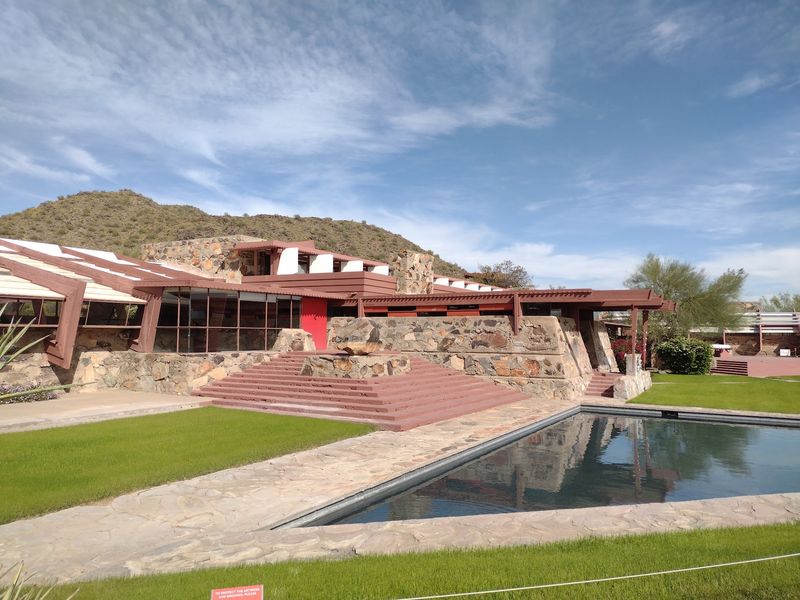
Winter in Arizona was the whole point of this place. Wright and his apprentices began building Taliesin West in the late 1930s, using local desert stone and testing ideas about light, materials, and indoor-outdoor living.
Over time the site became a home, an architecture studio, a school, and a gathering place. That mix of uses is easy to see as you walk through the complex.
Visitors can explore living spaces, work areas, terraces, and sections of the historic grounds. Self-guided audio tours are available, along with special guided experiences for people who want more detail.
Taliesin West is open in 2026. In October it is open Wednesday through Monday, and expanded daily operations begin in November.
Desert sun can be strong, so bring water and a hat for the outdoor parts of the visit.
Hollyhock House, Los Angeles, California
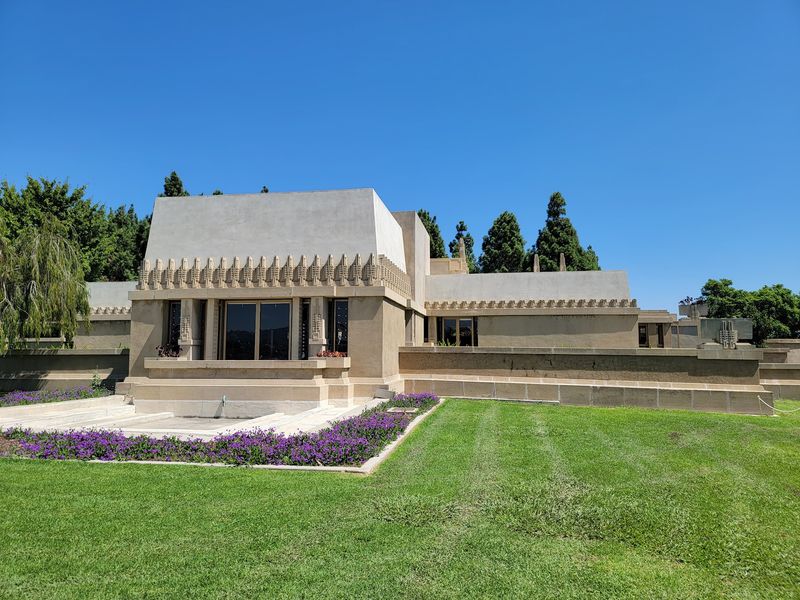
Hollyhock House does not look like the Prairie homes of the Midwest, and that is what makes it fun. Wright designed it for oil heiress and arts patron Aline Barnsdall, and it was completed in the early 1920s.
The design is a monumental Southern California residence filled with geometric ornament. Many of those patterns refer to the hollyhock, Barnsdall’s favorite flower.
It stands in Barnsdall Art Park and is one of Wright’s eight UNESCO-listed works, so you can combine the tour with a stroll through the park.
Public interior access continues in 2026. Self-guided admission is generally offered Thursday through Saturday, and scheduled guided experiences are also available.
Capacity is limited, so advance tickets are recommended, especially for weekend visits.
Darwin D. Martin House, Buffalo, New York
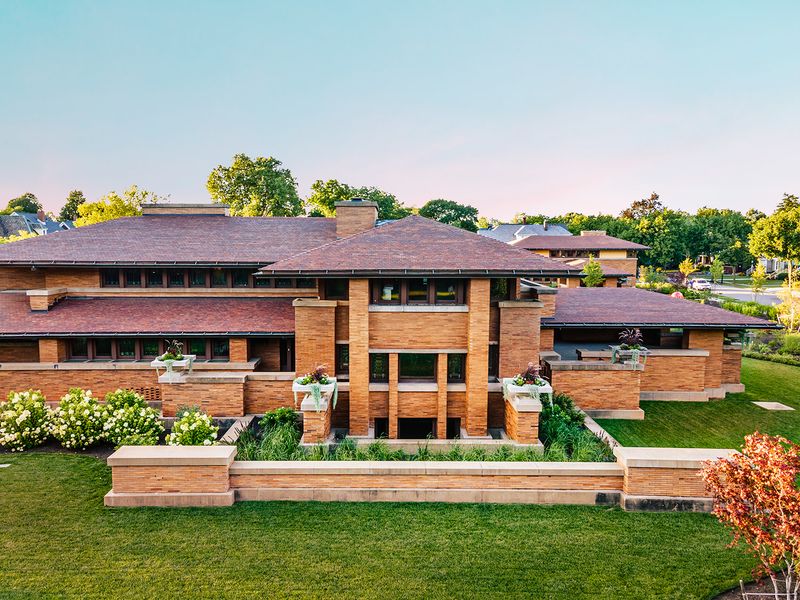
Few Wright projects were planned on this scale for a family. The Martin House complex in Buffalo was designed for Darwin D.
Martin in the early 1900s, and it includes much more than a single house.
Besides the main residence, the property has connected structures, a pergola, a conservatory, and a carriage house. Long horizontal lines, art glass, brickwork, and custom furnishings show how completely Wright could shape a home.
Parts of the estate had been lost, but an extensive restoration has brought back missing sections.
The site is open for public visits and offers several guided tour options. The standard tour lasts 75 minutes and covers the main first-floor rooms along with the pergola, conservatory, and carriage house.
It pairs well with Graycliff, another Martin family project nearby.
Graycliff, Derby, New York
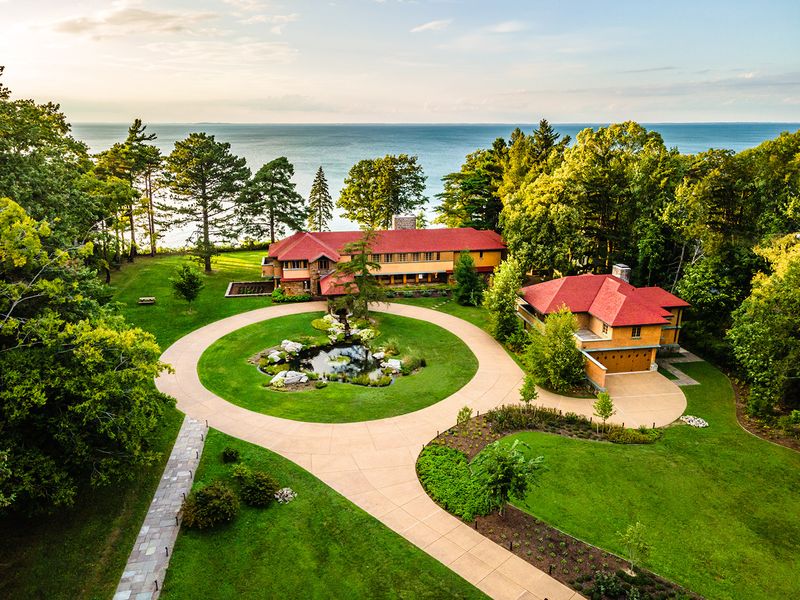
Lake Erie is the star at Graycliff. Darwin and Isabelle Martin hired Wright to design this summer retreat south of Buffalo, and the site gave him room to play with views, terraces, and open sides.
The estate has a main house and other structures set among grounds that have been extensively restored. Compared with the city-based Martin House, it has a quieter, country feel.
Wright used transparency and a strong link to the water, so the house is tied closely to its setting.
Graycliff remains open for public tours in 2026. Standard experiences explore the property, while extended tours give broader access to the house and grounds.
Reservations are highly recommended because tours can sell out, so book before you settle on a travel date.
Westcott House, Springfield, Ohio
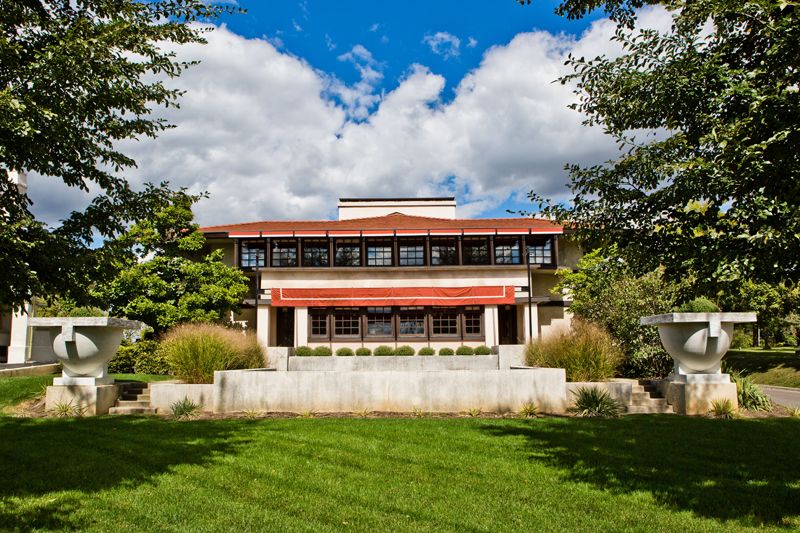
This Springfield house nearly disappeared, and its rescue is a big part of the story. Wright designed it for Burton and Orpha Westcott, and it stands as one of his notable Prairie-style homes in Ohio.
Low rooflines, strong horizontal proportions, a pergola, and gardens make the property feel like one planned composition. The interior spaces follow the same careful coordination.
After a major restoration, the house returned to its early appearance.
Visitors see it only through docent-led tours, which cover the main residence and explain how the restoration was done. Public tours continue throughout the year, though schedules change with the season.
Capacity is limited, so reservations are strongly encouraged. Ohio is not always on Wright fans’ maps, which makes this a nice surprise stop.
Rosenbaum House, Florence, Alabama
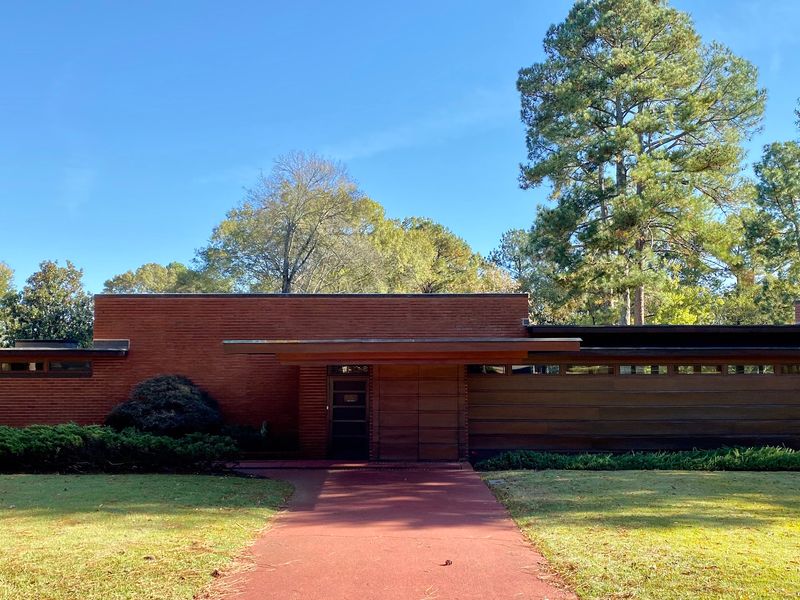
Alabama has just one Wright building, and this is it. The Rosenbaum House was created for Stanley and Mildred Rosenbaum around 1939, and it is a standout example of the Usonian homes Wright imagined for middle-income families.
The design uses cypress, brick, lots of glass, and flat roofs. Built-in furnishings and a strong link between the rooms and the garden help the house feel open despite its modest size.
The Rosenbaum family stayed connected to the home for decades. Later, the City of Florence acquired and restored it.
Guided tours are currently available Tuesday through Sunday, with Sunday hours varying slightly. Tours normally last about 45 minutes, which makes this an easy stop on a longer Southern road trip.
Pope-Leighey House, Alexandria, Virginia
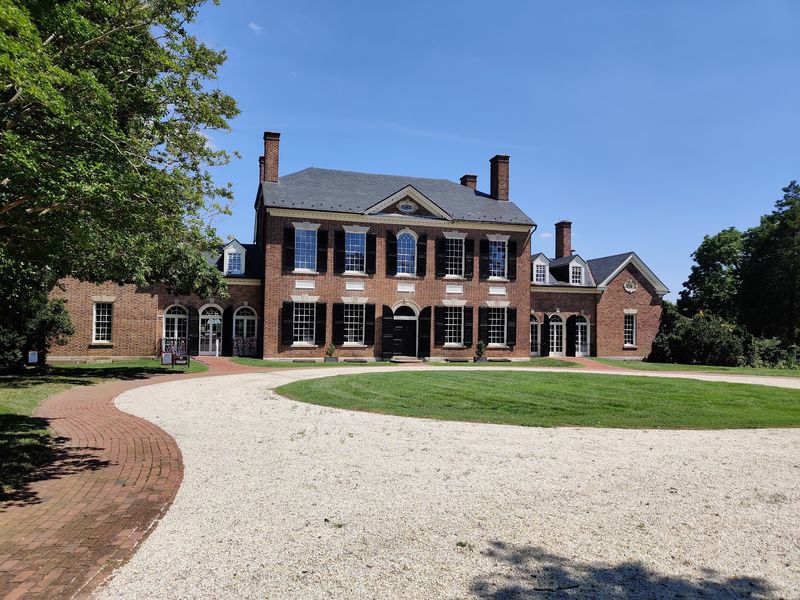
This house has moved, and that is only part of what makes it interesting. Wright designed it for Loren and Charlotte Pope as a compact Usonian home that did not need a mansion budget.
Wood, brick, built-in furniture, carefully placed windows, and an open living area help a small floor plan feel roomy.
It was moved from its original site to keep it from being demolished. Today it stands on the Woodlawn property outside Alexandria.
For the 2026 regular season, the site operates from April 16 through December 28. Guided tours are offered Thursday through Monday.
If you like seeing how smart design can work in a small space, this is a good stop near the Washington, D.C. area.
Gordon House, Silverton, Oregon
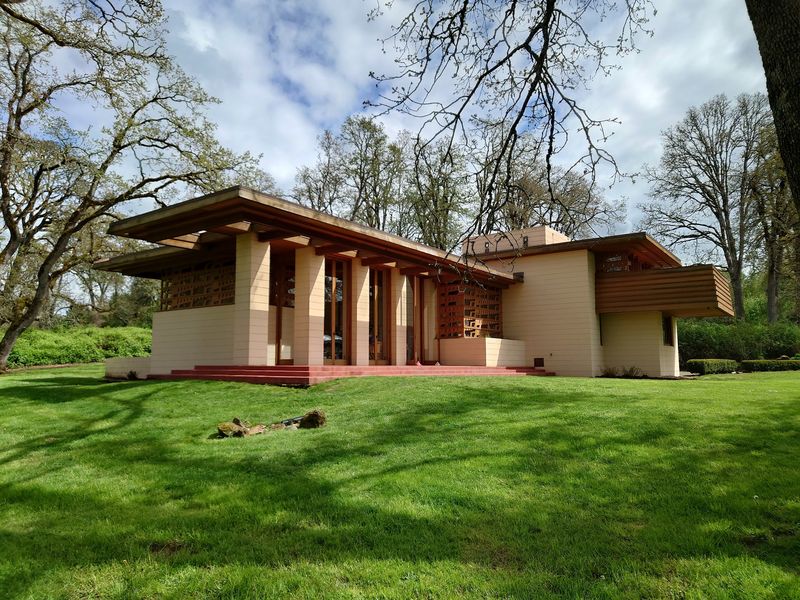
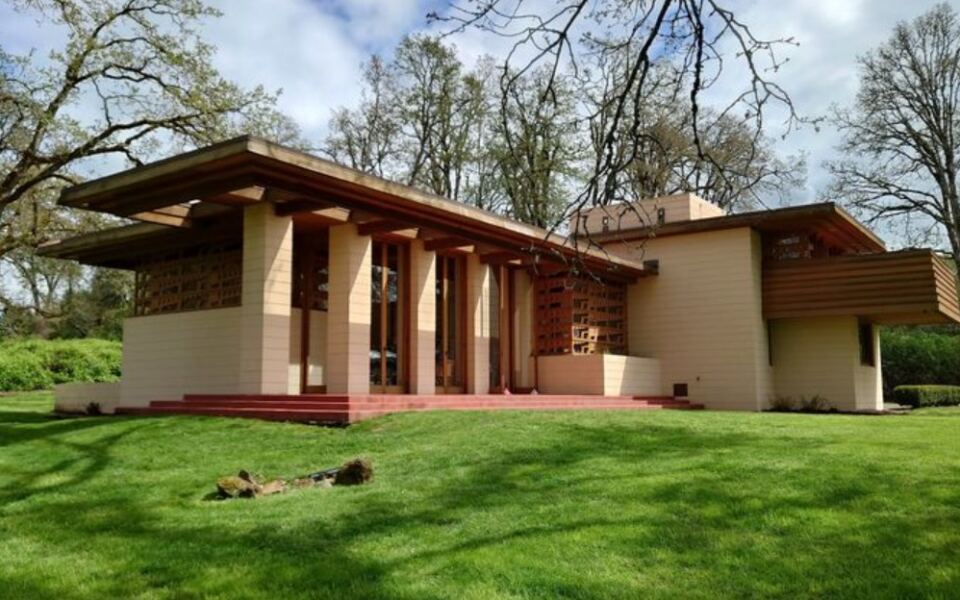
Oregon has exactly one Frank Lloyd Wright building, and it has a good move story. The Gordon House was designed for Evelyn and Conrad Gordon and follows Usonian ideas with modest scale, efficient spaces, geometric planning, and plenty of wood.
Windows connect the rooms with the landscape outside.
When the original property changed hands, the house was under threat. Preservationists relocated it to a site near the Oregon Garden in Silverton.
Visitors can step inside on 45-minute guided tours. From spring through mid-November, tours are generally offered Wednesday through Sunday.
In colder months the schedule shrinks to Friday through Sunday. Since the house sits near the Oregon Garden, you can easily add a garden walk to the same trip.
Zimmerman House, Manchester, New Hampshire
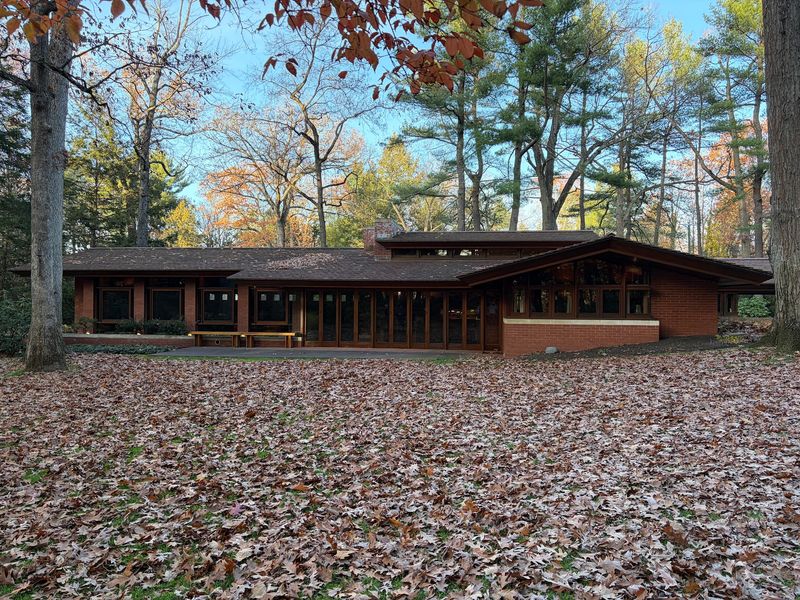
A museum runs this tour, which gives it a slightly different feel. The Isadore J. and Lucille Zimmerman House is one of two Wright residences preserved by the Currier Museum of Art in Manchester.
It was commissioned in 1949 and shows Wright’s mature Usonian thinking. Architecture, furniture, landscaping, decoration, and daily living were treated as parts of one design.
Visitors go inside through Currier-organized guided tours rather than just looking from the outside.
The 2026 season runs from April 22 through December 27, with tours Wednesday through Sunday. The tour also includes access connected with the nearby Kalil House, another Wright-designed home in Manchester.
That gives New England travelers two Wright sites in one visit.
Meyer May House, Grand Rapids, Michigan
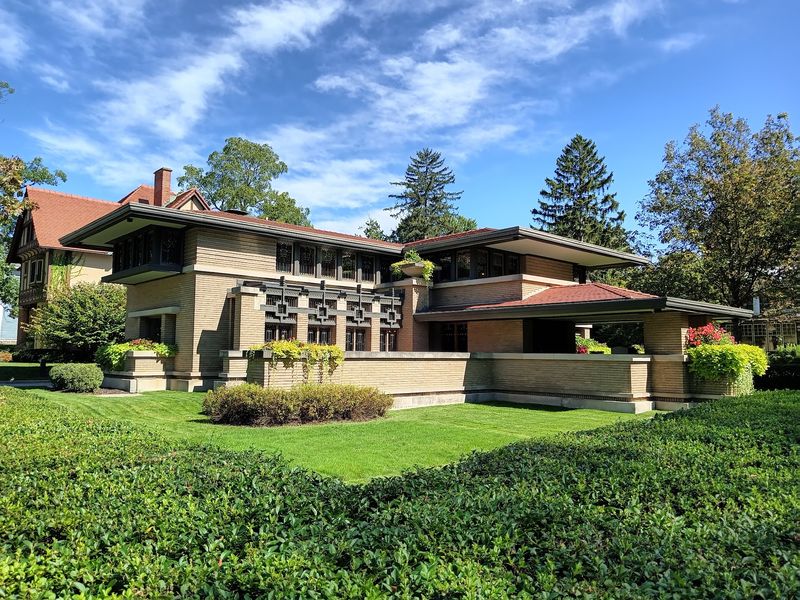
Free admission is the headline at the Meyer May House. Tours cost nothing, though reservations are strongly recommended because capacity is limited.
Wright designed the home in 1908 for Meyer and Sophie May. It has the low rooflines, horizontal geometry, art glass, and built-in furnishings that define his Prairie work.
Steelcase purchased the property in the 1980s and carried out an extensive restoration before opening it to visitors. As a result, it offers one of the most complete looks at a restored Wright Prairie residence.
In 2026, the house is generally open on Sundays, Tuesdays, and Thursdays, apart from specified holiday closures. Grand Rapids visitors can add it to a day of museums and downtown stops without spending anything on the tour itself.
Laurent House, Rockford, Illinois
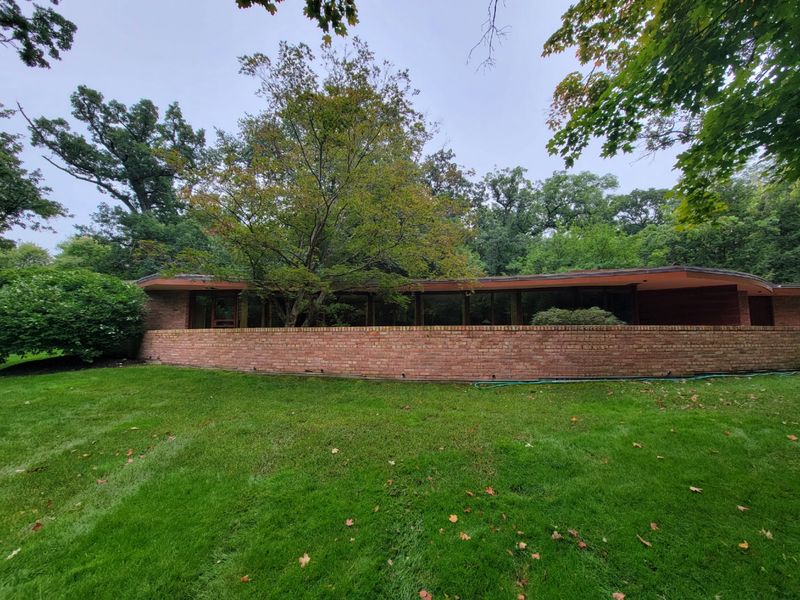
Accessibility was part of the plan from the start. Wright designed the Laurent House for Kenneth and Phyllis Laurent after Kenneth became a wheelchair user, so the architecture was built around the family’s daily life.
The Usonian house combines curved forms, low furniture, wide windows, and custom details. Spaces were arranged for easy movement, which is why the home comes up often in talks about inclusive design.
It is now preserved as a museum in Rockford.
Public docent-led tours are offered during the visitor season, generally from spring into late fall. Reservations are strongly encouraged because tours often sell out.
Private and group tours can also be arranged throughout the year, which helps if your schedule does not match the public dates.
Share this story