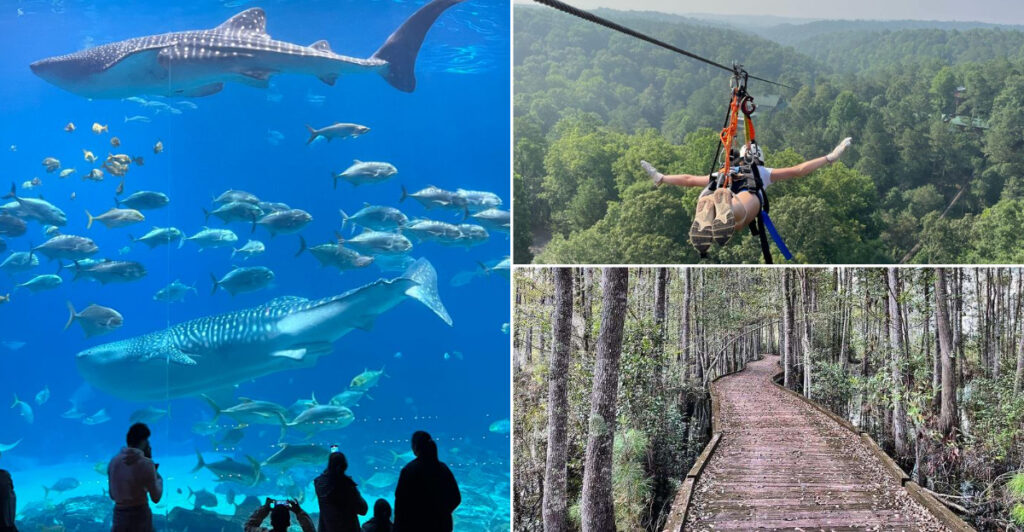
Georgia is a state that surprises people. Most visitors expect peaches and sweet tea, but what they find is something far bigger: whale sharks in downtown Atlanta, Appalachian Trail hikers walking through a stone building, and a small town that became a global film destination.
The Peach State holds some of the most unusual, record-breaking, and genuinely unforgettable places in the entire country. Whether you love history, outdoor adventure, folk art, or just a really good road trip, Georgia has a stop that will make you stop scrolling and start planning.
This list covers 16 places that are not just good, they are the kind of one-of-a-kind experiences that make Georgia impossible to replicate anywhere else.
The Georgia Aquarium, Atlanta
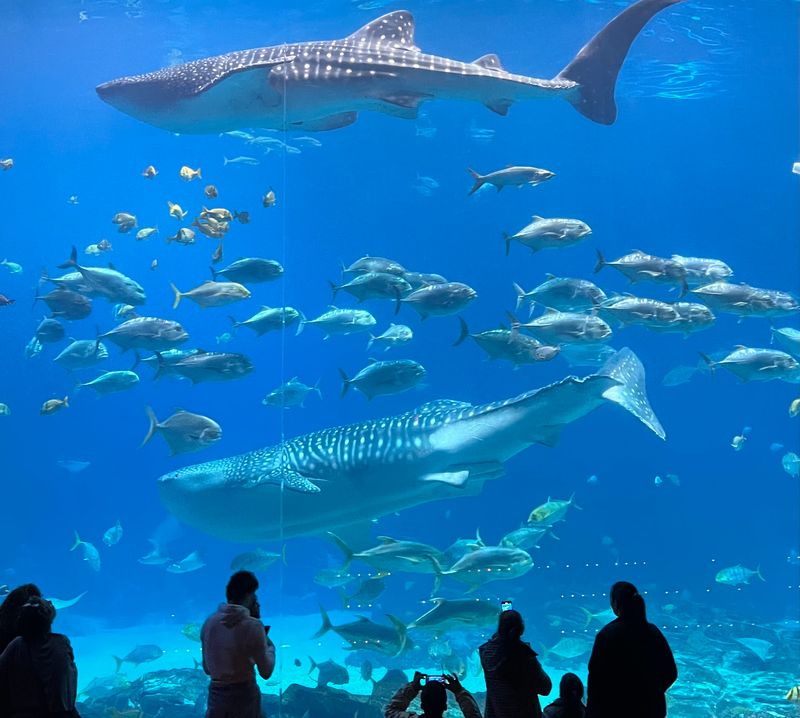
Nowhere else in the Western Hemisphere will you find an aquarium this large. The Georgia Aquarium in Atlanta holds more than 11 million gallons of water and is recognized as the largest aquarium in the Western Hemisphere, according to Explore Georgia.
That single fact already sets it apart from every other aquarium stop in the country.
Inside, the galleries include whale sharks, beluga whales, dolphins, sea lions, sharks, and marine life from Georgia’s own coastal waters and far beyond. Each gallery offers a different environment, so the experience shifts as you move through the building.
Hours vary by day, and the aquarium recommends checking the calendar before your visit. For travelers who want a classic Georgia experience without leaving downtown Atlanta, this is the big-city stop that genuinely delivers on its reputation.
Families, solo travelers, and school groups all find something worth their time here.
The National Infantry Museum and Soldier Center, Columbus

Free admission and Smithsonian affiliation make this one of the most accessible serious museums in the state. The National Infantry Museum and Soldier Center in Columbus focuses specifically on the story of the American infantryman, which gives it a clarity of purpose that broader military museums sometimes lack.
The collection includes more than 70,000 artifacts covering over 240 years of military history. Memorials, a large-screen theater, a gift shop, and a restaurant round out the visit.
The museum presents these stories through personal experience, service records, and national memory rather than just hardware and timelines.
Located near Fort Benning, the museum draws both military families and history enthusiasts who want context alongside the artifacts. If you have ever wanted to understand what infantry service looks like across American history from the Revolutionary War forward, this is the museum that answers that question with real depth and care.
The Stone Arch at Mountain Crossings, Blairsville
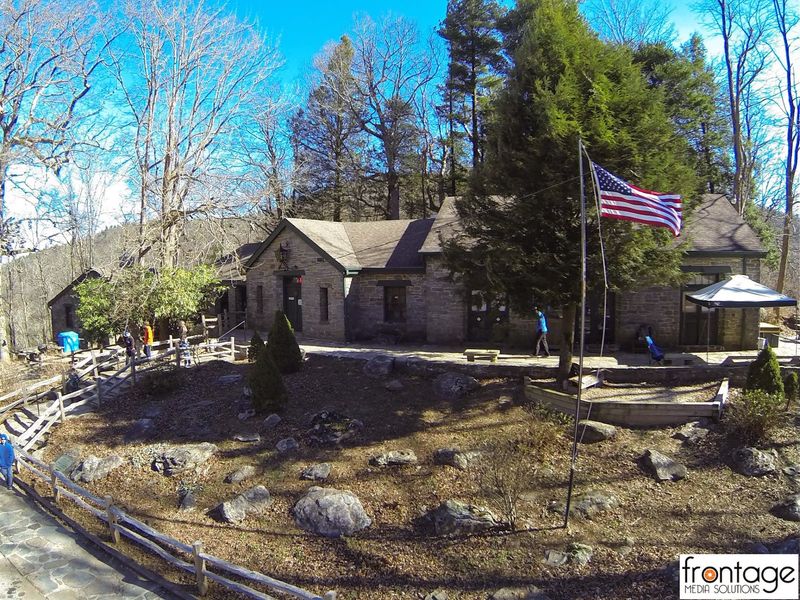
The Appalachian Trail runs more than 2,000 miles, but there is only one place along its entire length where it passes through a manmade structure. That place is Mountain Crossings at Neel Gap, near Blairsville, Georgia.
Explore Georgia confirms this is the only spot on the trail where hikers walk directly through a building.
The structure itself is a stone arch building that houses Mountain Crossings, an outfitter stocked with gear, trail food, maps, and advice from staff who know the North Georgia mountains well. Day visitors are welcome, not just through-hikers.
For anyone headed toward Blood Mountain or curious about Appalachian Trail culture, this stop combines practical trail knowledge with one of the most unusual architectural moments on the entire route. The setting in the North Georgia mountains also makes the drive up worth the effort on its own, regardless of whether you are hiking that day.
First African Baptist Church and Martin Luther King Jr. Monument Park, Dublin
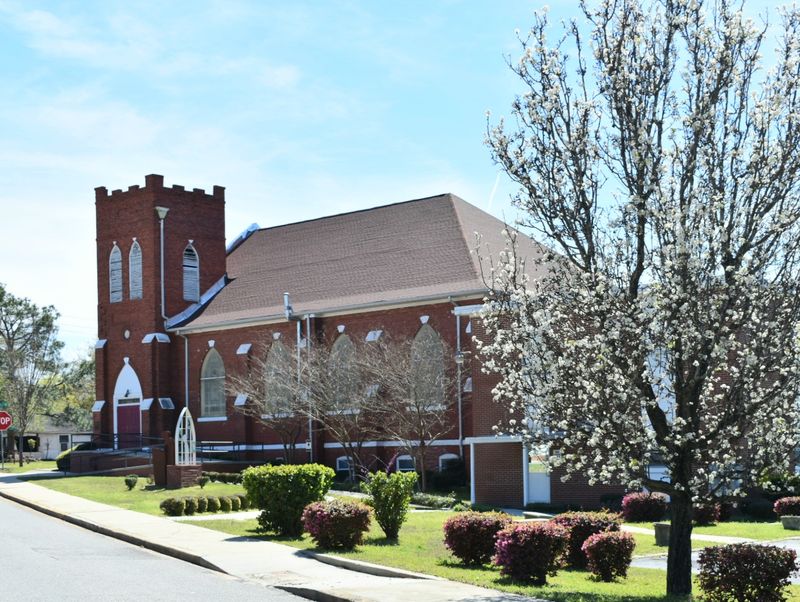
Dublin, Georgia, holds a chapter of civil rights history that most people have never heard about. Martin Luther King Jr. gave his first public speech at First African Baptist Church in Dublin after winning an oratory contest as a teenager.
That single moment now has a dedicated public space built around it.
Martin Luther King Jr. Monument Park honors that speech with public art and a small park connected to the church’s legacy. Visit Dublin says the site was designed to inspire social change through art and education, and the park is accessible to the public.
Tours of First African Baptist Church are available by appointment, so planning ahead before arriving is a smart move. For travelers who want to connect with the early life of one of America’s most important figures, Dublin offers something personal and specific.
This is not a replica or a recreation. It is the actual place where a young King first spoke publicly.
Booth Western Art Museum, Cartersville
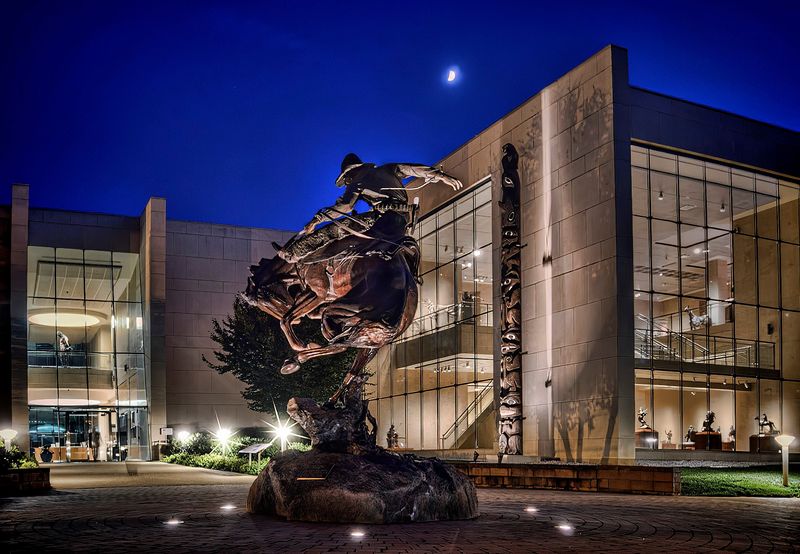
A 120,000-square-foot museum dedicated to the American West sitting in the foothills of North Georgia is not something most people expect to find. Booth Western Art Museum in Cartersville is a Smithsonian-affiliated institution, and its scope goes well beyond cowboy paintings.
The collection includes contemporary Western artwork, Civil War art, more than 200 Native American artifacts, and a Presidential Gallery featuring a letter and portrait from every U.S. president. There is also an interactive children’s gallery, which makes the museum practical for families with younger kids who might otherwise get restless in large gallery spaces.
Explore Georgia highlights this as one of the state’s most surprising museum stops, and the Smithsonian affiliation confirms that the collection meets serious curatorial standards. For travelers who like museums that feel genuinely unexpected for their location, Cartersville delivers something that would be a headliner in a much larger city.
The quality here is not regional. It is national.
Kolomoki Mounds State Park, Blakely
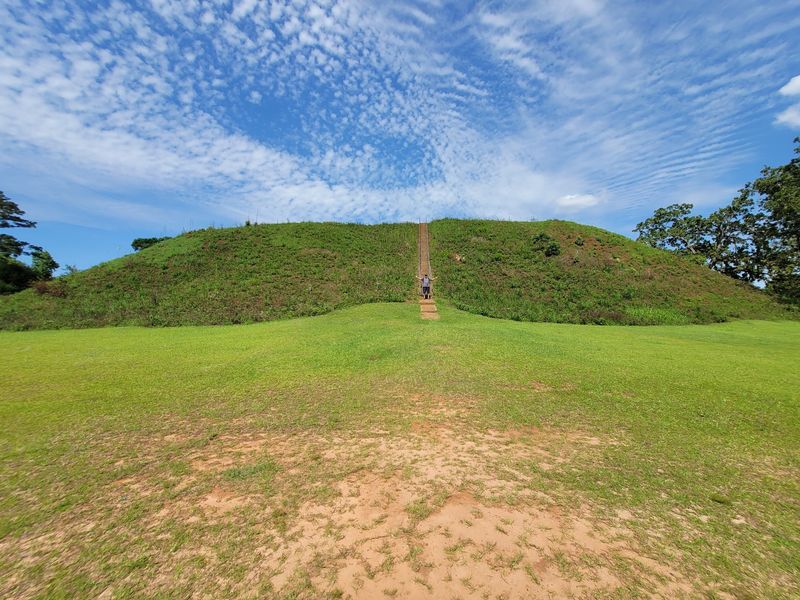
Long before European contact, this corner of southwest Georgia was a significant cultural center. Kolomoki Mounds State Park in Blakely protects a site that Explore Georgia describes as the oldest and largest Woodland Indian site in the Southeast, occupied from roughly 350 to 750 A.D.
Georgia’s oldest great temple mound stands here.
The park is currently open and active, though the museum experience is not being offered due to operational changes related to updated NAGPRA regulations. Ranger-led programs and guided tours of the site are available regularly, so visitors can still explore the grounds with context and interpretation.
Anyone planning to visit for the museum specifically should call the park office before making the trip to get current details. The mounds themselves are striking even without a museum, and the park’s setting in rural Blakely gives the site a quietness that matches its age.
This is Georgia archaeology at its most significant and most accessible.
Wolf Creek Trout Lily Preserve, Near Cairo
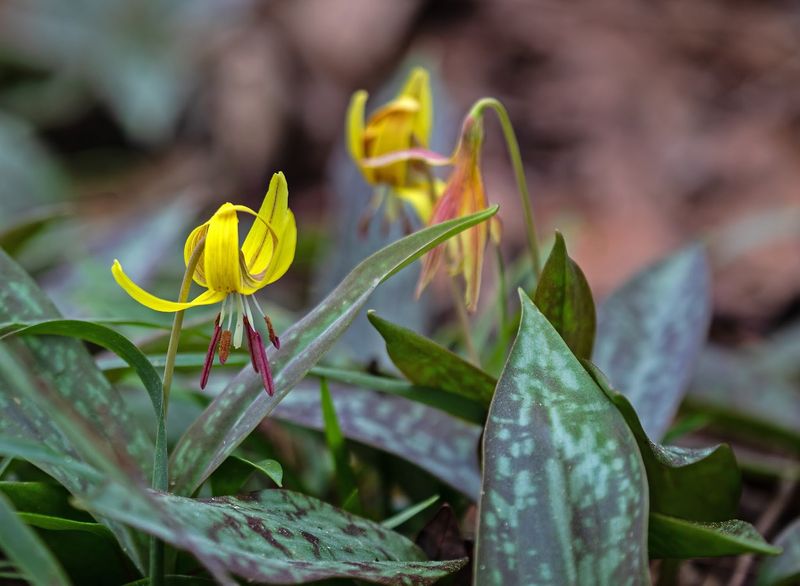
For a few weeks each late winter, a 140-acre conservation area near Cairo becomes one of the most botanically significant spots in the world. Wolf Creek Trout Lily Preserve hosts what Explore Georgia calls the largest known extent of trout lilies anywhere on the planet, with blooms typically appearing from mid-February into March.
The preserve is owned by Grady County and managed with volunteer-led tours during the bloom season. The 2026 bloom information lists seasonal opening dates, which means this is not a drop-in anytime attraction.
Timing your visit to match the bloom window is the entire point.
When the flowers are open, the preserve shifts from a quiet woodland into a rare botanical event that draws wildflower enthusiasts from across the Southeast. Checking the preserve’s official updates before making the drive is strongly recommended, because the bloom window can shift depending on weather.
Get the timing right, and this becomes genuinely unforgettable.
The Screaming Eagle Zip Line at Historic Banning Mills, Whitesburg
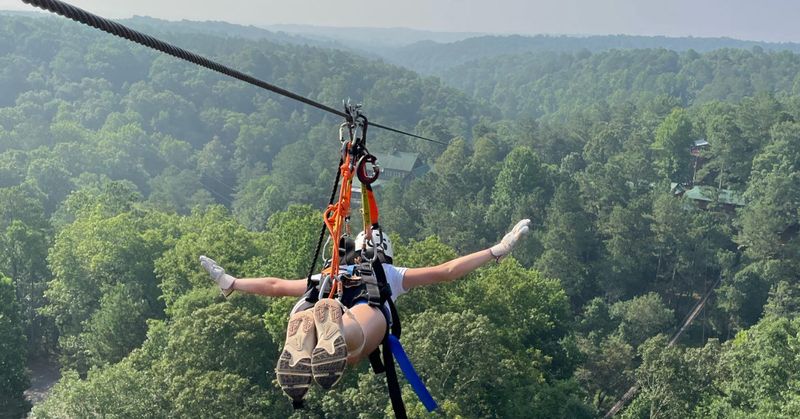
Reaching speeds of up to 70 miles per hour through a North Georgia forest canopy is not a typical day trip, but Historic Banning Mills in Whitesburg makes it a real option. The Screaming Eagle zip line has held Guinness World Records for both the longest and largest canopy tour in the United States, according to Explore Georgia.
The official Historic Banning Mills site describes Screaming Eagle as the world’s longest zip line canopy tour and offers multiple tour options depending on experience level and how much of the course visitors want to tackle. Beyond the zip lines, the property includes lodging and other adventure experiences.
This is not a quick roadside attraction. The scale of the operation, the terrain, and the speed involved make it a destination that takes planning.
For travelers who want Georgia scenery delivered at full intensity rather than from a scenic overlook, Banning Mills provides a legitimate adrenaline experience with real credentials behind it.
Jimmy Carter National Historical Park, Plains
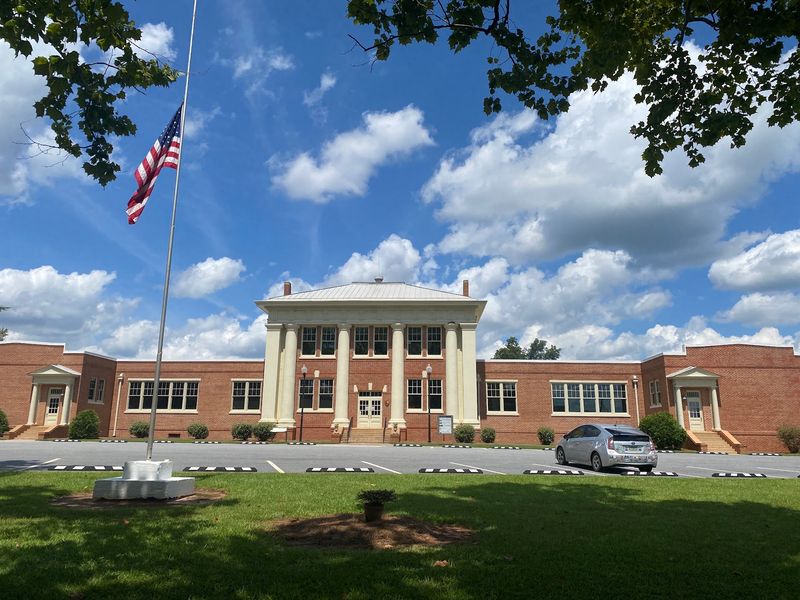
Plains, Georgia, is a small town with a very specific place in American history, and the Jimmy Carter National Historical Park preserves that connection in a way that feels personal rather than institutional. The park honors the 39th president in his actual hometown, where his childhood, political rise, and decades of public service are all tied to real, walkable places.
The National Park Service says the park offers free admission and recommends starting at Plains High School, which serves as the visitor center and museum. The building itself is where Carter attended school, which adds a layer of authenticity that replica museums cannot match.
For presidential history travelers, this stop goes beyond portraits and timelines. The surrounding town of Plains is small enough that the Carter story feels genuinely woven into the landscape.
The boyhood home, the train depot, and the church where Carter taught Sunday school all sit within close reach of the visitor center.
Columbus Whitewater Course, Columbus
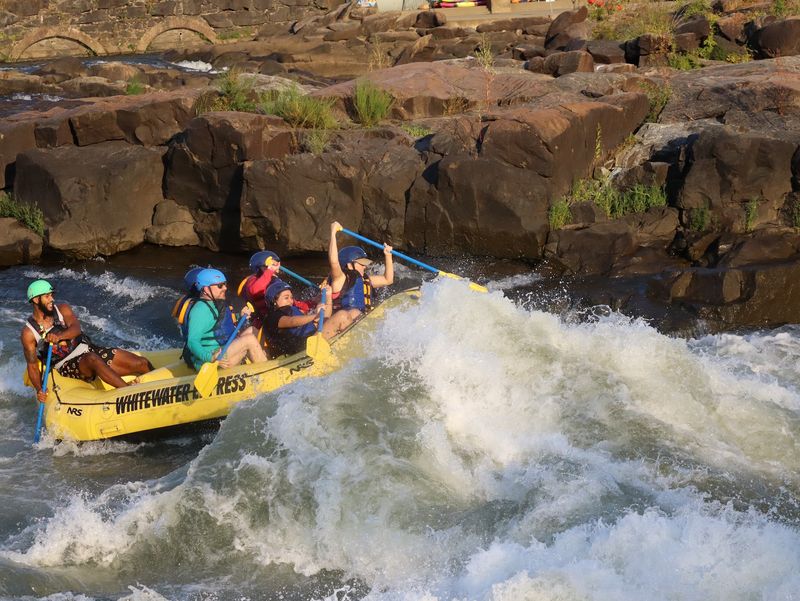
Most urban whitewater courses are modest stretches of controlled water. The Columbus Whitewater Course is something different.
Explore Georgia describes it as the longest urban whitewater rafting course in the world, running along the Chattahoochee River on the Georgia-Alabama border right through the city of Columbus.
Whitewater Express offers Chattahoochee rafting trips year-round, made possible by dam-controlled water flow that keeps the course active regardless of season. The experience varies depending on release levels, which means repeat visitors can get a different ride at different times of year.
What makes this stop particularly interesting is the contrast. One moment you are in a downtown urban environment, and the next you are on a river course with real rapids.
For travelers who want outdoor adventure without driving deep into a national forest, Columbus puts whitewater on the city’s doorstep in a way that genuinely earns its world record claim. It is a strong reason to spend a full day in Columbus.
The Okefenokee Swamp and Stephen C. Foster State Park, Fargo
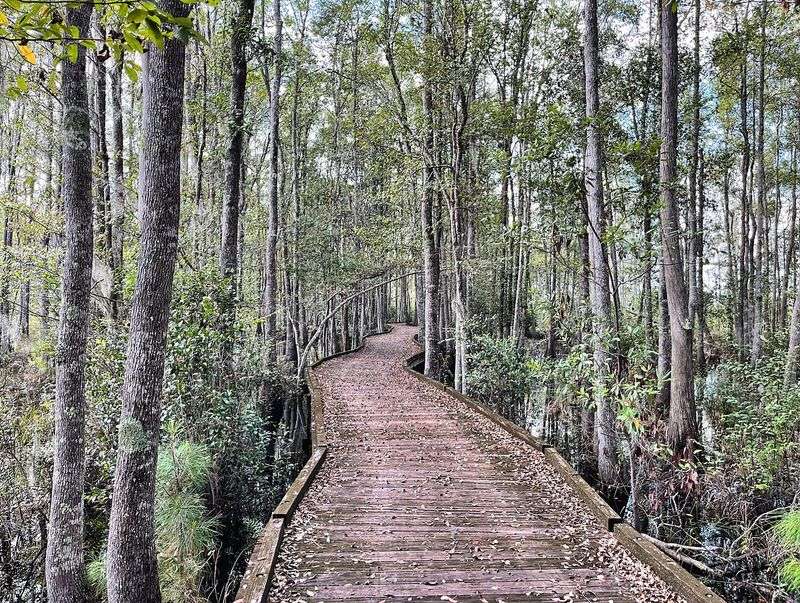
The Okefenokee Swamp covers roughly 700 square miles of southeast Georgia and is recognized as the largest blackwater swamp in North America. Stephen C.
Foster State Park sits inside the Okefenokee National Wildlife Refuge, giving visitors a managed entry point into one of the continent’s most ecologically significant wetlands.
Georgia State Parks has certified Stephen C. Foster as a Dark Sky Park, with some of the darkest skies in the Southeast due to its remote location and minimal surrounding light pollution.
That combination of daytime swamp wildlife and nighttime stargazing makes it a two-part destination worth an overnight stay.
Alligators, cypress trees, blackwater canoe trails, and wildlife sightings are the main draws during daylight hours. The park offers boating access, ranger programs, and cabins for overnight visitors.
For travelers who want Georgia at its most raw and atmospheric, Fargo delivers a landscape that feels genuinely untouched in a way that is increasingly rare.
Monastery of the Holy Spirit, Conyers
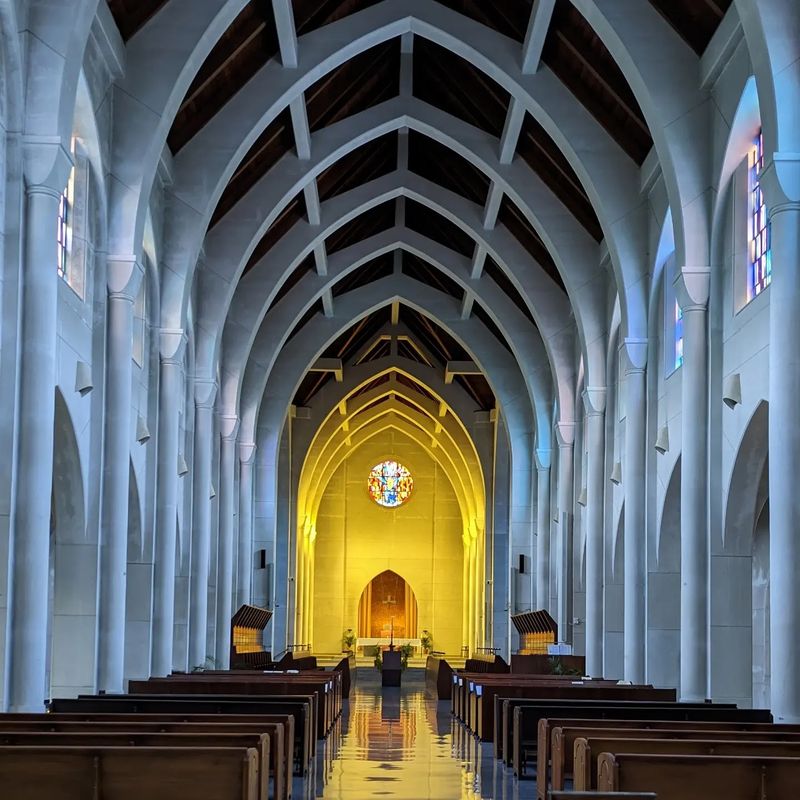
About 35 miles east of Atlanta, Conyers holds one of the most quietly remarkable places in the state. The Monastery of the Holy Spirit was established by Trappist monks more than 70 years ago and remains the only monastery of its kind in Georgia, according to Explore Georgia.
Visitors can explore a Visitor Center with displays and videos about the monastic tradition and daily monastic life. The grounds also include an Abbey church, a cafe, a gift shop, and a bonsai nursery that the monks tend themselves.
The bonsai nursery alone is an unexpected detail that gives the visit a distinctive character.
For a day trip from Atlanta that offers genuine quiet and a completely different pace from the city, this is a strong option. The monastery welcomes visitors who come with respect for the contemplative environment.
No special religious background is required to visit. The grounds are open and the Visitor Center makes the experience accessible to anyone curious about monastic life.
Rock City Gardens, Lookout Mountain
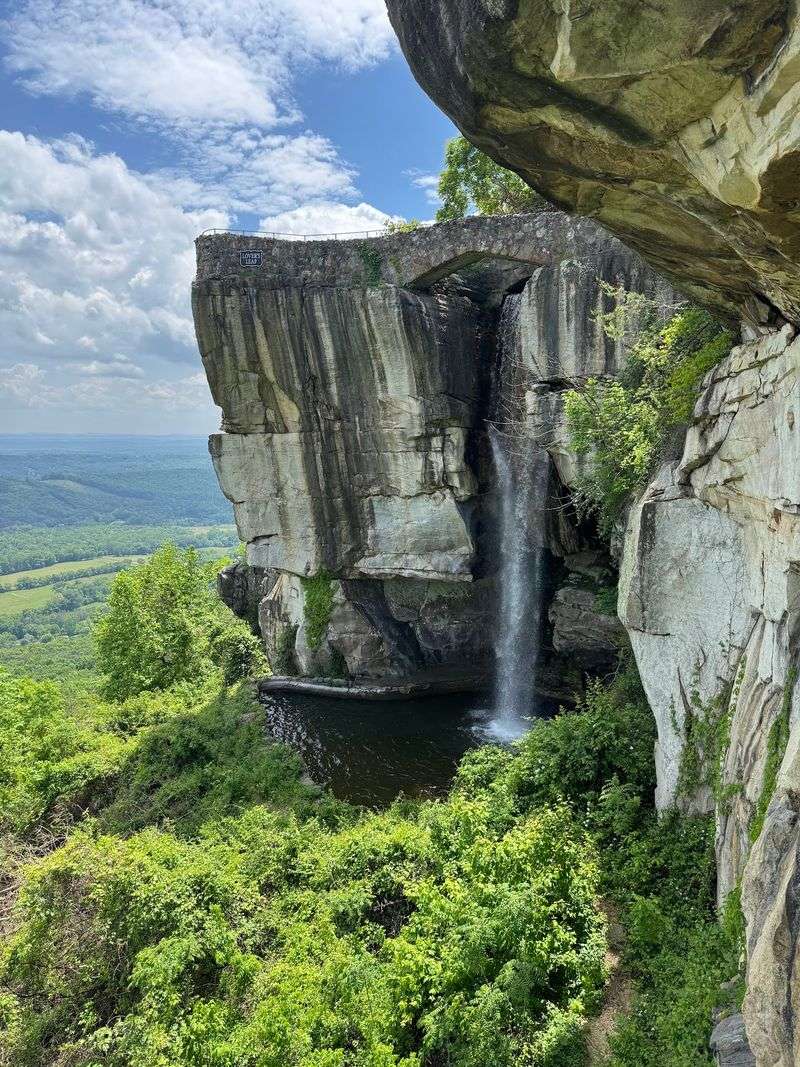
For generations of Southern road-trippers, the words “See Rock City” painted on barn roofs meant one thing: Lookout Mountain was worth a stop. Rock City Gardens has been drawing visitors to its ancient rock formations, tight passages, and mountaintop gardens since the 1930s, making it one of Georgia’s most enduring roadside-era attractions.
Explore Georgia notes the attraction includes a 4,100-foot Enchanted Trail leading to Lover’s Leap, along with gardens, gnomes, rock formations, and bridges. The official Rock City site lists current ticketing and hours for the family-friendly mountaintop experience.
Although Rock City sits close to Chattanooga, the attraction is on the Georgia side of Lookout Mountain, giving it a genuine Georgia address and a long Southern travel legacy. The combination of geological curiosity, quirky garden design, and panoramic views has kept Rock City relevant long after most roadside attractions from its era faded away.
It remains a place that earns its reputation through sheer character.
Old Car City USA, White
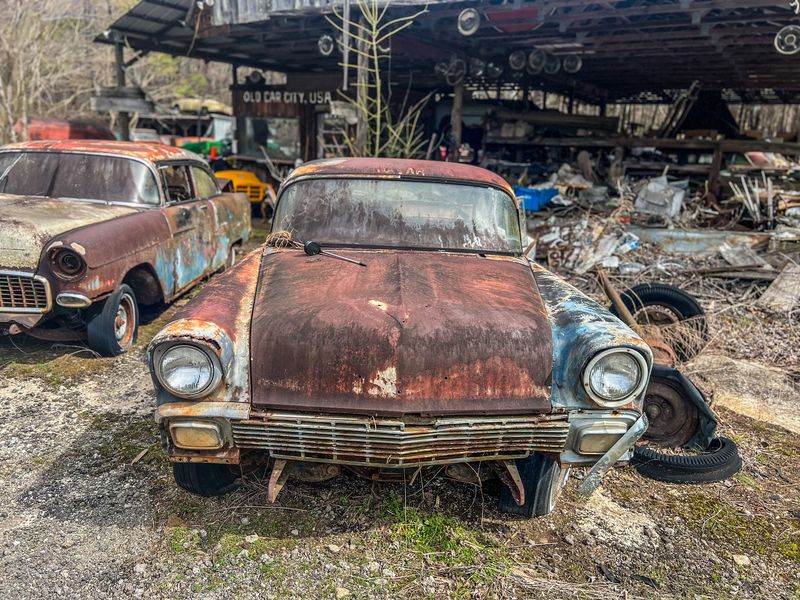
Old Car City USA in White defies easy categorization. Explore Georgia calls it one of the world’s largest classic-car junkyards, with 34 acres, more than 4,000 old vehicles, and cars dating back to the 1920s sitting among trees, vines, and decades of rust.
The official Old Car City site notes the property started as a general store in 1931 before evolving into what it is today.
This is not a polished museum with climate control and velvet ropes. It is an outdoor landscape where vintage vehicles have been slowly reclaimed by the surrounding forest over many decades.
Photographers, urban explorers, and classic-car enthusiasts all find different reasons to spend time here.
Admission is charged, and the property asks visitors to respect the site and the cars. The experience rewards patience and curiosity over speed.
Walking the full 34 acres takes real time, and the best details often reveal themselves slowly as you move deeper into the property.
Senoia, Home of The Walking Dead Filming Locations
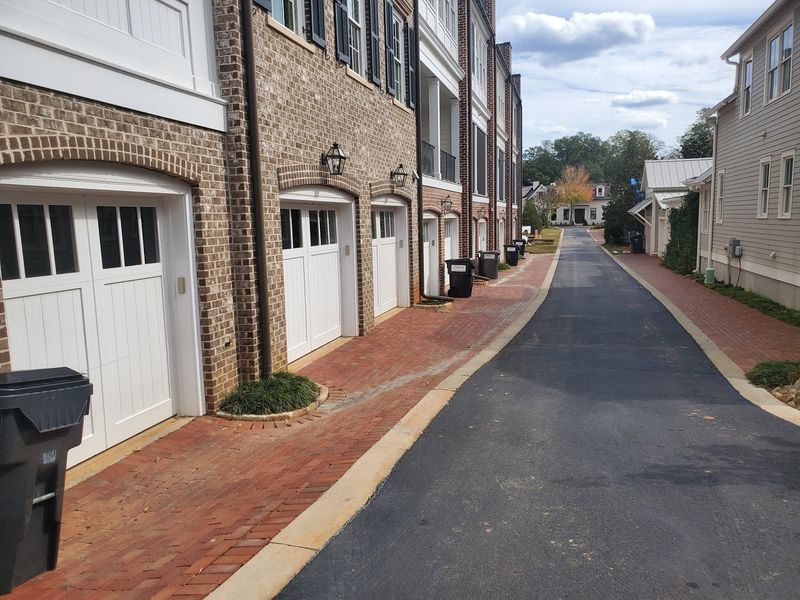
Senoia did not set out to become a pop-culture destination. It happened because Georgia’s film industry chose the town’s historic downtown streets as the primary filming location for “The Walking Dead,” one of the most-watched cable dramas in television history.
Explore Georgia notes that the show was filmed exclusively in Georgia, putting Senoia on the map for fans worldwide.
The Georgia Tour Company offers walking tours through downtown Senoia focused on filming locations from “The Walking Dead” and other productions shot in the area. Fan stops like Nic and Norman’s, a restaurant co-owned by actor Norman Reedus, draw visitors who want something more than just a tour.
Beyond the film connections, Senoia has historic homes, inns, local shops, and restaurants that give the town real substance outside of its television fame. Even for visitors with no attachment to the show, Senoia is a strong example of how Georgia’s film industry has quietly transformed small-town travel in the state over the past decade.
The Rock Garden, Calhoun
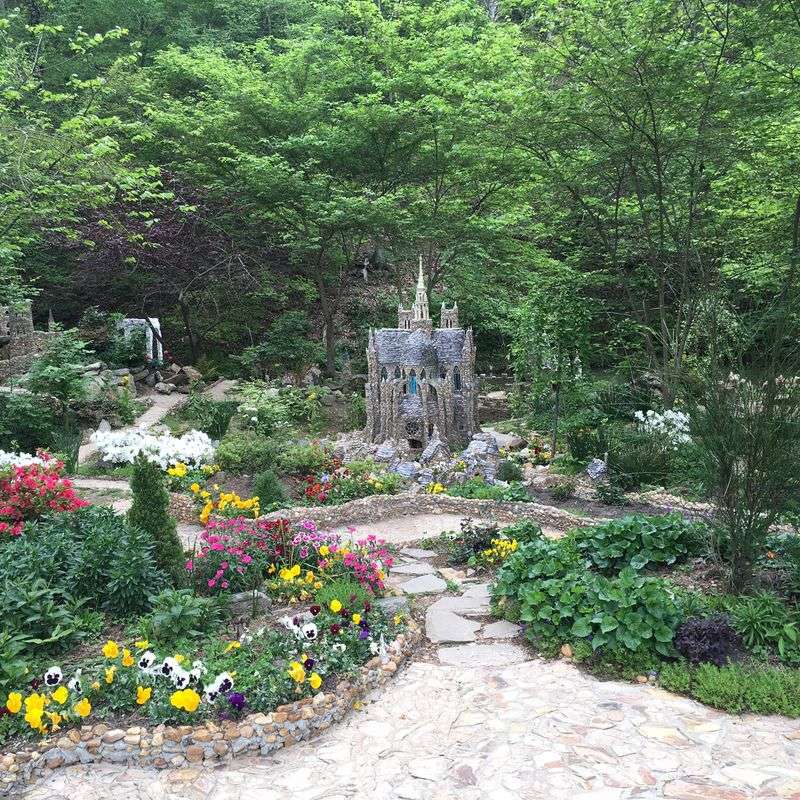
Patient, detailed, and completely handmade, The Rock Garden in Calhoun is the kind of place that rewards visitors who slow down and look closely. Explore Georgia describes the garden as containing more than 50 miniature buildings, including churches, houses, castles, a monastery, and a Notre Dame-inspired cathedral, all built from tiny stones, shells, glass, china, tile, cement, and wire.
Explore Gordon County describes it as a free, open-to-the-public attraction with miniature buildings, native plants, a waterfall, and walking paths. Current Explore Georgia information confirms the free admission and lists posted operating hours, so checking those before visiting is a practical step.
Folk art on this scale takes years to build and is nearly impossible to replicate. The Rock Garden reflects the kind of sustained creative effort that turns a personal project into a public treasure over time.
For travelers who appreciate craft, obsession, and the unexpected, this Calhoun stop delivers something that no state park or national museum can manufacture.
Share this story