Most people have heard of the midnight sun, but actually living under it for 30 consecutive days is something else entirely. Traveling through 16 different locations across the Arctic and subarctic, I experienced firsthand what happens when darkness simply stops showing up.
The sky stays bright at 2 a.m., your sense of time quietly unravels, and your brain starts playing tricks you never expected. What surprised me most was not the novelty of a glowing horizon at midnight.
It was how quickly continuous daylight began reshaping my mood, my sleep, and my sense of what a normal day even felt like. If you have ever wondered what no night does to the human mind, these 16 places gave me a very thorough education.
Longyearbyen, Svalbard, Norway
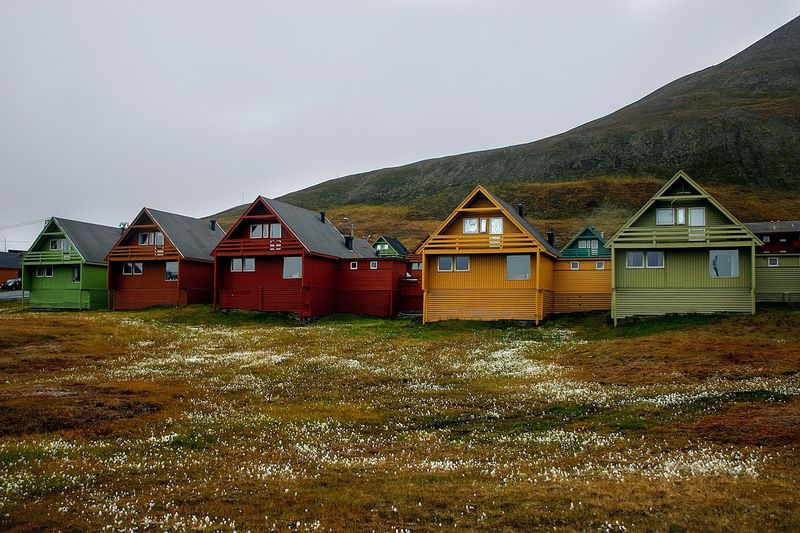
Few places on Earth push the midnight-sun experience to the level that Longyearbyen does. From roughly April 20 until August 22, the sun never dips below the horizon, giving this small Arctic settlement more than four consecutive months of uninterrupted daylight.
That is not a weekend novelty. That is a season-long reality.
Walking out after dinner and seeing a fully lit sky at midnight initially feels thrilling. After several days, the thrill quietly shifts into something more disorienting.
Your brain keeps waiting for a visual cue that the day is ending, and that cue never arrives.
Blackout curtains become less of a comfort item and more of a survival tool. Research from High Arctic environments confirms that prolonged evening light can delay melatonin release and push sleep timing later.
Longyearbyen offers summer hiking, boat trips, and guided wilderness experiences, but the real education here is learning how dependent humans are on darkness.
Tromsø, Norway
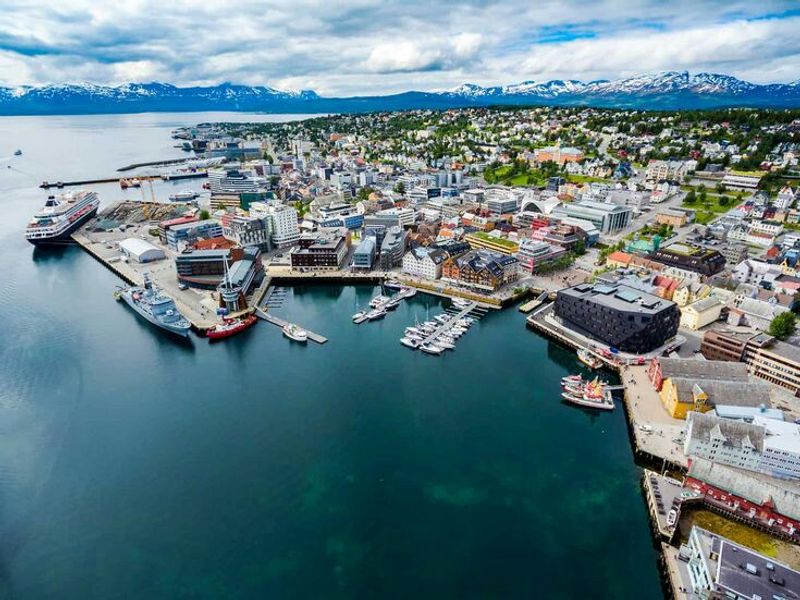
Tromsø gives you just over two months of midnight sun, running from around May 20 to July 22, and the city wears it with a kind of casual confidence that takes visitors completely off guard. People kayak at 11 p.m.
Restaurants stay busy past midnight. The whole social rhythm shifts because the sky simply refuses to signal that the evening is over.
The first few days feel almost euphoric. Suddenly the boundary between daytime activity and nighttime rest becomes optional rather than mandatory.
Hiking after dinner sounds perfectly reasonable when the mountain is still glowing.
The trouble arrives when your brain also decides that midnight is just another productive hour. Research around Arctic latitudes consistently shows that individuals vary significantly in how their circadian systems respond to seasonal light.
Tromsø is a functioning city with real infrastructure, which makes it a fascinating place to study how ordinary people manage extraordinary light conditions over weeks at a time.
Honningsvåg and North Cape, Norway
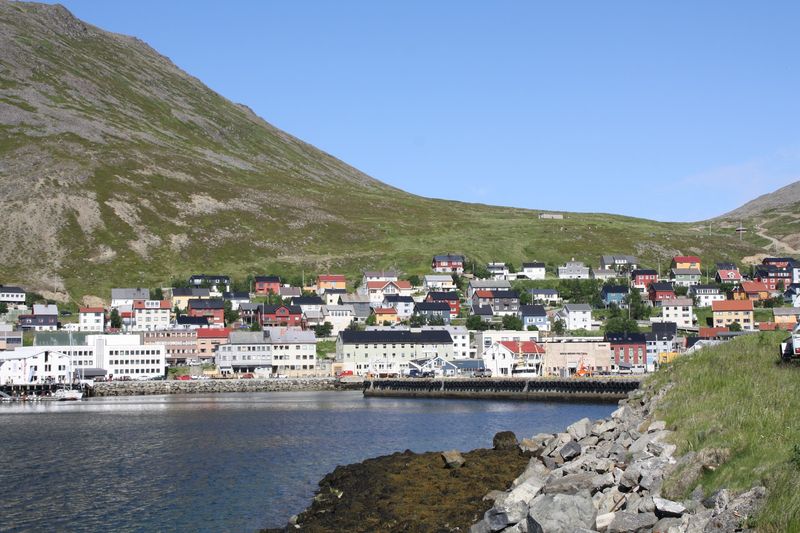
North Cape holds the distinction of being one of mainland Norway’s most northerly points, and around here the midnight sun typically runs from May 14 through July 29. That is among the longest uninterrupted sunlight periods you will find without crossing into an island archipelago.
Honningsvåg works well as a base, but the real experience begins after the first week. Something subtle happens to your internal clock when darkness never arrives.
Humans rely on declining evening light as one of the strongest environmental signals for winding down, and without it, the natural stopping points of a day simply vanish.
Staying awake two or three hours past your usual bedtime stops feeling like a choice and starts feeling like the default. Sleep researchers describe light as a primary regulator of circadian timing, which explains why the problem is biological rather than just a matter of willpower.
A fixed bedtime and covered windows matter more here than almost anywhere else.
Hammerfest, Norway
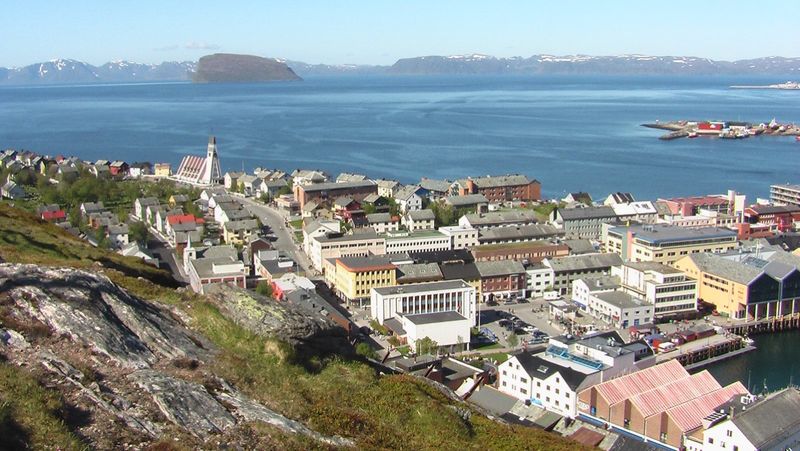
Hammerfest carries the distinction of being one of the world’s northernmost towns, and from approximately May 16 until July 27, it operates without a single proper sunset. That is more than two months when the visual signal most people rely on to end their day simply does not appear.
One of the stranger mental effects is the illusion of having extra time. At 10 p.m., the landscape looks bright enough to justify another walk, another errand, another conversation.
The clock says late evening but the sky says mid-afternoon, and your brain tends to trust the sky.
High Arctic research has linked that kind of prolonged bright evening exposure with delayed melatonin rhythms and sleep occurring at biologically off-schedule hours. The irony is that the extra energy you feel in the evening does not translate into extra rest.
Hammerfest taught me that maintaining consistent meal times and a fixed bedtime matters far more than following what the outdoor light seems to recommend.
Vardø, Norway
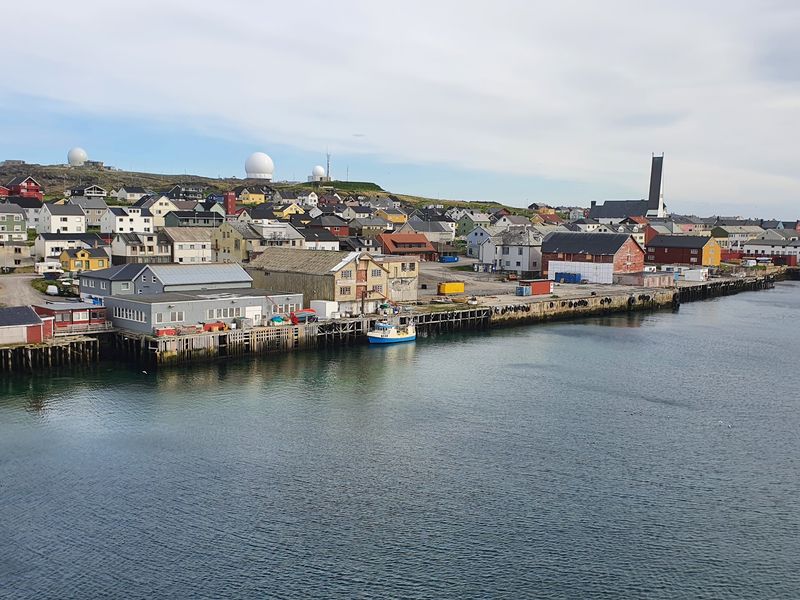
Vardø sits farther northeast than almost any other Norwegian town, and from around May 17 through July 26 the midnight sun is a constant presence. What makes Vardø particularly striking is its exposed geography.
There are relatively few tall mountains to interrupt the low arc of the sun, so the light reaches everywhere and hides nowhere.
Continuous daylight can quietly reshape behavior in ways that are easy to miss until you step back and notice them. Midnight stops feeling like a meaningful dividing line.
Outdoor activities lose their urgency because there is no approaching darkness to beat.
Researchers studying Arctic sleep patterns have found that nighttime light exposure is associated with circadian misalignment and poorer sleep quality in a meaningful portion of the population. The takeaway is not that midnight sun inevitably causes serious problems, but that a dependable daily routine becomes genuinely protective when the natural light-dark cycle disappears.
Vardø made that lesson feel very concrete.
Andenes, Vesterålen, Norway
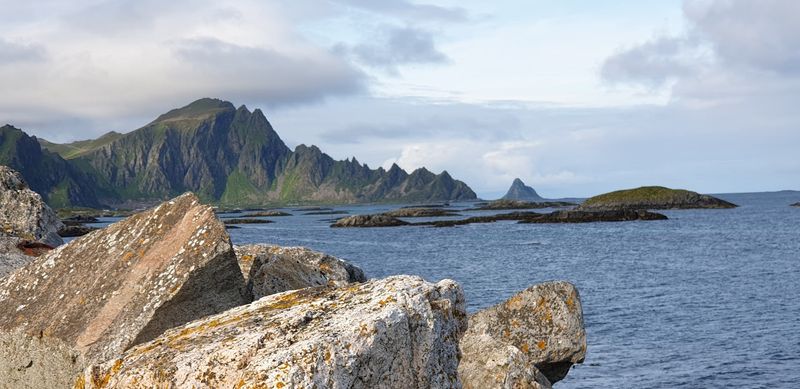
The Vesterålen region has a personality that feels different from the more-visited Lofoten just to the south, and Andenes is a good example of why. From around May 22 to July 21, the midnight sun hangs low over the Norwegian Sea and turns the hours around midnight into something that looks remarkably like an extended, glowing sunset that simply never finishes.
That visual effect has a psychological consequence. When the sky looks like sunset at 11:30 p.m., bedtime feels premature regardless of what the clock says.
The brain interprets the warm, low-angle light as an invitation to stay up rather than a signal to wind down.
This is exactly why blackout curtains are standard across northern communities rather than a luxury upgrade. They recreate the darkness that the outdoor environment no longer provides.
Research into Arctic summer sleep consistently suggests that reducing nighttime light exposure, even artificially, can help protect both sleep quality and circadian timing across the polar summer.
Harstad, Norway
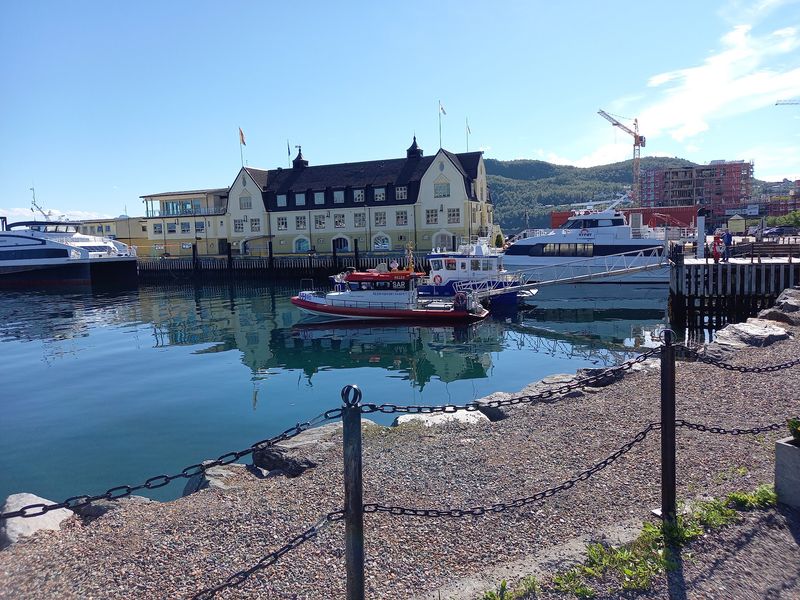
Harstad’s midnight-sun period runs from approximately May 25 until July 18, and the setting makes the experience particularly vivid. Mountains, islands and water stay fully illuminated around the clock, and the boundary between a late evening excursion and an early morning one becomes genuinely meaningless in visual terms.
One of the most consistent mental effects across my 30 days was simply losing track of time. Humans receive dozens of environmental cues from declining light each evening, and Harstad removes all of them simultaneously.
Without those cues, staying awake far longer than intended becomes the path of least resistance.
Arctic research is careful to note that individual responses vary considerably. Some travelers adjust to polar daylight within a few days.
Others experience insomnia, a steadily drifting bedtime, or persistent daytime fatigue despite the abundance of light. Harstad was a place where I started keeping a written log of my sleep hours, because I could no longer trust my own sense of whether I had rested enough.
Svolvær and the Lofoten Islands, Norway
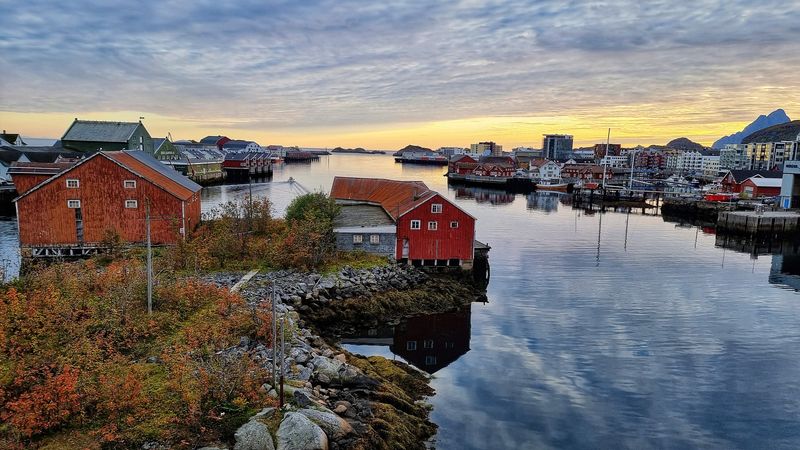
Lofoten is one of those places where the landscape is so dramatic that it can make you forget practical things like sleep. From May 28 until July 14, the midnight sun illuminates mountain peaks, traditional fishing villages, and clear Atlantic water, and photographers regularly plan entire trips around shooting at midnight specifically because the light quality is so unusual.
That is also where one of the most seductive mental effects of constant daylight appears. The temptation to keep exploring never quite switches off.
There is always another viewpoint, another village, another stretch of coastline that looks worth investigating because the light makes everything seem accessible.
Tiredness does not disappear just because darkness does, and that distinction matters. Studies in polar environments have linked prolonged summer light with reduced total sleep duration and poorer sleep outcomes in portions of the population studied.
Lofoten taught me that beauty can be a very effective distraction from the fact that your body still needs rest.
Bodø, Norway
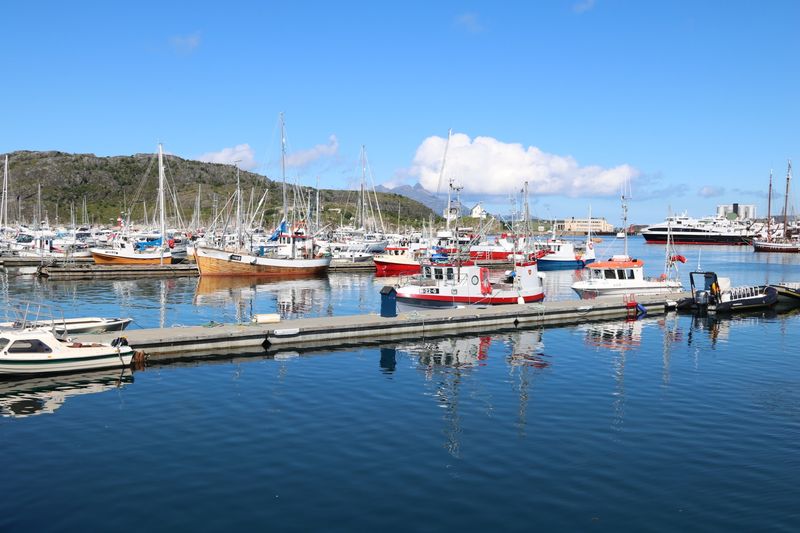
Bodø sits close enough to the Arctic Circle to experience true midnight sun from approximately June 4 to July 8, just over a month. That makes it the southernmost point on this list where 30 consecutive days without a sunset is actually possible, and it has a noticeably different character because of it.
The shorter polar-day window gives Bodø a slightly more accessible version of the midnight-sun experience. The sun drops low, casts long shadows, and skims the horizon, but it refuses to disappear.
After several days, that behavior starts distorting your perception of evening in ways that are easy to underestimate.
Midnight stops looking like midnight. The sky at 12:30 a.m. resembles a long summer twilight, and your brain responds accordingly by treating it as an invitation to stay active.
Keeping curtains closed before bed and following clock time rather than outdoor brightness is a practical strategy that becomes increasingly important the longer the stay continues.
Kiruna, Sweden
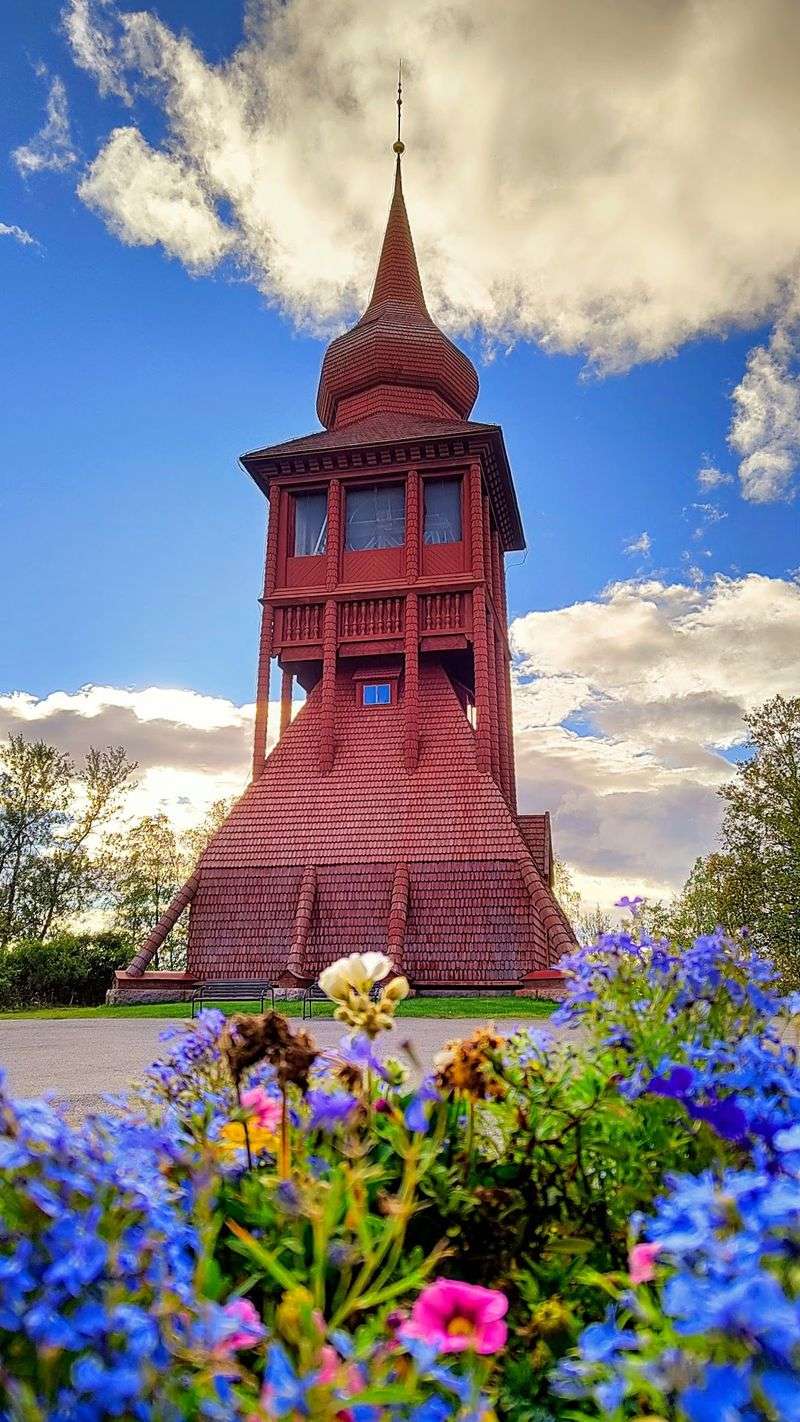
Kiruna receives approximately 47 consecutive days of midnight sun from late May into mid-July. Local tourism authorities go further, describing the broader season as roughly 100 days without true nights because twilight remains so intense before and after the core midnight-sun period that darkness never fully develops.
That constant brightness produces a recognizable early effect: an almost electric sense of extra energy. Hiking at midnight feels completely reasonable.
Evening activities stretch well past what your schedule would normally allow. The sky seems to be actively encouraging you to stay up.
Kiruna’s tourism authority actually warns visitors that adjusting to 24-hour light can take several days and recommends bringing a sleep mask. That is a notable piece of practical advice from an official source.
The most challenging part of the midnight-sun experience in Kiruna is not the cold or the remoteness. It is persuading your body that a fully lit bedroom at midnight is still supposed to mean it is time to sleep.
Abisko, Sweden
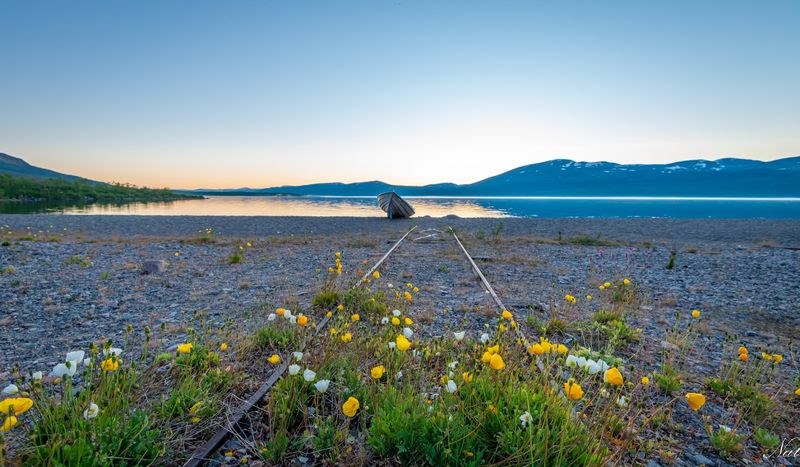
Abisko sits about 250 kilometers north of the Arctic Circle, which puts it firmly in the zone of genuine polar day during summer. The sun stays above the horizon through midnight, and the landscape around Lake Torneträsk and Mount Nuolja reflects that light in a way that makes the whole environment feel permanently mid-afternoon.
Current tourism in the area includes midnight-sun hikes around Abisko, excursions toward Mount Nuolja, and access to Abisko National Park. The village has an active summer visitor season built specifically around the polar-day experience.
Psychologically, the environment can make ordinary timekeeping feel strangely artificial. Your watch insists it is midnight while the world outside looks like 3 p.m. on a July afternoon.
Over several weeks, relying on routine rather than visual daylight cues becomes increasingly essential. Sleep masks, blackout curtains, and consistent wake times help recreate the distinction between day and night that the Arctic summer has temporarily erased from the outdoor environment.
Inari, Finland
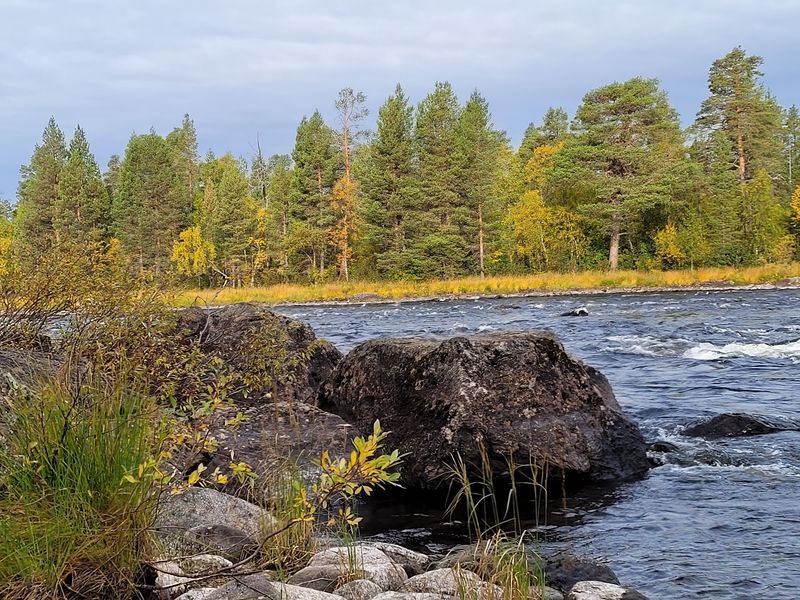
Inari combines continuous summer light with an enormous wilderness lake and dense boreal forest, and that combination creates a midnight-sun experience that feels quieter and more remote than the Norwegian coastal towns. Current tourism operators advertise midnight-sun cruises on Lake Inari from June 1 through July 17, along with summer hiking programs running from late May into July.
There is something genuinely unusual about cruising across a massive lake at midnight while the landscape remains completely and evenly illuminated. The water reflects the sky, the forest line stays sharp, and the whole scene looks nothing like what midnight is supposed to look like.
The main psychological risk here is not dramatic mood disruption. It is more ordinary than that: you simply do not feel that the day has ended, so you keep going.
Studies examining Arctic summers have found associations between prolonged evening light and shorter or lower-quality sleep in affected populations. Inari’s infrastructure is active and well-organized for summer visitors.
Utsjoki, Finland
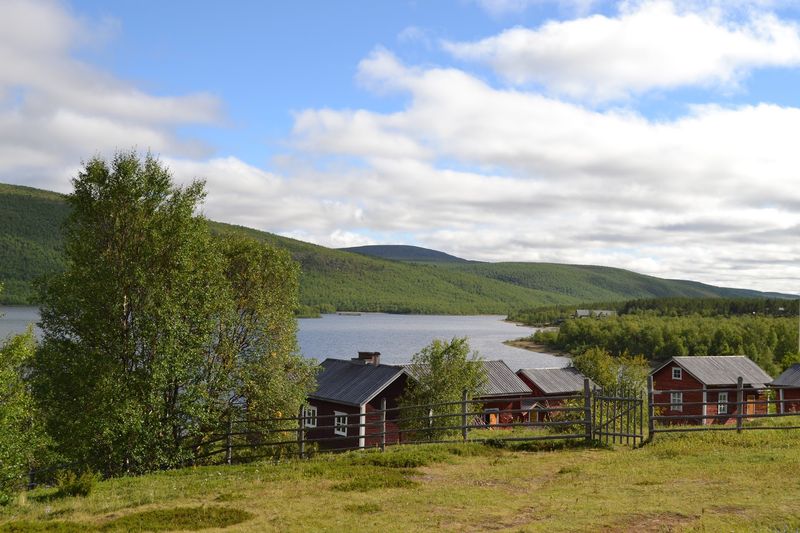
Utsjoki holds the position of Finland’s northernmost municipality, and the sun remains above the horizon for approximately 60 days during summer. That is long enough for continuous light to stop feeling like a novelty and settle into the ordinary background of everyday life in a way that is harder to mentally prepare for than you might expect.
Midnight walks require no flashlight. Early morning and late evening are visually indistinguishable.
The 60-day window means the experience extends well past the point where the brain gives up waiting for darkness and simply recalibrates around it.
Utsjoki has an active tourism network, with the municipality operating year-round visitor information and promoting accommodation, attractions and summer activities through its Explore Utsjoki platform. For visitors staying more than a week, creating an artificial nighttime environment becomes genuinely important.
Your brain still requires regular, well-timed sleep even when the sky above Finland’s northernmost corner shows no interest in cooperating with that biological need.
Utqiagvik, Alaska
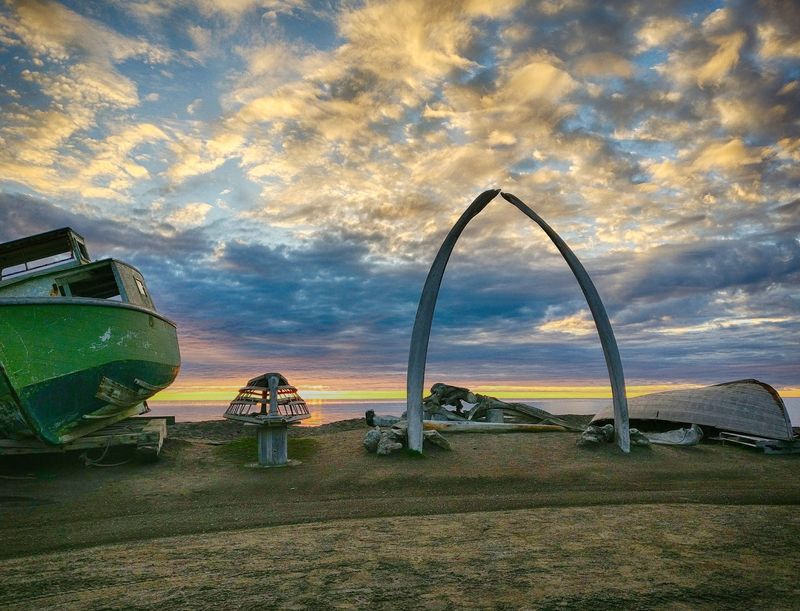
Utqiagvik delivers one of North America’s most extreme versions of the midnight-sun experience. The sun rises around May 10 and does not set again until approximately August 2, producing roughly 85 consecutive days of uninterrupted daylight.
That is nearly three months without a single sunset, which is a different psychological category from a few weeks.
Travel Alaska specifically advises summer visitors to prepare for 24-hour daylight and recommends bringing blackout curtains. That kind of official guidance reflects how consistently visitors underestimate the adjustment required.
After weeks without darkness, time flattens in a way that is difficult to describe until you experience it. Evening and morning become concepts defined entirely by clocks, meals and personal routines rather than anything the sky communicates.
Travel Alaska also emphasizes that Utqiagvik is an Iñupiat community with its own cultural calendar, and visitors are encouraged to engage respectfully when local cultural events coincide with their stay. The place is far more than an Arctic attraction.
Inuvik, Northwest Territories, Canada
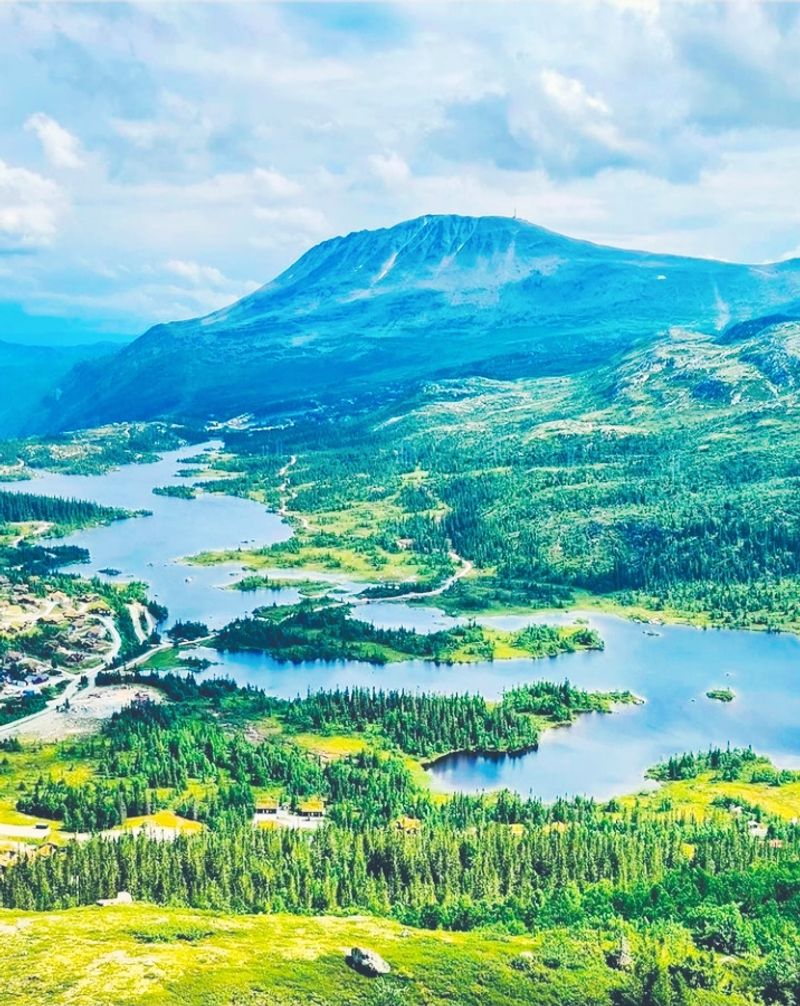
Inuvik experiences approximately 56 consecutive days of 24-hour daylight during summer, and the town leans into that identity fully. The community describes the season as the Land of the Midnight Sun and organizes hiking, camping, fishing and community events specifically designed around continuous daylight.
It is a place that has built a social calendar around an astronomical condition.
After a few weeks, one of the subtler mental effects becomes the disappearance of natural stopping points. There is no sunset sending a signal to wrap up outdoor activities and head back.
The light simply continues, and so does the temptation to stay out.
Inuvik is reachable by air and by the Dempster Highway, and the community maintains visitor services and summer programming. It works as a strong example of how people adapt socially to extreme daylight by allowing schedules, meal times and community rhythms to define the shape of the day when sunlight refuses to do that job.
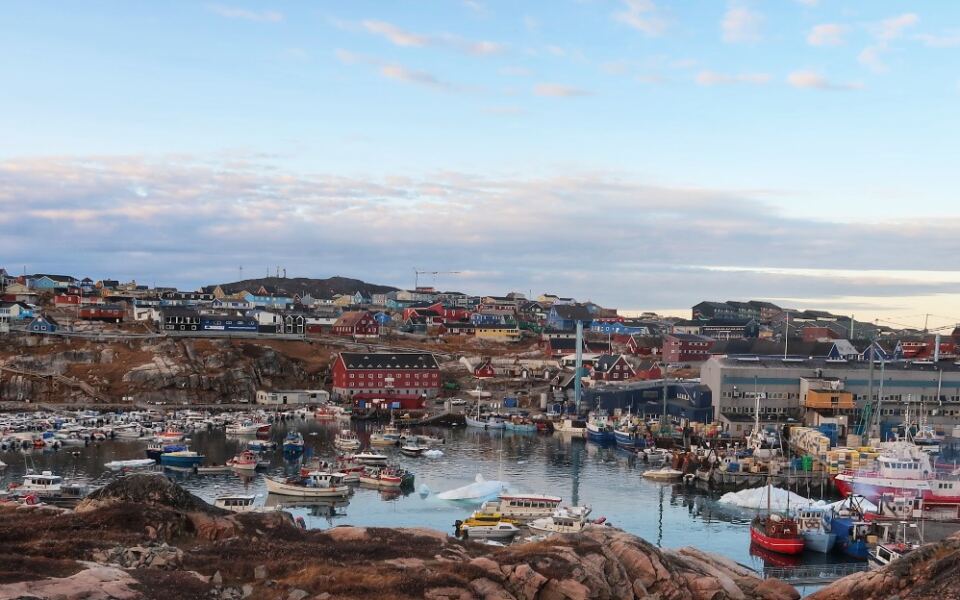
Ilulissat, Greenland
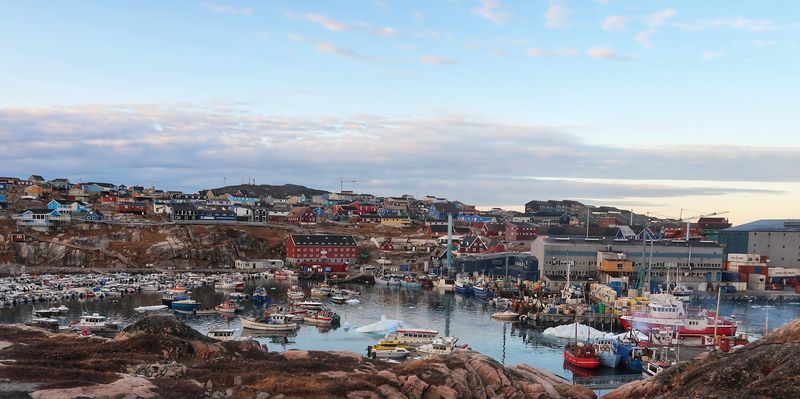
Ilulissat may offer the most visually dramatic version of the midnight-sun experience on this entire list. From approximately May 27 until July 18, the sun stays above the horizon continuously, and instead of darkness settling over Disko Bay, the light drops low and spreads across enormous icebergs before beginning to climb again.
The Ilulissat Icefjord is a UNESCO World Heritage Site, and the midnight light across it is genuinely unlike anything else.
Active local operators currently offer summer boat trips around the Icefjord, including excursions designed specifically to experience the midnight sunlight across the ice. The tourism infrastructure is real and operating.
After weeks of this, the biggest mental adjustment is recognizing that daylight and wakefulness are no longer the same thing. The brain keeps linking bright light with being awake and alert, but the clock keeps insisting otherwise.
Studies of high-latitude populations suggest that actively controlling evening light exposure is one of the most effective tools for maintaining healthy circadian timing through an Arctic summer.
Share this story