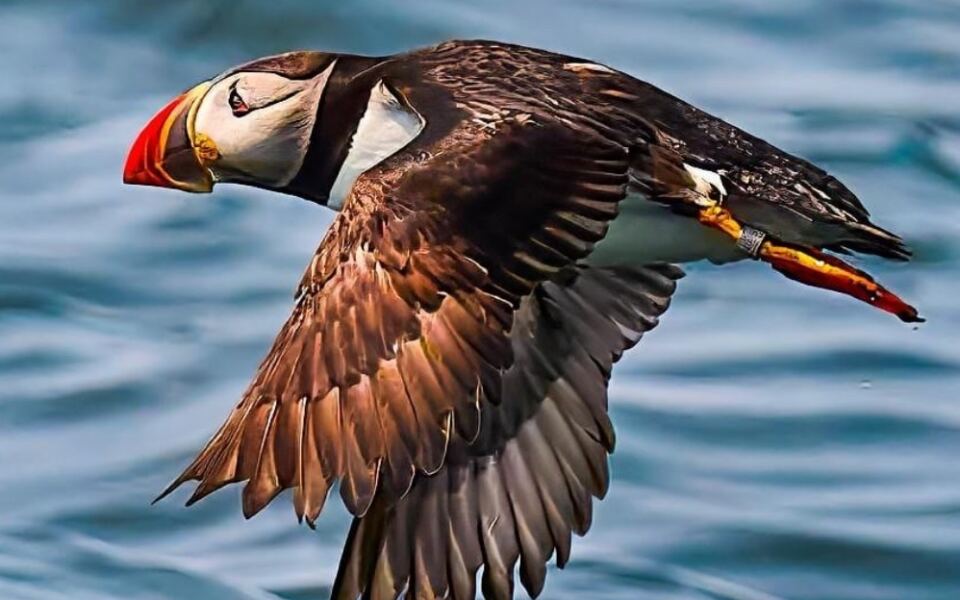
Puffins look like tiny birds dressed up for a costume party, with bright beaks, orange feet, and a busy waddle. They spend most of the year far out at sea, so seeing one takes a little planning.
The good news is that every summer they come ashore to nest, and a handful of places let you watch them up close. This list covers cliffs, islands, and boat trips across Iceland, the United Kingdom, the Faroe Islands, Canada, and the United States.
Some spots are an easy walk from a parking area. Others take a boat ride and a bit of patience with the weather.
Each one has its own season, so check the timing before you book anything and pack a camera with a good zoom.
Westman Islands, Iceland
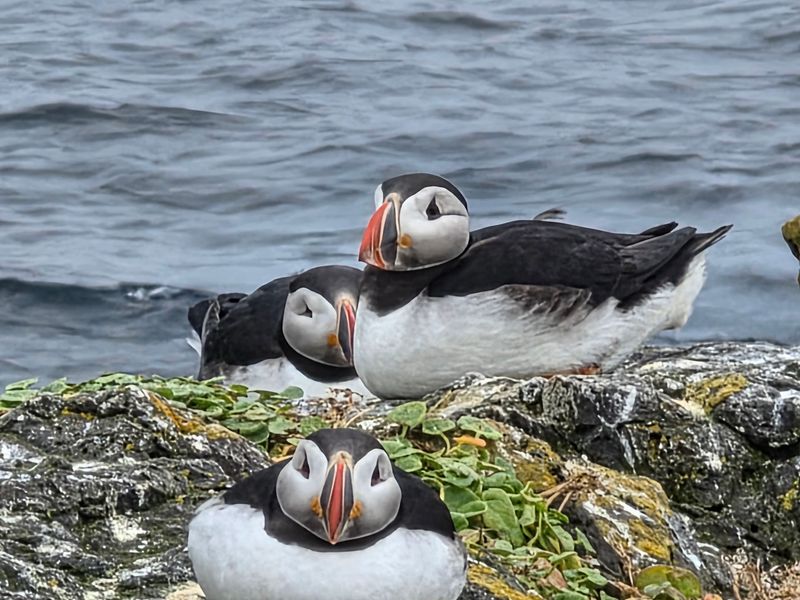
Iceland’s southern coast hides an island group that puffin fans talk about for years. The Westman Islands are described by Visit South Iceland as home to the world’s largest puffin breeding colony.
Heimaey is the main inhabited island, so you can reach it and base yourself in town. Stórhöfði is one of its best-known viewing areas, and visitors can watch the birds from viewpoints on land.
Boat excursions are another option, and they circle the cliffs and sea caves for a different angle.
Timing matters here. Puffins generally return in late April and stay until around mid-August, which gives you a long window compared with many other places.
May through early August is the best time to go.
Plan ahead for travel, since reaching the islands depends on ferry or flight schedules. Bring a windproof jacket, because coastal Iceland can turn breezy fast.
A little patience at a viewpoint usually pays off with birds landing nearby.
Borgarfjörður Eystri, Iceland
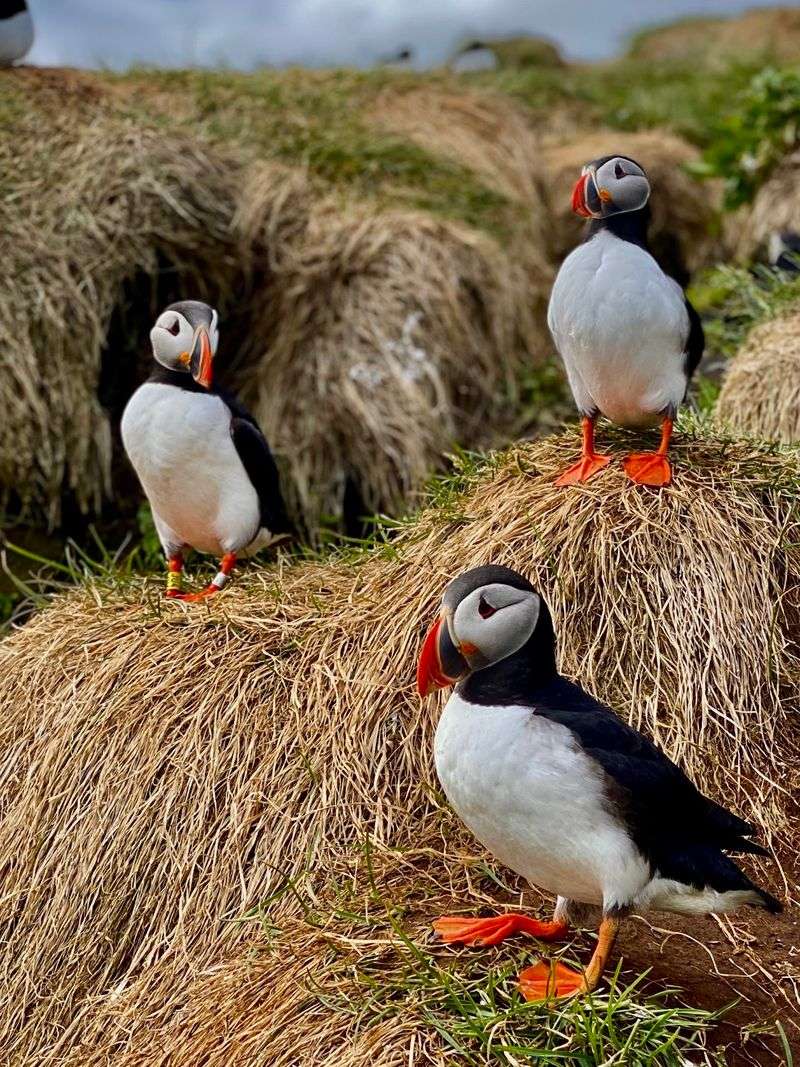
Photographers tend to get excited about this tiny village in East Iceland, and the reason is distance, or the lack of it. Puffins at Hafnarhólmi often perch very close to the designated viewing areas.
Roughly 10,000 pairs nest there each summer. Wooden walkways, viewing platforms, and a shelter let visitors watch the birds without walking across their nesting burrows.
That setup protects the colony and keeps your view clear.
You do not need a boat for this one, which makes it a good pick if rough water is not your favorite thing. Just walk out, find a spot along the platforms, and wait for the action.
Visit Austurland points to mid-April through mid-August as the season. Bring a camera with a decent lens, but even a phone can capture plenty here.
Keep your voice and movements calm so the birds stay relaxed nearby.
Skomer Island, Wales
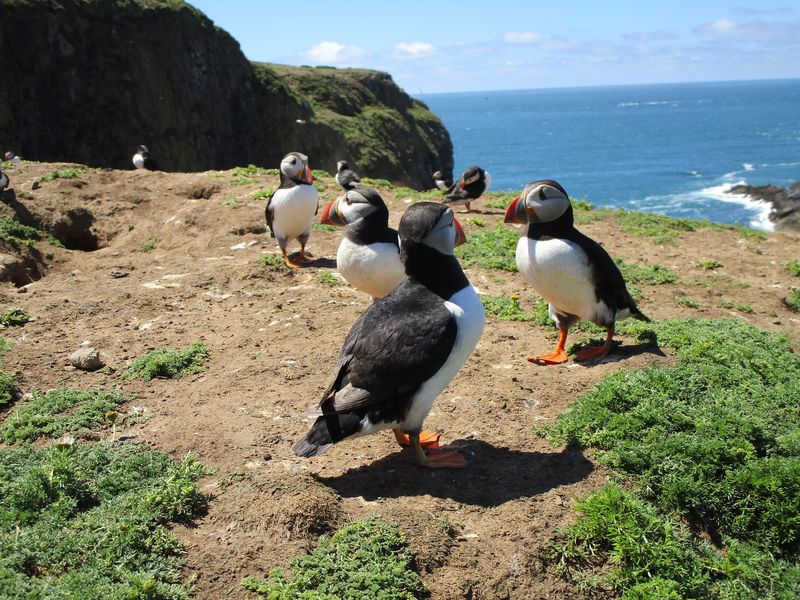
More than 50,000 puffins were recorded on Skomer in 2026, and that number alone is enough to make a seabird fan pack a bag. The island sits off the Pembrokeshire coast and ranks among Britain’s great seabird destinations.
Puffins share the island with huge numbers of Manx shearwaters, guillemots, and razorbills. So even if you came for one bird, the cliffs keep offering more to look at.
Day-trip boats operate from Martin’s Haven during the visitor season. Puffins begin arriving around mid-April and are normally gone by the end of July, according to Wildlife Trust information.
That short stay shapes your planning. Late spring and early summer are the prime period, with May through early July being the best bet.
Book a boat early, since a limited number of seats can fill up, and check sailing conditions before you travel.
Farne Islands, England
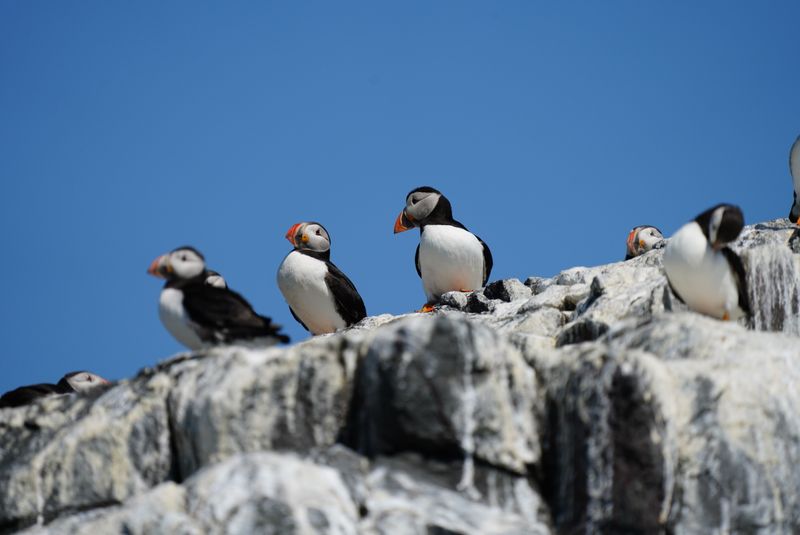
Spring turns a small group of rocks off Northumberland into a very noisy seabird neighborhood. The Farne Islands attract visitors who want boats, birds, and a bit of coastal adventure in one trip.
Boats leave from Seahouses, and on selected trips you can land on Inner Farne. Getting onto the island puts you among the nesting birds rather than just watching from the water.
The breeding season runs primarily from May through July. Puffins begin to leave toward the end of July, though some may still be seen resting offshore in early August, as the National Trust notes.
Puffins are not the only stars. Guillemots, razorbills, terns, and grey seals add plenty to see.
Terns can be protective of their nests, so a hat is a smart thing to wear on a landing trip.
Mykines, Faroe Islands
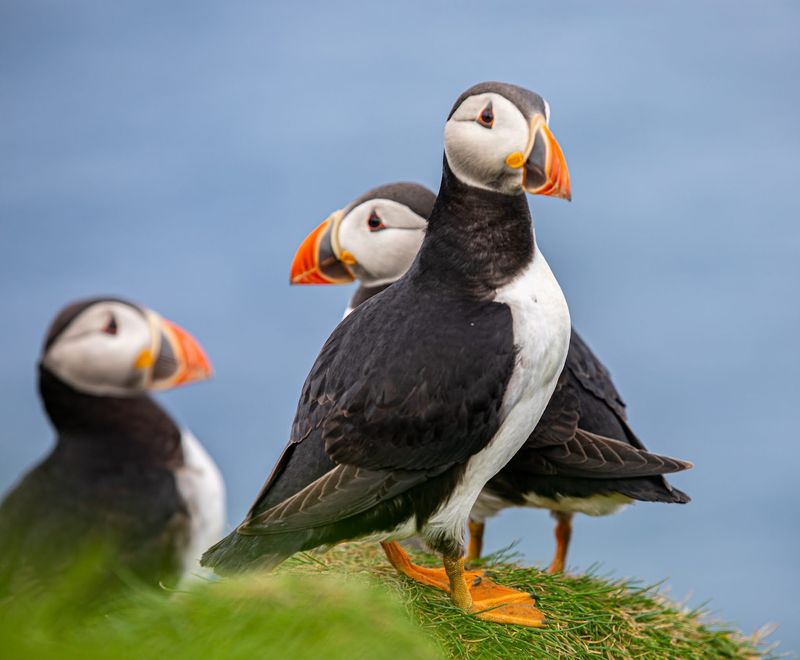
Small in size and big in reputation, Mykines is one of the most famous birdwatching destinations in the Faroe Islands. Its grassy Atlantic cliffs support one of the country’s largest puffin colonies.
Other seabirds share the scenery, including guillemots, razorbills, fulmars, kittiwakes, and gannets. A visit can feel like a full seabird survey rather than a single bird sighting.
Summer ferries connect visitors with the island, although weather can affect transportation. That means flexible plans are a good idea, especially if you have a tight schedule on the mainland.
The dramatic cliffs and traditional village also make the journey worthwhile even beyond the birdlife. Late spring through summer is the best time to go.
Sturdy shoes help on the grassy slopes, and layers help when the wind picks up.
Elliston, Newfoundland and Labrador
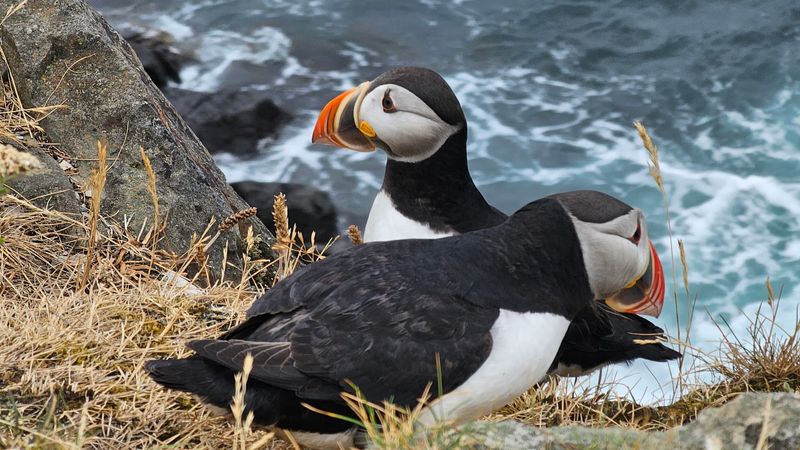
A short walk is all it takes to meet puffins here. The official provincial tourism site describes the Elliston Puffin Viewing Site as offering the closest land-based views of puffins in North America.
Hundreds of nesting pairs occupy the rocky island opposite the viewing area. Some birds occasionally fly or land surprisingly close to visitors, which makes for lively photos.
The birds generally return around mid-May and begin departing from mid-August into early September. June through early August is the best time to go.
This is a good option for families or anyone who prefers solid ground over a boat deck. Wear a warm layer, since coastal breezes in Newfoundland can be cool even in summer.
Bring binoculars as well, because they help you spot birds on the far rocks.
Witless Bay Ecological Reserve, Newfoundland and Labrador
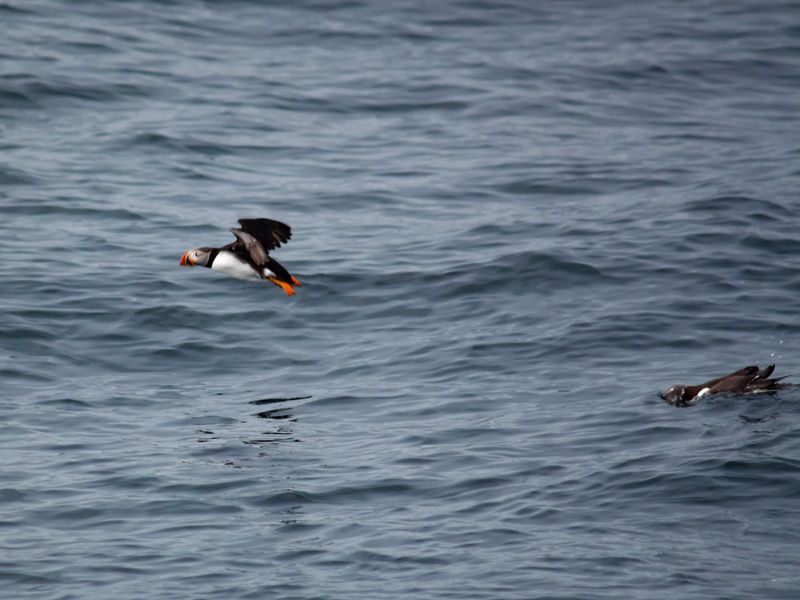
Count seabirds here and you will quickly lose track. The reserve holds Newfoundland and Labrador’s largest puffin colony and supports more than one million seabirds representing multiple species during summer.
The nesting islands themselves are protected. That is why wildlife cruises are the standard way to experience the colony, giving you views without disturbing the birds.
Depending on the season, visitors may also encounter whales in the surrounding waters. A single outing can add a few surprises to your puffin count.
June through August is the best time to go. Dress warmer than you think you need to, since it is cooler on the water.
Waterproof outer layers are handy, and a camera strap keeps your gear secure when the boat moves.
Eastern Egg Rock, Maine
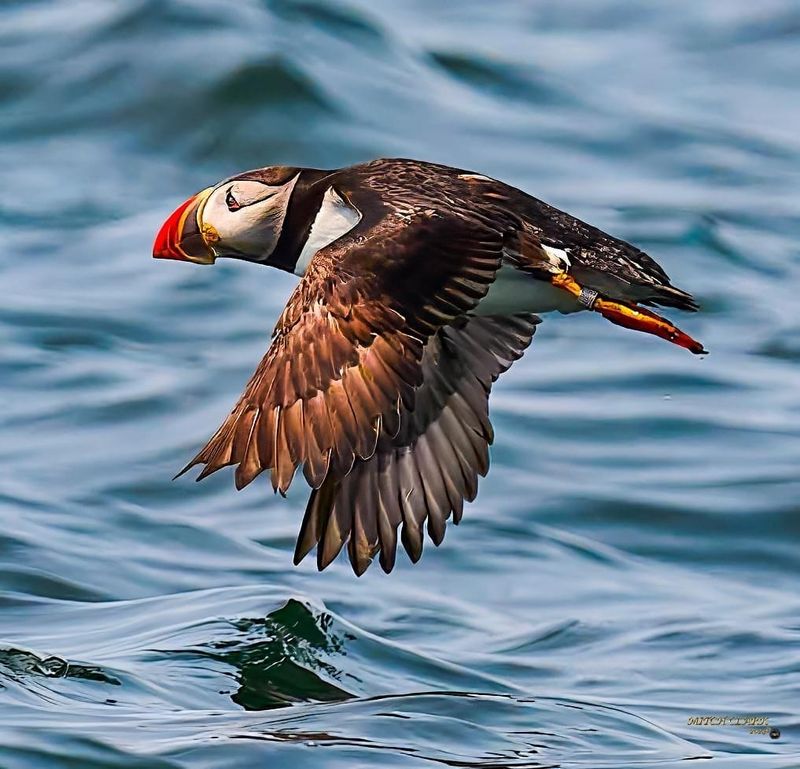
Puffins nearly vanished from Maine’s coast, and Eastern Egg Rock is where the comeback began. Atlantic puffins were successfully restored there through Audubon’s Project Puffin program, giving the island special importance in American conservation history.
Today, sightseeing cruises from places such as New Harbor and Boothbay Harbor circle the island during nesting season. You watch from the boat, which keeps the birds undisturbed.
Maine tourism officials identify Eastern Egg Rock as one of the state’s Atlantic puffin nesting islands and one of the most reliable places to see the birds. That reliability helps if you are planning a trip around a single outing.
June and July are the best months to go. Check cruise schedules ahead of time, since boats run seasonally.
A pair of binoculars will make the island’s residents much easier to spot.
Bempton Cliffs, England
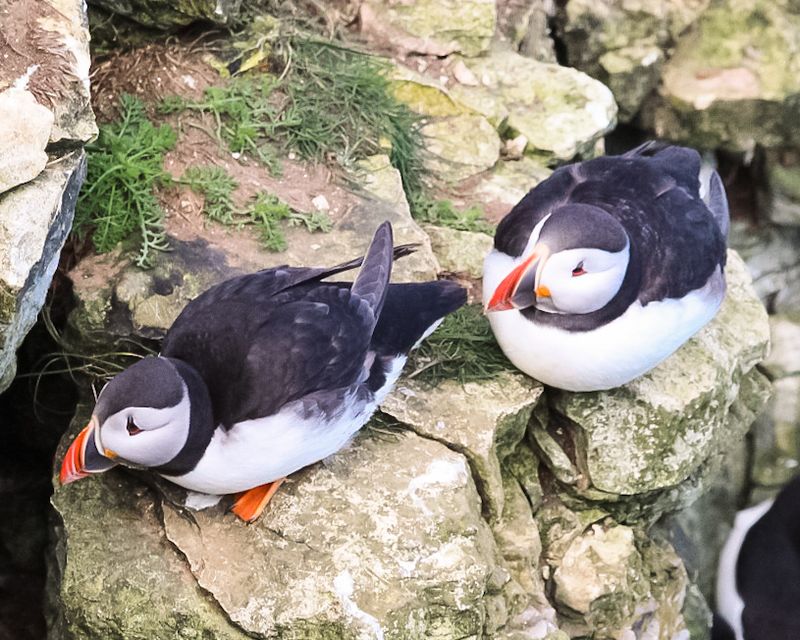
Here is a puffin trip that does not require a boat ticket. RSPB Bempton Cliffs, on Yorkshire’s coast, offers mainland viewing from towering chalk cliffs.
Around half a million seabirds gather there during the breeding season. Puffins nest among guillemots, razorbills, kittiwakes, and enormous numbers of gannets, so the cliffs stay busy all summer.
The RSPB recommends visiting between April and mid-July specifically for puffin viewing. May through mid-July is the best time to go.
Because you stay on land, this spot suits travelers who want flexibility and fewer weather worries. Walk the viewing platforms along the cliff edge and take your time at each one.
Binoculars help, and so does a windproof jacket for the breezy coast.
Share this story