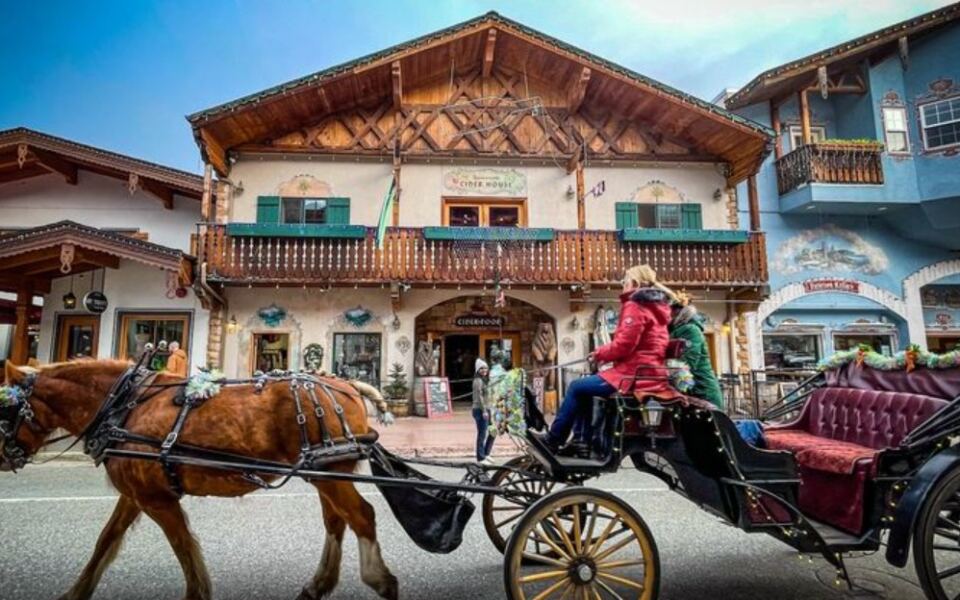
Plenty of travelers dream of Alpine balconies, Dutch windmills, and cobblestone lanes, but a passport is not always required. Across the United States, immigrant communities and clever town planners have created places that echo Bavaria, Denmark, Sweden, Switzerland, Greece, and Spain.
Some grew from real settler roots in the 1800s, while others were redesigned on purpose to look the part. This list covers seventeen towns where the architecture, food, festivals, and street layouts make the European comparison easy to understand.
Each one offers walkable streets and something to see in more than one season. Pick a favorite, plan a road trip, and see how quickly you start looking for the nearest bakery.
Solvang, California
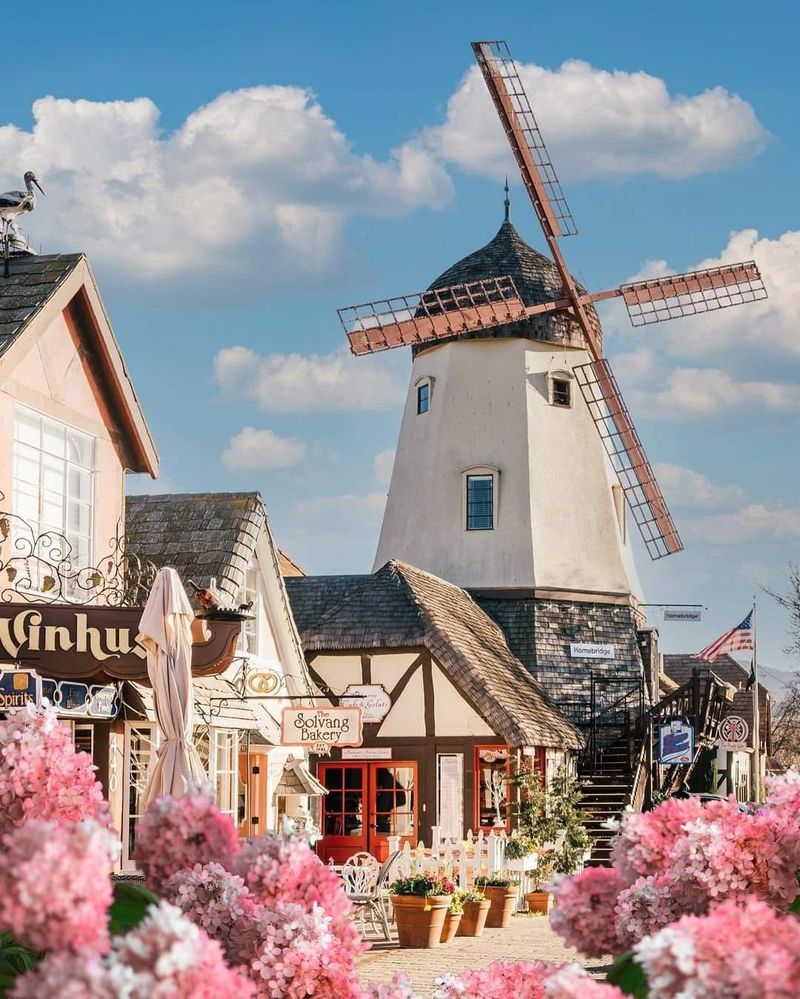
Street names like Copenhagen Drive tell you right away that Solvang is playing a Danish tune. Windmills and half-timbered buildings add to the look, and the town calls itself the Danish Capital of America.
The compact downtown is easy to cover on foot. European-style shops line the blocks, and Danish bakeries are a big part of the stop.
Æbleskiver, the round Danish pancake treats, are a classic thing to try, along with pastries from local bakeries. Wine fans can also explore the wineries of the Santa Ynez Valley nearby, though the town itself is the main draw.
What makes Solvang different from many themed towns is that Danish culture remains central to the visitor experience. It sits in California ranch and vineyard country, which gives the Scandinavian setting a surprising backdrop.
A short walk can cover a lot of ground here.
New Glarus, Wisconsin
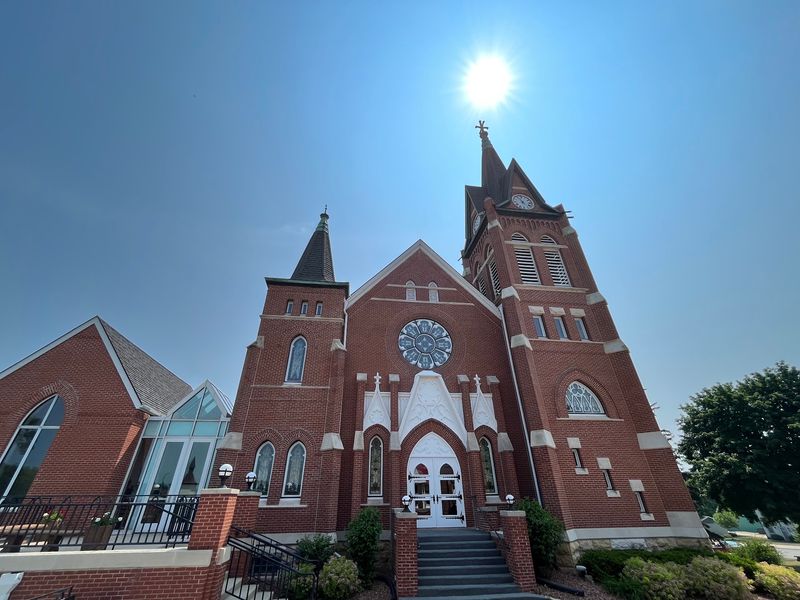
Swiss settlers arrived here in 1845, and New Glarus still carries the nickname America’s Little Switzerland. Chalet-style architecture is the first clue that the heritage is not just for show.
Swiss food, traditional festivals, museums, and cultural groups keep the story visible all year. The Swiss Historical Village and the Chalet of the Golden Fleece Museum give visitors a closer look at the past.
Historic walking routes make it easy to cover the town without a car. Shops add variety between museum stops, and the rolling countryside around the village offers outdoor recreation.
This is a good pick for travelers who like learning something while they stroll. Wisconsin farmland might not look like the Alps, but the architecture and traditions do the heavy lifting.
Check the chamber of commerce for current festival dates before planning a trip around one.
Helen, Georgia
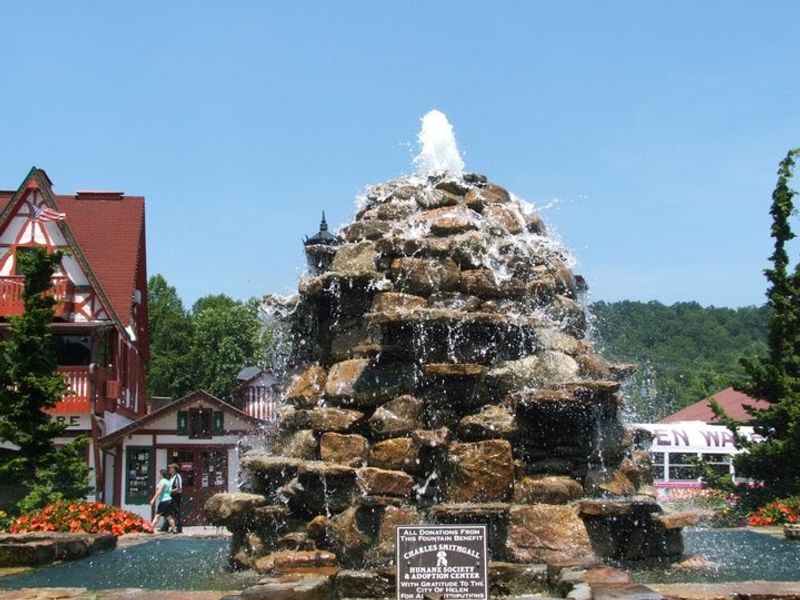
Until 1969, Helen looked like a typical small mountain town in Georgia. Then the downtown was deliberately transformed into a Bavarian Alpine village, and the look has stuck around.
Timber framing, stucco walls, steep roofs, murals, and flower boxes now dominate the central streets. The Blue Ridge Mountains behind them add to the Alpine feel.
Helen is an active tourism destination. Visitors can shop, dine, join walking tours of the Alpine-style center, and try outdoor recreation nearby.
Festivals appear on the calendar throughout the year, so checking the official visitor site helps with timing.
It is a fun example of a town reinventing itself on purpose. The history is more about design than immigration, which sets it apart from some others on this list.
Wear comfortable shoes, because the center is built for wandering from storefront to storefront.
Leavenworth, Washington
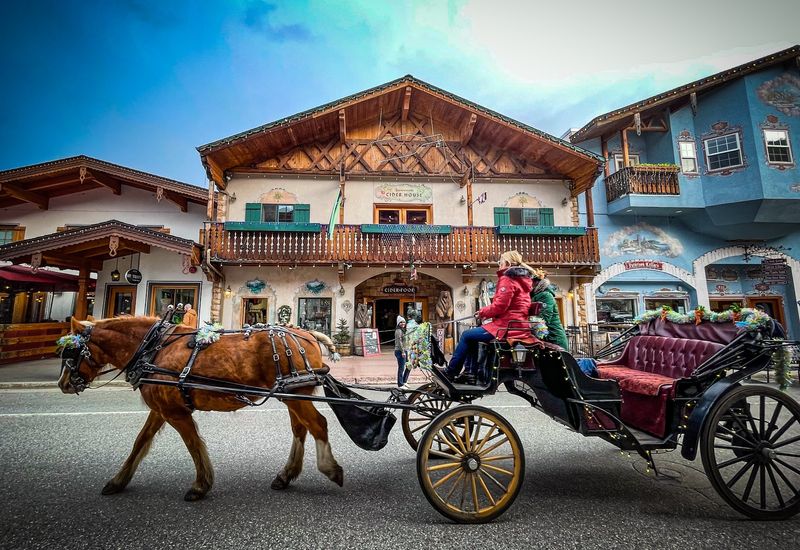
A mountain town that decided to become Bavaria sounds like a joke, but Leavenworth made it a real tourism plan. Set against the Cascade Mountains, downtown is lined with Alpine-style facades, balconies, restaurants, and shops.
The center is pedestrian-friendly, so parking once and wandering on foot works well. Most of the main attractions sit close together, which keeps the day simple and relaxed.
Events fill the calendar through the year. Oktoberfest is one of the best known, and the Village of Lights brings a holiday theme to the same streets in winter.
Outside festival dates, visitors can hike nearby trails, browse shops, and settle in at a restaurant.
I would plan around the season. Fall and winter bring the big celebrations, while warmer months lean toward outdoor recreation and mountain scenery.
Either way, the Alpine look makes the European comparison easy to see without crossing an ocean or leaving the Pacific Northwest.
Frankenmuth, Michigan
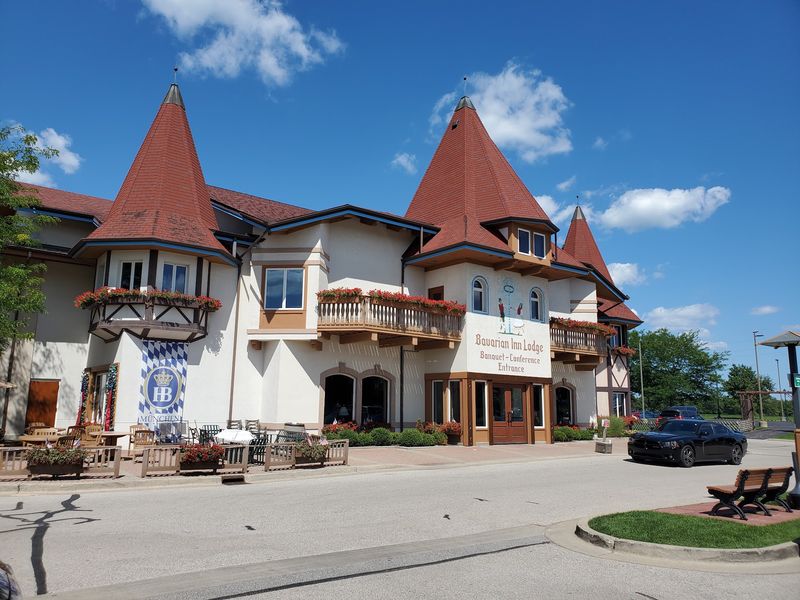
Michigan’s Little Bavaria is the name Frankenmuth proudly uses, and it has history behind it. German immigrants founded the community in 1845, and their heritage still shows in the town’s look.
Bavarian architecture stands out along the main streets. German restaurants, shops, festivals, and cultural traditions add to the picture.
Visitors can explore places such as the Bavarian-style River Place Shops and attend German-themed events through the year. The mix of dining and browsing makes it easy to fill a day.
Planning is simple because the local visitor center remains open nearly every day of the year. That is handy for a spontaneous road trip.
Families, couples, and friends can all find a pace that suits them, since most of the main stops sit close together and the town is easy to navigate.
Hermann, Missouri
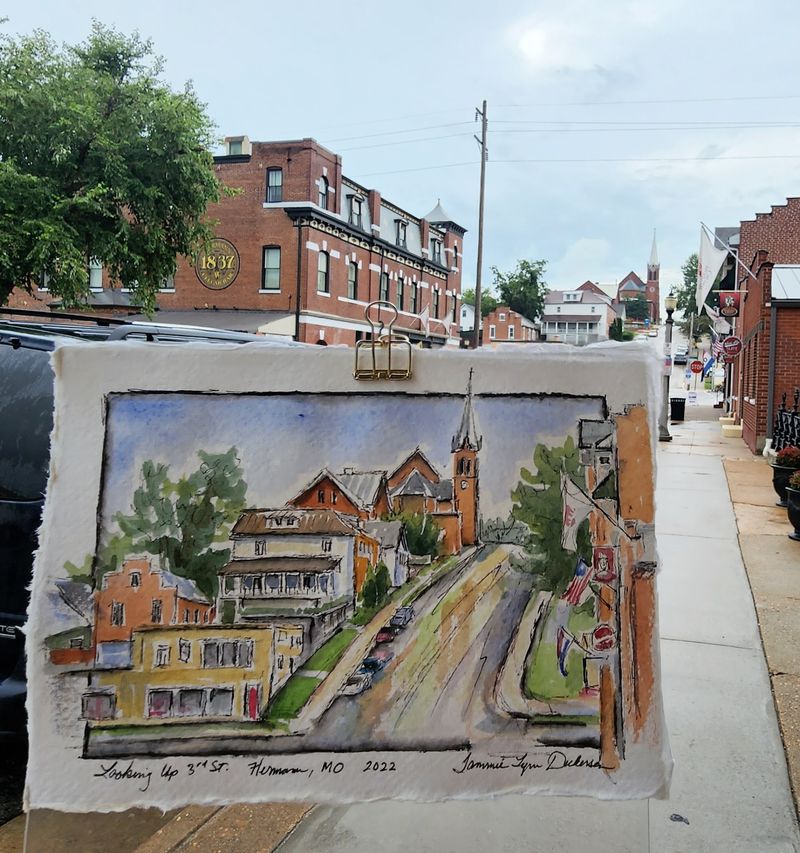
Red brick is the first thing you notice in Hermann, and it gives the town an Old World look. Vineyards and the Missouri River setting add to the effect without requiring an international flight.
The current visitor guide highlights 19th-century architecture and streetscapes shaped by the town’s German roots. That makes a simple walk through town feel like a history lesson.
Oktoberfest remains a major annual attraction. Outside festival season, walking tours, wineries, restaurants, and historic sites give travelers plenty of reasons to visit.
I would save this one for a slow weekend. The pace suits meandering, and the brick buildings look best when you have time to stop and read the details.
German food is part of the experience, so plan a meal around the local restaurants.
Lindsborg, Kansas
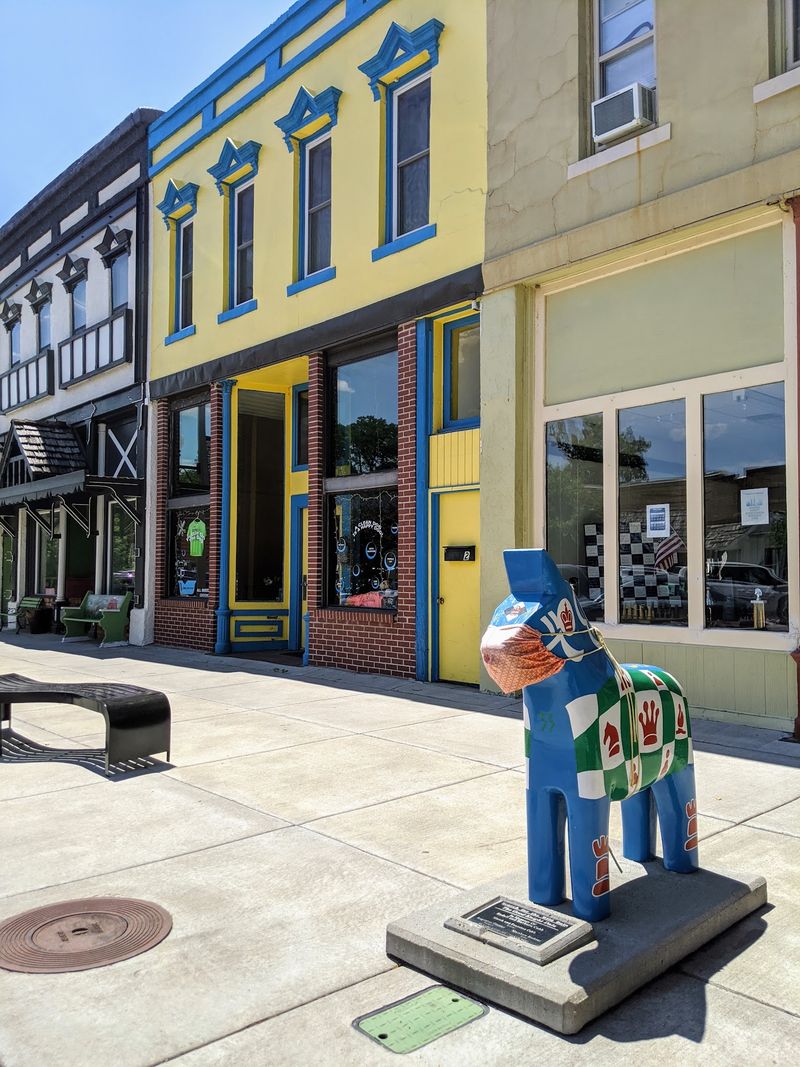
Kansas might be the last place you expect to find Little Sweden USA, yet Lindsborg has earned that nickname. Swedish immigrants founded the town in 1869, and the community still embraces its heritage.
Scandinavian character shows up in festivals, public art, historic sites, museums, and Swedish-inspired names around town. It is the kind of place where you spot the theme on almost every block.
Several stops give visitors a tangible link to the past. The Swedish Pavilion, the Lindsborg Old Mill and Swedish Heritage Museum, and the Välkommen Trail are good starting points.
Regular heritage celebrations keep the culture active rather than frozen in time. A walk through downtown pairs well with a museum visit, so even a short trip can cover a lot.
Check event dates ahead of time if you want to catch a festival.
Pella, Iowa
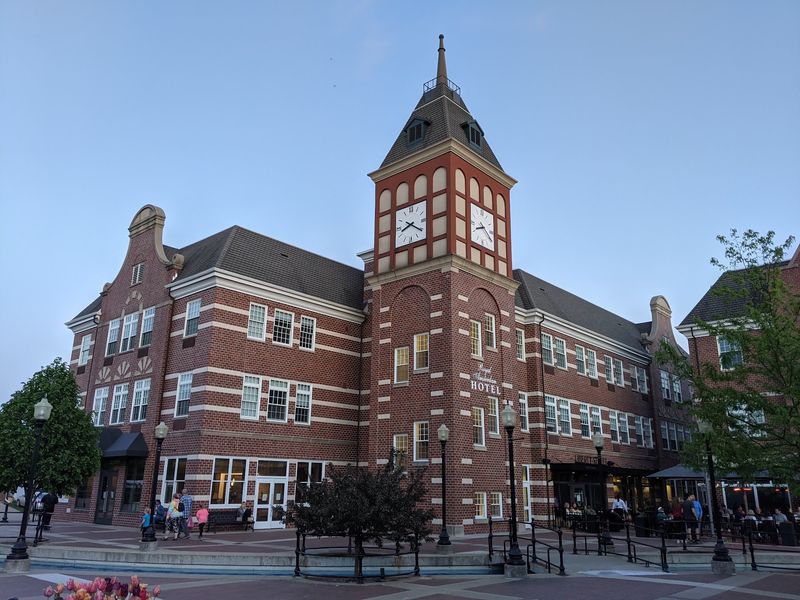
Standing tall over Pella is the Vermeer Windmill, described by the tourism bureau as the tallest working grain windmill in the United States. It is a bold way to announce a Dutch town in the middle of Iowa.
Dutch immigrants established Pella in 1847, and it still promotes itself as America’s Dutch Treasure. The heritage appears in the architecture, gardens, and local bakeries.
The Historical Village gives visitors a closer look at the past. The annual Tulip Time celebration is the big seasonal event, and current 2026 tourism listings confirm an active calendar of attractions.
Spring is a natural time to go, though the windmill and downtown are there year-round. Pair a bakery stop with a walk past the Dutch-inspired buildings.
It is an easy, friendly town to explore at an unhurried pace.
Holland, Michigan
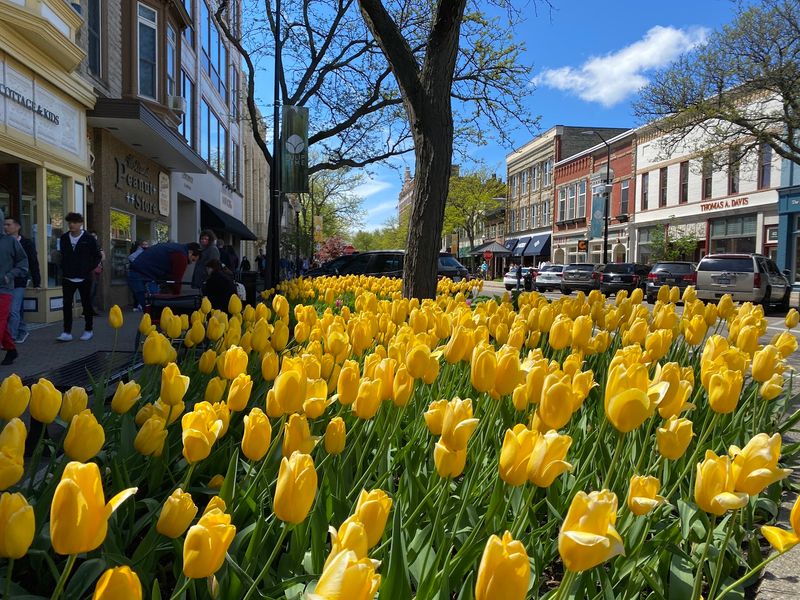
Spring in Holland comes with tulips, and lots of them. The city’s Dutch heritage is visible in its architecture, flower displays, traditional attractions, and food.
Windmill Island Gardens features an authentic Dutch windmill, which makes it a natural first stop. Nelis’ Dutch Village offers another way to experience the area’s cultural history.
The city celebrates its heritage through annual events such as Tulip Time. That makes spring an especially colorful time to visit, though the attractions give reasons to come in other seasons too.
If you are comparing Holland with Pella, think of them as two Dutch-American towns with their own personalities. Holland sits in West Michigan, and its attractions are easy to combine into one trip.
Check Holland.org for current dates and details before you go.
Fredericksburg, Texas

Hundreds of historically significant structures give Fredericksburg a deep bench of old buildings to admire. German immigrants founded the town in 1846, and their influence remains easy to spot in the historic district.
Several of those buildings reflect German construction traditions. Seeing them in person helps explain why the town draws comparisons to Europe.
A current self-guided walking tour covers 30 historic locations, which makes it a handy way to organize a visit. Along the route, visitors pass museums, restaurants, shops, churches, and landmarks.
I like a self-guided tour because it lets you linger where you want. Skip the stops that do not interest you and spend longer at the ones that do.
Texas Hill Country is the setting, and the historic center is compact enough to cover comfortably in a day.
Poulsbo, Washington
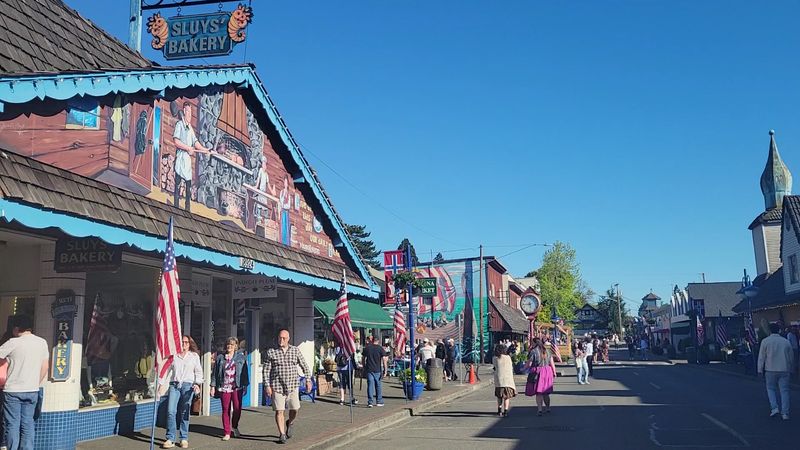
Norwegian settlers who arrived in the 1880s were drawn partly by a landscape that reminded them of home. That is how Poulsbo ended up with the nickname Little Norway.
The waterfront setting still fits the story. Scandinavian-style storefronts, murals, bakeries, and Nordic traditions reinforce the identity in the downtown area.
Viking Fest is the annual celebration of the town’s Norwegian heritage, and the 2026 event took place in downtown Poulsbo. It shows that the traditions are still active.
This one works well for a day by the water. Walk the main street, look for the murals, and stop at a bakery.
Poulsbo is a small town, so the pace stays easy, and the combination of Puget Sound scenery and Nordic style makes the European comparison simple.
Tarpon Springs, Florida
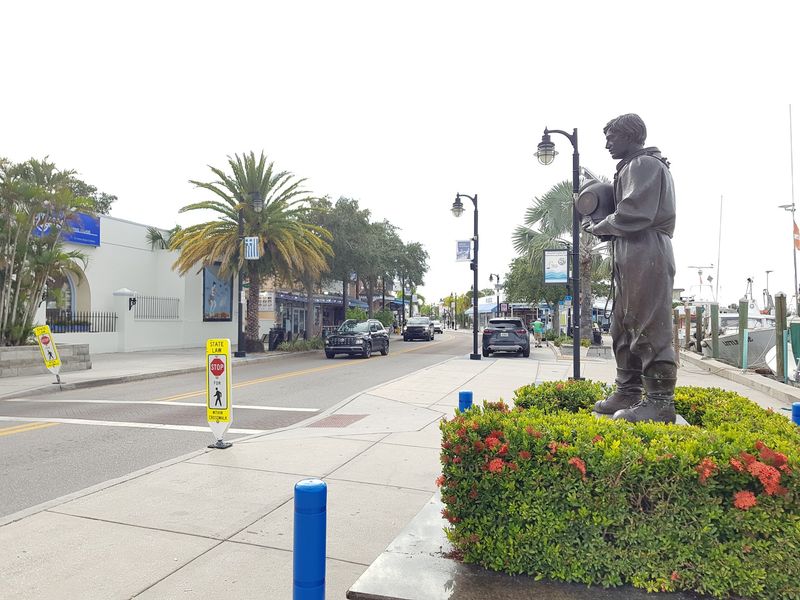
Florida is not the first place most people look for Greek culture, yet Tarpon Springs is full of it. The Sponge Docks are the center of the story.
Greek immigrants played a major role in developing the local sponge-diving industry. The waterfront remains active today, with boats and a working harbor feel.
Visitors will find Greek restaurants, sponge shops, heritage attractions, and the Greektown historic district. The city’s tourism information continues to promote the Sponge Docks as a working waterfront and major visitor area.
This stop is good for travelers who like a mix of food, shopping, and history. Browse the sponge shops, look over the boats, and choose a Greek restaurant for a meal.
The setting is more coastal than most European-style towns, which gives the list a different flavor.
St. Augustine, Florida
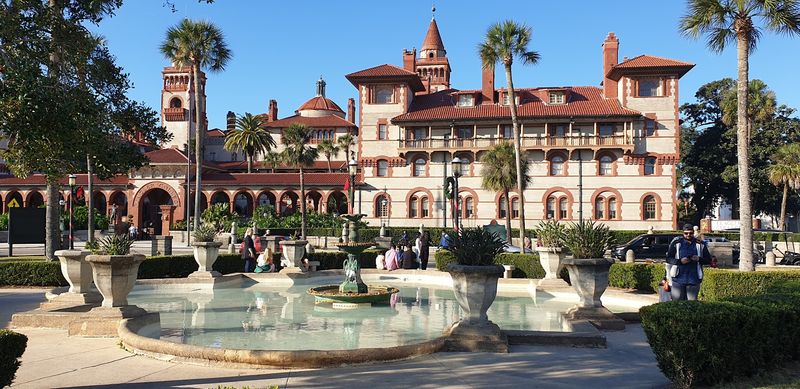
Founded by the Spanish in 1565, St. Augustine has one of the strongest links to colonial Spain in America. The history is not a theme but a starting point.
The historic center is shaped by narrow streets, courtyards, plazas, coquina buildings, churches, and fortifications. Those features give the walk a distinctly Spanish feel.
Visitors can stroll Aviles Street and explore historic structures. Numerous museums and landmarks remain part of the city’s active tourism scene today, so there is plenty to fill a day or a weekend.
Start with a walk and let the narrow lanes guide you. Many of the sights sit close together, which makes it easy to mix museum visits with plaza stops.
Compared with many towns here, St. Augustine offers original colonial roots rather than a recreated look.
Cape May, New Jersey
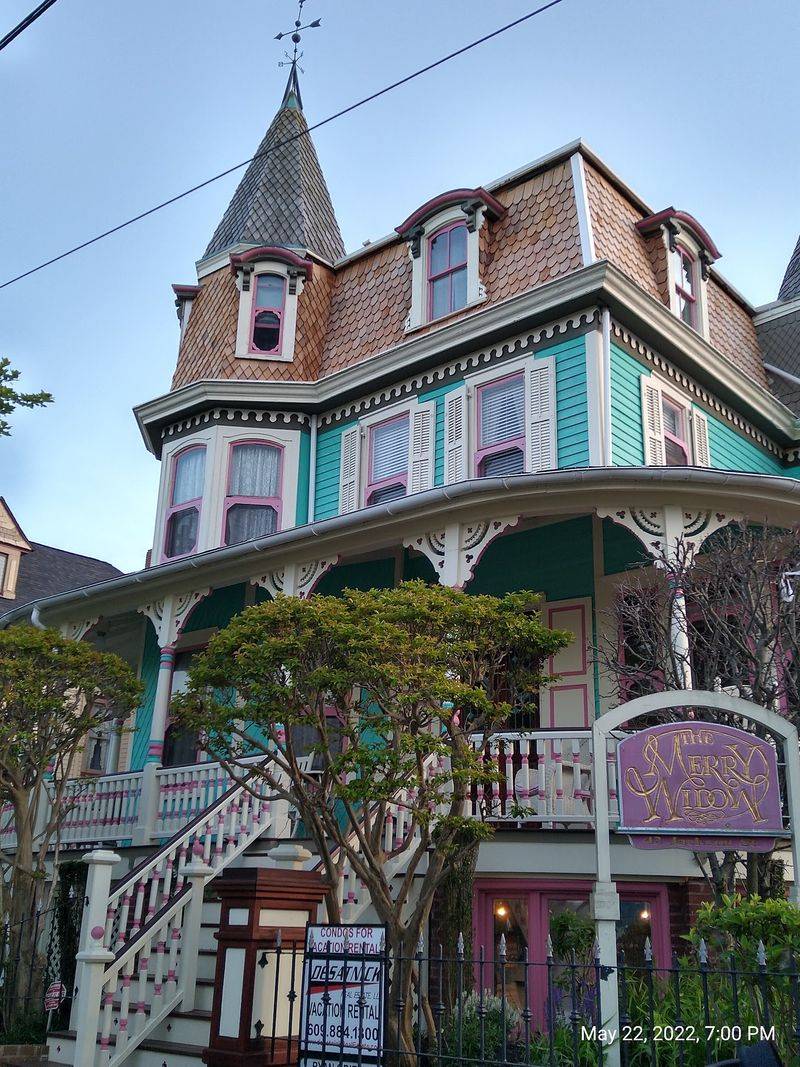
Cape May feels less like continental Europe and more like a beautifully preserved Victorian-era seaside resort. The comparison is to traditional European coastal getaways rather than mountain villages.
The entire city is a National Historic District. According to New Jersey tourism officials, it has more than 600 preserved Victorian buildings.
Ornate porches, towers, gingerbread trim, and historic inns line walkable streets. Together they create an atmosphere reminiscent of traditional European seaside resorts.
Architectural tours and historic-house visits continue to operate in 2026, so there are structured ways to learn about the buildings. If you prefer to explore on your own, a slow walk is enough to see the details.
Cape May is a good reminder that European charm can come in more than one style.
Lititz, Pennsylvania
A pretzel bakery dating to 1861 anchors the story of Lititz. Julius Sturgis Pretzel Bakery remains active, which is a rare thing for a business that old.
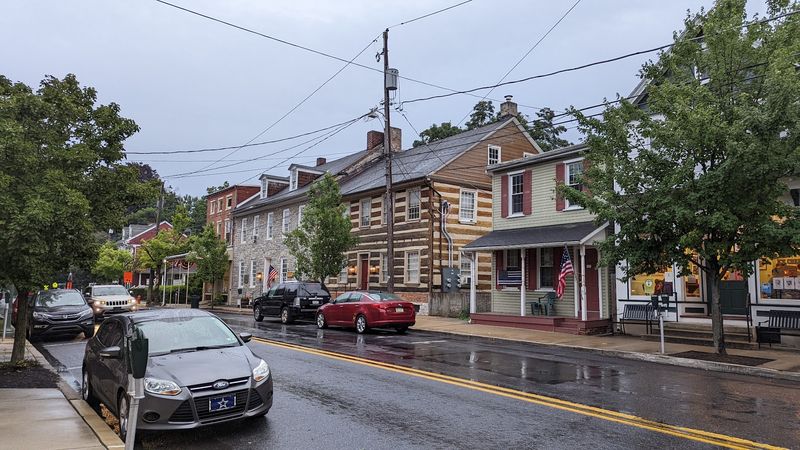
The town grew from a Moravian community established in colonial Pennsylvania. Much of its historic character is still visible today.
The Moravian Brothers’ House dates to 1759, and Linden Hall, founded by Moravians in 1746, is also part of the town’s history. These landmarks give the area real depth.
Preserved buildings and a walkable center give Lititz an Old World small-town atmosphere. I would plan a stroll through the center and a stop at the bakery.
It is a quieter pick on this list, and that suits visitors who prefer history over big festivals.
Vail, Colorado
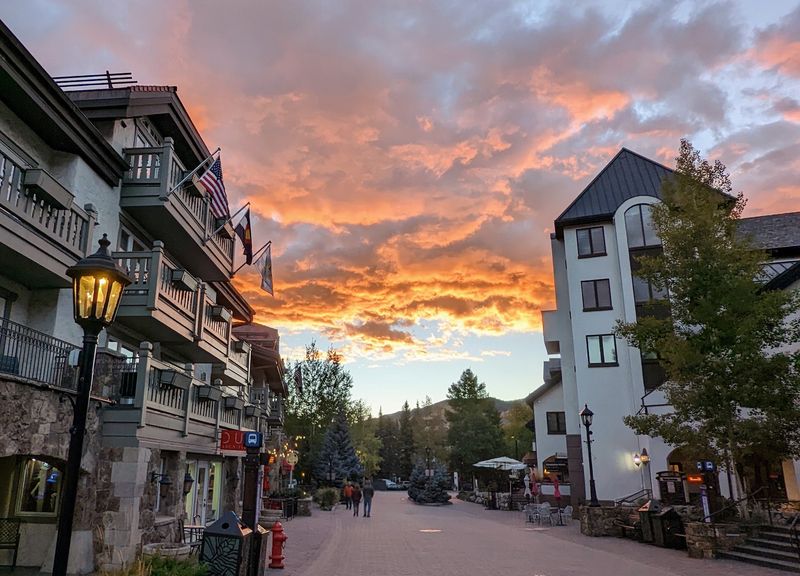
Nothing about Vail’s European look is an accident. The resort was designed to evoke traditional villages in the European Alps.
Its pedestrian villages feature cobblestone-style streets, Alpine architecture, balconies, plazas, and mountain views. The official tourism organization describes Vail as a European-style village with Old World Bavarian architecture.
Shops, restaurants, gondolas, outdoor activities, and lodging keep the resort active throughout the year. That means the village is not only a winter stop.
Summer visitors can ride gondolas and explore the mountains, while the pedestrian layout makes strolling easy in any season. Vail is the most resort-like entry here, so expect a polished experience rather than a small-town one.
It is a good pick if you want mountain scenery with a European-style base.
Amana Colonies, Iowa
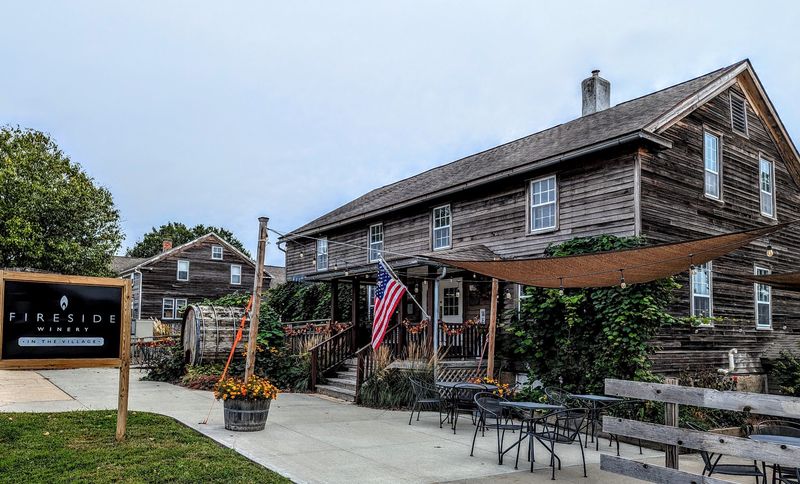
Seven villages instead of one town make the Amana Colonies unusual. Their architecture and traditions grew from German immigrant roots.
Brick, sandstone, and wooden buildings reflect German influence. Restaurants, craft shops, museums, and cultural attractions preserve elements of the area’s communal past.
The Colonies remain an active destination in 2026. Oktoberfest and heritage events are part of the calendar, and museums, shops, and visitor services operate across the villages.
With seven villages, a visit takes a bit more planning than a single downtown. Start at a visitor service point and decide which villages to cover.
The mix of museums and shops gives you flexibility, and the German-rooted buildings give the whole area a distinct look.
Share this story