Traveling alone after 50 is not a compromise. For many women, it is the most freeing kind of trip they have ever taken.
You choose the pace, the itinerary, and the coffee stop. But not every city makes solo travel easy, and the wrong destination can turn an exciting adventure into an exhausting logistical puzzle.
The cities on this list were selected because they genuinely work for independent travelers. Each one offers a combination of walkable neighborhoods, reliable public transportation, cultural depth, and an atmosphere where sitting alone at a café or spending a full afternoon in a museum feels completely natural.
Whether you are drawn to European history, Pacific coastlines, or compact capitals with great food scenes, there is something here worth adding to your travel plans.
Vienna, Austria
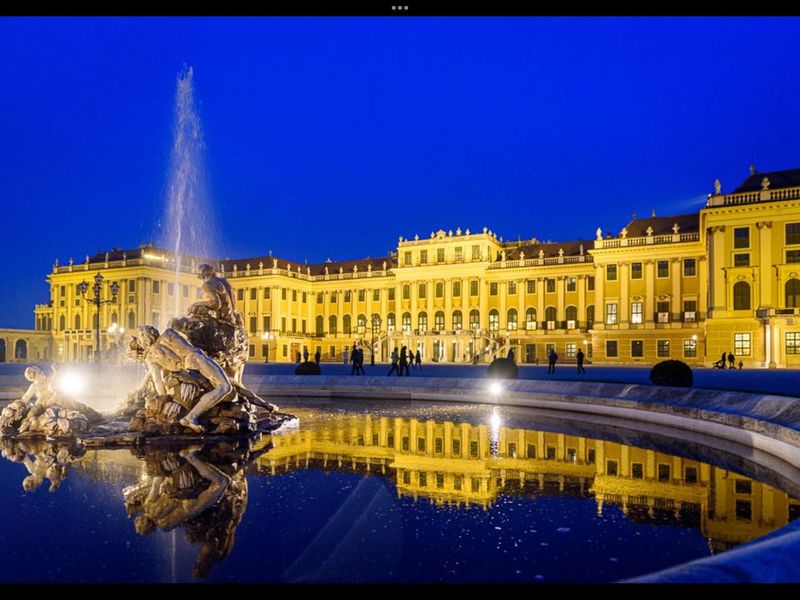
Few cities make it this easy to fill a day with substance without ever feeling rushed. Vienna’s historic center places palaces, world-class museums, ornate churches, traditional coffeehouses, and concert venues within a compact and manageable area.
Its U-Bahn and tram systems handle longer distances cleanly.
A solo day here can naturally revolve around one museum in the morning, an unhurried lunch, a long sit at a traditional coffeehouse, and an evening performance. There is no pressure to see everything at once.
Vienna also has a deeply rooted culture of people reading, eating, or drinking coffee alone, so a table for one never attracts a second glance.
For women over 50 who want trips built around art, architecture, classical music, and relaxed sightseeing, Vienna delivers without requiring a rental car or complicated daily planning. Current 2026 visitor resources confirm that central cultural attractions and the transportation network are operating normally.
Copenhagen, Denmark
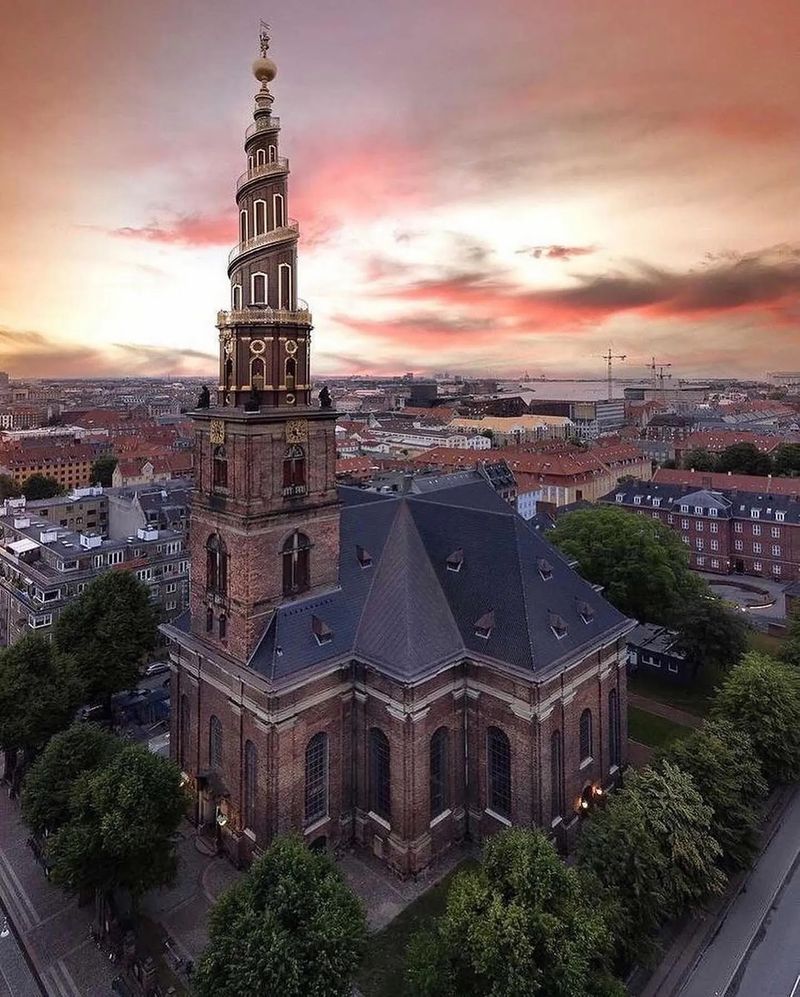
Nineteen museums and cultural institutions clustered within roughly a ten-minute walk of each other is a solo traveler’s dream itinerary. Copenhagen’s Cultural District makes that possible, meaning you can plan days around short distances rather than constantly navigating unfamiliar transportation across a sprawling city.
The National Museum, Designmuseum Danmark, and Glyptoteket each work perfectly as standalone activities because you move through them entirely at your own pace. Nobody is waiting.
Nobody is rushing you toward the next stop on a group agenda.
The city center is genuinely walkable, and cycling is a comfortable option for confident riders. Copenhagen’s official visitor information service operates near Tivoli and Central Station, giving first-time solo visitors a central place to pick up maps and practical guidance.
For women who value cultural density without geographical chaos, Copenhagen quietly delivers one of the most organized independent travel experiences in northern Europe.
Ljubljana, Slovenia
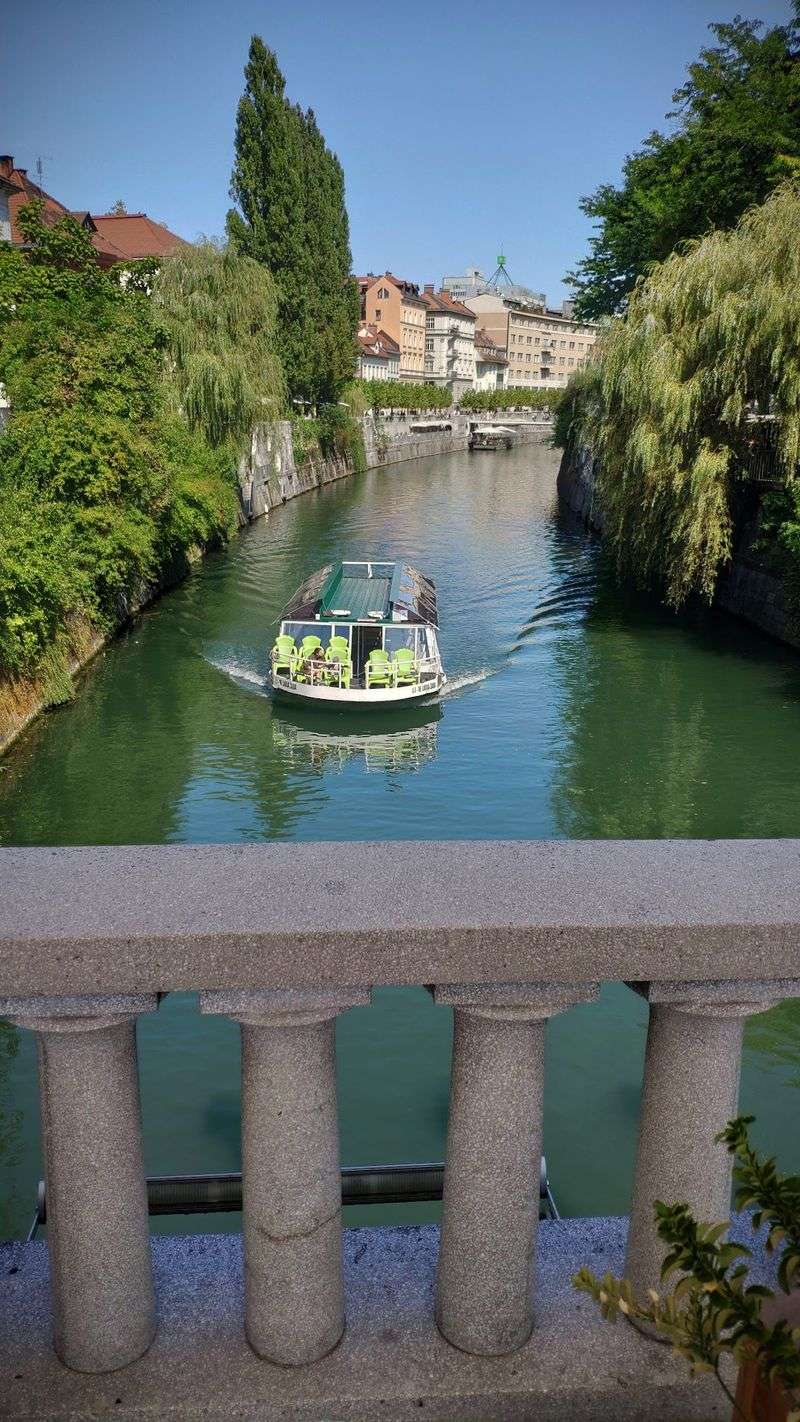
Ljubljana is the kind of European capital that does not overwhelm you. Its historic center is compact, a large section is closed to regular car traffic, and Ljubljana Tourism describes it as having one of the largest pedestrian zones in the European Union.
That matters enormously when you are navigating independently.
A morning can move naturally from Preseren Square and the Central Market along the Ljubljanica River, across the city’s famous bridges, and up toward Ljubljana Castle without switching transportation once. The whole sequence feels unhurried rather than logistically exhausting.
Buses, taxis, and bicycles are available when you want to explore farther out. The city’s tourism information center operates daily with seasonal opening hours, so practical help is accessible when you need it.
For solo travelers who value greenery, café culture, open-air markets, and genuinely slower sightseeing days, Ljubljana makes an appealing and underrated base for several nights.
Edinburgh, Scotland
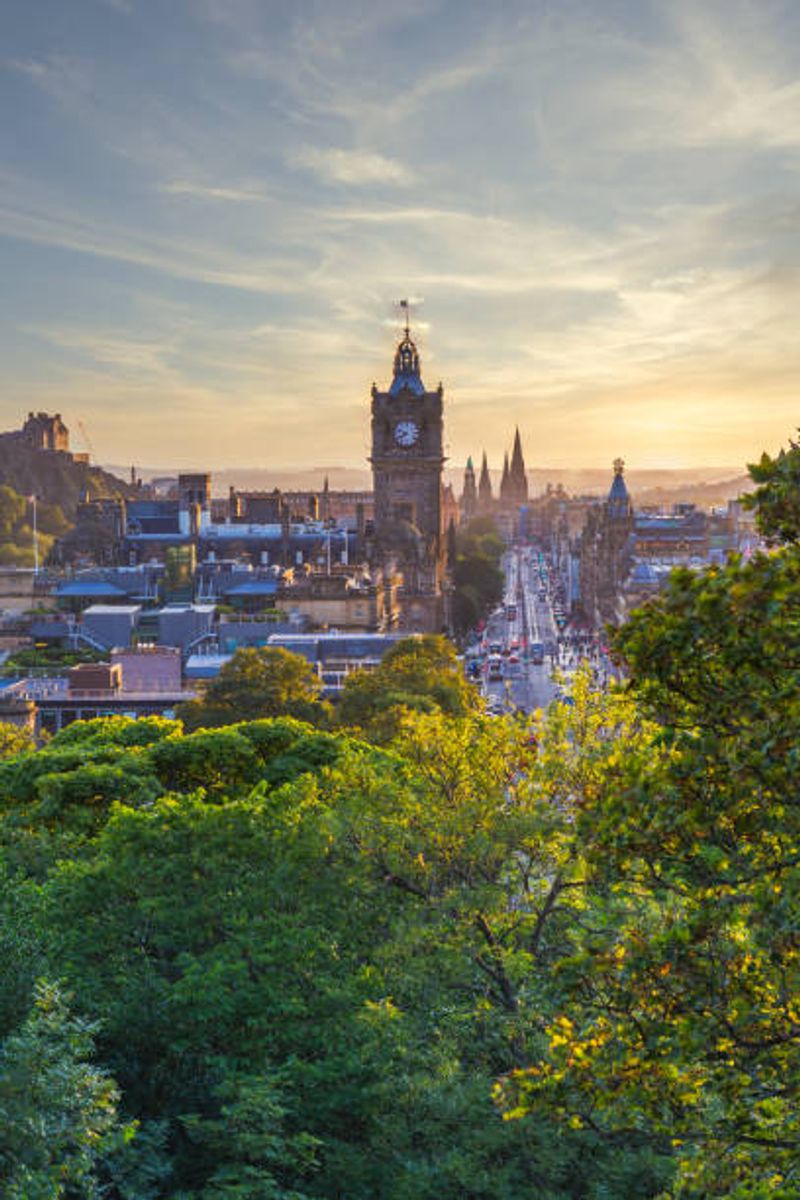
Edinburgh is built for travelers who prefer history, architecture, books, and museums over beach resorts. The experience here centers on the Old Town, New Town, historic closes, dramatic viewpoints, galleries, and cultural institutions that each carry genuine weight.
The National Museum of Scotland stands out on a solo itinerary because its collections stretch from Scottish history and archaeology to science, design, fashion, and world cultures. General admission remains free, though some temporary exhibitions charge separately.
You can spend several hours there without covering everything.
Edinburgh does involve hills and cobbled streets, so comfortable footwear matters more here than in flatter destinations. The advantage is that major attractions sit relatively close together.
A traveler can organize an entire day around one neighborhood, stop whenever energy dips, and still feel satisfied by evening. That kind of flexibility is exactly what makes Edinburgh work so well for independent solo travel over an extended stay.
Quebec City, Canada
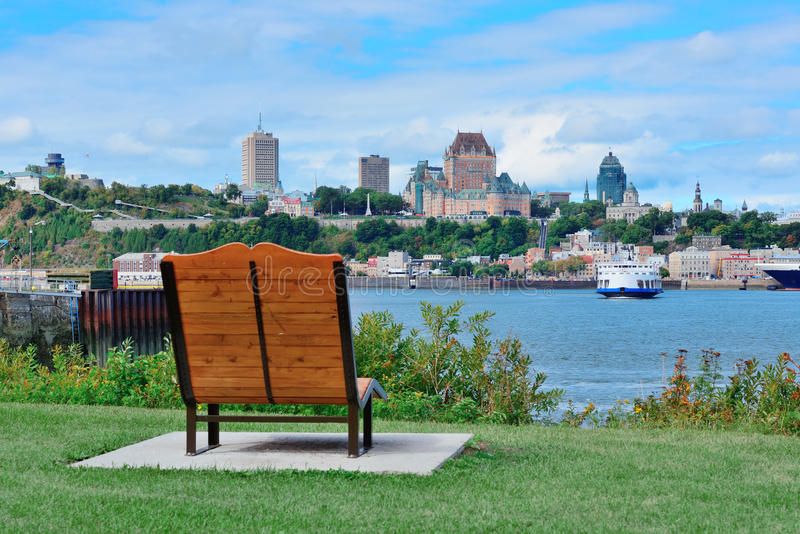
Old Quebec delivers the atmosphere of a European walled city without requiring a transatlantic flight. It is a UNESCO World Heritage Site filled with fortifications, historic stone buildings, restaurants, boutique shopping streets, and intimate squares.
The city’s official tourism organization specifically highlights Old Quebec as walkable and culturally concentrated.
For solo travelers, that compact layout simplifies daily planning considerably. Petit-Champlain, Place Royale, the Old Port, Parliament Hill, and the fortified upper town can each be explored during separate relaxed outings rather than squeezed into one overwhelming day.
Walking tours are widely promoted by the city’s tourism organization, which provides occasional company without the commitment of group travel. River cruises and regional excursions offer options when you want a change from city walking.
Quebec City also benefits from a distinctly French character that feels immersive without requiring fluency, making it a genuinely rewarding solo destination for women who enjoy historic atmosphere at an unhurried pace.
Kyoto, Japan
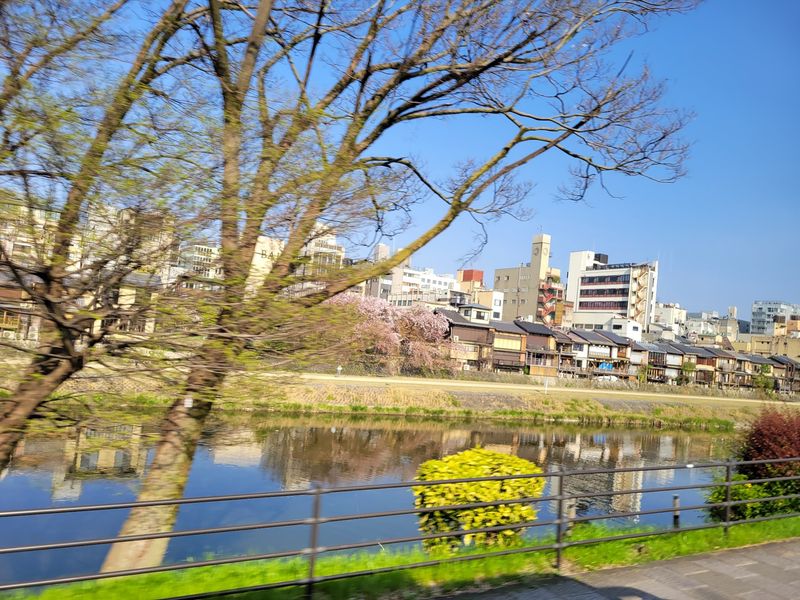
Kyoto rewards travelers who structure each day around a single district rather than attempting to cover the entire city at once. Temples, shrines, traditional gardens, historic neighborhoods, markets, and museums are spread across several distinct areas including Higashiyama, Arashiyama, and northern Kyoto.
That natural segmentation makes independent planning feel manageable.
The city’s official tourism organization provides detailed transportation guidance for reaching major sightseeing areas by train, subway, and bus. A one-day subway and bus ticket is available specifically for sightseeing, which simplifies getting around without requiring constant ticket purchases.
Kyoto remains an extremely active visitor destination in 2026. Its official tourism calendar includes special temple openings, seasonal illuminations, and cultural programs throughout the year.
Travelers should still verify individual temple hours because religious ceremonies and special events can occasionally alter access. For women over 50 who appreciate deliberate, culturally layered travel, Kyoto offers a deeply satisfying solo experience.
Singapore
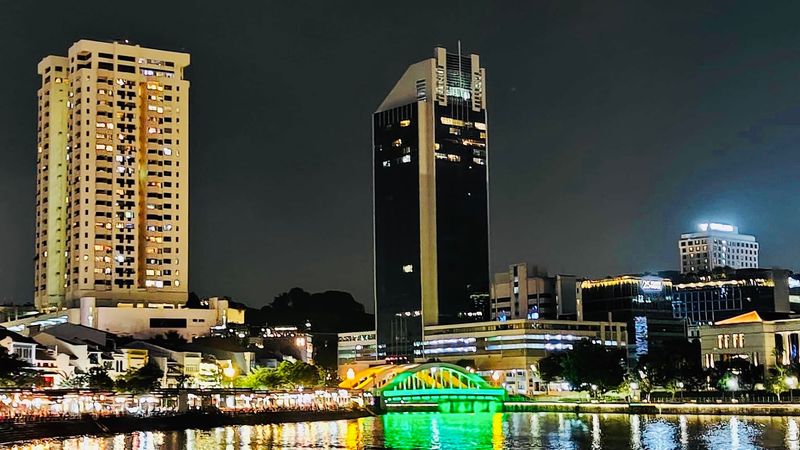
Singapore offers the cultural variety of a major international city without requiring a car at any point. Neighborhoods such as Chinatown, Little India, Kampong Glam, and Marina Bay each provide a genuinely different experience, and the MRT network connects them efficiently and affordably.
English is widely used throughout the city, which removes one of the most common sources of stress for international solo travelers. Moving between shopping districts, gardens, waterfront areas, hawker centers, and museums independently is straightforward from the first day.
Singapore suits travelers who like alternating outdoor sightseeing with comfortable indoor attractions because museums, cultural spaces, and food destinations provide reliable escapes from tropical heat. It can also serve as a practical introduction to independent travel in Southeast Asia before adding destinations where logistics may require more preparation.
For women over 50 considering their first solo trip to Asia, Singapore offers a confident and well-organized starting point.
Stockholm, Sweden
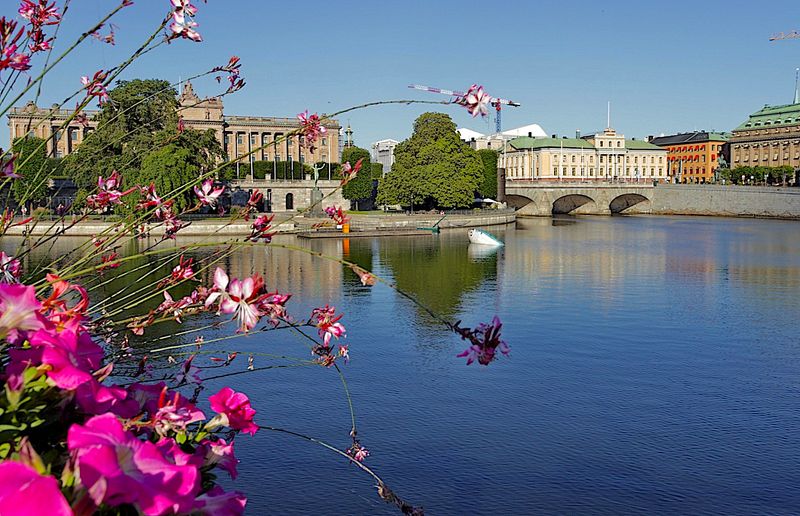
Stockholm makes it easy to combine city museums with waterfront walks and green spaces, which means you can alternate culturally rich days with quieter, slower ones. Major attractions include the Vasa Museum, Fotografiska, ABBA The Museum, and the historic streets of Gamla Stan.
Public transportation is one of Stockholm’s strongest practical advantages for independent travelers. The system includes metro trains, buses, commuter trains, trams, and selected ferry routes.
A single ticket covers multiple transport forms during its validity period, which keeps navigation simple.
The city’s official tourism organization publishes dedicated accessibility information covering both transportation and visitor attractions. That resource is particularly valuable for travelers who want to reduce unnecessary walking or plan around mobility considerations.
Stockholm Central Station connects directly with the metro system and other transport services, making arrival and departure straightforward. For women over 50 who value both cultural depth and practical ease, Stockholm delivers on both counts consistently.
Melbourne, Australia
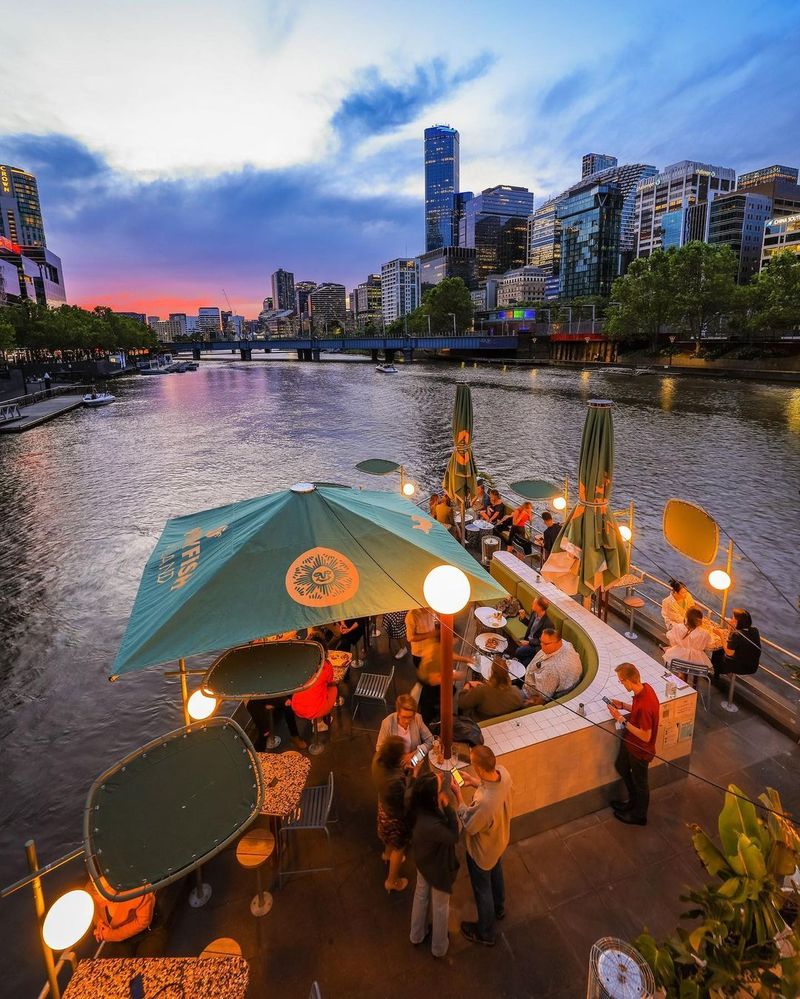
Melbourne holds a practical distinction that matters immediately for solo travelers: it operates the world’s largest tram network, and travel within the central Free Tram Zone costs nothing. The City Circle Tram also provides an easy orientation loop around central Melbourne for first-time visitors.
Beyond downtown, trams connect travelers with neighborhoods such as Carlton and St Kilda, meaning you can stay centrally, explore independently throughout the day, and avoid renting a car for most city sightseeing. Cafés, galleries, markets, shopping arcades, riverside areas, and gardens provide plenty of activities that do not require joining a tour.
Melbourne’s official 2026 visitor map continues to provide current transportation information and attraction guidance. For women over 50 who prefer flexible, self-directed days with reliable public transit as a backbone, Melbourne is one of the most genuinely practical major cities on this list.
The variety across its neighborhoods keeps the experience fresh across multiple days.
Wellington, New Zealand

Wellington’s relatively compact center is one of its greatest assets for independent travelers. Waterfront walks, museums, cafés, restaurants, shopping streets, and cultural venues are concentrated close together, which means less commuting and more time actually enjoying the destination.
The Wellington Cable Car connects the city center with the Kelburn neighborhood at the top of the hill. At the summit, travelers can take in panoramic views, visit the Cable Car Museum, and continue toward nearby gardens and walking areas.
It is the kind of simple, satisfying outing that works perfectly on a solo schedule.
Wellington also allows for a natural rhythm of guided excursions one day and independent exploration the next. The city combines urban attractions with easy access to viewpoints and nature, providing variety without requiring constant changes of accommodation.
The cable car and its museum remain active visitor attractions according to current tourism information, making this an easy and rewarding stop for women traveling alone.
San Diego, California
Balboa Park alone gives a solo traveler enough to fill multiple days without crossing the city once. The park covers roughly 1,200 acres and includes walking paths, formal gardens, historic architecture, theaters, 18 museums, and the San Diego Zoo.
That concentration of options in one location is genuinely unusual.
A visitor can therefore spend an entire day in one area while choosing activities based on energy level and personal interest. No rigid schedule required.
San Diego’s tourism organization published an updated solo-travel guide in August 2026, specifically recommending Balboa Park and similar independent experiences.
Beyond the park, the city offers beaches, distinct neighborhoods, waterfront areas, and mild weather that makes outdoor sightseeing comfortable across most of the year. For women over 50 who enjoy mixing cultural sightseeing with slower garden or coastal days, San Diego provides a flexible framework that does not demand a packed itinerary from morning to evening.
Salzburg, Austria
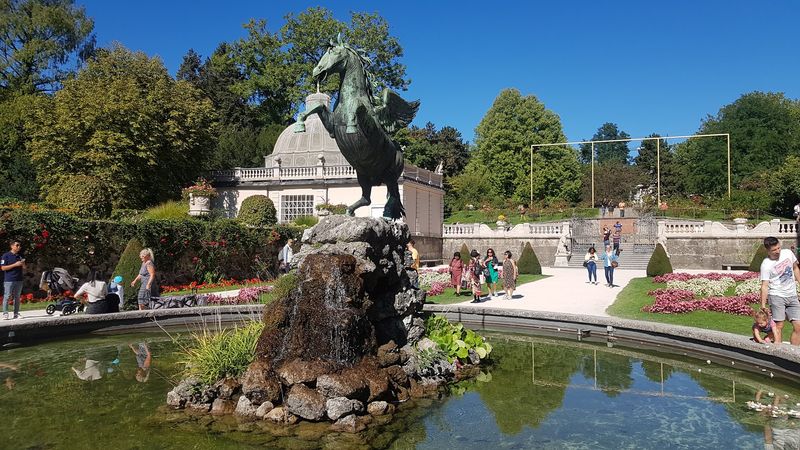
Salzburg’s historic center is compact enough to explore gradually across several days while still offering museums, churches, music-related sites, gardens, restaurants, and scenic viewpoints. Mozart’s presence is woven through the city, but Salzburg has far more depth than any single legacy.
The Old Town sits within a UNESCO World Heritage area, and an official UNESCO walking route connects major landmarks including Salzburg Cathedral, Mozartplatz, St. Peter’s Abbey, Nonnberg, and Hohensalzburg Fortress. Following that route at your own pace is one of the most satisfying ways to spend a morning independently.
Salzburg also opened a new World Heritage Museum in summer 2026, adding a current cultural stop for visitors this year. Solo travelers can structure each day around one museum, a historic walk, and generous café time rather than rushing between distant attractions.
The Salzburg Card simplifies admission across multiple participating sites, which helps keep the budget predictable throughout the trip.
Lisbon, Portugal
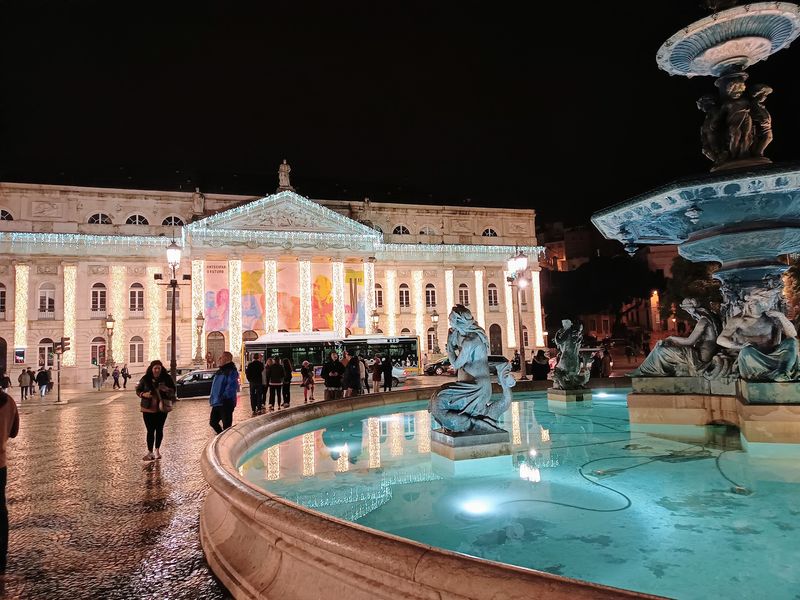
Lisbon combines historic neighborhoods, waterfront areas, museums, viewpoints, food halls, and traditional cafés with practical access to several worthwhile day trips. The city’s hills can make walking demanding, but metro lines, buses, trains, and trams provide reliable alternatives when you want to conserve energy for sightseeing rather than spending it on steep streets.
As of 2026, the Lisboa Card includes public transportation along with admission to numerous museums and cultural venues. It also covers rail travel on selected routes to destinations including Sintra and Cascais, making independent day excursions easy to organize without additional ticket purchases.
A well-paced solo itinerary might dedicate one day to Alfama, another to Belem, and another to museums or nearby coastal areas rather than attempting to cross the city repeatedly. Comfortable footwear and a centrally located hotel make Lisbon significantly more enjoyable when explored at a relaxed, self-directed pace over several days.
Florence, Italy
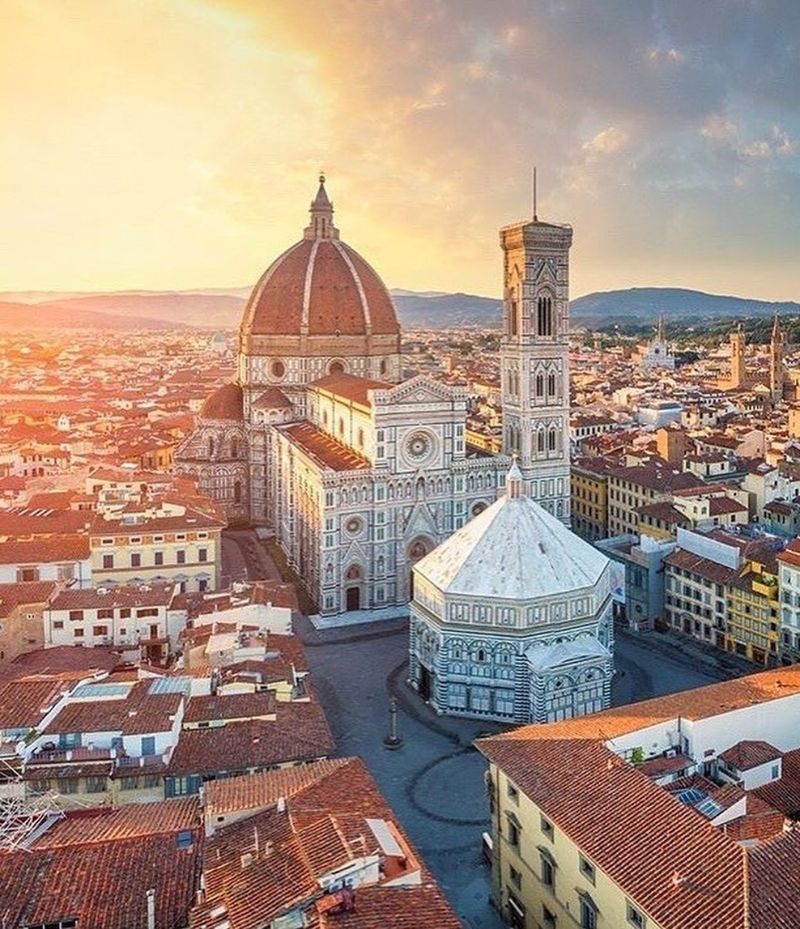
Being alone in Florence’s museums is genuinely an advantage. You decide exactly how long to stand in front of a painting, which rooms to skip, and when to leave.
The historic center concentrates famous churches, galleries, piazzas, markets, bridges, and Renaissance architecture into a relatively compact and walkable area.
The Municipality of Florence maintains an official tourism service with current 2026 information about exhibitions, museum openings, temporary closures, and special schedules. That is useful because individual museums and churches sometimes alter hours around holidays or ongoing restoration work, and surprises are less enjoyable when you are navigating solo.
A good solo itinerary does not need to include five major attractions per day. One important museum in the morning, lunch near a market, an afternoon walk across the Arno into the Oltrarno neighborhood, and a quiet evening meal can be more satisfying than rushing through the city’s most celebrated sights on an exhausting schedule.
Seville, Spain
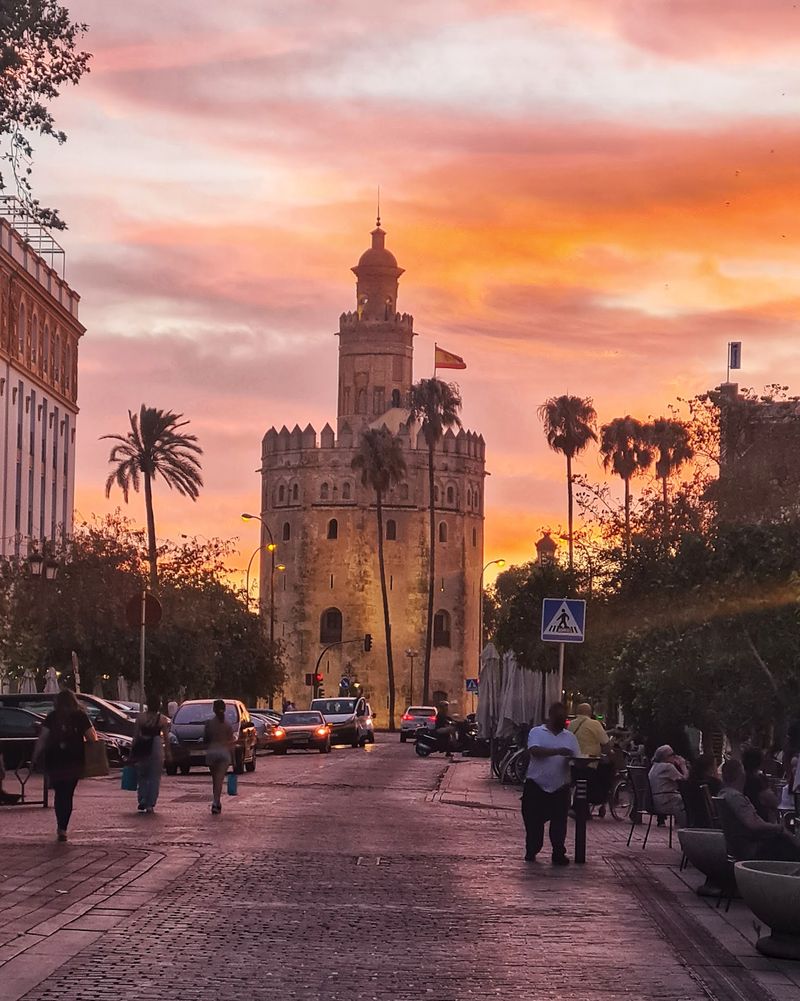
Seville rewards travelers who enjoy architecture, gardens, food, history, and long evenings outdoors at a genuinely relaxed pace. The Cathedral, Giralda tower, and Royal Alcazar form part of the city’s UNESCO-listed monumental core and remain among the most impressive historic sites in southern Europe.
Heat is a real consideration. Travelers visiting during warmer months often find it most comfortable to sightsee early in the morning, rest during the hottest hours of the afternoon, and return outside once the temperature drops in the evening.
That rhythm actually suits solo travel well because it builds natural rest into the schedule.
Cycling is another well-established option in Seville. The city’s official tourism organization reports approximately 170 kilometers of cycle routes and around 250 municipal bicycle stations.
For women over 50 looking for an unhurried Spanish city break, Seville works particularly well when the itinerary leaves generous time for cafés, tapas, shaded plazas, and garden exploration rather than constant movement.
Vancouver, Canada
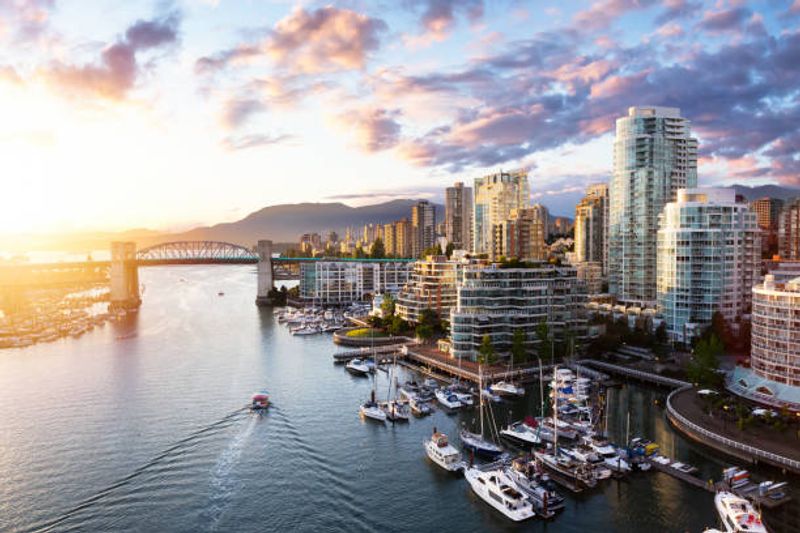
Vancouver does not ask you to choose between a city vacation and an outdoor one. Downtown neighborhoods, museums, waterfront paths, beaches, parks, markets, and mountain scenery can all be combined within a single trip without traveling enormous distances between them.
Destination Vancouver’s current solo-travel guidance describes the city as walkable and easy to navigate independently. Stanley Park is one of the most obvious places for a peaceful solo outing, while galleries and museums provide reliable alternatives when Pacific Northwest weather turns wet, which it sometimes does.
Cultural options include the Vancouver Art Gallery, the Museum of Anthropology at UBC, and the Beaty Biodiversity Museum. Travelers can also join organized excursions outside the city when they want companionship, then return to independent sightseeing the following day.
That balance between structured and self-directed activity makes Vancouver particularly adaptable to different travel styles and energy levels across a week-long stay.
Dublin, Ireland
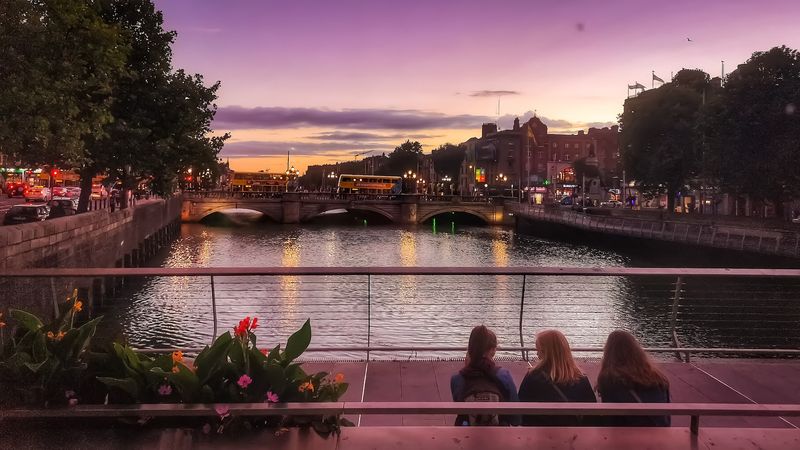
Dublin’s greatest practical advantage for a first solo visit is its compact center. Historical areas, museums, shopping streets, parks, and literary attractions can be reached on foot, while buses, Luas trams, and DART trains handle destinations farther away.
Getting oriented here takes less time than in most major European capitals.
The city’s museum scene is extensive. Visit Dublin notes more than 40 museums, ranging from the National Museum and National Gallery to institutions focused on literature, emigration, printing, and local history.
That variety means you can spend multiple days in cultural spaces without repeating the same type of experience.
Public transportation also takes visitors beyond the center to Dublin’s coastal communities. DART trains connect the city with the coastline, giving solo travelers a simple way to turn a city stay into a seaside outing without renting a car.
For women over 50 who want a culturally rich, English-speaking, and genuinely navigable first solo destination, Dublin delivers consistently.
Share this story