
Big cities are full of contrasts. The same place that draws crowds for music, food, and sports can also show up high on a crime chart.
This list looks at 17 of the largest American cities and their violent crime rates per 100,000 residents in 2025, based on FBI figures analyzed by Security.org. Some names will not shock you, but a few might make you look twice.
Numbers like these never tell the whole story, since conditions change from one neighborhood to the next. Still, knowing the data helps travelers plan smarter trips, pick better places to stay, and enjoy each city with a little extra awareness.
Think of this as a friendly reality check, not a reason to cancel your next vacation. Let’s see where each city stands and what visitors should keep in mind.
Memphis, Tennessee

Sitting at the top of the chart among America’s 50 largest cities, Memphis recorded about 1,849 violent crimes per 100,000 residents in 2025. That is more than five times the national rate, and it covers offenses such as murder, robbery, rape, and aggravated assault.
There is a hopeful side to the story. Memphis reported significant declines in homicide and overall crime during 2024, and the 2025 FBI figures continued that downward trend.
Visitors still have plenty to see. Beale Street, museums, and barbecue restaurants remain active parts of one of America’s most culturally important cities.
The smart move is to research neighborhoods before booking a hotel. Downtown attractions alone do not show what every part of the city looks like, so a few minutes of homework goes a long way.
Planning rides after dark and sticking to busy areas are simple habits that help on any trip here.
Detroit, Michigan
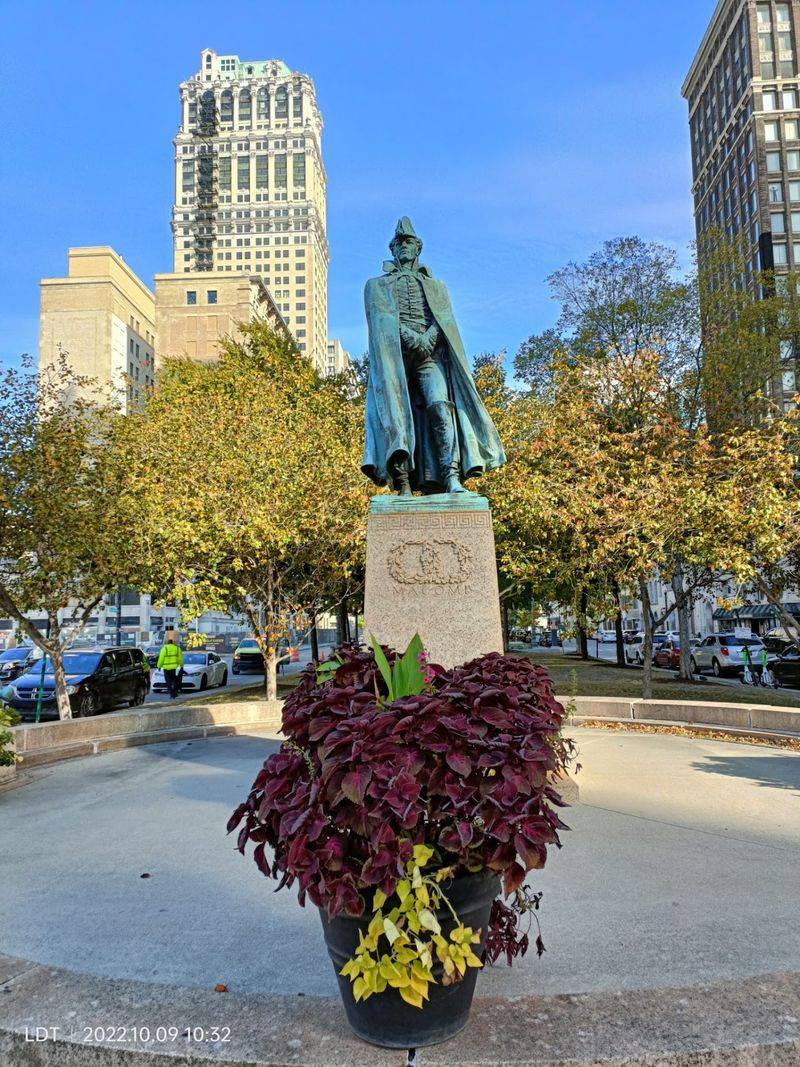
Old stereotypes do not match the full picture of modern Detroit. The city recorded approximately 1,649 violent crimes per 100,000 residents in 2025, the second-highest rate among the nation’s 50 largest cities.
That figure sits far above the U.S. average, yet Downtown, Midtown, and Corktown have seen major investment, new businesses, and renovated buildings. Tourism has been growing alongside them.
Crime problems tend to be concentrated rather than spread evenly across every neighborhood. Detroit has also seen major reductions in violence compared with some earlier periods.
For travelers, the sensible approach is the same as in any unfamiliar large city. Know where you are going and use well-traveled streets at night.
Avoid wandering into unfamiliar residential areas just because they look close on a map.
Oakland, California

Oakland’s story goes beyond violence alone. Its reported violent crime rate was about 1,475 incidents per 100,000 residents in 2025, third among the 50 largest cities analyzed.
The same dataset showed the highest property crime rate among those cities, with vehicle theft a particularly big problem.
None of that means every trip is dangerous. Oakland has busy waterfront areas, celebrated restaurants, Lake Merritt, museums, and neighborhoods with active nightlife.
Drivers should be extra careful about leaving luggage, electronics, or other valuables visible inside a parked car. Taking everything with you is the easiest fix.
Neighborhood conditions can differ dramatically here, so local advice is far more useful than judging the whole city by one number.
Kansas City, Missouri

Barbecue, jazz history, and pro sports put Kansas City on many travel wish lists. Crime data adds a twist, since the city recorded roughly 1,369 violent crimes per 100,000 residents in 2025.
That ranks among the highest rates of America’s largest cities, and FBI figures show violent offenses at a level far above the national average.
Tourism is still booming. The National WWI Museum and Memorial and revitalized entertainment districts keep visitors coming.
Most travelers have little reason to avoid the city altogether, but nighttime transportation deserves some planning.
Staying around busy commercial and entertainment areas, using reputable rides, and checking current local information before exploring unfamiliar neighborhoods can cut down on unnecessary risk.
Baltimore, Maryland

Few cities show how fast conditions can shift like Baltimore. It recorded approximately 1,347 violent crimes per 100,000 residents in 2025, the fifth-highest rate among the 50 largest U.S. cities in this comparison.
Gun violence has been a struggle for decades, though recent trends include encouraging news. Baltimore Police reported substantial reductions in homicide and nonfatal shootings during 2024.
The city also holds major attractions, including the Inner Harbor, Fort McHenry, museums, stadiums, and historic Fells Point.
Safety varies a lot by area, so a citywide statistic tells only part of the story.
Visitors should research the neighborhoods around their hotel and destinations instead of assuming conditions are the same everywhere.
Milwaukee, Wisconsin

Mention Milwaukee and most people picture Lake Michigan, festivals, Harley-Davidson, and ballgames. The numbers add another layer, with about 1,145 reported violent crimes per 100,000 residents in 2025.
That placed Wisconsin’s largest city sixth among the 50 biggest U.S. cities for violent crime.
Crime has stayed elevated in certain neighborhoods, but the overall figure does not mean downtown or every residential district carries the same level of risk.
Popular districts still draw residents and visitors after dark, especially around restaurants, sporting events, and entertainment venues.
Travelers can lower their risk by sticking to populated areas, planning rides after late events, and checking local guidance before visiting unfamiliar parts of town.
Albuquerque, New Mexico
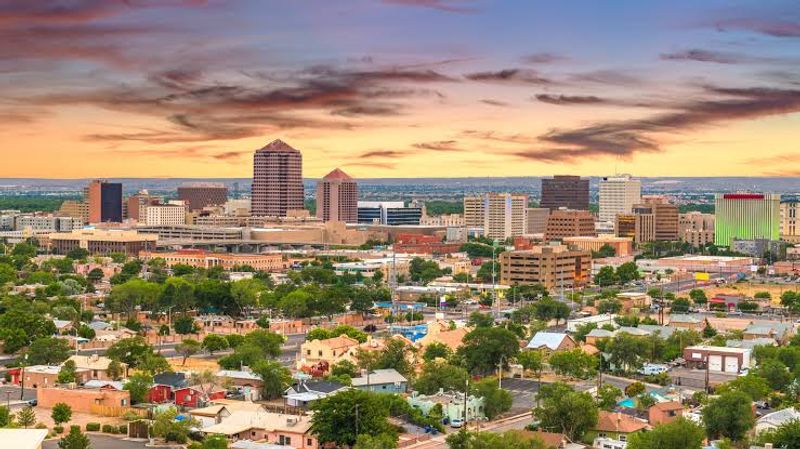
More than three times the national rate is a big gap. Albuquerque recorded approximately 1,013 violent crimes per 100,000 residents in 2025.
Property crime was also comparatively high, which makes vehicle security a real concern for travelers.
Even so, the city remains one of the Southwest’s major tourism centers. Old Town, Sandia Peak, Route 66 attractions, Native American cultural sites, and the Albuquerque International Balloon Fiesta all draw crowds.
Crime is not spread evenly across the metro area. Someone staying in a busy hotel and visitor district may have a very different experience from someone spending time where violent crime is more concentrated.
Keeping valuables out of sight in parked cars and choosing accommodations carefully are sensible steps.
Minneapolis, Minnesota

Lakes, theaters, and sports venues sit alongside some tough numbers in Minneapolis. The city registered approximately 1,001 violent crimes per 100,000 people in 2025, eighth among the country’s 50 largest cities.
It also ranked near the top for property crime among large cities, with roughly 4,485 property offenses per 100,000 residents.
Policing, downtown activity, and neighborhood safety have changed considerably since 2020, and conditions can differ from block to block.
The city still supports restaurants, museums, nightlife districts, and outdoor recreation around its famous lakes.
Visitors should treat Minneapolis as a working major city, not a place to skip entirely, while using normal urban precautions after dark.
Nashville, Tennessee

Broadway’s neon signs and packed music venues are what most visitors picture. Nashville’s Metropolitan Police Department reported a violent crime rate of about 944 offenses per 100,000 residents in 2025.
That number can surprise the millions who come for the booming tourism scene. The entertainment district is routinely busy well after midnight.
Crime challenges reach well beyond the tourist center and vary by neighborhood.
Anyone spending evenings downtown should pay attention to their surroundings, especially when crowds thin later at night.
Rideshares, taxis, and planned transportation are generally better than walking long distances through unfamiliar neighborhoods after leaving the entertainment area.
Houston, Texas

Spread across hundreds of square miles, Houston is hard to sum up with a single number. The city recorded about 886 violent crimes per 100,000 residents in 2025, among the highest of the 50 cities examined.
As America’s fourth-largest city, it holds dense nightlife and business districts as well as quiet residential communities.
Major attractions like the Museum District, Space Center Houston, pro sports venues, and a huge restaurant scene bring millions of people in.
Location matters greatly. Two hotels only a few miles apart can sit in completely different environments.
Checking recent neighborhood information and planning transportation is more useful than treating the whole Houston area as equally risky.
Denver, Colorado
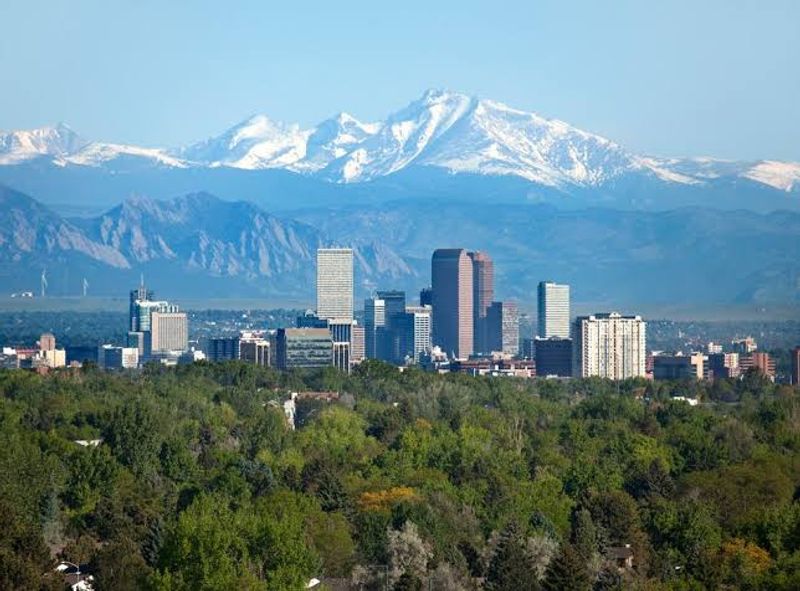
Mountain views tend to steal the spotlight in Denver. The city reported roughly 876 violent crimes per 100,000 residents in 2025 and ranked among large U.S. cities with especially high overall property crime rates.
Its fast-growing population and role as a gateway to the Rockies can overshadow urban crime issues.
Downtown, LoDo, RiNo, and other entertainment districts stay busy after dark, but theft and other offenses remain concerns in parts of the city. Conditions change a lot from one neighborhood to another.
Travelers arriving with cars full of outdoor gear should pay close attention to vehicle security and avoid leaving luggage or expensive equipment in view.
Denver is still a major tourist city, and normal city precautions go a long way.
Philadelphia, Pennsylvania

History and crime statistics share the same streets in Philadelphia. The city recorded approximately 823 violent crimes per 100,000 residents in 2025, well above the national rate.
It also had one of the higher property crime rates among America’s 50 largest cities.
Even so, it remains one of the country’s busiest historic and cultural centers. Independence Hall, Reading Terminal Market, museums along the Benjamin Franklin Parkway, and Old City stay heavily visited.
Crime tends to be geographically concentrated, so conditions can look very different depending on where you travel.
Planning routes, learning neighborhood boundaries, and using established transportation late at night work better than assuming the historic core reflects the whole city.
Tulsa, Oklahoma
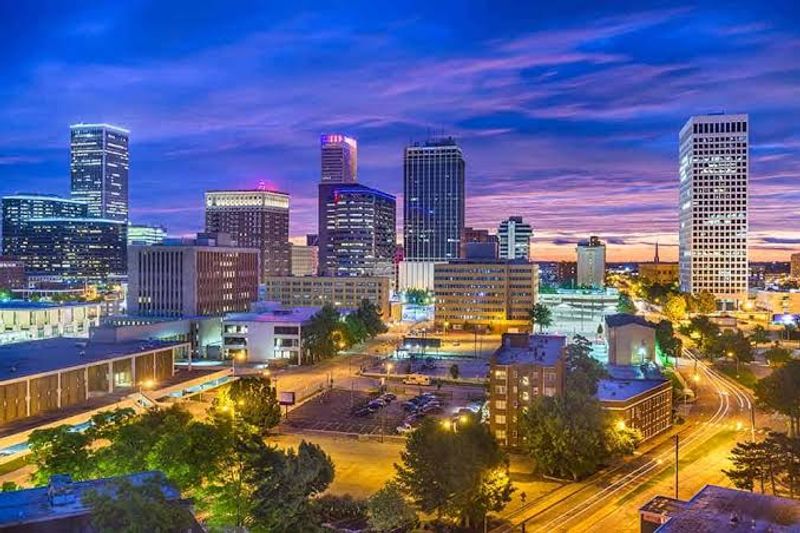
Tulsa is only a hair behind Philadelphia, with approximately 822 violent crimes per 100,000 residents in 2025.
The city is increasingly known for a renovated downtown, music heritage, Art Deco architecture, Gathering Place park, and the Bob Dylan Center. Those attractions have reshaped its national tourism profile.
Violent crime remains elevated compared with the U.S. average, though the rate is not spread equally across Tulsa.
Busy downtown entertainment blocks can feel completely different from neighborhoods several miles away.
Anyone exploring after dark should know the route in advance and avoid assuming unfamiliar areas are close or similar just because destinations look near each other on a map.
Aurora, Colorado

Right next door to Denver, Aurora often gets lumped into the bigger city’s travel experience. It reported approximately 759 violent crimes per 100,000 residents in 2025, placing it among the higher-rate communities in America’s 50 largest cities.
This is a major city in its own right, with residential suburbs, commercial corridors, parks, hospitals, and diverse international restaurants.
Its enormous footprint means crime risk can differ substantially depending on location.
Tourists do not usually come for dense nightlife the way they might in Nashville or New Orleans, so nighttime travel here is more car-dependent.
Travelers should research accommodation areas carefully and use the same precautions they would in other large metropolitan communities.
Washington, District of Columbia
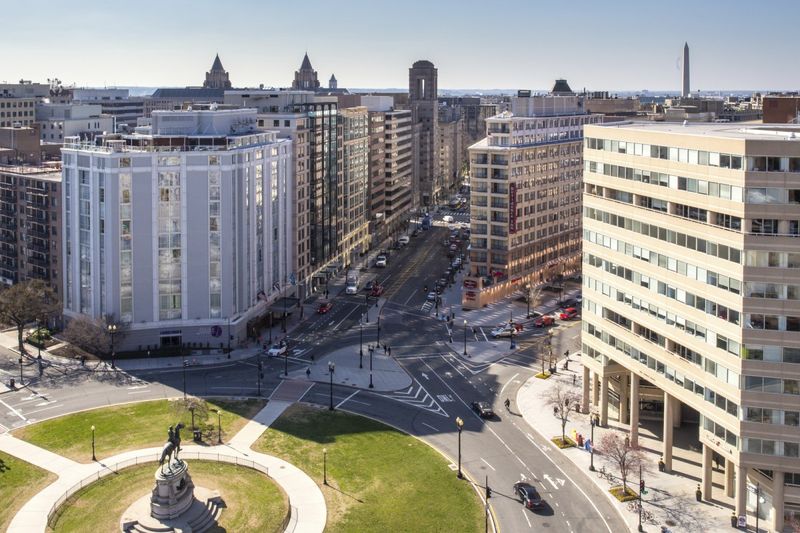
Crime in the nation’s capital gets national headlines, yet tourism stays enormous. Washington recorded approximately 747 violent crimes per 100,000 residents in 2025 among the FBI data analyzed for the largest cities.
The National Mall, Smithsonian museums, Georgetown, and Capitol Hill continue to draw visitors well into the evening.
Crime is highly uneven across the District, and conditions near major federal attractions should not be assumed to represent every neighborhood.
Anyone walking at night should stay aware of where they are headed, especially when leaving heavily trafficked areas.
The extensive Metro system and plentiful rideshares can make it easier to skip long walks through unfamiliar sections after dark.
Atlanta, Georgia
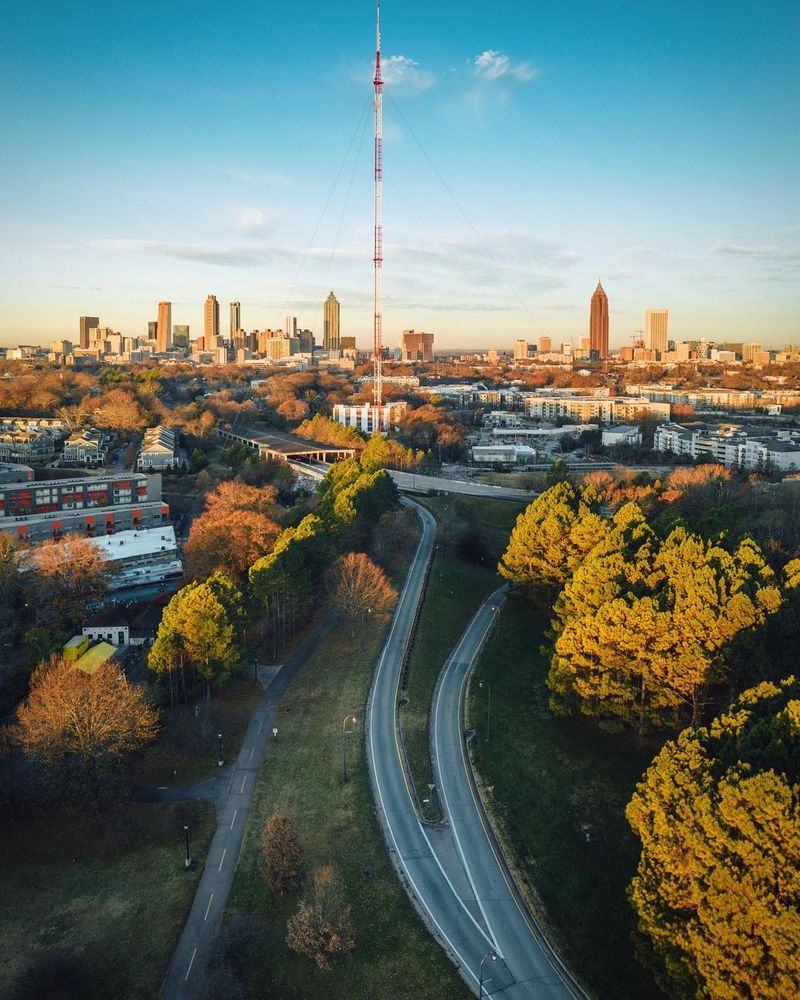
Where you stand in Atlanta matters more than the city limits do. The city recorded approximately 732 violent crimes per 100,000 residents in 2025 among the 50 largest U.S. cities.
Georgia’s capital is one of America’s busiest transportation, entertainment, convention, and business hubs. Downtown, Midtown, Buckhead, and neighborhoods along the BeltLine each offer very different experiences.
That variety is one reason citywide crime rates should be read cautiously.
Visitors keep coming for the Georgia Aquarium, World of Coca-Cola, pro sports, restaurants, nightlife, and major events.
Travelers should pay attention to where their accommodation is located and how they will get back after an evening out.
Sacramento, California

California’s capital rounds out the list with approximately 718 violent crimes per 100,000 residents in 2025, based on figures for America’s 50 largest cities.
That is substantially lower than Oakland’s rate, but it still sits well above the 2025 national violent crime rate of roughly 328 per 100,000.
The city remains an active destination built around the California State Capitol, the Old Sacramento Waterfront, museums, restaurants, and nearby wine country.
Crime varies significantly by neighborhood, and popular visitor areas keep operating into the evening.
Travelers do not need to treat Sacramento as off-limits. Researching neighborhoods, protecting belongings, and arranging reliable late-night transportation are sensible habits.
Share this story