Some towns keep their history on display in a plain, everyday way. You can see it in the street plan, the walls, the bridges, and the rooftops.
This list gathers 17 UNESCO-recognized places across Europe, the Americas, and Asia where old layouts still guide how people walk through town. Some grew rich from trade, some were built as fortresses, and one is a field of temple ruins.
Each stop offers a clear reason to care, from medieval towers to colonial ramparts to a water system that still runs. If you like maps, old stones, and good stories, save this one for your next trip plan or send it to a friend who loves travel.
Český Krumlov, Czech Republic
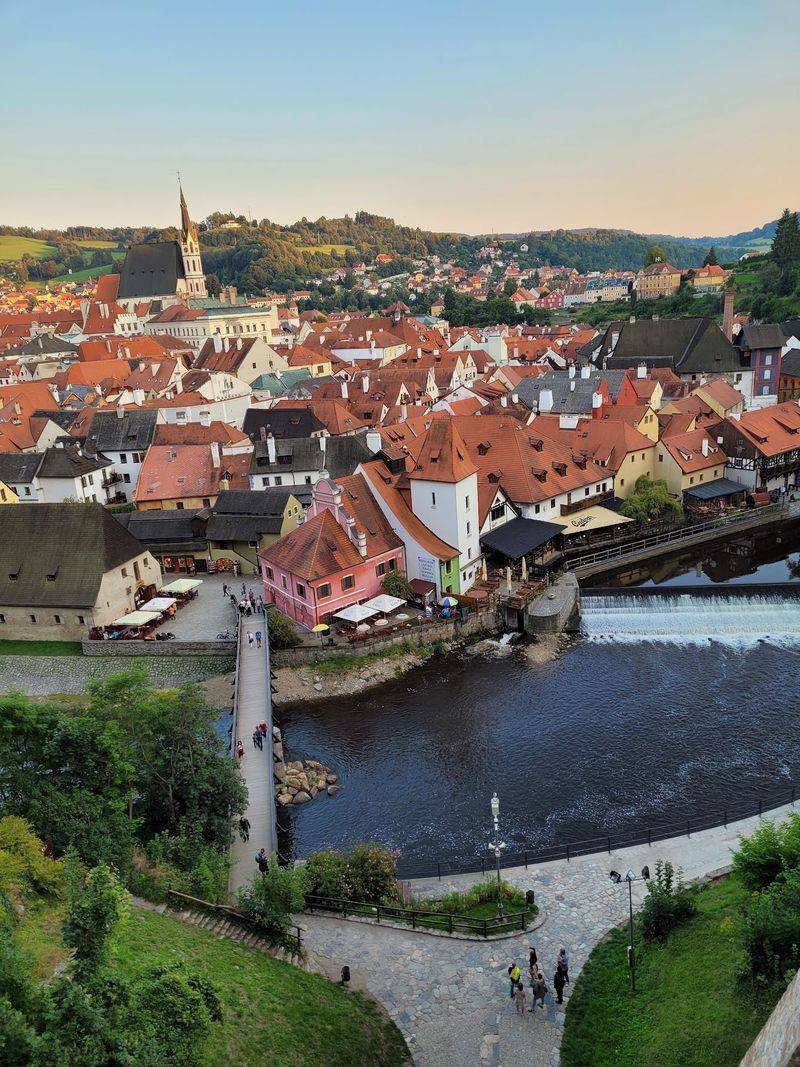
A river that loops back on itself gives this town its shape. The Vltava curls around the historic center, and a castle founded in the 13th century rises above the rooftops.
Gothic, Renaissance, and Baroque buildings were added over the years. UNESCO points out that the town is a rare case where the whole urban landscape stayed intact, not just a few famous buildings.
Walking here means cobbled lanes, old squares, and several river crossings. Because the layout is compact, you can cover the main sights on foot without much planning.
The castle complex stays in view from many corners, so it works as a handy landmark when you want to find your way back.
UNESCO describes Český Krumlov as an outstanding example of a small Central European medieval town. Centuries of relatively peaceful development helped its architecture survive.
For anyone curious about castles and medieval town planning, few places show the full picture so clearly.
Bruges, Belgium
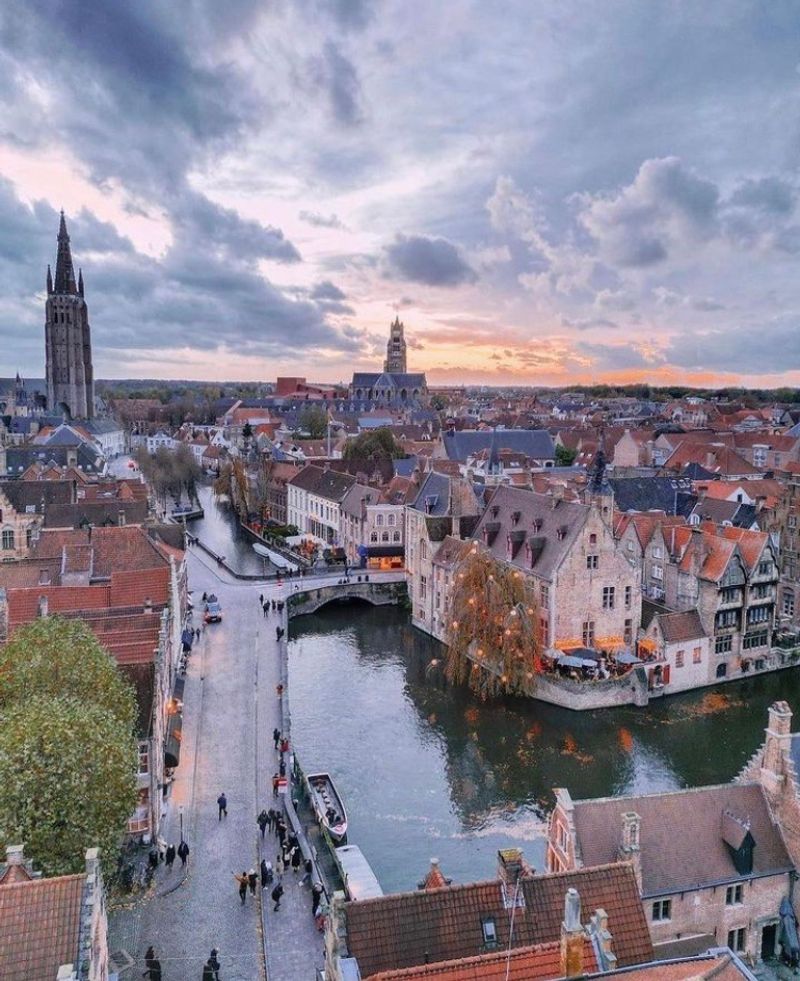
Bruges was once one of the busiest trading centers in medieval Europe, and the city still shows how that money was spent. Canals wind between brick buildings, Gothic churches rise over narrow streets, and big public squares remain at the heart of the historic center.
Merchants, artists, and craftsmen from many places helped build its wealth during the Middle Ages. UNESCO highlights both the preserved medieval fabric and the city’s importance to Flemish painting, including links to Jan van Eyck and Hans Memling.
The street pattern, gates, merchant houses, churches, and the towering Belfry all tell parts of the same story. Look for how the canals sit right beside the buildings that depended on them.
Bruges is easy to treat as a photo stop, but it makes more sense as an open-air lesson in medieval commerce. Give yourself time to notice the details between the famous views.
San Gimignano, Italy
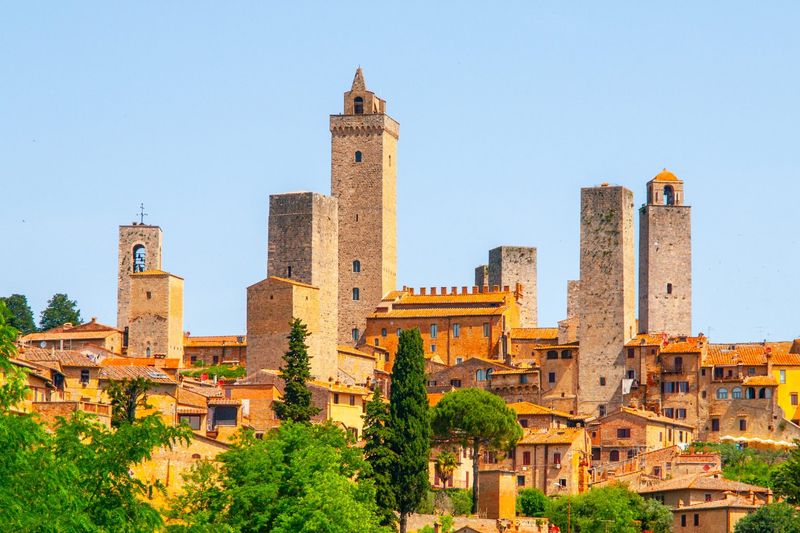
Count the towers and you will see why this Tuscan hill town stands out. In the Middle Ages, wealthy families competed by building fortified tower houses as signs of power.
UNESCO notes that the town once had around 72 of them, and 14 survive today.
San Gimignano also sat along the Via Francigena, the pilgrimage route linking northern Europe with Rome. Around Piazza della Cisterna and Piazza del Duomo you can still see tight streets, palaces, churches, wells, and civic buildings from medieval daily life.
Several religious buildings hold important 14th- and 15th-century works of Italian art, so it pays to step inside a few.
The town went through a decline that limited later redevelopment. That slowdown is a big reason it kept such a strong medieval look, one that many larger Italian cities slowly lost.
Tallinn, Estonia
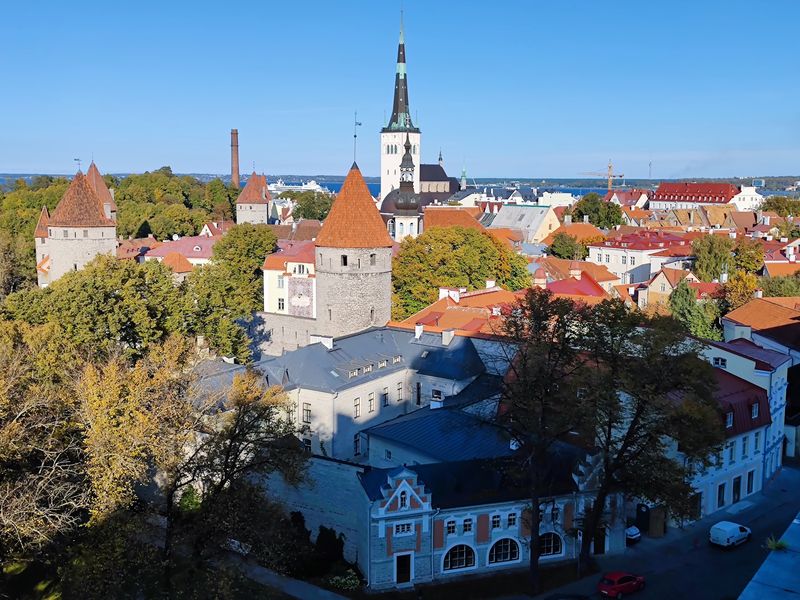
Tallinn keeps one of northern Europe’s best-preserved medieval centers. Between the 13th and 16th centuries it grew into an important Hanseatic trading city, and signs of that merchant wealth are all over the Old Town.
The historic district splits into two parts: elevated Toompea and the lower merchant city below. Defensive walls, towers, churches, guild buildings, merchants’ houses, and the medieval Town Hall make up a very complete ensemble.
Here is a detail that surprises people. UNESCO notes that even the layout of building plots survives to a remarkable degree from the 13th and 14th centuries.
So instead of a few isolated monuments, you get much of the structure of an entire medieval commercial city. Walk through the gates and along the narrow lanes, and the scale of the Hanseatic past becomes easy to grasp.
Dubrovnik, Croatia
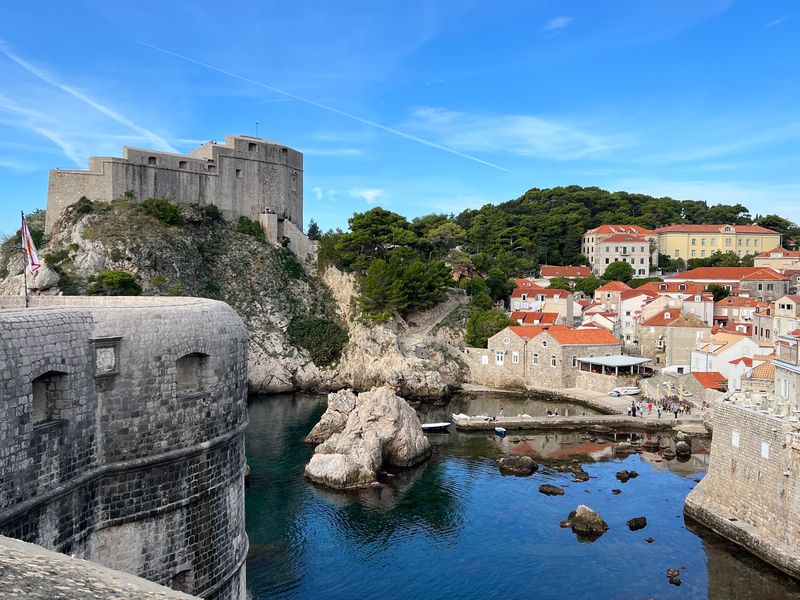
Big stone walls wrap around Dubrovnik, and they say a lot about the city’s past. From the 13th century onward it became a maritime power that used diplomacy and trade to build links across the Mediterranean.
Inside the fortified Old City you will find Gothic, Renaissance, and Baroque churches, monasteries, fountains, public buildings, and palaces. A major earthquake struck in 1667, and the city later suffered severe damage during fighting in the 1990s.
Extensive restoration followed, and Dubrovnik was removed from UNESCO’s List of World Heritage in Danger in 1998.
Today the walls, streets, gates, harbor, and monumental buildings reveal the wealth and influence of the historic Republic of Ragusa. Few destinations show maritime, political, architectural, and military history so visibly in one place.
Mostar, Bosnia and Herzegovina
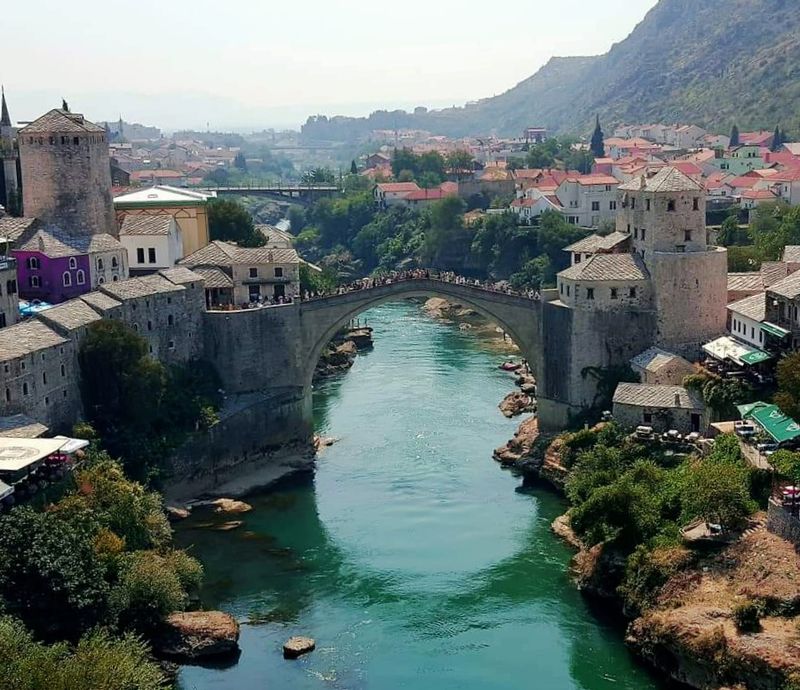
The story of Mostar is one of rebuilding. The town grew along the Neretva River as an Ottoman frontier settlement in the 15th and 16th centuries, then gained more layers during the Austro-Hungarian era.
At its center stands Stari Most, the stone bridge that became the city’s defining symbol. The bridge and much of the historic center were badly damaged or destroyed during the conflict of the 1990s.
Stari Most was reconstructed and reopened in 2004, using detailed historical research along with traditional materials and building techniques.
UNESCO recognizes the Old Bridge Area as an exceptional multicultural urban landscape that blends Ottoman, Mediterranean, pre-Ottoman, and Western European influences. Visitors can walk through the old bazaar, cross the reconstructed bridge, and explore the historic neighborhoods that overlook the river.
Salzburg, Austria
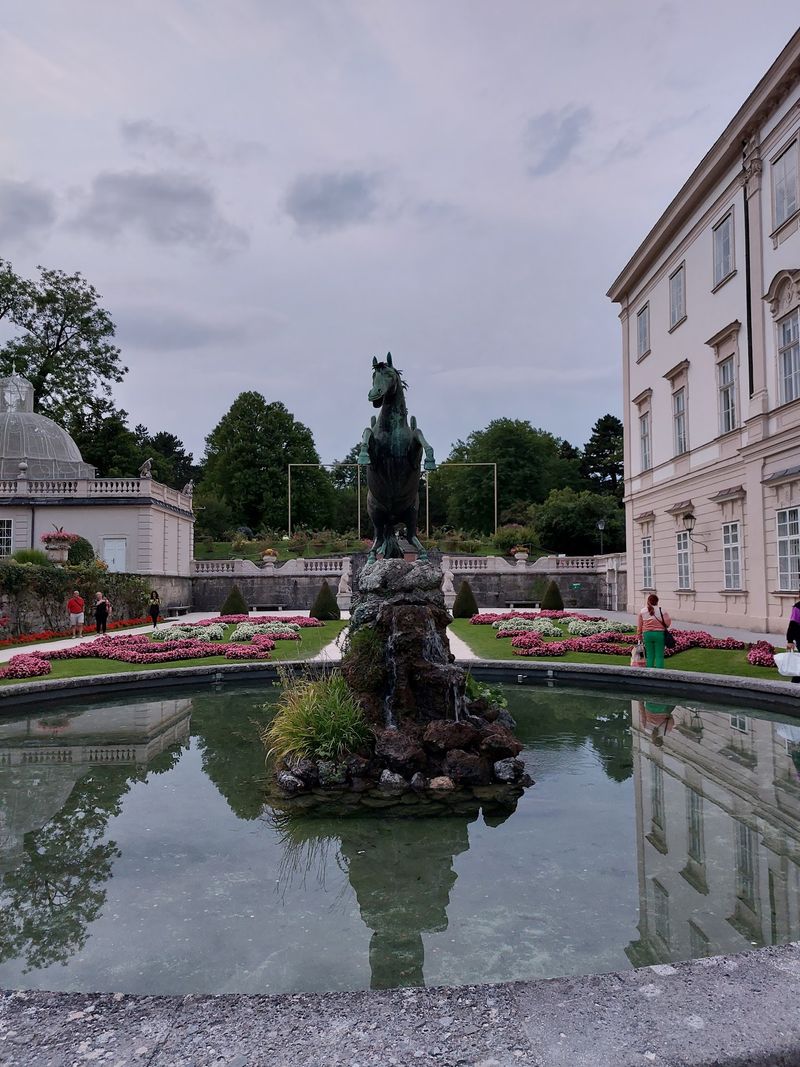
Salzburg’s skyline is easy to spot: domes, towers, and spires, all watched over by Hohensalzburg Fortress. The historic center was shaped while powerful prince-archbishops governed the city.
Instead of belonging to one period, the UNESCO-listed center holds buildings from the late Middle Ages through the 19th century. Italian architects gave Salzburg much of its Baroque character, while Gothic churches and older street patterns survive beside later structures.
The city also played a role in cultural exchange between northern and southern Europe. It is closely tied to Wolfgang Amadeus Mozart, who was born there.
UNESCO continues to recognize the historic center’s Outstanding Universal Value. That makes Salzburg a strong pick for travelers who like religious, architectural, political, and musical history all in one walkable place.
Bamberg, Germany
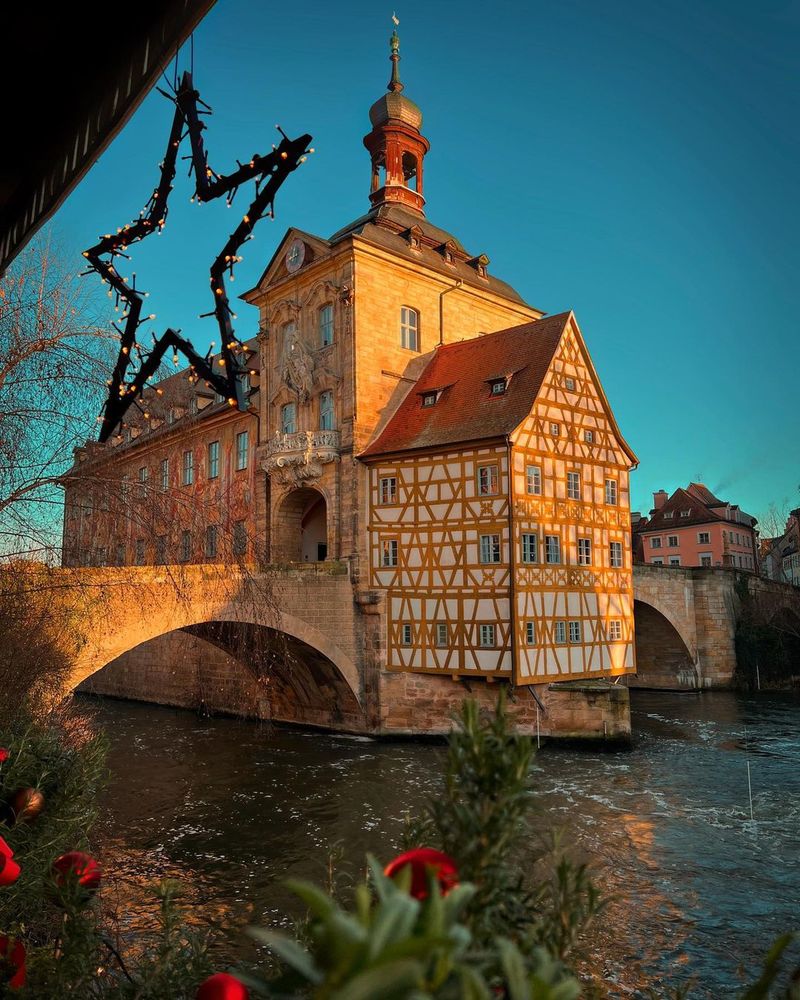
A king’s plan in 1007 set Bamberg on its path. Henry II established a bishopric there, hoping to make the town a major religious center.
The basic town plan reaches back to the early Middle Ages, and Bamberg is considered a remarkably well-preserved Central European example. The surviving landscape includes churches, civic buildings, bridges, residences, and neighborhoods tied to both urban commerce and agriculture.
UNESCO notes that Bamberg’s medieval and Baroque architecture influenced urban development elsewhere in Central Europe.
In the late 18th century the town also became linked with the southern German Enlightenment. Figures such as philosopher Georg Wilhelm Friedrich Hegel and writer E.T.A.
Hoffmann were drawn here. For visitors, that adds up to layers of religious power, Baroque design, trade history, and intellectual life.
Regensburg, Germany
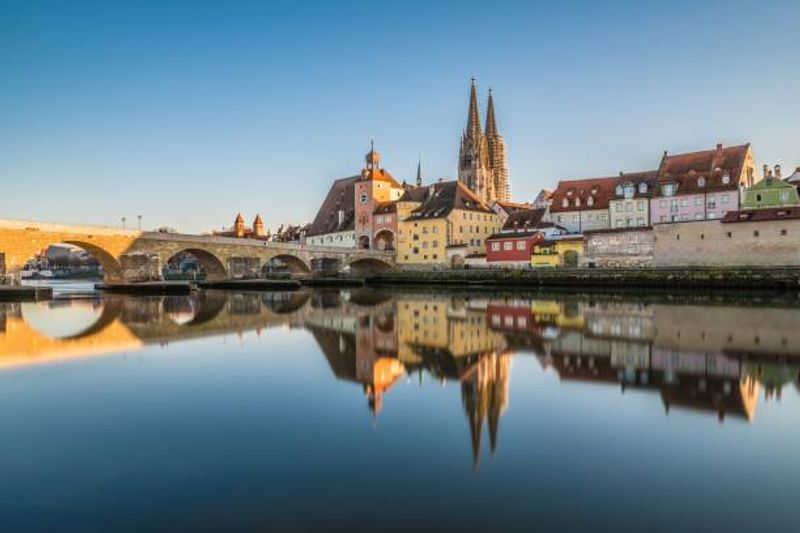
Roughly two thousand years of building are packed into Regensburg’s historic center. Sitting on the Danube, the town grew into a medieval trading hub with routes toward Italy, Bohemia, Russia, and Byzantium.
The UNESCO-listed area holds Roman remains, Romanesque and Gothic buildings, merchant houses, patrician towers, churches, monasteries, and fortifications. The famous 12th-century Stone Bridge is one of its best-known features.
Politics mattered here too. Regensburg was the seat of the Perpetual Imperial Diet of the Holy Roman Empire from 1663 until 1806.
Unlike places where old buildings survive as scattered monuments, Regensburg keeps much of its medieval street plan and urban character. That continuity helps travelers understand how a major medieval trading city actually worked, which is why it ranks among Germany’s strongest picks for history fans.
Rhodes, Greece
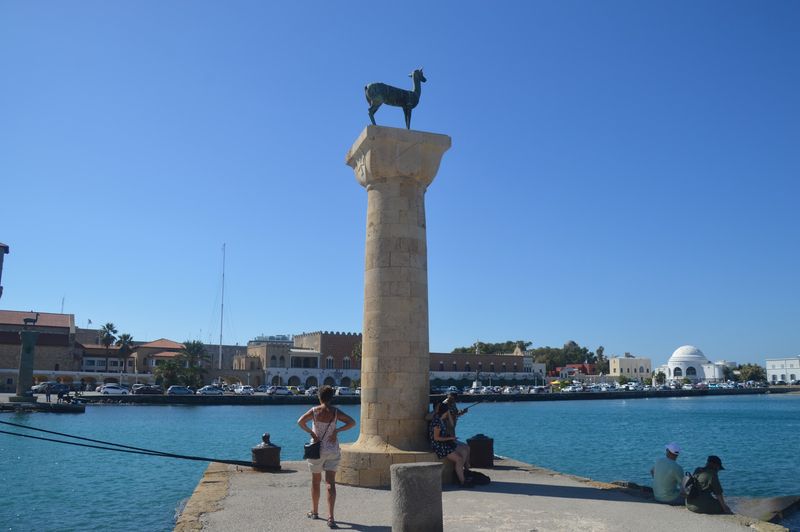
Massive fortifications guard a medieval city shaped by crusading knights, Ottoman rulers, and later Italian administration. The Knights of St. John controlled Rhodes from 1309 until 1522 and turned it into one of the Mediterranean’s formidable strongholds.
The Upper Town holds major Gothic structures linked to the Knights, including the Palace of the Grand Masters, the Great Hospital, and the Street of the Knights.
The Lower Town mixes Gothic buildings with mosques, baths, and other structures from centuries of Ottoman rule.
That layering is the big draw. Without leaving the walls, visitors can trace several political and architectural eras in a single stroll.
UNESCO considers the Upper Town one of the outstanding Gothic urban ensembles of its period.
Valletta, Malta
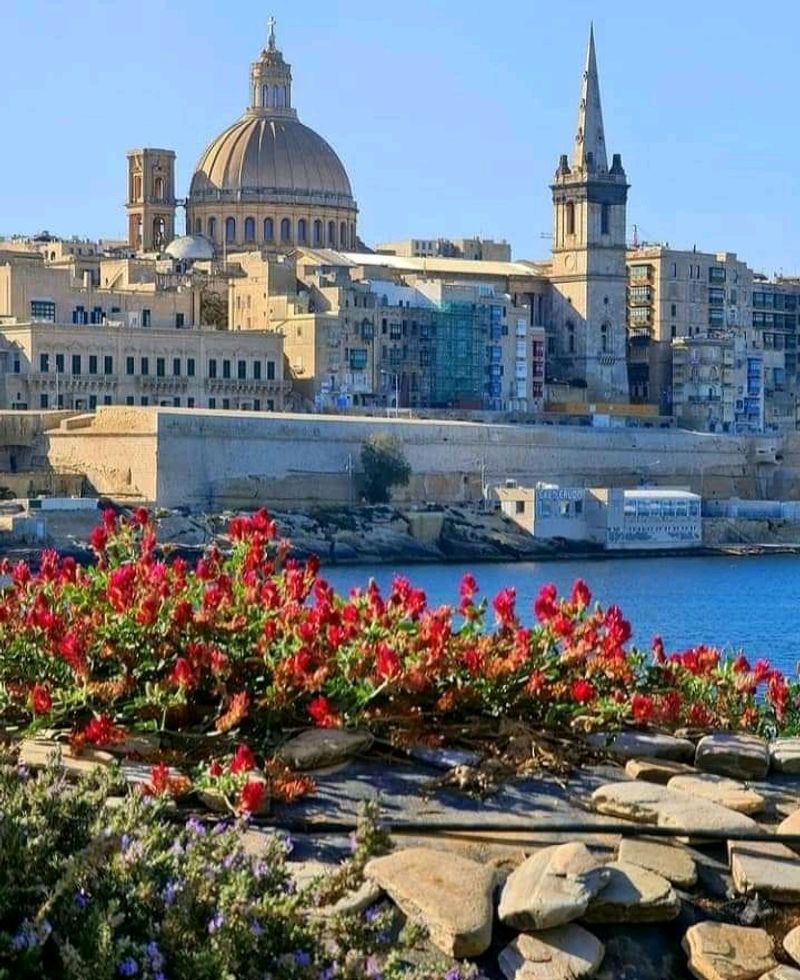
Valletta is small, yet it holds a huge amount of history. The fortified capital was founded in 1566 after the Great Siege of Malta and planned by the Knights of St. John with help from leading military engineers.
UNESCO notes that about 320 monuments are concentrated within its 55-hectare historic area. They include St. John’s Co-Cathedral, the Grand Master’s Palace, former auberges used by different divisions of the Knights, churches, military buildings, and later additions such as the Manoel Theatre.
The steep street grid was laid out as a carefully designed Renaissance fortified city, positioned between two natural harbors.
Expect some hills as you explore. The result is a place where nearly every street offers evidence of Malta’s strategic role in Mediterranean history.
Québec City, Canada
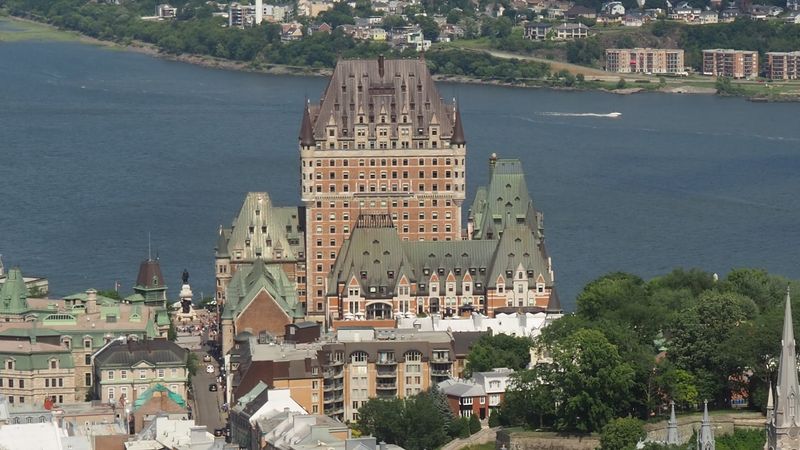
North America has few places like Old Québec. Its walls, gates, bastions, and defensive works are still clearly visible, forming an extensive fortified colonial city.
Samuel de Champlain founded Québec in the early 17th century, and it became the political center of New France. The historic district has two parts: the Upper Town on Cap Diamant and the Lower Town around the old harbor and Place Royale.
Churches, convents, defensive structures, residences, and administrative buildings illustrate both French and later British rule.
UNESCO describes Old Québec as the most complete example of a fortified colonial town north of Mexico. Travelers can move between the narrow Lower Town streets and the fortifications above, covering several centuries of colonial history in a fairly compact area.
Colonia del Sacramento, Uruguay
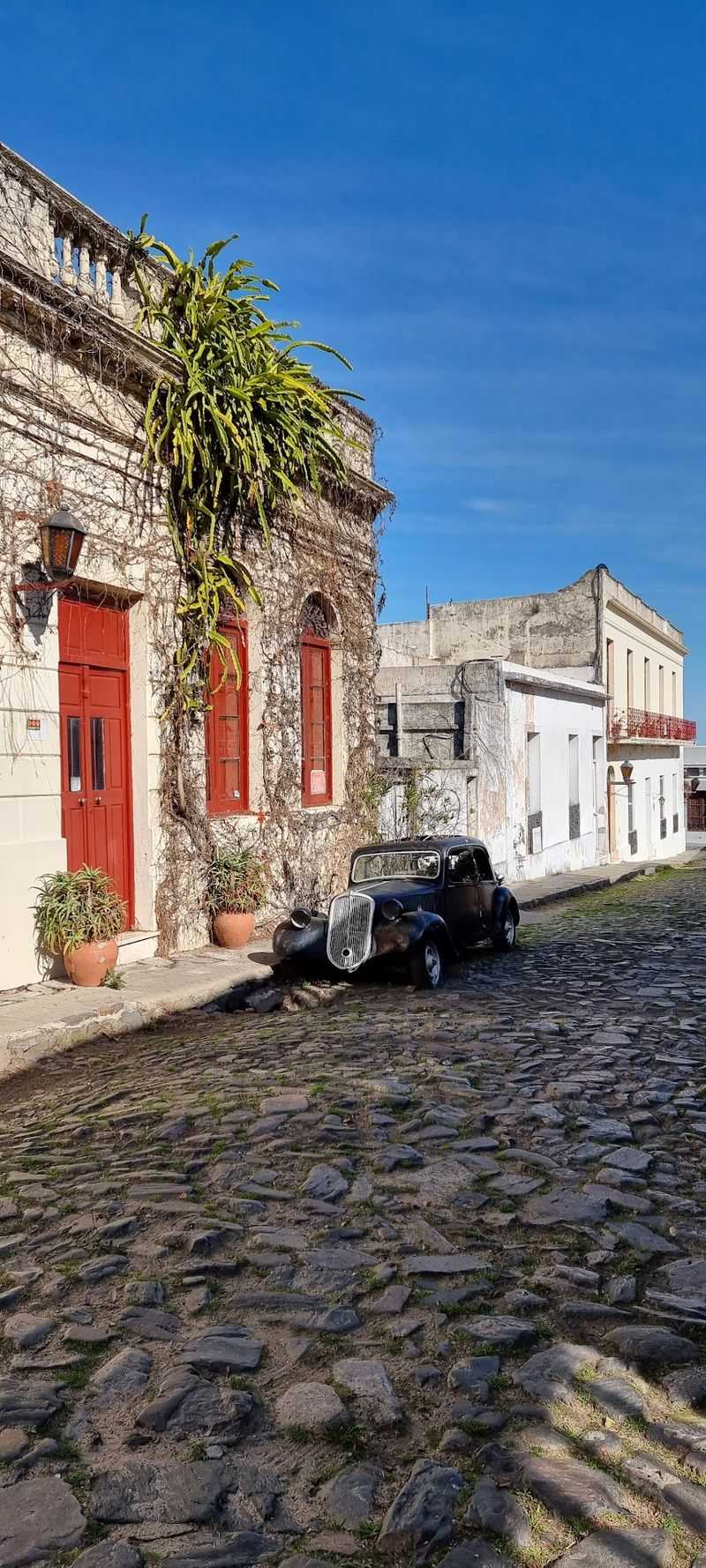
Two European powers fought over this small peninsula, and the streets show it. The Portuguese founded the settlement in 1680, in a strategic spot across the Río de la Plata from what is now Buenos Aires.
Portugal and Spain repeatedly contested control, which left an architectural mix of Portuguese, Spanish, and later post-colonial traditions.
Many Spanish colonial cities follow a rigid grid. Colonia developed with a freer street layout adapted to the peninsula and its defensive needs.
Cobblestone lanes, modest houses, remnants of fortifications, tiled roofs, plazas, and the waterfront give the historic district an intimate scale. UNESCO specifically recognizes the town as an important example of the nature and ambitions of European colonial settlement in the late 17th century.
Galle, Sri Lanka
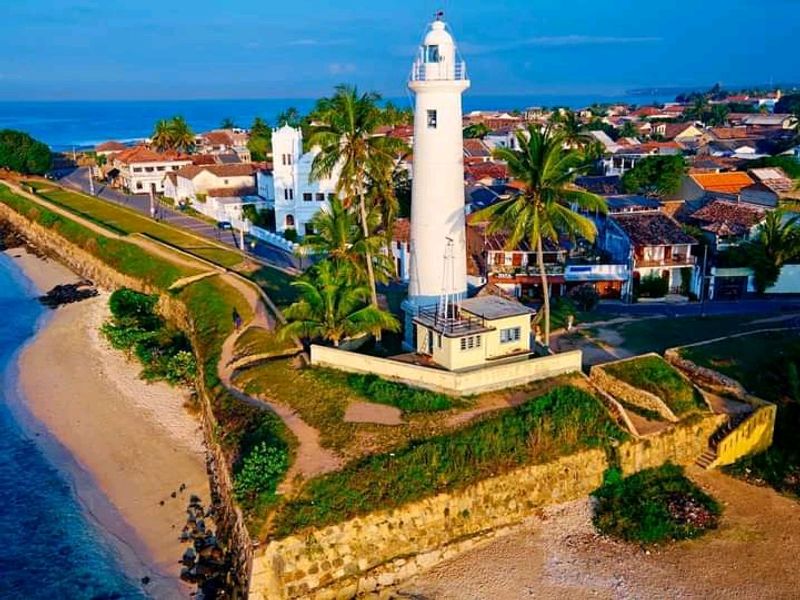
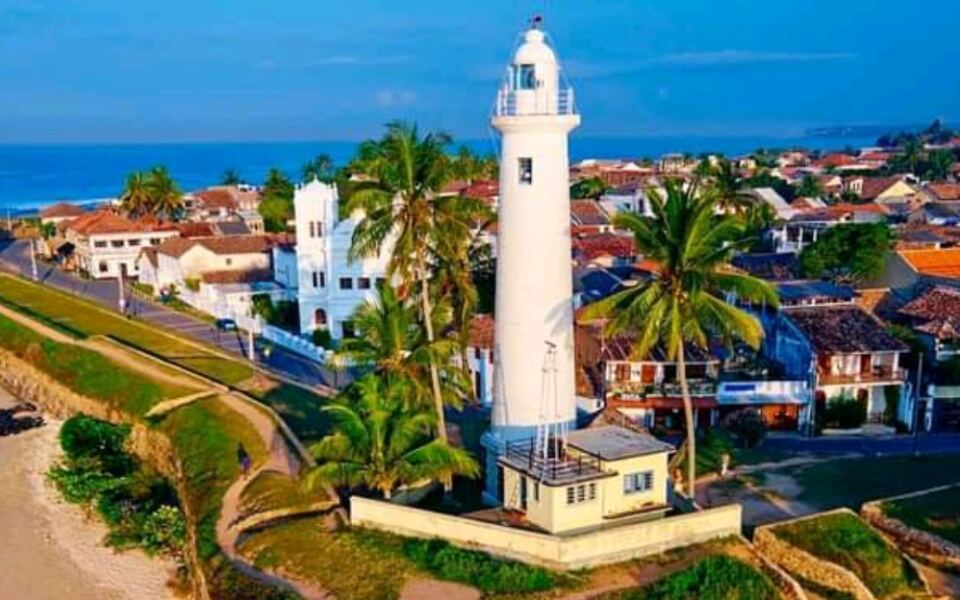
Galle shows what happens when European colonial planning meets South Asian climate, materials, and building traditions. The Portuguese established the town in the 16th century, but most of the surviving fortified landscape grew under Dutch rule in the 17th and 18th centuries.
Massive ramparts and bastions follow the rocky coastline. Inside lies a grid of narrow streets lined with houses, administrative buildings, churches, courtyards, and shaded verandas.
UNESCO considers Galle the best surviving example of a fortified city built by Europeans in South Asia.
The architecture was not simply copied from Europe. Local craftspeople adapted European forms to regional conditions, creating a hybrid look.
The old town is also still part of modern Galle, not an abandoned archaeological site.
Luang Prabang, Laos
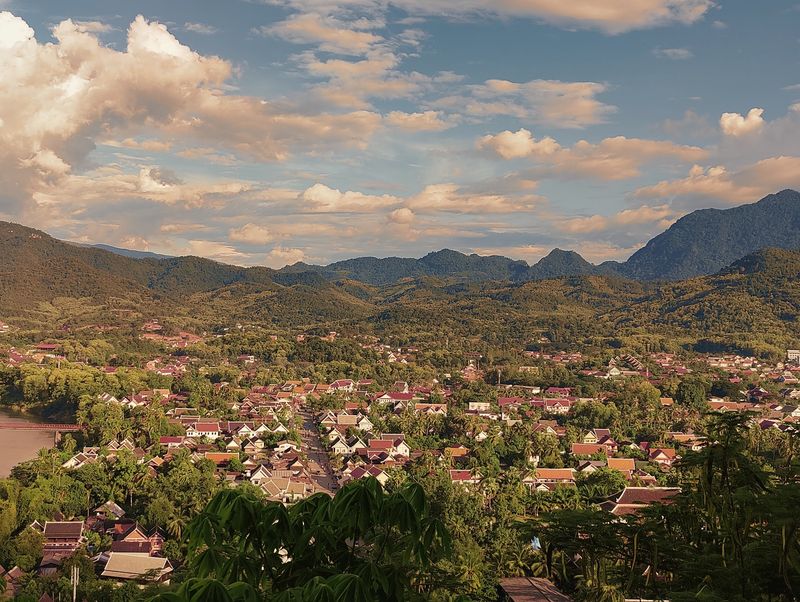
Two rivers, the Mekong and the Nam Khan, frame this town. Luang Prabang blends traditional Lao architecture with buildings introduced during the French colonial era.
It was once the capital of the powerful Lan Xang kingdom, also called the Kingdom of a Million Elephants. Buddhist monasteries, wooden houses, temples, and colonial buildings sit on streets shaped by the rivers and mountains around them.
UNESCO values the town because the two building traditions were not simply placed side by side. Over time they combined into a distinctive townscape.
For history lovers, that means royal, religious, colonial, and everyday urban history all within one compact destination. Few places in Southeast Asia offer quite the same mix.
Lijiang, China
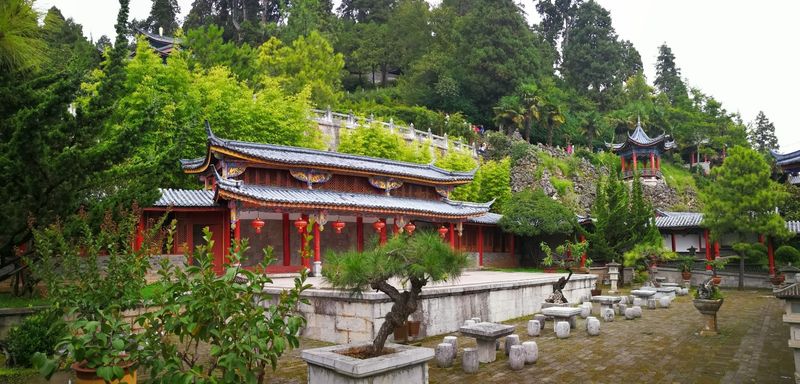
Water runs through Lijiang’s Old Town, and UNESCO notes that this centuries-old system still works. Water from nearby mountains feeds pools, canals, and channels across the settlement.
The town developed in the mountains of Yunnan at a commercial and strategic crossroads. Builders adapted neighborhoods, lanes, and waterways to the natural terrain instead of forcing a rigid grid onto it.
Its architecture reflects several cultural traditions, especially those of the Naxi people.
The World Heritage property includes Dayan Old Town as well as Baisha and Shuhe. Timber-framed houses, tiled roofs, courtyards, bridges, canals, and mountain scenery make Lijiang one of the most distinctive preserved historic urban landscapes in China.
Sukhothai, Thailand
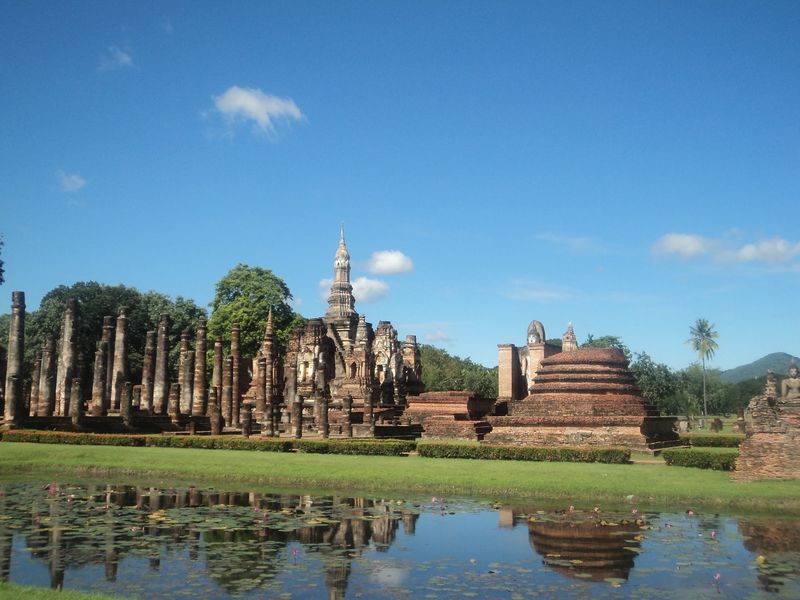
Not every historic town on this list is a busy living center. Sukhothai’s greatest treasures lie within an archaeological landscape, and the place was once the capital of an early Siamese kingdom that flourished mainly in the 13th and 14th centuries.
Temple ruins, Buddha images, monasteries, reservoirs, canals, roads, and defensive works reveal the rise of a distinctive artistic and architectural tradition now known as the Sukhothai style.
The UNESCO property also includes the related historic towns of Si Satchanalai and Kamphaeng Phet. They shared political, religious, commercial, and water-management systems.
UNESCO credits this period with important developments in Thai art, architecture, writing, law, and culture. For travelers interested in the foundations of Thai history, Sukhothai is among the country’s most important places to explore.
Share this story