Some cities treat visitors like a crowd to manage. Others let travelers join everyday life, and that difference shapes a whole trip.
This list gathers 18 cities where markets, cafes, festivals, and public squares are shared by residents and guests alike. You will find compact old towns, seaside promenades, busy food halls, and neighborhoods far from the main sights.
Some cities offer local guide programs, while others simply make it easy to wander on your own. Each stop includes a practical detail or two, so you can picture how a visit might actually go.
If you want a trip that feels friendly instead of staged, save this list and start planning.
Ljubljana, Slovenia
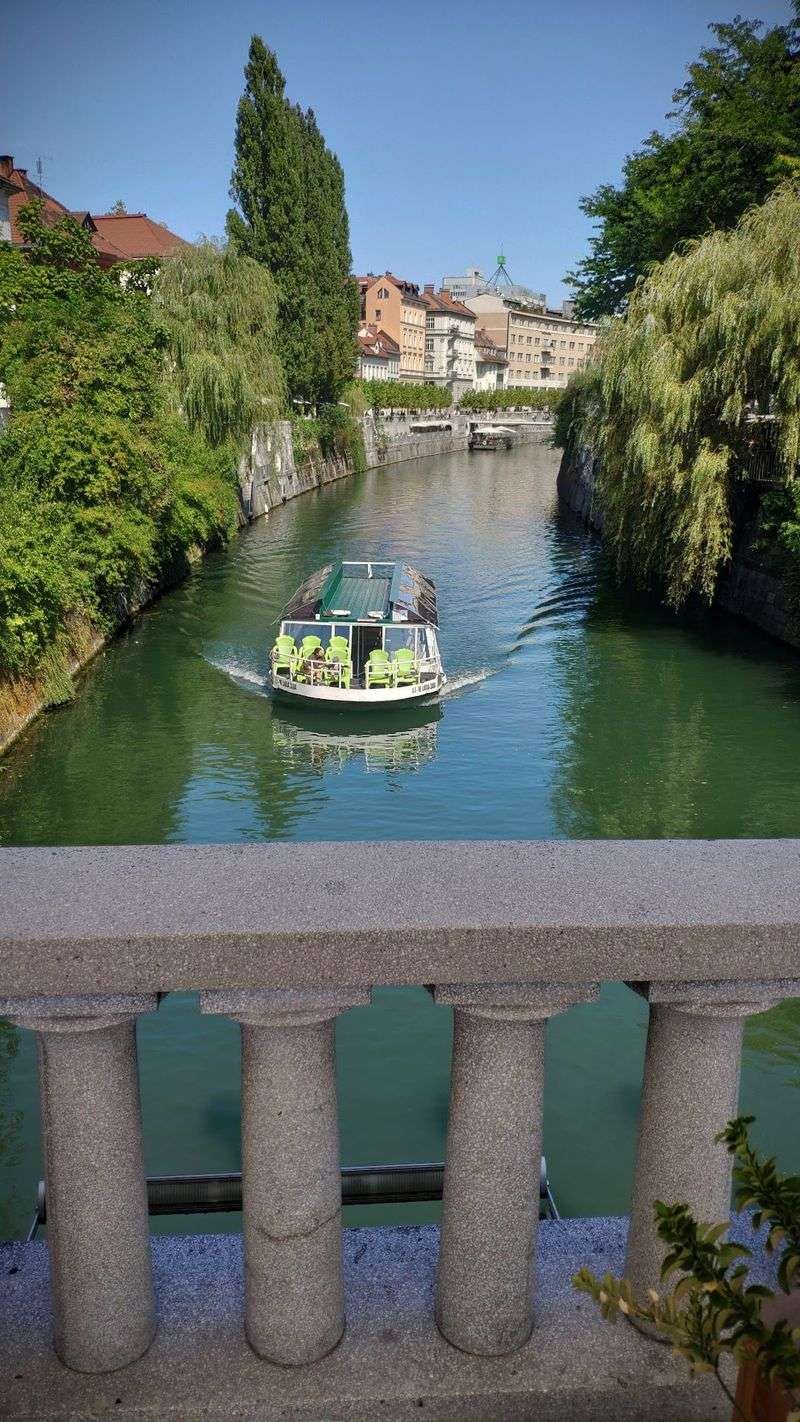
Ljubljana does something many tourist cities skip: it invites its own residents to act like visitors. The city organized Ljubljana Tourism Week with more than 120 activities, so locals could tour hotels, workshops, cultural institutions, and tourism businesses.
That spirit shows up in daily life. The Slovenian capital is compact, so travelers and residents end up sharing riverfront cafes, markets, parks, and pedestrian streets without much effort.
Ljubljana Tourism also encourages people to look past the Old Town. Creative spaces, neighborhoods, and local workshops are part of its promoted routes, which gives curious travelers plenty to do beyond the postcard core.
The European Commission shortlisted the city for the 2027 European Capital of Smart Tourism. The recognition points to community engagement and efforts to spread visitors beyond the busiest areas.
If you like walking, this is an easy city to enjoy at a slow pace. Plan a loop along the river, then wander into a side street and see where it leads.
Québec City, Canada
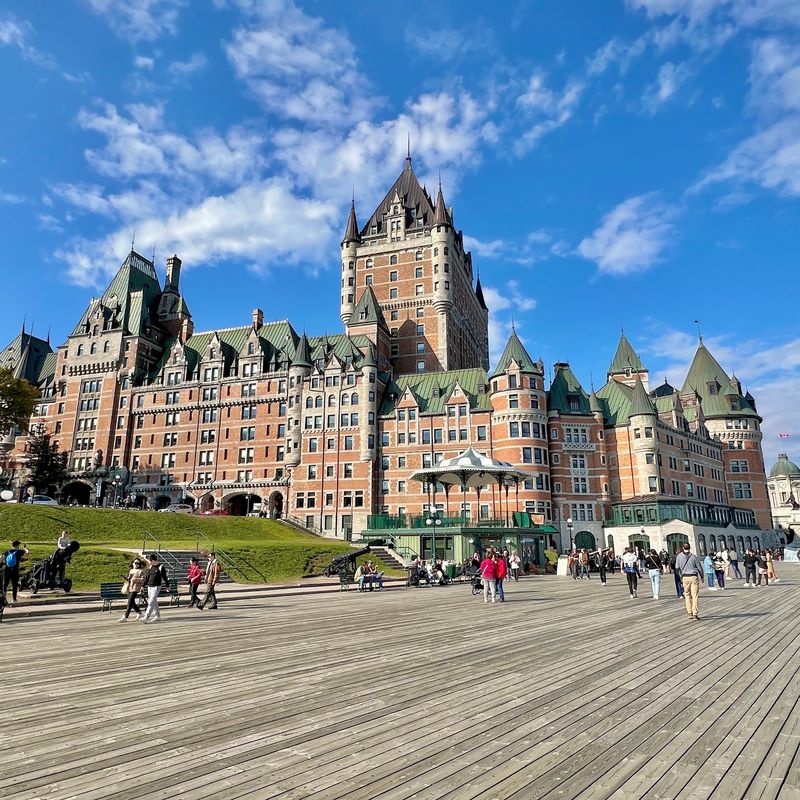
Old Québec is a place where people actually live, and that changes the whole feel of a visit. Travelers wander through Petit-Champlain and along the city fortifications while residents go about ordinary days beside them.
The official tourism organization describes the destination as having a friendly vibe. The city’s calendar backs that up with festivals enjoyed by locals and tourists alike.
The Québec Winter Carnival and the Festival d’été de Québec are two good examples. Visitors join celebrations that belong to the city’s own cultural identity, not events built only for tourists.
That makes timing worth thinking about. A winter trip can center on the carnival, while summer travelers can build a visit around the music festival.
Whichever season you pick, plan for lots of walking through the historic center. Comfortable shoes are the most useful thing you can pack here.
Vilnius, Lithuania
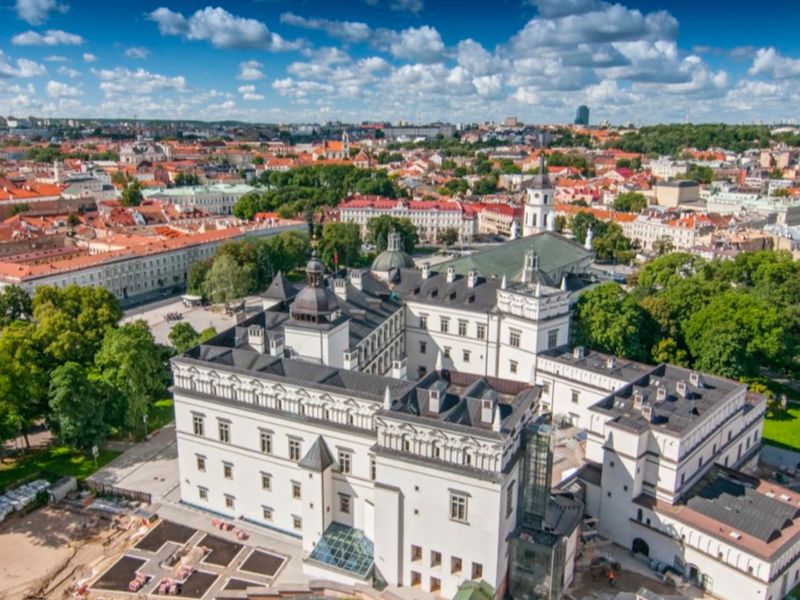
Few cities offer a program literally called Meet a Local, but Vilnius does. Its official tourism organization runs an experience that connects travelers with residents who show them the city from a local point of view.
There is plenty to explore together. Užupis, Paupys Market, the Glass Quarter, and the extensive cafe scene make wandering just as rewarding as visiting the major monuments.
Public gatherings add another layer. Street Music Day, Culture Night, and Vilnius Fiesta bring residents and visitors into the same crowds.
In 2026, the Vilnius Is My City celebration highlighted residents from more than 140 countries. It centered on a shared table where cultures, stories, and food could be exchanged.
For a first visit, book the local meetup early in your trip. Their suggestions can shape the rest of your route.
Tbilisi, Georgia
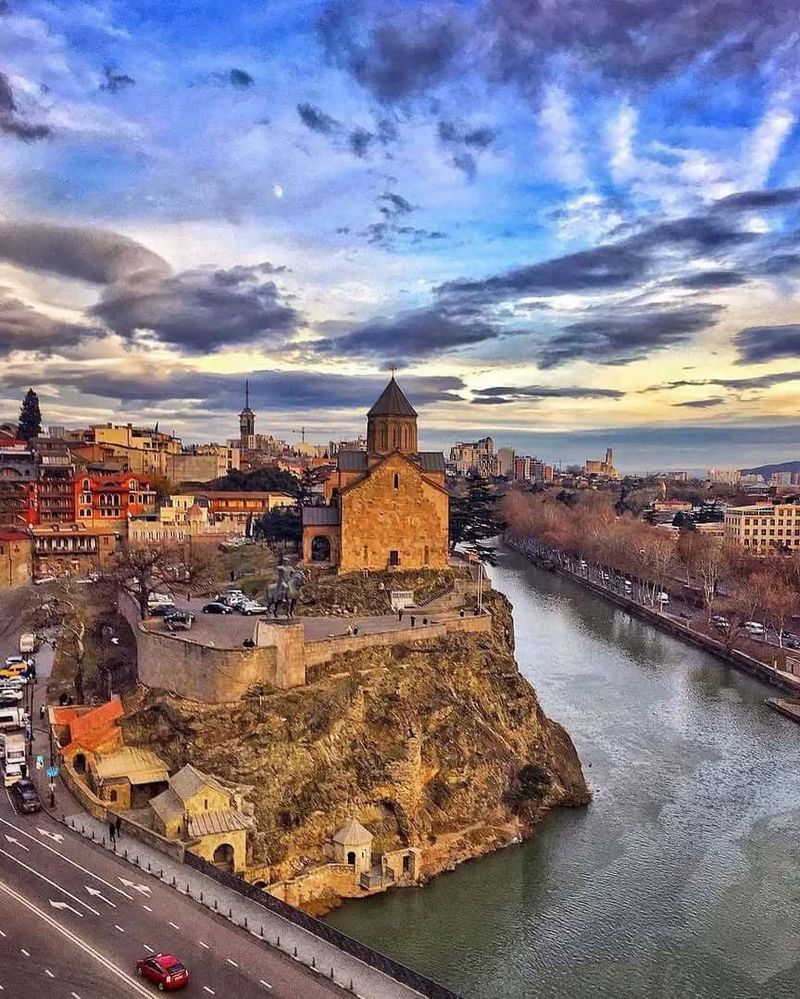
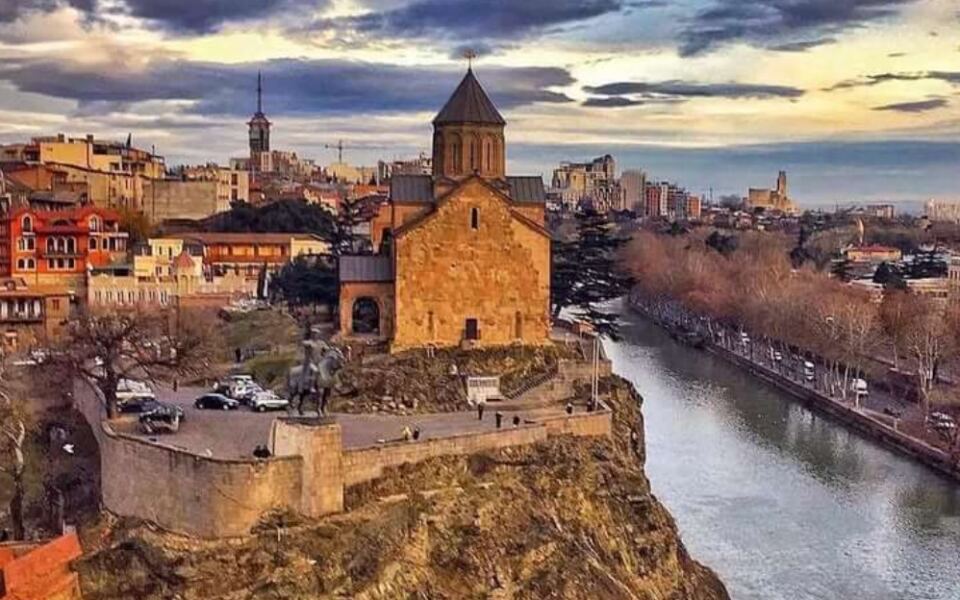
Georgia’s official tourism organization calls Tbilisi The City That Loves You, which is a bold slogan. Hospitality really is woven into the city’s identity.
The social side is easiest to spot in Old Tbilisi. Restaurants, wine bars, markets, and historic neighborhoods encourage people to linger instead of racing through a checklist.
The sulfur baths of Abanotubani add a fascinating link between tourism and local tradition. These bathhouses have been gathering places for centuries and remain popular with residents as well as travelers.
Several historic establishments still operate today. That makes a visit feel like a living custom, not a museum display.
If you go, give the baths their own block of time. Rushing them defeats the purpose, and the neighborhood around them rewards a slow stroll afterward.
Galway, Ireland
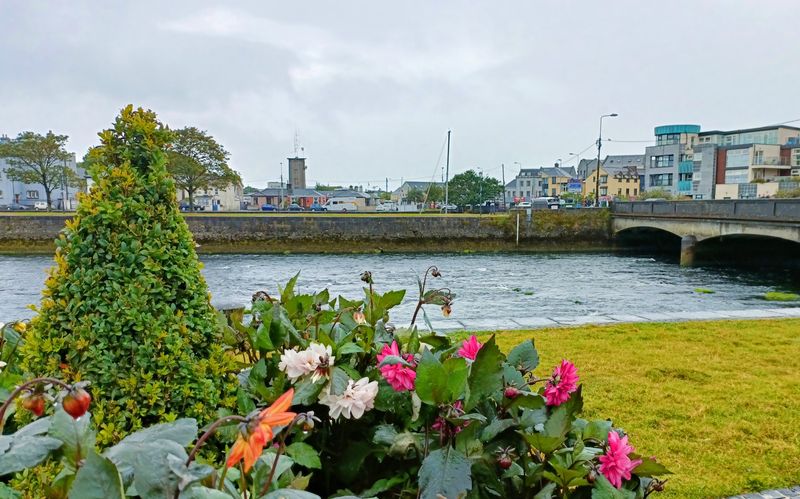
Galway is small enough that visitors land in the middle of local life almost immediately. Traditional music comes from pubs around the center, and pedestrians crowd Shop Street and Quay Street.
The compact layout keeps travelers close to everyday activity. You rarely feel like an outsider watching from a distance.
The Spanish Arch, built in 1584 beside the River Corrib, remains one of the main gathering areas. It sits next to Galway City Museum, so a history stop and a riverside pause fit into one short walk.
Galway also sits on the Wild Atlantic Way, which makes it a handy base for exploring western Ireland. Still, the city itself is a big part of the appeal.
The historic center works as a real social district, not an attraction built around tourism. Plan a day here before heading out to the coast.
Tallinn, Estonia
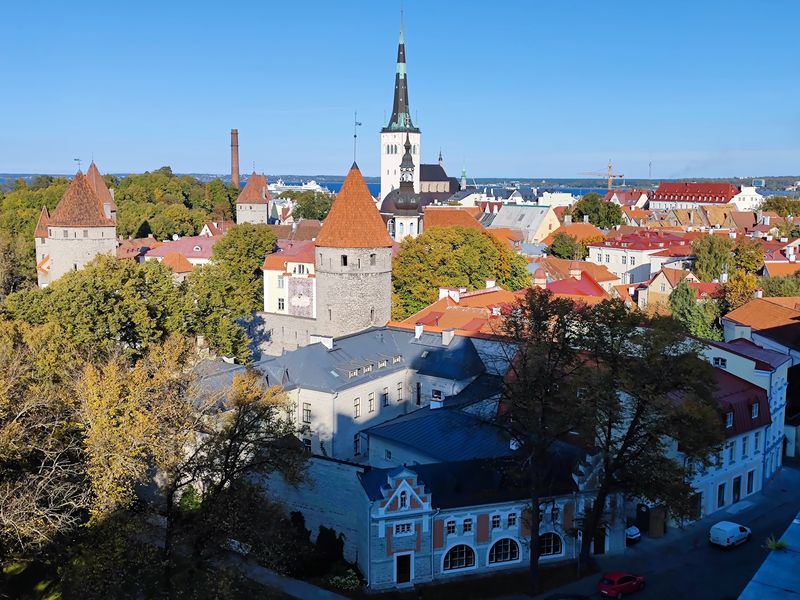
Most visitors come for the medieval Old Town, but Tallinn nudges them to keep going past the walls. Official visitor guides point travelers toward Kalamaja, Pelgulinn, Kadriorg, Pirita, Nomme, and the creative former industrial area of Kopli.
These districts make it easier to see modern Estonian life next to the historic sightseeing. A single day can include both.
Getting around is simple. The tourist information center operates all year, and the Tallinn Card covers public transportation plus admission to more than 50 museums and attractions.
Events continue through autumn 2026, including jazz, architecture, and design festivals. That gives fall visitors a reason to check the calendar before booking.
My suggestion is to spend the morning inside the walls, then head to Kalamaja or Kadriorg for a slower afternoon.
Graz, Austria
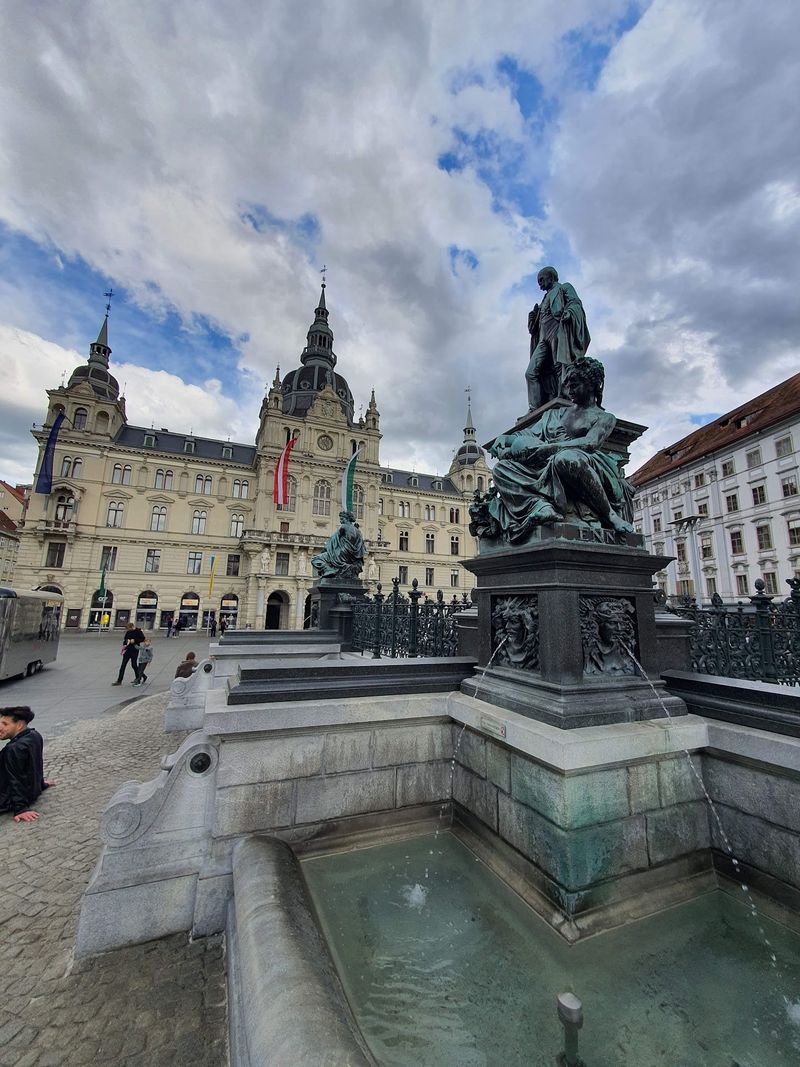
Compared with Europe’s bigger historic cities, Graz moves at an easier pace. Its UNESCO-listed center, markets, and cafes draw visitors without swamping the rhythm of daily life.
The city presents itself as both a cultural and a food destination. Locals and travelers mix around Hauptplatz, the Mur River, and the neighborhoods surrounding the Old Town.
Tourism services stay busy in 2026. Guided historic-center walks run through the end of the year, seasonal city tours continue into autumn, and the tourist office is open seven days a week.
That mix of accessible services and a manageable center makes Graz a good pick for independent travelers. You can join a walk one day and explore alone the next.
Start at Hauptplatz and let the market stalls and cafes set your route.
Bologna, Italy
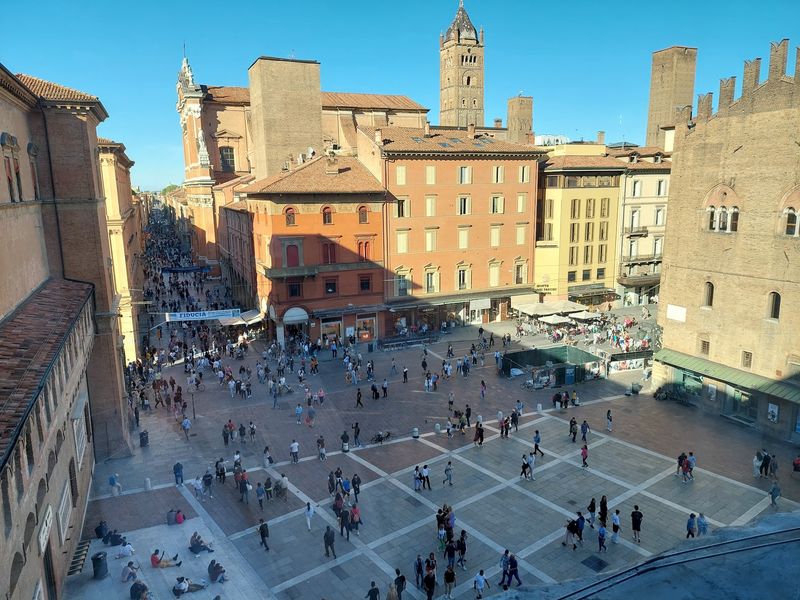
Students from the centuries-old University of Bologna fill the city’s arcaded streets, which tells you this is a working city first. International travelers come, but sightseeing does not run the place.
Local markets, neighborhood trattorias, and public squares stay tied to daily routines. That makes conversations around food come naturally, whether you are browsing the Quadrilatero or sitting down to tagliatelle al ragu.
The official tourism operation stays active through 2026 with exhibitions, food festivals, guided experiences, and neighborhood excursions.
One current note matters for planning. Bologna Welcome reports that the Asinelli Tower is closed for maintenance, though the historic center and other major attractions continue operating.
Check that page before you go, then build your days around the markets and the porticoes instead.
Porto, Portugal
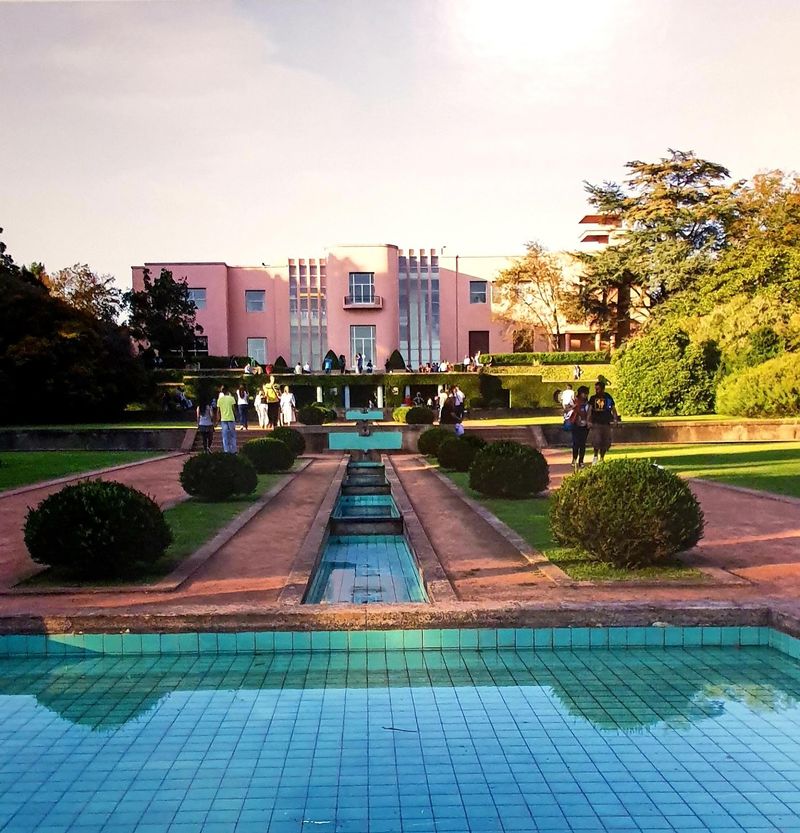
Porto has grown very popular, yet much of its charm survives in neighborhoods where tourism blends with regular city life. Visitors can wander from the Ribeira toward markets, cafes, and residential streets, or follow the Douro toward the Atlantic.
The official tourism organization highlights the coexistence of historic attractions with quiet neighbourliness in the historic districts. It is a small phrase that sums up the tone well.
There is more here than the famous riverfront. The current tourism program points to museums, gardens, contemporary art, beaches, and heritage sites spread across several districts.
That encourages travelers to leave the most crowded areas and explore further out.
Give yourself one day for the riverside classics and another for the districts beyond. The second day often turns out to be the more memorable one.
Sarajevo, Bosnia and Herzegovina
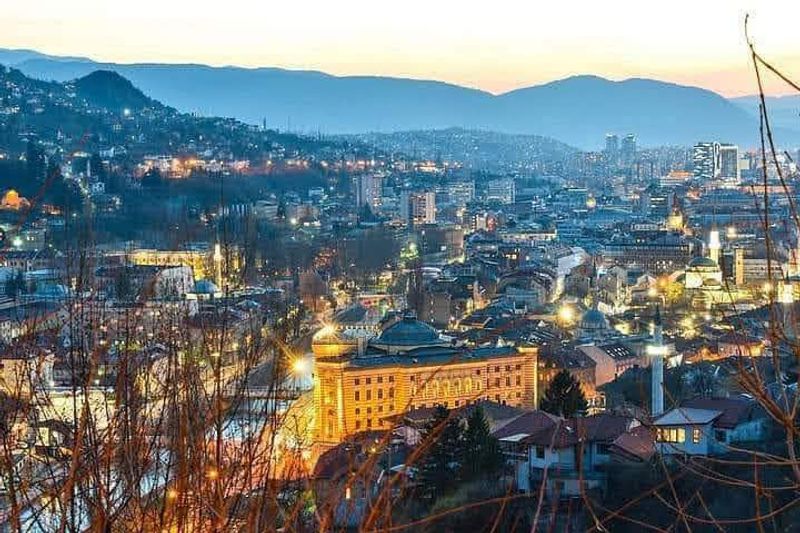
Conversation is easy to stumble into in Sarajevo, largely because of its coffeehouse culture. Bascarsija is the obvious starting point, with traditional coffeehouses, cevapi restaurants, bakeries, and workshops all close together.
Some of the best experiences come from simply talking with people about food, neighborhoods, and the city’s layered Ottoman, Austro-Hungarian, and Yugoslav history.
The city has a long tradition of hosting outsiders because of its position at a cultural crossroads. Churches, mosques, and a synagogue stand within a fairly small central area.
The surrounding neighborhoods keep a strong everyday character.
For travelers willing to slow down, Sarajevo often feels less like a checklist and more like a place where you are temporarily joining local life. Sit longer than planned at a cafe and see who starts talking.
Mérida, Mexico
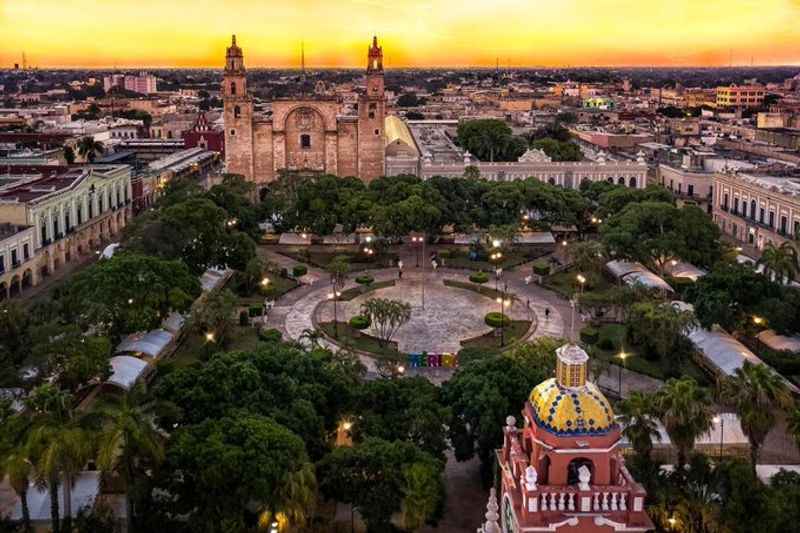
Public spaces do most of the welcoming in Mérida. Plaza Grande, Paseo de Montejo, neighborhood parks, and evening cultural events draw both travelers and residents.
Yucatecan food is another easy way into local life, especially in traditional markets and family-run restaurants. Ordering a regional dish is a simple conversation starter.
The municipal tourism department keeps several information locations, including offices on Paseo de Montejo and at the Municipal Palace. Both operate seven days a week.
The official tourism site also promotes cycling along Paseo de Montejo and routes through the historic neighborhoods. That makes independent exploration straightforward, even if you have no guide.
Start at Plaza Grande, pick up a map at an information office, and let the evening events guide your plans.
Kaohsiung, Taiwan
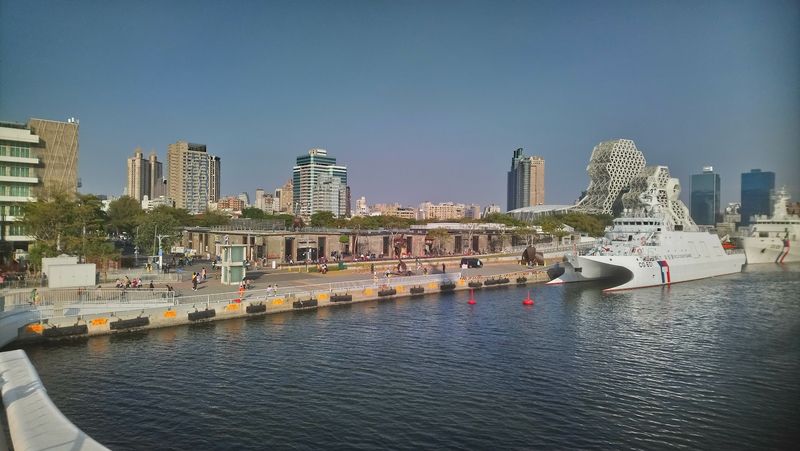
Kaohsiung is a major port, yet it has the laid-back feel of a city that does not rely only on international tourism. Night markets, neighborhood food stalls, waterfront paths, and public transportation give visitors many ways to share space with residents.
The light rail is especially useful. It lets you reach attractions without joining an organized tour.
Local tourism officials promote experiences around Yancheng Old Street, the Fongshan historic district, river cruises, and neighborhood food.
The official tourism site even includes a dedicated Friendly Travel section. It shows how much effort the city puts into making independent trips easy.
A good plan is to ride the light rail to one area, eat locally, and then move on to the next. That rhythm suits the city well.
Busan, South Korea
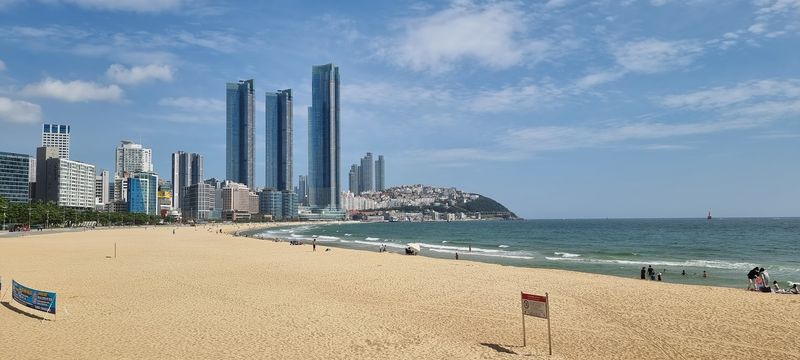
Anyone who has done Seoul will find Busan a very different trip. Seaside neighborhoods, markets, and beaches leave more room to slow down.
Nampo-dong, Jagalchi, and Jeonpo are places where visitors mingle with regular city life. Food is one of the easiest ways in.
Jagalchi Market and neighborhood restaurants introduce travelers to the city’s seafood traditions, while cafes have become a major part of local culture too.
Tourism stays busy in 2026. The official visitor organization is promoting city tours, local food experiences, and autumn festivals.
Its sightseeing program also highlights neighborhoods beyond the familiar Haeundae waterfront. Use that as a nudge to spend at least one day away from the main beach.
Chiang Mai, Thailand
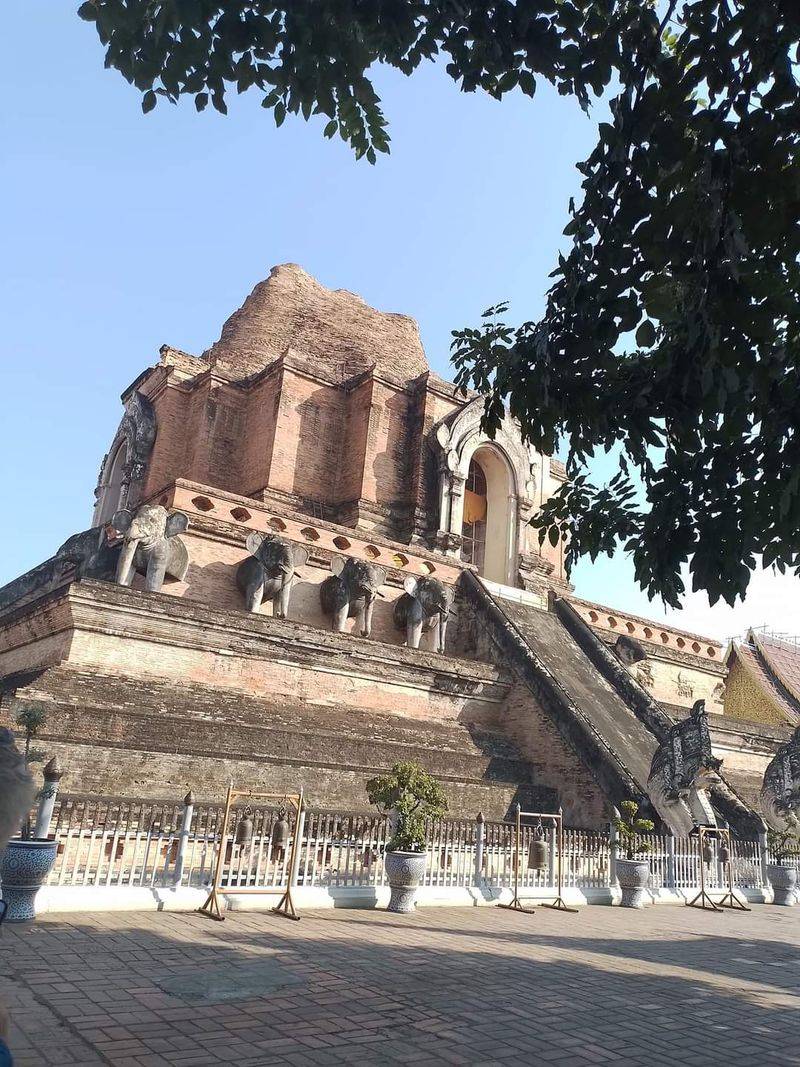
Decades of international visitors have not pushed neighborhood life out of Chiang Mai. Inside and around the Old City, temples, food stalls, cafes, and markets serve tourists and residents alike.
Evening markets make casual conversation easy. Cooking classes and craft workshops give more structured chances to learn directly from local people.
Scale helps here too. Although it is a major city, the historic center can be explored slowly on foot, and surrounding communities keep their own traditions.
Visitors who approach temples and local customs with respect tend to see a side of Thailand very different from the big beach resorts.
Dress modestly at temples, take your time, and consider booking one hands-on class to meet people who live here.
Muscat, Oman
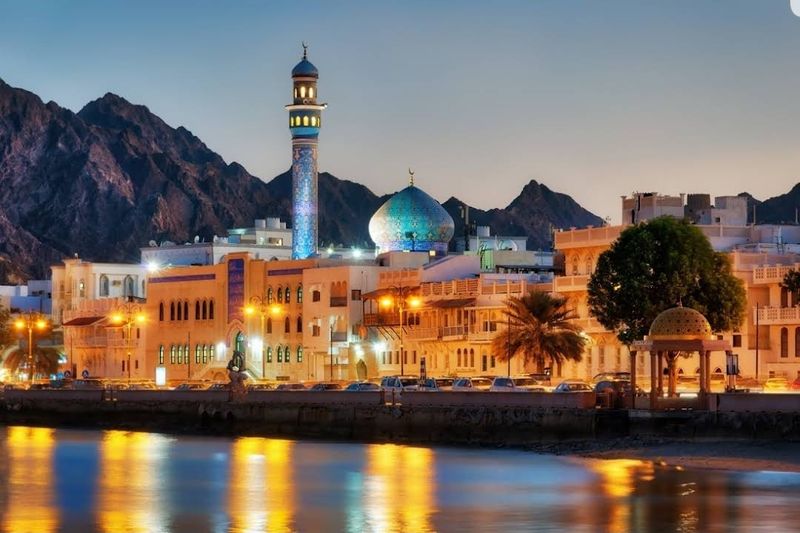
Muscat gives travelers a calm first taste of the Arabian Peninsula. Markets, mosques, and waterfront areas offer plenty of chances to meet residents without the intensity of some larger regional capitals.
Mutrah Corniche and Mutrah Souq are easy places to spend time instead of just passing through.
The Sultan Qaboos Grand Mosque remains one of the city’s most important visitor sites. Oman’s official tourism authority welcomes non-Muslim visitors and provides clear guidance about modest clothing, footwear, photography, and respect for worshippers.
That focus on respectful cultural exchange helps visitors take part without treating sacred places as mere attractions.
Read the guidance before you go and dress accordingly. It makes the visit smoother for everyone.
Montevideo, Uruguay
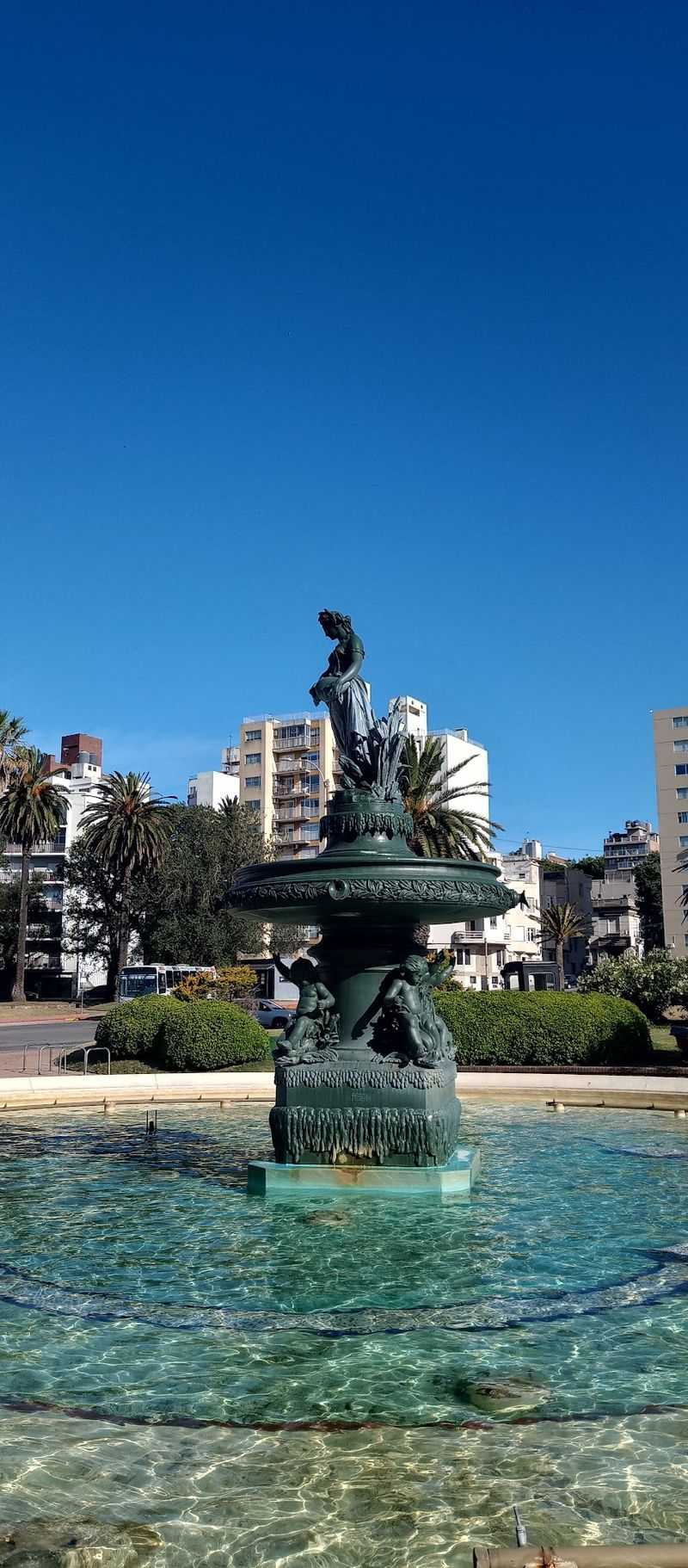
Hurry is rarely part of the Montevideo experience. The long Rambla gives residents and visitors the same huge waterfront space for walking, cycling, and watching sunsets.
Ciudad Vieja adds architecture, cafes, markets, and cultural sites in an easily walkable historic district.
The municipal government maintains visitor itineraries along Avenida 18 de Julio and through Ciudad Vieja. They connect places such as Plaza Independencia, Teatro Solis, Palacio Salvo, and the artisan markets.
Because tourism is folded into a much larger residential city instead of dominating it, travelers see everyday Uruguayan life.
Try walking a stretch of the Rambla in the evening, then head to Ciudad Vieja the next day for the markets and historic sites.
Arequipa, Peru
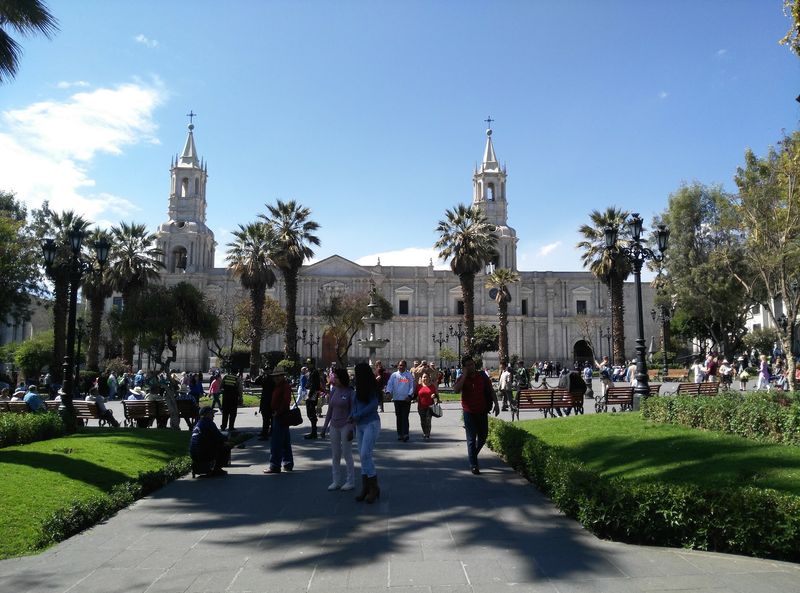
White volcanic stone gives Arequipa one of the most distinctive cityscapes in South America. It is also a slower urban experience than Peru’s busiest tourism centers.
Traditional picanterias introduce visitors to a regional food culture that locals remain deeply proud of.
Peru’s official tourism organization highlights the historic center, the countryside, and viewpoints at Yanahuara, Sachaca, and Carmen Alto.
More than 500 colonial-era mansions survive in the center. They show the mix of European and Andean building traditions that helped earn Arequipa the White City nickname.
Food, architecture, and daily life are hard to separate here. Plan a lunch at a picanteria and a viewpoint visit in the same day.
Riga, Latvia
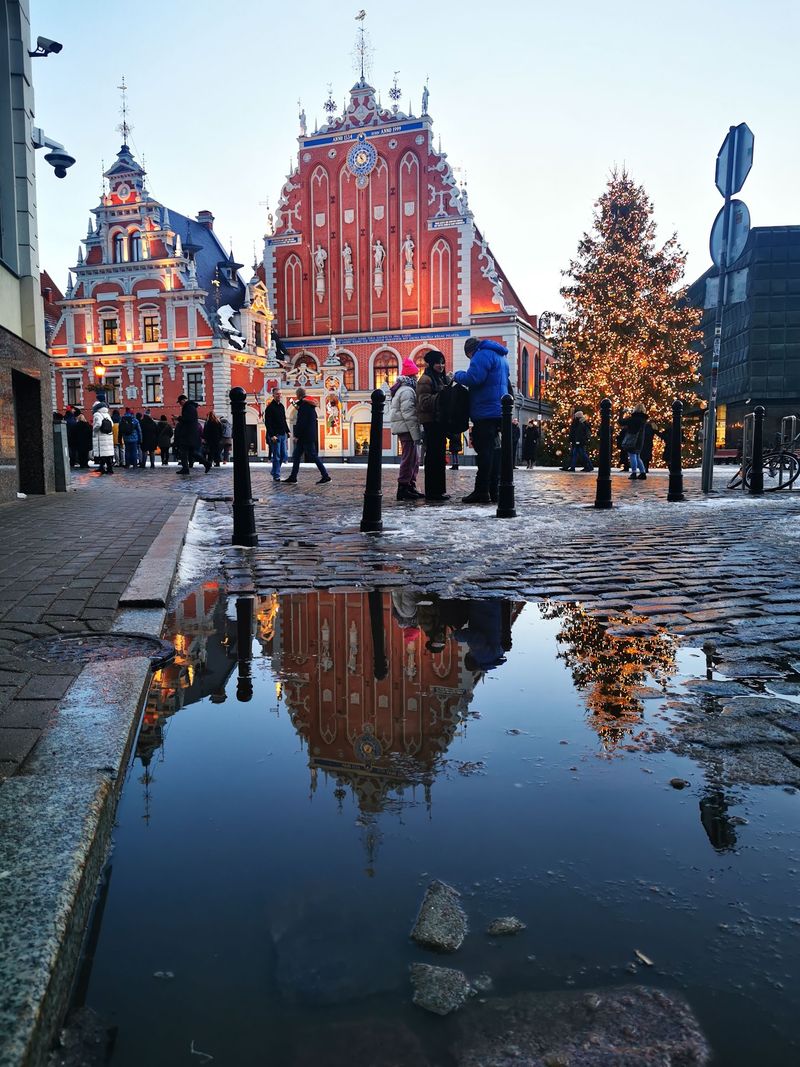
Riga blends major architecture and cultural attractions with markets and neighborhoods where visitors can still join ordinary city life.
The huge Central Market is one of the best places to see that mix. Residents shop for produce, fish, meat, and prepared foods inside former Zeppelin hangars while travelers wander the same stalls.
Beyond the historic center, neighborhoods such as Agenskalns give visitors a reason to leave the classic sightseeing route and see a more residential Riga.
The Latvian capital works well for people who like cities where historic sights matter but do not overshadow cafes, markets, parks, and the routines of those who live there.
Put the Central Market on your first day, then save an afternoon for Agenskalns.
Share this story