If you have been watching home prices climb and wondering whether you have missed your window, the answer might just be a change of zip code. Across the country, a handful of cities are hitting a rare combination of job growth, population gains, and housing prices that still make sense for real buyers.
Some of these places are well-known but underestimated. Others have been quietly building the kind of economic foundation that makes homeownership feel possible rather than out of reach.
Whether you are a first-time buyer, a remote worker with flexibility, or someone ready to trade a high-cost metro for something more manageable, this list covers 19 U.S. cities worth watching closely before 2027 arrives.
Huntsville, Alabama
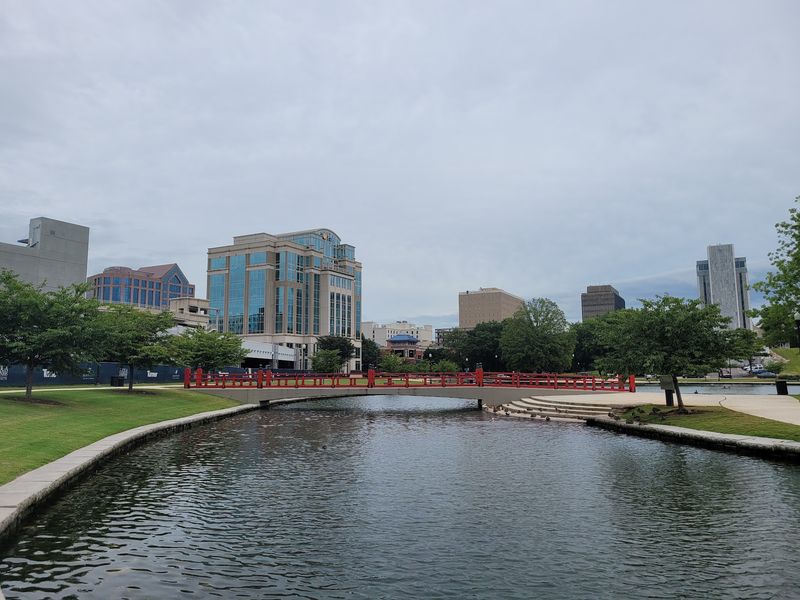
Few cities in the South can match what Huntsville is doing right now. With a population estimated at 233,627 in 2025, the city has grown 8.7% from its 2020 base, and the numbers behind that growth are not accidental.
Aerospace, defense, engineering, and technology employers have made Huntsville a legitimate hub for high-skill workers.
The July 2026 unemployment rate sat at 3.1%, well below the national rate of 4.4%. That kind of labor market stability tends to support long-term homeownership in a way that boom-and-bust cities cannot always promise.
Zillow placed the typical home value at around $290,244 in August 2026, which is meaningfully below the national benchmark. For buyers who want a growing Southern city with a strong employment base and housing that does not require a six-figure income just to get in the door, Huntsville makes a genuinely compelling case heading into 2027.
Fayetteville, Arkansas
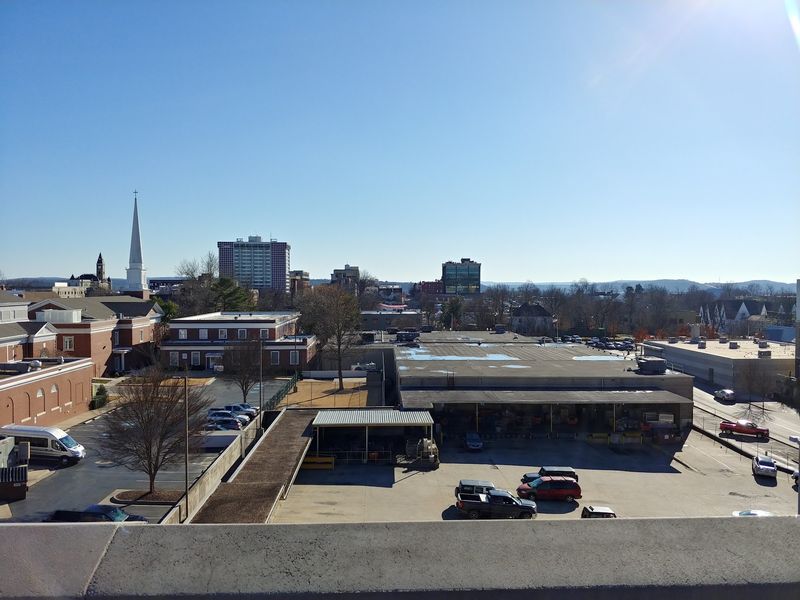
Northwest Arkansas has been one of the country’s more surprising growth stories over the past decade, and Fayetteville sits right at the center of it. The Census Bureau estimated 106,623 residents in 2025, a 13.1% jump from the 2020 base.
That is a substantial rate of growth for a city of its size, and it reflects real demand rather than a statistical quirk.
The Fayetteville-Springdale-Rogers metro recorded a July 2026 unemployment rate of 3.5%, which points to a healthy regional job market. The University of Arkansas, outdoor recreation access, and the broader Northwest Arkansas economy all contribute to that picture.
Housing has moved up with demand. Zillow reported a typical home value of roughly $383,552 in August 2026, slightly above the national figure.
Fayetteville is no longer a bargain in the traditional sense, but the combination of employment growth and quality of life keeps it worth watching for 2027 buyers.
Des Moines, Iowa
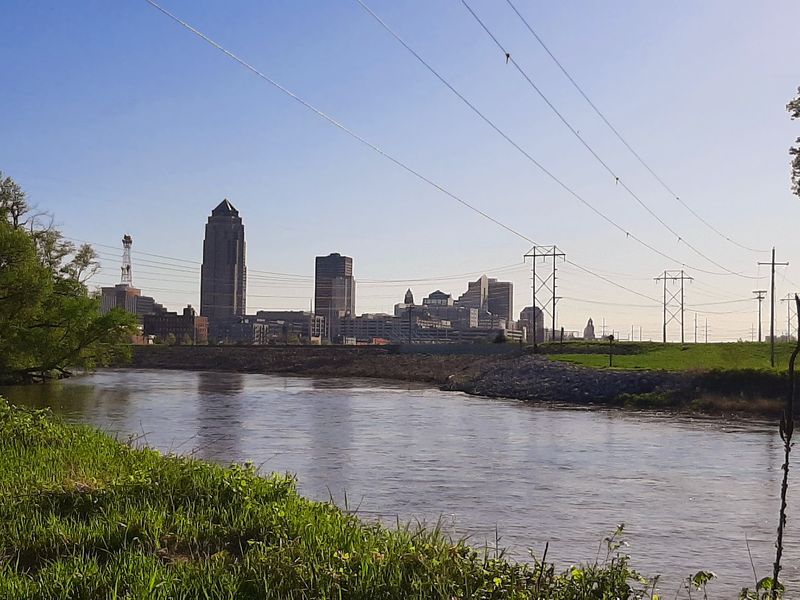
There is a version of smart homebuying that skips the trendy cities entirely and goes straight to the math. Des Moines makes that math look very good.
Zillow’s August 2026 estimate put the typical home value at approximately $210,572, nearly $160,000 below the national typical value. Values were essentially flat year over year, down about 0.2%, which can actually reduce the pressure buyers feel in rapidly appreciating markets.
Iowa also ranked among the country’s least expensive states, with a 2024 regional price parity of 87.8 compared with the national baseline of 100, according to Bureau of Economic Analysis data. That means everyday costs stretch further here than in most states.
Des Moines has a large insurance and financial-services sector that provides stable, professional employment across a range of career levels. For buyers prioritizing financial breathing room over a flashy address, this midsize capital city continues to be one of the more practical options on the map.
Omaha, Nebraska
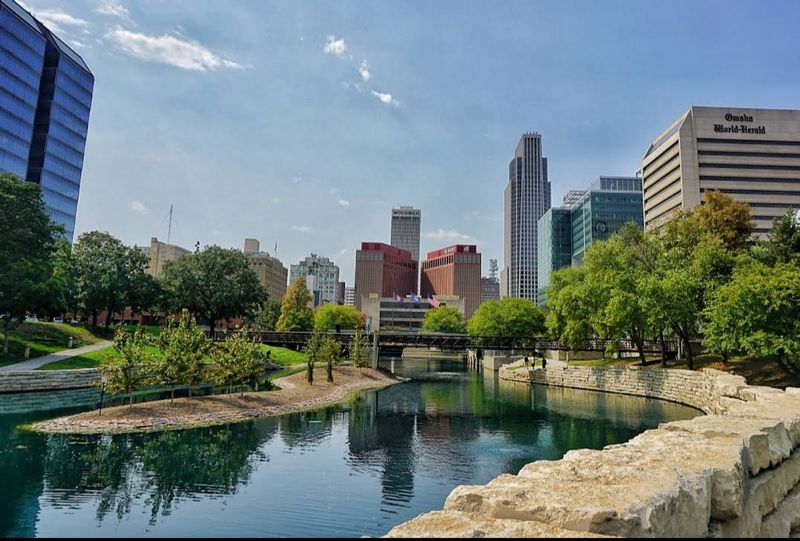
Omaha occupies a useful middle ground that not many cities can claim. It offers the employment variety of a real metropolitan area without the housing prices that have pushed buyers out of so many similarly sized cities.
Zillow reported a typical home value of $296,615 in August 2026, roughly $73,000 below the national figure.
Values rose a moderate 1.9% over the previous year, which suggests steady appreciation without the volatility that defined some pandemic-era boomtowns. That kind of measured growth can be reassuring for buyers who do not want to overpay at the top of a cycle.
Omaha’s economy spans finance, insurance, transportation, health care, and several major corporate headquarters, giving residents access to diverse career paths rather than dependence on a single industry. For someone who wants a genuine city with real job options and housing that does not demand an extreme income, Omaha continues to hold up as a sensible and underrated 2027 target.
Madison, Wisconsin
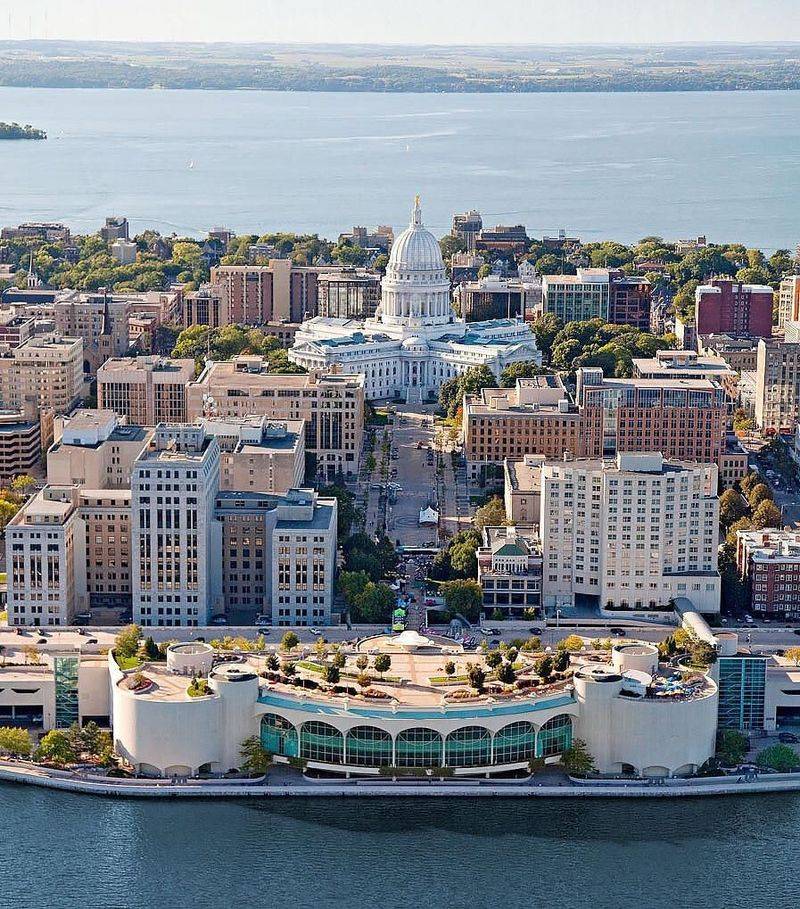
Madison is the expensive outlier on this list, and it earns that spot honestly. Zillow estimated the typical home value at $426,336 in August 2026, well above the national figure, with values rising 2.5% year over year.
Homes were going pending in roughly 14 days, which reflects persistent buyer demand even in a higher-rate environment.
What justifies that price level is the depth of Madison’s economy and the quality of its built environment. As Wisconsin’s capital and home to the University of Wisconsin-Madison, the city draws government, education, research, health care, and technology employment into a relatively compact and walkable setting surrounded by lakes and parks.
For buyers who prioritize a highly educated labor market and an established urban environment over entry-level pricing, Madison still makes sense. The cost is real, but so is what you get in return.
Anyone whose career fits the sectors Madison supports should absolutely keep this city on the 2027 radar.
Grand Rapids, Michigan
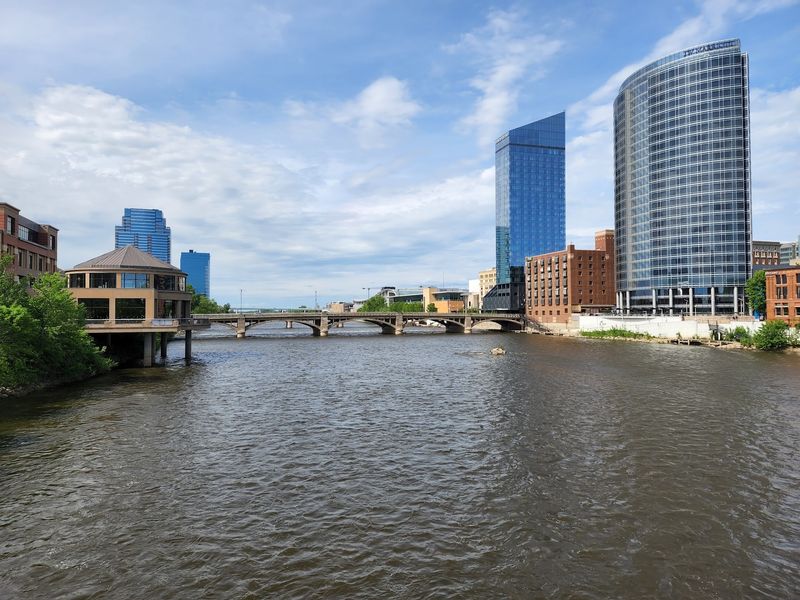
Grand Rapids keeps showing up on housing lists for a straightforward reason: the numbers work. Zillow reported a typical home value of around $307,094 in August 2026, up 3.2% from a year earlier.
Homes were going pending in roughly seven days, which is fast enough to signal that real buyers are actively competing in this market.
The city’s economic base has long stretched from advanced manufacturing and office furniture to health care and higher education, giving it a diversified foundation that does not rely on a single employer or sector to stay healthy. That kind of spread matters when evaluating long-term housing stability.
Grand Rapids also puts residents within relatively easy reach of Lake Michigan, which adds a lifestyle dimension that purely inland cities cannot offer. For buyers who want an established metro with genuine demand, a below-national home price, and access to one of the Great Lakes, this western Michigan city holds up well as a 2027 consideration.
Fort Wayne, Indiana
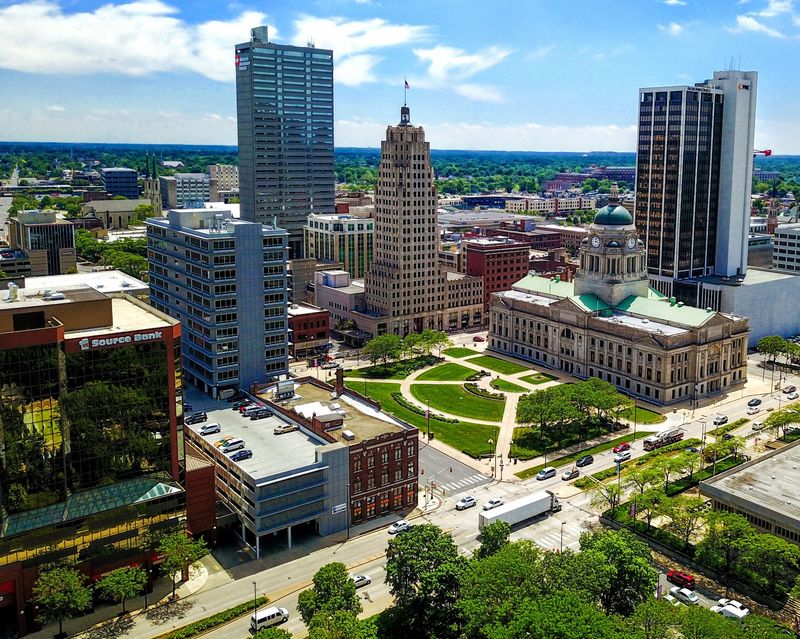
Fort Wayne makes one of the clearest affordability arguments of any city on this list. Zillow put the typical home value at about $248,442 in August 2026, roughly $120,000 below the U.S. level.
That kind of gap is not something buyers encounter in most growing American cities right now.
What makes the number more interesting is that Fort Wayne is not losing people. Census data show the population grew from an estimated 263,918 in 2020 to 275,203 in 2025, a gain of 4.3%.
Homes were also going pending in around nine days, which confirms that low prices here reflect a genuinely active market rather than a city that buyers are quietly avoiding.
Fort Wayne continues to add residents while keeping its housing entry point far below the national average. For first-time buyers or anyone relocating from a high-cost state, that combination of affordability and real population growth makes Fort Wayne one of the more grounded picks heading into 2027.
Cincinnati, Ohio
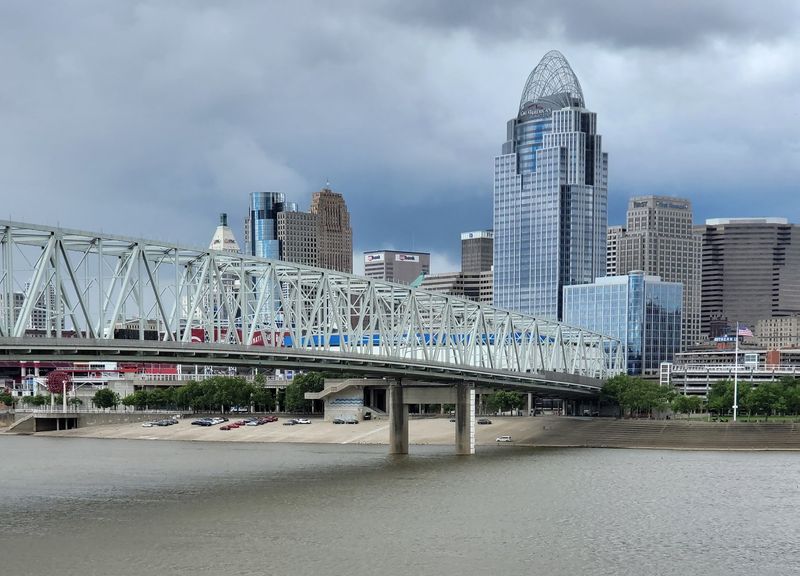
Cincinnati gives buyers access to a major-city experience at a price point that has mostly vanished from the coasts. Zillow estimated the typical home value at $249,297 in August 2026, less than $250,000 and about one-third below the national typical value.
Values had risen only 0.5% from the previous year, while homes were going pending in around 10 days.
That combination of low appreciation and quick pending times suggests a market where buyers can find reasonable deals without sitting on listings for months. The city’s diversified employment base spans major universities, hospitals, professional sports, and a range of corporate operations.
Cincinnati’s historic neighborhoods and Ohio River setting add character that purely suburban alternatives cannot replicate. For someone who wants a real metropolitan environment with cultural depth, established infrastructure, and homeownership within a manageable financial range, Cincinnati continues to stand out as one of the more complete value propositions available in the Midwest heading into 2027.
Pittsburgh, Pennsylvania

Pittsburgh has done something genuinely unusual for an older industrial city: it rebuilt its economic identity around health care, education, robotics, technology, and research without losing the affordable housing that struggling rust-belt cities often carry. Zillow estimated the typical home value at $239,865 in August 2026, about $130,000 below the national typical value, with prices down roughly 1% from a year earlier.
That dip could represent an entry opportunity for buyers willing to look past surface-level perception. The city offers museums, major universities, professional sports, and established neighborhoods with real architectural character.
Pennsylvania’s tax structure deserves careful review before budgeting, and the city’s hilly geography is simply not for everyone. But for buyers who want big-city cultural institutions, a diversifying modern economy, and housing prices that have become increasingly rare in large U.S. metros, Pittsburgh presents a case that is hard to dismiss as you plan for 2027 purchases.
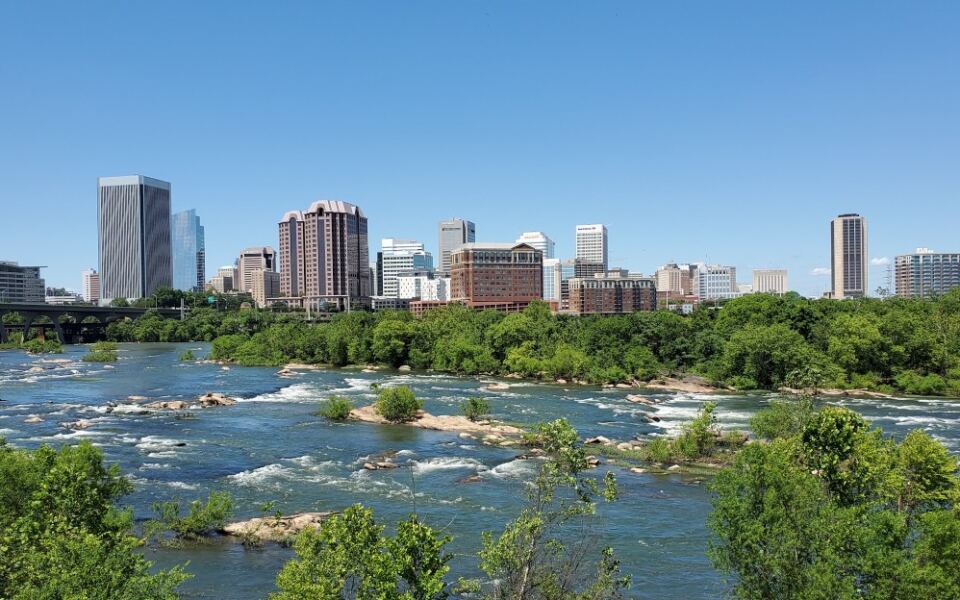
Richmond, Virginia
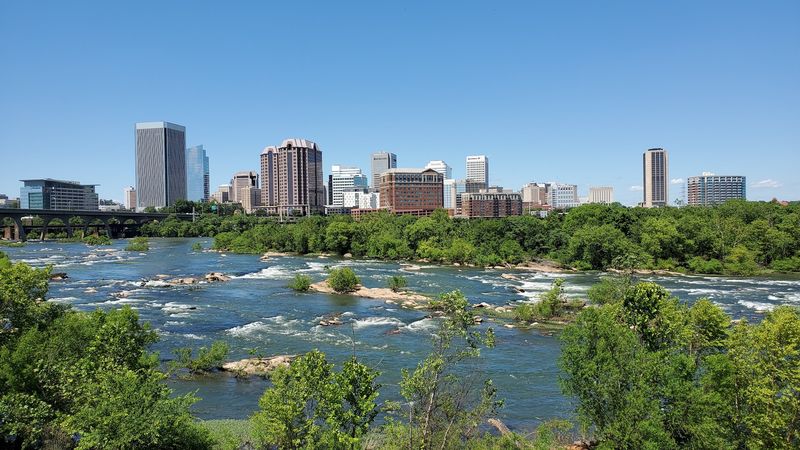
Richmond has been adding residents steadily without making the kind of noise that drives prices into the stratosphere. Census data show the city’s population rising 4.7% from its 2020 estimate base to 237,257 in 2025.
That is consistent, meaningful growth for a mid-sized state capital.
Zillow’s August 2026 figures put the typical Richmond-area home value at about $364,726, which lands almost exactly around the national benchmark. Richmond is no longer a bargain in absolute terms, but context matters here.
It serves as Virginia’s capital with established finance, government, health care, and education employment driving the local economy.
Its location also offers something Northern Virginia cannot: reasonable proximity to both the Atlantic coast and the Blue Ridge region without requiring residents to pay the premium that comes with living near Washington, D.C. For buyers who want a genuine Southern city with strong bones and a manageable commute radius, Richmond deserves a serious look before 2027.
Greenville, South Carolina
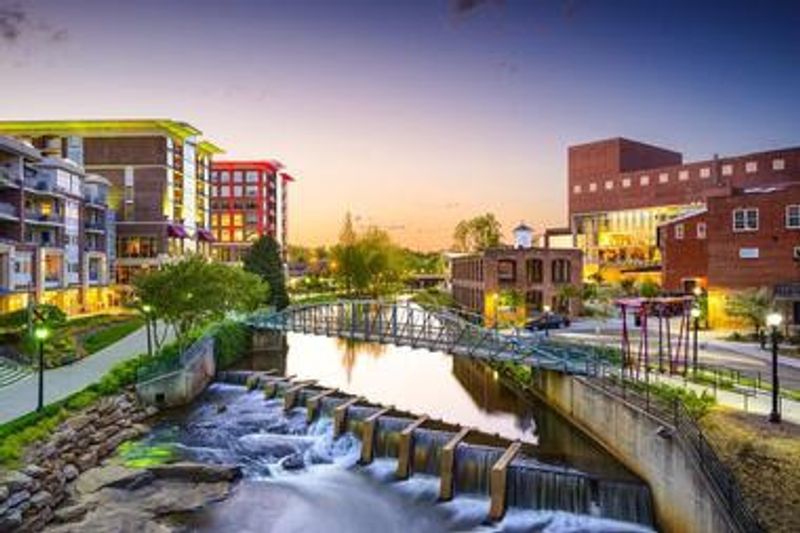
Greenville has shed the narrow identity of a manufacturing town and replaced it with something considerably more layered. Its walkable downtown, growing restaurant scene, and access to the Blue Ridge foothills have drawn newcomers who might have defaulted to Charlotte or Atlanta a decade ago.
The city’s Upstate economy has expanded alongside that population shift.
Housing remains below the national benchmark, though the gap has narrowed noticeably. Zillow reported a typical home value of $331,641 in August 2026, up 1.9% year over year.
The typical rent was approximately $1,572, compared with $1,948 nationally.
That rent differential makes Greenville particularly useful for relocators who want to experience the city before committing to a purchase. Renting first, then buying, is a reasonable strategy in a market that has been appreciating steadily.
For buyers watching the Southeast and wanting a city with genuine momentum rather than just cheap prices, Greenville is worth tracking closely through 2027.
Knoxville, Tennessee
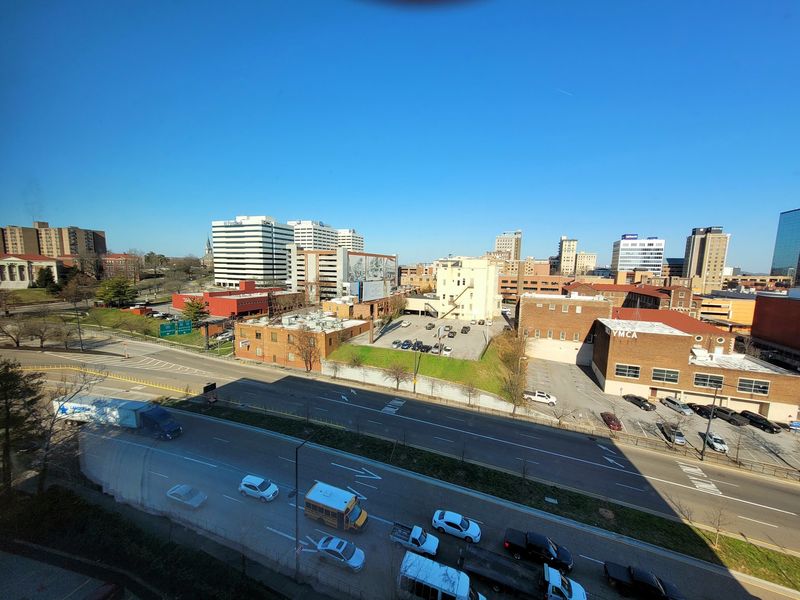
Knoxville no longer fits the profile of an overlooked Tennessee bargain, and buyers heading there in 2027 should arrive with updated expectations. Zillow estimated a typical home value of $370,699 in August 2026, almost exactly at the national level and up 1.1% from a year earlier.
Prices have caught up to the city’s reputation.
What has not changed is the underlying appeal. The University of Tennessee anchors a sizable education and research presence.
A revitalized downtown has attracted dining, entertainment, and residential development. The regional health care sector provides stable professional employment for a large portion of the workforce.
Then there is the geography. Great Smoky Mountains National Park is within easy driving distance, and East Tennessee’s lakes and ridgelines offer outdoor access that genuinely shapes daily life for residents.
Approach Knoxville as a lifestyle and location decision rather than a pure affordability play, and the value proposition becomes clearer and more honest for 2027 planning.
Chattanooga, Tennessee

For buyers drawn to Tennessee but increasingly priced out of Nashville, Chattanooga offers a real alternative with its own distinct character. Zillow’s August 2026 data put the typical home value at roughly $319,185, down 1.2% from the year before and about $50,000 below the national typical value.
That downward movement is worth paying attention to.
Around 60% of July sales covered by Zillow closed below the original list price, suggesting buyers in Chattanooga had more negotiating leverage than during the frenzied years of the early 2020s. That is the kind of market condition that patient, prepared buyers can work to their advantage.
The Tennessee River, surrounding mountain terrain, and extensive outdoor recreation give Chattanooga a setting that feels genuinely distinct. Its downtown is active but manageable rather than overwhelming.
For 2027 buyers who want Tennessee without Nashville’s price tag and who value a strong outdoor lifestyle alongside urban amenities, Chattanooga makes a compelling and data-supported case.
Raleigh, North Carolina
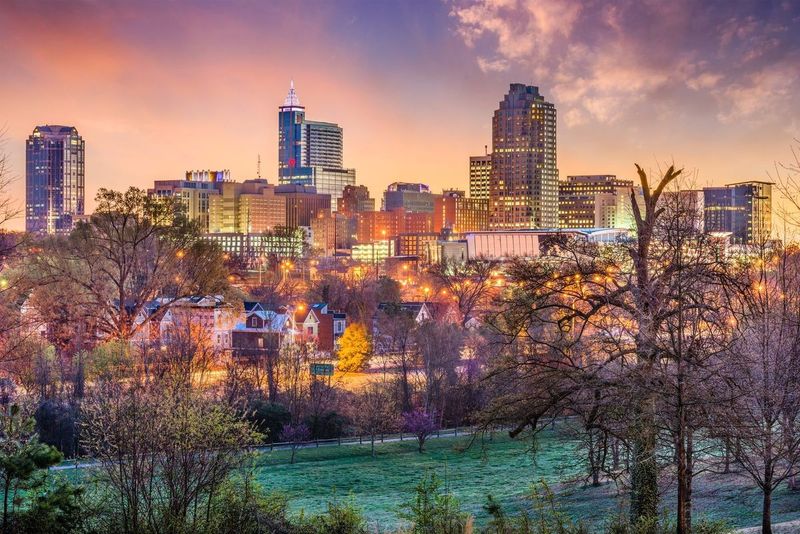
Raleigh proves that a city does not need affordable housing to belong on a homebuyer’s radar. Zillow’s typical home value stood at approximately $428,671 in August 2026, above the national number, though values were down 1.7% from a year earlier.
That dip gives buyers a slightly better entry point than the recent peak would have allowed.
Population growth tells a bigger story. The Census Bureau estimated Raleigh’s population at 506,306 in 2025, an 8.2% increase from its 2020 estimate base.
Cities do not grow that fast without a compelling reason, and Raleigh’s reason is its position at the center of a major research, university, technology, health care, and life-sciences region.
For professionals in those sectors, paying above the national median for housing can come with access to one of the deeper and more durable job markets in the entire Southeast. Raleigh is not for every buyer, but for the right career profile, it remains one of the most strategically sound cities to target before 2027.
Columbus, Ohio
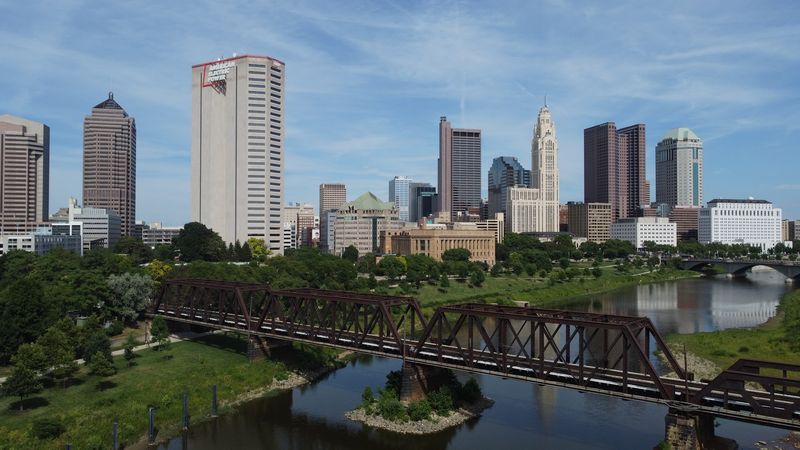
Columbus is doing something that large growing cities rarely manage: keeping home prices well below the national level while continuing to attract residents and employers. Zillow estimated a typical home value of $247,002 in August 2026, down about 1% year over year.
Typical rent was roughly $1,450, nearly $500 below Zillow’s national figure.
Those numbers matter for buyers who are still renting while they save and plan. The lower rental cost can accelerate the path to a down payment in a way that higher-cost cities simply cannot offer.
Columbus is anchored by state government, Ohio State University, health care, finance, insurance, logistics, technology, and manufacturing. That breadth of industry makes it resilient in ways that single-sector cities are not.
It may not have the immediate appeal of a mountain town or beach city, but for someone building a long-term life with real employment and housing stability, Columbus offers a foundation that is genuinely hard to beat heading into 2027.
Kansas City, Missouri
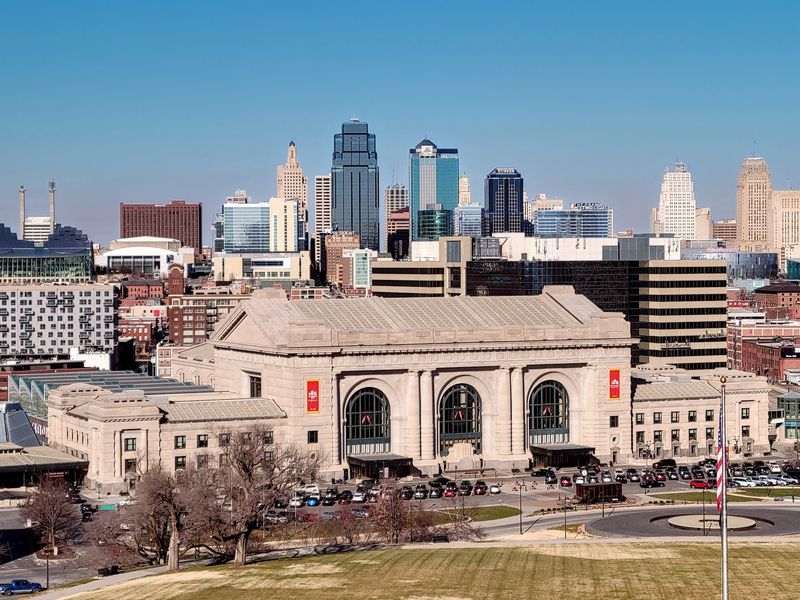
Kansas City punches well above its weight when you line up what it offers against what it costs. Zillow reported a typical home value of $253,549 in August 2026, up 1.7% from the previous year.
Homes were going pending in around 10 days, confirming that affordable pricing here reflects genuine demand rather than a market that buyers are quietly passing over.
The city provides professional sports, a nationally recognized barbecue tradition, performing arts venues, and established neighborhoods with real architectural variety. Its regional employment base spans health care, transportation, finance, engineering, and government-related sectors, which gives the local economy a level of diversification that supports long-term housing stability.
For buyers priced out of Denver, Austin, or similar cities that surged over the past several years, Kansas City represents a legitimate metropolitan alternative rather than a consolation prize. The amenities are real, the job market is broad, and the housing costs remain approachable in a way that fewer cities can claim heading into 2027.
Louisville, Kentucky
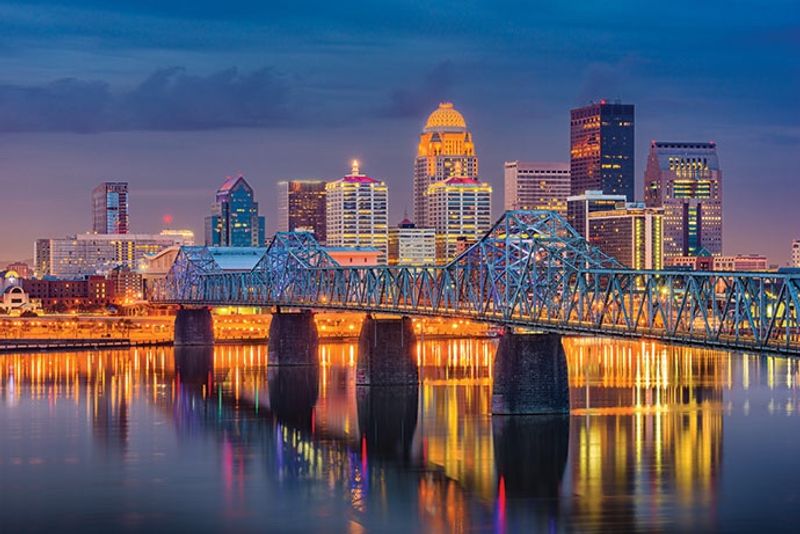
Louisville keeps delivering on the fundamentals that matter most to practical homebuyers. Zillow estimated the typical home value at about $263,130 in August 2026, more than $100,000 below the national typical value.
Values increased only 1.2% year over year, and the median sale price in July sat at approximately $262,000, keeping the numbers consistent rather than distorted by outliers.
The city’s employment base covers health care, logistics, manufacturing, and major corporate operations, which means job seekers across a range of industries can find footing here without needing to work in a single dominant field.
Louisville’s restaurant culture and bourbon heritage attract plenty of lifestyle coverage, but the more durable argument for buyers is straightforward: established neighborhoods in a substantial metropolitan area at prices that have quietly disappeared from much of the country. For anyone looking to own rather than rent indefinitely, Louisville offers a realistic and financially sound path that deserves attention before 2027 planning windows close.
Oklahoma City, Oklahoma
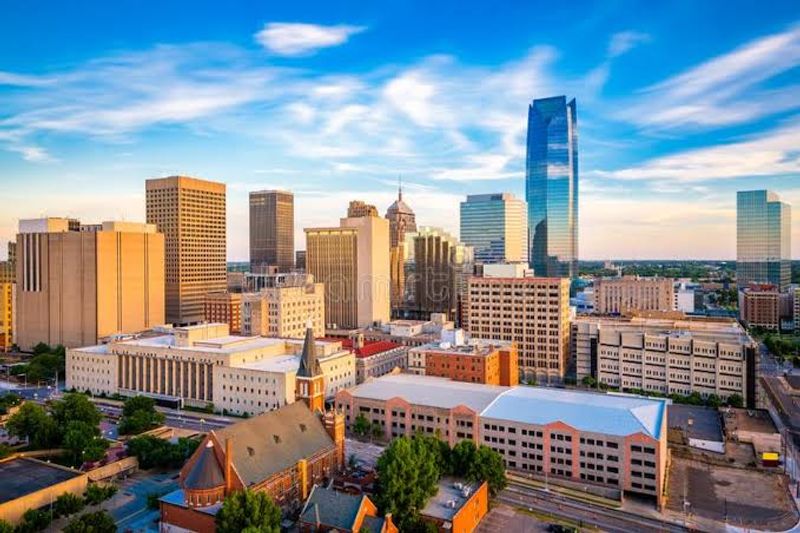
Raw affordability at scale is genuinely rare, and Oklahoma City has it. Zillow reported a typical home value of only $207,421 in August 2026, more than $160,000 below the national figure.
That is not a misprint, and it is not a sign of a struggling city either.
The Census Bureau estimated 719,849 residents in 2025, representing 5.7% growth from the city’s 2020 estimate base. Oklahoma City is approaching three-quarters of a million people while maintaining home prices that most major American cities left behind years ago.
That combination is unusual enough to merit a close look from any serious buyer.
The city’s enormous geographic footprint means neighborhood selection requires research, but the overall market offers a large employment base, professional sports, cultural districts, and housing costs that remain accessible across a wide range of income levels. For buyers who want real city scale without a real city price tag, Oklahoma City belongs near the top of any 2027 shortlist.
Tulsa, Oklahoma
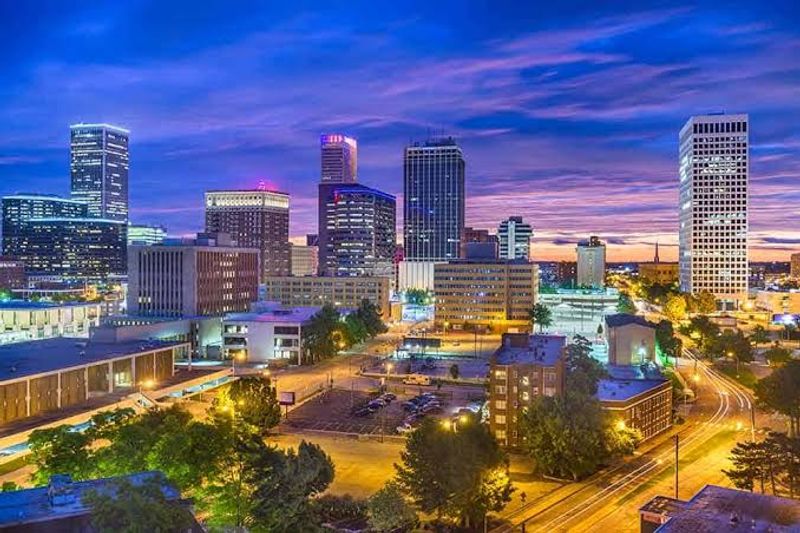
Tulsa closes this list with some of the most attainable home prices among any city covered here. Zillow put the typical home value at $220,221 in August 2026, up 3.1% over the previous year but still far below the $369,000-plus national level.
Homes were taking around 20 days to go pending, which gives buyers slightly more time to evaluate options without the panic-offer pressure seen in faster markets.
Oklahoma’s 2024 regional price parity of 87.8, per Bureau of Economic Analysis data, means everyday costs are lower here than in most states, which compounds the housing savings across a full household budget.
Tulsa also brings genuine cultural assets to the table. The Gathering Place riverfront park, distinctive Art Deco architecture, and a range of museums give the city a character that surprises many first-time visitors.
Its energy, aerospace, manufacturing, and health care economy provides employment depth that rounds out the affordability argument with real long-term stability for 2027 buyers.
Share this story