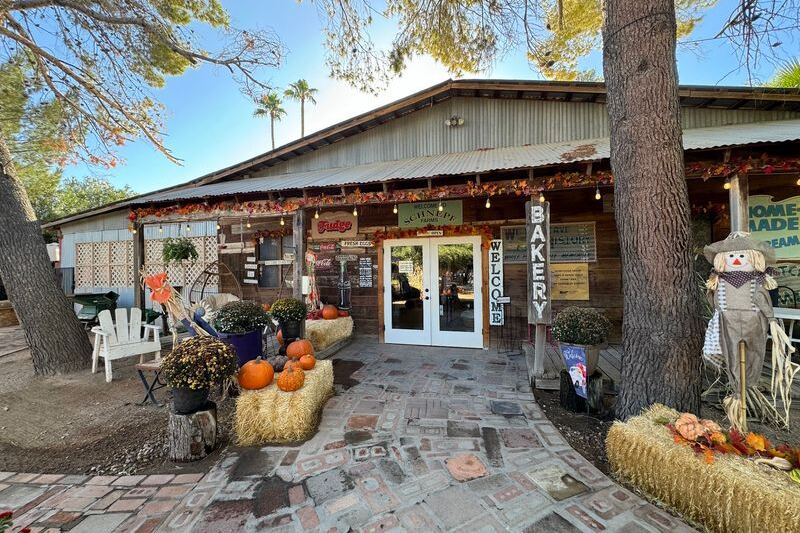
People have been growing food on one small patch of Tucson ground for about 4,100 years, and the tradition never really stopped. Today, orange, fig, and mulberry trees still produce fruit in a spot many locals have never heard of, even though it sits right at the foot of a famous peak.
The site works as a living museum, where each plot tells the story of a different group that farmed the Sonoran Desert. Entry is free, the volunteers love to talk, and the gift shop sells jams made from fruit grown a few steps away.
Keep reading to find out where this garden hides, what grows in its timeline plots, which events fill its calendar, and why its short morning hours matter for planning your trip.
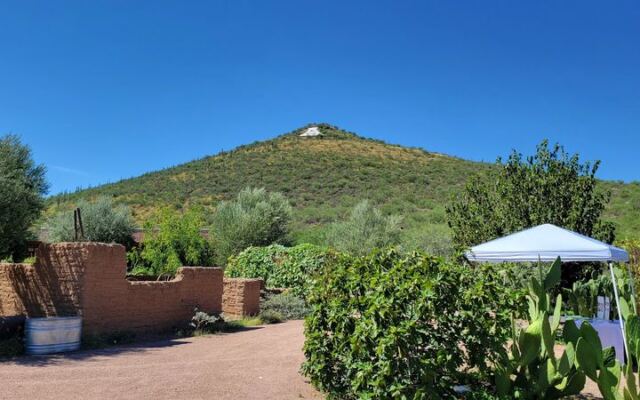
A Garden at the Base of Sentinel Peak
Tucson got its start right here, which makes this garden more than a pretty place to stroll.
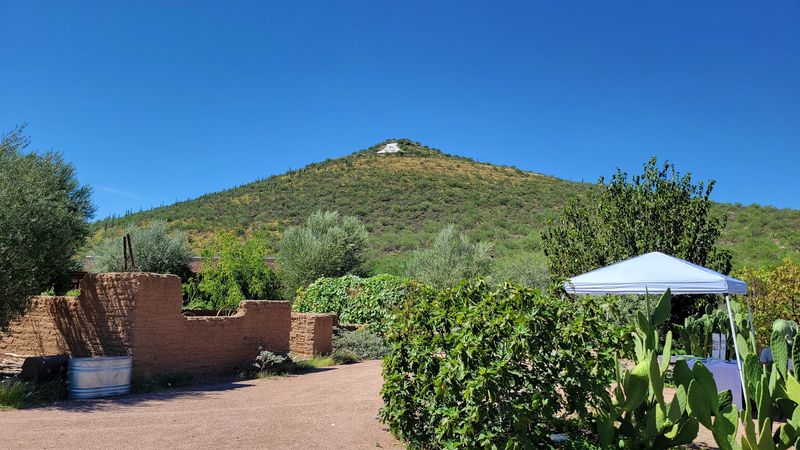
Mission Garden sits at 946 W Mission Ln, Tucson, AZ 85745, in the United States. The site rests at the base of Sentinel Peak, the landmark many residents simply call A Mountain.
It stands at the historic heart of what grew into the city. The garden is listed as a museum, though it is a living one, with plants in place of glass cases.
Many residents drive past without knowing it exists. Some people who live only a few miles away discover it years after moving to town, and they often wonder how it stayed so quiet for so long.
The address is easy to find, and the story behind it runs far deeper than the parking area suggests. That deep story is where the next section begins.
Four Thousand Years of Farming
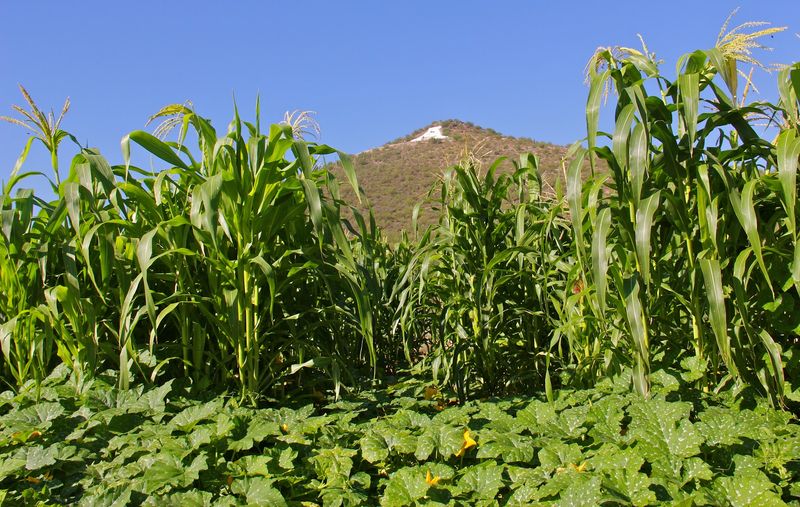
Here is a number worth remembering: 4,100.
Archaeologists have documented about 4,100 years of continuous cultivation at this site. That makes it one of the longest farmed spots anywhere in the region, and it gives the garden its purpose.
The old mission church that once stood nearby is gone. The farming tradition, however, carried on through the centuries in one form or another.
The garden asks a simple question that turns out to be fascinating. How did people feed themselves in a climate that seems so tough on crops?
Walking the grounds offers real answers. Each area shows which foods were grown, how they were planted, and which cultures brought them to the Tucson basin.
History buffs tend to linger. The site treats the past as something still growing, which feels fitting for a place that has never stopped producing food.
Thirteen Plots, One Timeline
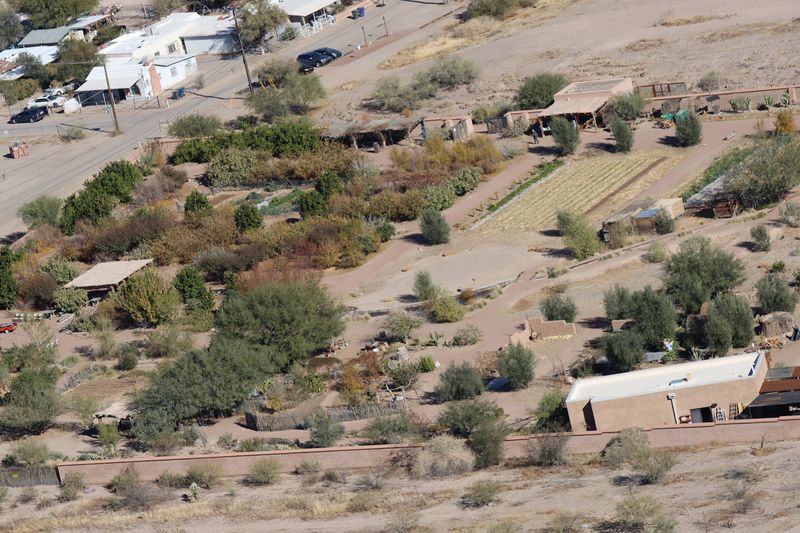
History books move page by page, while this garden moves plot by plot.
The almost five-acre site holds thirteen timeline plots. Each one represents a culture that farmed the Tucson basin over time, so a single loop covers thousands of years.
Some areas focus on native crops and farming methods. Others feature plants brought over by later settlers, including vegetables from different countries and food crops sown in the 1800s.
Pamphlet boxes stand at each garden space. Inside are laminated pages packed with details about that plot, its plants, and its people.
Readers who enjoy information can easily spend hours here. The garden rewards curiosity, and frequent return trips make sense because entry is free.
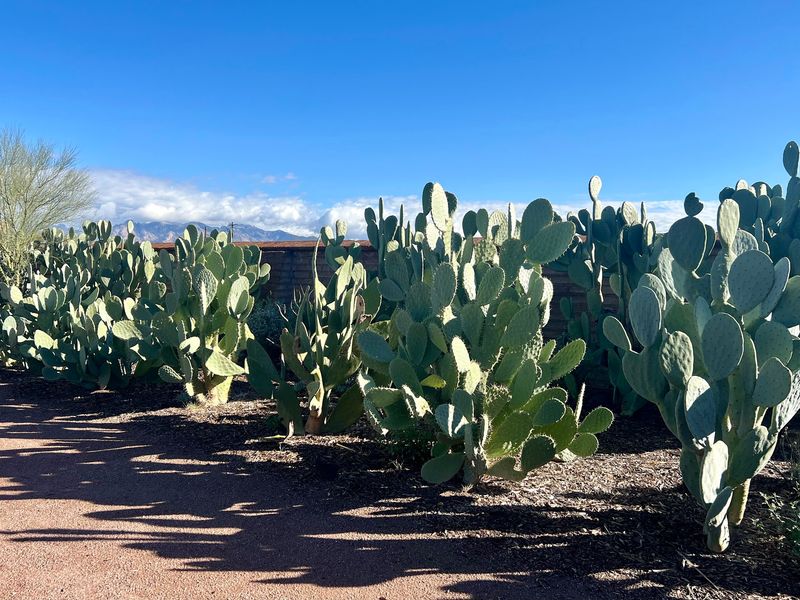
Winter leaves some plots quieter than others. Even then, plenty of native plants remain to study, and the timeline still reads clearly from one end to the other.
The Heritage Fruit Trees
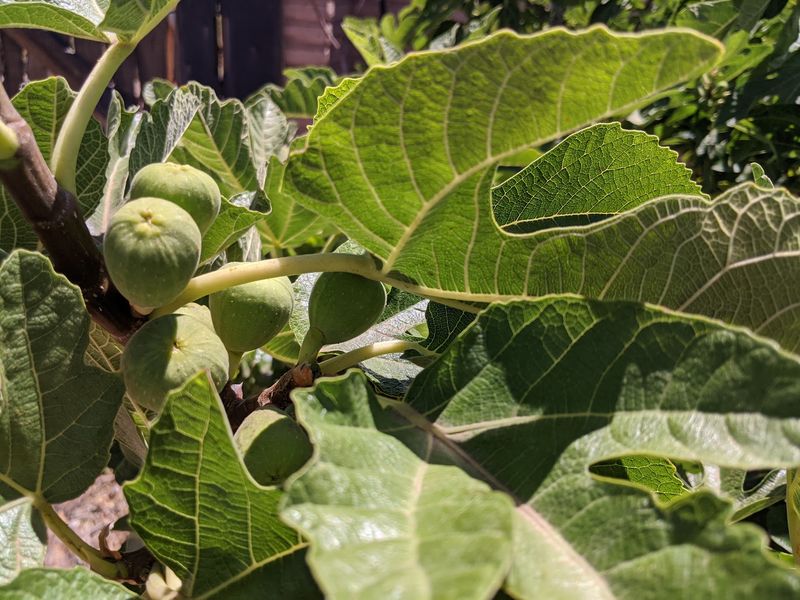
Fruit trees are the headliners, and they earn the billing.
Orange, fig, and mulberry trees produce fruit across the grounds. By late April, fruit often hangs on many of them, while tall hollyhocks add color nearby.
Citrus draws a lot of attention. In winter, the orange trees can be heavy with fruit, even when the vegetable beds look sparse.
On the first day of winter, many plants and trees are flowering or fruiting at once. That surprises people who assume desert gardens rest all season.
The trees are not just pretty. They connect directly to the story of which foods arrived in Tucson and how they adapted to the local climate.
Fresh figs are sometimes available to buy, so the harvest can leave with you. Talk about a souvenir with deep roots.
Volunteers Who Love to Chat
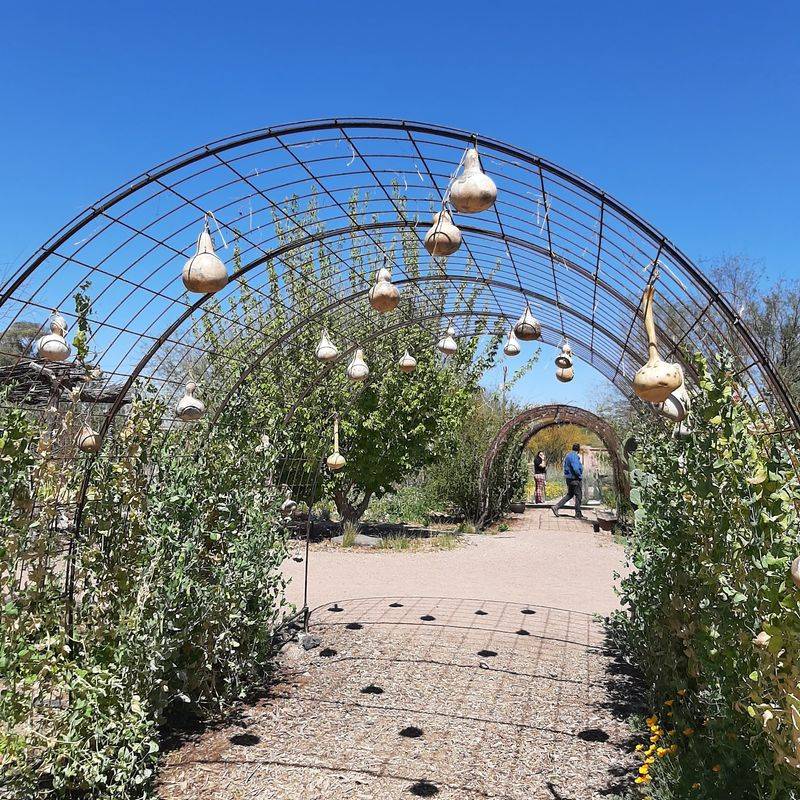
Ask one question here and you may get a delightful twenty-minute answer.
Volunteers are central to the garden’s character. They are welcoming and happy to talk about gardening, food, history, or nearly anything else that comes up.
Staff members are known as friendly, knowledgeable, and helpful. Docents also lead tours for those who want a guided look at the timeline plots.
The volunteer spirit reaches beyond guests. Locals can sign up to help in the gardens, and some families credit that time outdoors with real improvements in well-being.
That kind of community involvement shows in the grounds. The place feels cared for by people who genuinely enjoy being there.
For anyone curious about native plants, a chat with a volunteer might teach more than any sign. Just be ready to stay a little longer than planned.
Jams, Seeds and a Tiny Shop
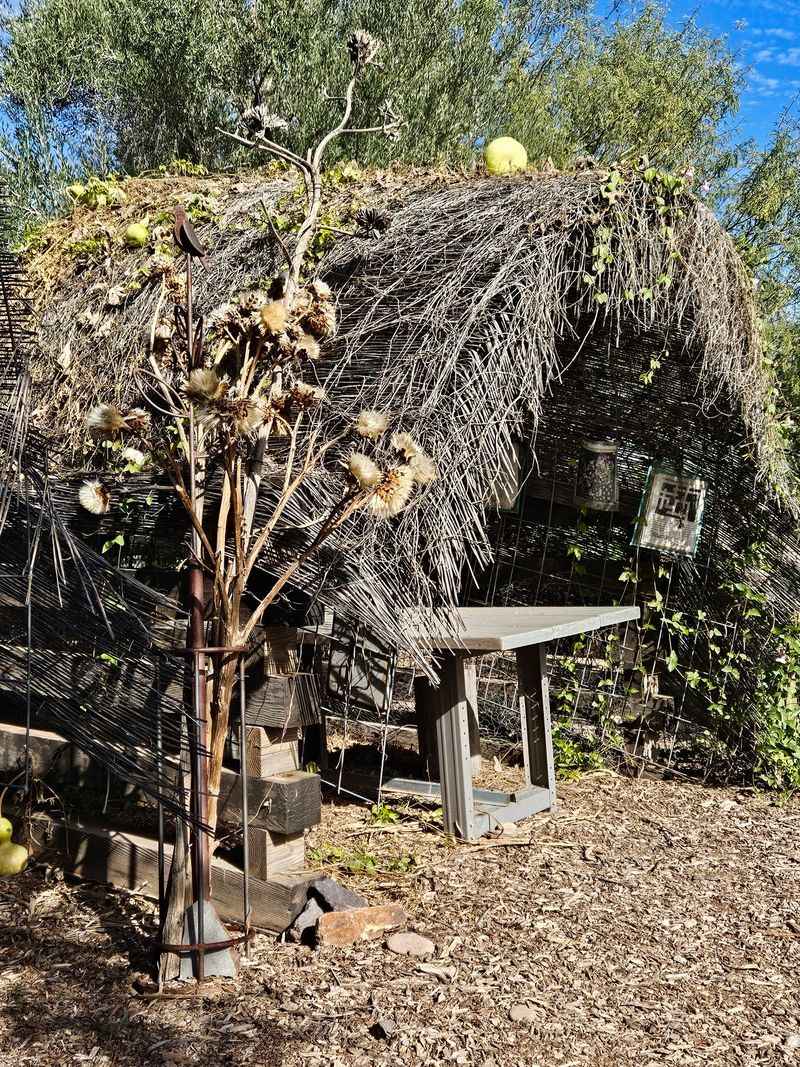
Small shop, big personality.
The gift shop carries a smartly curated mix of items. Cards, soaps, seeds, T-shirts, and books share shelf space with produce from the grounds.
The standout items are jams and jellies made from fruit grown right in the garden. Much of the stock is produced on site, which ties every purchase back to the plots outside.
Native beans are available too. So are wheat berries from the oldest variety in North America, a grain that was nearly wiped out in the 1940s.
Plants are sold near the entrance for home gardeners. The garden also has a presence at a nearby farmers market.
Every purchase supports the project. For a free attraction, that is an easy way to give back while taking home a jar of heritage fruit.
Festivals Through the Seasons
The calendar here keeps things lively all year.
A Taste of the Garden event takes place on the first Friday and Saturday of the month. It offers a chance to sample what the plots produce.
Seasonal highlights follow the harvest. Wheat and corn harvests take center stage in spring, along with the roasting of agave roots.
The winter solstice has featured a native ceremony, food, and arts and crafts made with materials from the garden. Chinese Lunar New Year and a Garlic Festival have also drawn crowds.
Classes, workshops, art and craft fairs, and bird watching tours round out the schedule. Youth performances appear on the program as well.
Big events can get crowded and warm. Those who prefer quiet may enjoy a regular morning instead, while festival fans will find plenty to fill a weekend.
Quiet Corners and Young Explorers
Peace is part of the program.
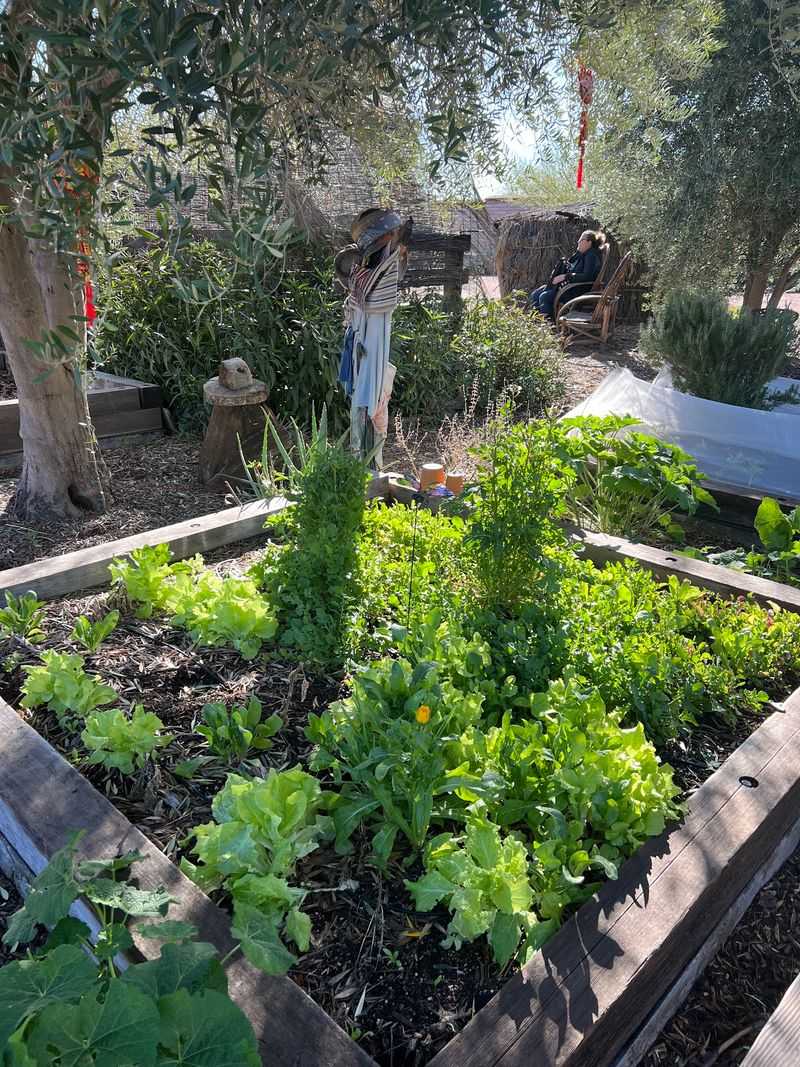
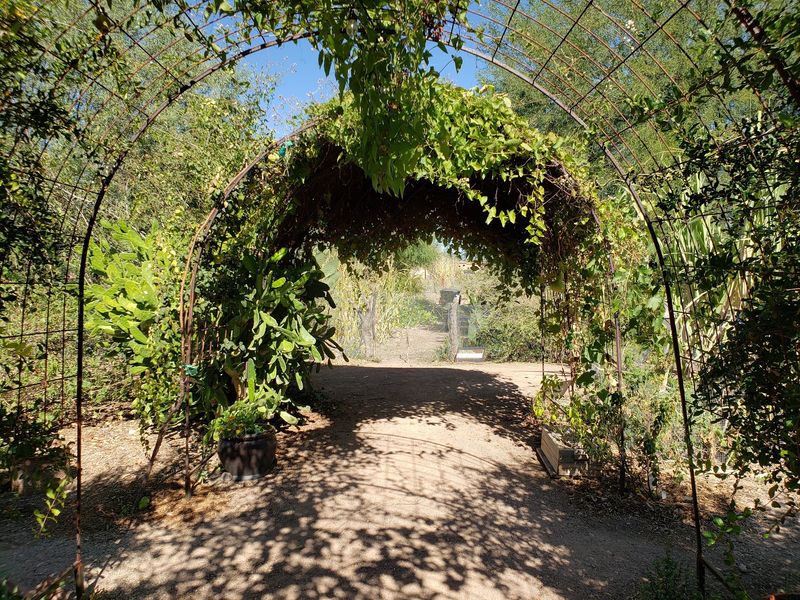
On most days the garden is not packed, and the atmosphere stays tranquil. It works well for a slow stroll or a picnic at one of the many small sitting areas.
The grounds are small and a little rumpled, in an inviting way. Nobody expects polished lawns here, and that suits the farming theme.
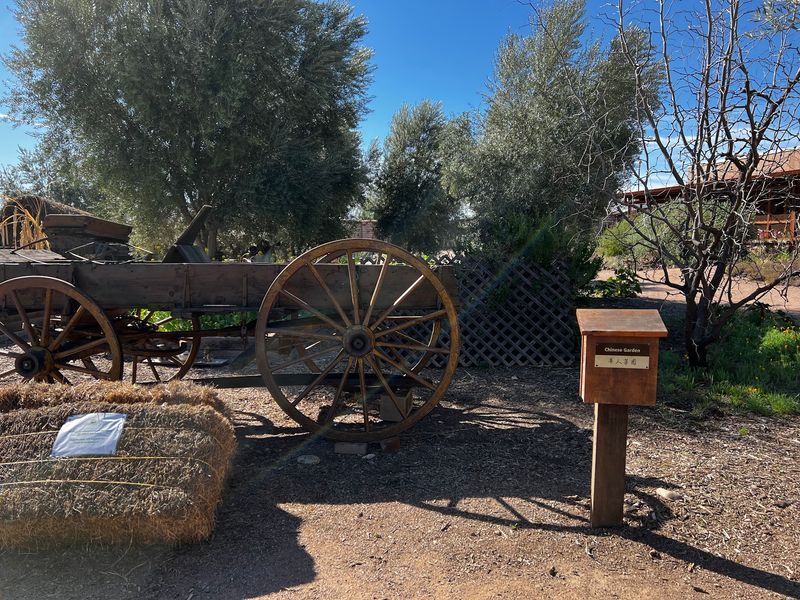
Kids get their own adventure. A Bookworm path features little mailboxes with books and activities at each garden space.
Families use the site to learn about planting and harvesting techniques together. Children and adults both come away knowing more about Tucson history.
Birds and other wildlife add to the scene, giving the place a touch of flora and fauna watching. It is a fine spot for locals and a solid alternative stop for travelers.
Morning Hours and Free Admission
Early birds win this one.
Mission Garden opens Wednesday through Sunday from 8 am to 12 pm. It is closed on Mondays and Tuesdays.
That short window catches many people off guard. Checking the schedule on the official website before heading out saves a wasted trip.
Admission is free. Donations are accepted, and a donation box helps keep the plots growing and the programs running.
Morning visits also make sense for desert weather. Arriving close to opening leaves plenty of time to explore all thirteen plots before noon.
Seasons change what is on display. A winter trip might mean heavy citrus, while spring brings harvests and fruit on the fig and mulberry trees, so repeat visits pay off.
Plan ahead, bring a little cash for the box, and the rest takes care of itself.
Why This Garden Deserves a Morning
Some attractions shout for attention, and this one simply keeps growing.
With a 4.7-star standing from more than 300 people, the garden clearly leaves a strong impression. Most who come plan to return and see it in another season.
It offers history, education, fruit trees, and friendly faces in a compact, walkable space. The price of admission is zero, which is hard to argue with.
It suits gardening fans, history lovers, families, and anyone curious about how people fed themselves in the desert. Quiet seekers will find calm on regular mornings.
Supporting it is easy through donations, shop purchases, or volunteering. Each helps keep a 4,100-year tradition alive.
Arrive early, ask questions, and leave with a jar of jam. The oldest farm in Tucson still has plenty to share.
Share this story