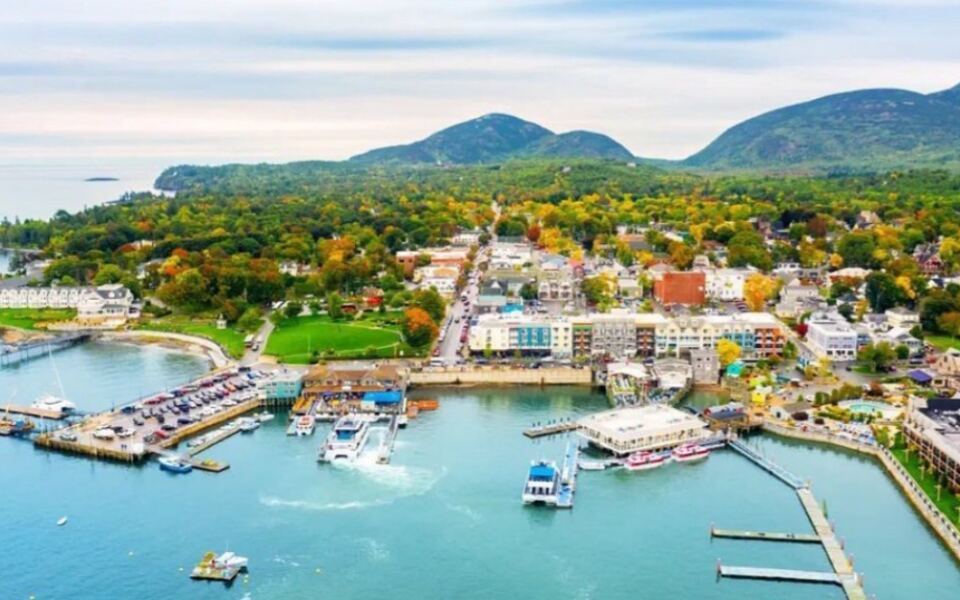
Some of America’s prettiest towns are asking visitors to slow down, and a few have even closed roads to make their point. Fall photo crowds, cruise ships, ski seasons, and national park traffic have pushed small communities to their limits.
Housing, parking, and quiet streets are all part of the story. This list visits 23 places where residents are working out how to share home with millions of guests.
Reading it can help you plan a trip that locals actually appreciate.
Pomfret, Vermont
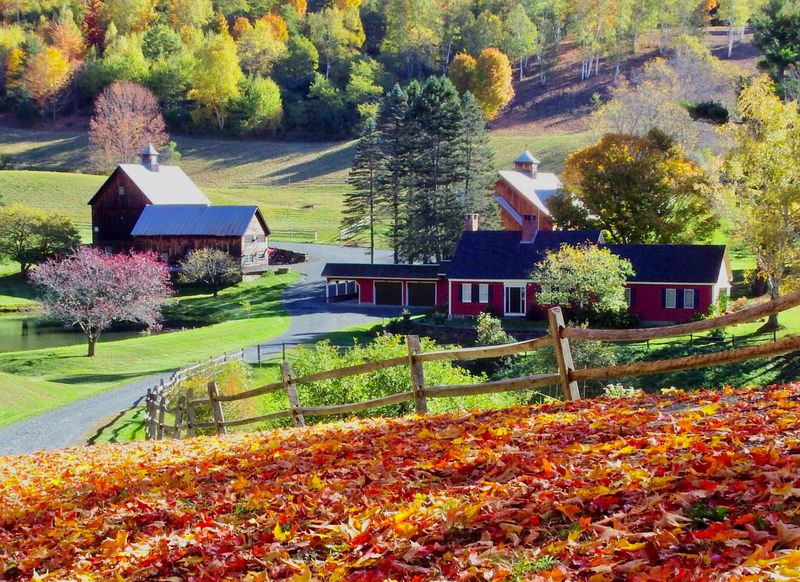
Cloudland Road may be the only place on this list where the welcome mat comes with a road closure. Social media made the farm country around Pomfret a favorite fall photo spot, and the rural roads were never built for that kind of crowd.
Residents dealt with blocked roads, trespassing, and people wandering onto private land. During peak foliage season, Cloudland Road has been closed to non-local vehicles because tourist traffic was affecting homes along it.
The lesson is simple. A pretty view is not a public park, and a farm is not a photo set.
If you want fall color in Vermont, check local notices before you go, keep your car on open roads, and never step onto land that is not clearly open to visitors.
Plenty of other Vermont routes offer foliage without the pressure. Choosing one of those is a kind gesture to neighbors who just want to get home.
Pomfret shows how quickly a quiet lane can become a traffic jam once a photo goes viral.
Carmel-by-the-Sea, California
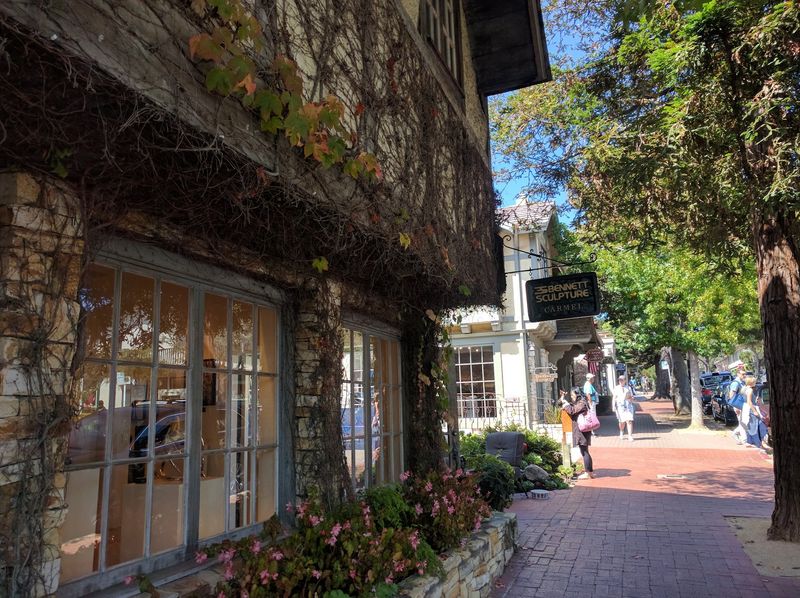
After Highway 1 fully reopened, visitors came rushing back to Carmel, and the little village felt it right away. Residents pointed to congestion, scarce parking, and crowded streets in a place only about a square mile in size.
The conversation grew serious enough that city officials discussed cutting back tourism marketing and studying better ways to manage visitors.
Nobody is shutting the gates, because tourism pays a large share of the bills here. Still, the new focus on visitor management shows that endless growth is no longer cheered by everyone.
If you go, plan to park farther out and walk in. Weekdays and off-peak hours give you more breathing room, and you will likely have an easier time finding a spot.
Treat the residential lanes like the neighborhoods they are, and leave the cottages to the people who live in them.
Moab, Utah
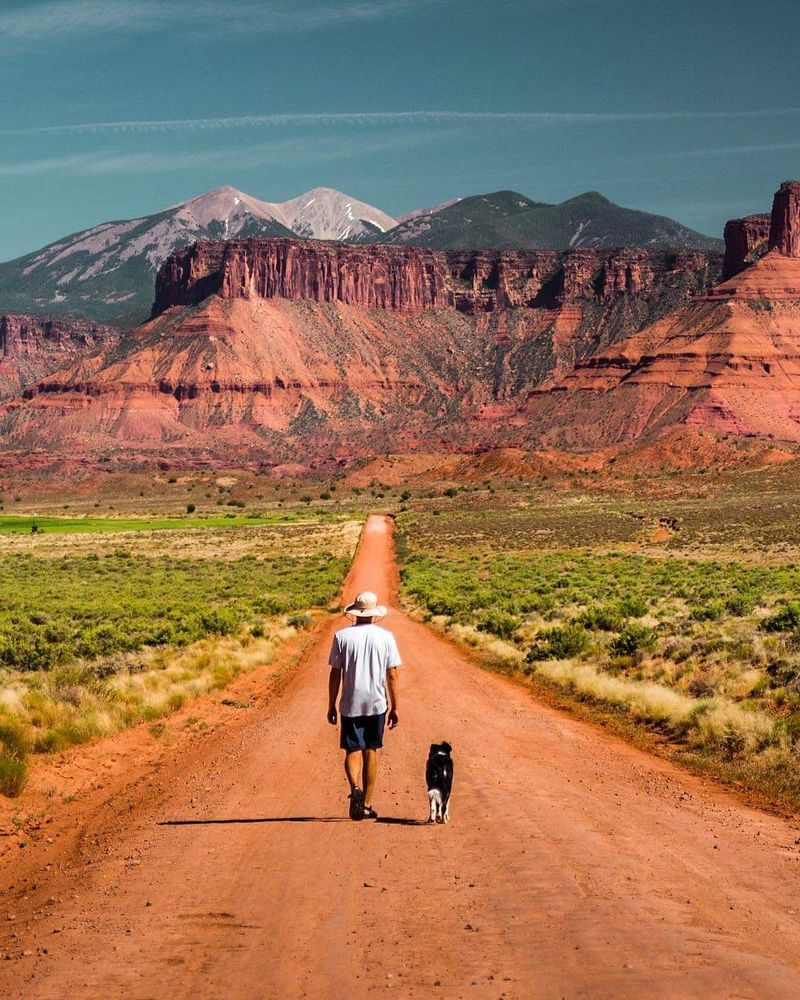
Moab owes its economy to Arches and Canyonlands, yet that success has worn on the people who live there. Utah tourism research has recorded local concerns about traffic, full grocery stores, crowded trails, and strain on emergency services.
Housing is also tight, and noisy recreational vehicles are a regular complaint. Some residents have said the town gets more visitors than its infrastructure can comfortably handle.
Visitors are still welcome. Just know that a spring or fall weekend brings long waits and busy roads.
Book lodging and meals early, and start park visits at sunrise to dodge the worst lines. Shop locally, keep your noise down in neighborhoods, and give yourself extra time for everything.
Moab rewards patient travelers, and locals tend to notice who is being considerate when another wave of vacation traffic rolls in.
Park City, Utah
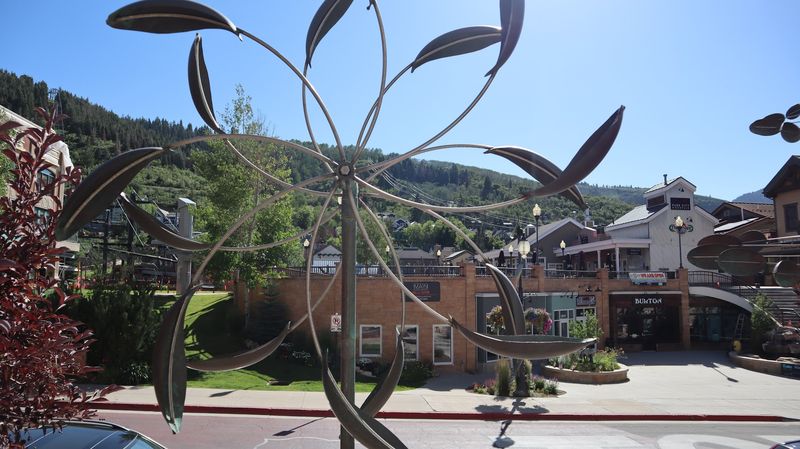
Ski runs, Sundance, mountain bike trails, and a postcard Main Street make Park City a busy place. Those same attractions put steady pressure on the town.
Resident surveys have turned up repeated complaints about traffic gridlock, limited parking, crowded trails, packed ski areas, and hard-to-get restaurant reservations. Housing prices are another big worry, since they push workers out of town.
Some respondents say there are simply more visitors than local infrastructure can handle during peak times.
Park City wants tourism, but holiday ski weeks and major events can leave a community with little patience for careless behavior. Plan ahead with parking and shuttle options, reserve tables early, and share the trails politely.
A midweek visit in a shoulder season is far calmer and often easier on your wallet too.
Sedona, Arizona
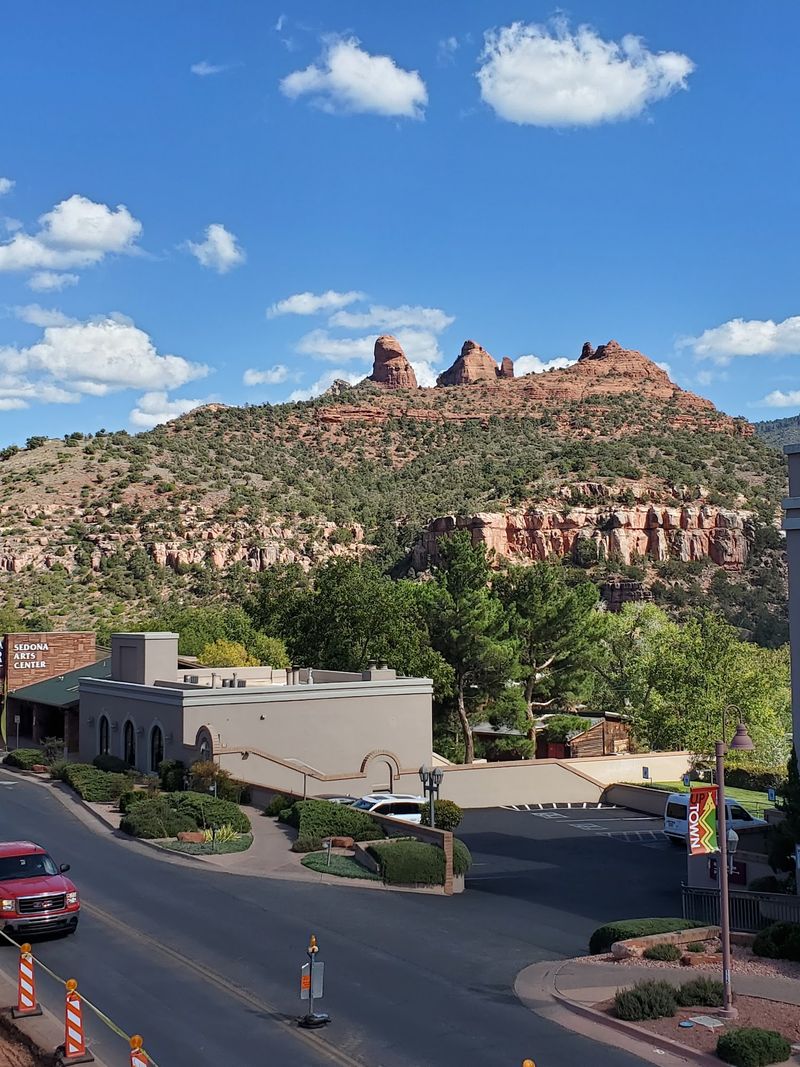
Millions of people come to Sedona for red rocks, hiking, wellness retreats, and its spiritual reputation. That popularity has brought real congestion, especially near trailheads.
The city responded with shuttle services and other transportation options meant to cut the number of cars heading toward popular hiking areas.
For residents, a simple errand can collide with vacation traffic. Visitors are not banned, but Sedona increasingly asks travelers to leave the car behind, respect neighborhoods, and accept that no scenic road or trailhead can hold unlimited traffic.
If you visit, look into the shuttle first and pick less famous trails when you can. Arrive early, stay on marked paths, and avoid parking on residential streets.
A little planning keeps the scenery enjoyable for you and keeps the town running for the people who call it home.
Springdale, Utah
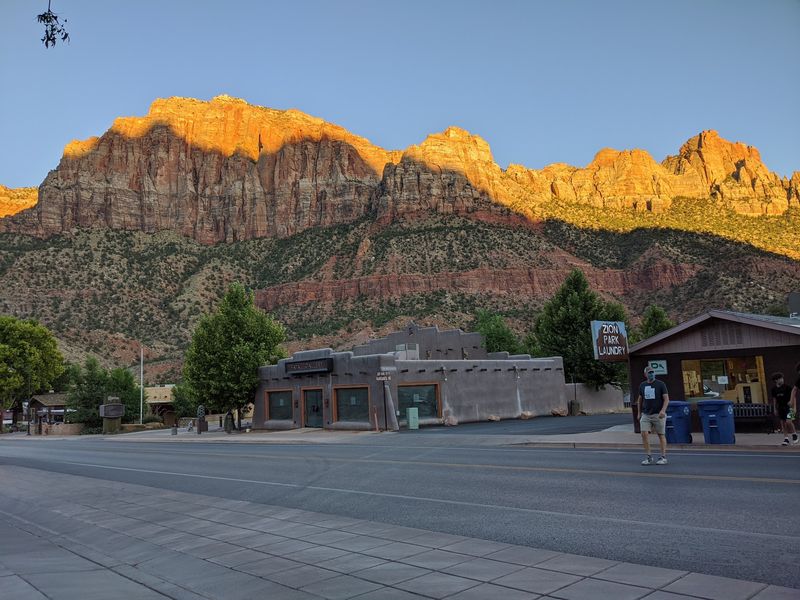
Roughly 500 residents, millions of Zion visitors: that gap explains almost everything about Springdale. The town sits right at the park entrance, and the numbers pass through it every year.
The National Park Service has warned travelers about heavy traffic in town, long shuttle waits, entrance closures, and packed facilities during major holiday periods.
The shuttle system helps a great deal. Springdale has built much of its transportation around controlling tourist congestion, so driving everywhere during peak season usually backfires.
Use the town shuttle, check park alerts before heading out, and give yourself extra time at holidays. Early mornings and late afternoons are generally less crowded.
Treat Springdale like a small community that happens to share a world-famous neighbor, because that is exactly what it is.
Telluride, Colorado
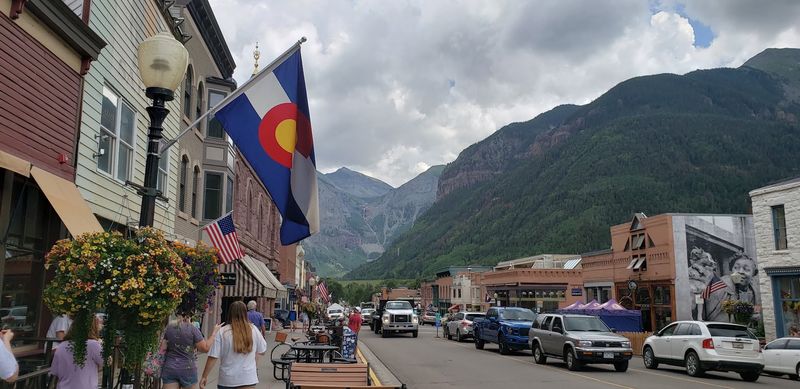
Squeezed into a narrow box canyon, Telluride packs ski tourism, festivals, luxury real estate, and sharp mountain views into very little space.
Researchers have studied overtourism here and tied the visitor economy to housing shortages, worker displacement, and labor problems. The town now operates hundreds of housing spaces meant to keep local employees in the community.
The tension is less about residents turning away tourists and more about what happens when a place becomes easier to visit than to live in.
During festival weeks and holiday periods, that is hard to miss. Visitors can help by booking early, using the free gondola between town and Mountain Village, and being kind to the service workers who keep everything running.
Many of them commute long distances or rely on subsidized housing.
Lake Placid, New York
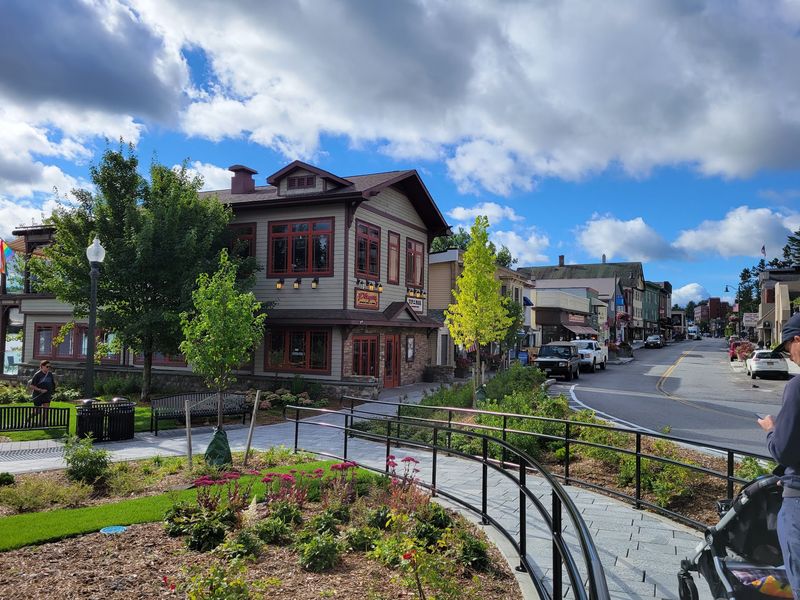
Lake Placid has hosted vacationers for well over a century, so tourism itself is nothing new. Short-term rentals are what stirred up a fresh debate.
Residents have worried about vacation rentals replacing permanent neighbors, changing residential streets, adding noise, and shrinking the supply of year-round housing.
Community studies have focused heavily on rental regulation and neighborhood preservation.
Hotels, restaurants, Olympic attractions, and trails still fill up with guests, but residential areas are increasingly treated as places that need protection. If you book a rental, read the local rules, keep noise down, and park where you are supposed to.
Choosing a hotel or a licensed lodging option is another easy way to support the town without adding strain to its housing market.
Stowe, Vermont
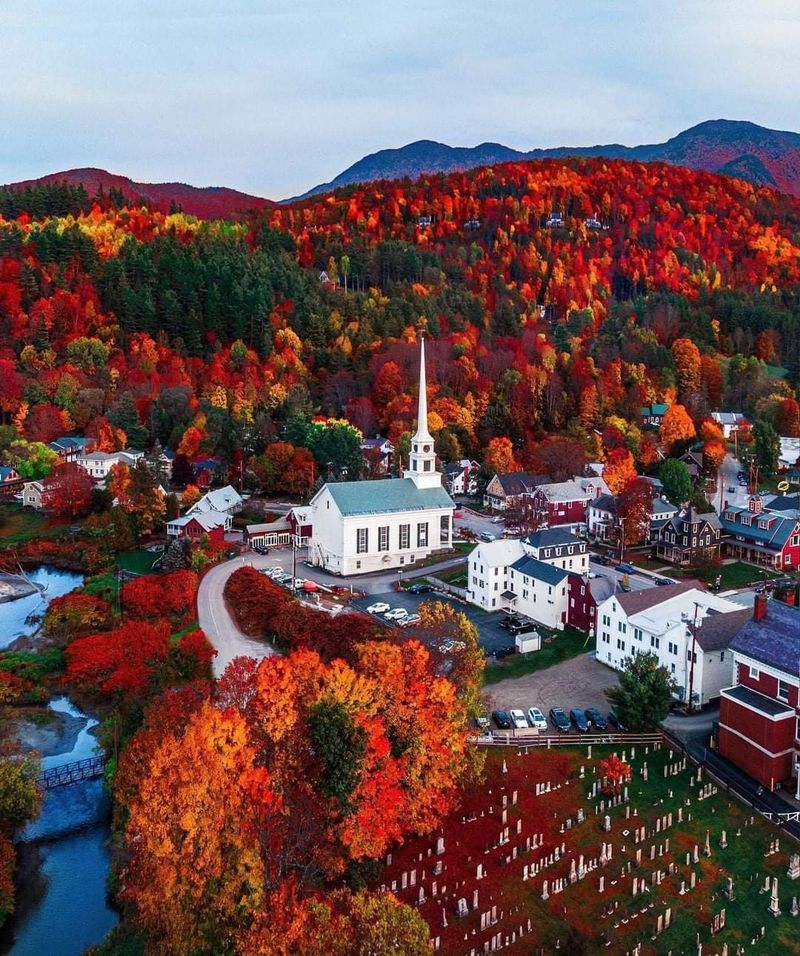
One traveler reported spending 17 minutes to go just 0.4 miles in Stowe during October. That single number says plenty about leaf-peeping season.
Visitors and workers reported severe traffic, scarce parking, long lines, and huge demand for lodging. Few New England towns sell autumn as well as Stowe, and the crowds follow.
For residents trying to work, shop, or simply move through town, the season can turn ordinary routines into headaches.
Come during a quieter stretch and the town feels very different. If you must visit on a peak October weekend, start early, carpool, and keep your expectations flexible.
A little patience goes a long way when everyone is chasing the same view on the same road.
Bar Harbor, Maine
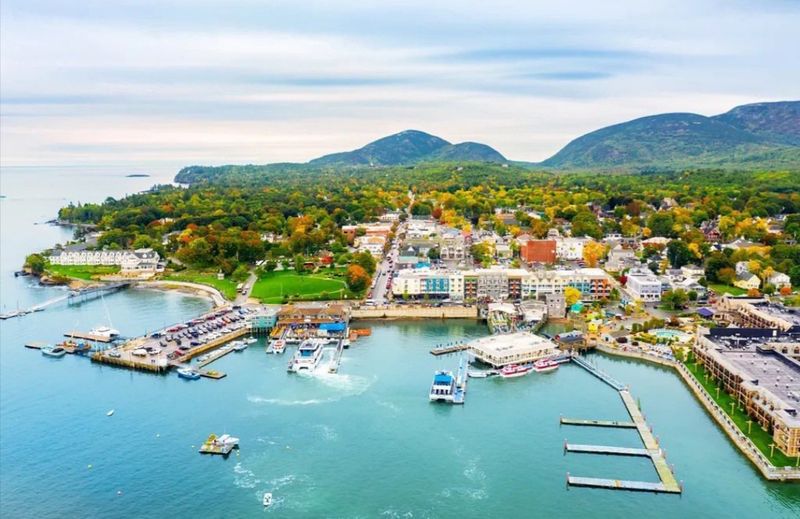
Few towns have voted on how many cruise passengers should be allowed to step ashore. Bar Harbor did, and the answer made national headlines.
The town sits beside Acadia National Park, and residents supported limits on the number of cruise visitors who can disembark each day. It became one of America’s best-known debates over whether tourism can go too far.
Hotels, restaurants, and tour operators remain central to the local economy, and land-based visitors still arrive in huge numbers.
The cruise limits send a clear message: tourism is valuable, but not every extra visitor improves the community. If you plan a trip, book Acadia timed entries early, try the free Island Explorer shuttle, and consider visiting outside midsummer when streets are less packed.
Provincetown, Massachusetts
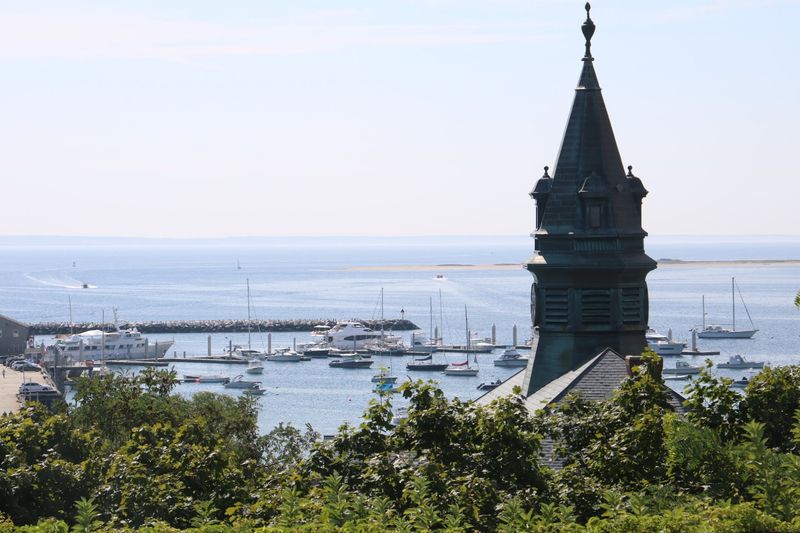
Visit Provincetown in February, then again on a July weekend, and you might think you went to two different towns. Summer swells the population dramatically.
Commercial Street fills with pedestrians and restaurants get packed. At the same time, housing has to stretch across permanent residents, visitors, seasonal workers, and vacation homeowners.
Research commissioned around Provincetown has specifically looked at short-term rentals because of concerns over keeping year-round housing available.
The town is famously welcoming, and tourism is a core part of its identity. Still, a little courtesy matters.
Walk instead of driving where you can, be patient in lines, and consider a shoulder-season trip when the pace is easier. Workers and residents will appreciate the extra elbow room as much as you will.
Nantucket, Massachusetts
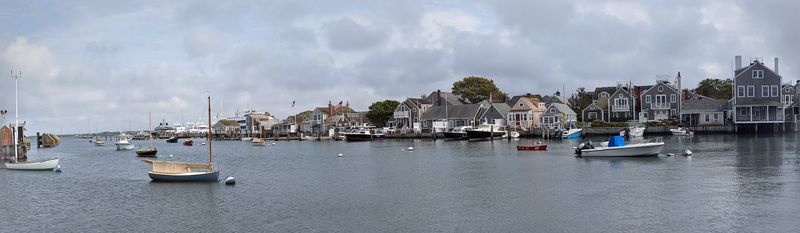
Nantucket has approximately 14,000 year-round residents, but its population swells by tens of thousands during the summer months, according to research conducted on the island.
Vacation rentals and seasonal homes compete with permanent housing, which puts real pressure on workers and families trying to stay.
Visitors who spend money are crucial to the island economy, yet their presence also helps create one of the country’s sharpest examples of a tourism-driven housing squeeze.
Respect for residential areas goes a long way here. Stay on public paths, keep beach rules in mind, and avoid treating private lanes like sightseeing stops.
Booking a trip outside peak weeks can also ease the strain. Nantucket still welcomes guests, but it works best when visitors remember that real neighborhoods sit behind the postcard views.
Edgartown, Massachusetts
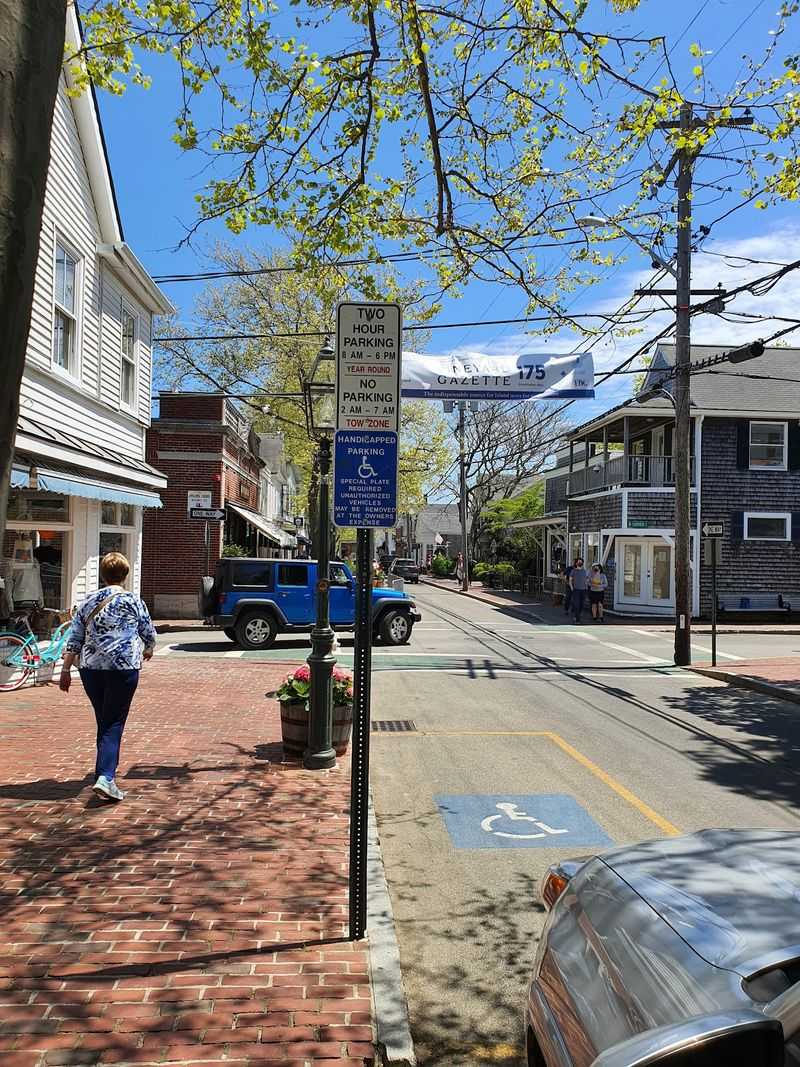
Some Vineyard tenants have to move out of winter rentals when summer arrives, so their homes can be rented to visitors at much higher prices. That detail comes from the state’s own housing analysis.
Edgartown is one of the most popular bases on Martha’s Vineyard, and summer tourism changes housing demand across the island. Permanent residents compete with vacation renters, second-home buyers, and investors.
None of this means locals dislike vacationers. Tourism supports the island and many jobs.
But the housing consequences explain why residents can feel conflicted as another summer crowd rolls in. As a guest, be gracious with service workers, follow parking rules, and respect private property around the historic streets.
Visiting in late spring or early fall can spread out the crowds a bit.
Mackinac Island, Michigan
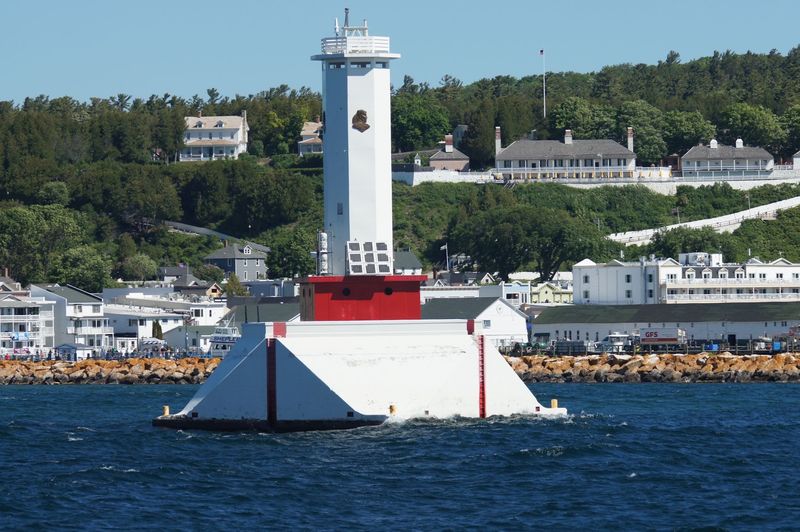
No cars are allowed on Mackinac Island, yet downtown can still feel jammed. Bicycles, walkers, and horse-drawn vehicles all share the same compact streets.
The island tourism bureau says tens of thousands of bicycles are licensed each year, largely because of visitors. It also warns travelers about crowded downtown streets.
The rules are part of island life rather than anti-tourist measures.
Still, visitors who ignore bike etiquette, stop suddenly in traffic, or treat the horses like props are unlikely to win over locals. Keep to the right, signal before stopping, and give horses plenty of room.
Visiting on a weekday or outside the busiest summer weeks can make the island far more relaxed for everyone.
Chincoteague, Virginia
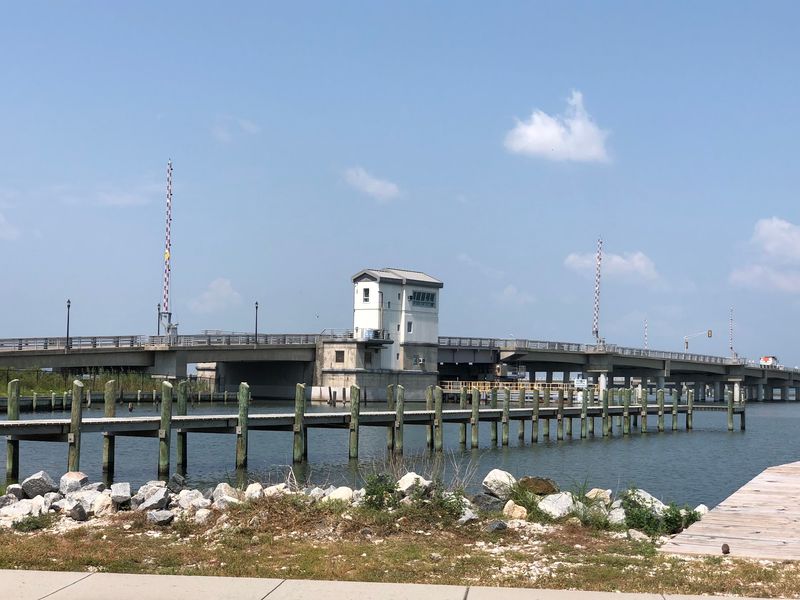
About 50,000 people may show up for the Pony Swim, according to official visitor information. For a barrier-island town, that is a sea of people.
Shuttle systems get overwhelmed, and waits can be substantial as huge numbers of spectators try to leave at once.
Locals are used to tourism, and the ponies are central to the island’s identity. Still, narrow roads, parking, businesses, and residents all feel the pressure.
Anyone expecting effortless small-town calm during Pony Swim week may be surprised. Plan well ahead for lodging, follow shuttle guidance, bring patience, and expect long lines at the end of the day.
If crowds are not your thing, visit another time of year when the ponies and beaches are easier to enjoy.
Gatlinburg, Tennessee
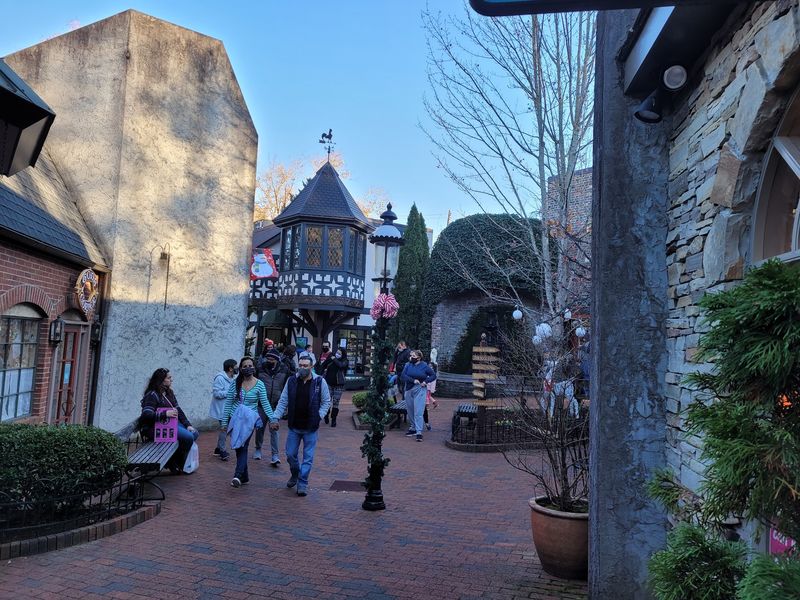
Great Smoky Mountains National Park is the busiest in America, and Gatlinburg sits right at its door. Nearly everything in town reflects that fact.
On holiday weekends, during fall color season, and over school breaks, traffic can slow to a crawl on a limited road network. Sidewalks, restaurants, attractions, and parking lots all fill up.
Tourism is the economic engine here, so this is not a community trying to get rid of visitors.
Still, residents and workers deal with the congestion every day. Park once and walk, use the trolley when possible, and watch for pedestrians.
Visiting midweek or in a quieter month can make the whole trip smoother for you and for the people who live there.
Leavenworth, Washington
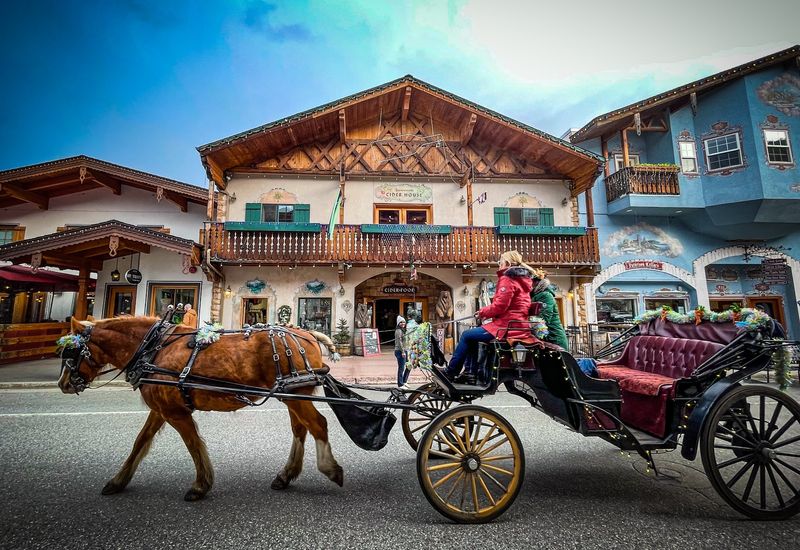
Leavenworth once needed saving, and a Bavarian makeover did the job. The change eventually made it one of Washington’s most recognized destinations.
Today the Christmas lights, Oktoberfest events, mountain scenery, and storybook buildings pull big crowds into a small downtown.
The irony is plain. The visitor economy is so successful that holiday weekends can feel more like a festival ground than a quiet mountain community.
Residents still rely on visitors, but guests who block streets, wander onto private property, or treat the whole town like a theme park can wear out their welcome fast. Arrive early, park where signs allow, and think about a weekday visit.
The town looks just as charming with fewer people in it.
Helen, Georgia
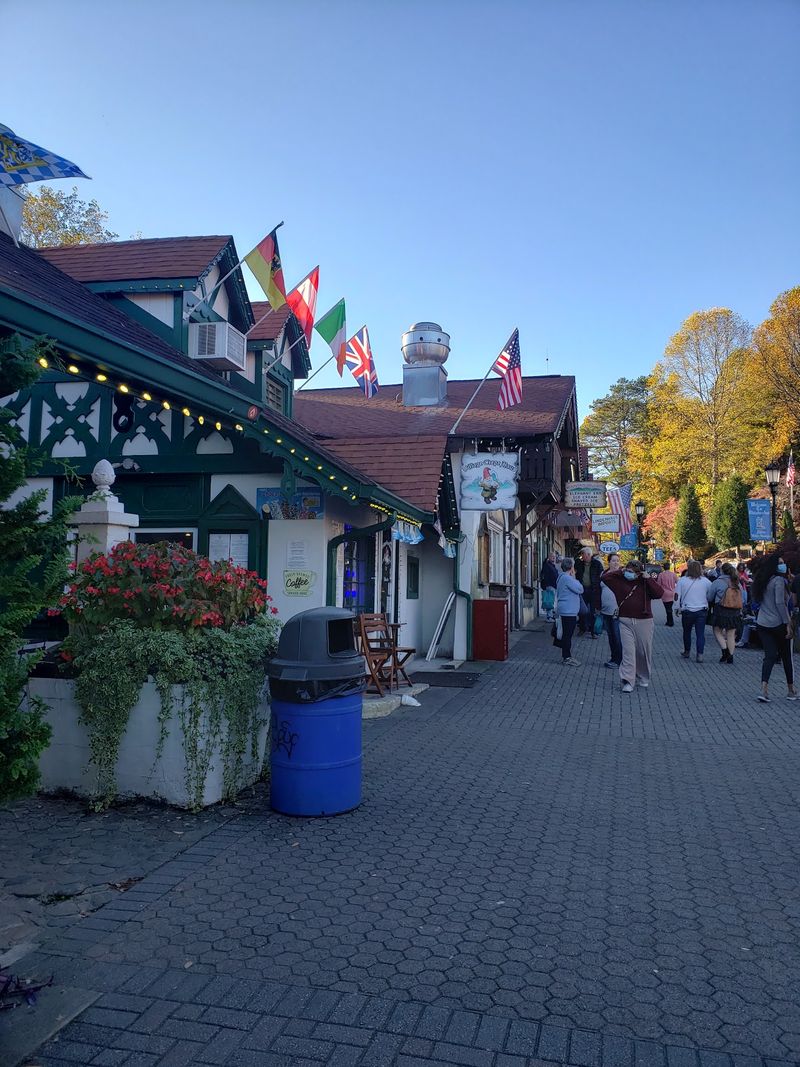
Only a few blocks long, downtown Helen packs in a lot of Alpine charm. The tiny north Georgia town reinvented itself with Alpine-style buildings and became a major tourism draw.
Oktoberfest and peak fall weekends bring extraordinary crowds into that small footprint.
Visitor guides warn that parking can fill early and restaurants can have long waits on peak October Saturdays.
Tourism keeps Helen thriving, but residents also have to live inside one of Georgia’s busiest vacation spots. Coming midweek or outside festival season gives you a more relaxed visit.
If you do come on a big weekend, arrive early, be flexible about meals, and treat the neighborhoods beyond the main strip with care.
Jackson, Wyoming
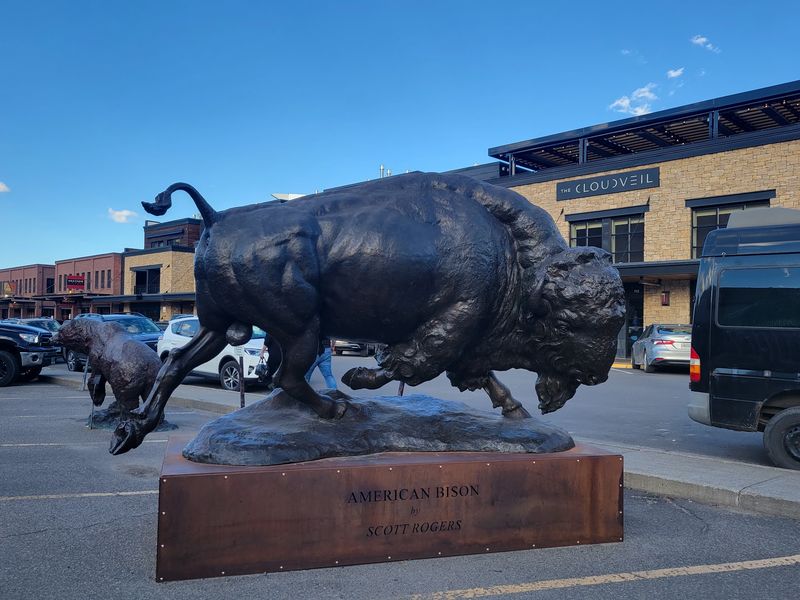
Grand Teton and Yellowstone sit close by, and Jackson serves as the gateway to both. Add wealthy second homeowners and a major ski economy, and the town gets squeezed.
The result is a serious housing affordability problem familiar in resort towns across America. Workers can end up living far from the community they serve.
Meanwhile, seasonal traffic crowds roads, restaurants, and public spaces.
Jackson still markets itself eagerly to travelers, yet its struggle shows a pattern seen throughout this list. Tourism can make a place prosperous while making it harder for ordinary residents to stay.
As a visitor, tip well, be patient with service, and consider staying in lodging that supports the local economy rather than adding more pressure on housing.
Aspen, Colorado
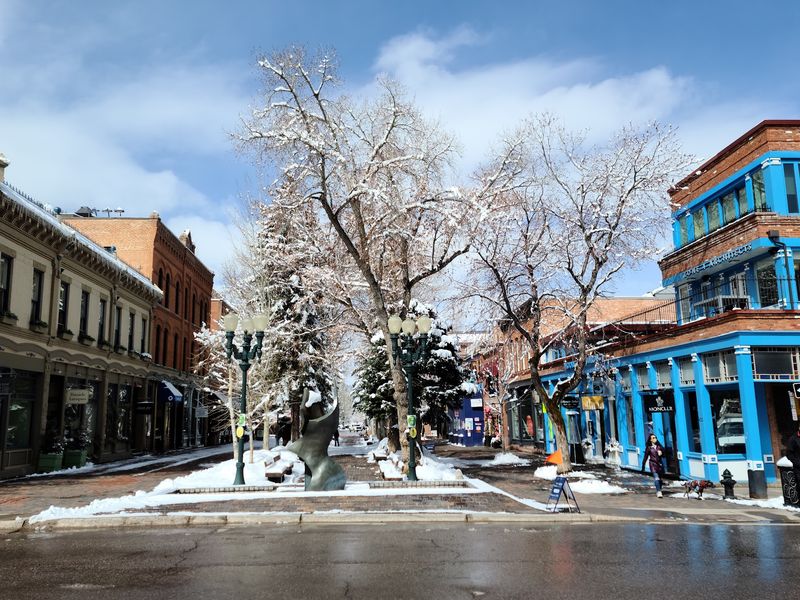
More than one million visitors came to Aspen in 2025, according to the Aspen Chamber Resort Association, bringing billions of dollars in economic activity.
Those are big numbers for a small mountain community, and they explain why Aspen’s relationship with tourism is so intense.
Restaurants, ski areas, lodging, and luxury shops all rely on visitors. Local workers, meanwhile, face the familiar resort-town challenge of trying to live in an extremely expensive real estate market.
Aspen clearly welcomes tourists. Acting as though the town exists only as a luxury playground is another matter.
Be kind to the people serving you, use public transit where you can, and remember that real neighborhoods sit beneath the mountain glamour.
South Lake Tahoe, California
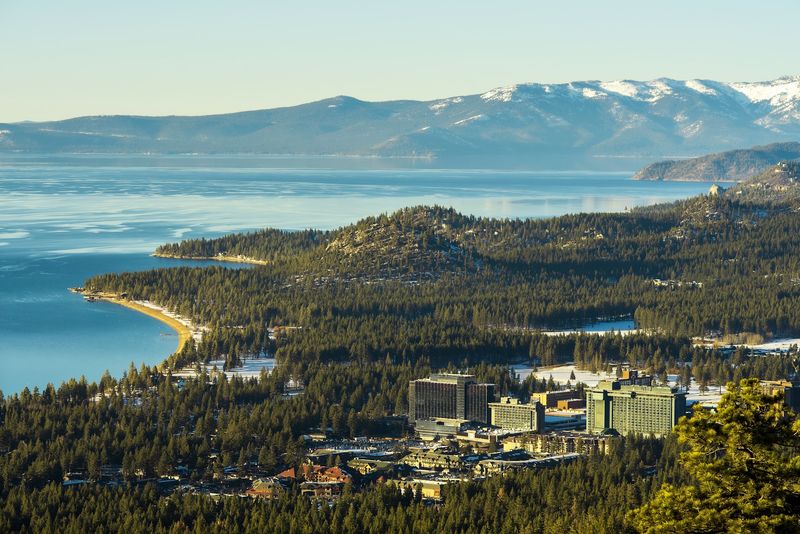
Years of enormous popularity have forced Lake Tahoe to deal with the fallout. Peak summer weekends, ski holidays, and big events can bring heavy traffic, crowded beaches, and packed trails.
Trash and vacation rental conflicts add to the list. Residential communities around the lake have pushed for tighter rules on short-term rentals and visitor behavior.
The message to travelers is increasingly clear: enjoy Tahoe, but do not treat residential streets, beaches, and forests as consequence-free parts of a resort.
Pack out your trash, follow parking rules, and know the local rental regulations before booking. Visiting on a weekday or in a shoulder season helps too.
Responsible tourism is now a necessity at Tahoe, not just good manners.
Key West, Florida
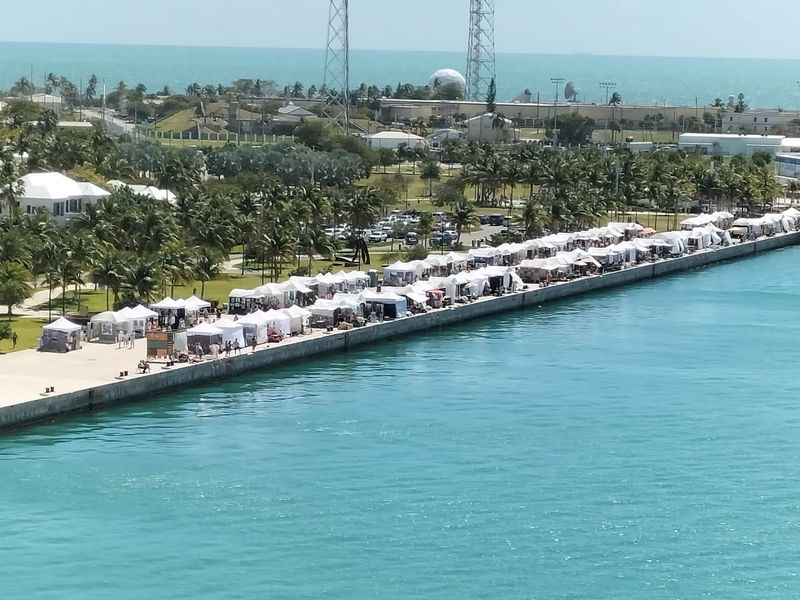
Key West is only about four miles long, and it handles cruise ships, spring-break crowds, day visitors, and nightlife in that tiny space.
Tourism brings huge economic benefits. It also puts steady pressure on streets and public spaces.
Residents have repeatedly debated cruise-ship size and passenger numbers, which shows that not everyone believes maximizing visitation should be the city’s goal.
Key West remains an openly vacation-minded island. But visitors who wander beyond Duval Street quickly learn that thousands of people also call it home.
Walk or bike instead of driving, be quiet on residential blocks, and try a stay outside peak season to get a calmer sense of the island.
Hāna, Hawaii
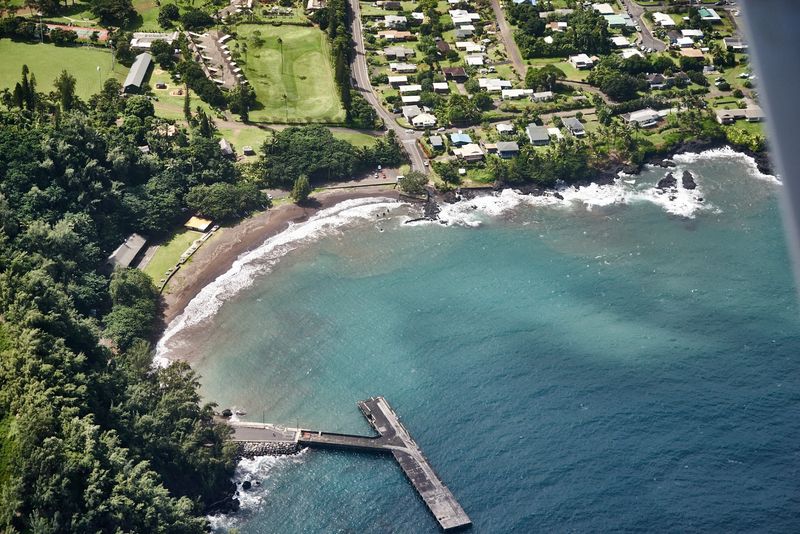
The drive along the Road to Hāna looks like a sightseeing route, but it runs straight through people’s neighborhoods. Small communities, farms, homes, and culturally significant landscapes line the way.
Travelers are repeatedly asked to use designated parking, stay off private property, avoid blocking driveways, and let faster local traffic pass.
That last request matters more than it sounds, since many residents are simply driving to work, school, or the store.
Roadside communities are not exhibits. Start early, take your time, and buy snacks or meals from local businesses rather than stopping at random private spots.
Hāna is a good reminder of the difference between being a visitor and treating someone’s home like an attraction.
Share this story