There is something quietly unsettling about a place that was once full of life but now sits completely empty. Calendars still hang on walls, cups sit on tables, and storefronts hold merchandise that nobody ever came back to collect.
These places were not slowly wound down or carefully packed up. They were left mid-sentence, as if the whole world simply pressed pause and forgot to press play again.
From Arctic mining towns to desert ghost cities, from mountain villages to abandoned island communities, each location on this list has its own story about why the people left and what they left behind. Some emptied because of economic collapse, others because of war, natural disaster, or changing transportation routes.
What they all share is that frozen, mid-moment quality that makes visiting them feel less like a history lesson and more like accidentally walking through someone else’s memory.
1. Rhyolite Historic Area, Beatty, Nevada
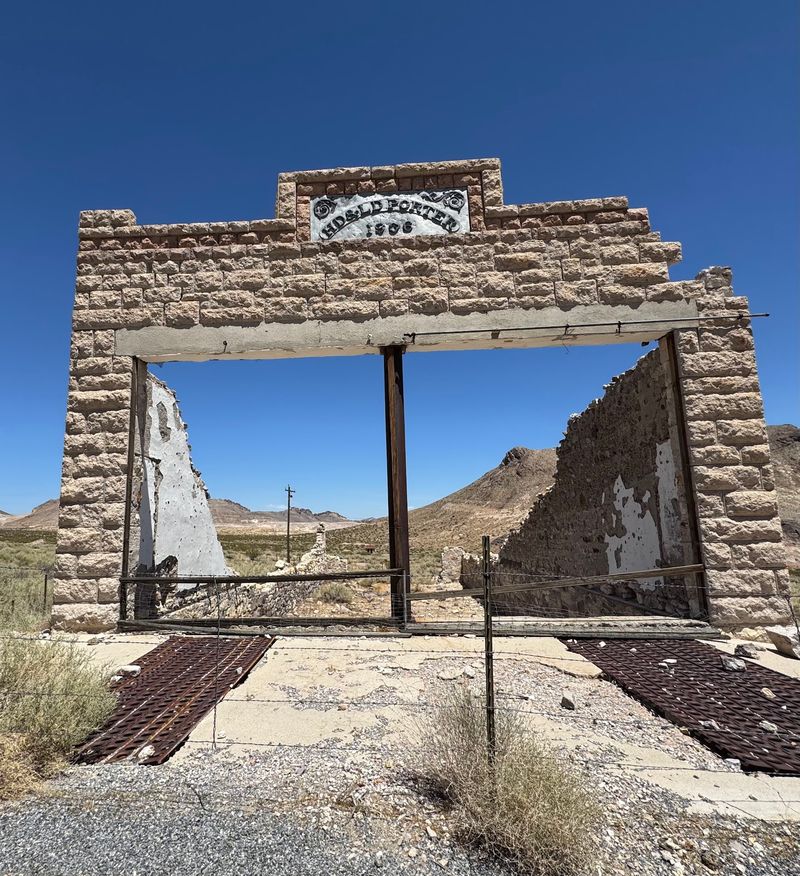
From two tents in 1904 to a population of 10,000 by 1907, Rhyolite grew faster than almost any other Nevada mining town. When the money ran out, it emptied just as quickly.
The Cook Bank Building remains the most photographed ruin on the site. A nearby bottle house, built entirely from glass bottles, also survives.
The Bureau of Land Management maintains the area for day use.
2. Kennecott Mines National Historic Landmark, McCarthy, Alaska
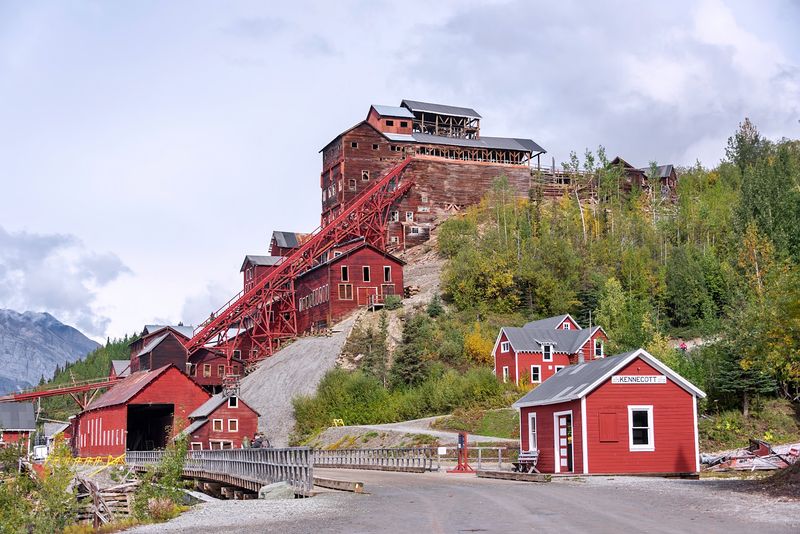
Massive red buildings still cling to the Alaskan mountainside where copper mining once employed up to 600 workers and extracted copper worth $200 million by the time operations ended in 1938. Dining tables, tram cars, and equipment were left exactly where they sat.
The National Park Service has been stabilizing the mill and primary structures since acquiring the site in 1998. A visitor center operates from late May through mid-September inside the historic Blackburn School.
3. South Pass City State Historic Site, South Pass City, Wyoming
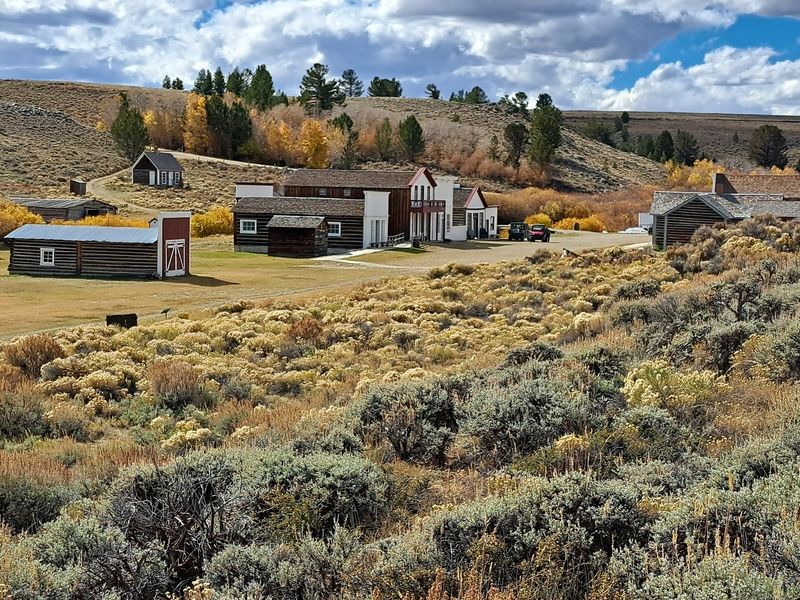
Gold was discovered here in 1867, and within a single year the population had surged to 2,000 people along a main street stretching half a mile. South Pass City also holds the distinction of being the birthplace of women’s suffrage in Wyoming.
Twenty-four historic structures remain on site, along with over 30 period room exhibits. The grounds are accessible from sunrise to sunset, with buildings open from late May to mid-October.
4. Thurmond Historic District, Thurmond, West Virginia
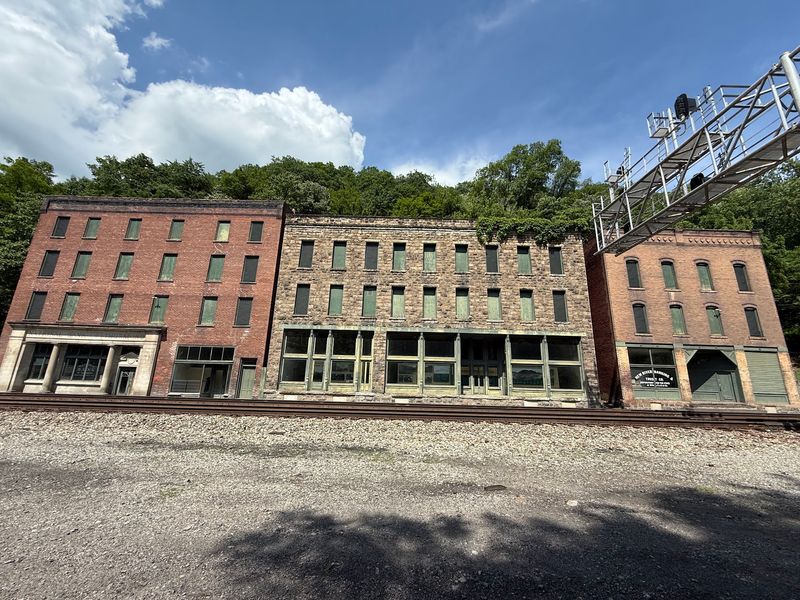
In 1910, this small West Virginia railroad town generated more freight revenue than Cincinnati and Richmond combined. Its depot served up to 95,000 passengers a year during its busiest period.
Diesel locomotives and declining coal traffic eventually hollowed the place out. The restored depot now operates as a seasonal National Park Service visitor center, and Amtrak still stops here three times a week.
5. Bodie State Historic Park, Bridgeport, California
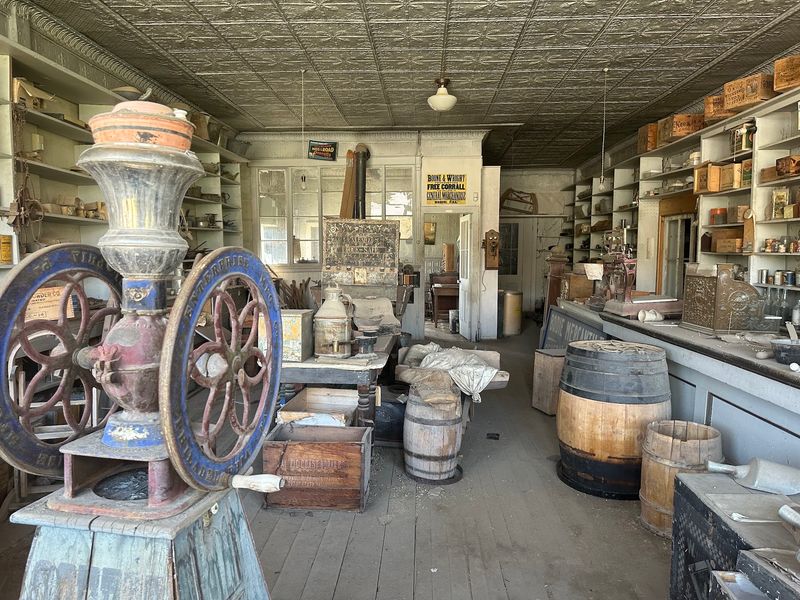
Gold turned Bodie into a boomtown almost overnight, with an estimated 8,000 to 10,000 people packed into its wooden buildings by the late 1870s. Today, 114 structures still stand, preserved in a policy called arrested decay.
Store shelves still hold goods. Furniture sits in place.
The park is open year-round, though winter access requires skis or snowshoes due to its 8,375-foot elevation.
6. Old Cahawba Archaeological Park, Orrville, Alabama
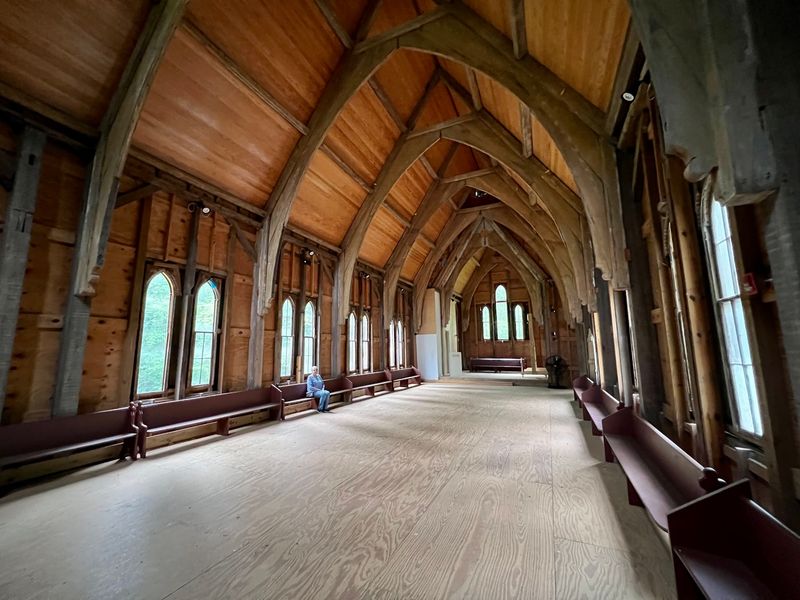
Alabama’s very first state capital is now a quiet landscape of brick columns, tree-lined roads, and buried foundations where an entire river town once stood. Cahawba served as capital from 1820 to 1826 before the seat of government moved elsewhere.
The Alabama Historical Commission operates the park, with grounds open daily from 9 a.m. to 5 p.m. Self-guided brochures and free bicycle rentals are available for visitors.
7. Bannack State Park, Dillon, Montana
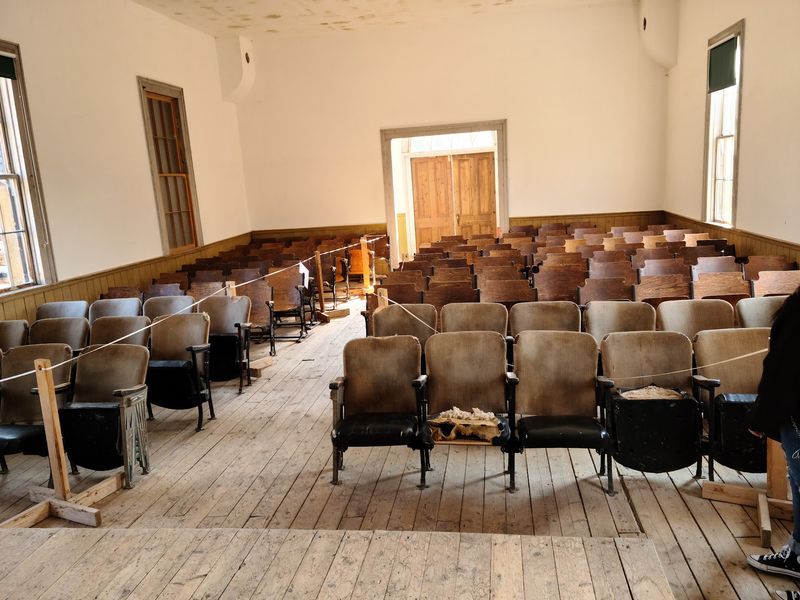
Montana’s first major gold strike happened here on July 28, 1862, and within a year the population had climbed to nearly 10,000 people. More than 50 original log and frame buildings still line the old main street today.
Bannack is recognized as the best-preserved ghost town in Montana. The park stays open year-round and hosts an annual Bannack Days festival every third weekend in July.
8. Independence Ghost Town, Aspen, Colorado
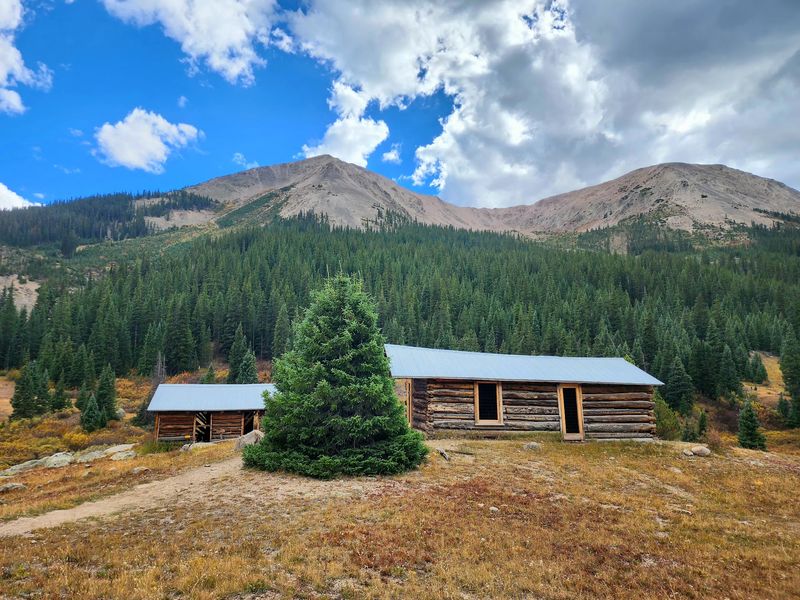
Gold was discovered here on July 4, 1879, which is how the camp got its patriotic name. By 1882, roughly 1,500 people had moved in, but the gold veins turned out to be shallow.
A record snowfall in 1899 cut off supply routes and prompted residents to ski en masse down to Aspen. The site sits at 10,900 feet and is managed by the Aspen Historical Society and the U.S.
Forest Service.
9. Garnet Ghost Town, Drummond, Montana
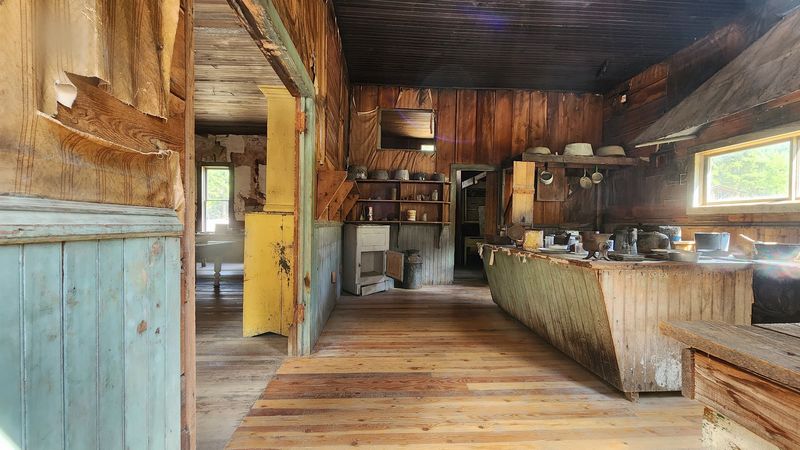
At its 1890s peak, around 1,000 people called this mountain mining camp home, supported by hotels, stores, and a school tucked into the Garnet Mountains. A fire in 1912 wiped out much of the original town.
The Bureau of Land Management now protects the site. A seasonal visitor center runs daily from late May through September, and two rental cabins are available during winter months.
10. Ashcroft Ghost Town, Aspen, Colorado
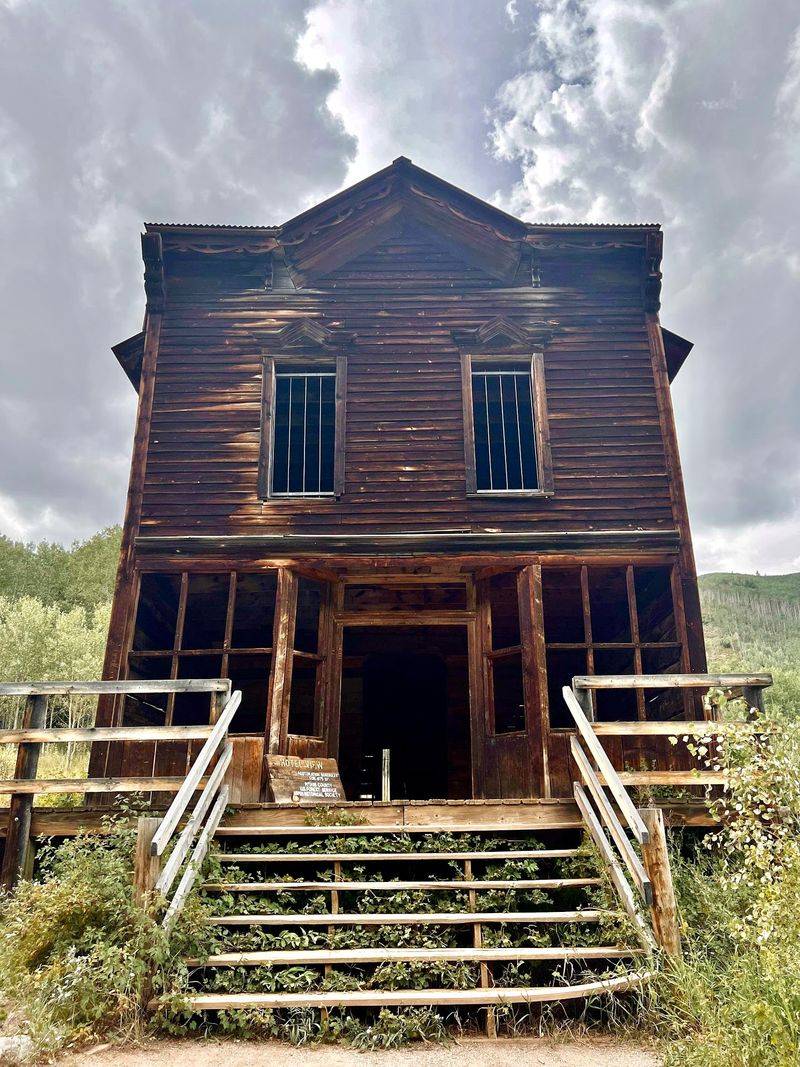
At its peak in the early 1880s, Ashcroft actually outranked Aspen in both size and population, with over 2,000 residents and 20 businesses operating in the Castle Creek Valley. The shallow ore deposits ran out quickly, and the exodus to Aspen began by 1883.
Several historic buildings have been restored or relocated to the site. Docents are present from June through September, and admission is $5 for adults, with free entry for visitors under 18.
11. Sandon, Sandon, British Columbia, Canada
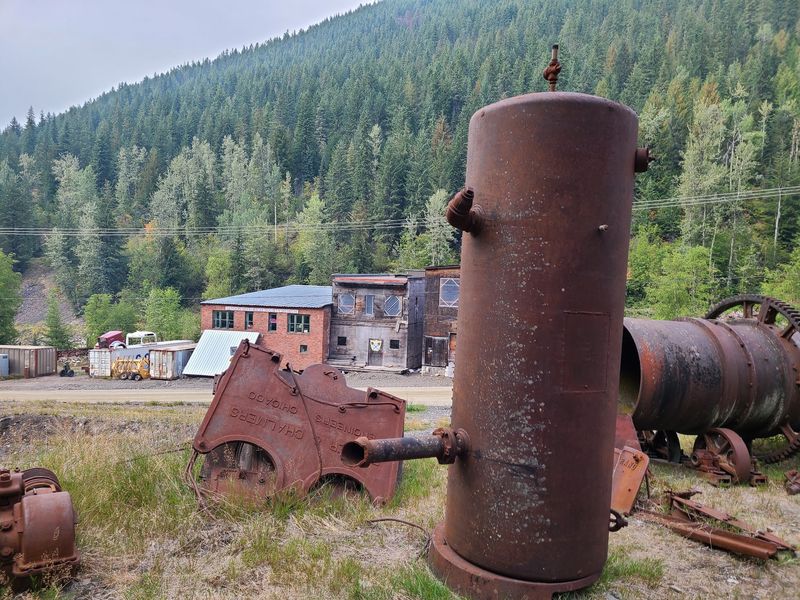
At its 1898 peak, Sandon was a fully incorporated city with over 5,000 residents, 29 hotels, and the first hydroelectric utility in British Columbia. A catastrophic flood in 1955 wiped out many of the remaining buildings.
The Slocan Mercantile Block has been restored and now houses the Sandon Historical Society Museum. The Silversmith Power and Light Generating Station still operates and offers tours to visitors.
12. Gwalia Ghost Town, Leonora, Western Australia
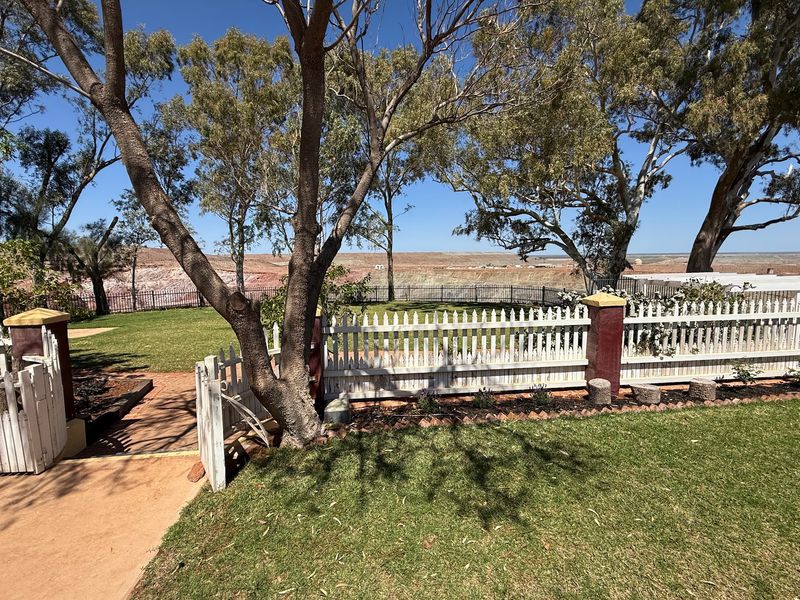
Herbert Hoover, the future 31st U.S. President, designed the mine manager’s house here in 1897.
When the Sons of Gwalia mine closed in 1963, the town emptied almost overnight.
More than a dozen buildings still stand, including miners’ cottages and Patroni’s Guest House. The Gwalia Museum is open daily from 9 a.m. to 4 p.m., with entry free and an audio tour available for $2.
13. Farina Ruins, Farina, South Australia
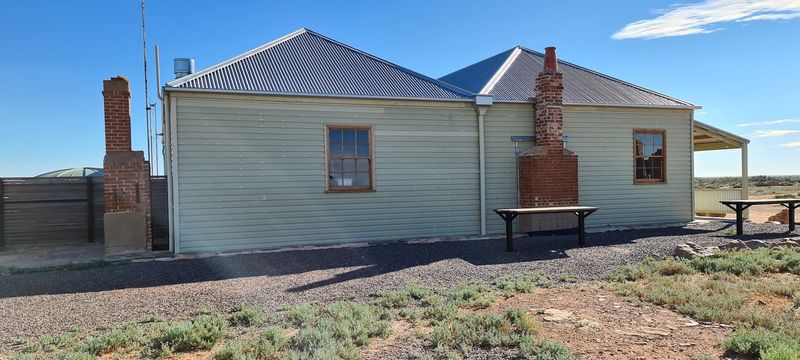
Optimistic settlers renamed this outback town Farina, the Latin word for flour, hoping the land could support wheat farming. Persistent drought, mine closures, and a rerouted railway line gradually proved them wrong.
Hundreds of volunteers have been restoring the stone buildings since 2008, gathering for annual working bees each June and July. The restored underground bakery hosts fundraising events, and the campground stays open year-round.
14. Kolmanskop, Luderitz, Karas Region, Namibia
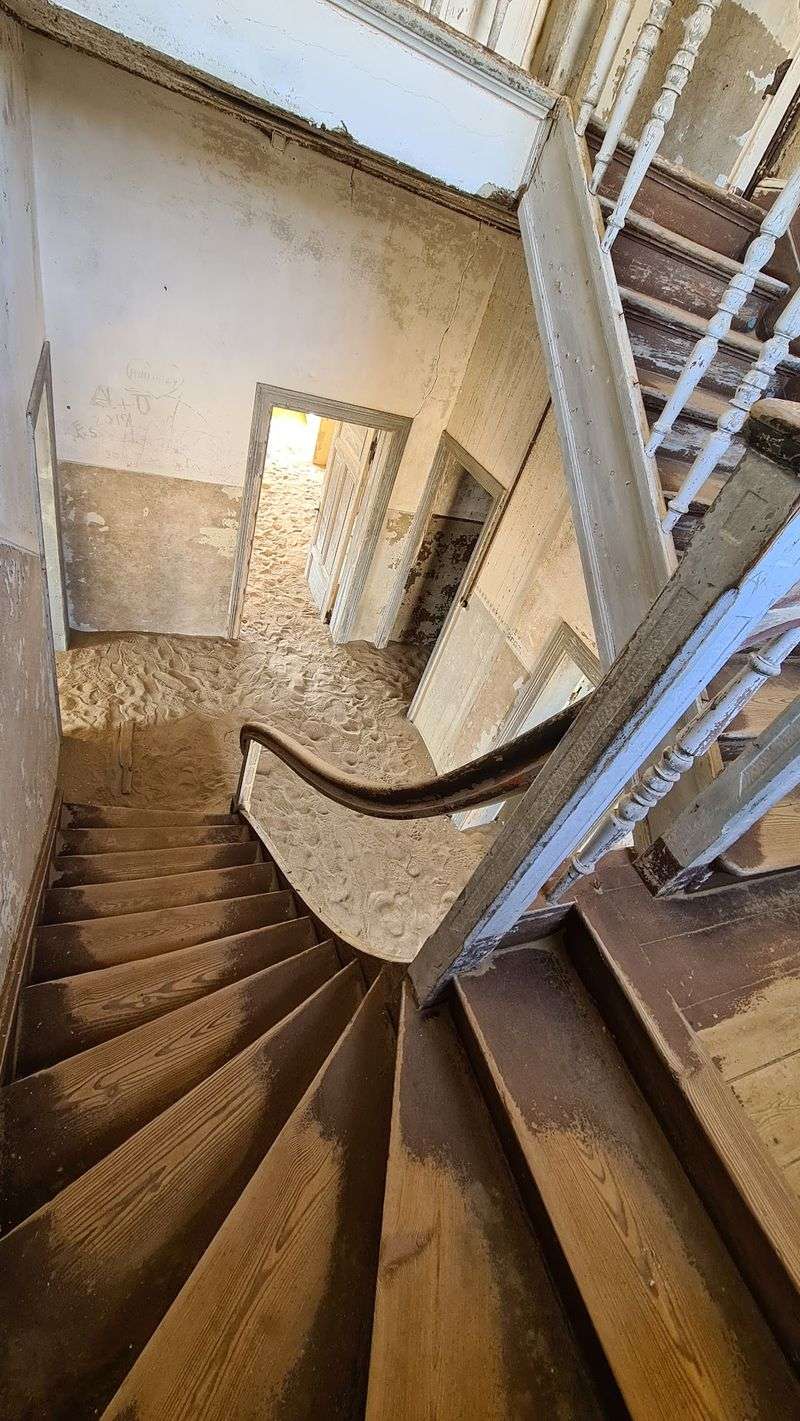
Diamonds discovered in 1908 turned this Namib Desert outpost into a proper town with a hospital, school, and ice cream factory. By 1956, the residents were gone and the desert had moved in.
Sand dunes now fill many of the 32 remaining buildings up to window height. Visitors need an access permit, and standard tickets allow entry from 8 a.m. to 1 p.m. daily, with photography permits offering extended access.
15. Craco Vecchia, Craco, Basilicata, Italy
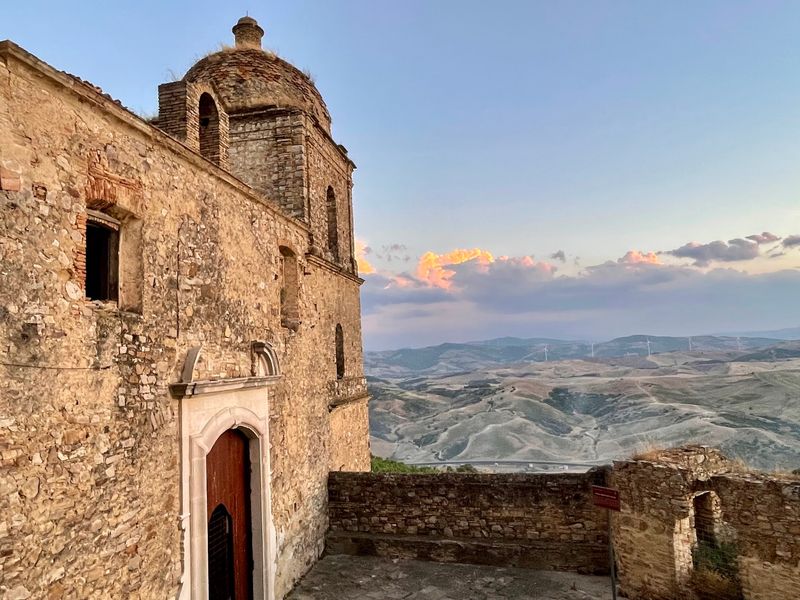
Founded around 540 AD and crowned by a 12th-century Norman tower, Craco looks like a village that a film director invented. Several productions, including Mel Gibson’s The Passion of the Christ, were actually filmed here.
A 1963 landslide forced the evacuation and the town has been secured for guided visits ever since. Tours begin at the visitor center in the newer part of town, where safety helmets are issued before entry.
16. Oradour-sur-Glane Martyr Village, Oradour-sur-Glane, Nouvelle-Aquitaine, France
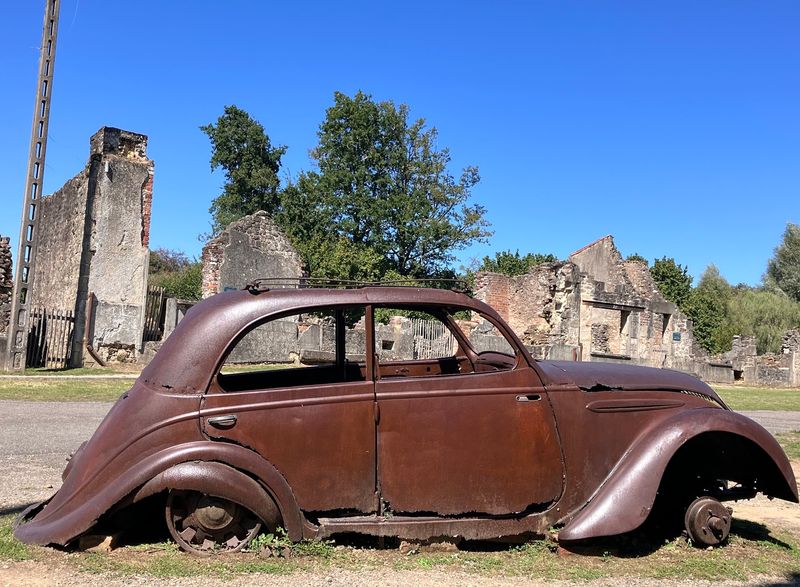
On June 10, 1944, a Waffen-SS unit destroyed this French village and took the lives of 643 residents. General Charles de Gaulle declared in 1946 that the ruins would remain untouched as a national memorial.
Rusted vehicles, household objects, and burned walls remain exactly as they were left. The ruined village is free to visit, while the Centre de la Memoire, currently under renovation, will reopen in 2027.
17. Pueblo Viejo de Belchite, Belchite, Aragon, Spain
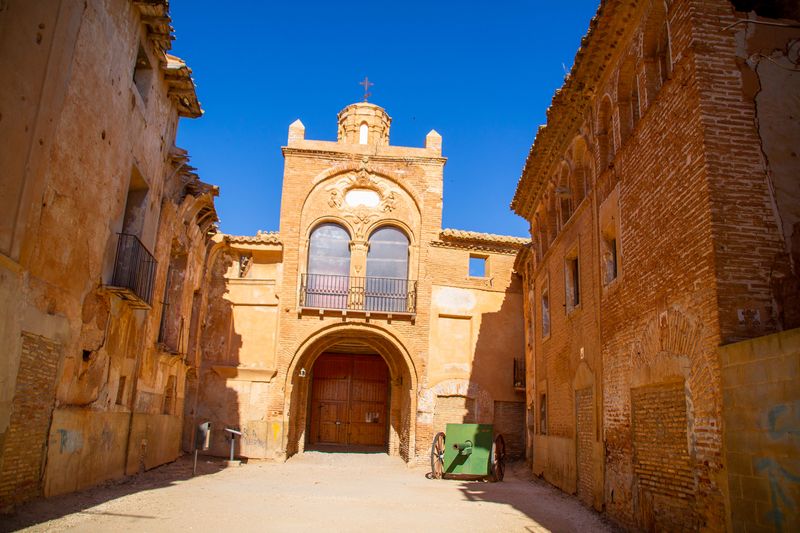
The Battle of Belchite during the Spanish Civil War left this town so thoroughly destroyed between 1937 and 1939 that rebuilding on the original site was simply not possible. A new town was constructed beside the ruins instead.
Guided tours run daily through Belchite Turismo, with many guides descended from the town’s former residents. Day tours cost 6 euros, and night tours exploring local legends run for 10 euros.
18. Kayakoy, Fethiye, Mugla, Turkey
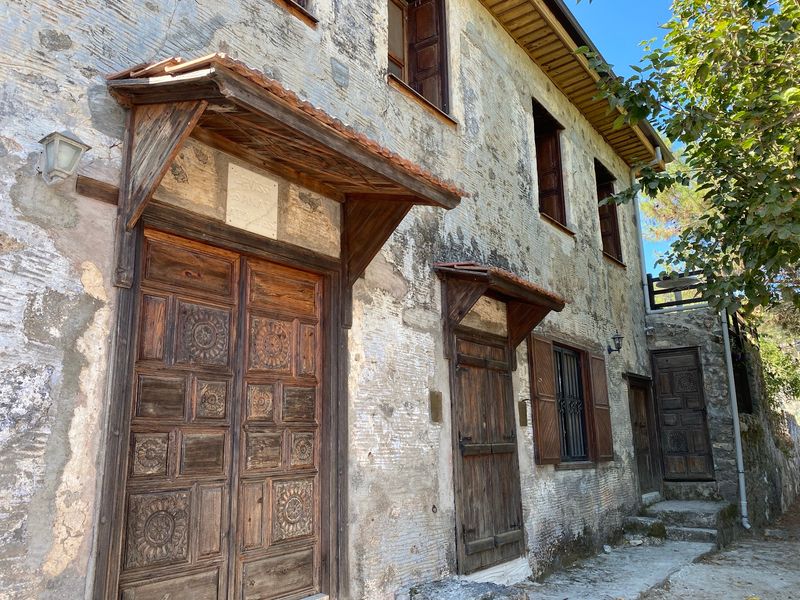
Around 6,500 Anatolian Greek residents once filled this hillside village, historically known as Levissi. The 1923 population exchange mandated by the Treaty of Lausanne emptied it almost entirely in a single year.
Roughly 500 preserved houses and three churches remain across the slope, making it the largest abandoned Greek village in Asia Minor. A small entrance fee applies, and the site is open daily with extended summer hours.
19. Archaeological Site of Ani, Kars, Turkey
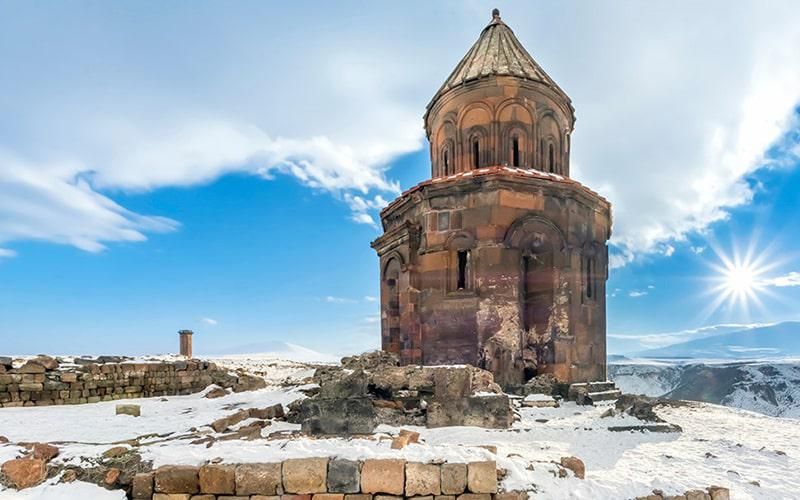
Known as the City of 1,001 Churches, Ani served as the capital of the medieval Armenian Bagratid Kingdom and held over 100,000 residents by the 11th century. Shifting trade routes, political upheaval, and a major earthquake in 1319 contributed to its gradual decline.
Churches, defensive walls, palaces, and cave structures remain across the plateau. Ani was designated a UNESCO World Heritage Site in 2016 and is located about 42 km east of Kars city.
20. Hashima Island, Nagasaki, Japan
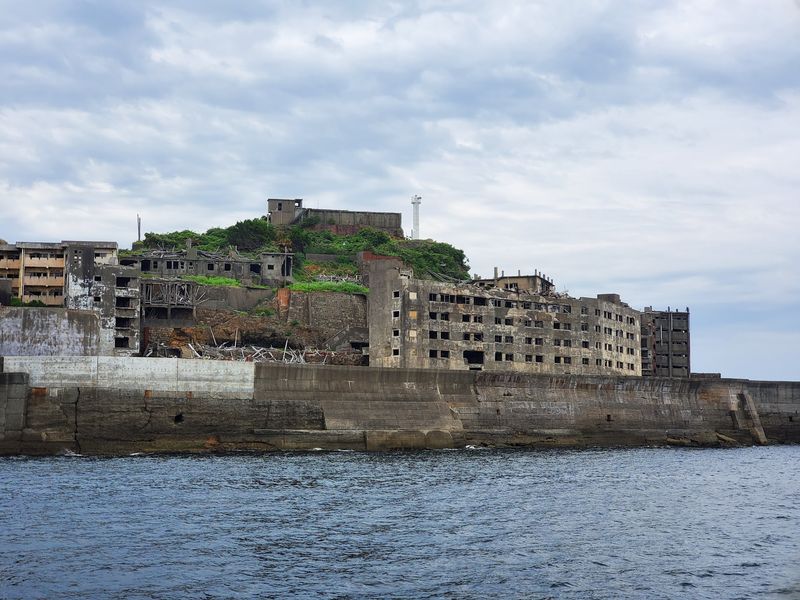
At its peak in 1959, Hashima held the highest population density ever recorded for any location on Earth, with over 5,000 people living on a tiny island. When the coal mine closed in 1974, residents left so quickly that personal belongings were left behind in apartments.
Licensed guided boat tours from Nagasaki Port now carry visitors to the island. Tours last around three hours total, with about 40 to 60 minutes spent on designated observation areas.
21. Spinalonga, Elounda, Crete, Greece
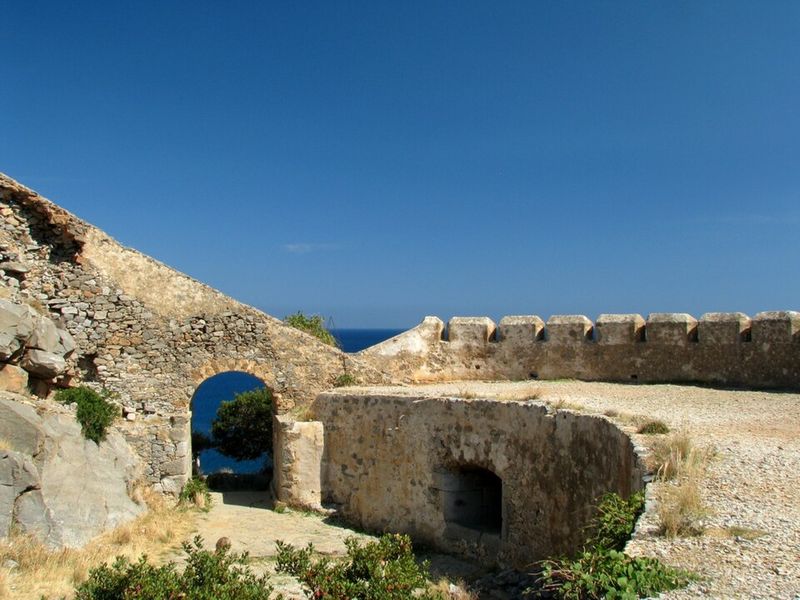
Originally a Venetian fortress built to defend against Ottoman forces, Spinalonga spent the first half of the 20th century operating as one of Europe’s last active leprosy colonies. The final residents connected with the colony left in the 1950s.
Boats run from Elounda, Plaka, and Agios Nikolaos to the island from April through October. The shortest crossing from Plaka takes about 7 to 10 minutes and costs around 12 euros return.
22. Houtouwan, Shengsi County, Zhejiang, China
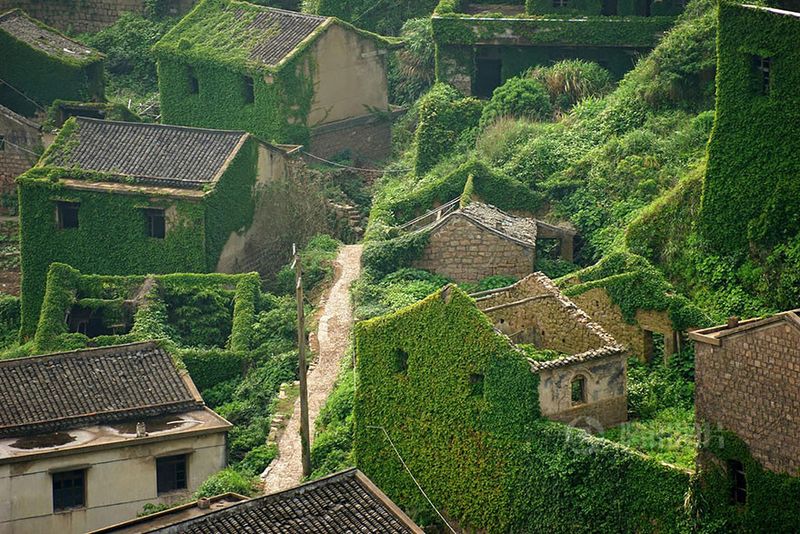
Houtouwan looks less like a ruined village and more like nature decided to paint an entire town green. Thick vines have covered walls, staircases, and rooftops so thoroughly that the original structures beneath are barely visible.
Residents gradually left as economic opportunities became available elsewhere. The dramatic vegetation-covered appearance later attracted photographers and curious travelers, turning the village’s abandonment into its biggest draw.
23. Pyramiden, Svalbard, Norway
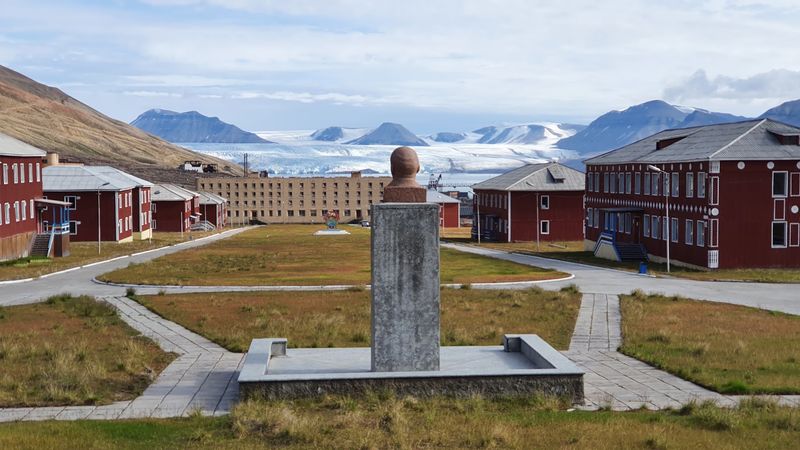
Built by the Soviet Union in the High Arctic and named after the pyramid-shaped mountain behind it, Pyramiden operated as a model communist mining community until Trust Arktikugol pulled out in April 1998. Cups were left on tables, ski equipment stayed in hallways, and a bust of Lenin still watches over the main square.
A small seasonal crew now maintains the buildings and guides visitors. Tours arrive by boat in summer or snowmobile across frozen terrain in winter.
24. Humberstone and Santa Laura Saltpeter Works, Pozo Almonte, Tarapaca, Chile
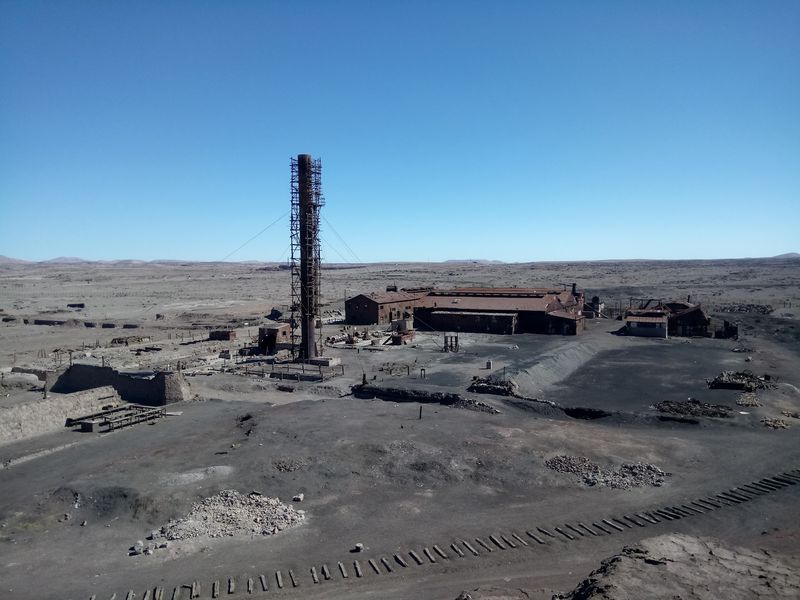
For decades, the sodium nitrate pulled from Chile’s Atacama Desert was one of the most valuable agricultural products in the world. When synthetic alternatives undercut the market after World War I, both Humberstone and neighboring Santa Laura were left to the desert by 1960.
Canned goods and everyday items were left behind in the rush to leave. The sites became a UNESCO World Heritage property in 2005 and are open to self-guided visitors with informational signage throughout.
25. Sewell Mining Town, Machalí, O’Higgins Region, Chile
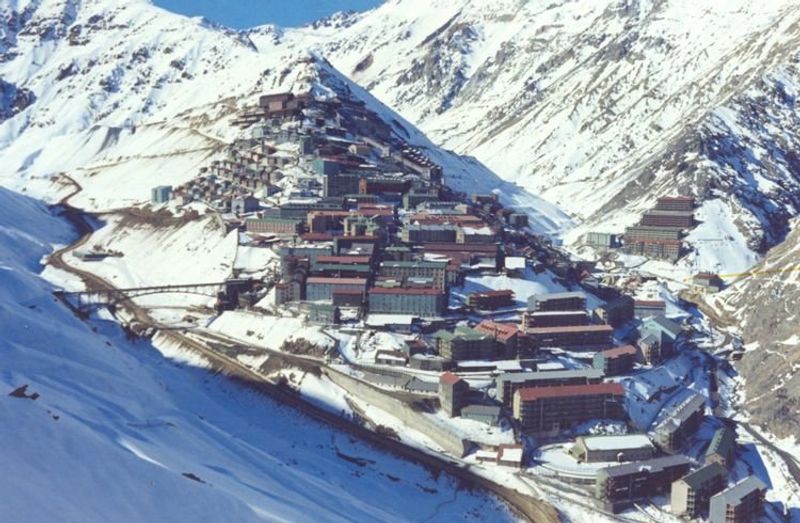
Built in 1905 at 2,130 meters above sea level to house workers for the world’s largest underground copper mine, Sewell solved the problem of steep terrain by replacing roads with staircases. At its height, 15,000 people lived and worked in this vertical company town.
The last families relocated by 1980 as modernization made the mountain location impractical. Sewell is now a UNESCO World Heritage Site visited exclusively through authorized guided tours from Santiago or Rancagua.
26. Eastern State Penitentiary, Philadelphia, Pennsylvania
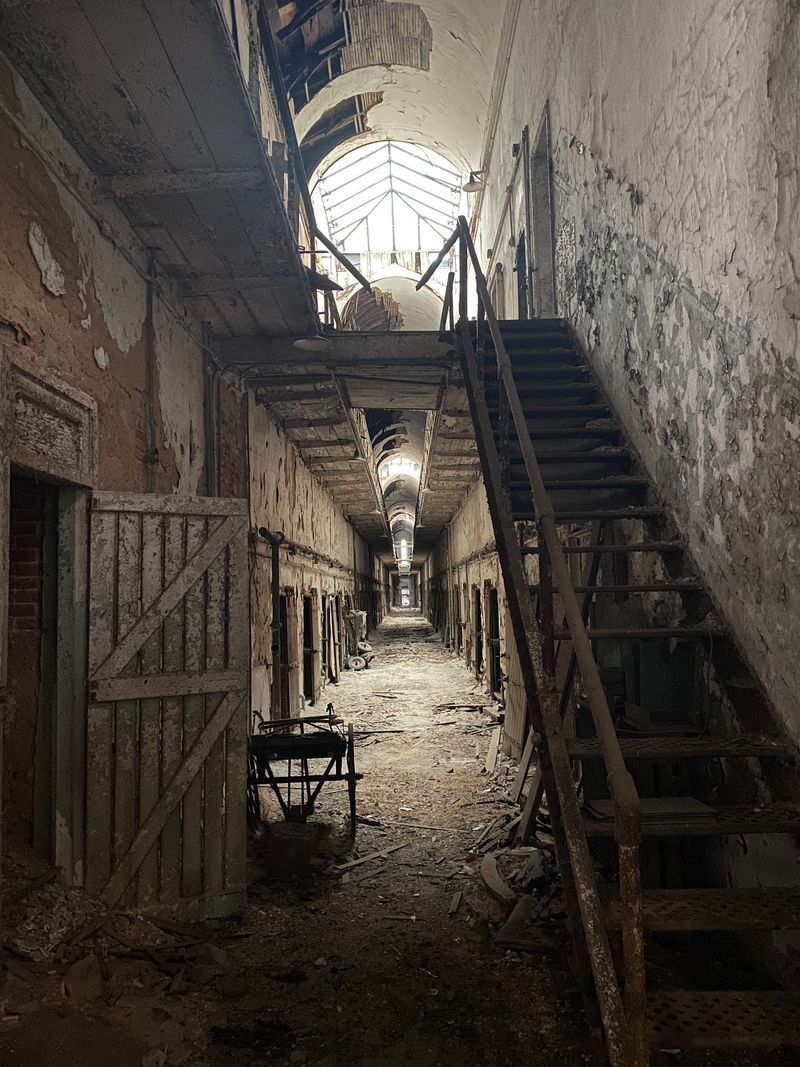
When it opened in 1829, Eastern State Penitentiary was considered the most expensive and most famous prison on the planet. Over 142 years of operation it housed roughly 80,000 individuals, including Al Capone, before closing in 1971.
Rather than restore the interiors, preservationists kept the decayed appearance intact. The site is open daily from 10 a.m. to 5 p.m. and includes a self-guided audio tour narrated by actor Steve Buscemi.
27. Waverly Hills Sanatorium, Louisville, Kentucky
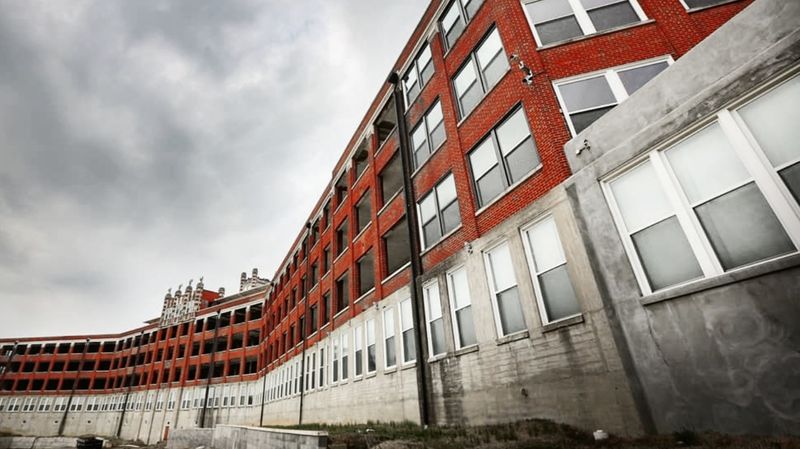
When the larger Tudor Gothic building opened on October 17, 1926, it was considered one of the most advanced tuberculosis treatment facilities in the world. Official records suggest the facility saw around 63,000 patient fatalities during its years of operation.
The Waverly Hills Historical Society now runs historical tours, paranormal investigations, and seasonal events to fund restoration work. The 2026 tour season runs from March 1 through August 31, with off-season tours available by arrangement.
28. Old Joliet Prison, Joliet, Illinois
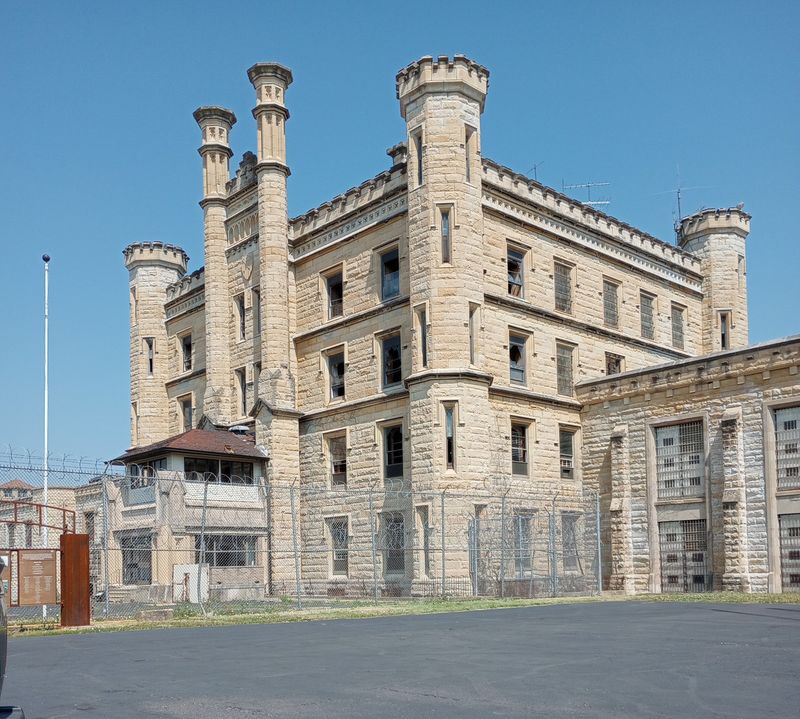
Built from Joliet limestone in the 1850s, this prison housed notorious criminals for over a century before closing in 2002. Film crews recognized its cinematic potential long before tourists did, and it appeared in both The Blues Brothers and Prison Break.
Self-guided tours are currently priced at $20 per adult. A Prison After Dark guided tour starts in June for $40, and flashlight tours run in September and October for a more atmospheric experience.
29. Beelitz-Heilstätten, Beelitz, Brandenburg, Germany
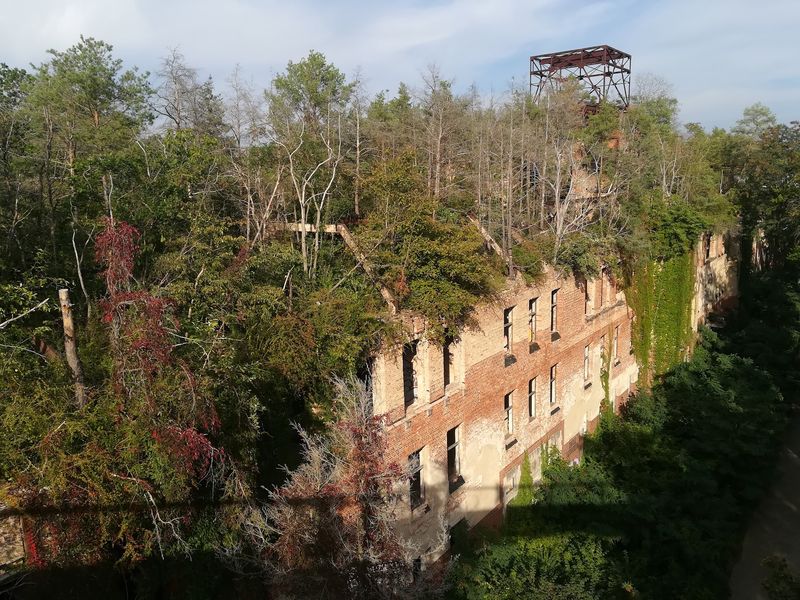
Construction of this enormous sanatorium complex began in 1898, and it went on to serve as a military hospital in both World Wars before Soviet forces used it until 1994. After abandonment, nature moved in fast, and trees now grow directly on the roof of the ruined Alpenhaus pavilion.
A 700-meter treetop walkway opened in 2015, passing directly over sections of the historic ruins. The park opens daily from March 1, with guided tours providing access to otherwise restricted buildings.
30. Karosta Prison, Liepaja, Latvia
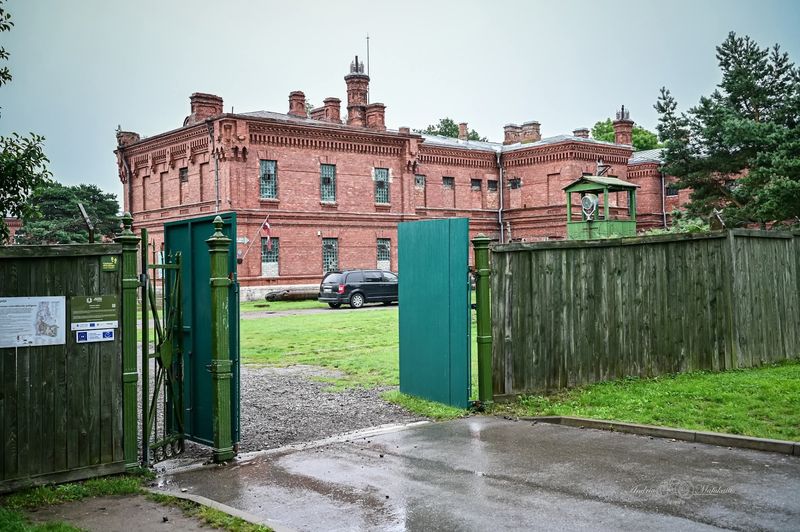
Originally built around 1900 as a naval infirmary for the Russian imperial fleet, this building spent most of its life as a disciplinary military prison. Its last inmate was held there in 1997, and inscriptions from former occupants still cover the walls.
Karosta Prison is now the only military prison in Europe open to the public. Standard guided tours run 45 minutes and cost 8 euros per adult, and overnight prisoner experience stays are bookable by appointment.
31. St. Elmo Ghost Town, Nathrop, Colorado
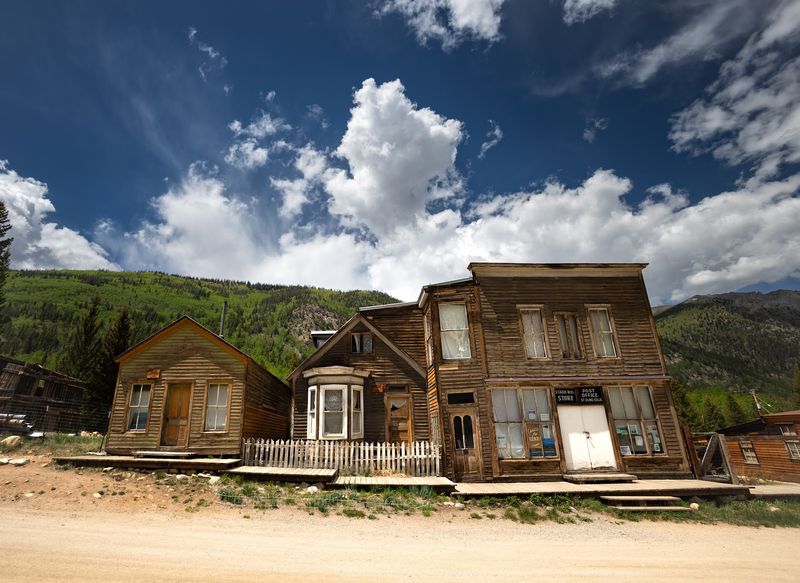
Founded in 1878 and originally called Forest City, St. Elmo reportedly grew to 2,000 residents within just 10 days of the first gold and silver discoveries. The Mary Murphy Mine was its biggest earner, and the Denver, South Park and Pacific Railroad kept supplies moving through the canyon.
When the railroad shut down in 1922, the town’s purpose disappeared with it. St. Elmo is privately owned but open to visitors each year from Mother’s Day weekend through late September, drawing around 50,000 tourists annually.
Share this story