Most people assume every country has at least one airport, but a handful of sovereign nations around the world prove that assumption wrong. Tucked into mountains, squeezed along coastlines, or simply too tiny to fit a runway, these places rely on neighboring countries to handle their air traffic.
All five are located in Europe, and their stories are surprisingly fascinating. Grab your passport and read on, because getting to these places takes a little more creativity than booking a direct flight.
Andorra
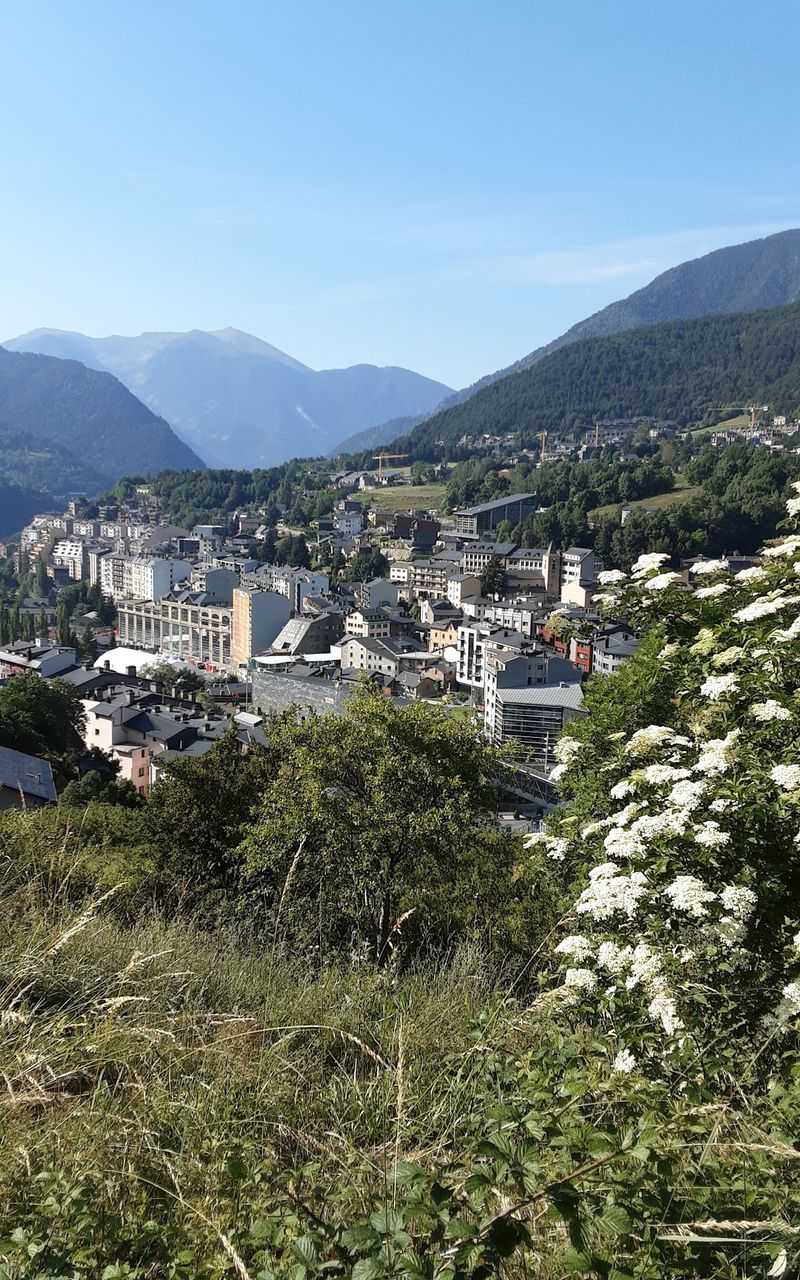
Picture trying to build a runway between two massive mountain ranges. That is exactly the challenge Andorra faces, and honestly, the mountains won that argument a long time ago.
Wedged high in the Pyrenees between France and Spain, Andorra has zero airports within its own borders.
Travelers who want to fly close to Andorra typically land at Andorra-La Seu d’Urgell Airport, which sounds very Andorran but is actually located inside Spain, about 26 kilometers from Andorra la Vella. Larger international options include Barcelona El Prat and Toulouse-Blagnac, both of which offer far more flight connections.
Once you land, the final stretch into Andorra is done by bus or car, winding through some genuinely jaw-dropping mountain scenery. Many visitors say the drive itself feels like part of the adventure.
Andorra’s official tourism authority openly acknowledges the country’s geography as the main reason no airport has ever been built. For a nation famous for duty-free shopping and ski resorts, the lack of an airport has clearly not stopped tourists from showing up in big numbers every single year.
Liechtenstein
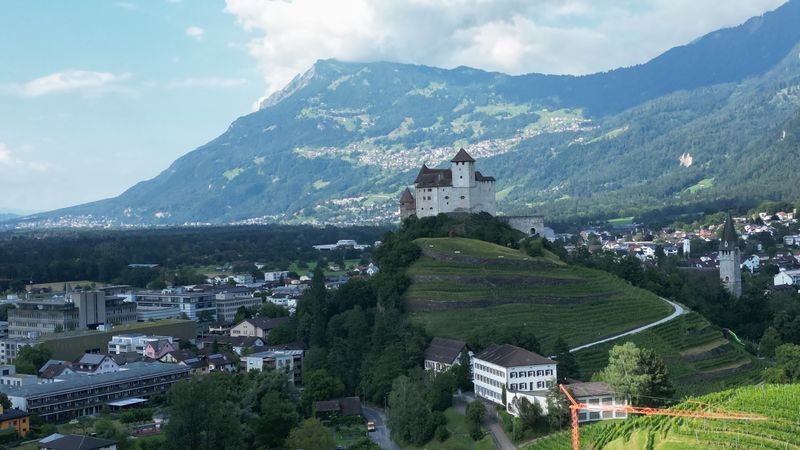
Liechtenstein holds a quirky world record most countries would find embarrassing: it is one of only two doubly landlocked countries on Earth, meaning it is surrounded entirely by countries that are themselves landlocked. No sea access and no airport either.
At roughly 160 square kilometers, there simply is not enough flat land to fit a conventional runway.
Getting there requires flying into a neighboring country first. St. Gallen-Altenrhein Airport in Switzerland sits about 50 kilometers away and is the closest option.
Zurich Airport, around 115 kilometers out, offers far more international routes and is the most popular gateway for long-haul travelers heading to Liechtenstein.
Friedrichshafen Airport in Germany is another solid choice, sitting about 85 kilometers away. The good news is that road and bus connections through the Rhine Valley are smooth and well-organized, making the overland portion surprisingly painless.
Vaduz, the capital, can be reached from Zurich in roughly 90 minutes by car. Liechtenstein also has no train stations of its own, which means the country has managed to build a thriving economy and tourism scene without airports or railways.
That is genuinely impressive for such a small nation.
Monaco
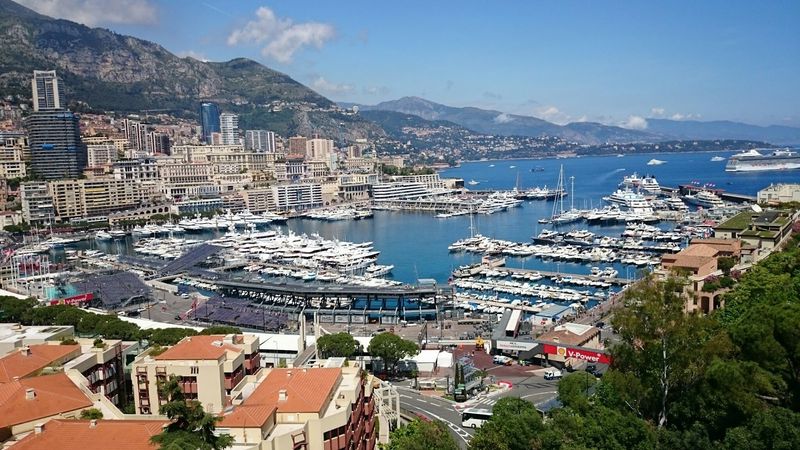
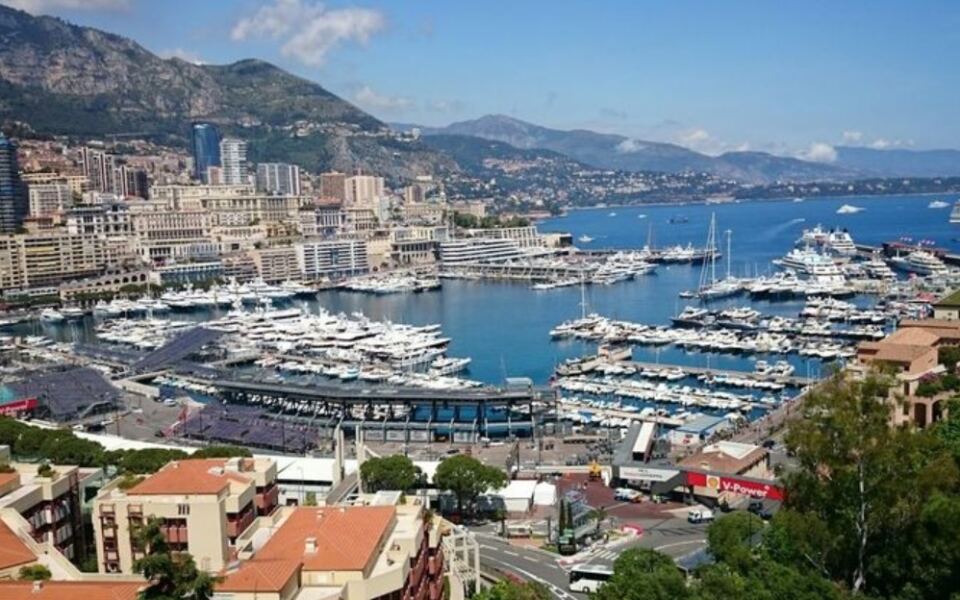
Monaco is so small that its entire country fits inside Central Park in New York City, with room to spare. Finding space for an airport runway here would require pushing the Mediterranean Sea aside, which even Monaco’s billionaires have not managed yet.
At just over two square kilometers, every inch of this principality is already spoken for.
Nice Cote d’Azur Airport in France serves as Monaco’s main air gateway, and Monaco’s tourism authority officially points travelers there first. The drive from Nice to Monaco takes around 30 to 45 minutes depending on traffic, which is honestly not bad for a country that has no airport of its own.
For those who prefer a flashier arrival, Monaco does have a heliport in the Fontvieille district. Helicopter transfers from Nice take roughly seven minutes and offer spectacular views of the coastline.
It is the kind of arrival that makes you feel like a movie character, even if your bank account does not quite match the setting. The heliport handles a surprisingly high volume of traffic, particularly during the Formula 1 Grand Prix season when roads become nearly impossible to navigate.
Monaco may be tiny, but it knows how to make an entrance.
San Marino
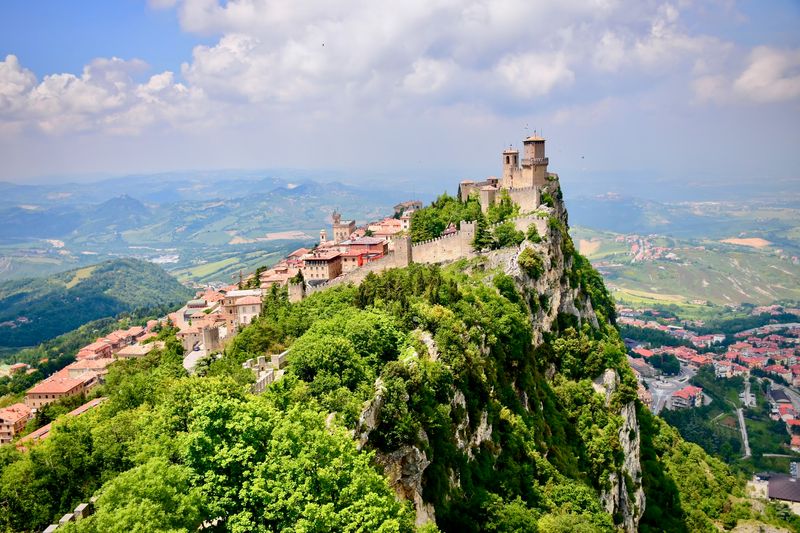
San Marino deserves a special asterisk on this list. Technically, the republic does have a small airfield called Torraccia in the Domagnano district, operating since 1985.
The Aeroclub San Marino runs it for flight training, private flying, and tourist flights on light aircraft. The government tourism website even calls it a tiny airport, which is both charming and slightly amusing.
However, there is no scheduled commercial passenger service here. If you are booking a regular flight ticket, San Marino is not showing up as a destination option anytime soon.
Travelers instead head to Federico Fellini International Airport near Rimini in Italy, located about 27 kilometers away. Bologna Guglielmo Marconi Airport is another popular choice for those coming from farther afield.
From Rimini, buses and taxis make the transfer to San Marino relatively quick and easy. The drive up Mount Titano to the historic center is scenic and short.
San Marino is the world’s oldest republic, having declared independence in 301 AD, which means it has been managing without a commercial airport for quite literally most of human history. At this point, the country has probably figured out the overland thing just fine.
Vatican City
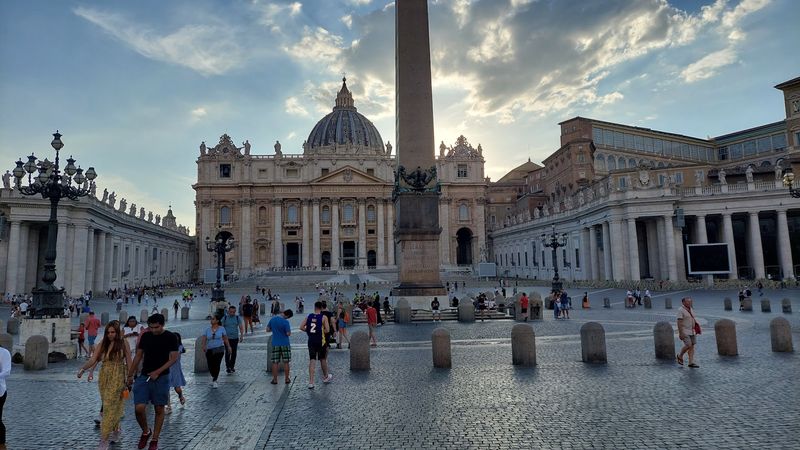
Vatican City covers just 44 hectares, making it the world’s smallest internationally recognized independent state. To put that in perspective, it is smaller than many golf courses.
Building a commercial airport here would require demolishing St. Peter’s Basilica, which is not happening under any circumstances, religious or otherwise.
Visitors fly into Rome’s Leonardo da Vinci-Fiumicino Airport or Ciampino Airport and then continue into Vatican City by road, taxi, or public transportation. Since Vatican City sits entirely inside Rome, the transition from airport to holy state feels almost seamless once you are moving through the city.
Vatican City does have a heliport tucked inside the Vatican Gardens, but it is reserved for official papal travel rather than public passenger service. The 1929 Lateran Treaty, which established Vatican City as an independent state, also includes provisions restricting aircraft from flying over its territory.
That means Vatican airspace is treated with the same seriousness as its borders. For most visitors, arriving at Vatican City feels identical to arriving in central Rome.
You step off a bus or out of a taxi, walk through a gate, and suddenly you are standing in an entirely different country. Few border crossings in the world are that smooth.
Share this story