Some of the best treasure in Oklahoma is hiding right under your sneakers, and nobody will charge you a dime to dig it up. Picture a quiet, flat stretch of land that looks like nothing special, until you scoop the mud and pull out a sparkling crystal with an hourglass shape inside.
Rockhounding is a cheap, muddy, totally addictive way to explore the outdoors with friends or family. Grab a bucket, because these five free spots are ready to surprise you.
1. Selenite Crystal Digging Area, Cherokee, OK
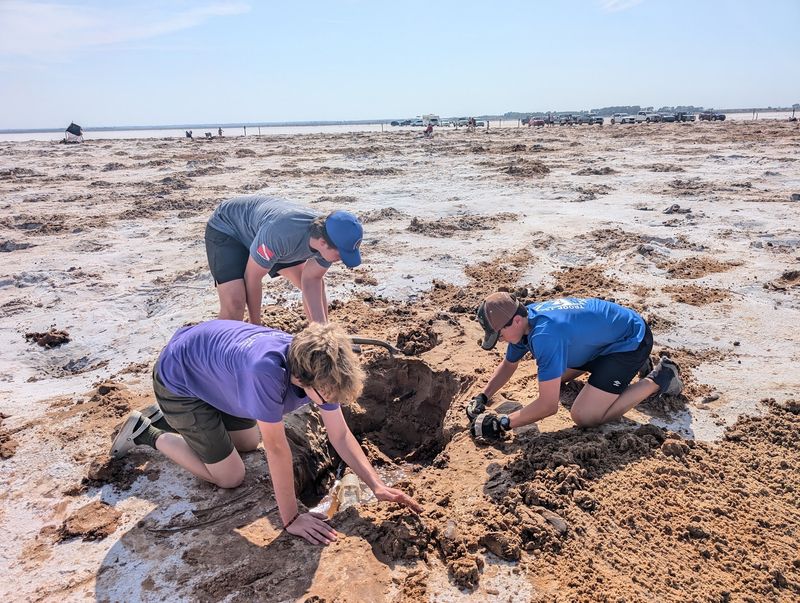
Imagine a landscape so flat and bright it looks like a giant sheet of frosting. That is the Selenite Crystal Digging Area outside Cherokee, a public dig site managed within the Salt Plains refuge where selenite crystals grow just below the salty surface.
Getting started is simple. Pack a bucket, a small shovel, and gloves, then add more water than you think you need, since you will want some for drinking and plenty more for rinsing crystals and muddy hands.
The salt flats get hot and glaring, so a hat helps too.
The ground here is level, which makes it a strong pick for anyone who needs flat, accessible terrain, including folks who get around with a walker. Free parking, public restrooms, and dog-friendly rules round out the easy setup.
Timing matters most. The dig area opens only from May through October and shuts down for the winter, so circle your calendar early.
Daily hours run from 7 AM to 7:30 PM during the season.
2. Salt Plains Crystals, Cherokee, OK
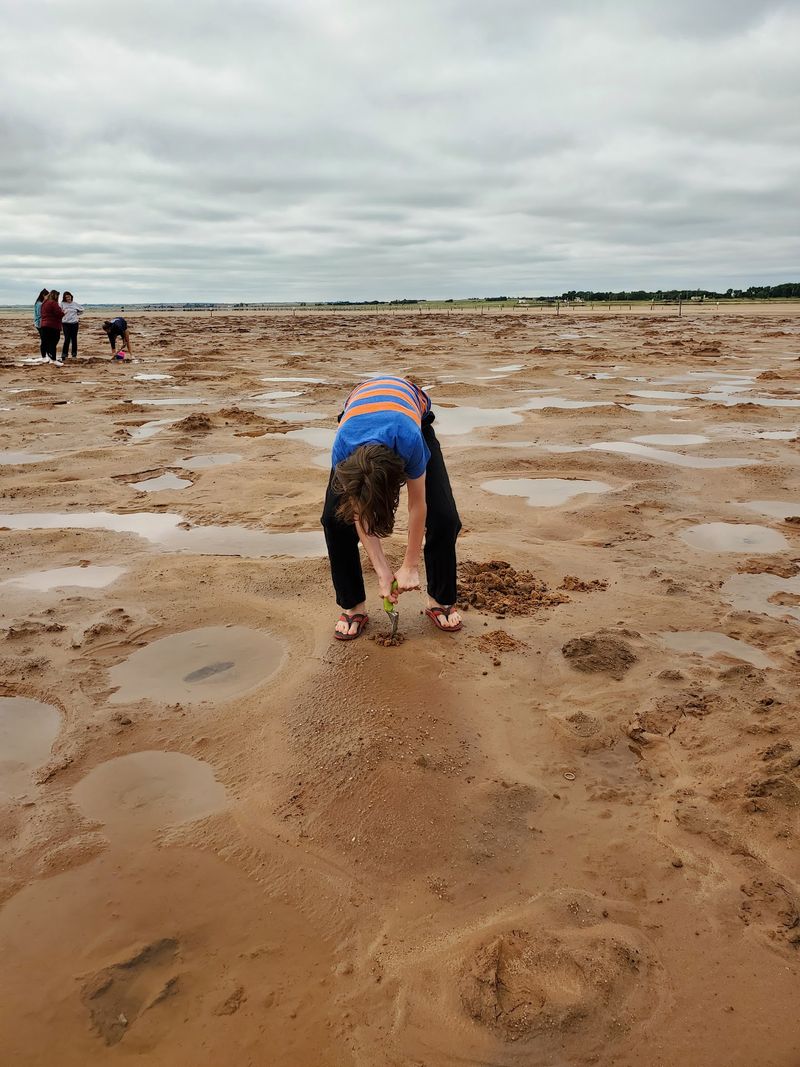
Hourglass crystals sound like something from a fantasy novel. Out on Garvin Road, though, they are hiding in the salty mud, waiting for anyone willing to get messy.
Salt Plains Crystals is a free, family-friendly recreation area built around one goal: digging. The selenite here forms with a dark hourglass pattern trapped in the center, created by sand and clay caught as the crystal grows.
Plenty of finds sit near the surface, so even young diggers tend to strike gold quickly.
Bring a shovel, a bucket, and liquids for both you and your crystals. Expect dirty knees and salty fingers, because that is part of the fun.
Want elbow room? Saturday afternoons draw the biggest crowds, while weekday mornings and Sunday evenings are much calmer.
Hours run 7 AM to 8 PM, giving early birds and sunset seekers lots of options.
3. Salt Plains National Wildlife Refuge
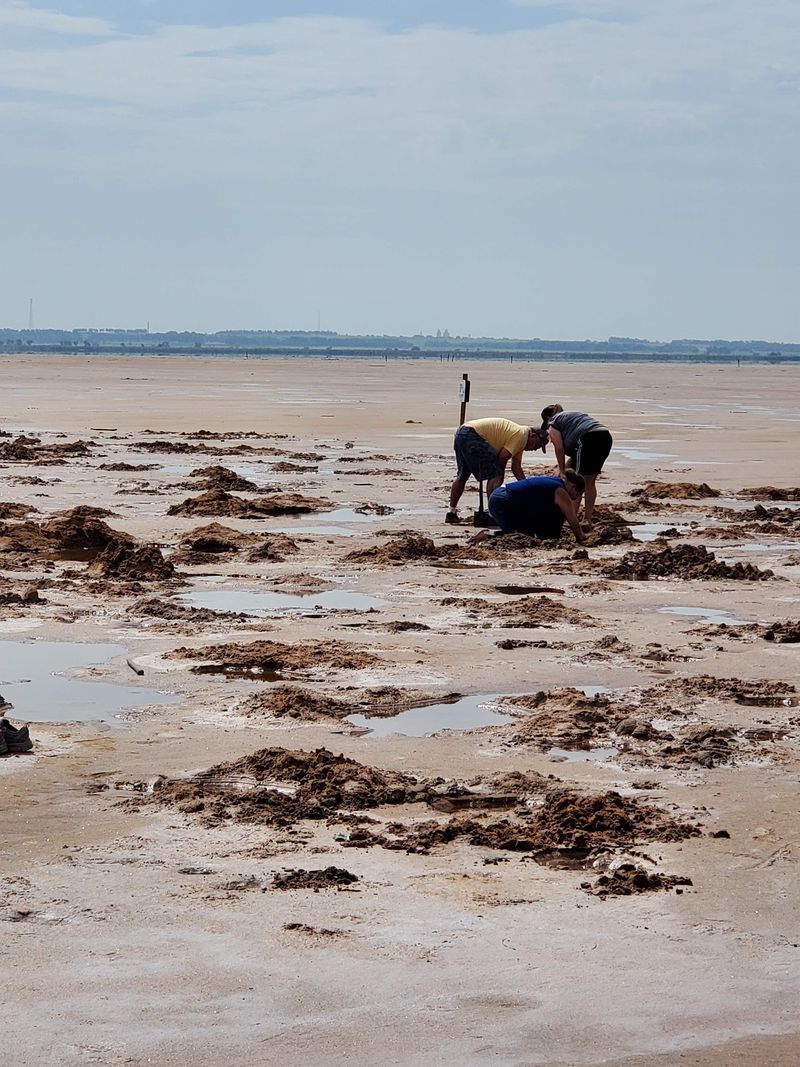
Founded in 1930, this sprawling refuge near tiny Jet is a lot more than a crystal pit. Migratory birds pour through every season, and a large lake anchors trails, fishing spots, and picnic areas.
The headline act, though, is the crystal dig area. Hourglass selenite is famous as an Oklahoma specialty, and the refuge is known as the only place on Earth to find this exact type.
There is no entry fee, and parking is free.
Families can split the day between digging and exploring. Kid-friendly hikes wind through the area, restrooms are available, and leashed dogs are welcome to tag along.
Here is a smart plan: dig in the morning, eat lunch at a picnic spot, and spend the afternoon watching for herons and pelicans. Monday afternoons tend to be the quietest.
4. Salt Plains State Park, Jet, OK
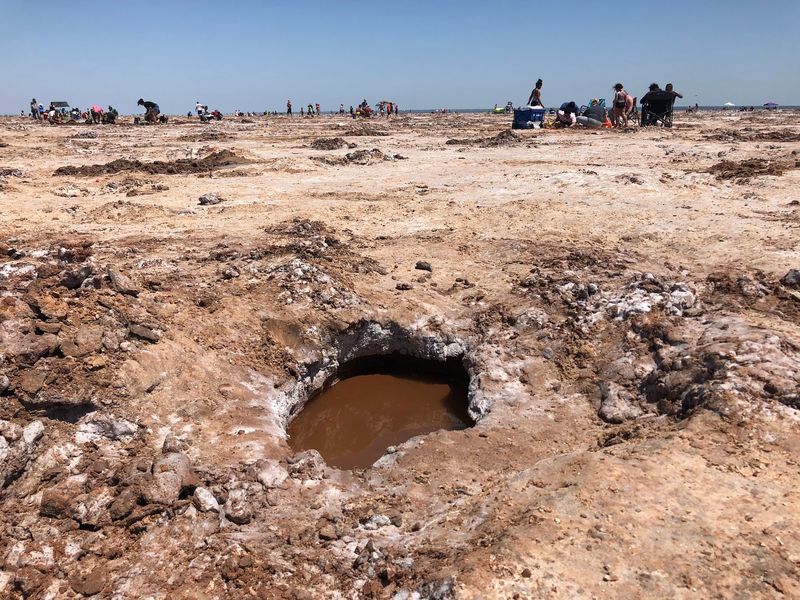
Crystals in the morning, a beach in the afternoon, and a campfire at night. Salt Plains State Park packs a whole weekend into one stop.
Hiking and digging go hand in hand across the salt flats here. Informational signs explain the best digging methods, which is a lifesaver for first-timers who are not sure where to start.
Besides selenite, you may turn up other types of crystals too.
Once your bucket is full, the lake takes over. Fishing, a beach, and campsites keep the fun rolling, while grills, picnic tables, swings, and a playground make it easy for families to settle in.
Entry to the park is free, though some parking areas charge. Office hours run 8 AM to 4 PM, so call ahead at 580-626-4731 with questions before making the drive out to this wonderfully remote corner of the state.
5. Sequoyah State Park, Hulbert, OK
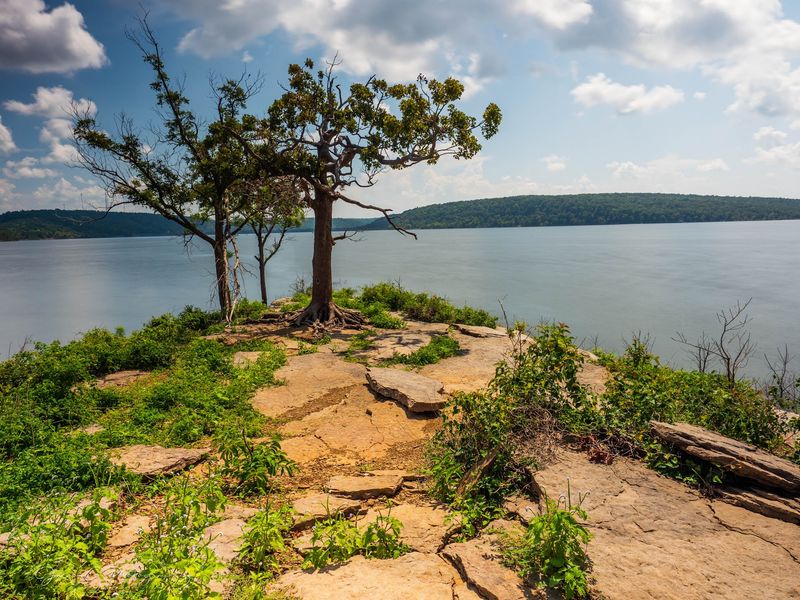
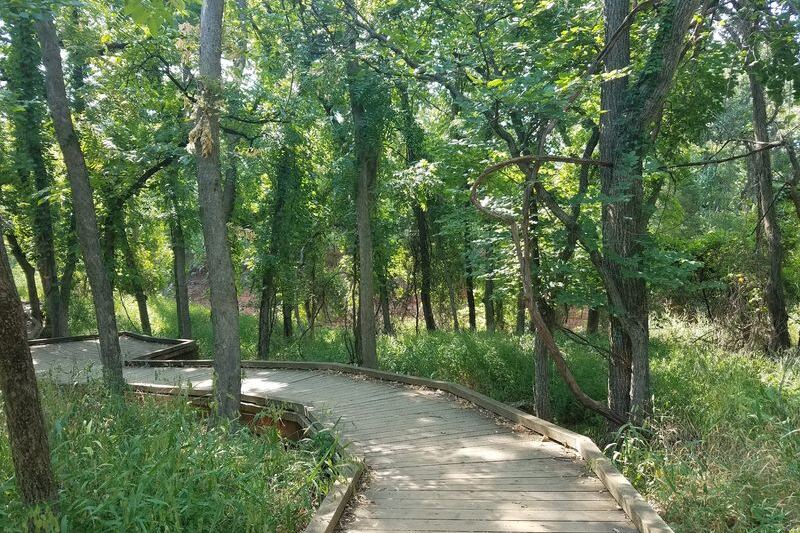
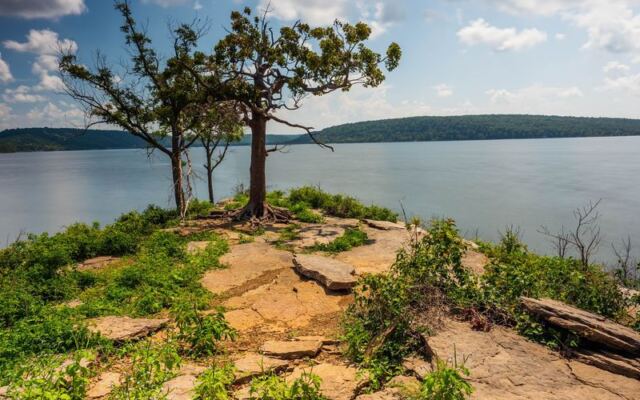
Swap salt flats for shady woods. Way over in eastern Oklahoma, Sequoyah State Park trades crystals for fossils on a forested peninsula reaching into Fort Gibson Lake.
The star for rock lovers is the Fossil Trail, a rocky path where kids and adults scan the ground for ancient shapes pressed into stone. Other trails of different lengths wander through the trees and along the shoreline, so you can pick a short stroll or a longer trek.
Keep your eyes up, too. Deer, raccoons, waterfowl, bright red cardinals, and even bald eagles make regular appearances.
The park stays open 24 hours, offers a free parking lot, and has a nature center, playground, picnic tables, and grills. Kayaking and fishing are popular add-ons after a morning of fossil hunting.
Share this story