Illinois holds stories that most history books barely scratch the surface of, and some of the most powerful ones are tucked inside quiet farmhouses, old mills, and modest homes along roads you might drive past without a second glance. Long before the Civil War ended, ordinary families across the state made extraordinary choices, opening their doors to freedom seekers at great personal risk.
These seven historic sites bring those hidden chapters of courage to life in a way that feels immediate, real, and deeply worth the trip.
1. Owen Lovejoy House, Princeton, IL
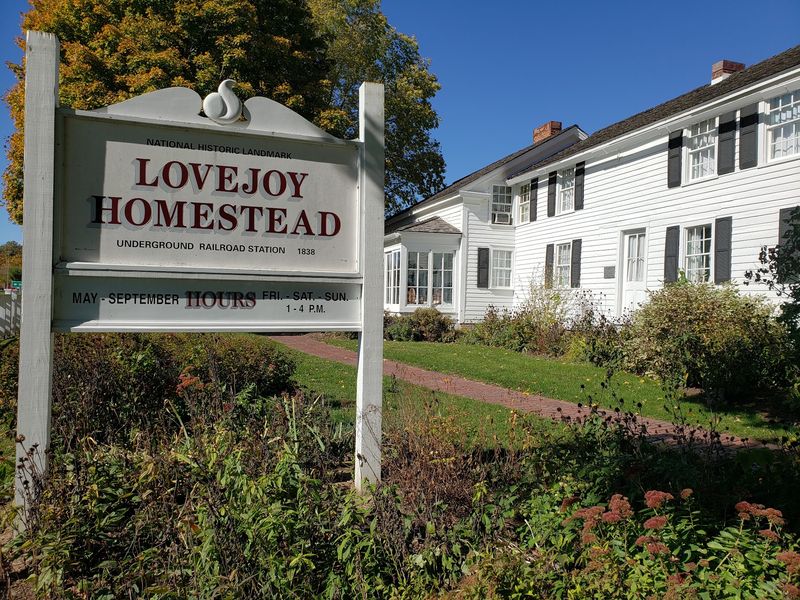
Few abolitionists in Illinois history carried the cause with as much fire as Owen Lovejoy, and his family home in Princeton stands as one of the most compelling stops on any Underground Railroad road trip. A minister and congressman who helped found the Illinois Republican Party, Lovejoy used this rural property as an active shelter for freedom seekers moving north toward Canada.
Guided tours walk visitors through the home’s original rooms and the school on the property, where fascinating artifacts and historical objects fill nearly every corner. The setting, along E Peru Street in Princeton, feels quietly powerful, with the agricultural landscape of Bureau County framing the experience perfectly.
Tours are available Friday through Sunday from 1:00 PM to 4:00 PM, making it an easy weekend stop. The site is family-friendly and genuinely engaging for curious kids and history lovers alike.
2. Quincy Underground Railroad Museum: Dr Richard Eells House, Quincy, IL
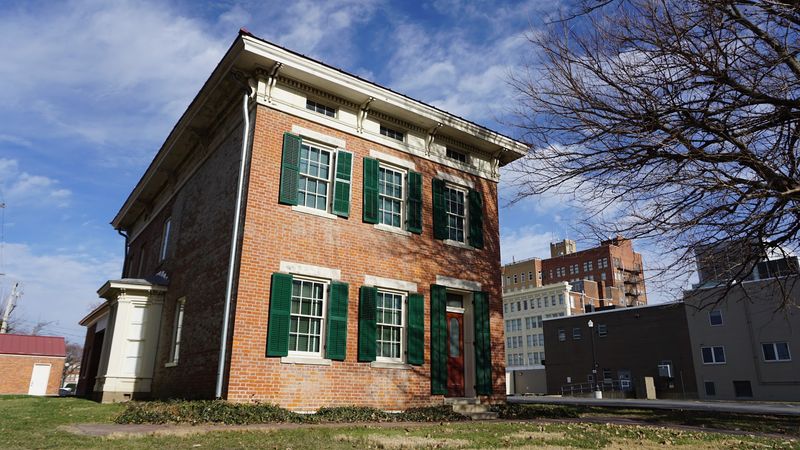
Built in 1835 along the banks of the Mississippi River, the Dr. Richard Eells House in Quincy is one of Illinois’s most legendary Underground Railroad sites. Dr. Eells, a physician and committed abolitionist, sheltered freedom seekers inside this restored home at considerable personal cost, eventually standing trial for harboring a fugitive under federal law.
Now operating as the Quincy Underground Railroad Museum, the property offers visitors a rare chance to step inside an incredibly well-preserved home and absorb the full weight of the Eells family’s courage. The restored interior and curated exhibits tell that story with clarity and depth.
Because the museum opens only on Saturdays from 1:00 PM to 4:00 PM, planning ahead is essential. Quincy itself is a beautiful historic river town worth exploring, making this a satisfying full-day destination along the western edge of Illinois.
3. Lombard Historical Society – Sheldon Peck Homestead, Lombard, IL
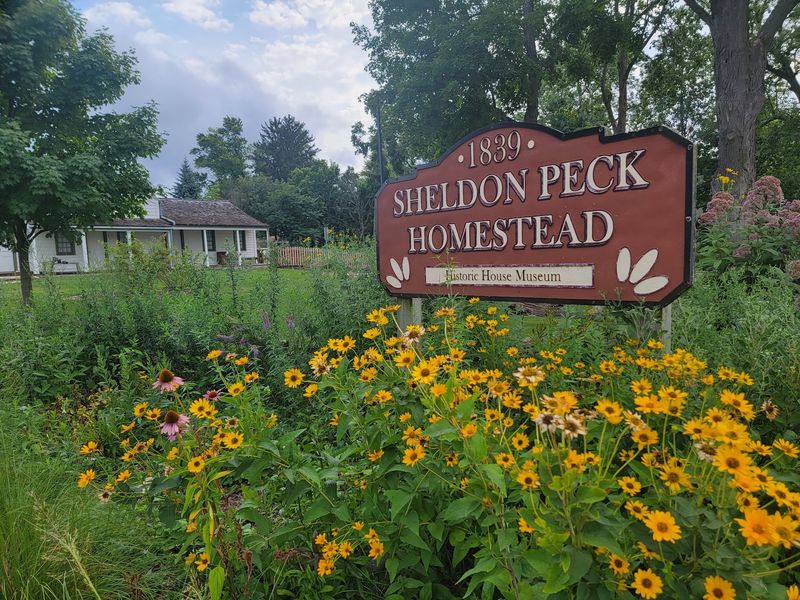
An itinerant folk artist might seem like an unlikely Underground Railroad conductor, but Sheldon Peck was exactly that. The 1839 timber-frame farmhouse he built in what is now Lombard, Illinois, served as a verified station on the freedom network, where Peck and his family quietly sheltered people seeking liberty at real personal risk.
Operated by the Lombard Historical Society, the homestead is registered on the National Park Network to Freedom, a recognition that carries genuine weight. Inside, a gallery traces the broader abolitionist movement across the Chicago area, giving the site a regional context that deepens its significance considerably.
Visitors will also find a gift shop, gender-neutral restrooms, and on-site parking, making the experience comfortable and accessible. The homestead opens Tuesdays, Thursdays, and Saturdays from noon to 4:00 PM.
For a suburb in DuPage County, this place carries a surprisingly profound historical punch.
4. Woodlawn Farm, Jacksonville, IL
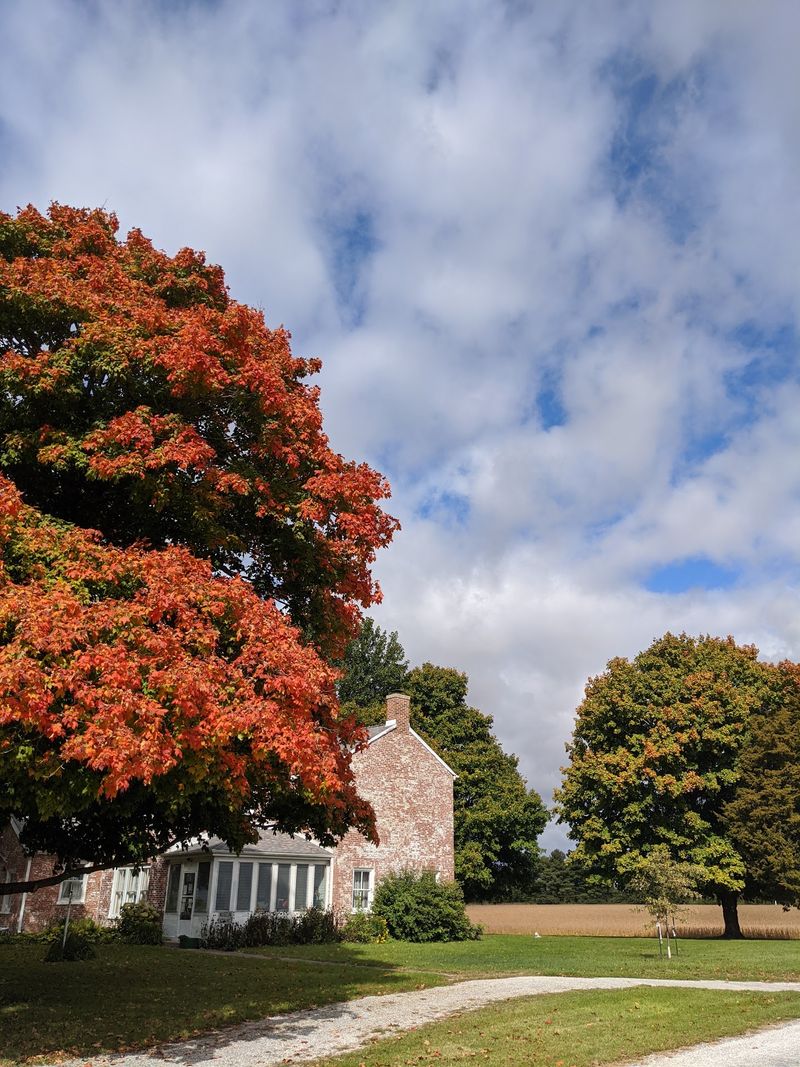
Morgan County’s rolling prairie land holds a quiet secret along Gierke Lane: Woodlawn Farm, a working historic farmstead established in the 1840s by the Michael Huffaker family. During the years leading up to the Civil War, this ordinary agricultural property served as a known station on the Underground Railroad, where farm families provided shelter and safe passage to freedom seekers crossing central Illinois.
What makes Woodlawn Farm stand apart is how grounded the experience feels. Guided tours connect visitors to the daily rhythms of 19th-century farm life while weaving in the extraordinary acts of conscience that happened right here on the land.
The grounds are open for exploration even when formal tours are not running.
Tickets are recommended in advance, and the site includes restrooms and on-site parking. Jacksonville itself, a small historic prairie town with deep collegiate and agricultural roots, makes the surrounding visit well worth the drive.
5. Byron Museum Theatre, Byron, IL
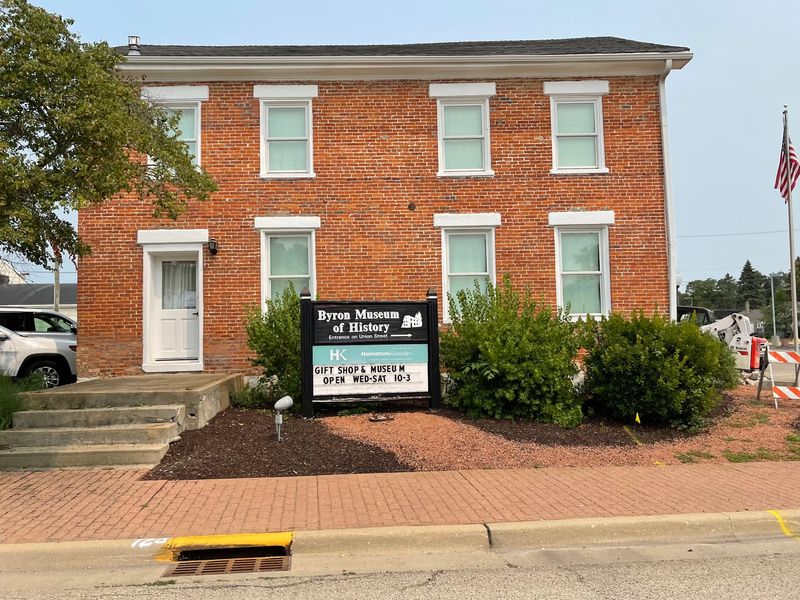
Sitting on the Rock River in northern Illinois, the small town of Byron punches well above its weight when it comes to history. The Byron Museum Theatre has served the surrounding region since 1990, drawing school groups, senior visitors, and curious families with a rich variety of local history exhibits that go far deeper than most small-town museums attempt.
Among its most compelling offerings is a dedicated presentation on how Byron played a role in the Underground Railroad through early settler Lucius Read and his family. The museum complex also encompasses the historic Lucius Read House, which is being prepared for public access, adding another layer of authenticity to the experience.
Staff are notably friendly and eager to answer questions, making visits feel personal rather than scripted. Open Wednesday through Saturday from 10:00 AM to 3:00 PM, with free admission and a cafe on site, Byron Museum Theatre is a genuinely rewarding stop.
6. Graue Mill & Museum, Oak Brook, IL
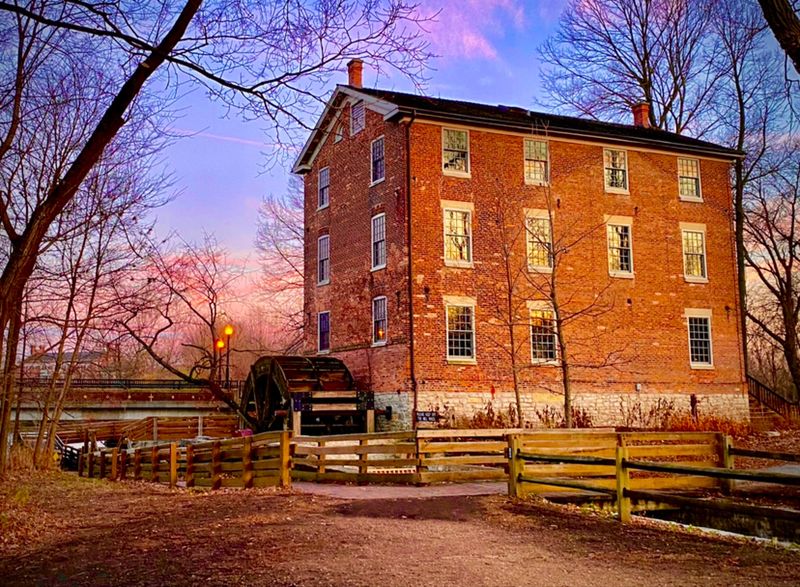
Water wheels and freedom are not phrases that typically go together, but at Graue Mill along Salt Creek in Oak Brook, they are inseparable parts of the same story. Frederick Graue and his family sheltered freedom seekers in the mill’s cellar during the Underground Railroad era, making this working gristmill one of the most visually striking historic sites in all of northeastern Illinois.
The three-story mill houses floor-by-floor exhibits, while the grounds outside invite visitors to wander past a grain garden planted with period-accurate crops, admire the handmade bricks and white oak timbers, and watch the giant water wheel turn in real time. Staff are skilled at connecting the milling history and the freedom-seeker history into one cohesive narrative.
Set within a forested preserve, the walking trails and waterfall nearby make this an easy half-day outing. Open Wednesday through Sunday from 10:00 AM to 4:00 PM, with free and paid parking available on site.
7. Downers Grove Museum, Downers Grove, IL
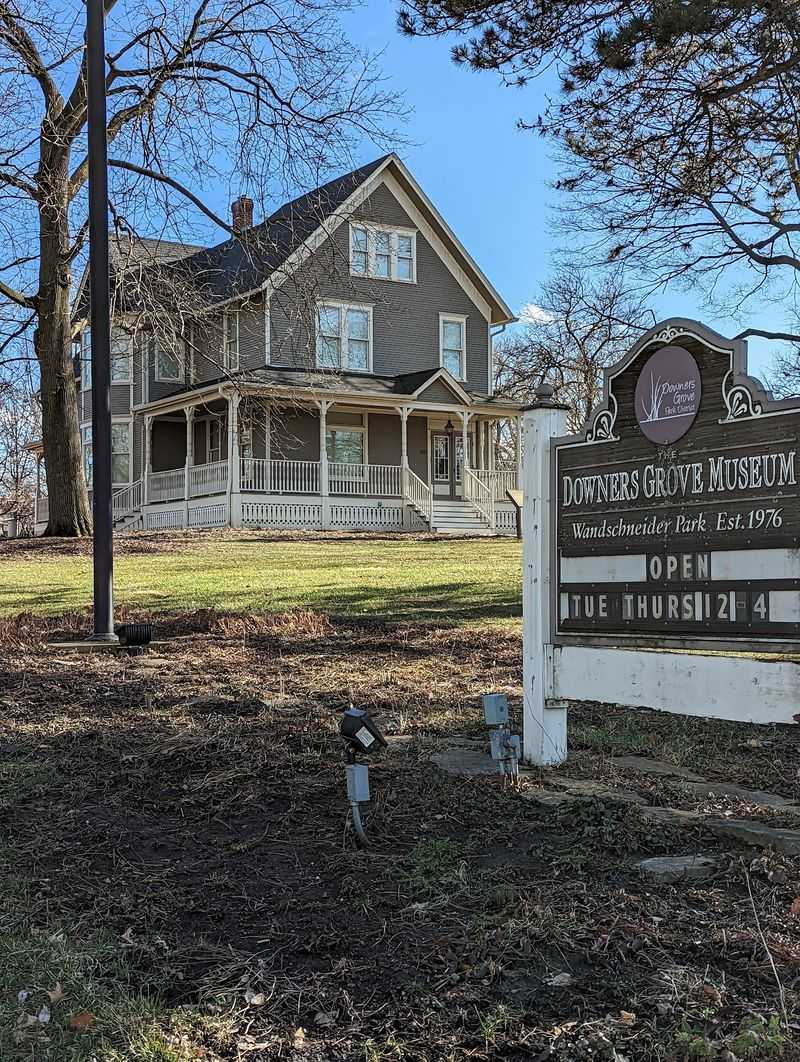
Stepping inside the Downers Grove Museum campus feels like crossing a threshold into a world that most suburbs have long forgotten. The centerpiece of the experience is the 1846 Blodgett House, a beautifully preserved Pioneer-Victorian era home where abolitionists Israel and Avis Blodgett sheltered freedom seekers as part of the Underground Railroad network moving through northeastern Illinois.
Original-looking furniture, period household items, and thoughtfully arranged exhibits create a genuinely immersive atmosphere rather than a sterile display. Beyond the Blodgett House, the museum campus includes a 1920s white pumper fire truck exhibit complete with vintage gear visitors can try on, adding a playful counterpoint to the deeper historical weight of the site.
Located at 831 Maple Avenue, the museum is open Tuesday through Thursday from noon to 4:00 PM and Saturday from 10:00 AM to 1:00 PM. Tours are available, and the site is family-friendly and welcoming to all ages.
Share this story