Nebraska might be famous for cornfields and wide open skies, but tucked between those peaceful plains are some genuinely unsettling places that locals have been whispering about for generations. From a museum packed with over 3,000 allegedly haunted objects to a rural road where cars reportedly stall on their own, the Cornhusker State has a surprisingly spooky side. You do not have to believe in ghosts to find these spots fascinating, but fair warning: a few of these stories are strange enough to make even the most skeptical visitor do a double take. Some of these locations have been investigated by paranormal researchers, some carry centuries of dark history, and others simply have a reputation that refuses to go away no matter how many rational explanations people throw at them.
Whether you are a thrill-seeker, a history buff, or just someone who enjoys a good ghost story, this list has something to keep you up at night. Read on, if you dare.
1. Museum of Shadows, Omaha, Nebraska
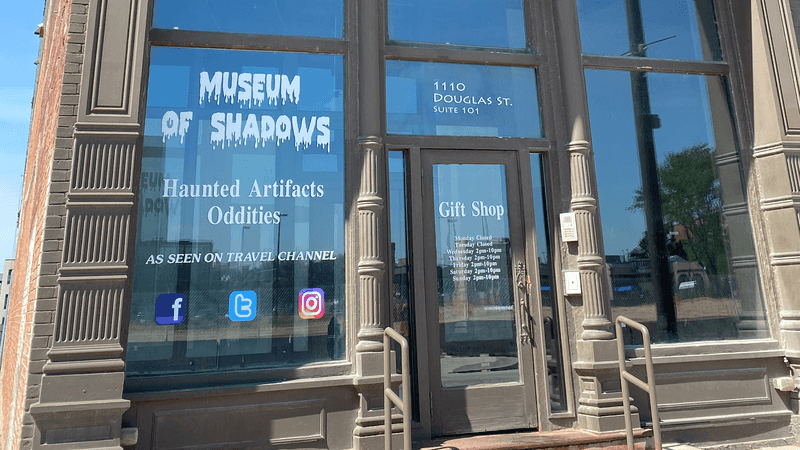
Husband-and-wife paranormal investigators Nate and Kaleigh Raterman opened this museum in 2016, and it has been unnerving visitors ever since.
The collection holds over 3,000 allegedly haunted artifacts gathered from locations around the world, with new objects added every single year.
Every item goes through a verification process that includes historical research, review of crime records where relevant, and testing with paranormal equipment designed to detect electromagnetic disruptions.
The Ratermans have appeared on Travel Channel, Discovery, and National Geographic, which gives the whole operation a level of credibility that is hard to brush off.
Visitors have reported being touched by unseen forces, spotting shadow figures moving between displays, and watching objects shift on their own.
For those who want to push their nerves to the limit, the museum offers a “Sit Challenge” where participants spend ten minutes alone in the dark with some of the most intensely charged relics in the basement.
Two floors of artifacts, zero guarantees of a calm exit. This one earns its reputation every single day.
2. Hummel Park, Omaha, Nebraska
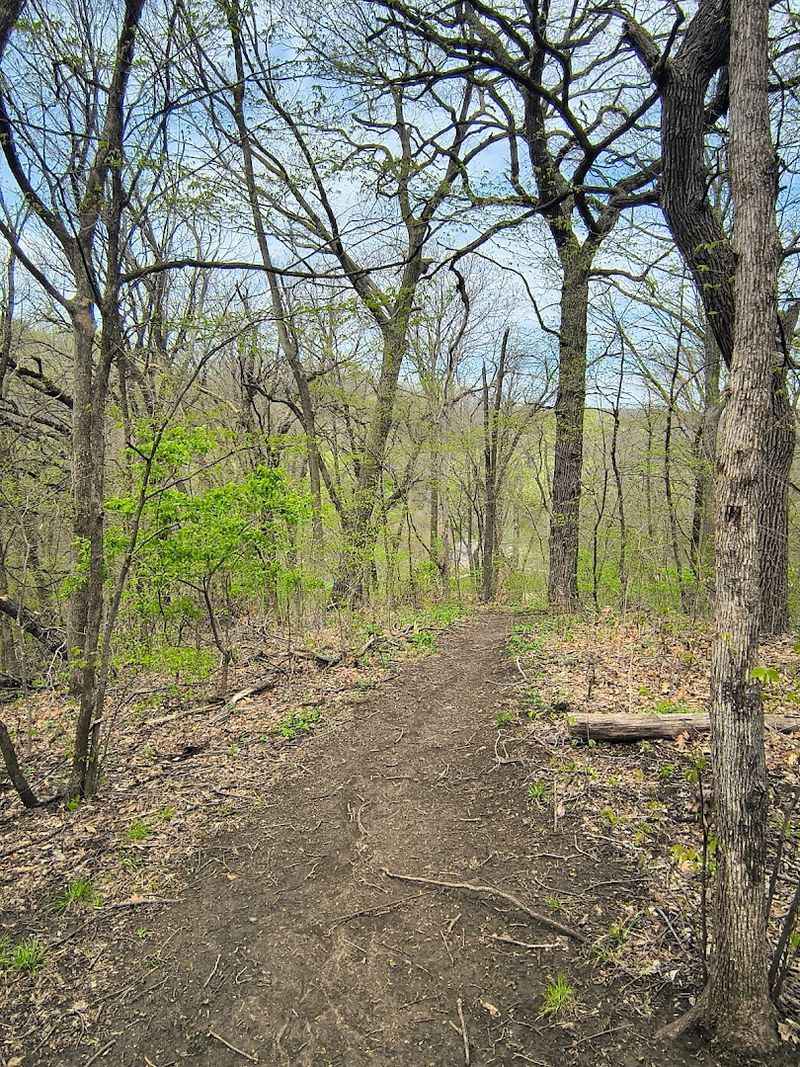
Established in 1930 and covering 202 acres in North Omaha, Hummel Park offers hiking trails, picnic areas, a disc golf course, and a Missouri River overlook that genuinely impresses first-time visitors.
It also comes with a collection of urban legends so persistent that they have taken on a life of their own over the past several decades.
The arching trees at the park entrance are said by some to be bowed under the weight of spirits from past events, though historical records do not support the specific claims behind that story.
A staircase inside the park, nicknamed “Stairs to Hell,” is famous for a legend that claims the step count changes depending on whether you go up or down. Visitors still test this every weekend.
Stories about a colony of reclusive individuals living deep in the woods have circulated for years, though no evidence has ever supported those claims.
Paranormal investigators have reportedly captured Electronic Voice Phenomenon recordings throughout the park, and visitors regularly report hearing unexplained screams or sensing they are being watched from the trees.
The park is real, the legends are lively, and the woods are dense enough to make anyone a little uneasy.
3. Wyuka Cemetery, Lincoln, Nebraska
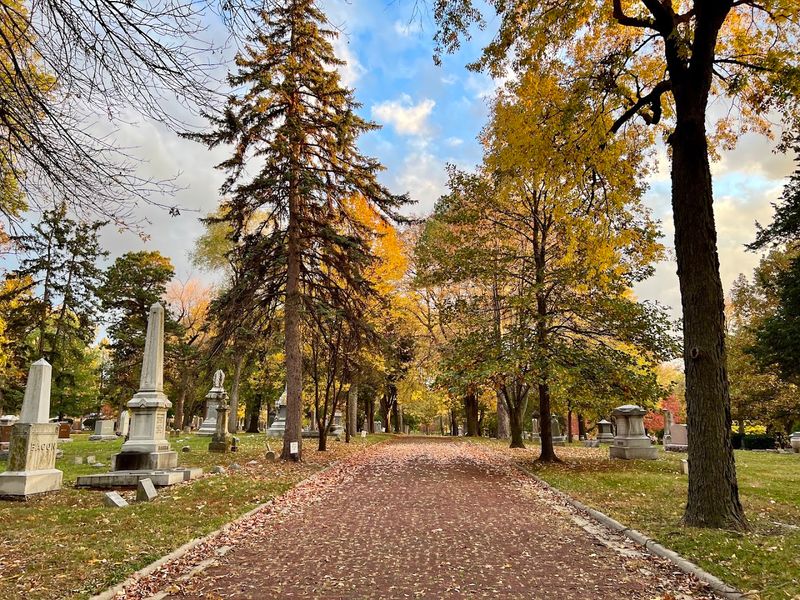
Founded in 1869 by an act of the Nebraska Legislature, Wyuka Cemetery takes its name from a Lakota word meaning “to rest,” which feels fitting given how much history is buried within its 140-plus acres.
The design was inspired by the rural cemetery movement, drawing specifically from the model of Mount Auburn Cemetery near Boston, and the result is a landscape that feels more like an outdoor museum than a traditional burial ground.
Added to the National Register of Historic Places in 1982, Wyuka features impressive statuary, the Gothic Revival-style Rudge Memorial Chapel completed in 1928, and a receiving tomb designed by architect J.H.W. Hawkins.
The iron fence along O Street originally stood around the University of Nebraska-Lincoln campus in 1891 before being relocated here, which adds a quiet layer of unexpected history to the perimeter.
Civil War veterans, U.S. Senators, Governors, and prominent Lincoln families all rest within these grounds, alongside the Nebraska Holocaust Memorial established in 2007.
Photographers and historians visit regularly for the architecture and landscaping, while others come specifically because the winding roads and aged monuments create an atmosphere that feels genuinely otherworldly after dark.
4. Squirrel Cage Jail, Beatrice, Nebraska
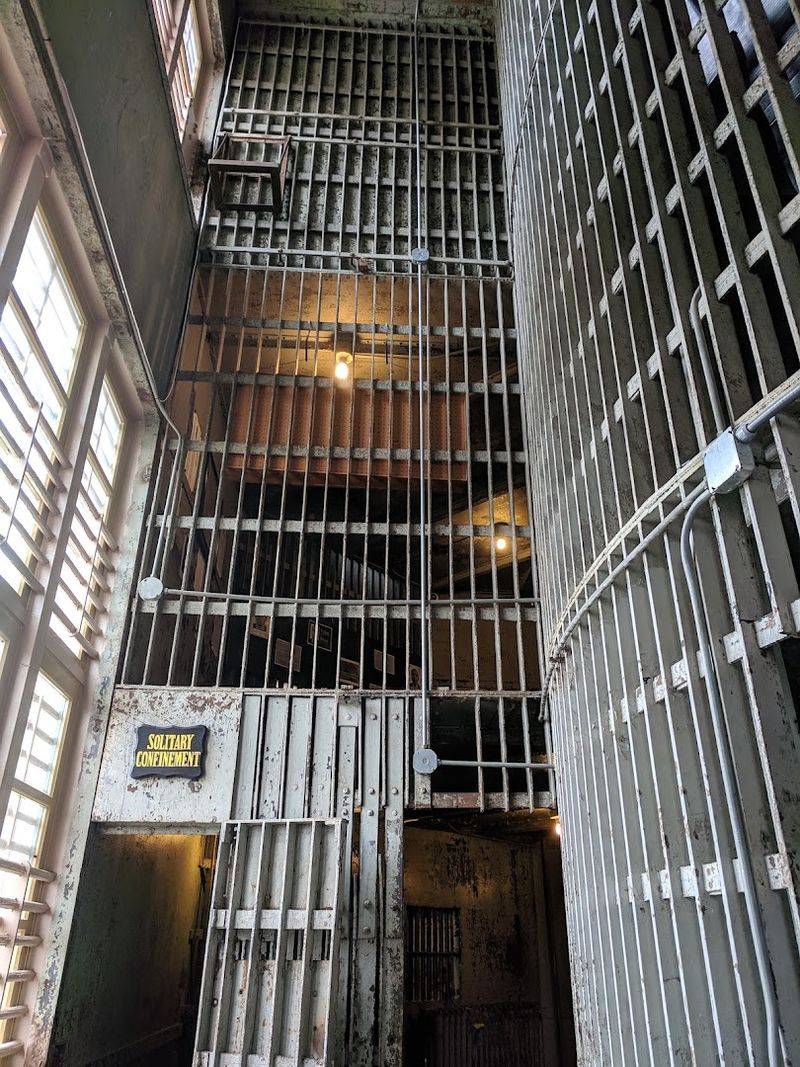
Built in 1885 and operational until 1969, the Squirrel Cage Jail stands as one of only 18 rotating jails ever constructed in the United States, and it is the only three-story version ever built.
The design was patented by William H. Brown and Benjamin F. Haugh of Indianapolis, with the idea that a single jailer could manage the entire cellblock by rotating a 90,000-pound drum of wedge-shaped cells using a hand crank.
That sounds efficient on paper, but mechanical problems and safety concerns led to the rotation being stopped permanently in 1960, nearly a decade before the facility closed.
After closure, the structure was acquired for preservation in 1971 and listed on the National Register of Historic Places in 1972.
Today it operates as a museum, and the original iron cells and narrow corridors remain largely unchanged. The walls still carry scratched signatures and dates left behind by former prisoners.
Local legends suggest the jail is haunted, and the museum leans into that reputation by offering paranormal investigation events and overnight experiences for visitors who want a closer look at what might be lingering inside.
The architecture alone is worth the visit, but the ghost stories definitely add something extra to the tour.
5. Indian Cave State Park, Shubert, Nebraska
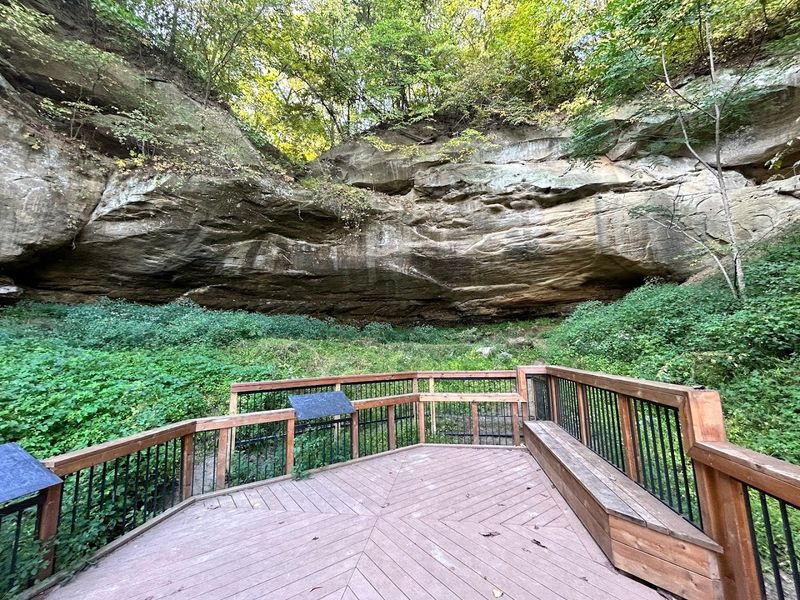
Covering nearly 3,400 acres along the Missouri River near Shubert, Indian Cave State Park is home to one of Nebraska’s most genuinely mysterious natural features: a sandstone overhang covered in prehistoric petroglyphs.
The carvings depict wild animals, human figures, and notably a man on a horse, and researchers believe they are several thousand years old. Their precise cultural origins remain unconfirmed.
A handicap-accessible boardwalk with interpretive signage now protects the petroglyphs from further damage, since earlier visitors had carved their own names into the soft sandstone alongside the ancient artwork.
Beyond the cave, the park includes over 22 miles of hiking, biking, and equestrian trails winding through dense woods and past towering limestone bluffs.
A partially reconstructed 1850s village called St. Deroin sits within the park grounds, established in 1853 and eventually abandoned by 1920 after repeated flooding. Only a relocated schoolhouse and a cemetery remain.
Local legend holds that the town’s founder, Joseph Deroin, was buried upright on horseback in the cemetery, which is the kind of detail that makes a ghost story almost unnecessary.
Park staff also recount the story of A.J. Ritter, whose ghost is said to search the grounds on moonless nights for an arm lost in a dynamite fishing accident on the Missouri River.
6. Fort Robinson State Park, Crawford, Nebraska
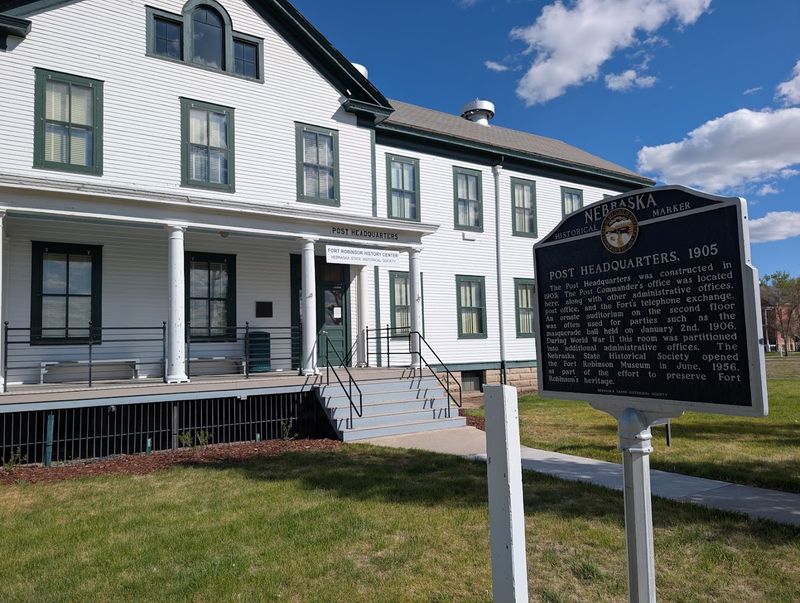
Established as a military encampment in March 1874 near Crawford in western Nebraska, Fort Robinson played a central role in some of the most significant and sorrowful events of the American frontier era.
The fort is the documented site of the confinement and death of Lakota leader Crazy Horse in 1877, and it witnessed the Cheyenne Breakout of 1879, a desperate escape attempt by Northern Cheyenne prisoners that resulted in widespread casualties on both sides.
Over its active years, the fort served as headquarters for Buffalo Soldier regiments, a training center for the U.S. Olympic Equestrian team, a K-9 training facility during World War II, and a prisoner-of-war camp primarily housing German POWs.
After being decommissioned in the late 1940s, the property eventually became a state park, and many of the original structures, including barracks, officers quarters, and the 1908 Veterinary Hospital, remain standing today.
Staff and visitors frequently describe cold spots in specific buildings, fleeting shadows near the old guard tower, unexplained footsteps, and a persistent feeling of sadness that is hard to shake.
The park spans 22,000 acres of Pine Ridge scenery and offers lodging in historic cabins, Jeep tours, horseback riding, and access to the Trailside Museum of Natural History.
History this heavy tends to leave something behind, and Fort Robinson is a place where that feeling is genuinely difficult to ignore.
7. Argo Hotel, Crofton, Nebraska
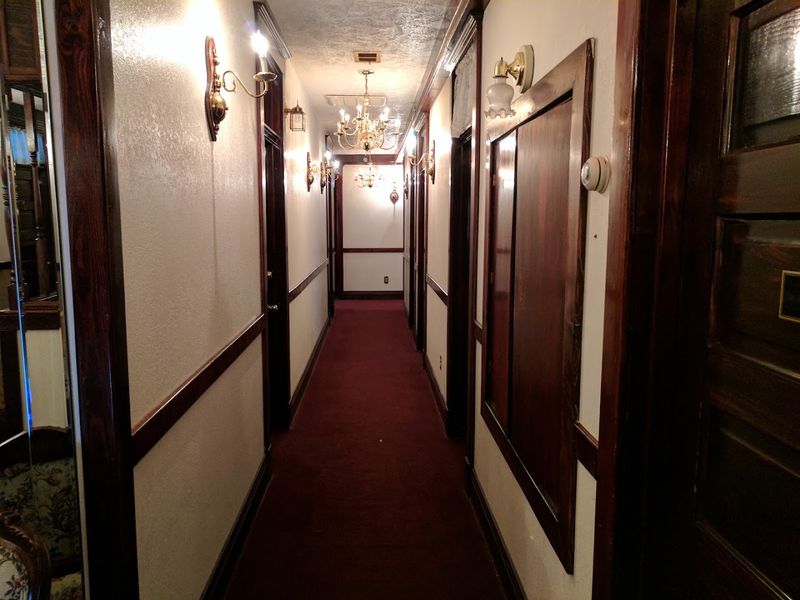
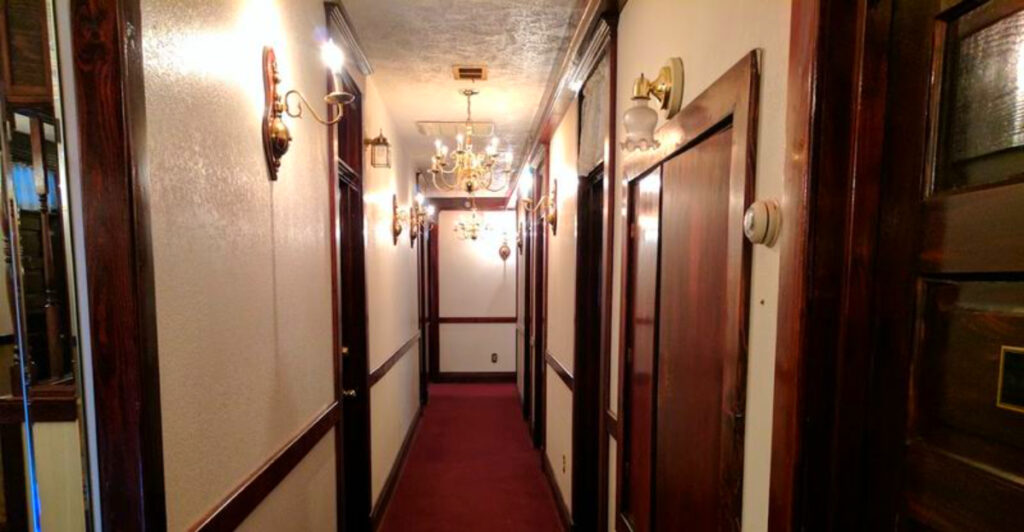
Built in 1912, the Argo Hotel has welcomed travelers for more than a century, but many visitors believe not all of its guests have ever checked out. The historic hotel sits in the small town of Crofton and has become one of Nebraska’s best-known destinations for paranormal enthusiasts.
The most famous spirit is said to be a little girl named Katie, who has reportedly been seen running through the hallways, laughing, and playing with toys left by visitors. Guests have also described hearing footsteps in empty rooms and doors opening on their own.
Another long-standing legend centers on a grieving mother searching for her infant after workers reportedly discovered the remains of a baby during renovations decades ago. Staff and overnight guests have claimed to hear a woman crying and calling for her child late at night.
Cold spots, flickering lights, unexplained voices, and objects moving without explanation have all been reported throughout the building. Paranormal investigation groups regularly visit the hotel, and guests can even book overnight stays to experience its eerie reputation for themselves.
Whether you leave with ghost stories or simply a memorable night’s stay, the Argo Hotel has earned its place among Nebraska’s most haunted landmarks.
8. Blackbird Hill, Decatur, Nebraska
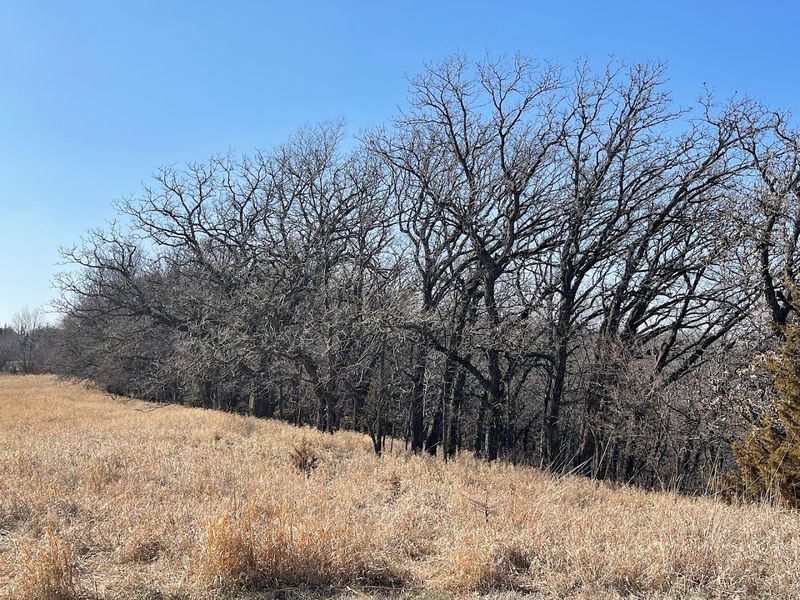
Overlooking the Missouri River near Decatur, Blackbird Hill is one of Nebraska’s most historic locations, but many believe it is also one of its most haunted. The hill is traditionally recognized as the burial place of Chief Blackbird, a powerful Omaha leader who requested to be buried on horseback so he could continue watching over his people.
Lewis and Clark documented visiting the burial site during their famous expedition in 1804, adding another layer of historical significance to the location.
Local legend claims Chief Blackbird’s spirit still patrols the hill, with visitors occasionally reporting sightings of a ghostly rider on horseback appearing at dusk before disappearing into the trees.
Others have described mysterious lights moving across the bluff, unexplained whispers carried by the wind, and an overwhelming feeling that they are not alone while standing near the monument.
The sweeping river views are beautiful during the day, but after sunset, Blackbird Hill takes on an entirely different atmosphere that has fueled ghost stories for generations.
9. Seven Sisters Road, Nebraska City, Nebraska
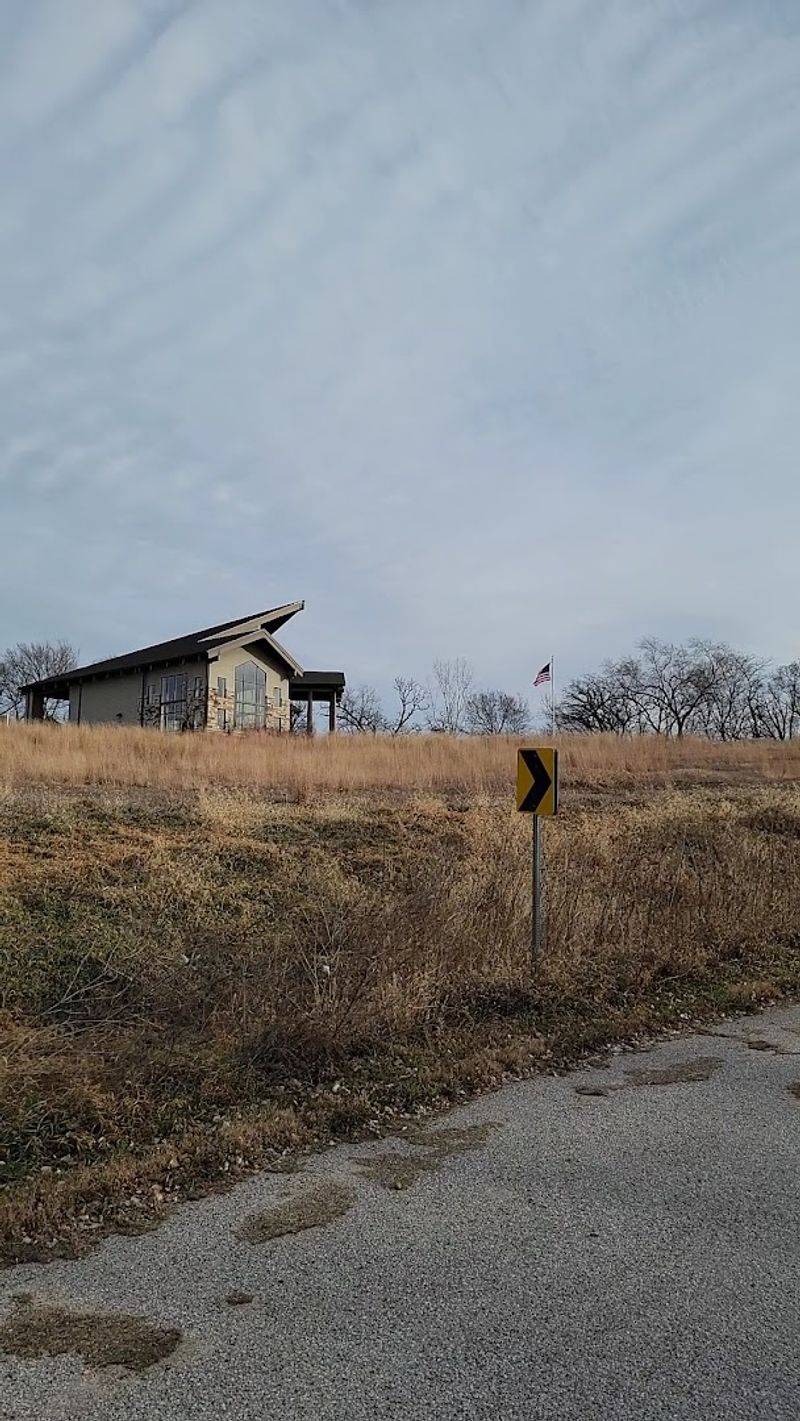
Officially called L Street, this winding rural road in Otoe County has carried one of Nebraska’s darkest legends for well over a century.
The story goes that in the early 1900s, a man living along the road led seven women, one by one, to the top of seven hills and hanged each of them from trees. No official records have ever confirmed this, but the legend refuses to fade.
Drivers along the road, particularly after dark, have reported their cars stalling without mechanical cause, headlights dimming on their own, speedometers freezing mid-drive, and windows opening and closing without anyone touching them.
Some visitors claim to hear screaming voices, bells ringing, and muffled whispers coming from the surrounding fields and tree lines.
Sightings of shadowy figures and glowing red eyes peering from the darkness have also made it into local accounts over the years.
Phantom lights drifting through the trees are another recurring report, with some people interpreting them as the spirits of the seven women.
Paranormal investigation groups continue to visit regularly, and the activity reports keep piling up with each passing season.
Share this story