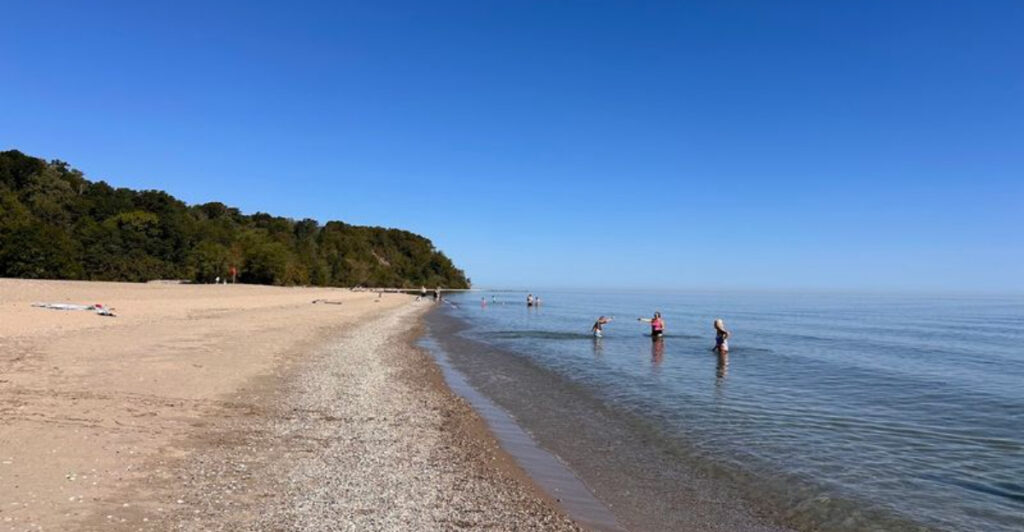
Wisconsin’s Lake Michigan shoreline holds a quiet secret that not enough people know about: beach glass. Worn smooth and frosted by years of wave action, these colorful fragments can turn an ordinary afternoon walk into a small treasure hunt.
From Kenosha in the south to Sheboygan in the north, the state’s eastern shoreline offers a surprising range of beaches worth combing. Whether you are a serious collector or just curious about what the waves leave behind, this list covers nine real, accessible spots that give you an honest shot at finding something worth keeping.
Grant Park Beach, South Milwaukee
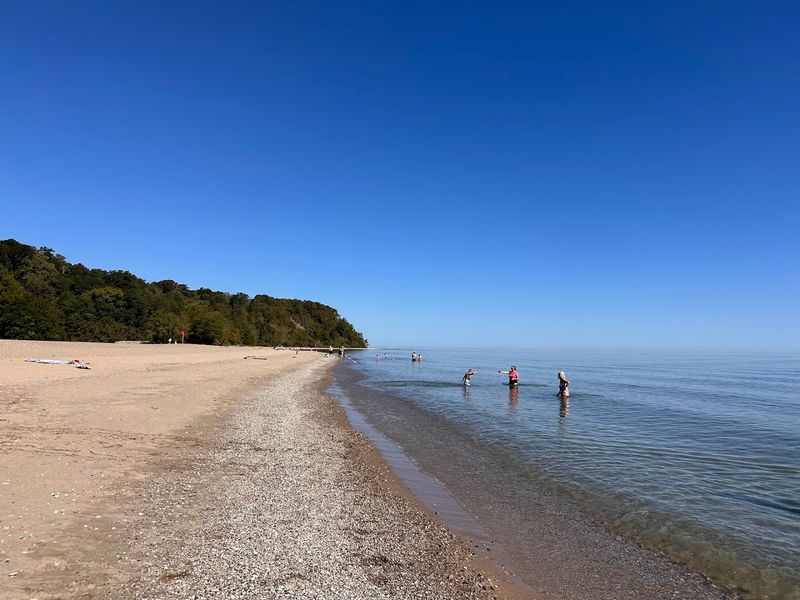
A Racine jewelry artist who has spent years searching southeastern Wisconsin’s shoreline recently brought Milwaukee public radio reporters to this very beach, which tells you something about how collectors feel about Grant Park.
The most productive spots tend to be the damp bands of pebbles and shells near the water rather than the wide stretches of dry sand farther back. Wet surfaces help frosted glass catch the light, making pieces easier to spot.
Take your time walking slowly along the waterline and let your eyes adjust to the texture of the shore.
After the search, the Seven Bridges Trail winds through wooded ravines and down toward additional Lake Michigan views, making the visit feel like more than just a beach stop. Milwaukee County lists Grant Park Beach as an active public beach, with the larger park open daily from 6 a.m. to 10 p.m.
Schlitz Audubon Nature Center, Bayside
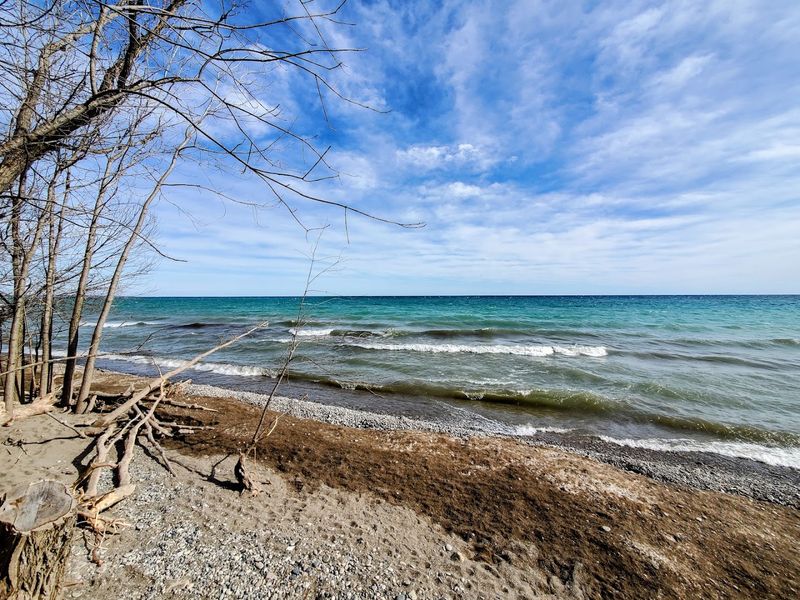
This is the most thoroughly documented beach-glass location on the entire list. Schlitz Audubon Nature Center directly describes its Lake Michigan shoreline as a great place to search, and the center even explains that glass shows up most often where waves reach pebble-sized rocks that stay wet.
Collectors have found clear, amber, green, cobalt, aqua, and milk-glass pieces along this stretch. Unlike fossils and natural rocks, which the center asks visitors to leave in place, beach glass and other litter may be removed.
That policy makes it one of the more collector-friendly nature preserves in the region.
Reaching the beach means following trails through the 185-acre property, which keeps foot traffic lighter than at public swimming beaches. Admission is charged for nonmembers, and summer trail hours currently extend into the evening Monday through Thursday.
Check the center’s website before visiting for current hours and conditions.
Tietjen Beach at Doctors Park, Fox Point
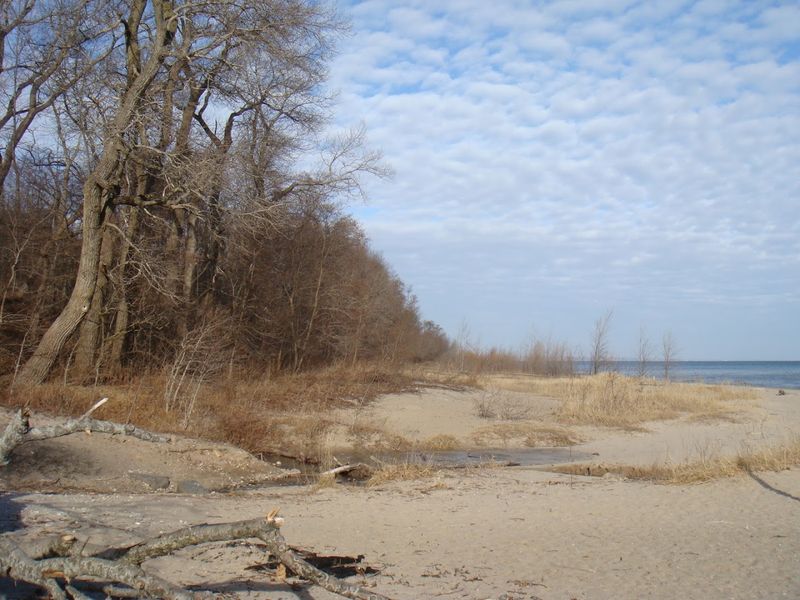
Getting to this beach requires a little effort, and that is exactly the point. Doctors Park sits on a wooded bluff above Lake Michigan, and trails descend from the parking area down to the secluded shoreline known as Tietjen Beach.
The walk keeps the crowd smaller than at larger urban swimming beaches, giving you more space to work slowly along the waterline. The mix of sand, pebbles, jetties, and wave-washed debris creates several different textures worth examining.
Focus on small concentrations of similarly sized stones and shells, particularly after rough weather has rearranged the shore.
Stairs and sloping trails make the descent manageable for most visitors, but those with mobility concerns should plan accordingly since the terrain is uneven. Doctors Park is part of the Milwaukee County Parks system, open daily from 6 a.m. to 10 p.m.
No lifeguards are stationed at Tietjen Beach, so water safety is entirely the visitor’s responsibility.
Simmons Island Beach, Kenosha
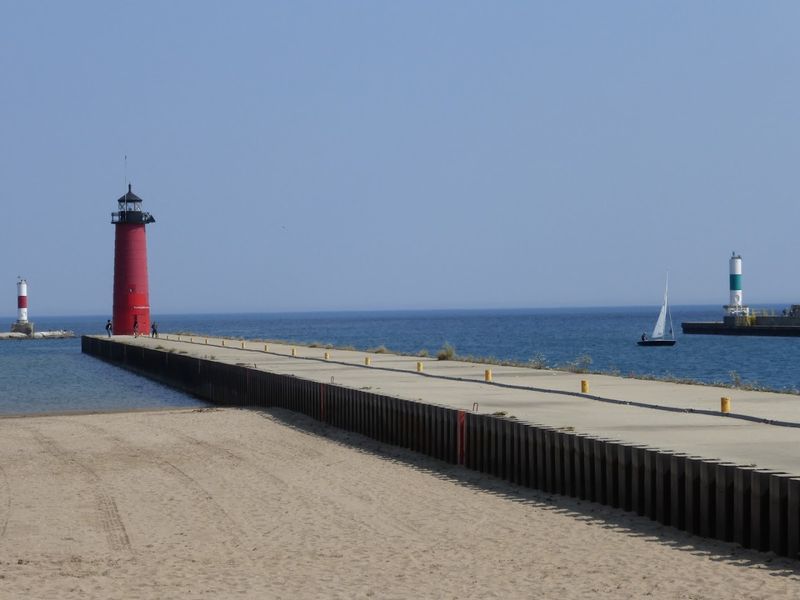
Kenosha’s waterfront history is part of what makes Simmons Island Beach worth a dedicated visit. The city’s early shipping activity, former lakefront factories, and historic disposal sites are frequently cited as reasons why unusual material continues to wash ashore along this stretch of Lake Michigan.
The official Kenosha tourism organization reports that collectors have found glass, marbles, pottery pieces, fossils, and other remnants of the city’s industrial past along this shoreline. That range of finds makes it one of the more varied beachcombing spots in southeastern Wisconsin.
Simmons Island is also easy to build into a full lakefront day. A boardwalk, park space, two lighthouses, nearby museums, and a seasonal beach house are all within walking distance.
Admission and parking at Simmons Island Beach are currently free, which makes it an easy stop for first-time visitors who want to explore Kenosha’s lakefront without a big commitment.
Alford Park and Beach, Kenosha
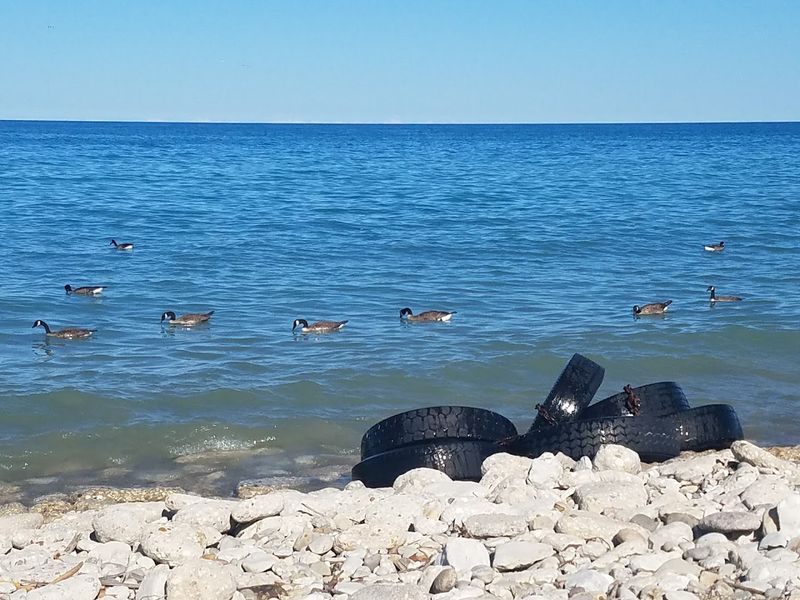
Few beach listings in Wisconsin specifically promote sea glass as a draw, but Alford Park’s current tourism listing does exactly that. Located at the northern end of Kenosha’s public shoreline, this 57-acre park offers a less uniform shoreline than many of the region’s sandy swimming beaches.
That variety matters for beachcombers. The mix of beach, fishing areas, and walking paths creates several different zones to explore.
Focus on spots where small stones, shells, driftwood, and other lightweight debris have naturally collected together, since glass carried by the same waves often ends up in the same pockets.
Beach access and parking at Alford Park are currently free, which is a genuine advantage for anyone planning multiple stops along the Kenosha shoreline. The city notes that its Lake Michigan beaches are not staffed by lifeguards.
Glass containers are prohibited at the park, so any sharp modern fragments you find should be removed and properly discarded.
Carre-Hogle Park, Racine
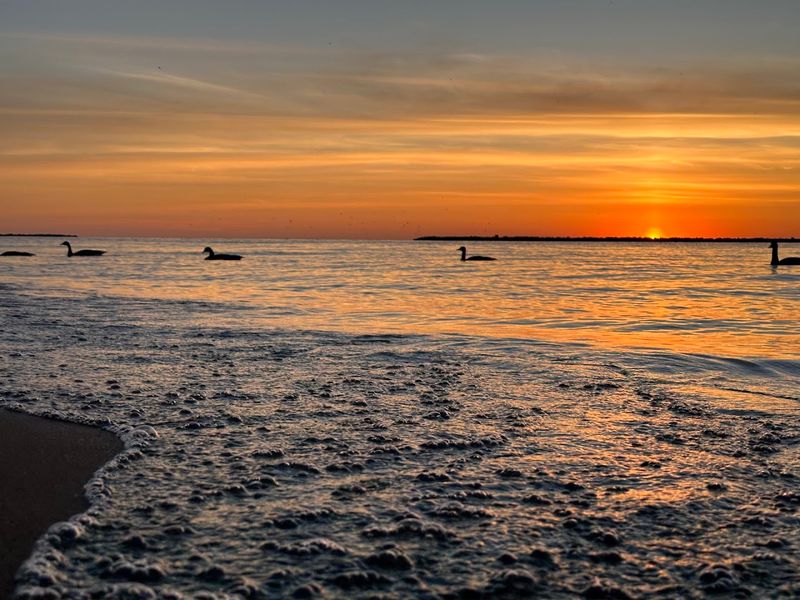
Carre-Hogle Park offers something different from Racine’s busy North Beach: a quieter, more compact stretch of waterfront where patient beachcombers can move slowly without navigating around swimmers or large crowds. The city continues to maintain the park at the southern end of Main Street.
This location works best as a shoreline-walking destination rather than a swimming spot. Racine has made clear that Carre-Hogle is not a designated or lifeguarded swimming beach, and the city added new safety measures following a serious incident in 2025.
Visitors should stay well back from rough water, watch for changing wave conditions, and search only from stable areas of the shore.
For collectors who enjoy having a quiet strip of waterfront mostly to themselves, the park’s smaller scale can feel like an advantage. Current information about conditions and access is available through Racine’s Parks Department.
Plan your visit accordingly and prioritize shore safety throughout your stay.
North Beach, Racine
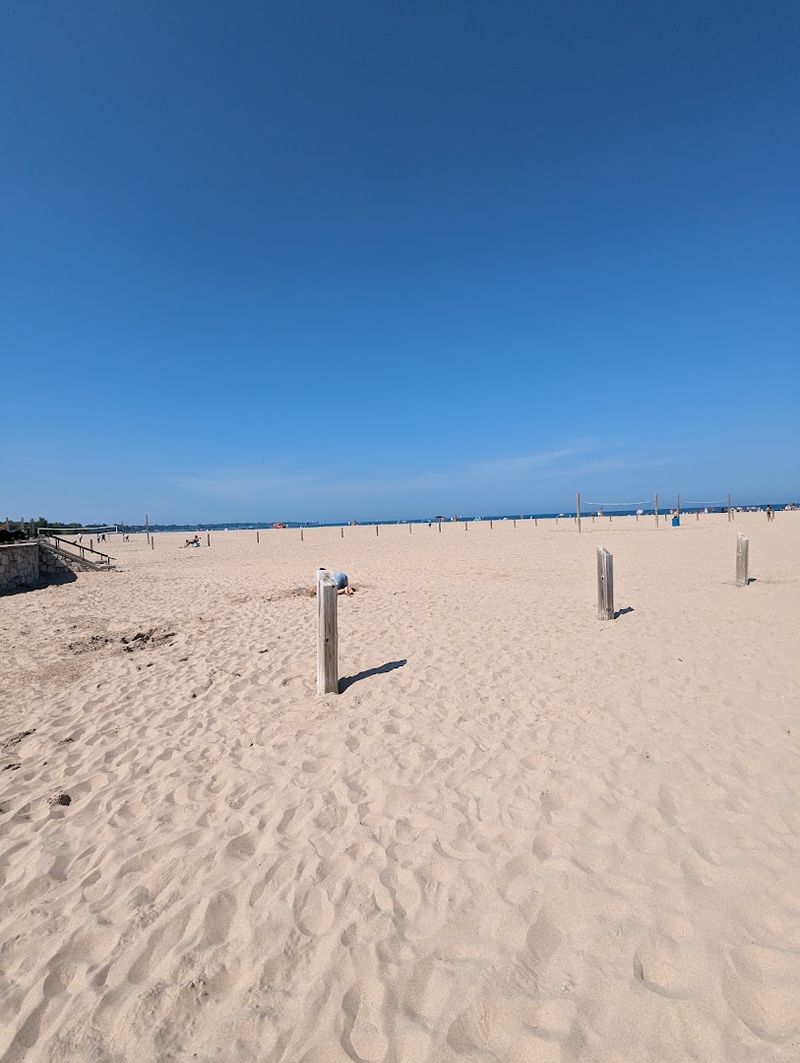
Raw shoreline coverage is one of the biggest practical advantages a beach-glass hunter can have, and North Beach delivers on that front. The public beach covers approximately 50 acres and extends for about 2,500 feet along Lake Michigan, giving collectors a generous stretch of waterline to cover.
Because most of North Beach is sandy and regularly used for swimming and recreation, the more productive areas for glass hunting tend to be where waves have exposed pebbles, shells, and heavier debris. Early mornings are worth considering, since frosted pieces can be easier to spot on a quieter beach before foot traffic mixes everything up.
North Beach is open year-round from 6 a.m. to 10 p.m. Restrooms, concessions, lifeguards, and other services operate on a seasonal schedule, so check current availability before planning a longer visit.
Always confirm the city’s swimming status before entering the water, especially during periods of rough weather.
Kohler-Andrae State Park, Sheboygan
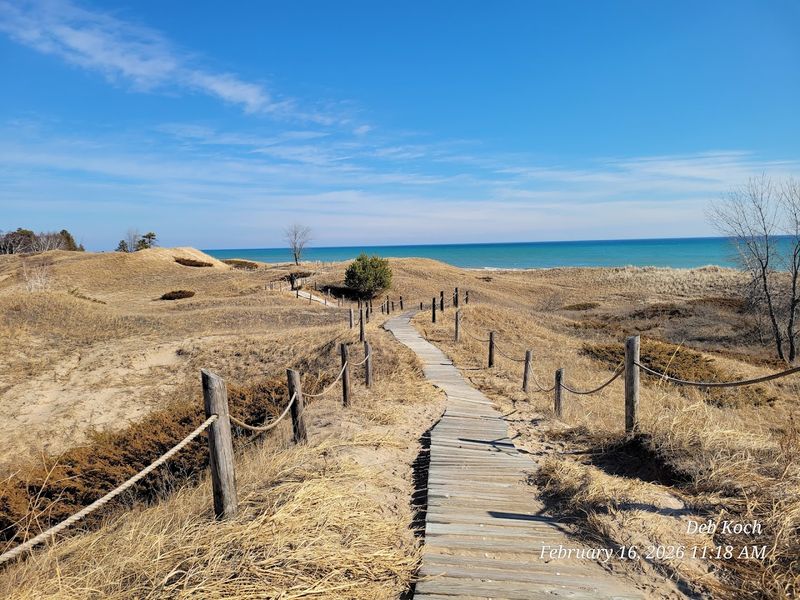
Kohler-Andrae is primarily known for its sweeping dunes, golden sand, pine trees, and miles of Lake Michigan shoreline. That combination also makes it a genuinely pleasant place to pair a beach-glass search with hiking and a little wildlife watching along the way.
Pure sand is not always the most productive terrain for finding frosted glass, so pay attention to temporary pebble beds and places where waves have created natural lines of shells or stones. These shoreline patterns shift frequently after strong winds, meaning a section that looked bare on a previous visit may hold something interesting the next time around.
Kohler-Andrae is open year-round from 6 a.m. to 11 p.m., and a Wisconsin state-park vehicle admission pass is required. Weekend parking fills quickly during warmer months, so arriving early gives you the best shot at a good spot and a quieter stretch of shore to work before the crowds settle in.
Harrington Beach State Park, Belgium
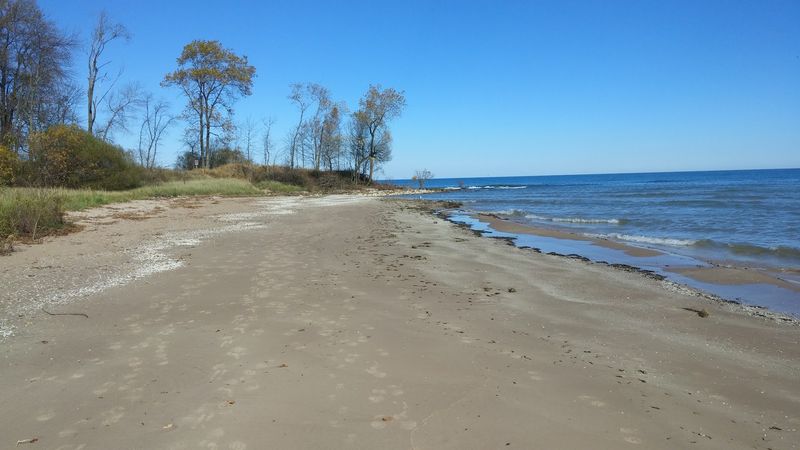
Harrington Beach State Park stretches along more than a mile of Lake Michigan shoreline, divided into northern and southern beach areas. That length gives visitors plenty of room to explore changing bands of sand, stones, and wave-carried material without covering the same ground twice.
The beach also carries an interesting industrial backstory. Remains of a roughly 700-foot pier can still be seen near the point where limestone was once shipped from the park’s former quarry operation.
Historic waterfront use combined with active wave movement makes Harrington a more layered beachcombing destination than it might first appear.
The park is open year-round from 6 a.m. to 11 p.m., and a Wisconsin state-park vehicle admission pass is required. Belgium is a smaller community north of Milwaukee, so the drive is manageable as either a day trip or part of a longer Lake Michigan road trip up the Wisconsin shoreline.
Facilities are available on-site during the main season.
Share this story