Some weekends call for something more than the usual routine. You need a place where the air feels fresher, where color surrounds you at every turn, and where the simple act of wandering becomes its own reward.
Oklahoma holds a secret that locals have been enjoying for years, and it’s time more people discovered what makes this green sanctuary so special. Spread across acres of carefully curated landscapes, this botanical haven offers everything from peaceful walking trails to seasonal celebrations that light up the night.
Whether you’re looking to reconnect with nature, spend quality time with family, or simply find a moment of calm away from daily demands, this destination delivers on every front. The best part is that each visit reveals something new, making it a place you’ll want to return to again and again throughout the year.
A Green Oasis in the Heart of Oklahoma
The Tulsa Botanic Garden at 3900 Tulsa Botanic Dr, Tulsa, OK 74127 sprawls across a landscape that feels worlds away from the city bustle. I found myself completely absorbed the moment I stepped through the entrance, greeted by pathways that wind through carefully designed garden rooms.
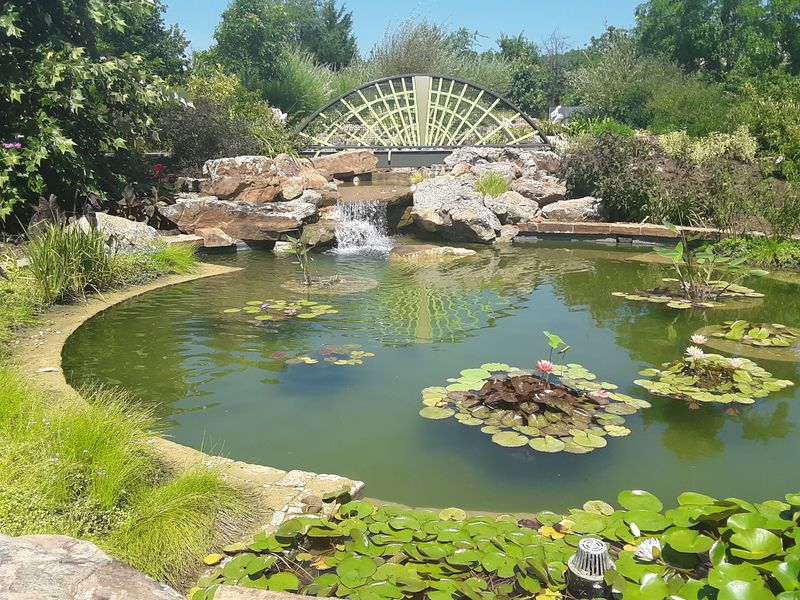
Each turn reveals something different. One moment you’re surrounded by native prairie grasses swaying in the breeze, and the next you’re standing beside a tranquil lotus pool that mirrors the sky above.
The garden’s design encourages exploration at your own pace. I noticed families stopping to read plant labels, couples photographing blooms, and solo visitors simply sitting on benches to soak in the atmosphere.
What struck me most was how the space manages to feel both expansive and intimate. You can spend hours here without retracing your steps, discovering new corners and hidden spots that invite you to pause and appreciate the artistry of nature combined with thoughtful human design.
The garden truly represents Oklahoma’s commitment to preserving and showcasing the beauty of regional and international plant collections in one stunning location.
Floral Terraces That Change With Every Season
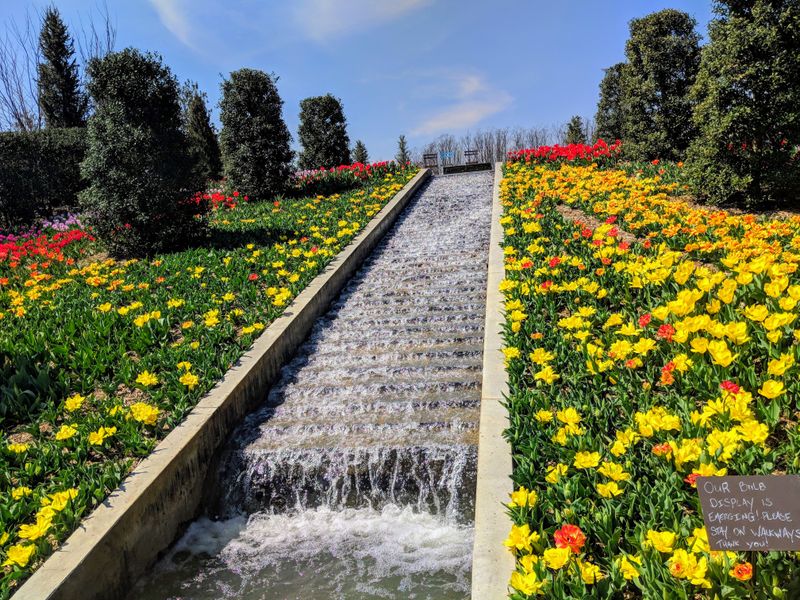
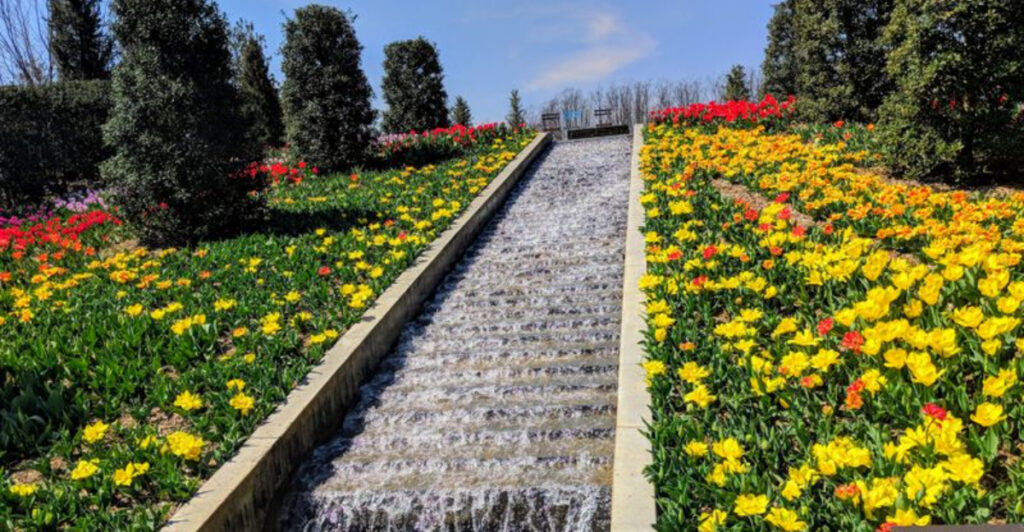
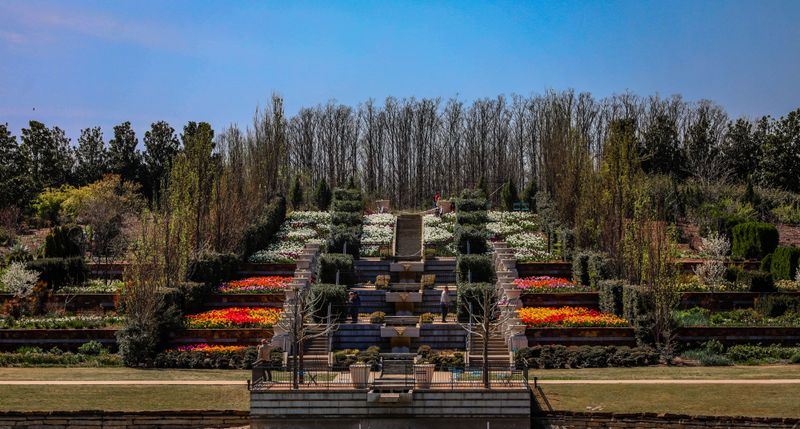
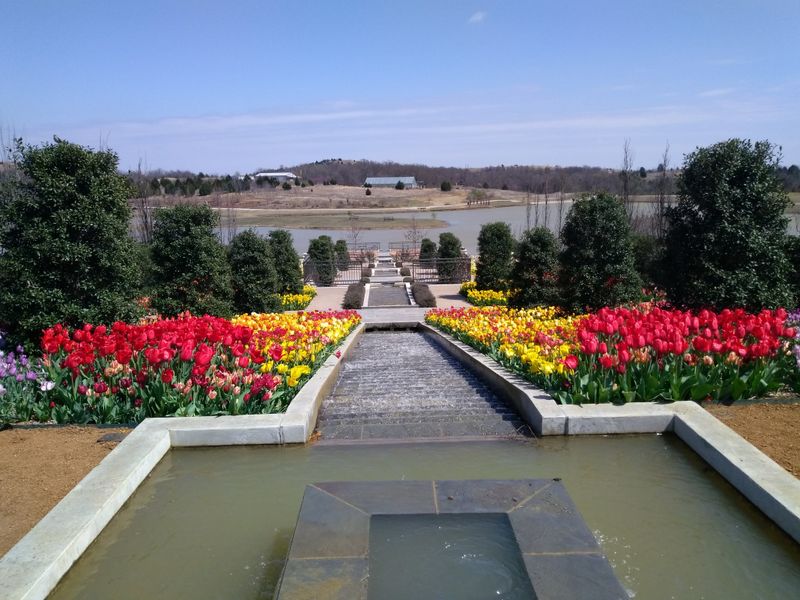
The terraced gardens transform throughout the year, offering a completely different experience depending on when you visit. During my spring visit, tulips and daffodils created waves of color that cascaded down the slopes in stunning patterns.
Summer brings bold perennials and annuals that thrive in Oklahoma’s warmth. The gardeners here clearly know their craft, selecting plants that not only survive but flourish in the local climate while creating stunning visual combinations.
I watched as visitors moved slowly through these areas, phones out to capture the perfect shot. The terraces are designed with photography in mind, offering multiple vantage points that frame the flowers against the sky or surrounding landscape.
Fall introduces ornamental grasses and late-blooming perennials that glow golden in the afternoon light. Even winter has its charm, with evergreen structures and seed heads that provide texture and interest when most gardens look bare.
The seasonal rotation means that members who visit regularly never see quite the same garden twice, making each trip feel fresh and rewarding throughout the entire year.
The Lakeside Promenade Experience
Walking along the lakeside promenade offers a completely different atmosphere from the formal garden areas. The path hugs the water’s edge, providing views that change with the light and weather throughout the day.
I visited in the early morning when mist still hung over the water. The quiet was profound, broken only by birdsong and the occasional splash of fish rising to feed.
The promenade is wide enough for comfortable walking, with benches positioned at intervals for those who want to sit and watch the water. I noticed several people sketching the scene, taking advantage of the peaceful setting for creative pursuits.
Native plantings along the shore attract wildlife, making this area particularly popular with bird watchers. I spotted herons, ducks, and several species of songbirds during my stroll.
The designers wisely kept this area more naturalistic than the formal gardens, allowing it to feel like a retreat within a retreat. It’s the perfect spot when you need a moment of genuine tranquility away from everything else.
The Enchanting Lotus Pool

The lotus pool stands as one of the garden’s most photographed features, and for good reason. When the lotus flowers bloom in summer, they create a scene that feels almost otherworldly in its beauty.
I timed my visit specifically to see them in full bloom, arriving in late morning when the flowers were fully open. The sight exceeded my expectations, with dozens of pink and white blooms rising above their broad leaves.
The pool’s design incorporates Asian garden principles, creating a meditative space that invites contemplation. Stone elements and careful plantings frame the water, enhancing rather than competing with the lotus themselves.
Even outside peak bloom season, the pool maintains its appeal. The architectural quality of the lotus leaves creates striking patterns on the water surface, and watching them respond to wind and rain has its own fascination.
I found myself returning to this spot multiple times during my visit, drawn by its calm energy. It’s become a favorite proposal spot according to staff, and I can certainly understand why couples choose this romantic setting.
Prairie Trail Adventures

The prairie trail showcases Oklahoma’s natural heritage in a way that many visitors find unexpectedly moving. This isn’t manicured garden space but rather a carefully managed native ecosystem that demonstrates what the region looked like before widespread development.
Walking this trail, I gained new appreciation for prairie landscapes. The diversity of grasses and wildflowers creates subtle beauty that reveals itself slowly, rewarding patient observation.
Interpretive signs along the path explain the ecological importance of prairie ecosystems and the efforts required to maintain them. I learned about native plant species I’d never noticed before, despite having lived in Oklahoma for years.
The trail offers a more rugged experience than the formal gardens, with natural surface paths that wind through taller vegetation. It feels like genuine exploration, especially when butterflies and other pollinators swarm the flowering plants.
This section particularly appeals to families with curious children, as there’s always something moving, buzzing, or blooming to capture young attention. The educational component is present but never feels heavy-handed or boring.
Seasonal Events That Light Up the Night

The garden’s seasonal events transform the space into something magical after dark. The holiday light displays, in particular, have become legendary among Oklahoma residents, drawing visitors from across the state and beyond.
I attended the winter lights event and was genuinely impressed by the scale and creativity of the installations. Thousands of lights wind through trees, outline garden structures, and create illuminated scenes that delight visitors of all ages.
The event is well organized, with clear pathways, multiple food vendors, and even appearances by Santa for the children. Despite the crowds, the garden’s size prevents it from feeling cramped or overwhelming.
What impressed me most was how the lighting enhanced rather than obscured the garden’s natural beauty. The designers clearly understood the landscape, using lights to highlight architectural plants and garden features rather than simply covering everything in illumination.
Spring and summer bring different events, from plant sales to outdoor concerts, ensuring that there’s always a reason to visit beyond the gardens themselves. The programming adds tremendous value to membership.
The Garden Gift Shop and Plant Sales
The gift shop deserves special mention as more than just a typical museum store. I found it packed with genuinely useful items for gardeners, from quality tools to locally produced seeds suited to Oklahoma’s climate.
The plant sales area offers specimens you won’t find at big box stores. Staff members provide knowledgeable advice about care requirements and which varieties perform best in local conditions.
I appreciated the selection of garden-themed gifts that actually feel thoughtful rather than generic. Books about native plants, botanical prints by local artists, and handcrafted items make shopping here feel like supporting the local creative community.
The shop also stocks items inspired by the garden itself, allowing visitors to take home seeds or cuttings from plants they admired during their walk. This connection between the gardens and what’s available for purchase creates a more meaningful shopping experience.
Proceeds support the garden’s operations and educational programs, making purchases here feel good beyond just acquiring something pretty. I left with seeds for native wildflowers and a field guide to Oklahoma plants.
Accessibility and Visitor Comfort
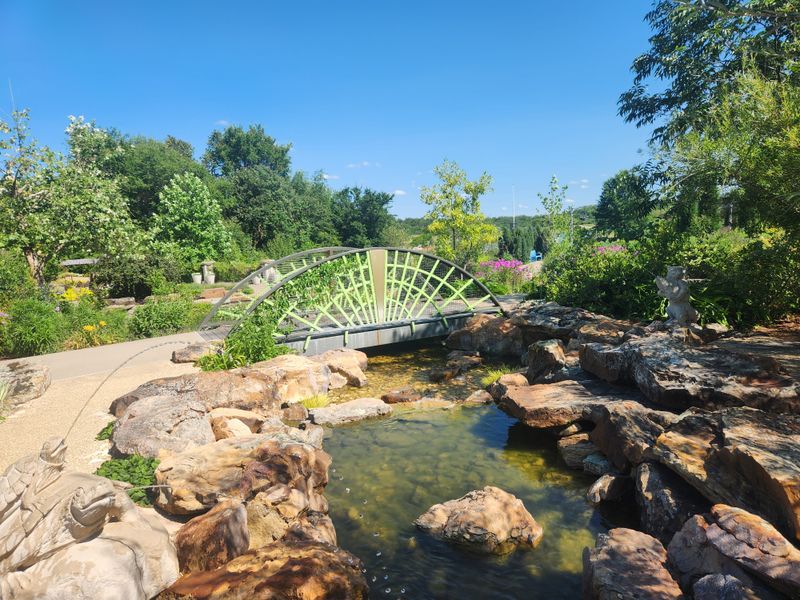
The garden’s commitment to accessibility impressed me throughout my visit. Wide, well-maintained paths accommodate wheelchairs and strollers easily, while frequent benches provide rest spots for those who need them.
I noticed multiple generations visiting together, from toddlers to elderly grandparents, all able to navigate the space comfortably. The terrain includes some gentle slopes but nothing that presents a serious challenge for most visitors.
Restroom facilities are clean and strategically placed, though I’d recommend noting their locations on the map since the garden is quite large. Water fountains appear at regular intervals, essential during Oklahoma’s warm months.
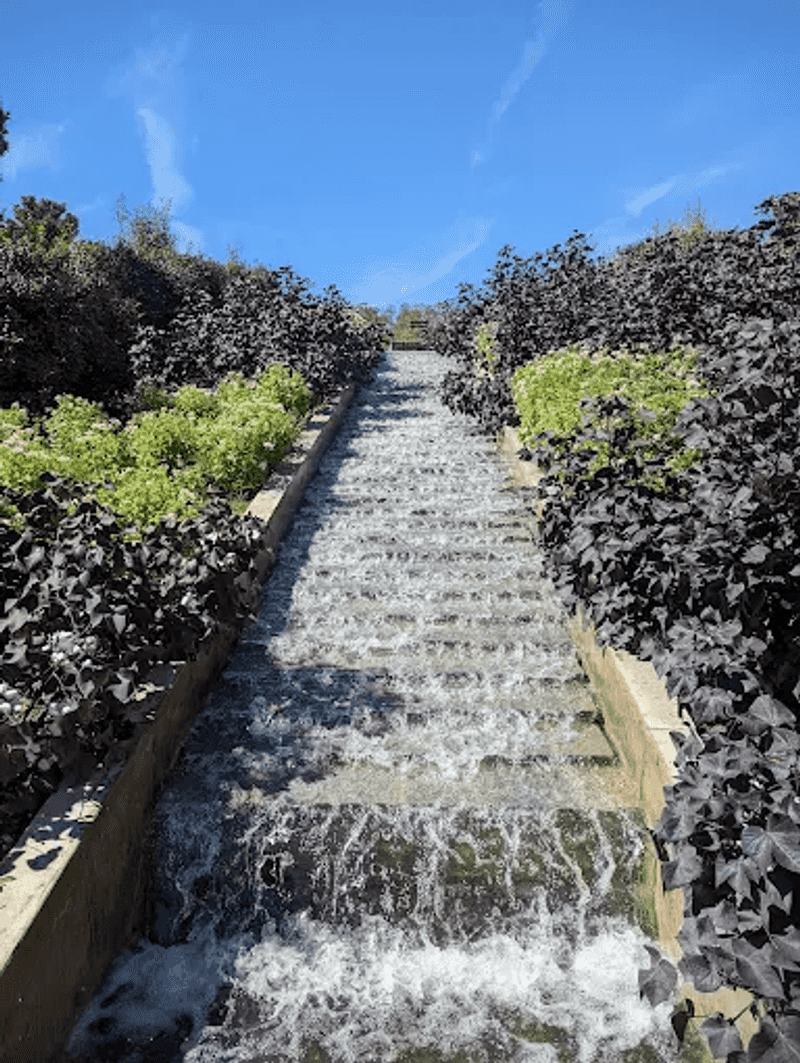
Shaded areas provide relief from summer sun, and the garden’s design incorporates natural cooling through water features and tree canopy. I visited on a hot day and found the temperature noticeably more comfortable than in surrounding parking areas.
Staff and volunteers stationed throughout the grounds offer friendly assistance and can answer questions about plants, events, or facilities. Their presence adds to the welcoming atmosphere that makes this garden special beyond its botanical collections.
Photography Opportunities Around Every Corner

Photographers will find endless subjects here, from intimate flower portraits to sweeping landscape compositions. I watched several people with serious camera equipment working methodically through different garden areas, clearly on a mission to capture specific shots.
The garden’s varied landscapes provide dramatically different backdrops within a short walk. You can photograph formal garden beds, wild prairie scenes, water features, and architectural elements all in one visit.
Morning and late afternoon offer the best natural lighting, with golden hour creating particularly stunning effects on the water features and through the prairie grasses. I’ve seen professional photographers leading sessions here, taking advantage of the consistently beautiful settings.
The garden’s social media presence showcases visitor photos, creating a community of people who return seasonally to document changes. It’s become a popular spot for family portraits, senior pictures, and even wedding photography with proper permits.
Even smartphone photographers will capture impressive images here. The gardens are simply so well designed and maintained that it’s hard to take a bad photo, making everyone feel like a talented photographer regardless of equipment.
Educational Programs and Community Connection
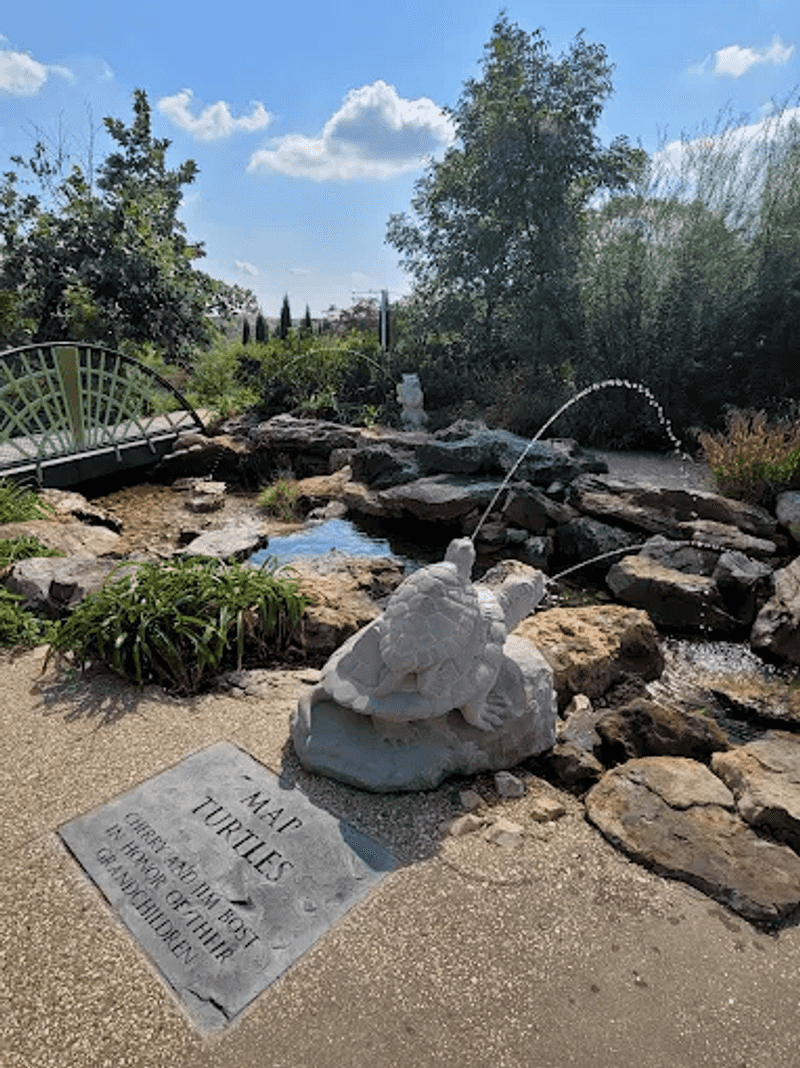
The garden functions as an educational resource for the entire community, offering programs that range from children’s camps to master gardener workshops. I attended a weekend lecture about native plant landscaping and left with practical knowledge I immediately applied at home.
School groups visit regularly, using the gardens as an outdoor classroom where concepts come alive in ways that textbooks can’t match. The educational programming extends the garden’s impact far beyond casual visitors.
I spoke with staff members who clearly possess deep knowledge and genuine passion for their work. Their enthusiasm proves contagious, transforming a simple question about a plant into a fascinating conversation about ecology and garden design.
The garden also hosts community events that bring people together around shared interests in nature and sustainability. These gatherings strengthen neighborhood connections while promoting environmental awareness.
Membership benefits include access to special programs and behind-the-scenes tours that provide deeper insight into garden operations. Learning about the work required to maintain such beautiful spaces increased my appreciation for what the staff accomplishes here.
The Resident Garden Cat
One of the garden’s most beloved unofficial features is the resident cat who has claimed the grounds as personal territory. Spotting this feline friend has become a fun bonus objective for regular visitors.
I encountered the cat near the gift shop, where it was lounging in a sunny spot with the casual confidence of someone who knows they belong. Staff mentioned that the cat helps with pest control while charming visitors throughout the day.
The cat’s presence adds an extra layer of personality to the garden experience. Children especially delight in cat sightings, and I watched several families pause their garden exploration to admire the furry resident from a respectful distance.
This unofficial mascot seems to understand its role perfectly, appearing at just the right moments to brighten someone’s visit. Social media posts about cat encounters pop up regularly, with visitors sharing photos and reporting sightings.
The relationship between the garden and its feline resident reflects the welcoming, slightly whimsical character that sets this place apart from more formal botanical institutions. It’s these small, unexpected touches that transform a good garden into a truly memorable one.
Planning Your Perfect Visit

Timing your visit can significantly enhance the experience. I recommend checking the website before heading out, as the garden hosts special events that might align with your interests or, conversely, create larger crowds than you prefer.
Membership pays for itself quickly if you plan to visit more than twice annually. Members enjoy free admission, event discounts, and the satisfaction of supporting the garden’s continued development and programming.
Allow at least two to three hours for a thorough visit, though you could easily spend an entire day here during peak bloom seasons. Comfortable walking shoes are essential, as you’ll cover considerable distance on varied terrain.
The garden’s phone number, 918-289-0330, connects you with staff who can answer specific questions about current conditions, accessibility needs, or upcoming events. They’ve always been helpful when I’ve called with questions.
Pack water and snacks, especially for visits with children, though food vendors appear during special events. The garden allows picnicking in designated areas, making it easy to extend your visit without leaving the grounds for meals.
Share this story